
Every dog owner knows the familiar sound of barking echoing through their home, but some breeds take this natural behavior to a whole new level. While barking is a perfectly normal way for dogs to communicate with us and express their emotions, certain breeds have a genetic predisposition to be more vocal than others. Think of it like having a neighbor who just loves to chat about everything they see and hear. These breeds were often developed for specific jobs that required them to use their voices, from alerting hunters to protecting livestock.
The reality is that these naturally talkative breeds require dedicated training to help manage their vocal tendencies. Without proper guidance, what starts as normal communication can quickly become problematic excessive barking that disturbs neighbors and creates stress within the household. However, with the right approach and consistent training techniques, even the most vocal breeds can learn when it’s appropriate to speak up and when it’s time to settle down. Let’s explore these chatty canines and discover what makes them tick.
Beagle
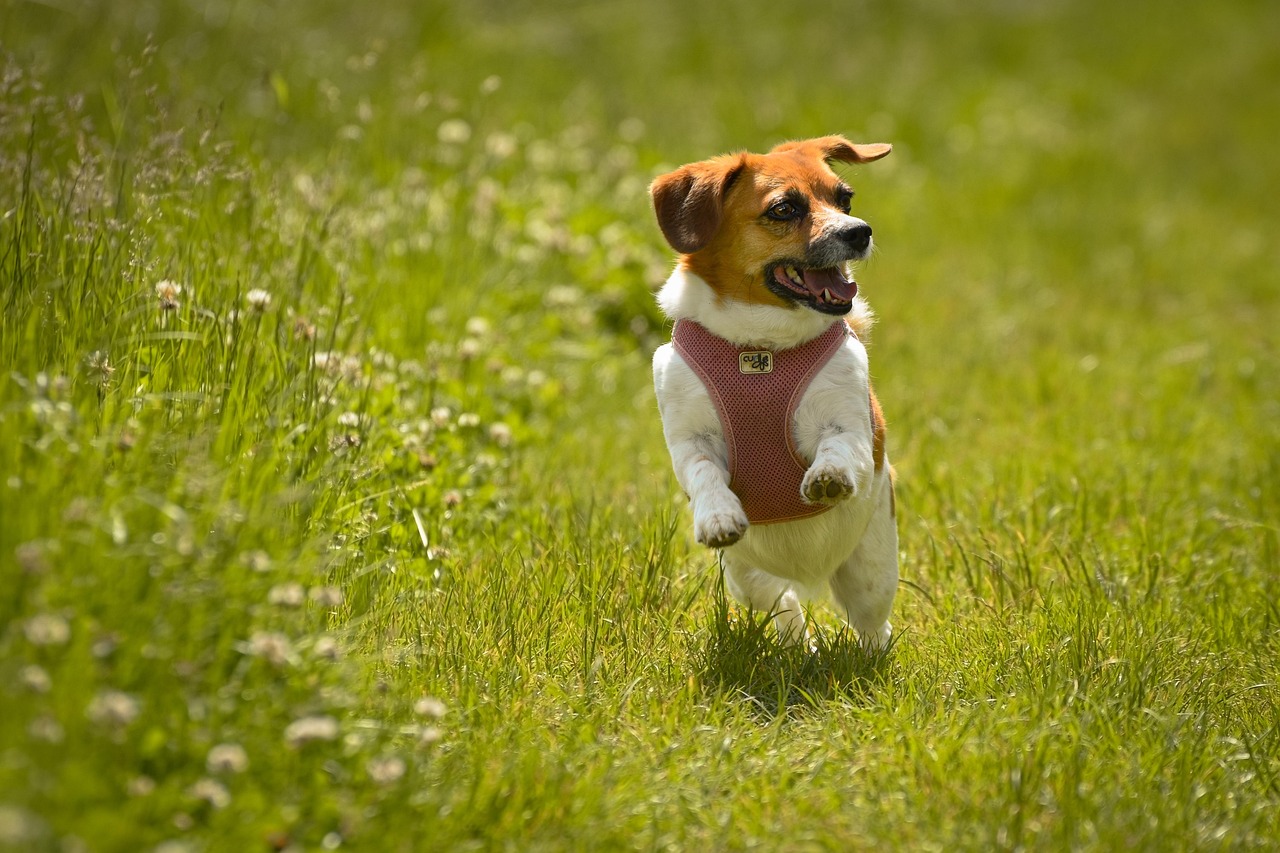
Beagles were bred to hunt in packs and use their howl to communicate with their pack and their human hunters, which explains why they bark when you walk in the door, at a plastic bag and when strangers walk past the house. These medium-sized hounds possess an incredible sense of smell that was originally used for tracking rabbits and foxes during hunting expeditions.
Beagles are considered very loud and persistent barkers who have been bred for hunting, thus utilizing their voice to alert hunters or follow any scent trail. Their vocal nature stems from centuries of selective breeding that encouraged them to bay and howl when they picked up interesting scents. This instinct remains strong in modern Beagles, making them prone to vocalizing whenever they encounter new smells or exciting situations.
German Shepherd
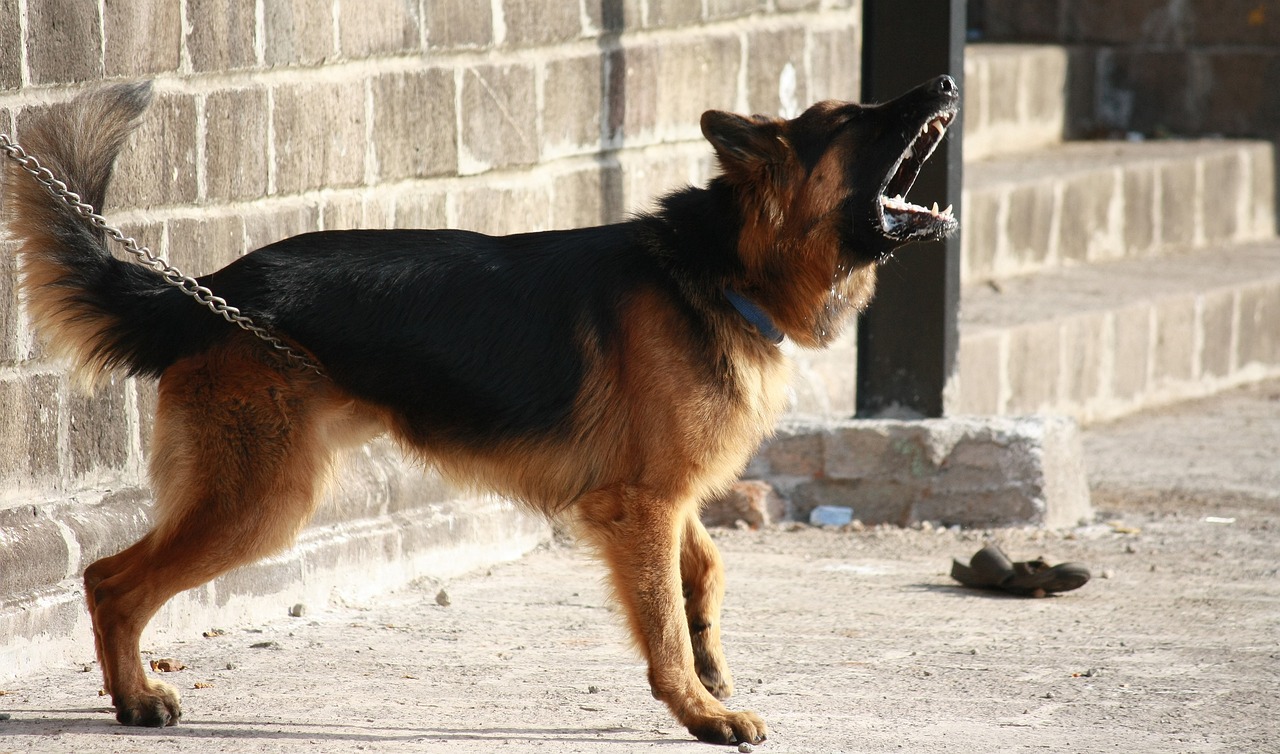
As one of the best guard dogs, German Shepherds are bred to guard and let you know when something isn’t right, but not quietly. These intelligent and loyal dogs have served alongside humans in various capacities, from herding livestock to working in law enforcement, which has ingrained their protective barking instincts deeply into their nature.
The German Shepherd can give the Siberian Husky a run for its money when it comes to having something to say, especially in stressful and exciting situations. German Shepherds are generally more expressive and have a very distinctive loud bark, and because of their protective instincts, they can be vocal around strangers and other dogs. Their commanding voices were developed to be heard across large distances while working, making them naturally inclined to express themselves loudly when they sense potential threats or changes in their environment.
Chihuahua
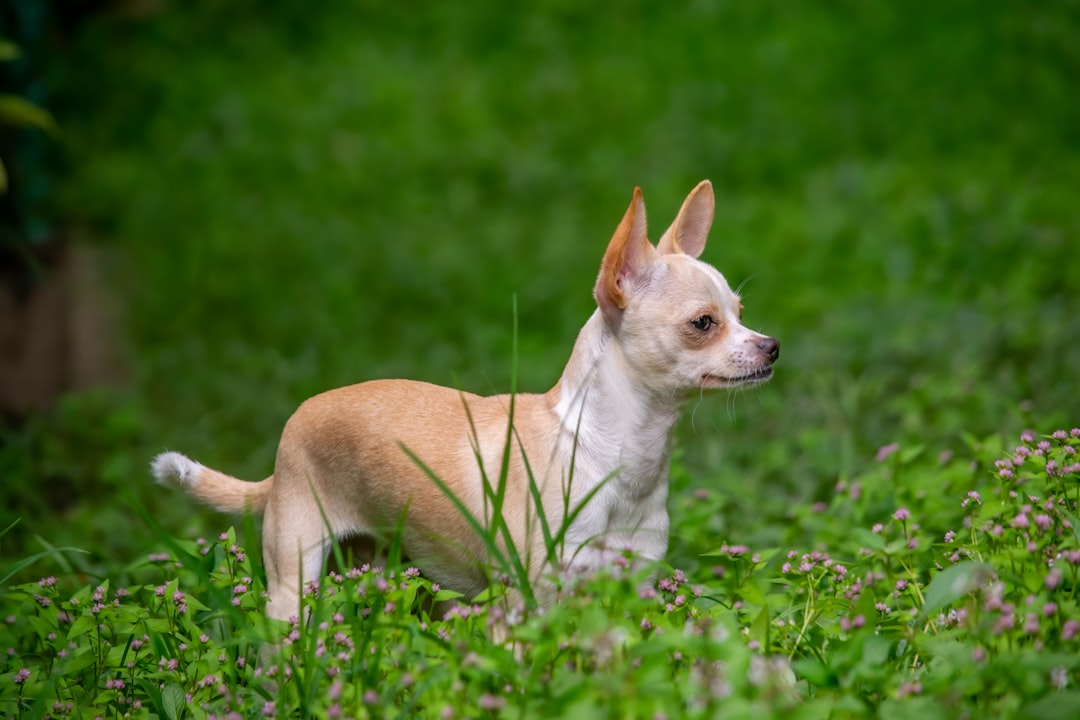
Chihuahuas may be small but they have a big personality and plenty to say about it, living large for their comparatively small size with huge personalities that include even bigger barks, being highly alert and territorial with most things able to trigger them. These tiny dogs often carry themselves with the confidence of much larger animals, which translates into surprisingly powerful vocalizations.
Despite their size, Chihuahuas are big barkers with a high-pitched sound that can startle, and they bark due to their strong sense of alertness in unfamiliar situations or as a way to assert their dominance. Their small stature doesn’t prevent them from having outsized reactions to perceived threats or changes in their environment. Training is essential to help these spirited companions understand when their protective instincts are truly needed versus when they can relax and trust their human family to handle the situation.
Yorkshire Terrier
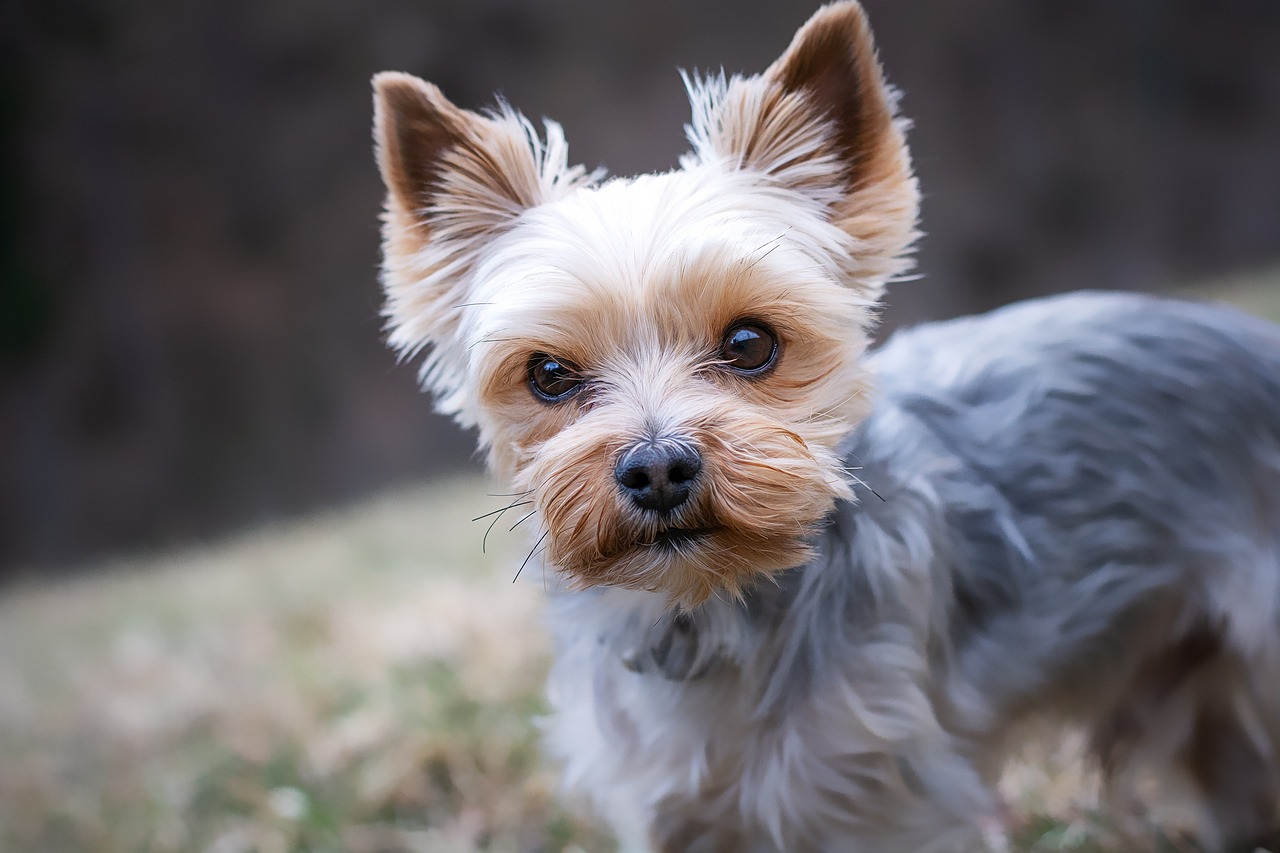
Yorkies are small, but they’re a part of the Terrier family and they don’t know when to tone down their bark, thinking they are bigger than they are and aren’t afraid to yap to the mailman, the Great Dane at the dog park, your shadow, or even their shadow. This fearless attitude is both endearing and challenging for owners who need to manage their vocal tendencies.
Yorkies are often grouped in with the Chihuahua and Pomeranian as small dogs with big personalities and a tendency to talk a big game, and Terriers in general are often considered to be noisy dogs, with these tiny dogs being affectionate and loving but not afraid to stand up to dogs much larger than themselves. Their terrier heritage means they were originally bred to be tenacious hunters, and that bold spirit translates into a willingness to vocalize their opinions about everything they encounter. Early socialization and consistent training help channel their natural confidence in more appropriate directions.
Siberian Husky
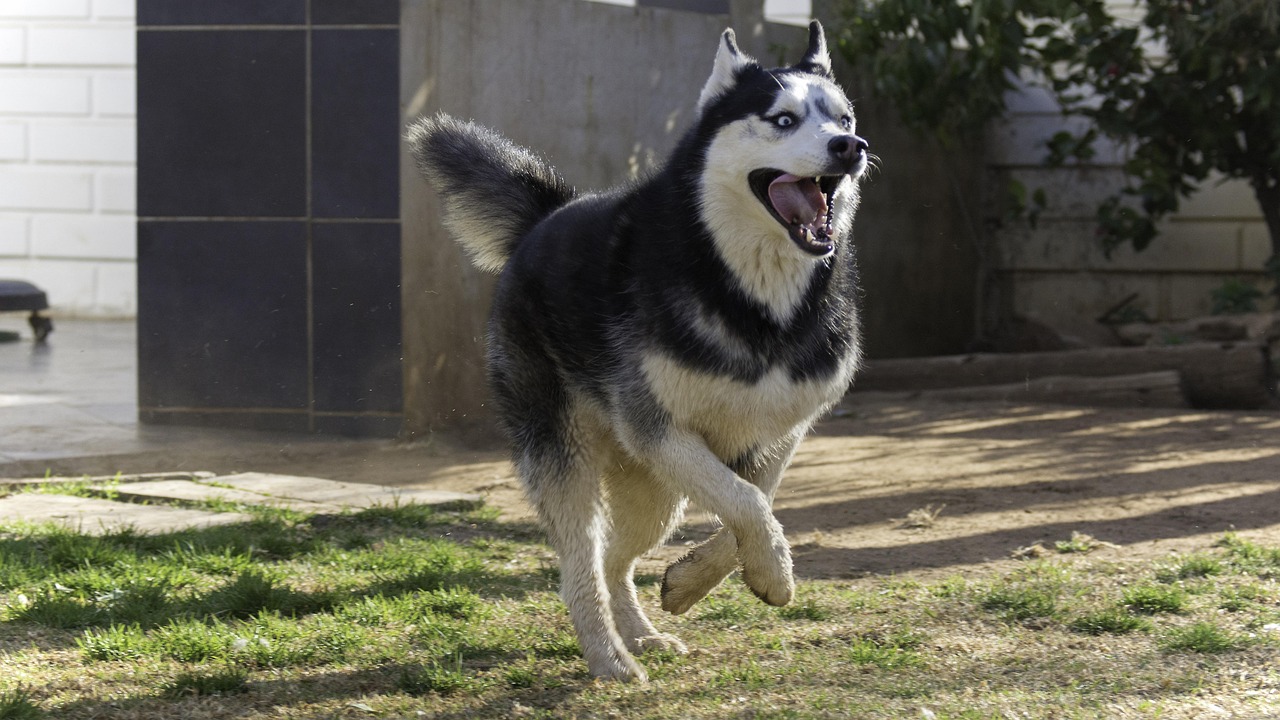
The Siberian Husky has a lot of things to say about everything, and you can expect this breed to become especially vocal when excited or stressed, making vocalizations from barking and whining to howling and screeching. Unlike traditional barking, Huskies are known for their distinctive “talking” behavior that sounds almost conversational.
Siberian Huskies don’t necessarily bark a lot, but they’re described as a talkative breed that will whine, howl, groan and ‘talk’ for hours, with their ancient working heritage making their vocalisation more similar to that of their sled dog ancestors, and as sled dogs who travelled over large distances, communication was important since a whine or howl travels further than a bark. Their unique vocal style developed from their working history in harsh Arctic conditions where clear communication between team members was essential for survival.
Miniature Schnauzer
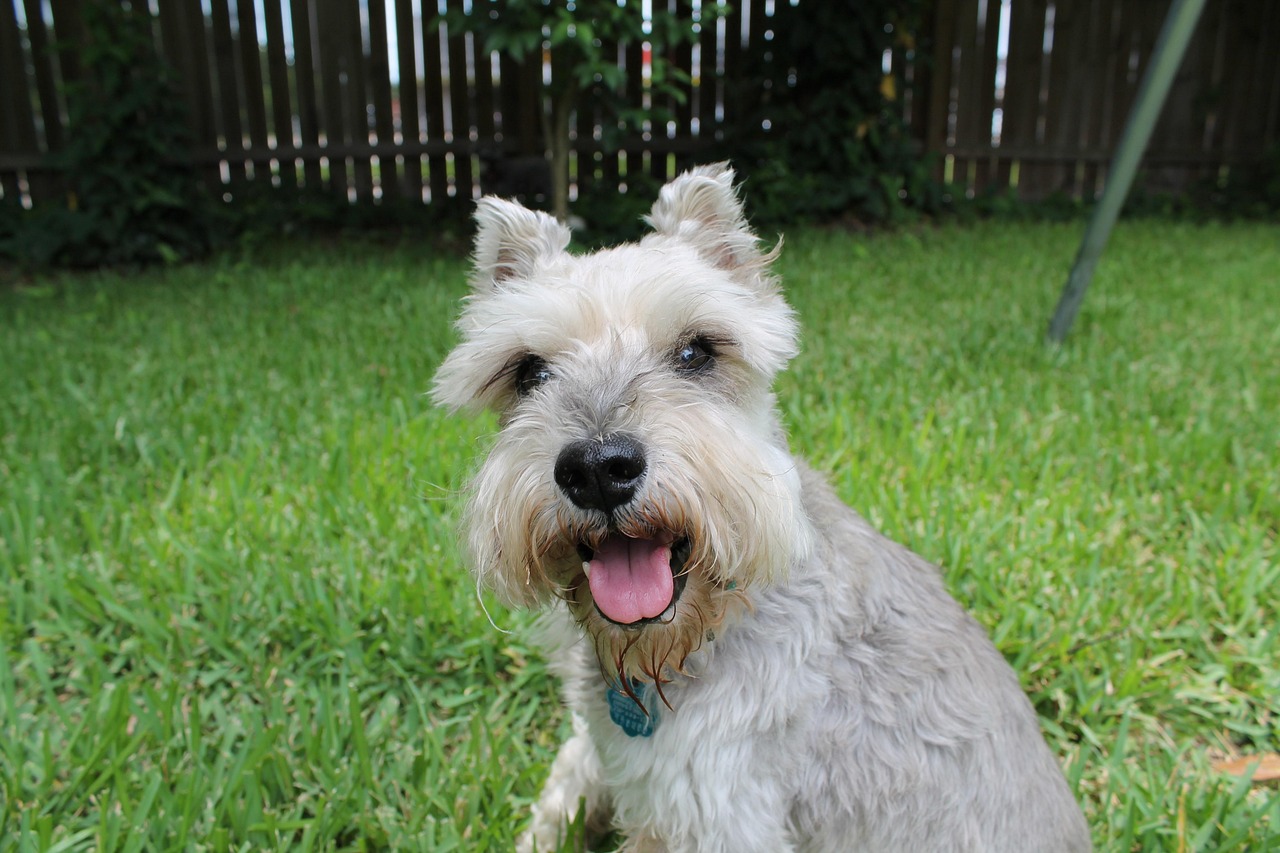
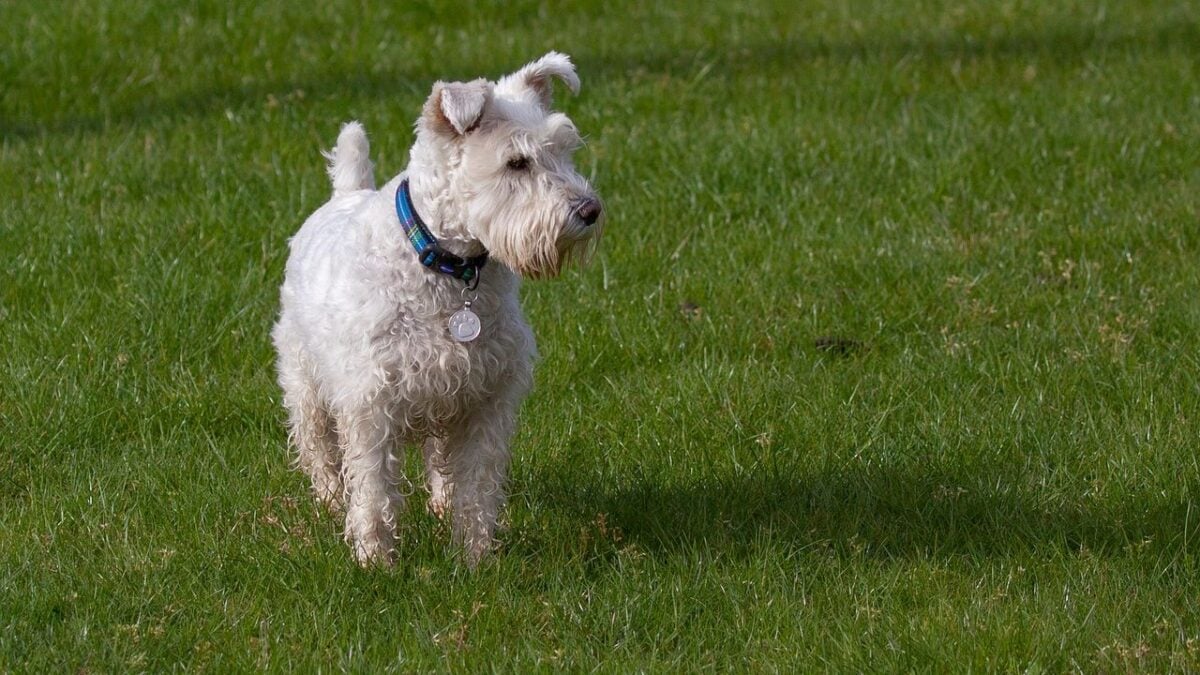
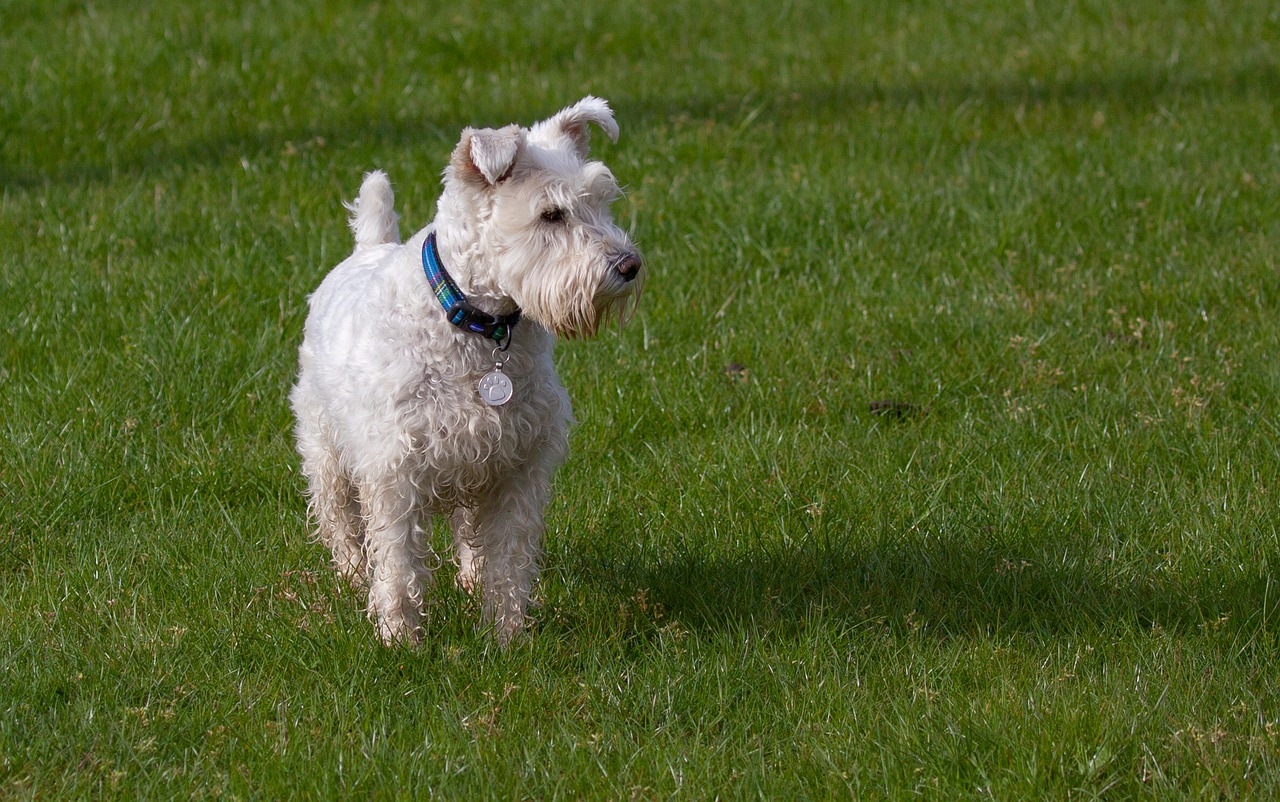
The Miniature Schnauzer enjoys talking trash to bigger dogs despite looking like a harmless goofball with bushy eyebrows and a walrus-like mustache, and they are known for having a sassy attitude and a tendency to bark at anything and everything. These compact dogs possess an outsized personality that often surprises people with their vocal confidence.
While this can make them good watchdogs, it can also be obnoxious in the wrong setting, and while their size makes them suitable for apartment living, you should be prepared to work on training your Miniature Schnauzer to vocalize at appropriate times. Their intelligence makes them excellent candidates for training, but it also means they can quickly learn to use their voice to manipulate situations to their advantage. Consistent boundaries and positive reinforcement help these clever dogs understand when their vocal input is welcome and when quiet behavior is preferred.
Basset Hound
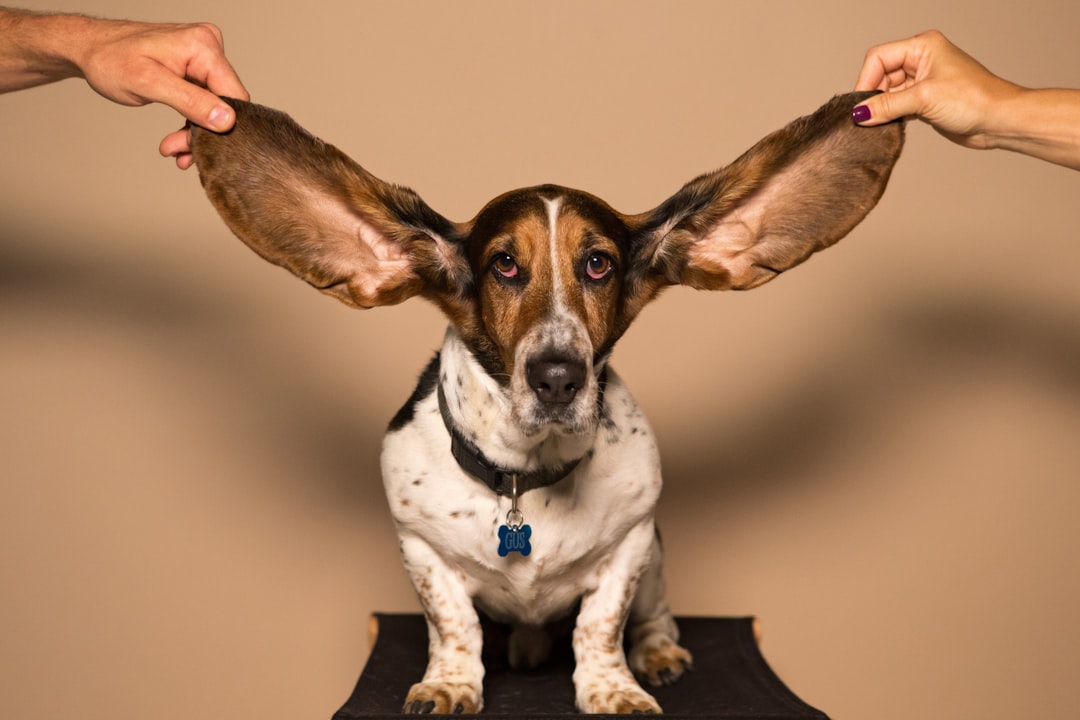
Basset Hounds are used for tracking and hunting, becoming distracted by different scents and sounds and letting you know when they have found what they are looking for with a howling bark, and as a hound, they often have lots of things to say, from baying and howling to whining and yelping. Their distinctive deep voice carries remarkably well, making their vocalizations impossible to ignore.
With a deep baying bark, Basset Hounds were originally bred to hunt, and indeed their voice carries far, using their bark to track scents and communicate over long distances. Because of their moderate exercise needs and tendency to vocalize, this breed may be challenging for apartment living. Their hunting heritage means they’re naturally inclined to announce their discoveries, whether it’s an interesting scent trail in the backyard or the arrival of visitors at the front door.
Bloodhound
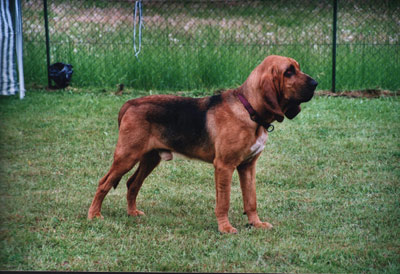
Bloodhounds bark and howl excessively and they DO NOT care, and if there is a rabbit in the backyard or suspicious shadow around the corner, they will let you know. These impressive scent hounds were developed to track over long distances, requiring them to communicate their findings to handlers who might be far away.
Often lauded for their strong sense of smell, the Bloodhound is an excellent dog that is often employed as a search and rescue dog, as well as serving as a hunting scent hound, and when excited, happy, or stressed, this breed loves to howl and bay, with frequent barking also expected from Bloodhounds. Their vocal nature is so deeply ingrained that they seem almost incapable of working silently. Training can help establish some boundaries around their vocalizations, but owners need to understand that some level of baying and howling is simply part of owning this remarkable breed.
Scottish Terrier
Scottish Terriers do not yip and yap, they BARK, and they have a powerful bark that’s a lot louder than you think. These sturdy little dogs were bred to hunt vermin and small game, requiring them to be bold and vocal when confronting their quarry underground or in tight spaces.
Their terrier instincts make them naturally suspicious of strangers and quick to announce any changes in their territory. Scottish Terriers possess a deep, resonant bark that can be quite startling coming from their relatively compact frame. Early training helps them distinguish between genuine threats that require their attention and everyday occurrences that don’t need their vocal commentary.
Pomeranian
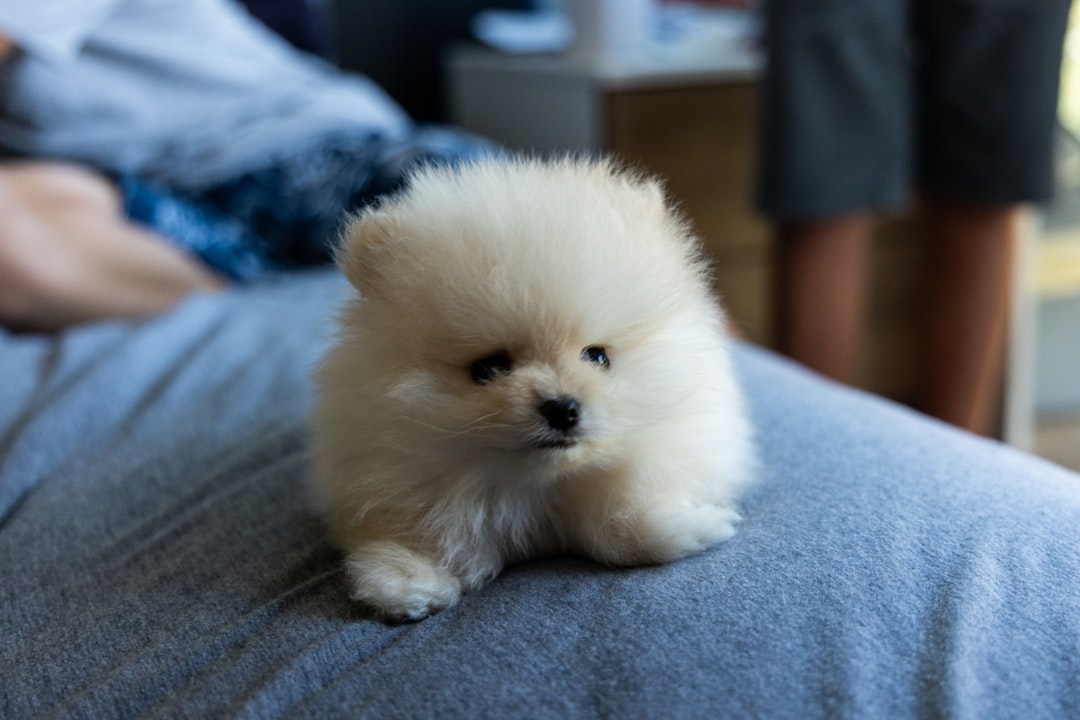
Pomeranians, tiny though they are, certainly don’t hold back when it comes to barking, being normally very alert and tending to vocalize quite a bit, especially if excited or anxious, as they are very expressive and fond of attention. These fluffy companions were bred down from larger spitz-type dogs, retaining the vocal tendencies of their ancestors while being compressed into a much smaller package.
Similar to Chihuahuas, they tend to punch above their weight when it comes to attitude, and although their compact size may lead adopters to think they will make a good lap dog, they are a high-energy toy breed that needs lots of exercise, training, and enrichment, being somewhat defensive of their territory and barking when they hear any outside noises. Despite their diminutive size, Pomeranians often act like they’re in charge of household security, alerting their families to every sound and movement they detect.
Cairn Terrier
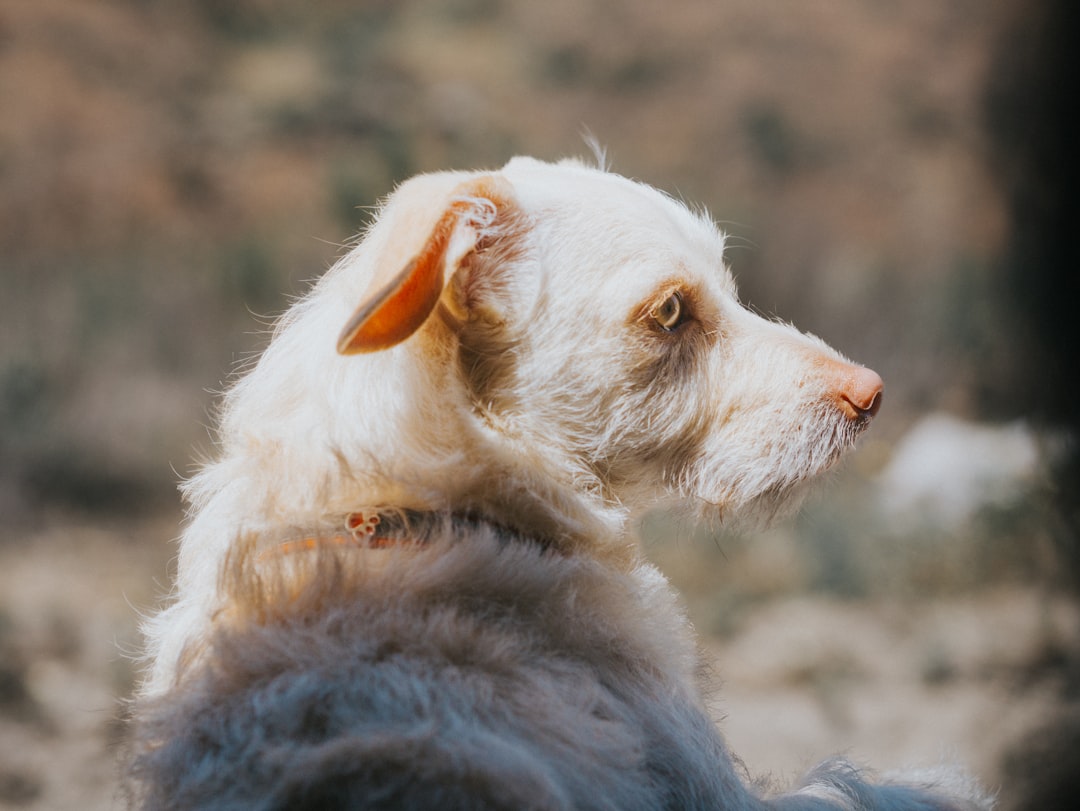
Breeds like the Yorkshire Terrier and Cairn Terrier are known to be alert and may bark frequently, often alerting to sounds and movements. These hardy little terriers were originally bred in Scotland to hunt foxes, badgers, and other vermin among the rocky cairns of the Scottish Highlands, developing a fearless and vocal approach to their work.
Cairn Terriers maintain their working terrier instincts even as family pets, which means they’re naturally inclined to bark at anything they perceive as unusual or potentially threatening. Their alert nature makes them excellent watchdogs, but it also means they need consistent training to help them understand when their protective services are truly needed. Their intelligence and eagerness to please make them responsive to training, though their independent terrier spirit requires patience and consistency from their owners.
Dachshund
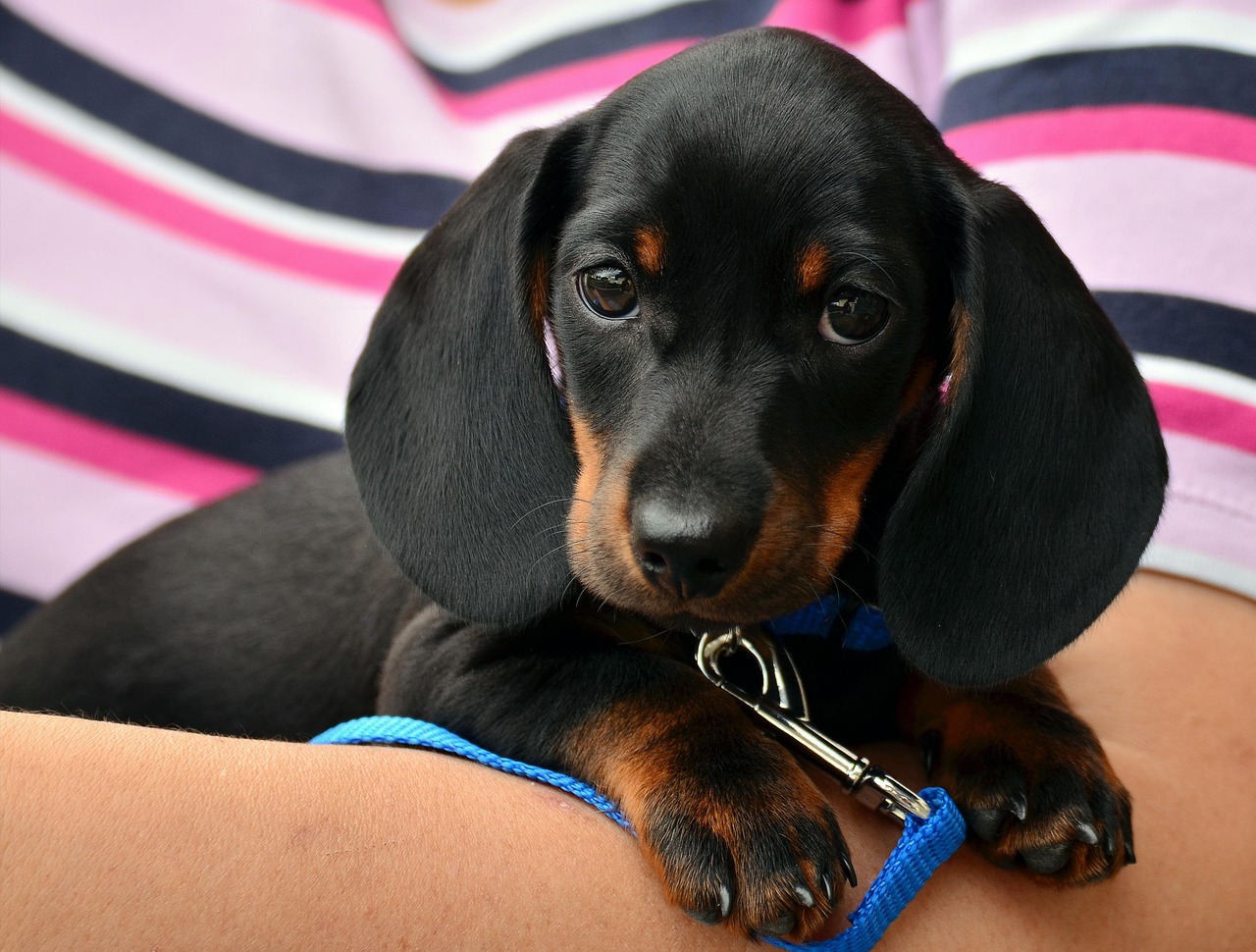
Dogs like dachshunds, chihuahuas, schnauzers, malamutes, labradors and coonhounds are also worth noting as generally louder breeds. These elongated hounds were originally developed to hunt badgers in their underground dens, requiring them to be brave enough to confront dangerous prey and vocal enough to alert hunters to their location below ground.
That includes dogs such as Yorkshire Terriers, Beagles, Rottweilers, Dachshunds, Cocker Spaniels, and more. Modern Dachshunds retain their hunting instincts and vocal tendencies, often barking at unfamiliar sounds, movements, or visitors. Their surprisingly deep bark for their size can be quite impressive, and they’re not shy about using it to express their opinions about household activities. Training helps these intelligent dogs learn appropriate times to use their voice while still allowing them to fulfill their natural role as alert watchdogs.
Conclusion
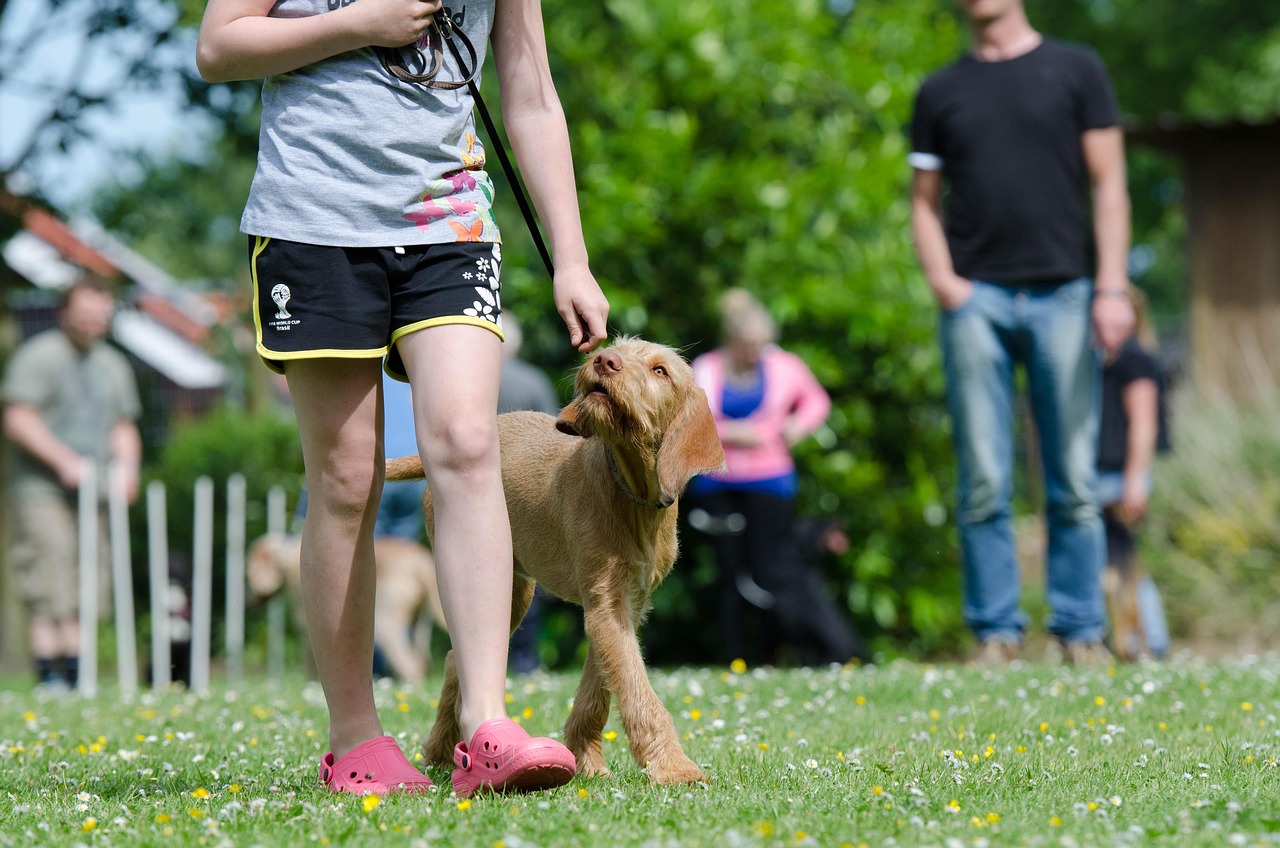
Understanding that certain breeds are naturally more vocal is the first step toward successful training and a harmonious household. These twelve breeds each bring their own unique vocal challenges, but they also offer tremendous loyalty, intelligence, and companionship to families willing to invest in proper training. Bear in mind that some dogs are more prone to barking than others, and some breeds are known as “barkers,” making it harder to decrease barking in individuals of these breeds.
The key to success lies in early training, consistent boundaries, and understanding why your particular dog is barking. If you feel they’re barking excessively, your best bet is to figure out the cause of the barking and address it consistently and patiently. Remember that barking is a natural form of communication for dogs, so the goal shouldn’t be complete silence but rather appropriate vocalization. With dedication and the right training approach, even the most vocal breeds can learn to be respectful canine citizens.
What do you think about these talkative breeds? Tell us in the comments if you’ve had experience training any of these vocal companions.

- 6 Exotic Bird Species You Can Spot in U.S. National Parks - July 19, 2026
- 11 Iconic American Birds Facing New Challenges and How You Can Help - July 19, 2026
- 10 Friendliest Animals in the World - July 19, 2026