
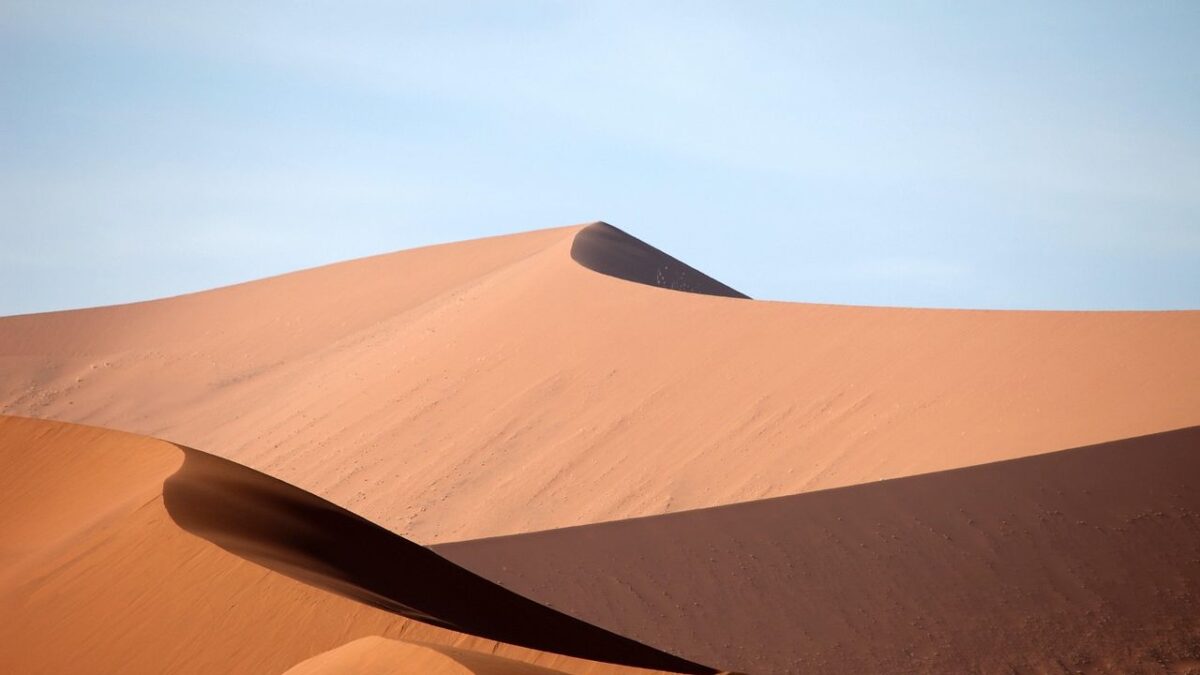
Most people picture the Sahara as a place where nothing much happens, and nothing much ever did. Just sand, silence, and an unbroken horizon stretching into the haze. That picture, it turns out, is spectacularly wrong.
The Sahara Desert is easy to imagine as static, a sandy expanse that has simply always been. Yet archaeology, ecology, and paleontology tell very different stories of a place that was once teeming with life in myriad forms. What researchers have been pulling out from under those dunes over recent decades reads less like a scientific summary and more like a list of impossibilities. Whale graveyards. Lost cities. Buried rivers wider than the Nile. Mass graves arranged in perfect circles. Cave paintings of people swimming.
The story building beneath the sand is stranger, older, and far more human than anyone imagined. These are eleven of the most remarkable things ever found buried beneath the world’s greatest desert.
#1: A Valley Full of Ancient Whale Skeletons
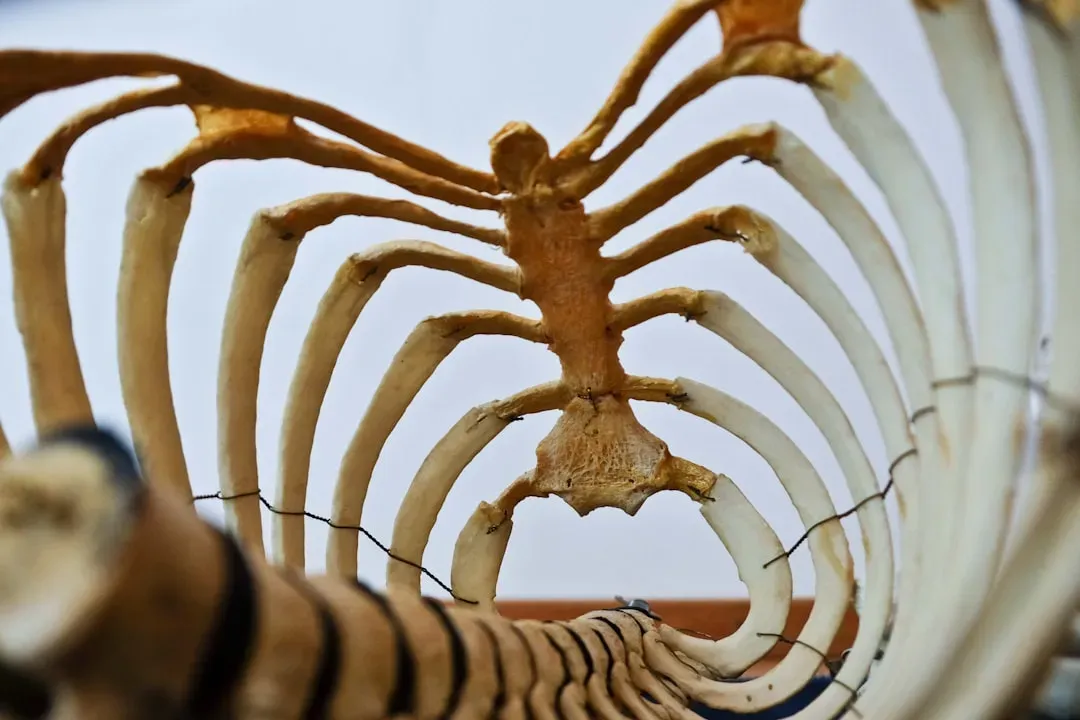
Wadi Al-Hitan, known as Whale Valley, in the Western Desert of Egypt contains invaluable fossil remains of the earliest and now extinct suborder of whales, Archaeoceti. These fossils represent one of the major stories of evolution: the emergence of the whale as an ocean-going mammal from a previous life as a land-based animal. The notion of standing in the middle of a desert and looking down at the skeleton of a creature that once swam through an ancient ocean is genuinely disorienting.
Egypt’s Whale Valley holds more than 400 primitive whale skeletons that offer a snapshot of the evolution of these creatures from land-based to marine animals. The whales possess small hind limbs not seen in modern whales, and powerful skulls with teeth similar to those of carnivorous land mammals. Perhaps most astonishing is the sheer concentration of specimens here. No other place in the world yields the number, concentration, and quality of such fossils, nor their accessibility and setting in an attractive and protected landscape.
#2: The Sahara’s Buried “Mega-River”
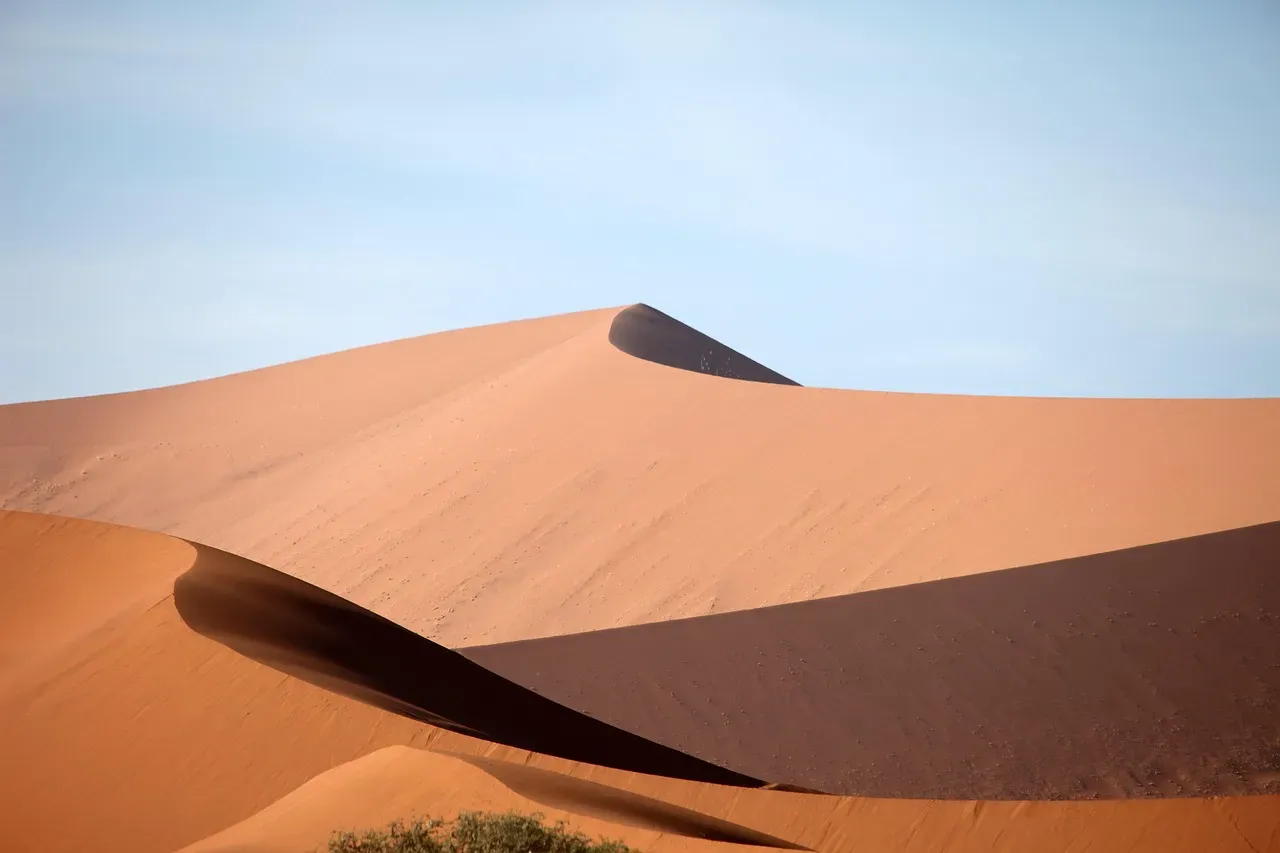
The Tamanrasset River is an enormous palaeoriver believed to have flowed through West Africa as recently as 5,000 years ago during the African Humid Period. The Tamanrasset River basin is thought to have been comparable with the present-day Ganges–Brahmaputra river basin in Asia. That comparison alone is staggering. This wasn’t a modest stream or seasonal trickle. It was one of the great rivers of the ancient world, now invisible beneath the sand.
The palaeoriver was discovered using a Japanese orbital satellite system called Phased Array type L-band Synthetic Aperture Radar, which can see below Saharan sands and detect the fossil water still present. The presence of the river is thought to have had wide-ranging implications for human migration from Central Africa to the Middle East, Europe, and Asia. A buried river of this magnitude quietly rewrites the story of how our ancestors moved across the world.
#3: The Lost Fortress Cities of the Garamantes
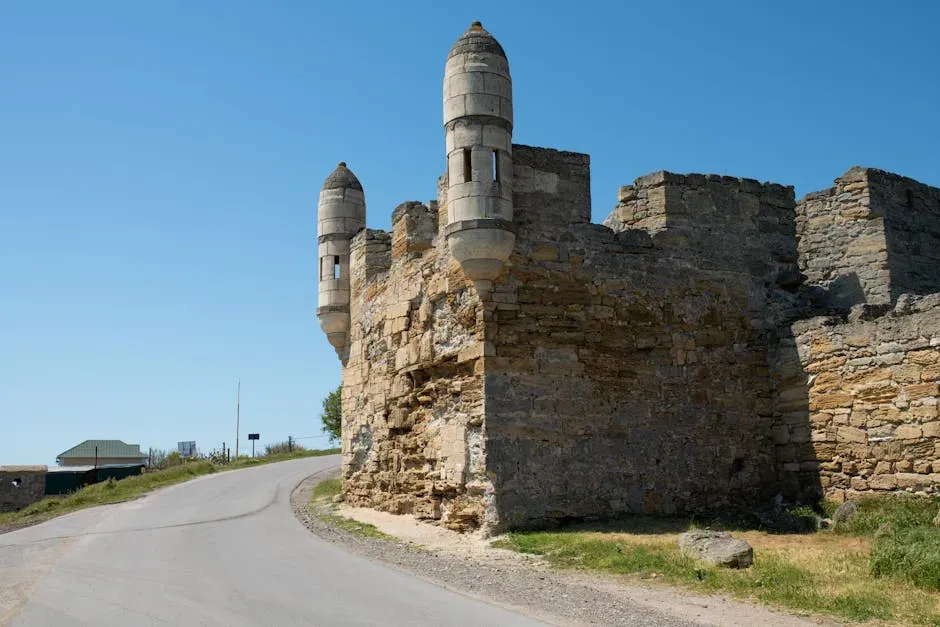
Real-life “castles in the sand” made by an ancient culture have been revealed in the Sahara. New satellite photographs show more than a hundred fortress settlements from a “lost” civilization in southwestern Libya. The communities, which date to between about A.D. 1 and 500, belonged to an advanced but mysterious people called the Garamantes, who ruled from roughly the second century B.C. to the seventh century A.D.
Evidence began to emerge suggesting this ancient society was much more advanced and successful than experts once assumed, covering more than 180,000 square kilometers with a capital consisting of thousands of people. The Garamantes mined reservoirs of prehistoric water using underground canals to cultivate Mediterranean crops such as wheat, barley, figs, and grapes, as well as sub-Saharan African sorghum, pearl millet, and cotton. An empire growing crops in the middle of the Sahara. It really shouldn’t have worked. It did, for centuries.
#4: A 750-Kilometer Underground Water System
The Garamantes lived in the southwestern Libyan desert from 400 BCE to 400 CE under nearly the same hyper-arid conditions that exist there today and were the first urbanized society to become established in a desert that lacked a continuously flowing river. The surface water lakes and rivers of the “Green Sahara” times were long gone by the time the Garamantes arrived, but there was water stored underground in a large sandstone aquifer, potentially one of the largest in the world.
To reach the precious liquid below ground, the Garamantes society spent centuries forcing workers to dig 750 kilometers of vertical shafts and underground tunnels, called foggaras, which were inclined to poke just below the water table, allowing the liquid inside to run downhill. Researchers have calculated that 77,000 man-years of labor went into constructing the underground water channels alone, a figure that doesn’t include digging the wells or maintenance. The scale of that engineering effort, done without modern machinery, is genuinely hard to comprehend.
#5: The Prehistoric Cemetery of Gobero
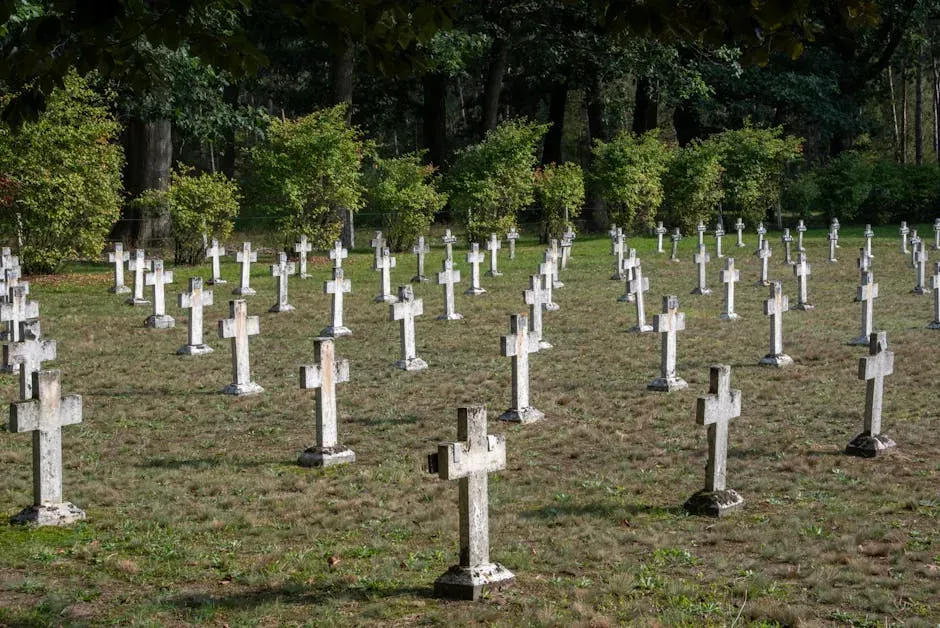
In 2000, a team led by paleontologist Paul Sereno discovered an exceptional archaeological site called Gobero, preserving an unprecedented 5,000 years of habitation by peoples living in the latter part of the African Humid Period. The site preserves an exceptional record of human burials, artifacts, and fauna, providing the best window into life in the “Green Sahara” during the Early and Mid Holocene. Finding a place of continuous human occupation for five millennia in the heart of what is now the world’s largest hot desert is the kind of discovery that stops researchers in their tracks.
At Gobero there are hundreds of burials, far more than any other site of comparable age, as well as thousands of artifacts and rock fragments from a very active stone tool industry. The site complex was not just a longstanding cemetery but also a place of active habitation. The most spectacular jewelry found includes a necklace discovered in the burial of an elderly woman, composed of stone and ostrich eggshell beads with a central carved pendant made of hippo ivory. Hippos, ivory, fish bones. All of it buried where only sand blows today.
#6: An Ancient Prehistoric Megalake Beneath Egypt
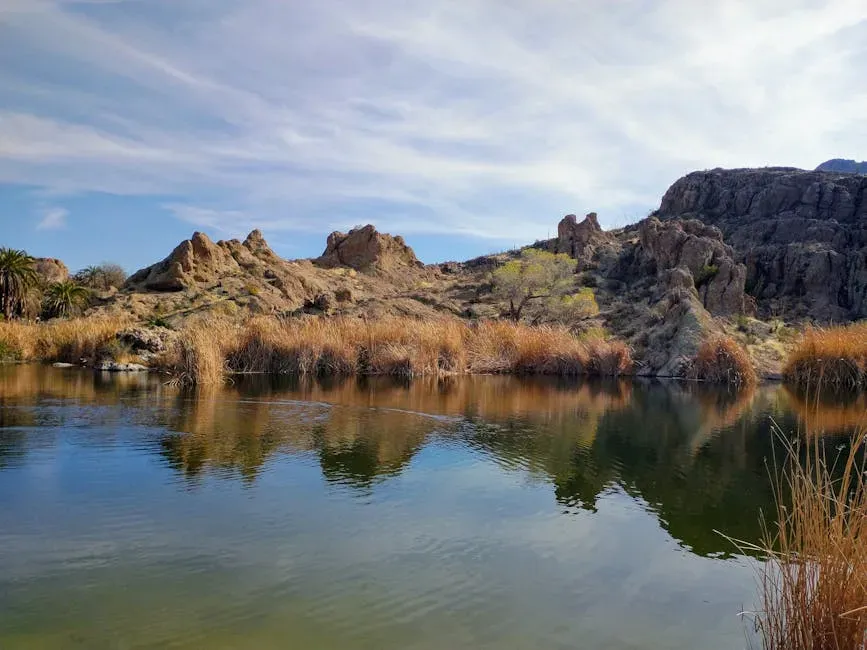
Beneath the sands of the Sahara Desert, scientists have discovered evidence of a prehistoric megalake. Using fossil fish found in deposits some 250 miles west of the Nile and at 810 feet above sea level as a marker of the lake’s highest shoreline, scientists estimate the Nile once flooded the entire Kiseiba-Tushka depression of Egypt, creating a giant lake. This wasn’t a pond or seasonal basin. It was an inland sea.
The location of Paleolithic human settlements near the areas of Selima and Tarfawi in Egypt correspond to a lake covering some 42,000 square miles, placing these settlements in what would have been desirable, near-water regions. These newly discovered lakes add to growing evidence of numerous early and middle Pleistocene lakes across North Africa that could have supported human migration patterns. Every time researchers find another one of these buried bodies of water, the ancient Sahara becomes a little less alien and a little more livable.
#7: 15,000 Rock Paintings in the Tassili n’Ajjer Plateau
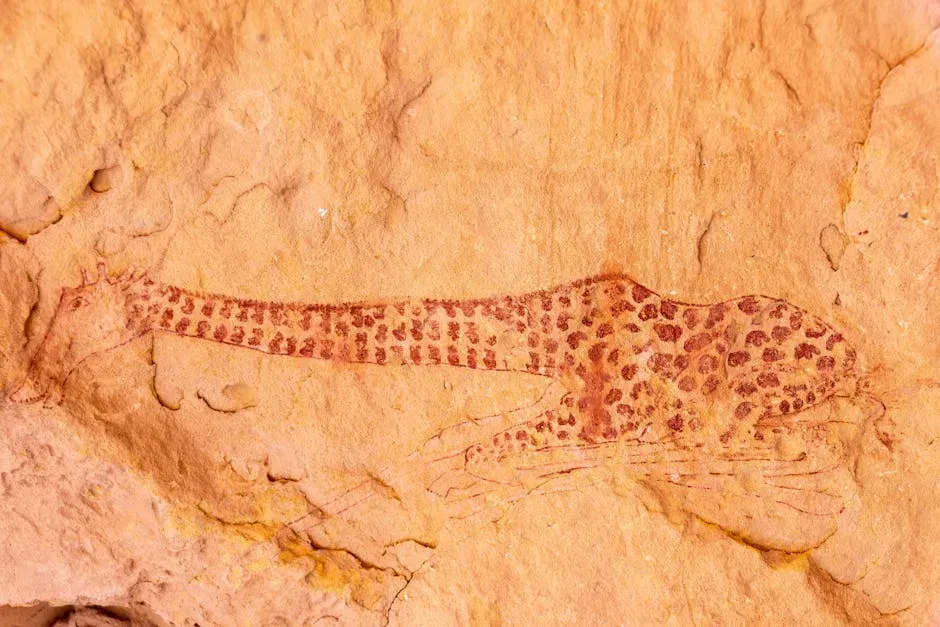
Located in a strange lunar landscape of great geological interest, Tassili n’Ajjer has one of the most important groupings of prehistoric cave art in the world. More than 15,000 drawings and engravings record the climatic changes, the animal migrations, and the evolution of human life on the edge of the Sahara from 6000 BC to the first centuries of the present era. The site effectively functions as a living record of a civilization that no longer exists in a landscape that no longer resembles what they painted.
The oldest art belongs to the so-called Wild Fauna Period, characterized by the portrayal of animals including elephants, giraffes, hippos, and rhinos that inhabited the area when it was much wetter than today. Overlapping with this era is the Round Head Period, when human figures appear alongside painted circular heads devoid of features. This art depicts water-dependent species like the hippopotamus, and species which have been extinct in the region for thousands of years. Hippos. In Algeria. Documented by human hands. The Sahara keeps making you recalibrate.
#8: The Buried Royal City of Tanis
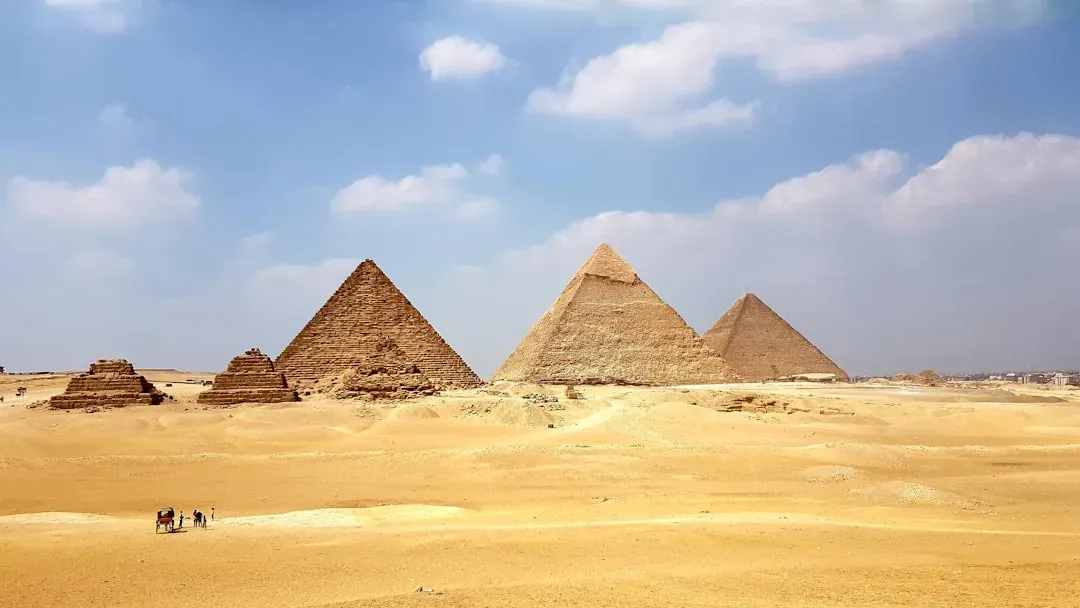
Multiple large-scale cities and evidence of settled, agriculture-based societies have been found beneath the desert, including a former Egyptian capital. The archaeological treasure trove of Tanis in the southern Nile Delta was lost beneath the sand and rediscovered in the 19th and 20th centuries, and as a one-time royal capital, it has yielded rich insights into ancient Egyptian society. The city slipped so completely from view that it wasn’t even recognized as a major royal site until modern excavations revealed it layer by layer.
Tanis isn’t the only city beneath the sand, and the ancient Egyptians weren’t the only people building in the seemingly barren desert. The ancient city of Kerma in what is now Sudan was once the capital of a far-flung North African empire, but it declined and was lost to history after it was annexed by the Egyptians about 3,500 years ago. Today, Kerma is recognized as an important archaeological site that provides valuable insights into the complex interactions between ancient Nubia and Egypt and the development of urban societies in Africa.
#9: Hundreds of Ancient Circular Mass Graves
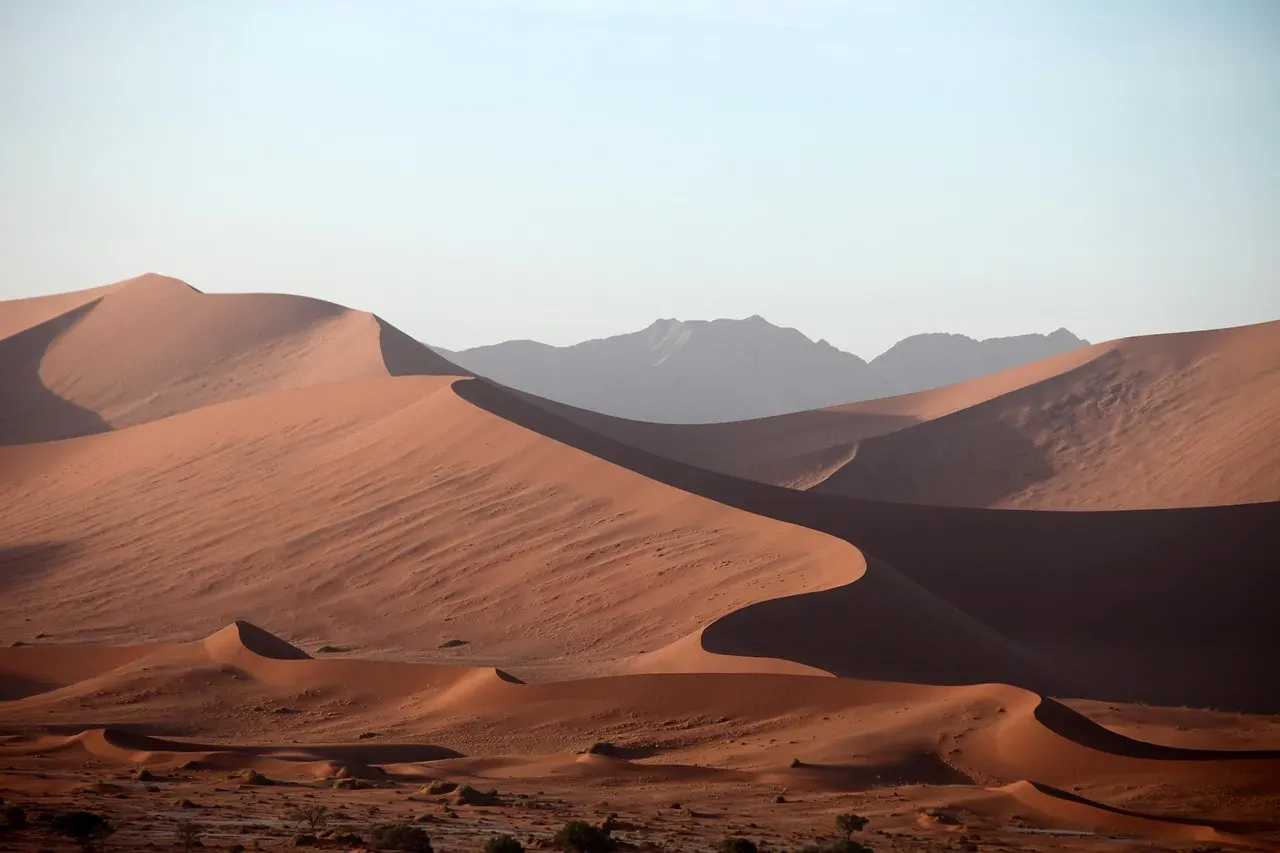
Researchers have discovered 260 previously unknown ancient enclosure burials in Eastern Sudan’s Sahara Desert, revealing a vast nomadic culture dating to 4000 to 3000 BC. Large, circular mass graves filled with the bones of people and animals were found, often carefully arranged around a key person at the center. Likely built around the fourth and third millennia BC, all these “enclosure burial” monuments have a large round enclosure wall, some up to 80 meters in diameter, with humans and their cattle, sheep, and goats buried inside.
The carbon dates and pottery from the few excavated monuments tell us these people lived roughly 4000 to 3000 BCE, just before Egyptians formed the territorial kingdom known as Pharaonic Egypt. The few dates cluster near the end of a period when the once-greener Sahara was drying, a phase scientists call the “African Humid Period.” The discovery reshapes the story of the Sahara and the prehistory of the Nile, providing a prologue for the monumentalism of the kingdoms of Egypt and Nubia, and an image of this region as more than pharaohs, pyramids, and temples.
#10: The Ancient Green Sahara and Its Crocodile Forests
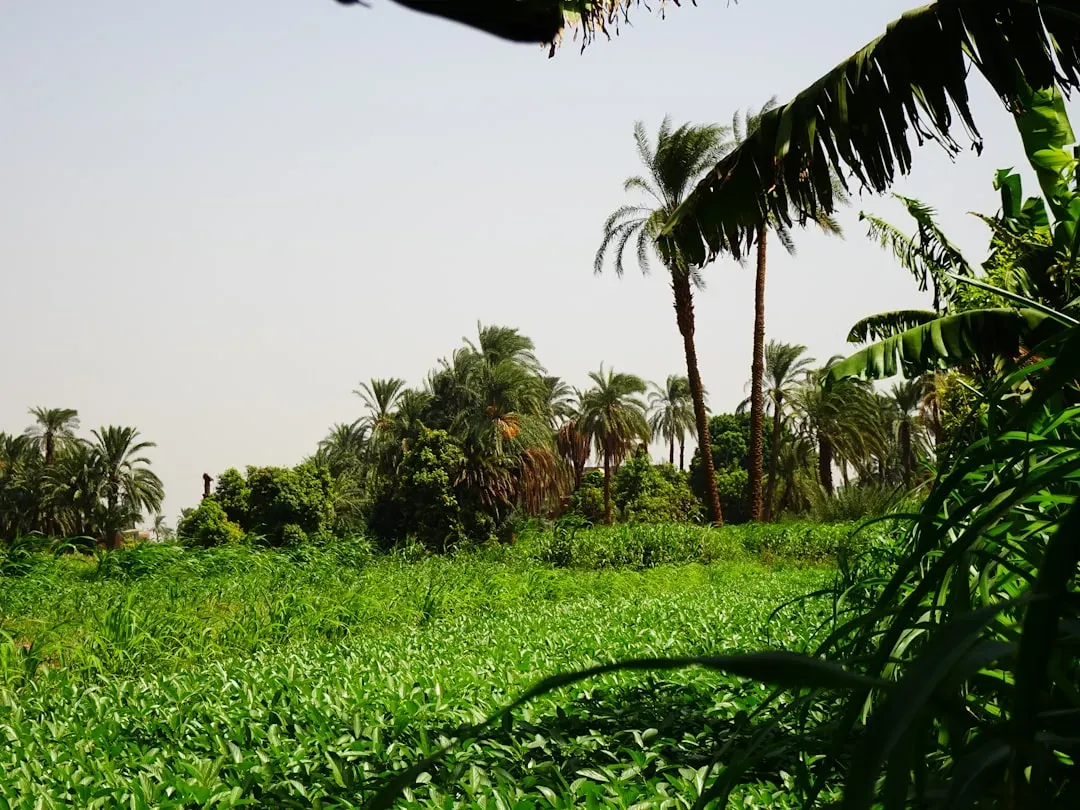
From about 14,000 to 10,000 years ago, Northern Africa experienced a biological heyday called the African Humid Period. Rivers, lakes, forests, wetlands, grasslands: the Sahara Desert didn’t look anything like it does today. During this time, monsoon rains swept northward, transforming the desert into a landscape of grasslands, lakes, and rivers. Wildlife such as elephants, hippos, giraffes, and even crocodiles roamed freely. Human communities thrived, hunting, fishing, and cultivating land that today is parched and lifeless.
Researchers from the University of Oxford and the Institut National des Sciences de l’Archéologie et du Patrimoine have discovered that rainfall in the desert increased between 8,700 and 4,300 years ago, which had a major impact on ancient herding societies. The evidence suggests the desert received more rainfall during the African Humid Period. This time period coincides with a rise in the number of Neolithic archaeological sites in the region south of the Atlas Mountains, which then plummeted when arid conditions resumed. The collapse was real, and it was swift in geological terms.
#11: Stone Age Cave Paintings of Humans Swimming
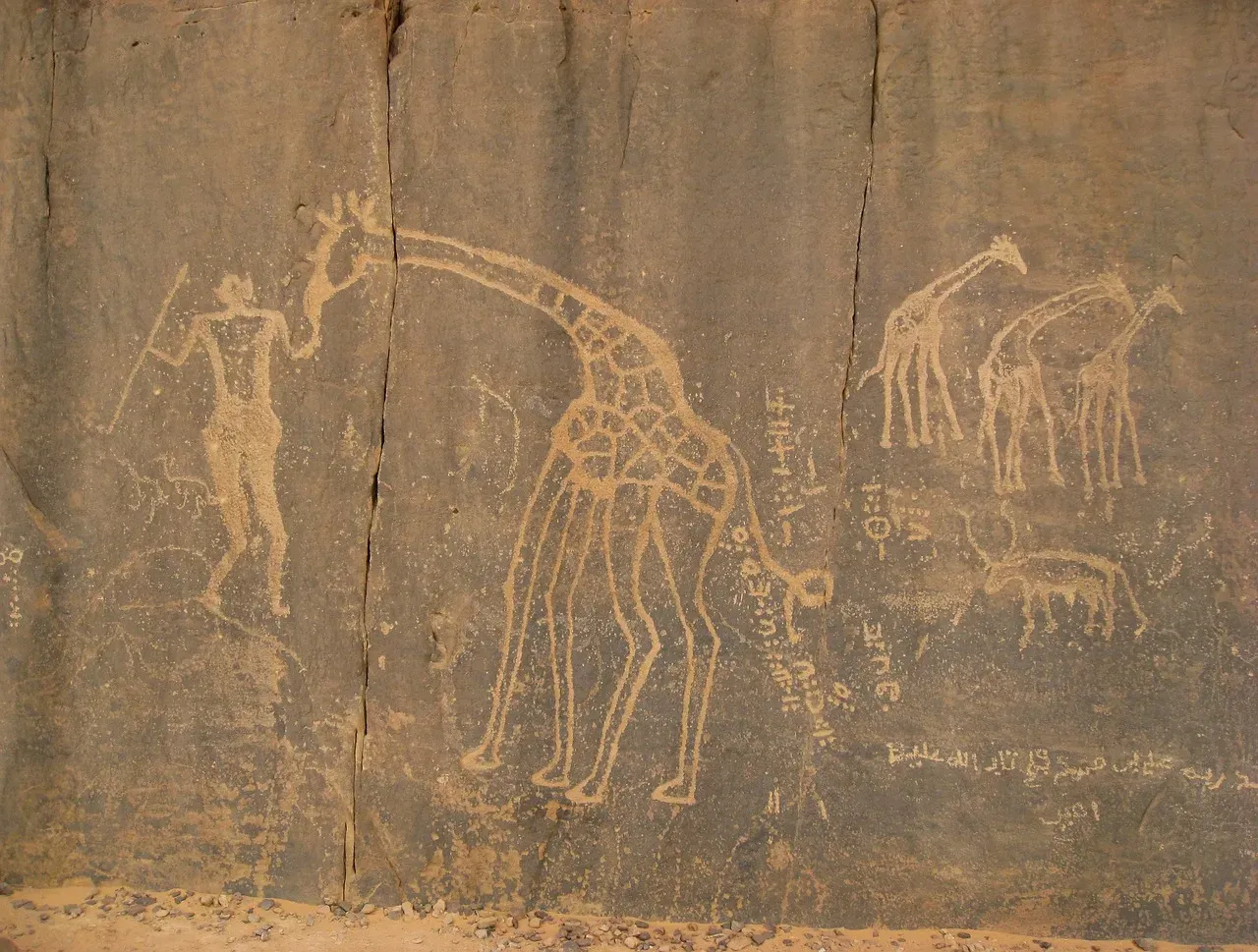
Large parts of today’s Sahara Desert were green thousands of years ago. Prehistoric engravings of giraffes and crocodiles testify to this, as does a stone-age cave painting in the desert that even shows swimming humans. That single image is one of the most quietly arresting things archaeology has produced from this region. People. Swimming. In the Sahara. Painted by someone who lived there and thought nothing of it, because back then there was water to swim in.
Fossil evidence and ancient rock art, particularly in regions like the Tassili n’Ajjer in Algeria and the Gilf Kebir plateau of Egypt, depict vivid scenes of cattle herding, dancing ceremonies, and vibrant wildlife. These petroglyphs suggest a robust and organized way of life, hinting that civilizations here weren’t primitive wanderers but rather settled people with rituals, livestock, and social structures. The Sahara didn’t kill these cultures. The climate took the water first, and the people followed it, leaving their paintings behind as the only proof they were ever there.
A Desert That Keeps Rewriting History
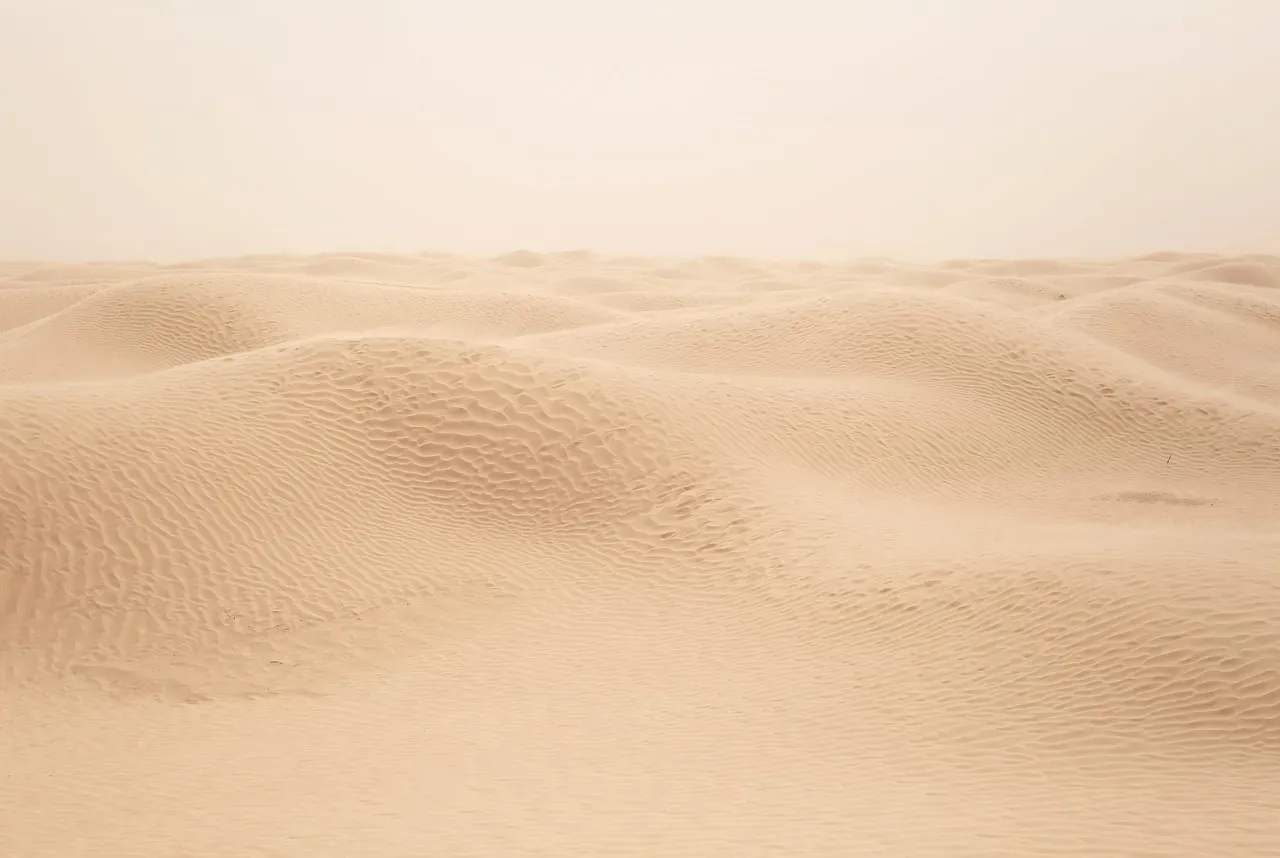
There’s something almost poetic about the fact that the world’s most forbidding desert is also one of its greatest archaeological vaults. The same arid conditions that emptied the Sahara of life also preserved the evidence of that life with extraordinary fidelity. Every buried river, every petrified whale, every circular grave and painted swimmer is a reminder that the landscape we see today is not the landscape that has always existed.
The honest conclusion, though, is not just one of wonder. It’s a deeply uncomfortable one. We’ve spent centuries treating the Sahara as empty, peripheral, and irrelevant to the main story of human civilization. That framing has always been wrong. These discoveries reshape the story of the Sahara and the prehistory of the Nile, providing a prologue for the monumentalism of the kingdoms of Egypt and Nubia, and an image of this region as more than pharaohs, pyramids, and temples. The story of Africa’s ancient interior has been buried under sand and under assumptions, and researchers are still only scratching the surface.
What sits beneath the Sahara is not just fascinating science. It’s a corrective. The desert has been hiding the evidence of entire civilizations, entire seas, and entire chapters of human history for thousands of years. We’d be arrogant to assume we’ve found the most important parts yet.

- Why Wolves Were Reintroduced to Yellowstone - July 15, 2026
- The Resurgence of America’s Wild Horses: A Symbol of Freedom and Hope - July 15, 2026
- 10 Cat Breeds That Tolerate Dogs Surprisingly Well - July 15, 2026