


Nature is a complex web of interwoven phenomena where animals often exhibit fascinating behaviors. Among these, some animals have developed an uncanny ability to sense and predict stormy weather before it occurs. This innate skill, honed over millions of years of evolution, is a critical survival tool for many species. Understanding how animals perceive impending weather changes not only reveals the wonders of wildlife but can also offer valuable insights into storm prediction methods. Let’s explore 11 remarkable animals with this extraordinary capability.
Elephants Gentle Giants with Mighty Senses

Elephants are known for their extraordinary hearing and ability to detect infrasound—the low-frequency sounds below the range of human hearing produced by natural events like thunderstorms. This incredible sensitivity allows them to perceive distant storm activity. Reports have shown elephants following unusual migratory patterns days before a storm, seeking refuge from extreme weather. Their ability to sense changes in atmospheric pressure and wind patterns is crucial for their survival in the wild.
Sharks Ocean Predators Turned Weather Forecasters

Sharks possess a remarkable ability to detect changes in the barometric pressure associated with approaching storms. As pressure drops, these apex predators often dive deeper into the ocean. This behavior allows them to avoid the turbulent waves and changing conditions brought about by storms, protecting themselves from harm. Marine biologists use shark activity to aid in predicting weather changes and understanding oceanic patterns.
Frogs Amphibious Weather Monitors

Frogs are sensitive to humidity and pressure changes, which often signal rain and storms. Many species become more vocally active as they sense an approaching storm, using it as an opportunity for mating calls amidst increased humidity that benefits their offspring. Their timely vocalizations and movements have made frogs reliable indicators of weather changes in many cultures worldwide.
Birds The Avian Barometers

Birds are highly attuned to atmospheric changes. Their keen senses can detect fluctuations in air pressure, wind, and humidity, often prompting them to fly lower or change course when a storm is near. Migratory birds have long been observed altering their flight paths ahead of adverse weather, showcasing their inherent ability to sense impending danger. Additionally, watching birds’ feeding behavior can often provide clues about the approaching weather.
Dogs Man’s Best Friend and Storm Sense Saviors

Dogs, with their sensitive hearing and acute sense of smell, can detect the distant rumble of a thunderstorm long before a human can. They often become agitated or anxious, seeking comfort or hiding in response to the changing conditions. Many pet owners have observed this behavior and turned to their canine companions for early storm warnings.
Cows Pastoral Storm Predictors

Cows are fascinating creatures, often observed lying down more frequently before a storm. This behavior is thought to be their response to the upcoming drop in atmospheric pressure, which often precedes rain. Farmers have long relied on their livestock as informal meteorologists, interpreting their patterns and actions as weather indicators.
Cats Feline Feelers of Atmospheric Change

Cats possess a heightened sense of hearing and perception, allowing them to pick up on the subtle vibrations and sounds associated with storms. They often become restless or seek secluded spots, predicting an approaching disturbance. Their acute senses are thought to pick up on atmospheric changes that signal a storm, making them valuable weather forecasters in many households.
Fish Aquatic Forecasters

Fish are highly sensitive to pressure changes in water, making them adept at sensing approaching storms. They often swim deeper to avoid the impending turbulence above the water’s surface. Anglers and fish enthusiasts have long noted this behavior, correlating it with shifts in weather patterns and using it to gauge the advent of a storm.
Sheep: Wooly Weather Gurus
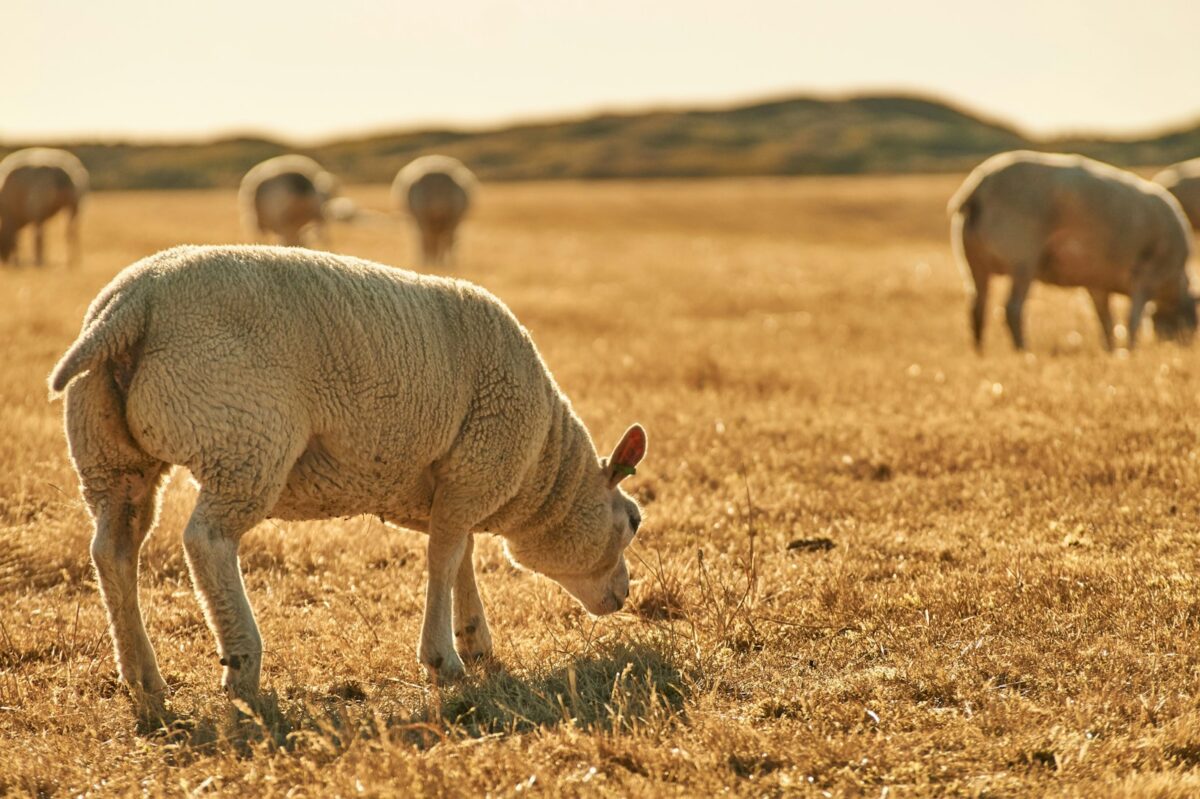
Sheep often exhibit altered behavior before storms, such as gathering into tighter groups or seeking shelter. Like cows, sheep are responsive to changes in atmospheric pressure. Their instinctual behaviors have been observed for centuries by shepherds, who use them as natural predictors of upcoming storms.
Ants Tiny Meteorologists
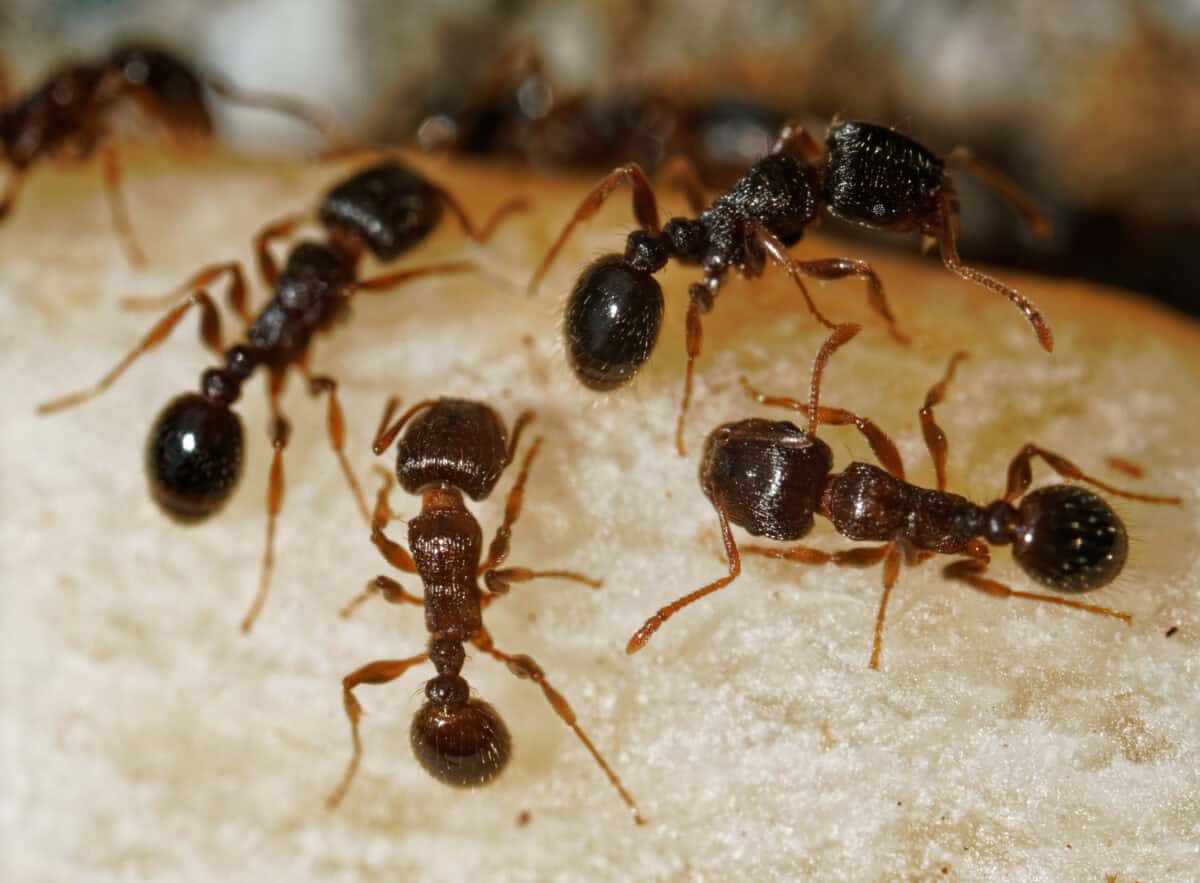
Ants are known to fortify their nests and even change their foraging patterns before a storm. They respond to increased humidity and drops in barometric pressure by increasing mound size and closing off entryways to protect their colonies. These small creatures have developed survival strategies that intrigue both scientists and amateur observers alike.
Common Crickets Nightly Weather Alarms

Crickets are sensitive to temperature and atmospheric pressure changes, making them reliable storm predictors. A decline in their evening chirping often signals the onset of rain or a storm. Observing cricket activity provides valuable insight into climate conditions and changes, showcasing yet another example of nature’s interconnectedness.
Conclusion: Nature’s Unscripted Weather Network

The ability of animals to predict storms lies in their evolved sensitivity to environmental cues that humans often overlook. From elephants perceiving distant infrasound to ants fortifying their homes against rain, these creatures exhibit an incredible awareness that has been honed over millennia. Humans, observing and understanding these behaviors, gain not only a deeper appreciation of wildlife but also a practical tool for anticipating weather changes. Embracing this knowledge can guide us in aligning more closely with nature, respecting the silent signals of our planet’s most intuitive inhabitants.

As a little kid, I fell in love with nature, wildlife, and animals. Living in the USA, South Africa, Italy, China and Germany gave me the opportunity to discover the world's Wildlife. My favorite animals are Mountain Gorillas, Siberian Tigers, and Great White Sharks.
I'm a certified PADI Open Water Diver, went to Everest Base Camp and Trekked Gorillas in Uganda. I hold a Master of Science in Economics and Finance.
Please send any feedback to feedback@animalsaroundtheglobe.com
- Why the Aye-Aye Is Madagascar’s Strangest Primate - July 28, 2026
- 12 Cat Breeds That Act More Like Dogs - July 28, 2026
- 11 Incredible Fossils That Changed What We Know About Ancient Life - July 28, 2026