
Every year, without maps, GPS, or any human guidance, millions of animals pull off navigational feats that would make even experienced pilots feel a little humbled. Some travel distances so mind-bending that it takes a moment to fully register what you’re reading. A bird that weighs barely as much as a handful of coins. A butterfly that couldn’t survive a cold morning in Canada. A whale the size of a school bus. All of them, compelled by something deep and ancient inside them, crossing oceans, continents, and hemispheres.
Migration is one of nature’s most extraordinary phenomena, and the numbers involved are genuinely staggering. From the poles to the tropics and back again, these animals put the concept of a “long journey” into an entirely different league. Let’s dive in.
1. Arctic Tern: The Undisputed Champion of Distance
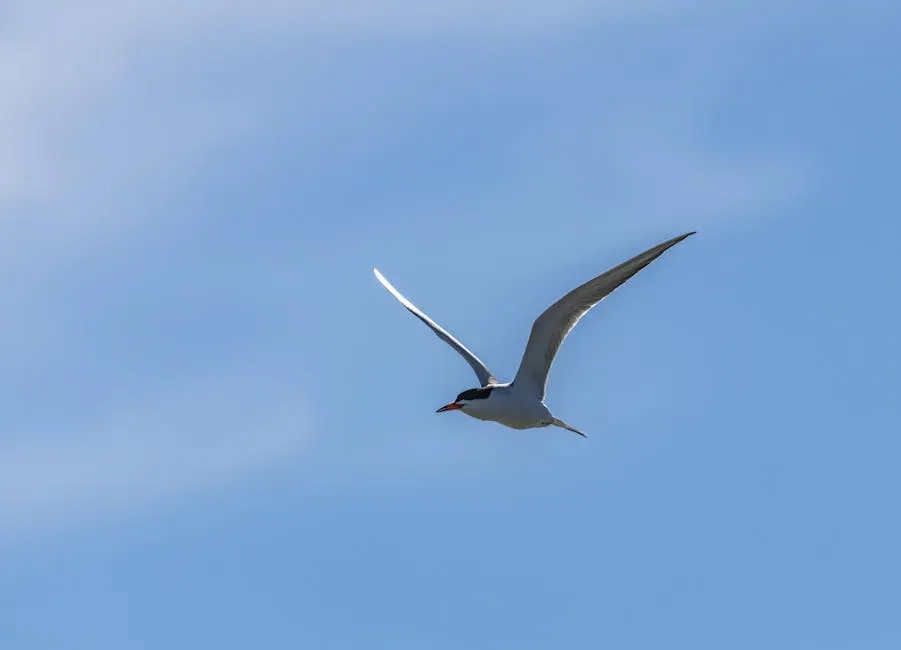
Here’s the jaw-dropping opener you didn’t expect: a bird that weighs roughly as much as a deck of playing cards holds the absolute world record for the longest annual migration of any animal on Earth. Recent studies have shown average annual round-trip lengths of about 70,900 km for birds nesting in Iceland and Greenland. That’s not a typo. That’s nearly twice the circumference of the Earth.
One individual with a geolocator tag covered a staggering 96,000 km in just 10 months from the end of one breeding season to the start of the next, setting a new global migration record. Think about that the next time you complain about a long flight to Europe.
This round trip ensures they see two summers each year and more daylight than any other creature on Earth. They are, in a very real sense, professional sun-chasers. The oldest Arctic tern ever recorded was at least 34 years old, meaning it had travelled at least 2.9 million kilometres during its migrations, equivalent to almost four return journeys to the moon.
Scientists recently discovered the birds make several thousand-mile detours to capitalize on global wind patterns and preserve energy. So even their seemingly inefficient zigzag routes are, in fact, genius. Honestly, this tiny bird might be the most impressive animal alive.
2. Sooty Shearwater: The Close Runner-Up Nobody Talks About
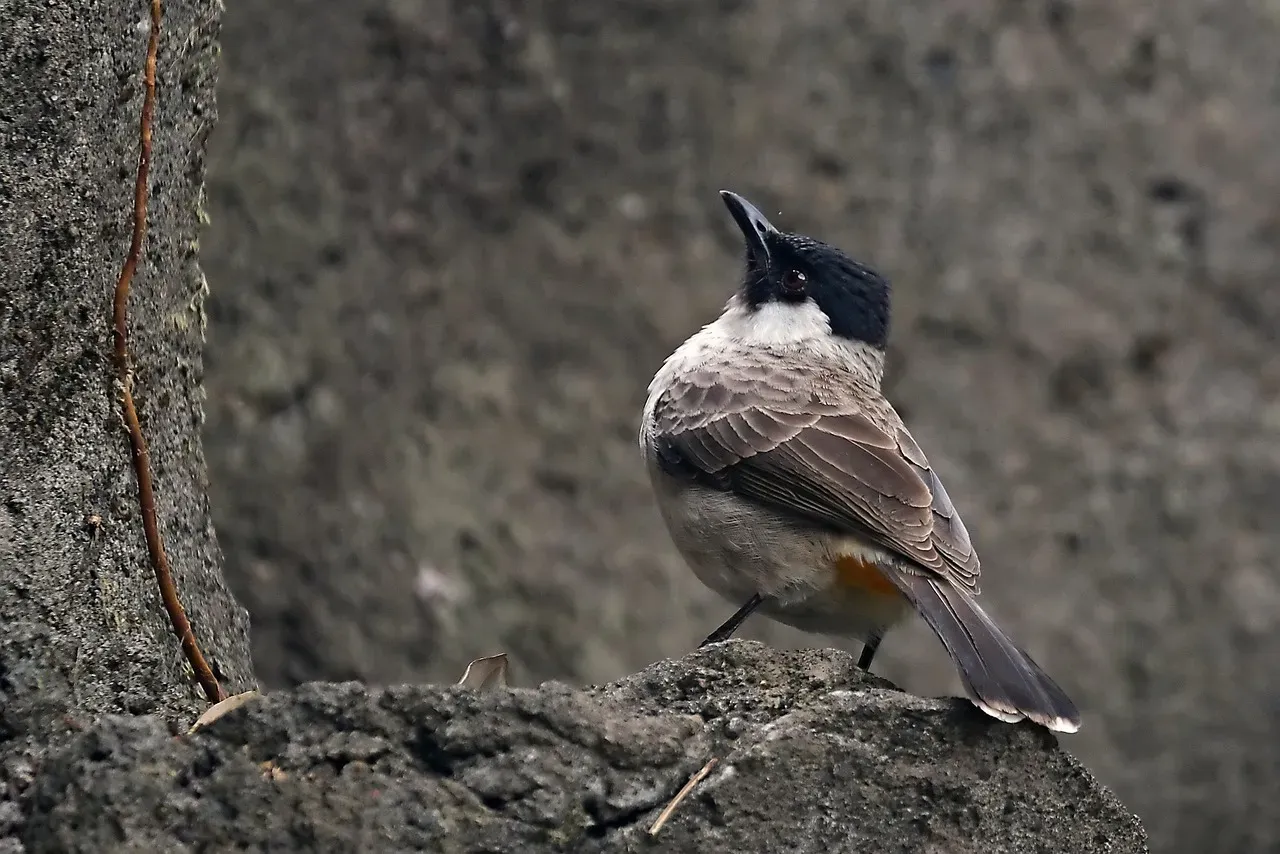
The sooty shearwater rarely gets the fame it deserves, probably because the Arctic tern keeps stealing headlines. The Sooty Shearwater undertakes one of the longest migrations of any bird, traveling up to 40,000 miles annually, journeying from breeding colonies in New Zealand to feeding grounds in the North Pacific.
Their migration paths form a figure-eight pattern across the globe, showcasing a blend of instinct and environmental cues. Sooty Shearwaters rely on wind patterns to aid their flight, conserving energy over vast distances. It’s like nature designed its own perpetual motion machine.
The arctic tern knocked the sooty shearwater off its top spot as record-holder, since the shearwater routinely travels over 64,000 km per year. Still, 40,000 miles is a figure that deserves far more respect than it gets. This bird is a titan of endurance.
3. Bar-Tailed Godwit: The Non-Stop Flight Record Holder
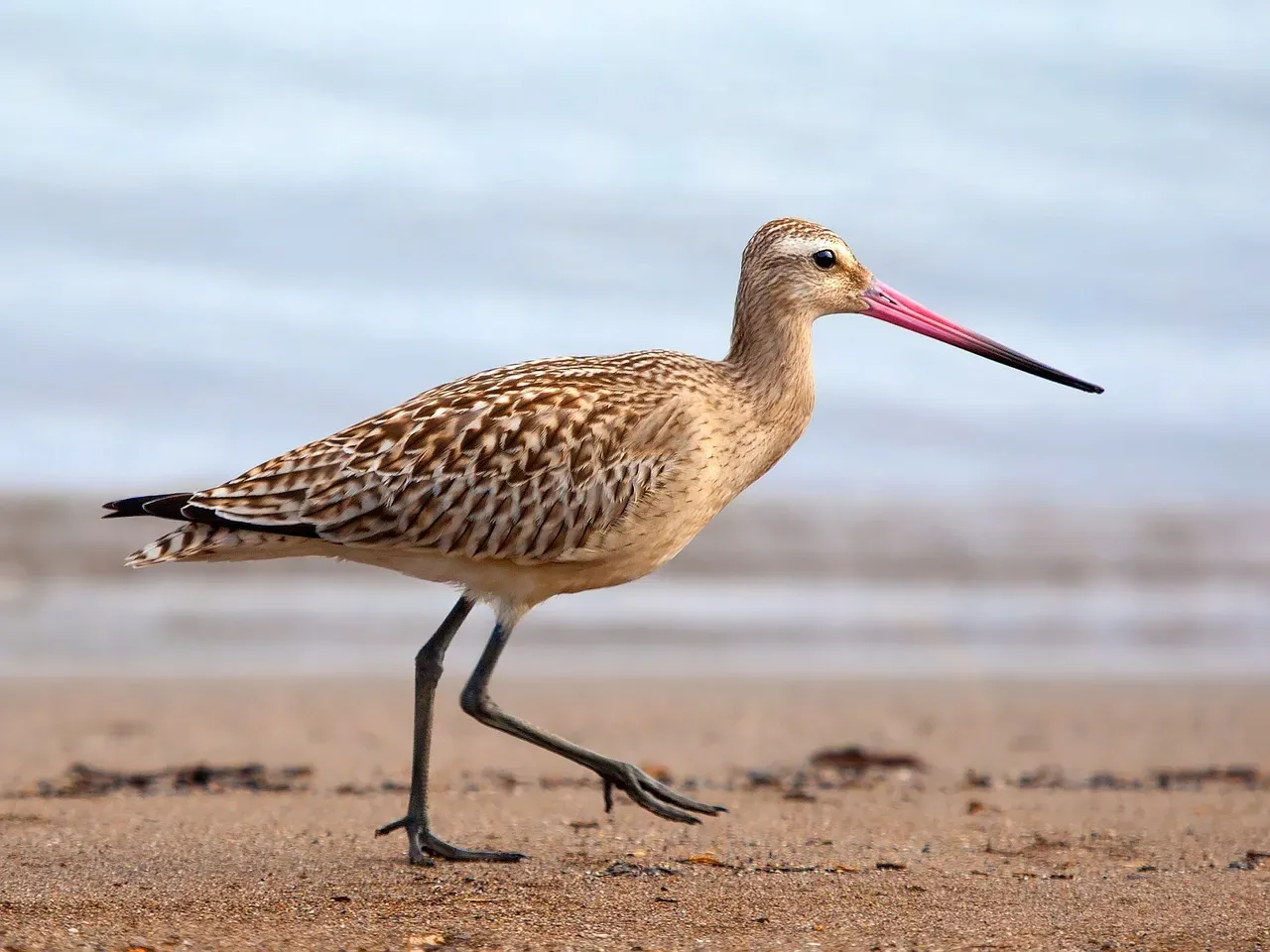
If the Arctic tern is the marathon world champion, the Bar-Tailed Godwit holds the title for the most extreme single leg of a journey. The subspecies Limosa lapponica baueri covers over 29,000 kilometers round-trip, making it the longest journey without pausing to feed by any animal. No pit stops. No snacks. No rest breaks.
In 2022, a tagged godwit flew non-stop from Alaska to Tasmania, covering a minimum distance of 13,560 kilometers in 11 days and 1 hour, setting a new record for non-stop distance. Eleven days. Non-stop. That’s like running a marathon every few hours, for nearly two weeks straight.
While bar-tailed Godwits are in flight, they sleep with one eye open and switch half of their brain off at a time, allowing them to continue their journey uninterrupted over a stretch of days. Half the brain asleep, half awake, all of it moving. It sounds like something from science fiction, but this is just a Tuesday for a godwit.
4. Humpback Whale: Ocean Giants on an Epic Swim
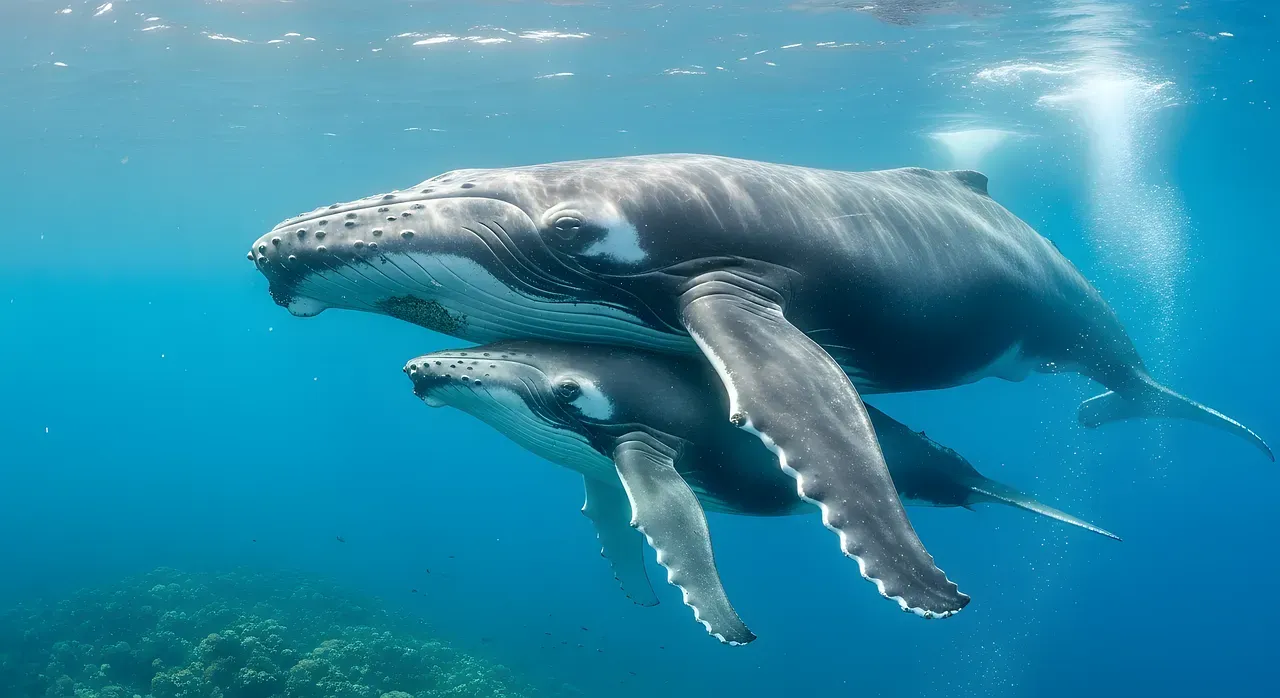
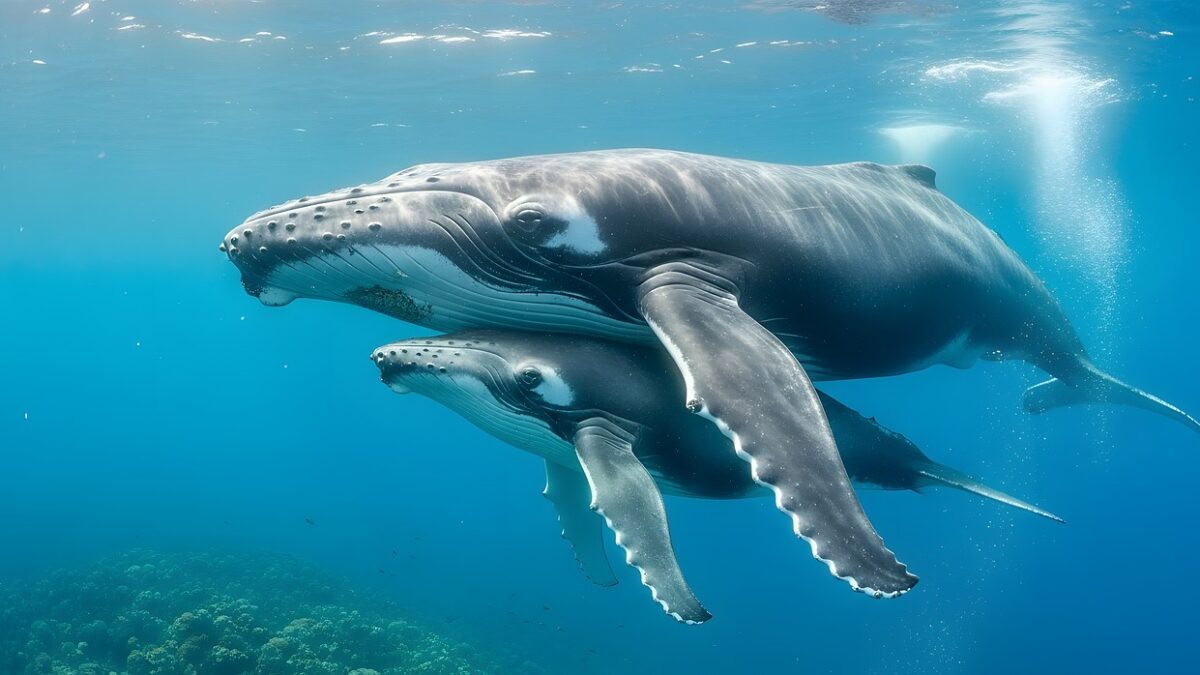
Humpback whales are the giants of the migration world, and their journeys are as dramatic as their spectacular breaching displays. These huge cetaceans journey more than 8,000 kilometres each way between cold, nutrient-rich waters in summer and warmer waters in winter where they raise their calves.
In 2024, a male humpback whale made headlines after scientists recorded it making one of the longest-ever migrations known in the species, travelling from the Pacific Ocean off Colombia to Zanzibar in the Indian Ocean in a journey of at least 13,000 kilometres. That crossing spanned two oceans, which is remarkable even by whale standards.
During the feeding season, they consume vast amounts of small fish and plankton, building energy reserves. The migration to warmer waters allows for mating and birthing, creating a safer environment for calves without the threat of cold predators. The whole journey is basically a family road trip, just scaled up to oceanic proportions.
5. Gray Whale: Coastal Travellers With Remarkable Stamina
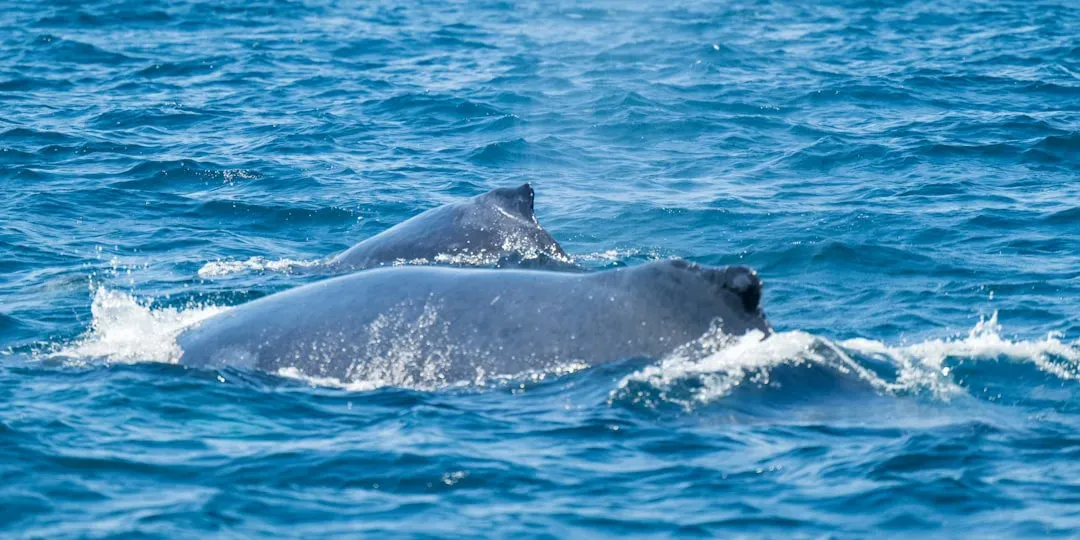
Let’s be real, gray whales do not get nearly enough credit. Gray whales undertake one of the longest migrations of any mammal, traveling up to 14,000 miles round trip annually. This journey is remarkable for its distance and proximity to shore, which allows spectacular viewing opportunities along coastlines.
Their journey from the icy waters of the Arctic to the warm lagoons of Baja California is one of the longest for any mammal. Pregnant females lead the migration, heading first to give birth in sheltered bays. There’s something profoundly moving about that image: a pregnant whale leading the charge across thousands of miles of open ocean.
An eastern gray whale set a record in 2015 for the longest recorded migration by a mammal, a journey of nearly 14,000 miles from Russian waters to Mexico and back. These migrations are crucial for breeding and feeding, with whales relying on memory and environmental cues for navigation. Conservation efforts have helped gray whales recover from near extinction. A true comeback story.
6. Leatherback Sea Turtle: The Ocean’s Ancient Long-Distance Swimmer
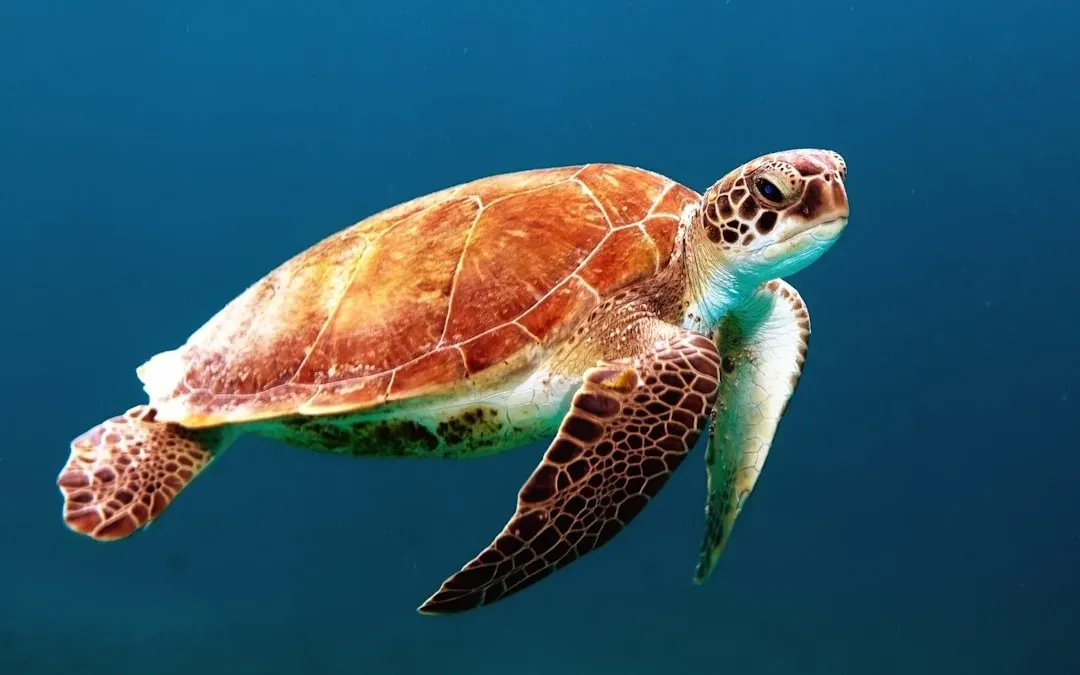
Leatherback sea turtles have been on this planet for millions of years, and their commitment to migration hasn’t wavered. The leatherback sea turtle is one of the most migratory animals on earth, with populations in both the Atlantic and Pacific Oceans, and they can swim up to 10,000 miles annually as they look for the jellyfish they feed on and move from nesting to breeding areas.
Leatherback turtles cover up to 16,000 km a year just looking for food, and one was tracked from Indonesia to Oregon, spanning a route of 20,000 km on its migration. That’s a solo Pacific crossing. Think about the sheer loneliness, the darkness, the depth. It’s hard not to feel awe.
Remarkably, they rely on ocean currents and Earth’s magnetic fields for navigation. These creatures carry their GPS in their biology, tuned by millions of years of evolution. No technology required.
7. Northern Elephant Seal: The Deep-Diving Distance Champion
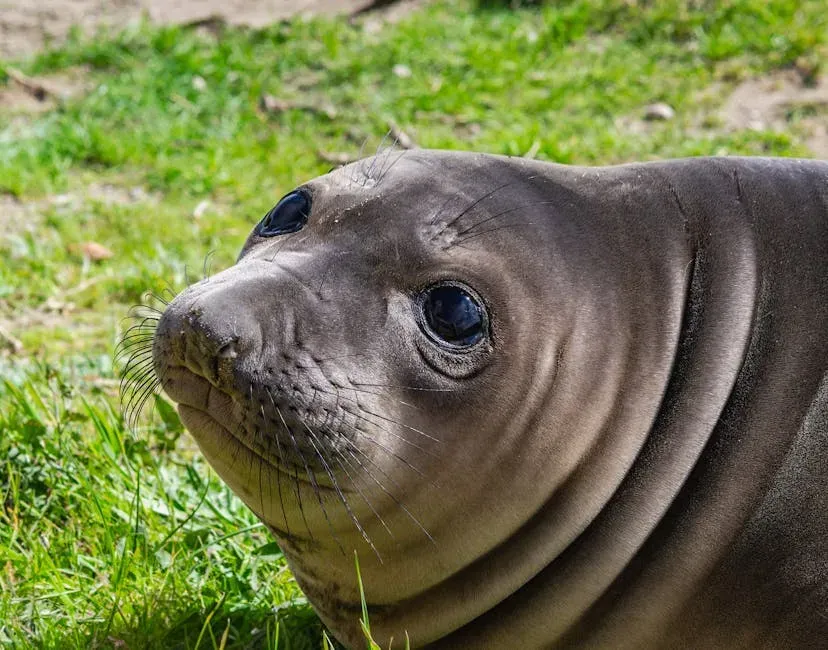
Here’s an animal that doesn’t just migrate far, it does it twice a year. Each year, adult elephant seals travel to their foraging grounds after breeding, and again after their molt, swimming total distances of 18,000 to 21,000 km on this double migration. A double migration. That is twice the punishment, twice the distance.
They have one of the longest migrations of any mammal; some have been recorded traveling over 13,000 miles roundtrip. Meanwhile, northern elephant seals hold the record as the deepest-diving pinniped, with time-depth recording devices documenting dives to an astounding 1,580 meters by an adult male. They migrate far and dive deep. Truly overachievers.
It’s hard to say for sure what drives their extraordinary navigation, but research suggests they use a form of map sense to time their returns with almost clocklike precision. The ocean, to them, is both highway and home.
8. Caribou: The World’s Longest Land Migration
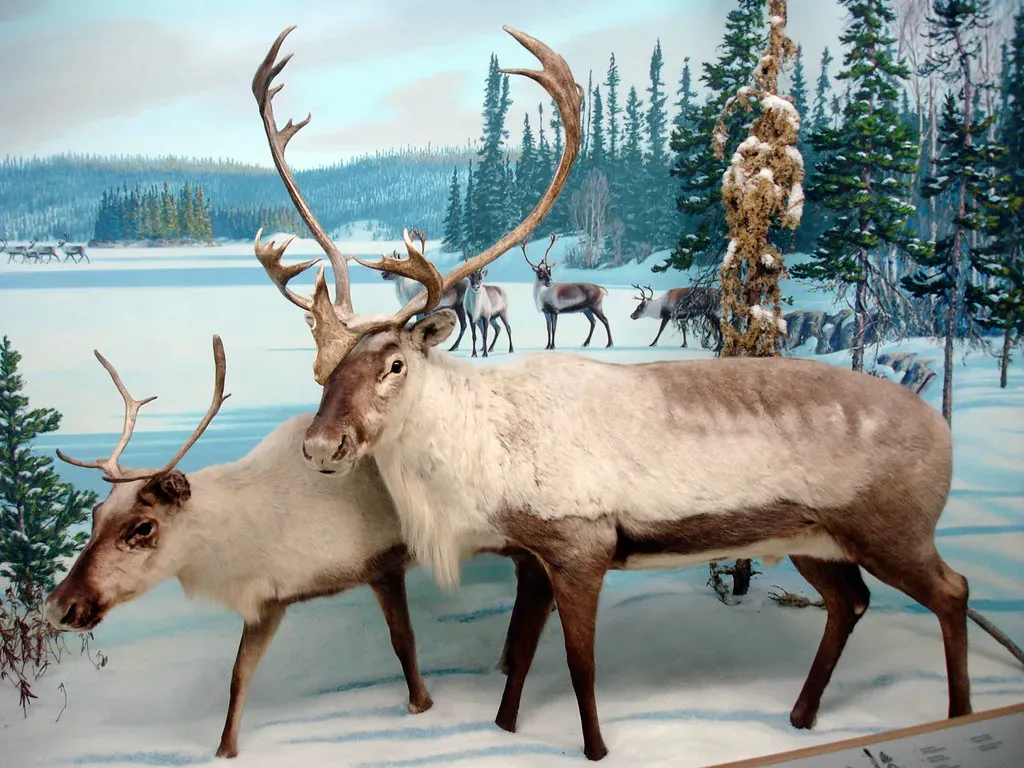
On land, no animal moves farther in a year than the caribou. Caribou from numerous populations were found to have the longest existing migrations with round-trip distances exceeding 745 miles. That’s the equivalent of walking between Washington D.C. and Los Angeles, which already sounds exhausting just to read.
Recent scientific studies have proven caribou have the longest terrestrial migrations on Earth, making round trips exceeding 1,200 kilometres. Their movements across such vast distances are likely triggered by weather conditions such as snowfall or cold spells. A cold morning is all it takes to send hundreds of thousands of them moving.
Caribou cover up to 70 kilometres in a single day during migration and have the power to run up to a speed of 80 km/hr and can swim at 10 km/hr. They are, in essence, the ultimate all-terrain vehicles of the animal kingdom. Rivers, snow, tundra, nothing slows them down for long.
9. Monarch Butterfly: Four Generations, One Epic Mission
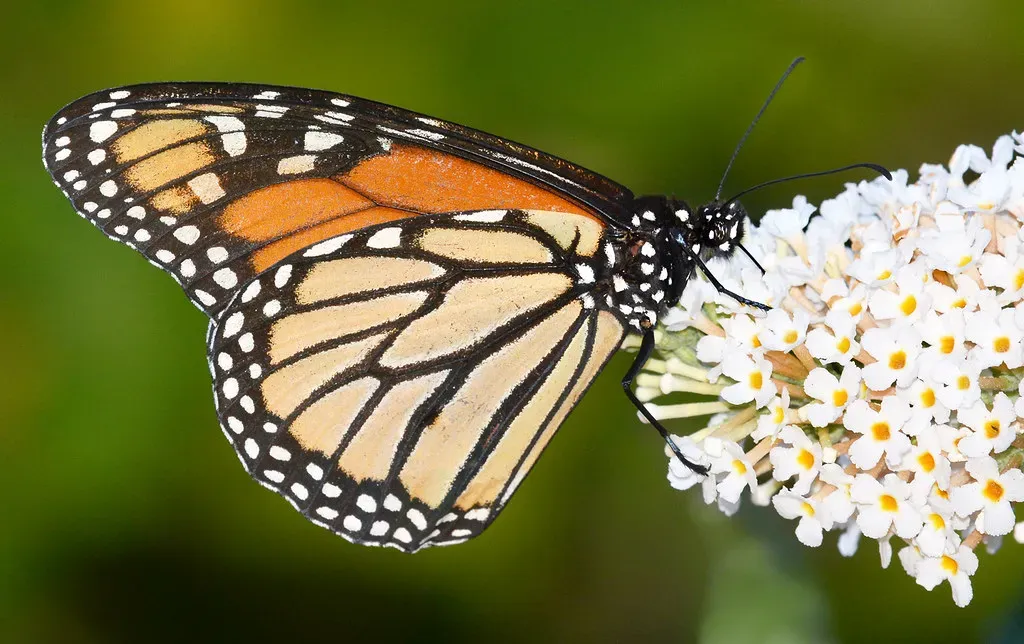
The monarch butterfly story is one of the most emotionally stirring in all of nature. Monarch butterflies migrate up to 4,800 kilometres from Canada and the United States to Mexico’s oyamel fir forests. But here’s what makes it genuinely mind-blowing: no single butterfly ever completes the full round trip.
None of the individuals that set off from Mexico will make it back. Instead, they’ll lay eggs along the way, which will grow into an entirely new batch of butterflies, imprinted with the understanding that they must take over the multi-generational trip back to the northernmost parts of their range. Each generation carries the baton without ever meeting the one that came before.
The monarchs navigate using a combination of the sun’s position and Earth’s magnetic field. Research also focuses on the threats to their migration, including habitat loss, climate change, and the decline in milkweed plants, which are essential for their larvae. This journey, which has played out for millennia, is now genuinely at risk. That should alarm us all.
10. Globe Skimmer Dragonfly: The Insect That Crosses Oceans
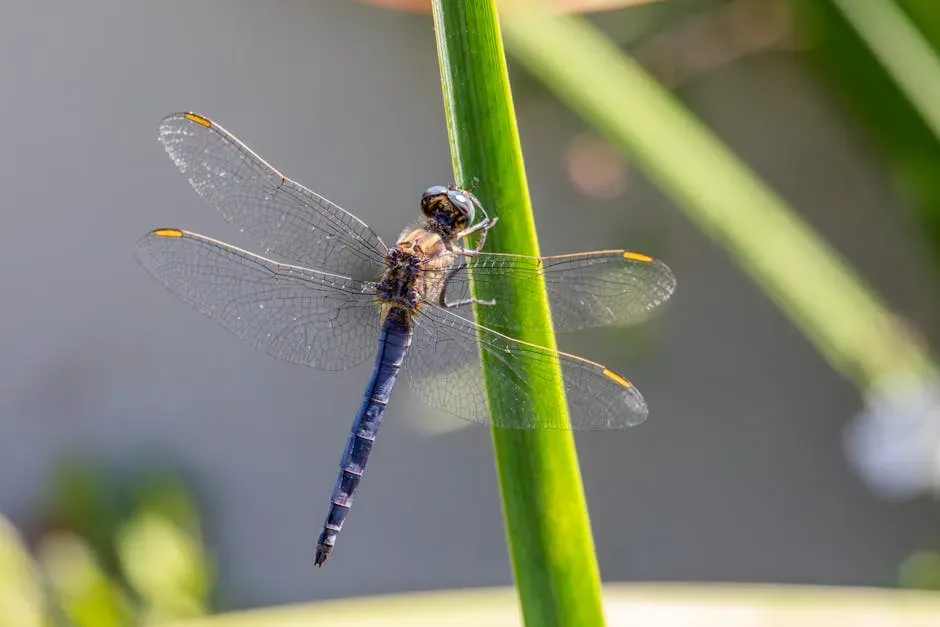
I know it sounds crazy, but the globe skimmer dragonfly is arguably the most astonishing migrator on this list, pound for pound. Scientists discovered a 14,000 to 18,000-kilometer dragonfly migration route from India to the Maldives, Seychelles, Mozambique, Uganda, and back again. An insect. Crossing the Indian Ocean.
The globe skimmer dragonfly makes the longest insect migration, crossing the Indian Ocean. It follows the rains, hopping from continent to continent, riding monsoon systems like a tiny, six-legged world traveler. The distances involved are staggering for an animal you could hold in the palm of your hand.
The northern winds help them during their long journey, and dragonflies also use the magnetic field of Earth to reach their exact destination. The fact that an insect with a brain barely larger than a grain of rice can navigate transcontinental routes using Earth’s magnetic field is, honestly, one of the most humbling things in natural science.
11. Wildebeest: Africa’s Most Spectacular Land Movement
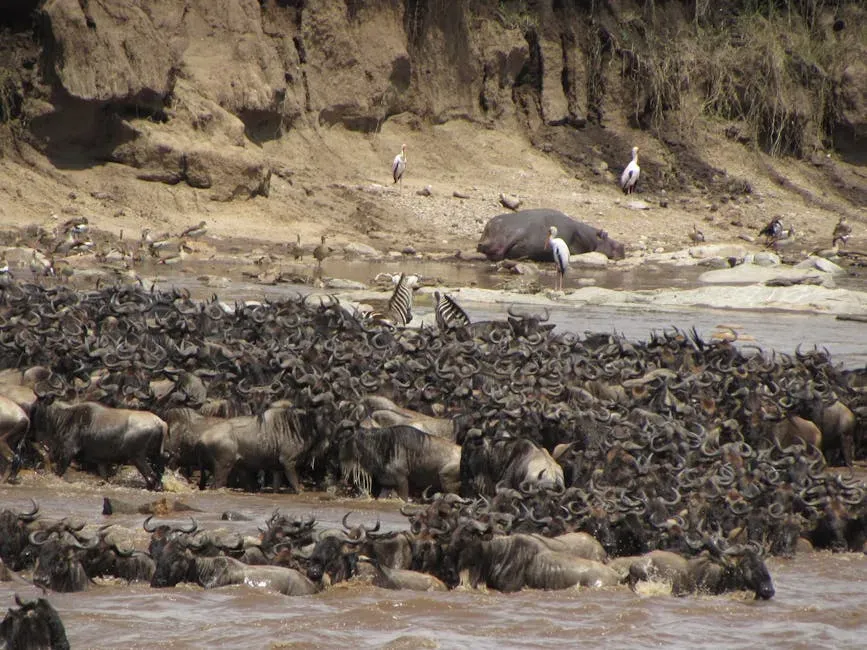
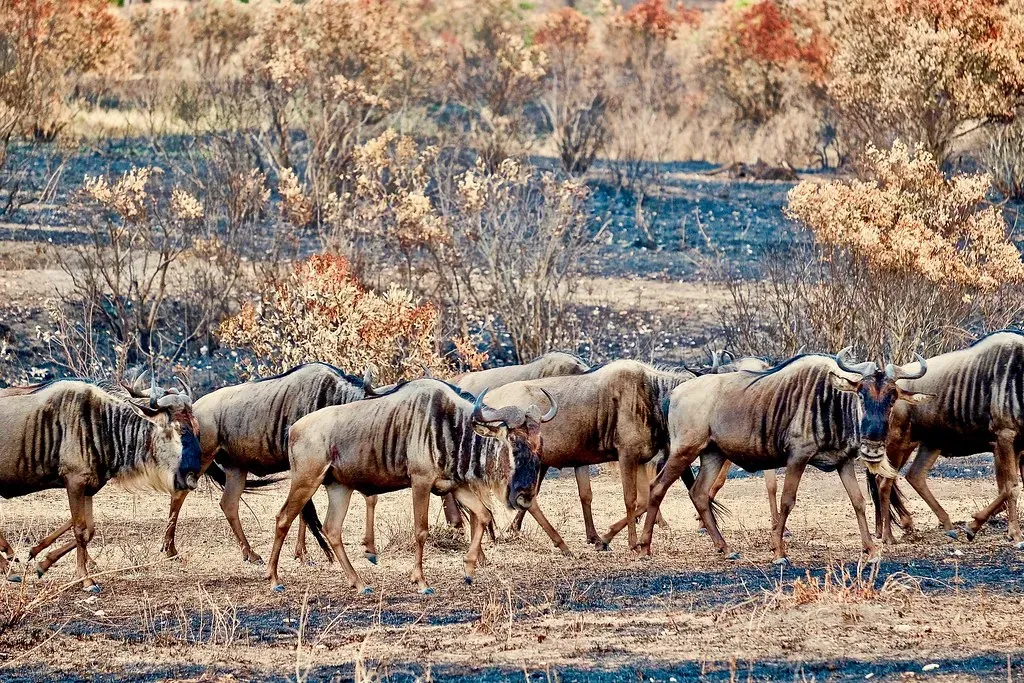
Each year, nearly two million wildebeest, accompanied by zebras and gazelles, traverse the Serengeti Plains and Maasai Mara. This African spectacle is dictated by the search for greener pastures and involves perilous river crossings where many fall prey to crocodiles. It is, without doubt, one of the greatest wildlife shows on the planet.
Every year, over 1.5 million wildebeest migrate in a giant loop as the seasons change. This is the largest mammal migration on land, and it is considered one of the seven natural wonders of Africa. The sheer scale of moving bodies, dust clouds, and thundering hooves is something that defies description.
Blue wildebeest head towards pastures new on a circular migration of between 500 to 1,000 miles around the Serengeti. The journey is driven purely by survival. Follow the rain. Find the grass. Repeat. Simple in concept, extraordinary in execution. And for the crocodiles of the Mara River, it’s also dinner time.
Conclusion: Nature’s Most Remarkable Journeys
What unites all eleven of these animals is a single, powerful truth: survival demands movement. Whether it’s a 100-gram tern crossing two polar regions or a two-million-strong wildebeest herd thundering across the African plains, migration is life itself in motion. These journeys were shaped over millions of years, and they are fragile.
The greatest movements were found in areas of very low human disturbance, which highlights the effects of habitat fragmentation and human development. The animals that migrate the farthest are also, in many cases, the most vulnerable to the world we are building around them.
There is something deeply inspiring, and perhaps a little sobering, about watching a creature with no language, no technology, and no map cross entire oceans on instinct alone. Every one of these migrations is a reminder that the natural world operates on a scale and a timeline far greater than anything we tend to think about in daily life. Which of these journeys surprised you the most? Drop your thoughts in the comments.
