
For a long time, tool use was treated as a dividing line. Humans made and used tools, and everyone else, supposedly, did not. Then researchers started watching more closely, and the line got blurry fast.
Today, scientists have documented tool use in animals ranging from apes to birds to fish to insects. Some of it is surprisingly sophisticated, and some of it is still debated. Here are eleven animals worth knowing about, and what they actually do.
Chimpanzees
🔥 Would you like to save this?
We'll email this post to you, so you can come back to it later!
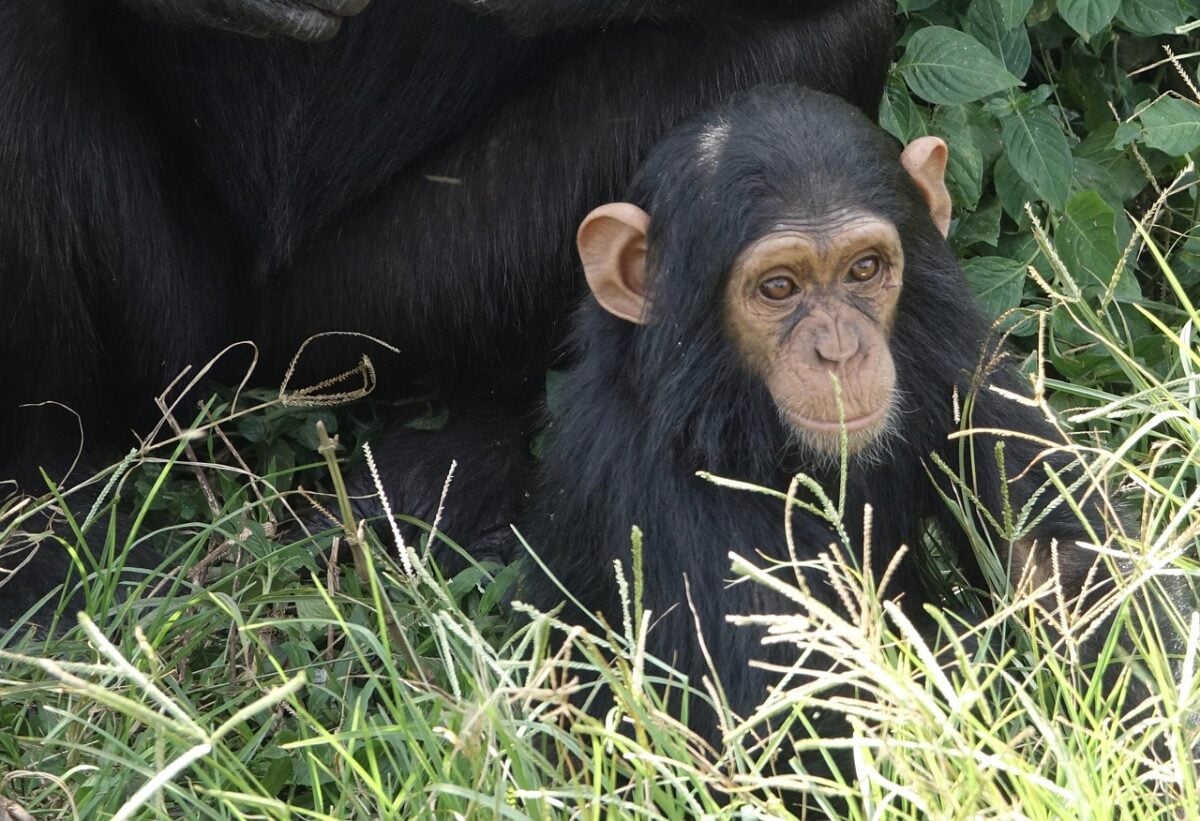
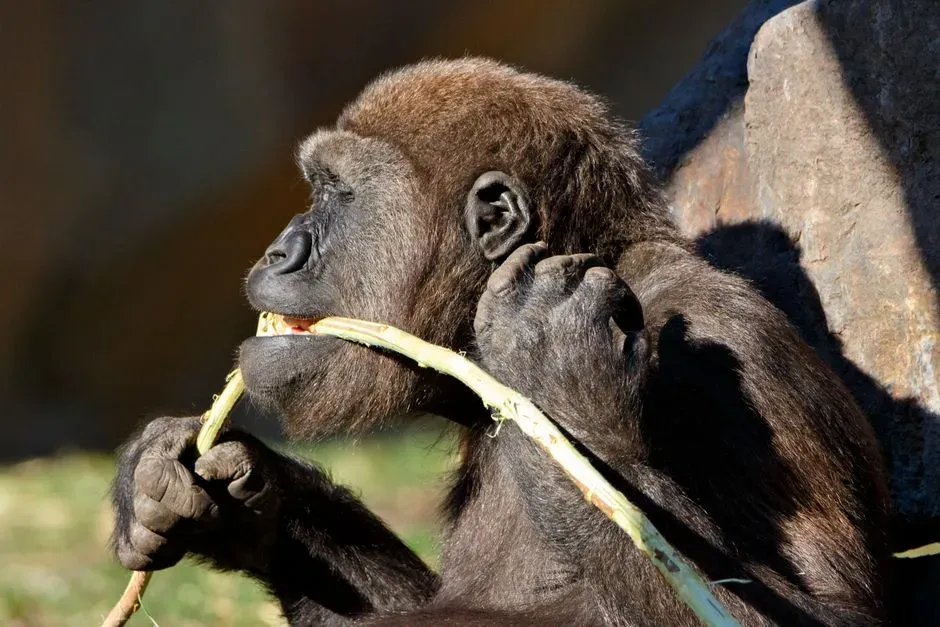
Chimpanzees are the classic example. Jane Goodall’s observations in Tanzania in the early 1960s showed wild chimps stripping leaves from twigs and poking them into termite mounds to fish out insects. That finding forced scientists to rethink what set humans apart.
Since then, chimps have been recorded using stones to crack nuts, sponges made of chewed leaves to soak up water, and sharpened sticks for hunting small animals in some communities. Different groups have different habits, which suggests tool traditions can be passed along socially rather than being purely instinctive.
Bonobos and Orangutans
🔥 Would you like to save this?
We'll email this post to you, so you can come back to it later!
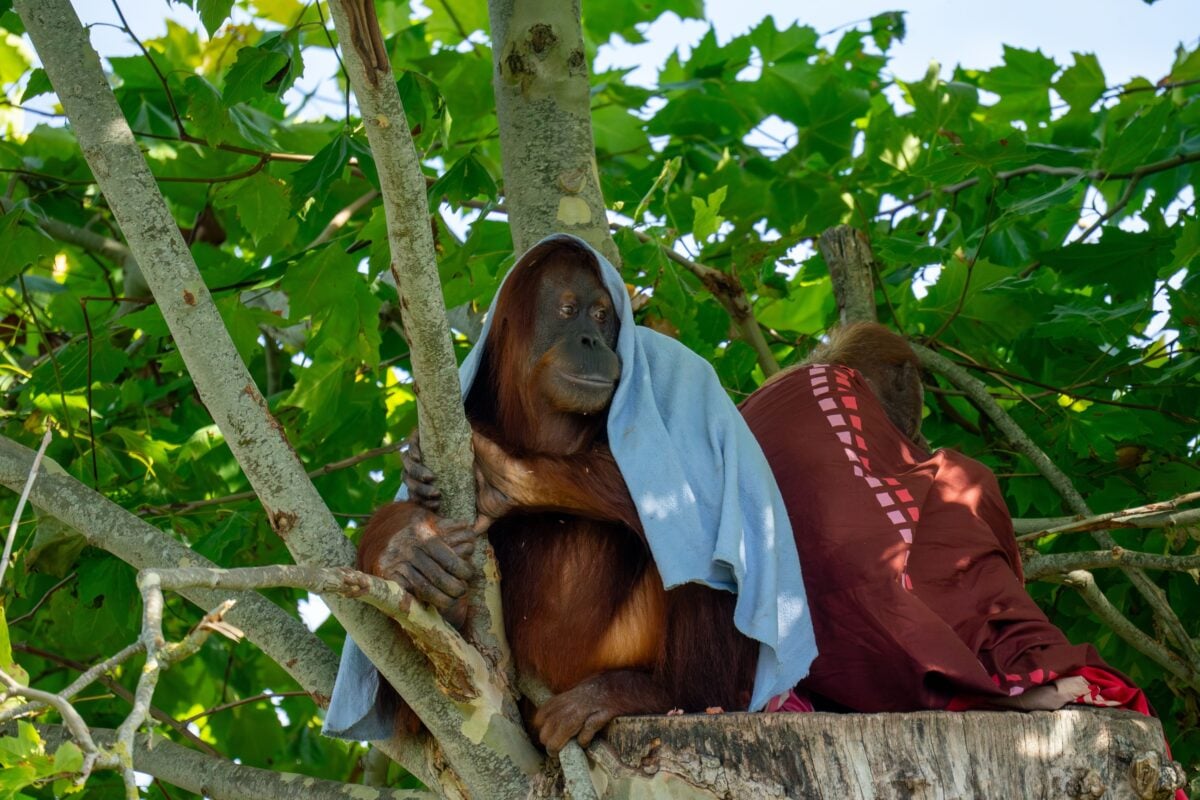
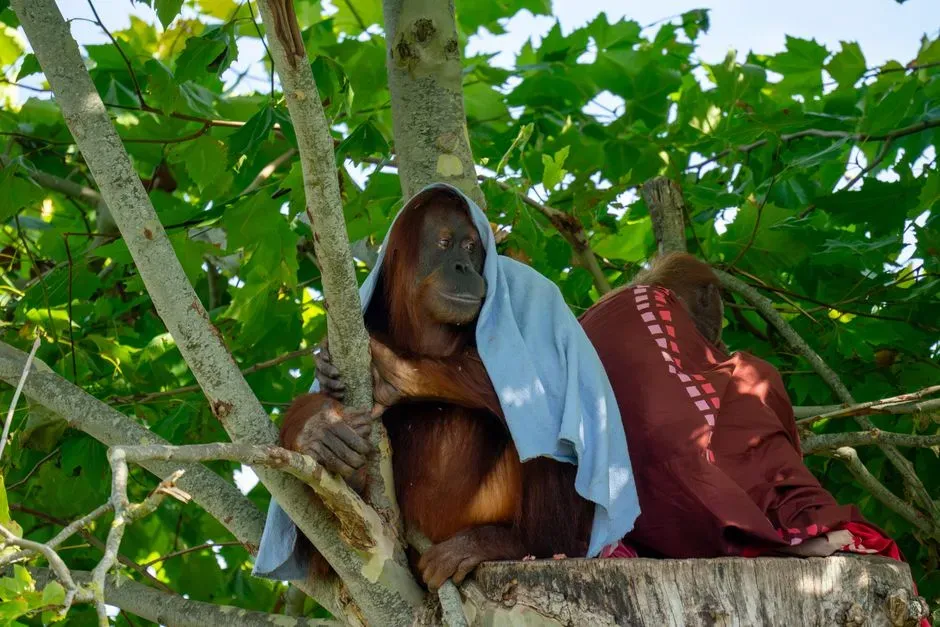
I’m combining two close relatives here because the picture for each is a bit more modest or more varied than for chimps. Orangutans in some regions of Sumatra and Borneo use sticks to extract seeds from fruit and to probe for insects or honey. They also use leaves in various ways, such as for handling spiny fruit.
Bonobos are less famous for , though they’ve been seen using leaves and sticks in simple ways, and they do so much more readily in captivity. It’s a reminder that what we see in the wild depends heavily on what researchers get to observe.
Capuchin Monkeys
🔥 Would you like to save this?
We'll email this post to you, so you can come back to it later!
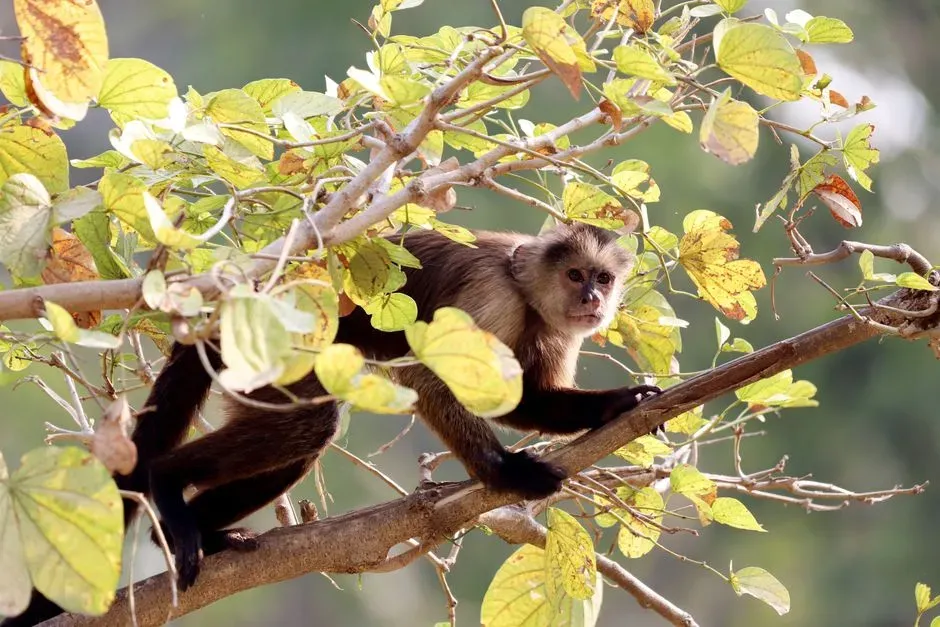
Capuchins in Brazil are remarkable stone users. They pick up heavy rocks and pound open hard palm nuts against flat surfaces, sometimes called anvils. The stones can be big relative to the monkey’s body, so it takes real effort and coordination.
Archaeologists have even studied old capuchin tool sites in Brazil, treating them a bit like a record of monkey technology across generations. Young capuchins watch adults and gradually improve, which looks a lot like learning by observation.
Long-Tailed Macaques
🔥 Would you like to save this?
We'll email this post to you, so you can come back to it later!
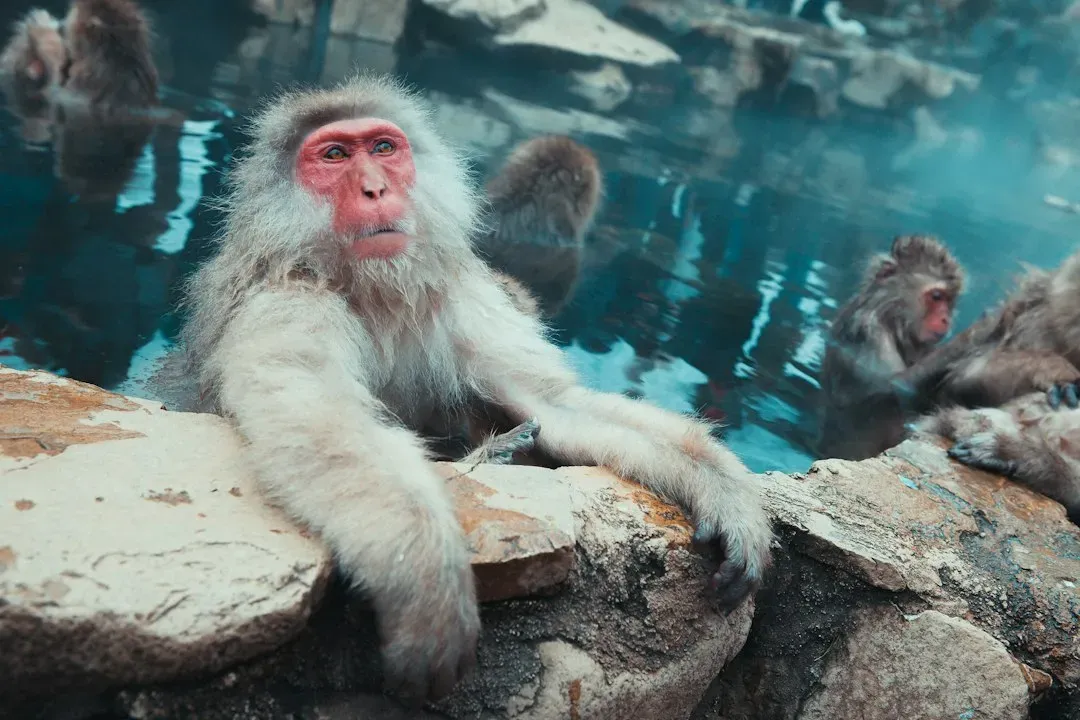
Some long-tailed macaques living on the coasts of Thailand and Myanmar use stones to open shellfish and crack oysters. They also have a habit that surprised researchers: using stones, and even hair, as dental floss in certain populations.
That kind of behavior isn’t just about food. It shows that tools can serve grooming or comfort, and that local habits can spread inside a group. It’s not a single species-wide trait, which makes it all the more interesting.
New Caledonian Crows
🔥 Would you like to save this?
We'll email this post to you, so you can come back to it later!
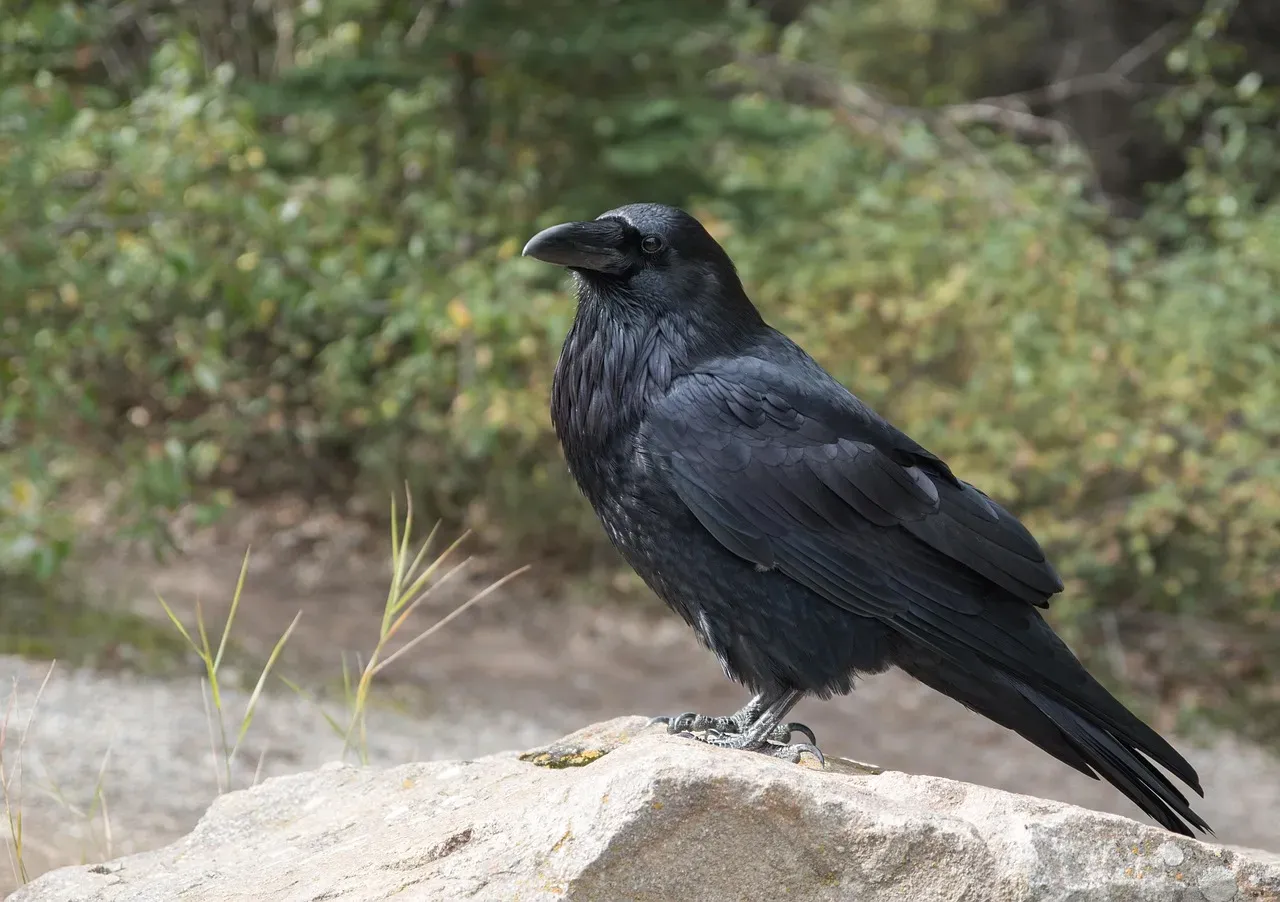
If any bird deserves a spot at the top of this list, it’s the New Caledonian crow. These birds make tools from twigs and from the edges of barbed leaves, shaping them into hooks and probes to pull grubs out of crevices. Their tools are carefully made, and the birds often carry them around for reuse.
Lab and field work has shown they can solve multi-step puzzles, too. Researchers continue to study how much of this is learned and how much is inherited, and the answer seems to be a mix of both.

Glass Hummingbird Feeder for Outdoors Hanging
Check Price on AmazonAs an Amazon Associate, we earn from qualifying purchases.
10/7/2026 1:21 pm GMTi

Halloween Dog Collar with Bow, Orange Cute Ghost Collar,
Check Price on AmazonAs an Amazon Associate, we earn from qualifying purchases.
10/9/2026 2:43 pm GMTi

Orthopedic Extra Large Dog Bed, Waterproof Washable XL Pet Bed 44"
Check Price on AmazonAs an Amazon Associate, we earn from qualifying purchases.
10/7/2026 1:32 pm GMTi

Air Purifiers for Home Pets Large Room Up to 3000 Ft²,HEPA Air Cleaner with Washable Double-Side Filter, PM2.5 Air Quality Monitor,15dB Sleep Mode for Bedroom Odor Dust Pollen,White
Check Price on AmazonAs an Amazon Associate, we earn from qualifying purchases.
10/8/2026 8:23 am GMTi

2 Pcs Halloween Pet Hat Bandana Set, Witch Pumpkin Costumes for Dogs
Check Price on AmazonAs an Amazon Associate, we earn from qualifying purchases.
10/9/2026 2:45 pm GMTi
Woodpecker Finches
🔥 Would you like to save this?
We'll email this post to you, so you can come back to it later!
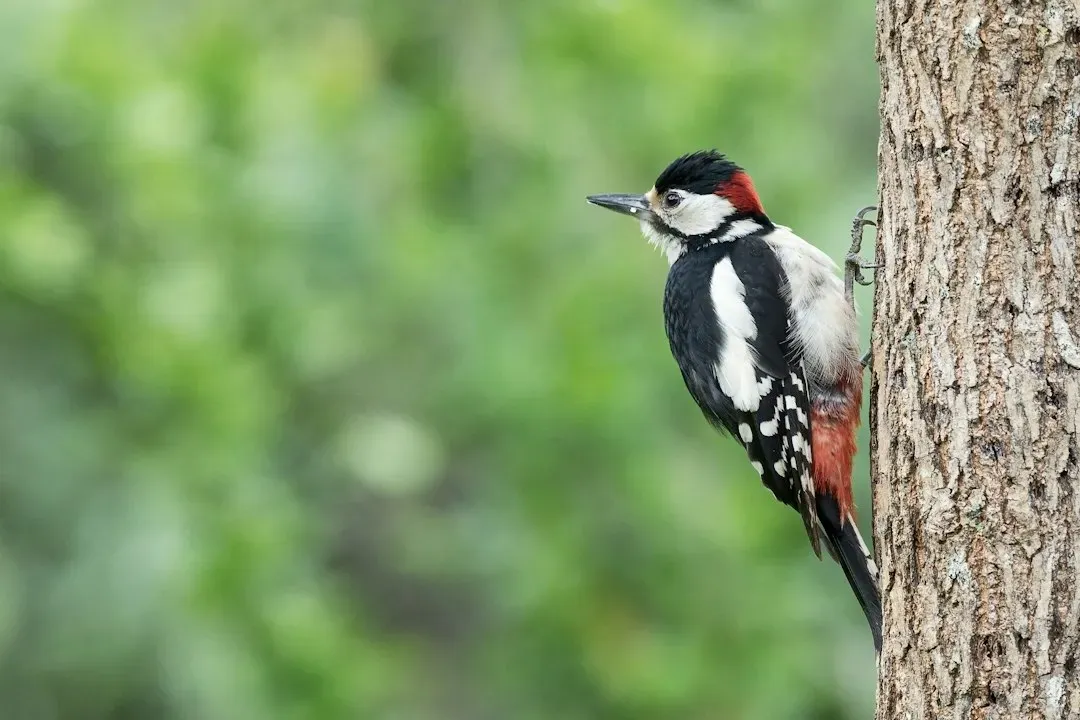
Found on the Galápagos Islands, the woodpecker finch has a beak that can’t reach insects deep inside branches the way a real woodpecker’s can. So it picks up a twig or a cactus spine, trims it if needed, and uses it to winkle prey out of holes.
This is one of the best known examples of tool use in a bird other than the crows. Studies suggest that both experience and some inherited tendency matter, which fits the broader pattern seen across tool users.
Sea Otters
🔥 Would you like to save this?
We'll email this post to you, so you can come back to it later!
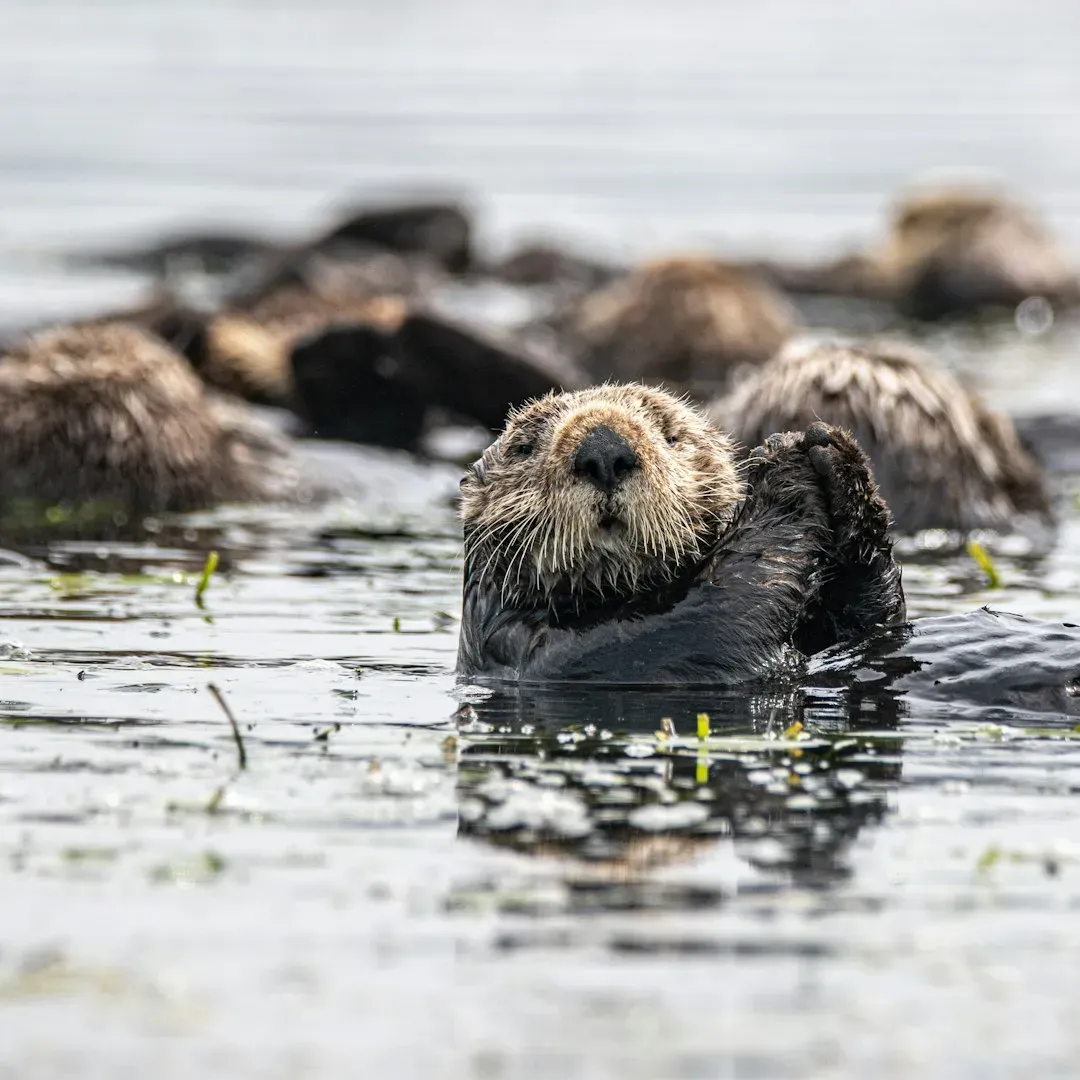
Sea otters float on their backs with a rock on their chest and smash shellfish against it. Some individuals keep a favorite stone tucked into a pouch of loose skin under the arm. It’s hard not to find that charming.
The behavior matters for their survival, since otters have a high metabolism and need lots of food. Not every otter does this, and individuals tend to specialize, with some relying on tools far more than others.
Elephants
🔥 Would you like to save this?
We'll email this post to you, so you can come back to it later!
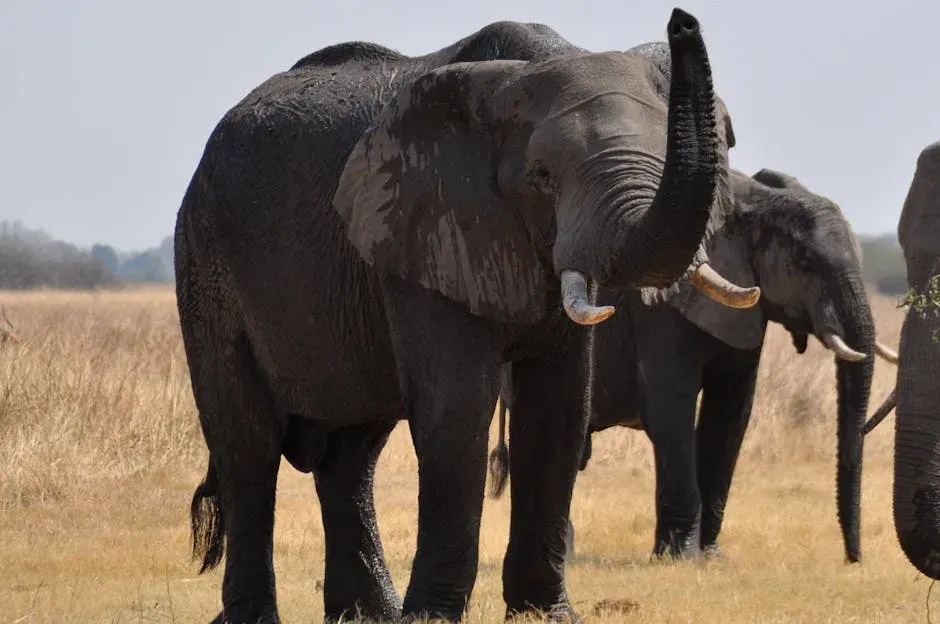
Elephants use their trunks with impressive dexterity. They’ve been seen breaking off branches to swat flies, scratching themselves with sticks, and in some cases modifying branches before using them.
There are also reports of elephants dropping heavy objects or stacking things to reach food, though much of the more elaborate evidence comes from captive animals. In the wild, the documented cases tend to be simpler, but they show a flexible mind at work.
Octopuses
🔥 Would you like to save this?
We'll email this post to you, so you can come back to it later!
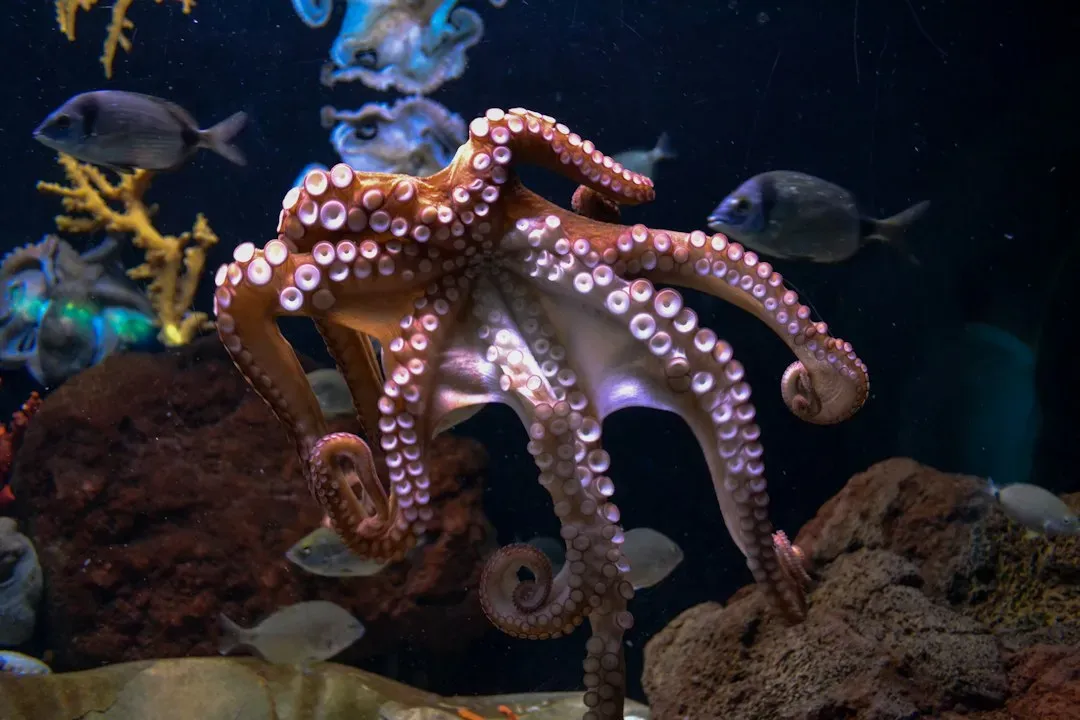
The veined octopus has become a celebrated example among invertebrates. Researchers in Indonesia documented individuals collecting discarded coconut shell halves, carrying them across the seafloor, and assembling them as portable shelters. That counts as tool use because the shells are carried and used later, not just stumbled upon.
Octopuses are short lived and mostly solitary, so they can’t learn much from elders. Still, their problem solving ability is well established, which makes this finding especially intriguing.

Halloween Cat Costume Cloak Witch Hat Pet Accessories
Check Price on AmazonAs an Amazon Associate, we earn from qualifying purchases.
10/9/2026 2:44 pm GMTi

Hand Blown Glass Hummingbird Feeders for Outdoors Hanging, 24oz Wild Bird Nectar Feeder
Check Price on AmazonAs an Amazon Associate, we earn from qualifying purchases.
10/7/2026 1:23 pm GMTi

Portable Dog Water Bottle Foldable Dog Travel Water Bottle
Check Price on AmazonAs an Amazon Associate, we earn from qualifying purchases.
10/7/2026 1:29 pm GMTi

Glass Hummingbird Feeder for Outdoors Hanging, 16 oz Leak-Proof Nectar Feeder with Bee Guards & Ant Moat
Check Price on AmazonAs an Amazon Associate, we earn from qualifying purchases.
10/7/2026 1:22 pm GMTi

Professional 7 in 1 Dog Paw Cleaner for Dogs & Cats - Includes 1 Portable Paw Washer, 1 Bath Brush
Check Price on AmazonAs an Amazon Associate, we earn from qualifying purchases.
10/7/2026 1:26 pm GMTi
Tuskfish and Other Wrasses
🔥 Would you like to save this?
We'll email this post to you, so you can come back to it later!
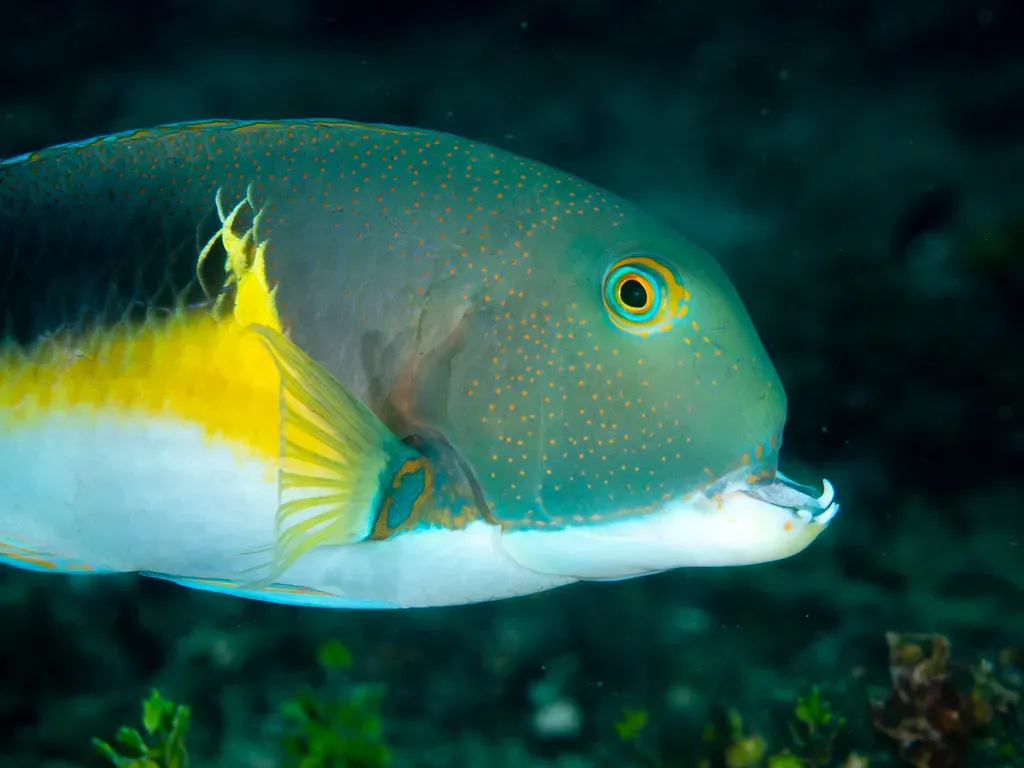
Fish were once assumed to be unlikely tool users, yet several wrasses, including tuskfish, have been filmed smashing clams against rocks or coral to break them open. Observers have seen them carry clams to a favored spot and hit them repeatedly until the shell cracks.
These observations helped change how scientists think about fish cognition. It’s not the same thing as a crow bending a wire, but it’s real, deliberate behavior using an object in the environment.
Antlions, Ants, and Other Insects
🔥 Would you like to save this?
We'll email this post to you, so you can come back to it later!
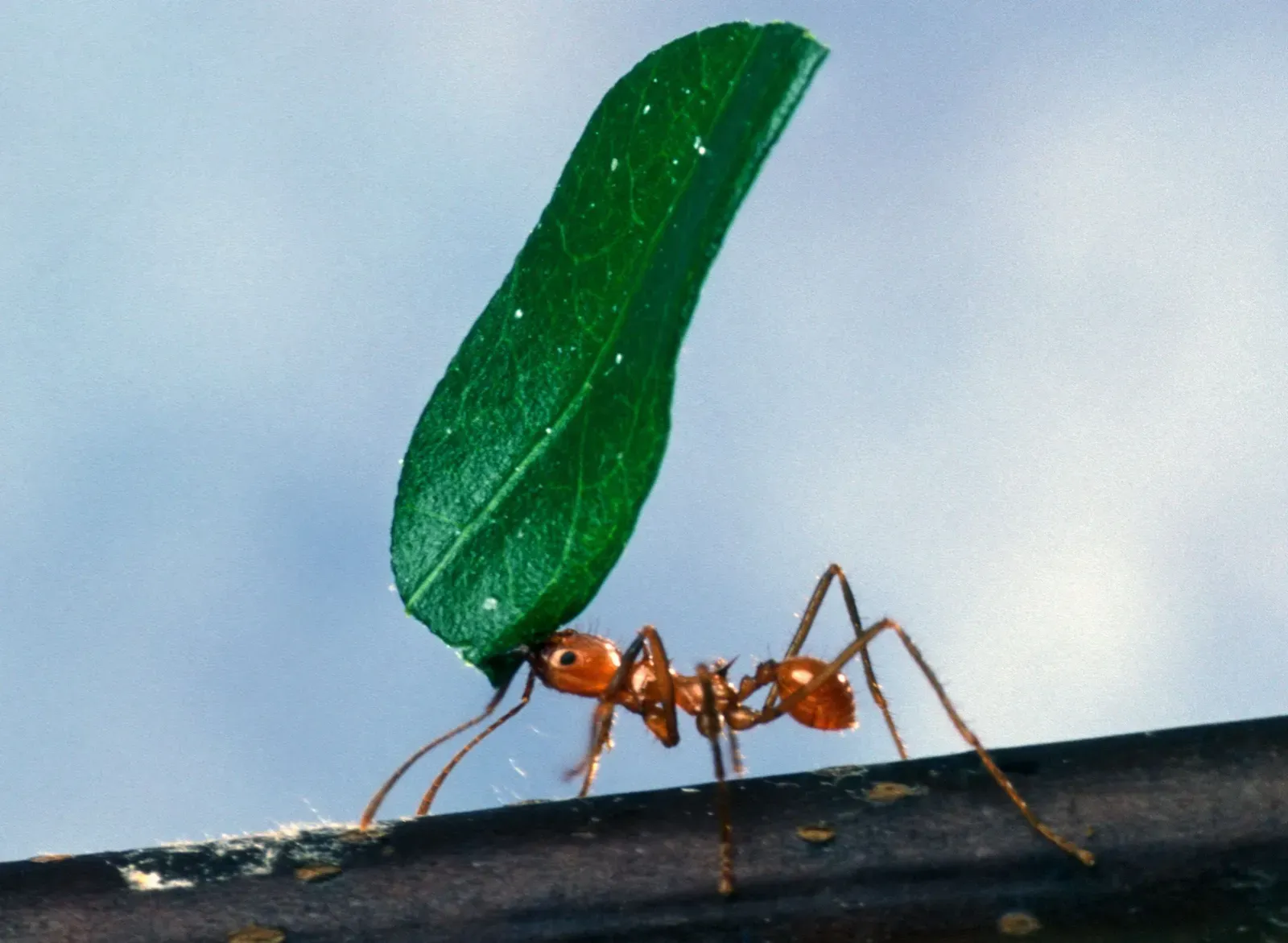
Insects usually get overlooked here, though some do use tools. Certain ants have been observed carrying bits of leaf, mud, or wood to soak up liquid food and bring it back to the nest, effectively using a sponge. Some species of digger wasps use small pebbles to pack down soil over their nests.
Researchers still debate how to define insect tool use, and how much of it is flexible rather than automatic. Even so, these examples show that small brains can produce surprisingly clever solutions.

Dog Stairs for Bed 18" H, 4-Step Dog Steps for High Bed
Check Price on AmazonAs an Amazon Associate, we earn from qualifying purchases.
10/9/2026 2:42 pm GMTi

Smart Bird Feeder with Camera Solar Powered, 2K HD Live Video, 10,000+ Bird Species AI Identification
Check Price on AmazonAs an Amazon Associate, we earn from qualifying purchases.
10/7/2026 1:22 pm GMTi

PetSafe Oasys Pet Fountain, 1/2 Gallon (64 oz), Small Dogs & Cats
Check Price on AmazonAs an Amazon Associate, we earn from qualifying purchases.
10/8/2026 8:14 am GMTi

Earth Rated XL Dog & Puppy Pee Pads, Discreet Top, Max Absorbency
Check Price on AmazonAs an Amazon Associate, we earn from qualifying purchases.
10/7/2026 1:28 pm GMTi
Final Thoughts
🔥 Would you like to save this?
We'll email this post to you, so you can come back to it later!
My view is that the old human exceptionalism around tools has aged badly. Tool use shows up in lineages that are only distantly related, which suggests that when an animal faces a tough food problem and has the right body and a flexible brain, inventing a solution isn’t unusual.
That doesn’t make humans less impressive. We took it further than anyone, but we weren’t alone at the starting line, and it’s worth watching the other animals with a little more respect.

- 11 Animals That Use Tools in the Wild - November 7, 2026
- Wildlife Biology Says Squirrels Organize Their Buried Nuts by Type – a Memory Strategy Called Chunking - November 7, 2026
- The Wild Cat Your Birth Month Says You Share the Most Traits With - November 7, 2026