People have long watched the creatures around their homes for signs of coming change. In many regions, sudden shifts in bird activity have sparked curiosity about whether these feathered neighbors sense something humans cannot yet measure. Traditional stories from Indigenous communities across North America often highlight how animals respond to subtle shifts in the environment long before major events unfold. Stories passed down through generations describe birds acting differently in the hours or days leading up to tremors. These accounts blend careful observation with cultural understanding of the land. Modern researchers continue to examine whether such patterns hold clues worth exploring further.
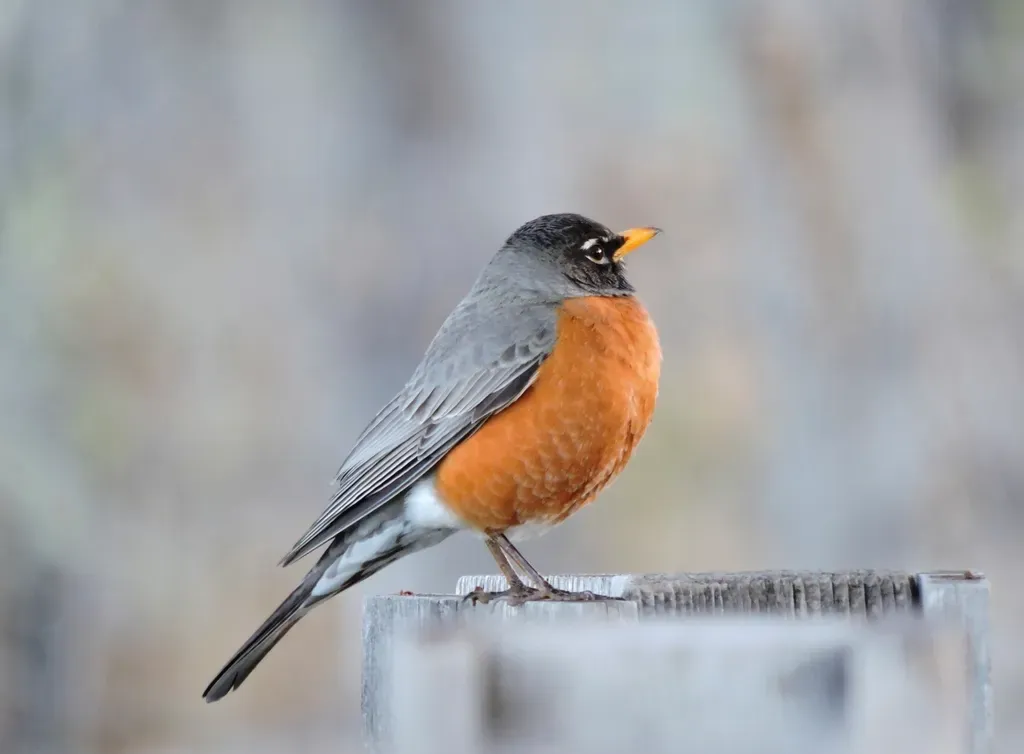
American Robin
American Robin (Image Credits: Rawpixel)
The American robin appears in countless backyards across the continent, its red breast a familiar sight on lawns and in gardens. People have sometimes noted these birds growing unusually quiet or moving to higher perches in the period before noticeable shaking begins. Such changes stand out because robins normally sing at dawn and forage openly on the ground. Traditional knowledge in some areas links robin behavior to broader environmental awareness. Observers describe flocks seeming to vanish from open spaces without an obvious reason like weather or predators. These reports remain anecdotal, yet they echo patterns mentioned in older accounts of the natural world.
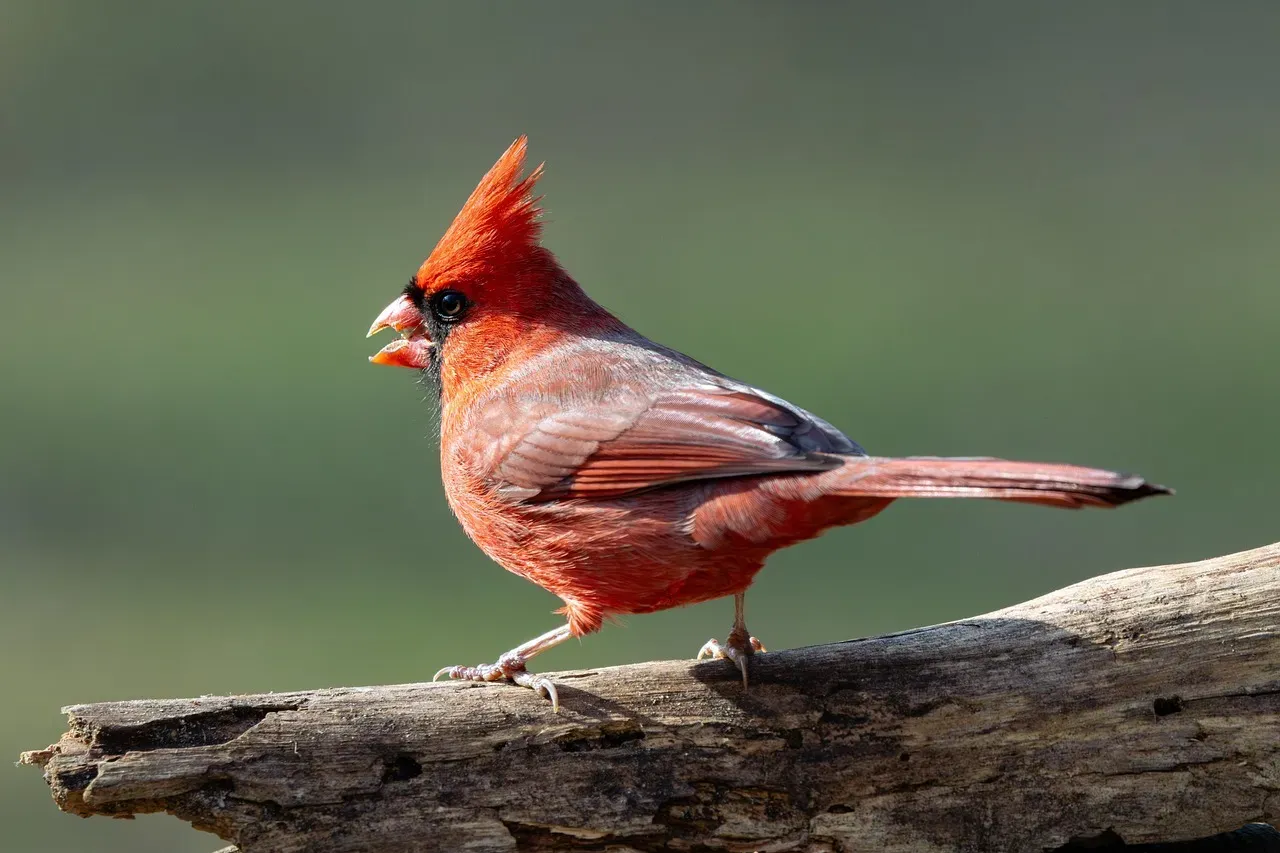
Northern Cardinal
Northern Cardinal (Image Credits: Pixabay)
Northern cardinals bring bright color to feeders and shrubs throughout much of the eastern and central United States. Their clear whistles often fill the air, making any sudden absence noticeable to regular listeners. Some accounts mention these birds retreating deeper into cover or reducing their vocal activity ahead of seismic events. Cardinals tend to stay in the same territory year round, so shifts in their routine draw attention. Indigenous observations in certain regions have included these birds among those that alter patterns before the ground moves. The connection stays rooted in lived experience rather than laboratory proof.
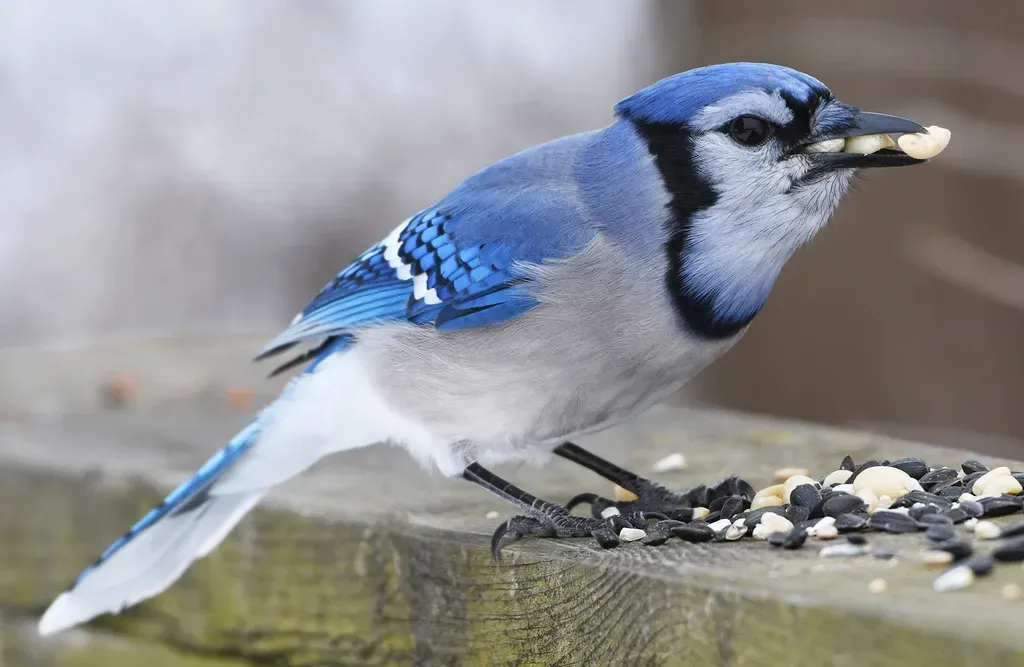
Blue Jay
Blue Jay (Image Credits: Rawpixel)
Blue jays stand out with their bold markings and loud calls that echo through suburban trees. They often gather in groups and react quickly to disturbances in their surroundings. Reports from time to time describe these jays becoming scarce or flying off in unusual directions shortly before tremors. Their intelligence and social nature make any deviation from normal patterns stand out. Older stories from Native communities sometimes group jays with other birds that seem to sense impending changes in the earth. These details come from generations of watching the same landscapes.
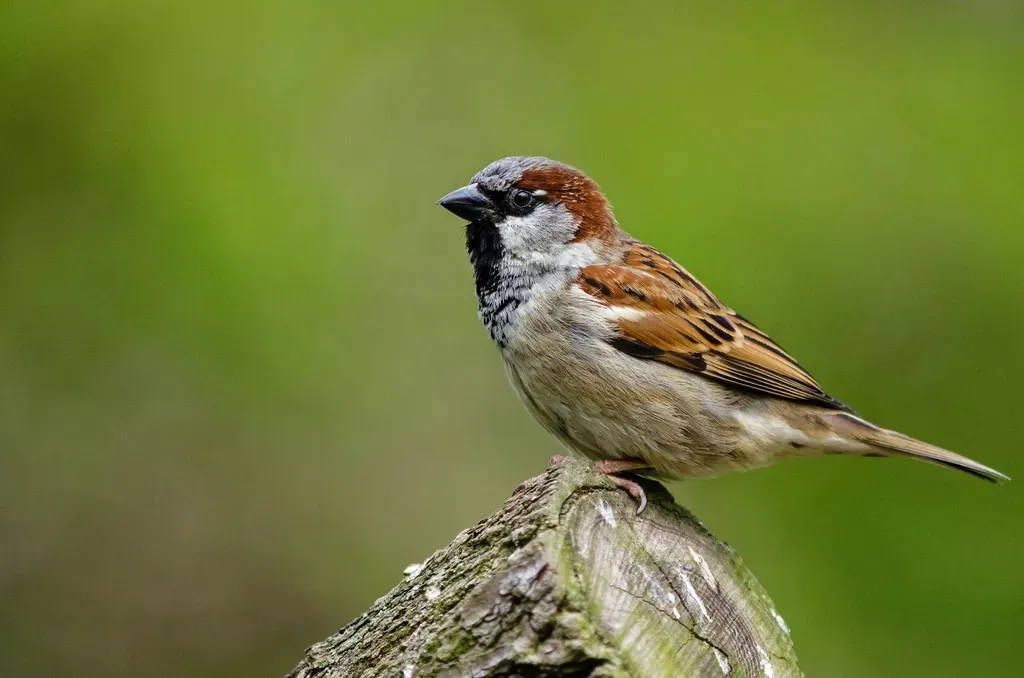
House Sparrow
House Sparrow (Image Credits: Rawpixel)
House sparrows thrive in cities and towns, nesting in eaves and hopping along sidewalks. Their constant chirping forms part of the everyday soundscape for many residents. In some recollections, these small birds grow still or leave usual gathering spots in the lead up to earthquakes. Because they live so close to people, changes in their presence get noticed easily. Traditional knowledge has occasionally pointed to sparrows as part of a larger set of signals from the animal world. The observations reflect long standing attention to backyard life.
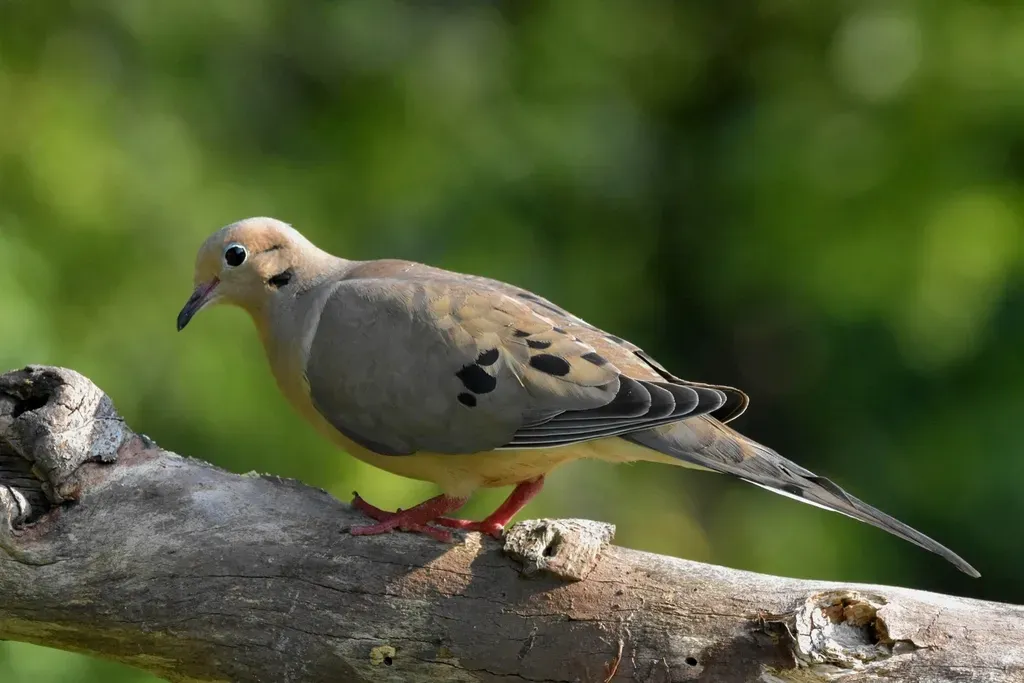
Mourning Dove
Mourning Dove (Image Credits: Rawpixel)
Mourning doves perch on wires and rooftops, their soft cooing a gentle background note in many neighborhoods. They prefer open areas for feeding and often return to the same spots daily. Accounts sometimes mention these doves disappearing from visible perches or altering flight paths before shaking starts. Their calm demeanor makes any sudden shift more apparent to those who watch them regularly. Indigenous traditions in various places have included doves among birds that respond to subtle ground movements. Such stories emphasize respect for the signals nature provides.
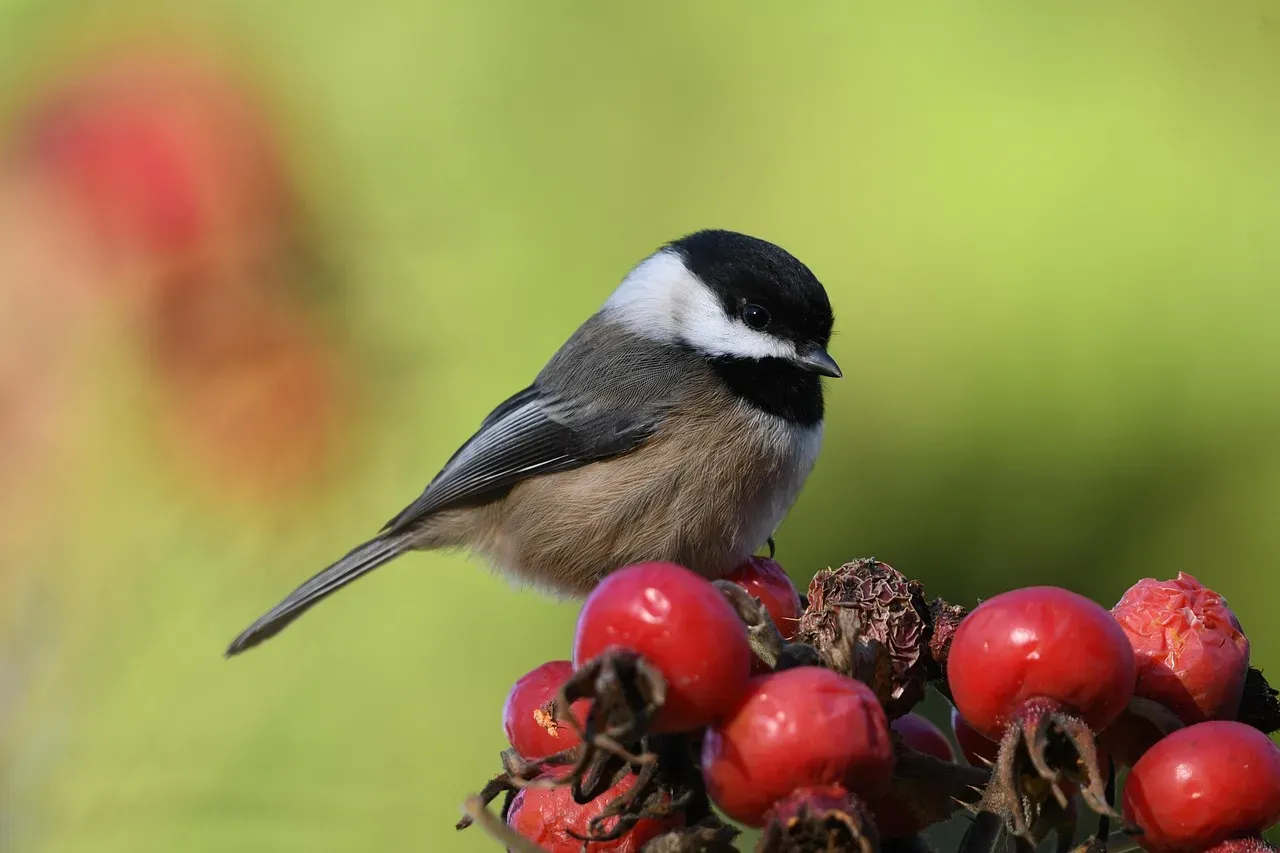
Black Capped Chickadee
Black Capped Chickadee (Image Credits: Pixabay)
Black capped chickadees dart among branches and visit feeders with quick, acrobatic movements. Their familiar chick a dee calls help identify them even in dense foliage. Some older reports note these tiny birds growing scarce or changing their usual routes ahead of seismic activity. Chickadees remain active through much of the year, so their absence registers quickly. Cultural knowledge from certain Native groups has long recognized small birds like these as part of environmental awareness. The details come from careful, repeated watching over time.
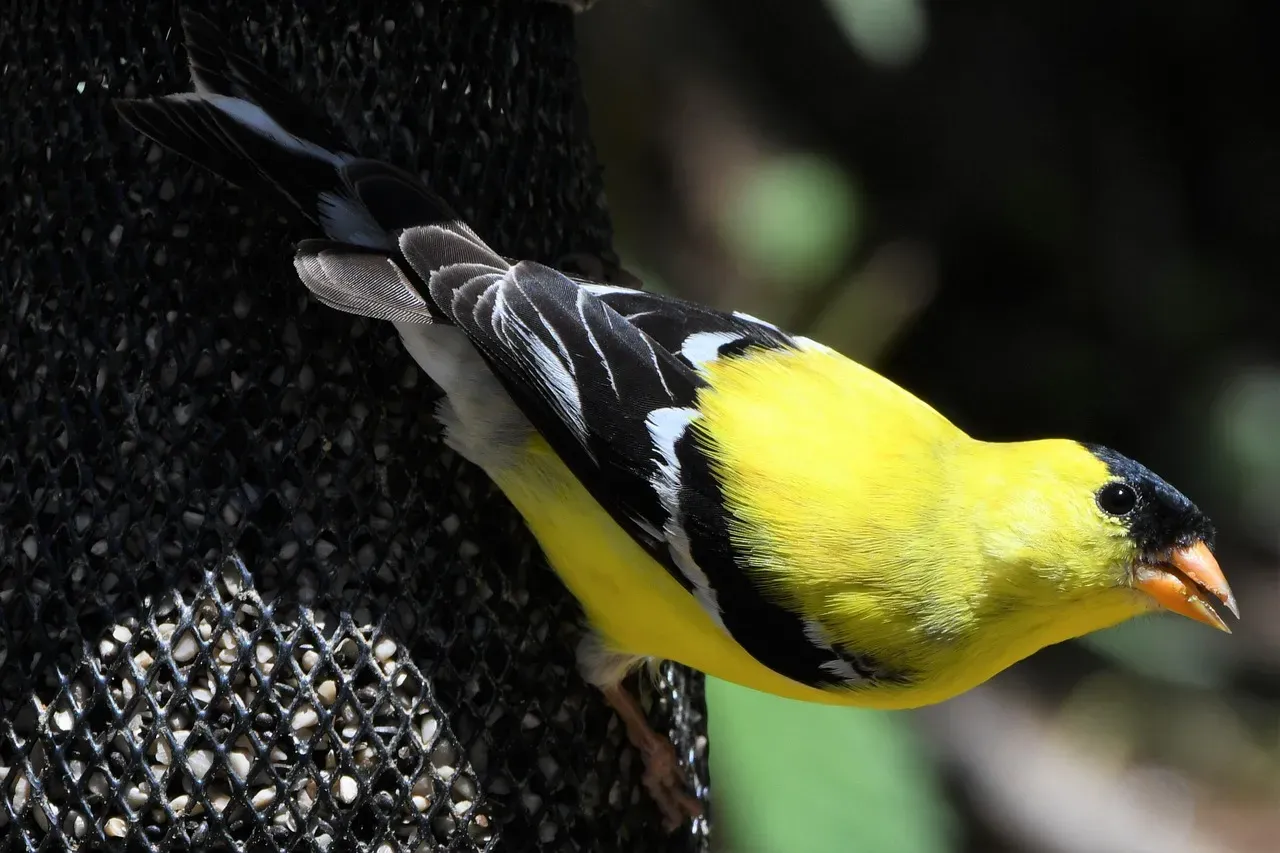
American Goldfinch
American Goldfinch (Image Credits: Pixabay)
American goldfinches brighten gardens with their yellow plumage and undulating flight. They favor seeds and often travel in small flocks during warmer months. Observers have occasionally described these finches leaving feeding areas or becoming less vocal before earthquakes occur. Their seasonal movements already vary, yet sudden changes stand apart from normal patterns. Traditional accounts in some regions have linked goldfinches to broader signs from the natural world. These connections reflect generations of living closely with the land.
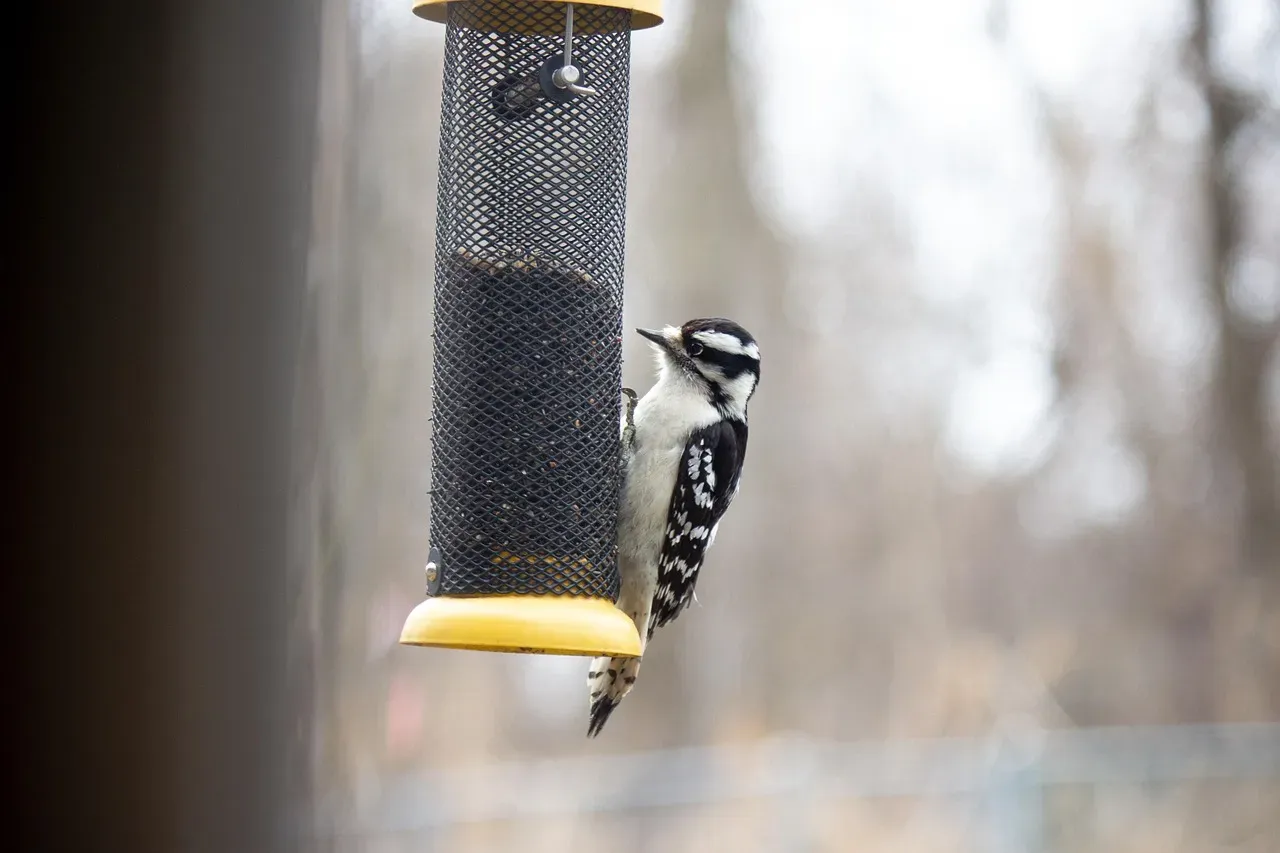
Downy Woodpecker
Downy Woodpecker (Image Credits: Pixabay)
Downy woodpeckers tap steadily on trees and suet feeders throughout wooded backyards. Their small size and distinctive drumming make them easy to track. In certain stories, these woodpeckers fall silent or move to different trees in the time before tremors. Their reliable presence near homes allows people to notice when routines change. Indigenous knowledge has sometimes included woodpeckers among animals that react to shifts beneath the surface. The observations build on long term familiarity with local wildlife.
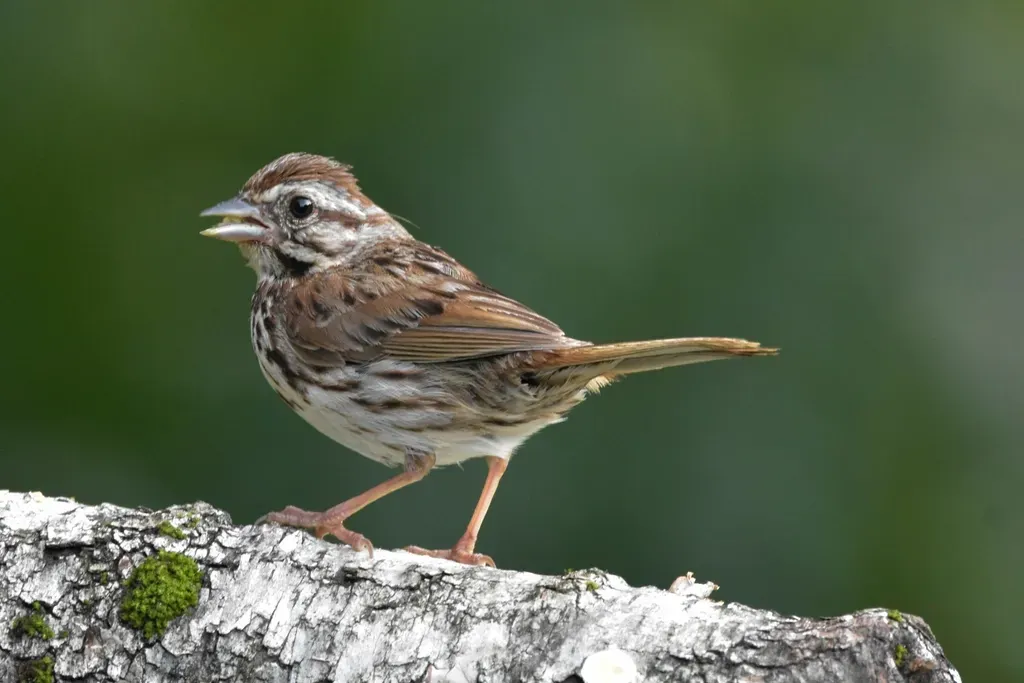
Song Sparrow
Song Sparrow (Image Credits: Rawpixel)
Song sparrows fill edges of yards and fields with varied melodies throughout the seasons. They forage on the ground and stay fairly visible in many areas. Reports from time to time mention these sparrows retreating or reducing their singing before noticeable shaking. Because their songs mark daily rhythms, any pause draws notice. Older traditions in Native communities have referenced song sparrows as part of the signals that precede earth movements. These accounts come from sustained attention to backyard and wild spaces alike.
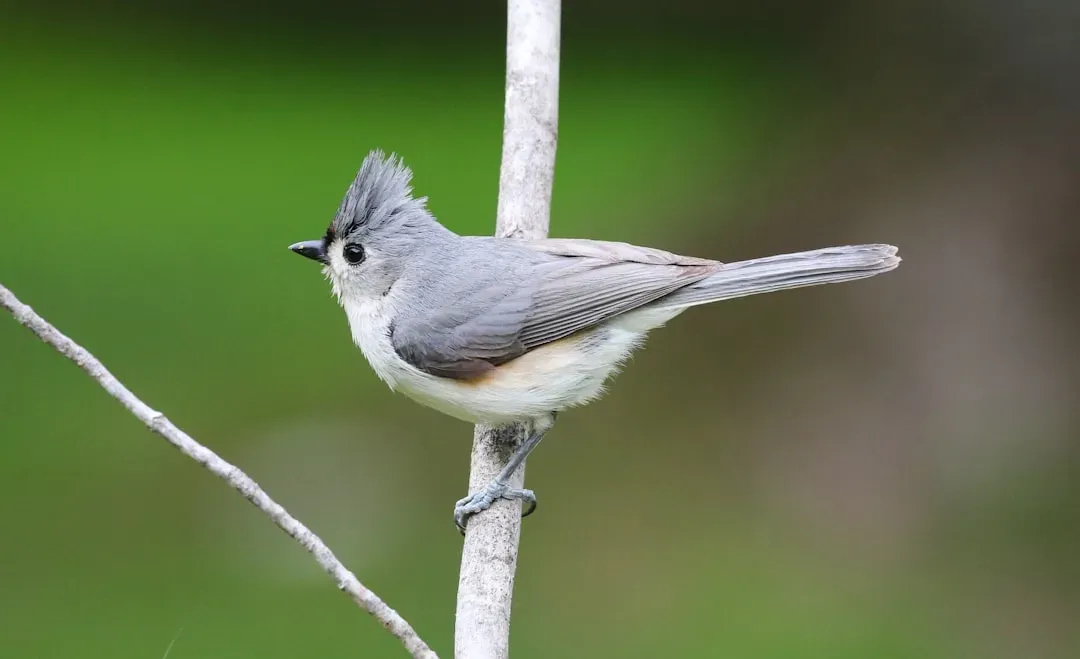
Tufted Titmouse
Tufted Titmouse (Image Credits: Unsplash)
Tufted titmice hop through trees and visit feeders with bold curiosity. Their crested heads and whistled calls make them stand out in eastern woodlands and suburbs. Some accounts describe these birds growing quiet or shifting locations ahead of seismic events. Their year round residency in many places makes changes in behavior more obvious. Cultural stories have occasionally grouped titmice with other small birds that seem attuned to the environment. The knowledge stems from generations of observation.
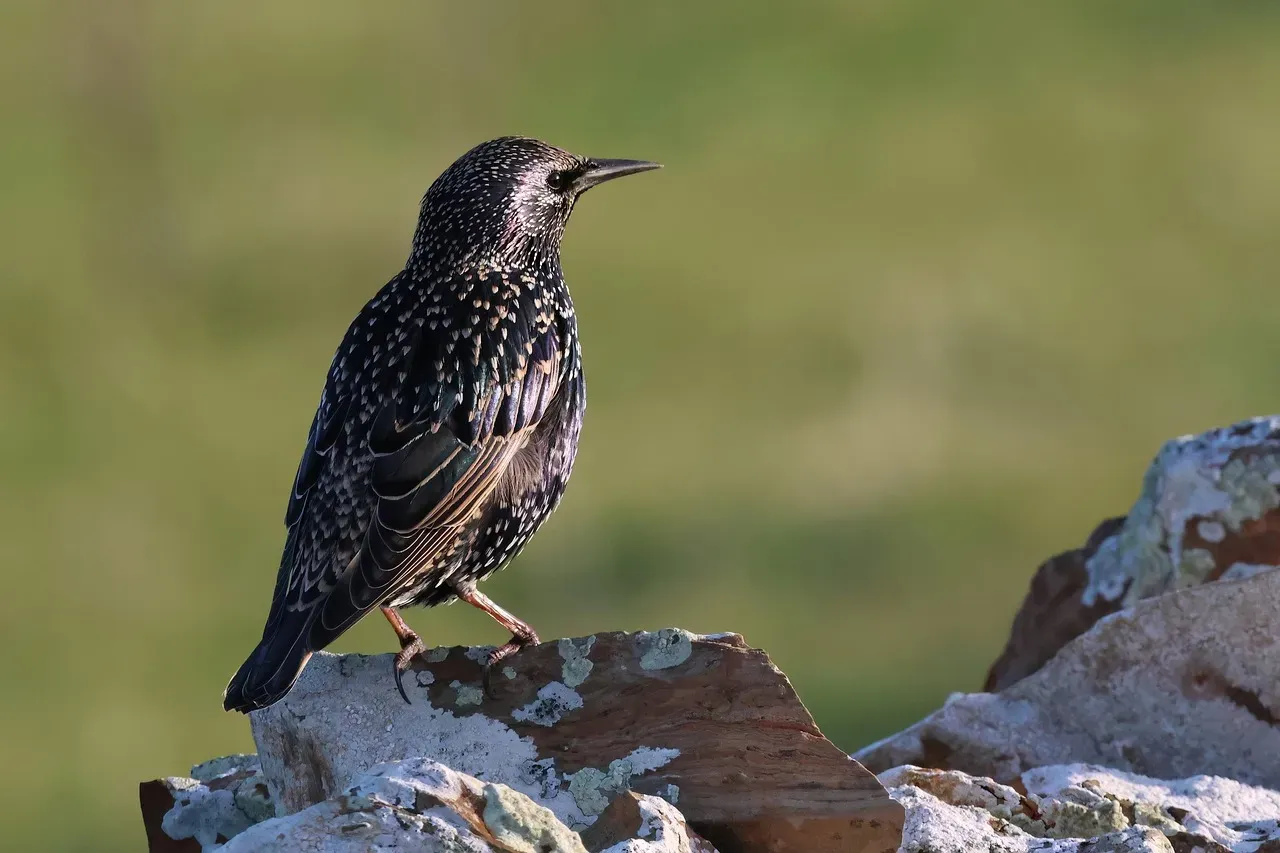
European Starling
European Starling (Image Credits: Pixabay)
European starlings gather in large flocks that sweep across open fields and urban areas. Their iridescent feathers and varied calls add to the daily scene. In scattered reports, these starlings have been noted leaving usual roosts or altering flight patterns before earthquakes. Their adaptability and numbers make group movements noticeable. Traditional observations in some regions have included starlings among birds that respond to coming changes. These details reflect ongoing attention to the creatures sharing human spaces. The idea that birds might sense earthquakes draws from real patterns of animal behavior noted across cultures and time. Science continues to study possible mechanisms such as sensitivity to vibrations or electromagnetic shifts, though clear predictive links remain unproven. Traditional knowledge offers valuable perspectives that complement ongoing research. Paying attention to the birds in our own yards can deepen appreciation for the living world around us. Whether these observations eventually lead to better understanding or simply enrich daily life, they remind us how closely human experience connects with the natural rhythms of the land.
Did you find this helpful? Share it with a friend who’d love it too!
Gargi is an MA in History and a B.Ed graduate from India, with a deep passion for animals and wildlife awareness. As an article writer and editor at Animals Around The Globe, she combines her love for storytelling with her dedication to educating readers about animals, conservation, and responsible pet care. A devoted dog lover, Gargi enjoys creating engaging and informative content that inspires compassion and awareness toward the natural world.