
Worried about unexpected vet bills?
Pet insurance can cover thousands in unexpected vet costs. Get a free quote from Lemonade in under 2 minutes.
Get My Free Quote →Sponsored · Opens Lemonade.com
There is something almost magical about watching a species claw its way back from the edge of oblivion. One moment, scientists are counting individuals on one hand. The next, herds, flocks, or pods are stirring ecosystems back to life. It sounds like fiction, but it happens – and more often than you might think.
Scientists warn that extinction is happening at a rate they have never seen before. Whereas historically, natural extinction amounted to about five species annually, the Earth now loses species at a rate of one thousand to ten thousand times that figure. Against that grim backdrop, every comeback story feels like a small miracle. Honestly, I think these stories matter more than ever right now – not just for the animals themselves, but for what they tell us about human capacity to fix what we have broken. Be prepared to be inspired by what follows.
1. The Humpback Whale: Ocean Giant Defying the Odds
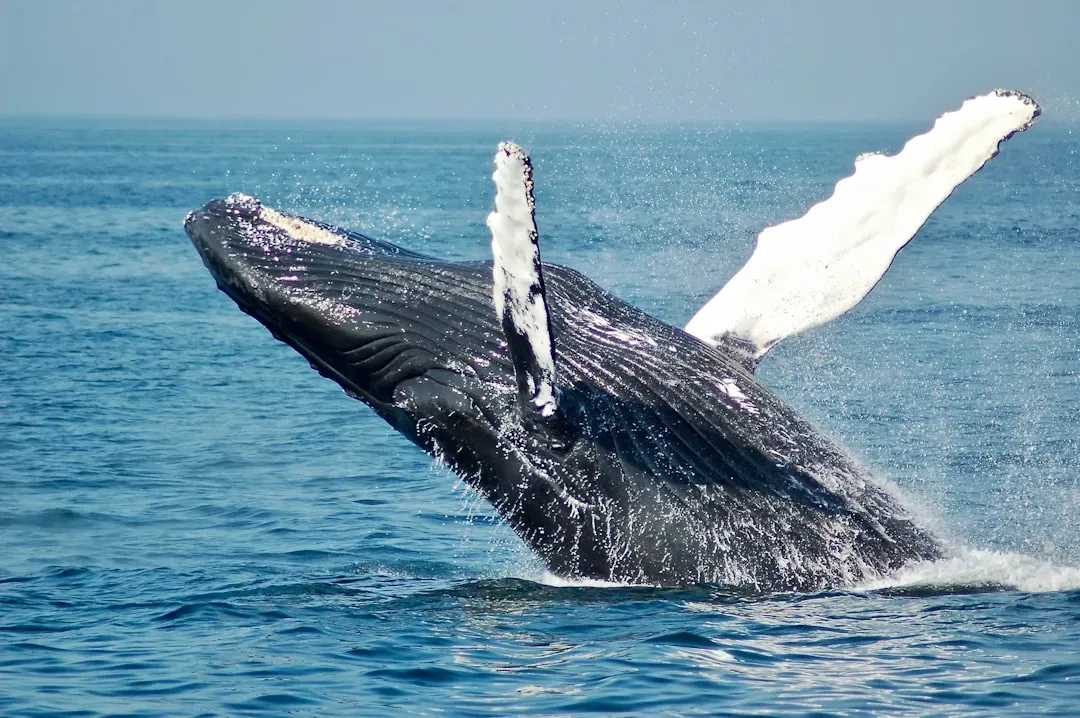
Few comeback stories are as breathtaking as the humpback whale’s. Commercial whaling for meat, oil, and baleen in the 1800s and 1900s took a devastating toll on the species, and they were listed as endangered in 1970 under the precursor to the Endangered Species Act. Think of it like draining an ocean – slow, then catastrophic.
Most populations declined by nearly all of their global numbers in the 1980s, but an international moratorium on commercial harvesting proved to be the species’ saving grace. In addition to the hunting ban, conservationists focused on protecting habitat, reducing vessel collisions, and minimizing entanglement in fishing gear.
By 2016, humpback whales recovered enough that nine out of fourteen populations were delisted from the Endangered Species Act. The IUCN now classifies the humpback whale as least concern, with an estimated population of roughly 84,000 mature individuals. That is nothing short of extraordinary.
2. The Bald Eagle: America’s Symbol Soaring Again
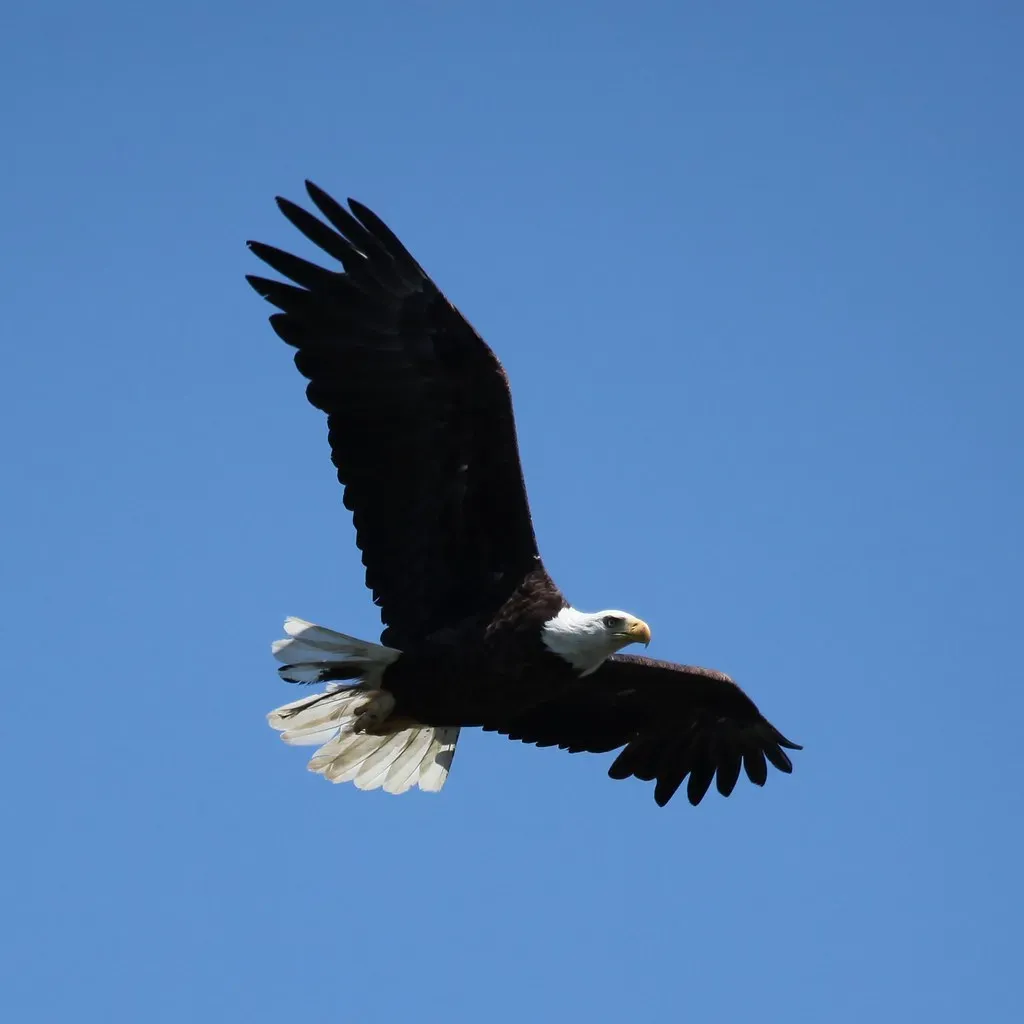
Here’s the thing – there was a real moment in American history when the nation’s own symbol nearly vanished from the sky forever. Long a symbol of national pride, the bald eagle came to the brink of extinction throughout much of its range in the 1960s. The introduction of the egg-thinning pesticide DDT nearly wiped bald eagles out from the lower 48 states.
The ban on DDT, protections from the Endangered Species Act, and captive breeding and reintroduction efforts all helped reverse the bald eagle’s decline. In 2007, the Interior Department officially declared the bald eagle fully recovered and removed it from the endangered species list.
In 2024, the IUCN reclassified the bald eagle as least concern, with an estimated global population of 200,000 mature individuals – a remarkable turnaround for this iconic species. A bird that almost became a ghost in the sky is now thriving. Let that sink in.
3. The Giant Panda: From Endangered to Vulnerable

Long seen as the face of endangered species, the giant panda is now a conservation success story. Through decades of habitat preservation, reforestation, and breeding programs – many led by WWF – giant pandas have been reclassified from “Endangered” to “Vulnerable.” That single category shift represents decades of relentless human effort.
In 2024, the Chinese government approved plans for a giant panda reserve spanning over 27,000 square kilometers. The proposed park will connect 67 existing panda reserves across Gansu, Shaanxi, and Sichuan provinces, allowing pandas to mate with a larger population and create a more diverse gene pool.
As of 2025, there are around 1,900 giant pandas living in the wild and another 757 in captivity. It is still fragile, sure. Pandas are notoriously picky about habitat and diet. But the trajectory is unmistakably upward, and that is worth celebrating.
4. The Iberian Lynx: Europe’s Most Endangered Cat Fights Back
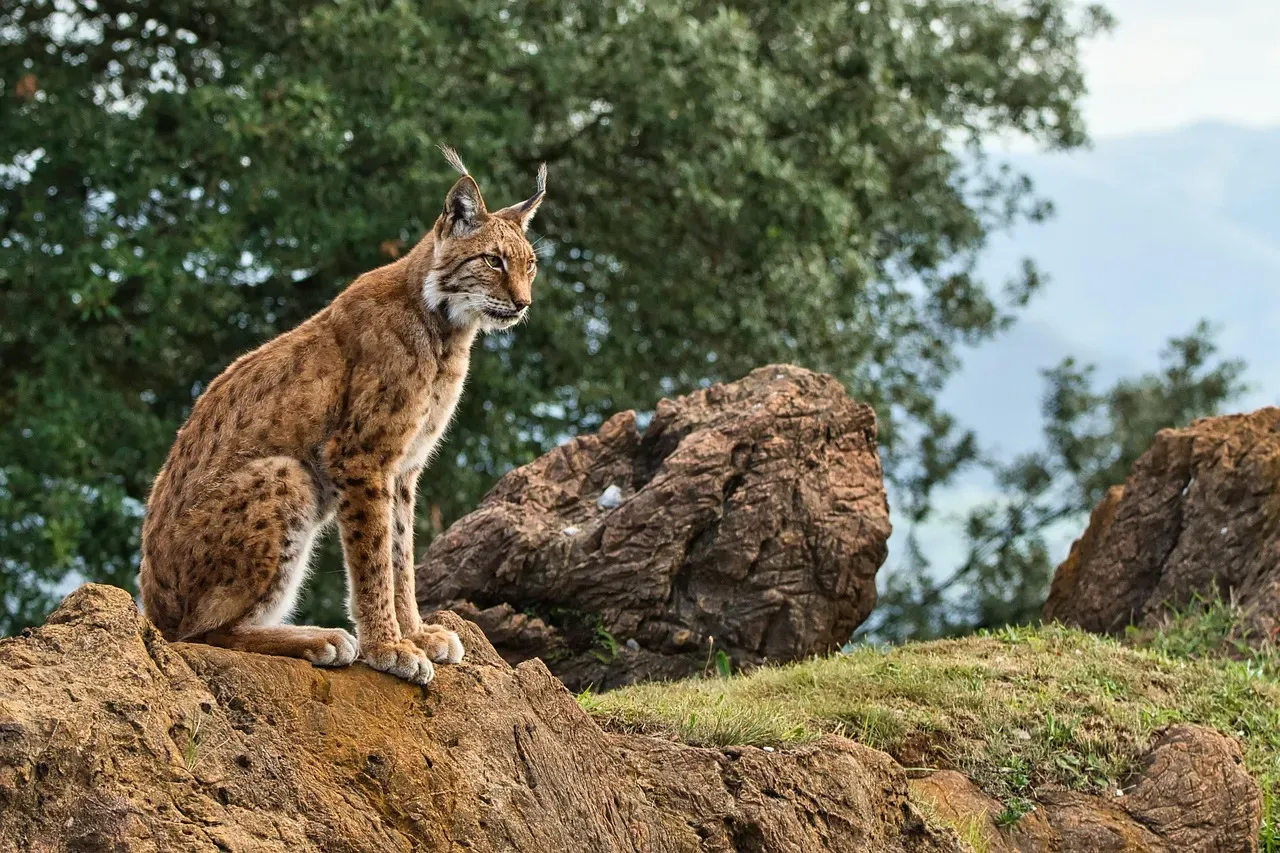
The Iberian lynx is arguably the most endangered cat on Earth – or at least it was. The Iberian lynx is one of four living species of lynx, native to the Iberian Peninsula, found across Spain and Portugal. Starting in the 1960s, populations began to fall sharply, pushing the subspecies to the brink of extinction.
Thanks to threats of habitat loss, reduced food availability, poaching, and human collisions, the species was classified as endangered by the IUCN in 1986. At their lowest, fewer than a hundred individuals remained – a population so small that a single disease outbreak could have finished them off entirely.
In 2015, the IUCN reclassified the Iberian lynx as endangered. They were most recently assessed in 2024 as vulnerable, with an increasing population of 648 mature individuals. There are now thought to be 13 clusters in Spain and one cluster in Portugal. From near-zero to nationally distributed – that is the power of coordinated conservation.
5. The Greater One-Horned Rhinoceros: A Blueprint for Rhino Recovery
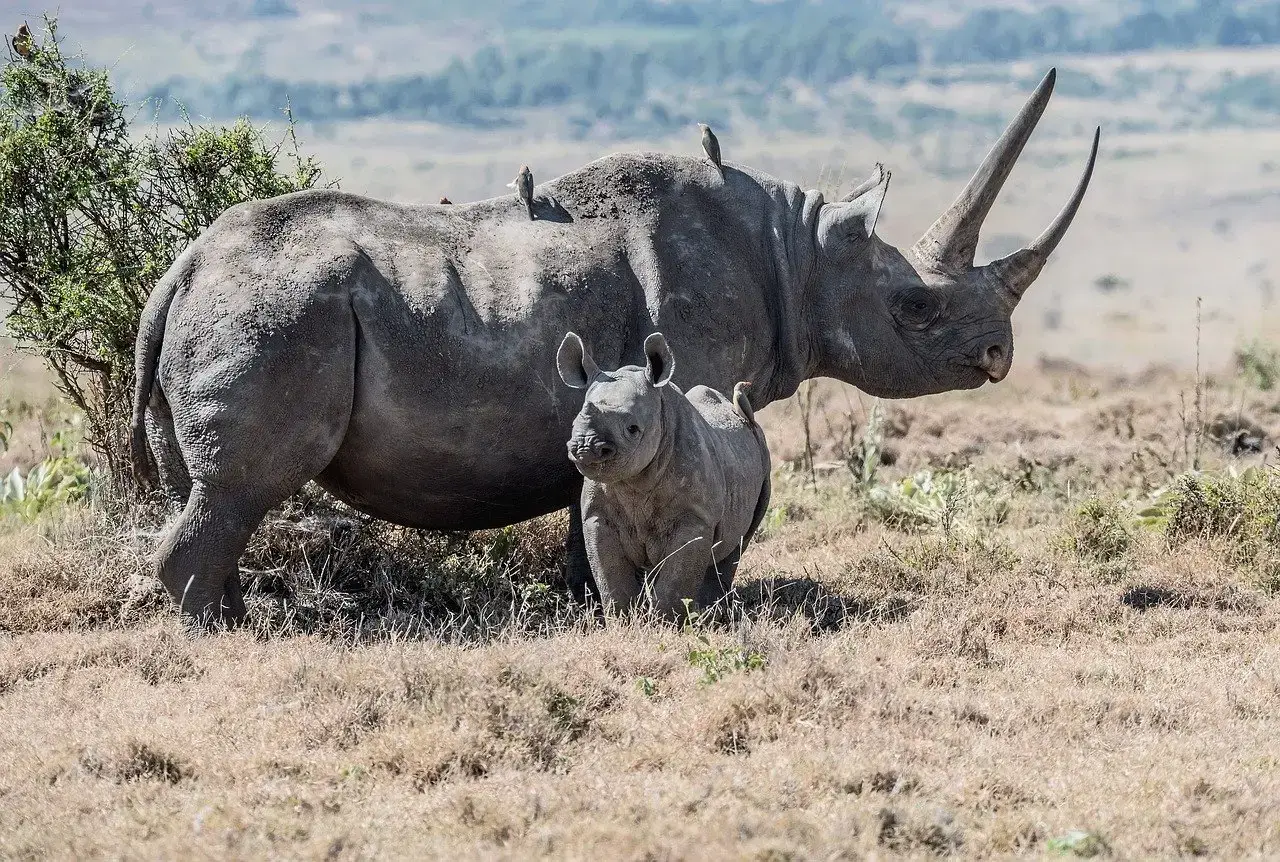
Let’s be real: rhinos have had a rough few centuries. Poaching and habitat destruction pushed the greater one-horned rhino to terrifyingly low numbers. The population has increased by more than double since the 1980s, when habitat loss and illegal poaching threatened their survival. Thanks to strict protection and conservation measures enacted by regional and national governments in India and Nepal, the greater one-horned rhino’s recovery provides a blueprint for other rhino species.
The International Rhino Foundation announced that the one-horned rhino population had reached a new high, with now over 4,000 individuals – a number only possible due to the tireless efforts of campaigners and conservationists.
The Greater One-Horned Rhinoceros reached around 4,075 individuals across India and Nepal as of 2025. It is a slow, expensive, dangerous kind of conservation work. Rangers risk their lives. Governments fund anti-poaching units. Communities make sacrifices. The rhino’s comeback is proof that it is all worth it.
6. The Snow Leopard: Ghost of the Mountains Returns
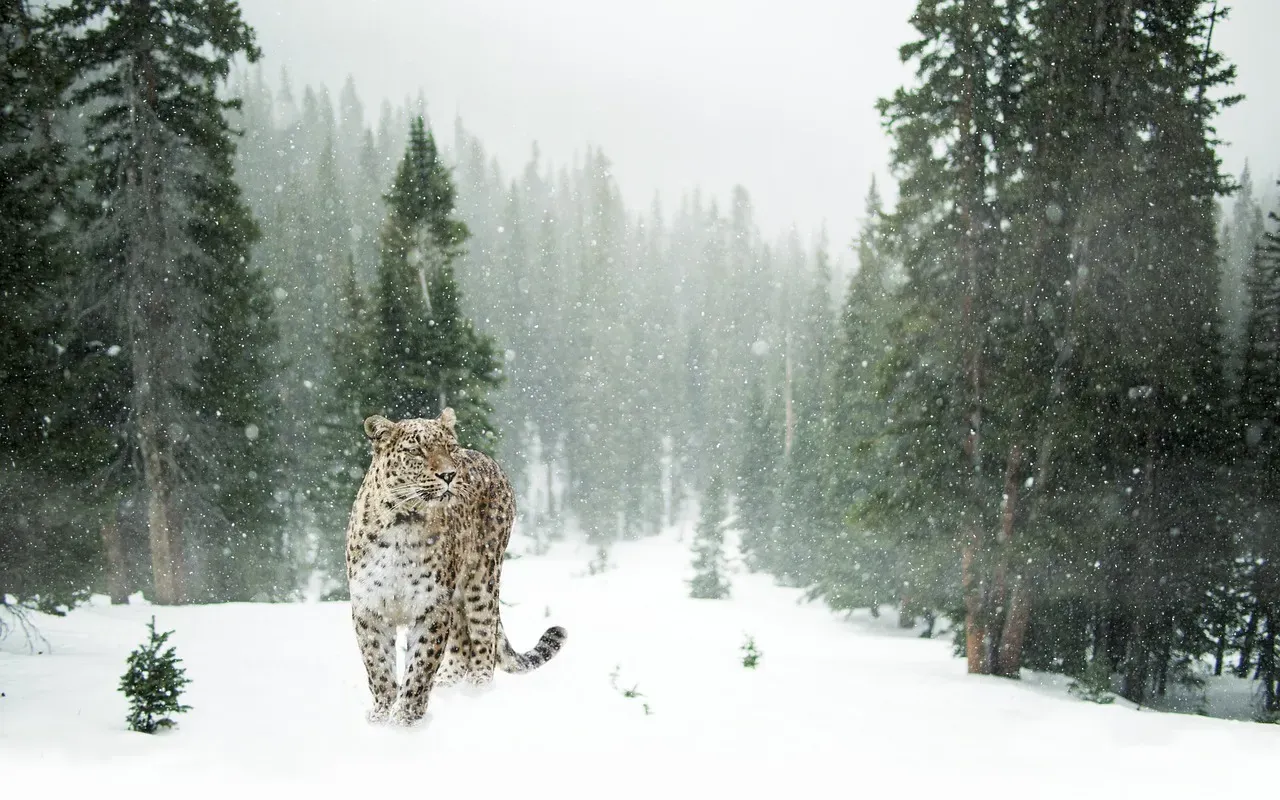
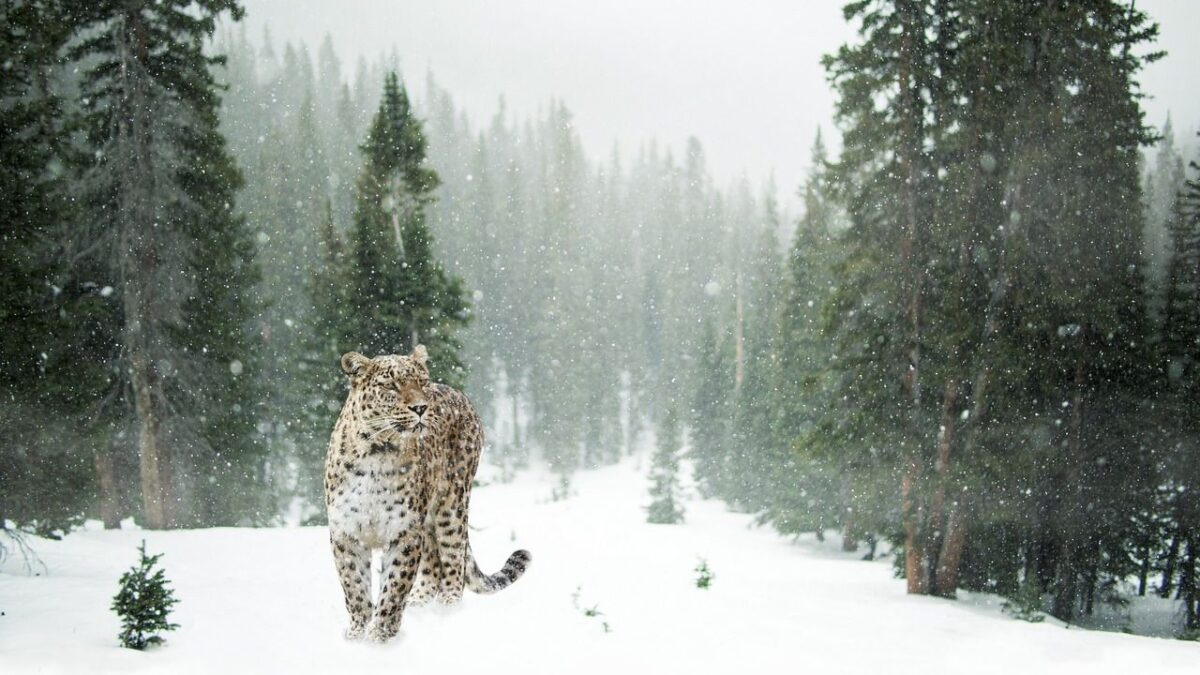
There is something hauntingly beautiful about the snow leopard. A stunning mix of fluffy fur with black spots and pale green eyes, these cats live in the mountains of central Asia. They became scarce by the mid-1980s, when they were listed as endangered on the IUCN’s Red List of Threatened Species.
Habitat loss, poaching, loss of prey, and climate change are the leopard’s primary threats. Thanks to conservation efforts, the cats are making a comeback, and were downlisted to a lower-risk category in 2017. International organizations like IUCN, along with nonprofits like the Snow Leopard Trust and Wildlife Without Borders, all worked to safeguard the species. Together, they’ve created new protected areas, stemmed poaching, and reduced conflicts between leopards and herders.
Even Buddhist monks pitched in by patrolling for poachers and educating local communities. Today, with a population of only around 7,500, these snowy cats are not out of the woods yet, but there are plenty of reasons to be optimistic. A community that protects its predators is a community that understands its own ecosystem.
7. Nepal’s Bengal Tigers: Nearly Tripled in a Decade
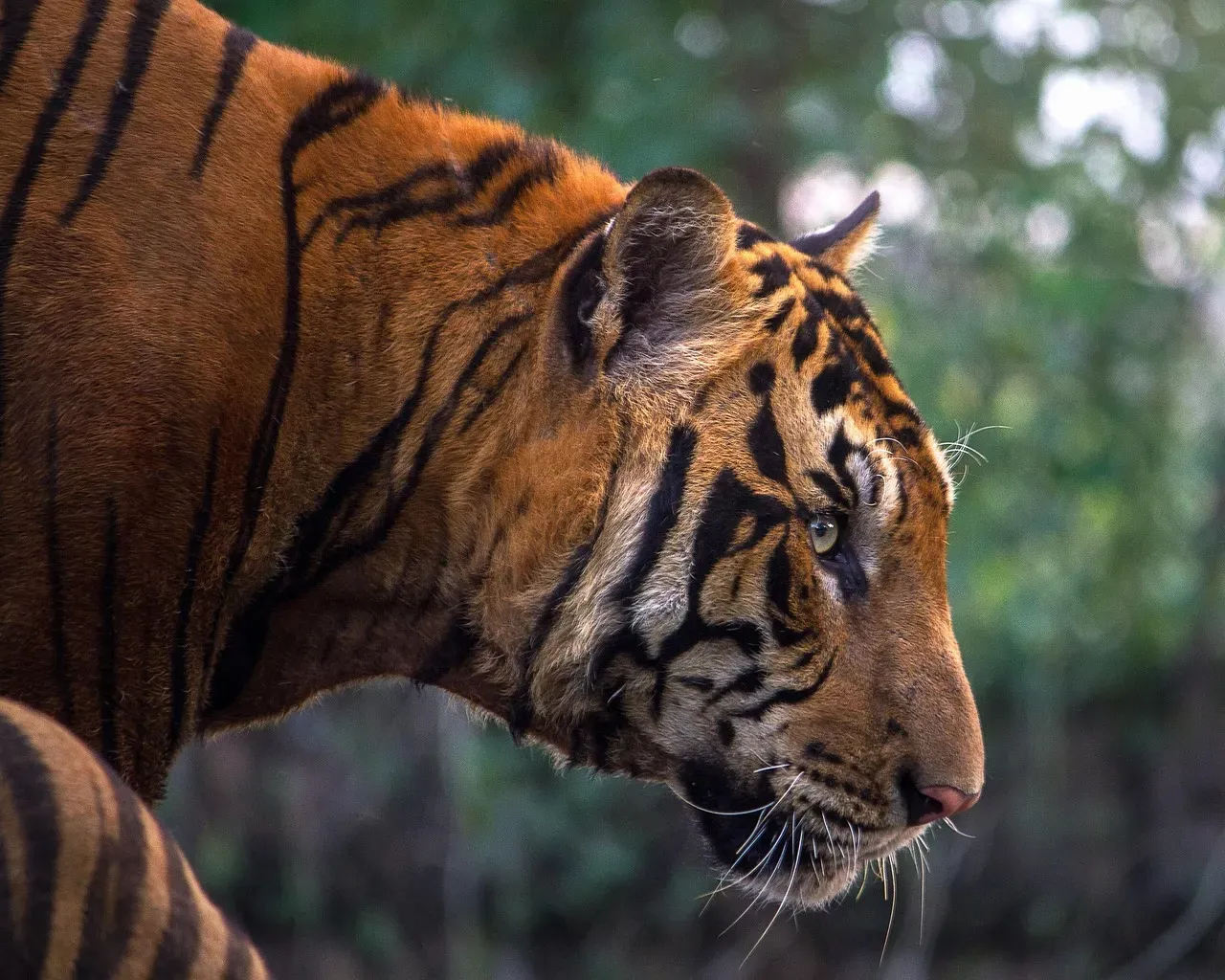
I think this might be the most jaw-dropping statistic in modern conservation. Since 2009, Nepal’s commitment to tiger conservation has resulted in a historic nearly two-fold increase in its tiger population to 355 confirmed individuals – nearly triple what it was.
Under the Global Tiger Recovery Program, Nepal was able to protect primary tiger habitats and partner with locals to control poaching and illegal wildlife trading. It is a model that blends government policy, international support, and grassroots community buy-in – like a three-legged stool where removing any leg causes collapse.
Tripling a tiger population in roughly a decade is the kind of result that would have seemed impossible to a wildlife biologist in the 1990s. It proves that when political will and funding align, nature responds faster than we expect.
8. The Sombrero Ground Lizard: A Small Island, a Giant Miracle
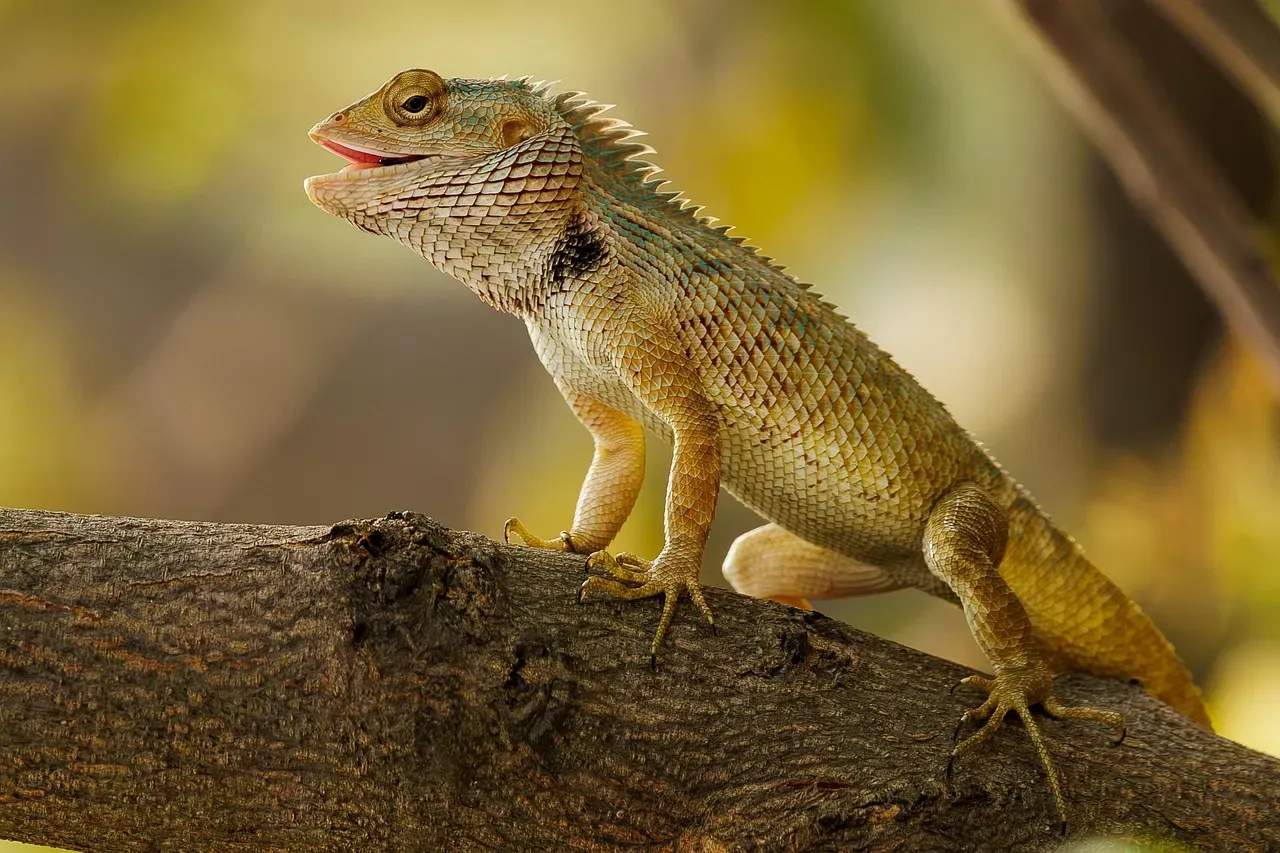
You probably have not heard of the Sombrero ground lizard. Not many people have. On the tiny Sombrero Island, part of Anguilla in the Caribbean, there were fewer than 100 individuals of the critically endangered Sombrero ground lizard in 2018. In just six years, by 2024, researchers found their population had climbed to more than 1,600.
The lizards seem to have responded positively to island restoration efforts, including the removal of invasive mice and planting of native vegetation. It sounds almost too simple, right? Remove the mice, plant some native plants, and watch nature do the rest. Of course, the science, coordination, and funding behind that simplicity is enormous.
Still, the lizard’s story is a reminder that scale does not always determine impact. Some of the most dramatic conservation wins happen on tiny islands, in overlooked corners of the world, with species most people have never even heard of.
9. The California Condor: From 27 Birds to a Wild Population
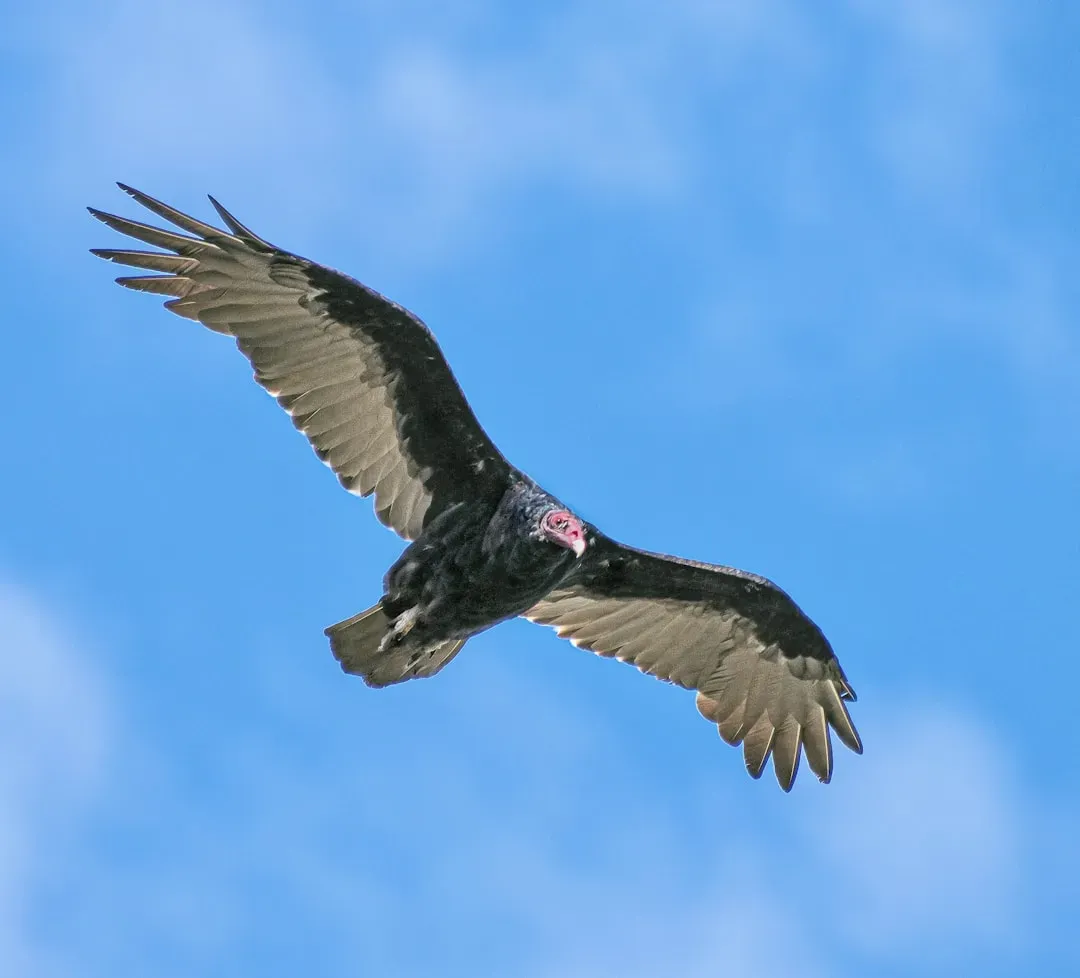
Poaching, lead poisoning, and habitat destruction nearly drove the California condor to extinction by the late 20th century. In 1987, the US Fish and Wildlife Service made the bold but risky decision to capture all remaining California condors in the wild, which by that time numbered only 27.
Twenty-seven. That is not a population – that is a classroom. The decision to capture every last wild individual felt radical, almost reckless. Yet it was perhaps the most decisive conservation intervention in American history.
With every existing California condor now in captivity, efforts focused on breeding the birds at the San Diego Wild Animal Park and the Los Angeles Zoo. Since then, the wild population has grown, and as of 2018 there were an estimated 537 California condors living in the wild or captivity, and in 2019 the 1,000th chick hatched since the launch of the recovery program. That number continues to grow today.
10. The Southern White Rhinoceros: The Comeback That Redefined Conservation
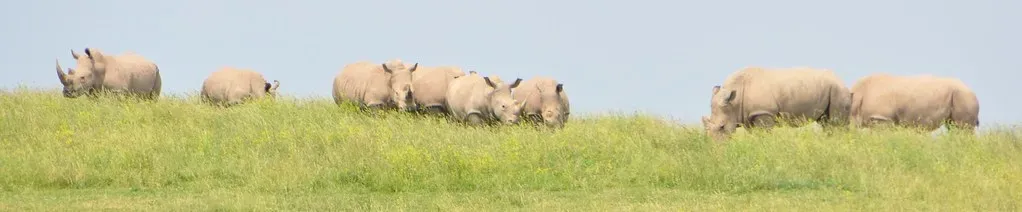
If you want a story of sheer, staggering numbers, look no further than the southern white rhino. At the start of the 20th century, there were fewer than 100 southern white rhinos left on Earth. Today, their numbers have soared past 20,000, thanks to conservationists and protective reserves.
That is a two-hundred-fold increase. Think about that the next time someone tells you conservation does not work. The southern white rhino is the gold standard – the species that essentially rewrote what a successful recovery looked like for large, slow-breeding mammals.
A paper in the journal Science reviewed eleven reserves in South Africa over seven years, tracking some that dehorned their rhinos and others that did not. Researchers found a nearly four-fifths reduction in poaching in the reserves that dehorned their rhinos, providing compelling evidence that the intervention is a winning conservation strategy. The science keeps refining the tools, and the rhinos keep benefiting.
11. The Spix’s Macaw: The “Rio” Bird Returns to the Wild
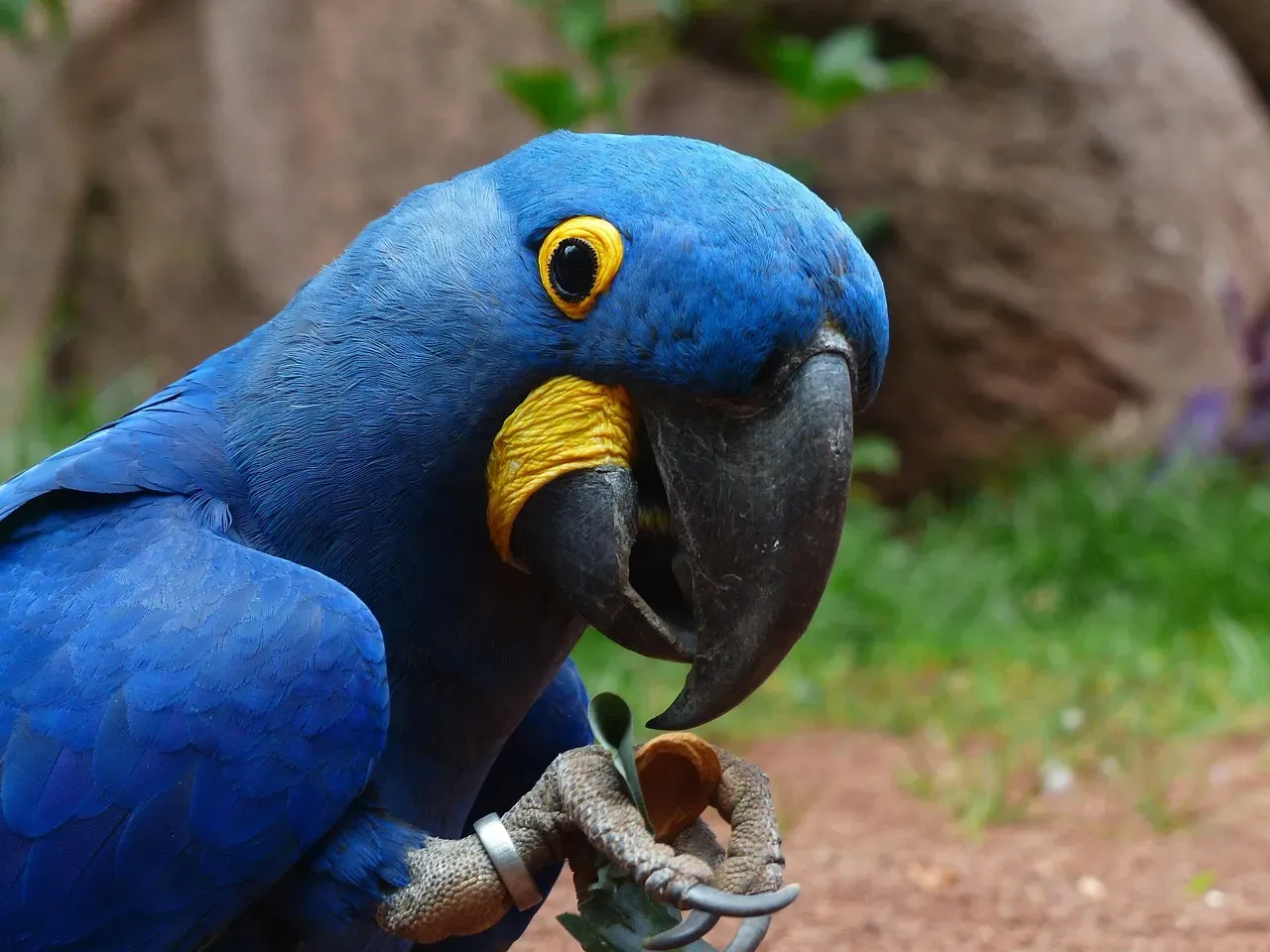
Most people know this bird from the animated film “Rio.” What many do not realize is that the movie was based on a very real, very painful truth: In 2025, a milestone arrived when several Spix’s macaws were released into Brazil’s Caatinga region, re-establishing a wild population after decades of absence. Their struggles, popularised globally through the animated film Rio, are far from over, as habitat loss, predators, and environmental stress continue to pose threats.
Yet the birds’ return remains one of the most uplifting conservation victories of the century, proof that coordinated global effort can breathe life back into even the rarest species. The recovery involved intensive international breeding programmes, behavioural training with wild macaw mentors, and habitat recovery, with individuals released into Brazil’s Caatinga region – its original dry-forest home.
A bird that had completely disappeared from the wild. Now flying free again in its native forest. It is hard not to feel emotional about that. It is living proof that extinction is not always a full stop – sometimes it is just a very long, very difficult pause.
A Final Word: Nature Is Resilient, But It Needs Us
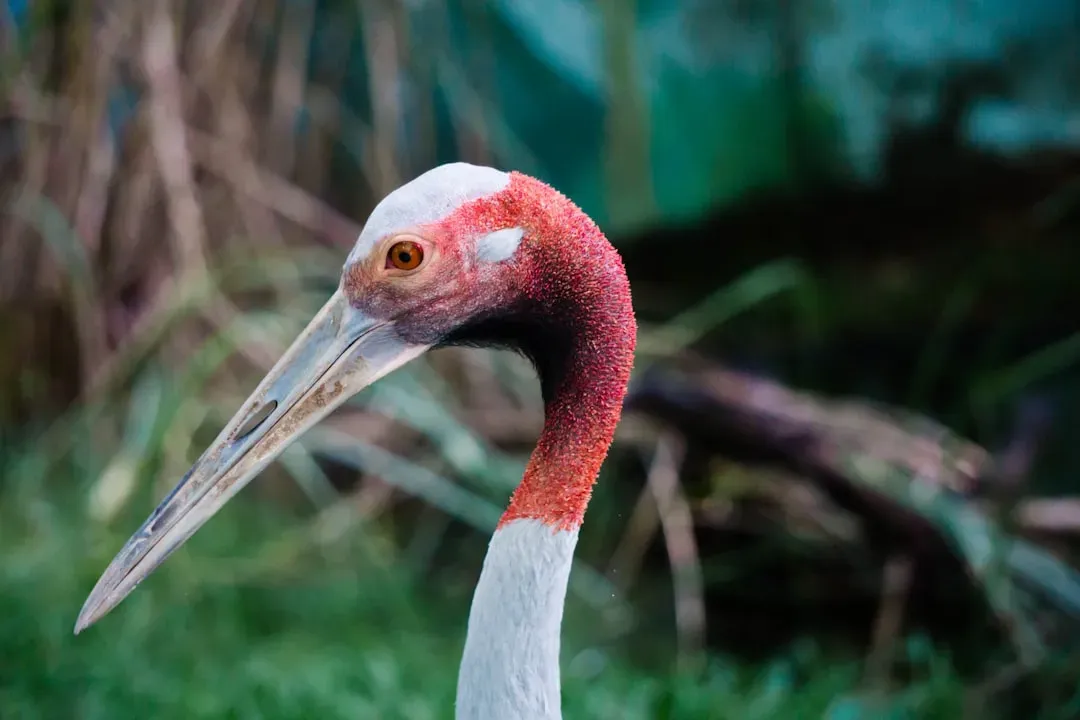
Experts say we are in the middle of the sixth mass extinction, with tens of thousands of animal species at risk of being wiped out. But history shows us that when communities put concerted effort behind conservation, species can and do recover. That is not wishful thinking – it is documented fact, written in the stories of eagles and pandas and lizards and whales.
Many gains reflect decades of sustained effort, proving that conservation is a marathon rather than a sprint. While improved status does not mean full recovery, with many populations still far below their historic numbers, better monitoring and science-led interventions have helped conservationists understand trends more clearly and act more effectively.
None of this would be achievable without collaboration between governments, conservation groups, researchers, and communities on the ground. That is the real lesson hidden inside every one of these remarkable stories. Nature has enormous will to survive. It just needs a fighting chance.
These eleven species are not just animals. They are proof of something bigger – that damage is not always permanent, that despair is not always justified, and that the choices humans make truly matter. Which of these stories surprised you the most? Share your thoughts in the comments below.
Worried about unexpected vet bills?
Pet insurance can cover thousands in unexpected vet costs. Get a free quote from Lemonade in under 2 minutes.
Get My Free Quote →Sponsored · Opens Lemonade.com

- The Ocean’s Deepest Creatures Hold Surprising Secrets to Longevity - June 10, 2026
- 6 Scents That Make Mosquitoes Target You First - June 10, 2026
- The Forgotten Deserts of America Where Wildlife Still Thrives - June 10, 2026