


Even in the coldest hardiness zones, it isn’t yet the time to start putting your garden to rest for the winter. By this time of year though, I’m usually ready for a break after months of weeding, planting, and diagnosing pest problems. But I know I need to dig deep for some fresh motivation to get ready for the fall.
Why Preparing Your Garden for Fall Matters

Many gardeners make the mistake of neglecting their gardens at the end of summer, missing the chance to optimize growth, harvests, and even next year’s garden. Fall preparation isn’t just about cleaning up—it’s about giving your garden a final push to thrive before winter arrives. Without proper attention, your soil can become depleted, perennials overcrowded, and garden tools rusty, making it harder to bounce back in spring.
Here’s how to solve those problems and get your garden in prime shape for a stunning fall.
1. Amend the Soil

The soil in a vegetable garden can become depleted after a long growing season. August is a good time to add compost to replenish nutrients, especially if you’re planning to do fall plantings. Spread a 1 to 3-inch layer of compost across the surface. Use a spade to mix it into the top 6 to 8 inches. Water thoroughly to help it incorporate.
Recommended Product: Organic Compost for Gardens
Why It Helps: Organic compost restores essential nutrients, improving soil structure and health.
2. Plant Fall Crops

August is suitable for planting fall crops. In USDA Plant Hardiness Zone 6 and warmer, you can still plant beans, cauliflower, cucumber, and squash. In Zone 5 and colder, consider hardy greens like kale, chard, lettuce, spinach, and Asian greens. Check your local zone for specifics and adjust your planting accordingly.
Recommended Product: Butternut Squash Seeds
Why It Helps: Planting the right crops extends your harvest and maximizes your garden’s productivity.
3. Plant Trees and Shrubs

Aim to plant shrubs and trees four to six weeks before the first frost. In northern gardens, that means late August. This timing allows plants to establish themselves before winter. Warm soil helps trees and shrubs root quickly without thinking a new growing season has begun, ensuring a strong start in spring.
Recommended Service: Shrub and Tree Delivery Services
Why It Helps: Planting in late summer helps trees and shrubs root deeply before the cold, ensuring a strong foundation.
4. Divide Perennials
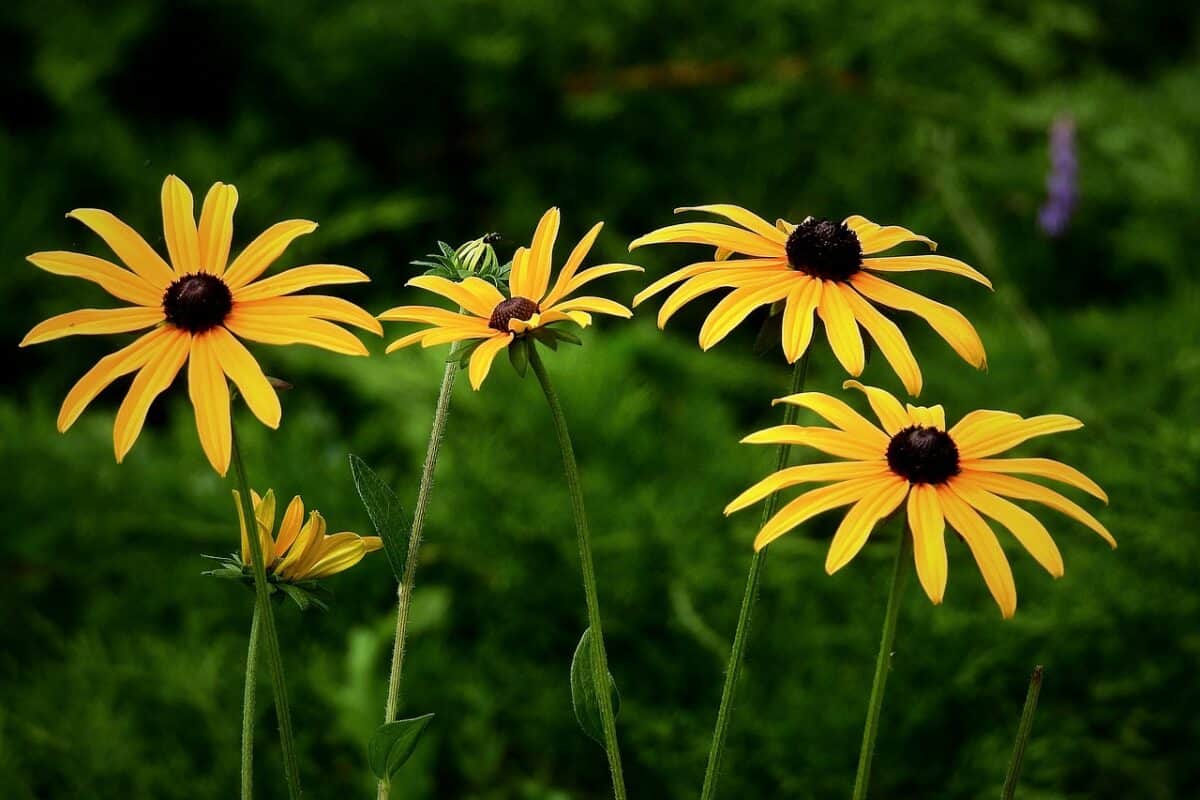
By late August, perennials like coneflowers and black-eyed Susans may start to flag. To keep them healthy and prevent overcrowding, divide the roots as the plants die back. Dig up the plant, separate it into smaller sections, and replant a portion. This practice not only helps expand your garden but saves money.
Recommended Tool: Garden Trowel Set for Dividing Perennials
Why It Helps: Dividing perennials prevents root competition, enhancing plant vitality and allowing you to grow your garden for free.
5. Build a Cold Frame

Start preparing for the first frost by building a cold frame. This structure can be used again in spring and will help protect your garden from the cold. You can use materials like 3-mm plastic and 2x4s or purchase a cold frame. Being ready now avoids the rush of last-minute measures.
Recommended Product: Cold Frame Gardening Kit
Why It Helps: A cold frame protects tender crops from frost, extending the harvest season into fall and early winter.
6. Fertilize Your Garden

August is a good time to replenish garden nutrients, especially if you use organic fertilizers. Organic nutrients take longer to become available to plants. For container plants, regular fertilizing is crucial into the fall. Ensure continued blooms and a healthy finish by keeping up with fertilizer applications.
Recommended Product: Organic Garden Fertilizer
Why It Helps: Fertilizer provides essential nutrients that keep your plants thriving through cooler temperatures.
7. Cut Back Your Herbs

Herbs such as parsley, cilantro, and basil might have bolted by August, becoming too bitter to consume. You can either let them flower to attract pollinators or cut them back a few inches above ground. Most herbs will regrow for a fresh fall crop, while others, like lavender, benefit from a trim.
Recommended Product: Herb Pruning Scissors
Why It Helps: Pruning herbs not only encourages new growth but keeps your herb garden productive into the fall season.
8. Planning Ahead: Planting Bulbs

Some spring bulbs can be planted in fall. Tulips, crocuses, hyacinths, and garlic are great often sell out by late fall. Ordering early ensures you get the best selection. Plan now for a colorful spring garden by securing your bulbs.
Recommended Product: Tulip Bulb Mix Pack
Why It Helps: Early ordering secures the best selection of bulbs and guarantees a colorful spring garden.
9. Prune Summer-Flowering Shrubs

By late fall, summer-flowering shrubs such as hydrangea and spirea start to wane. Pruning these shrubs now helps remove dead branches and promotes a tidier appearance. Proper pruning not only enhances the shrub’s look but also extends its lifespan, setting the stage for a healthier fall garden.
Recommended Tool: Heavy-Duty Pruning Shears
Why It Helps: Pruning extends the lifespan of flowering shrubs and keeps them looking tidy through fall.
10. Clean and Maintain Garden Tools

August is the ideal time to clean and maintain your garden tools before the harvesting frenzy. After a busy season, your tools need attention. Regular maintenance in August ensures that they are ready for the end-of-season tasks and simplifies the process when preparing them for winter storage.
Recommended Product: Tool Cleaning Set
Why It Helps: Proper maintenance extends the life of your tools and makes gardening easier.
11. Refresh Your Garden Mulch

Mulch is essential for preventing water evaporation and protecting plant roots. By August, much of your mulch may have faded or washed away. Scatter new mulch to refresh your garden and prepare it for fall. This practice helps maintain soil moisture and supports a successful transition into the cooler months.
Recommended Product: Organic Mulch
Why It Helps: Mulch conserves soil moisture and protects plants, helping your garden thrive during the transition to cooler weather.
Conclusion

Preparing your garden for fall involves several key tasks that set the stage for a vibrant and productive season. From amending soil and planting fall crops to cleaning tools and refreshing mulch, each step plays a crucial role in ensuring a successful transition. Embrace these preparations to enjoy a stunning fall garden and a thriving landscape through the coming months.

For any feedback please message Feedback@animalsaroundtheglobe.com
- These Animals’ Feasts Make Thanksgiving Dinner Look Like A Small Snack - August 10, 2026
- Longest Dachshund Ever Recorded - August 10, 2026
- Heaviest Hedgehog Ever Recorded - August 10, 2026