


In the vast tapestry of natural events that have shaped the United States, storms stand out as powerful forces that have left indelible marks on the nation’s landscape and psyche. These storms, often fierce and relentless, have not only altered the environment but also transformed communities, economies, and lives. From the roaring winds of hurricanes to the destructive paths of tornadoes, each storm tells a story of nature’s might and humanity’s resilience. This article delves into 11 of the most formidable storms in U.S. history, each leaving an unforgettable legacy in its wake.
The Great Galveston Hurricane of 1900

The Great Galveston Hurricane of 1900 remains the deadliest natural disaster in U.S. history. Striking the Texas coast, this catastrophic hurricane claimed the lives of an estimated 6,000 to 12,000 people. Galveston, a burgeoning city at the time, was virtually flattened by the storm’s 145 mph winds and a massive storm surge. The devastation was so severe that it reshaped the city’s infrastructure and prompted massive engineering projects, including the construction of a seawall. This hurricane serves as a haunting reminder of nature’s unpredictability and the importance of preparedness in the face of such formidable forces.
Hurricane Katrina in 2005

Hurricane Katrina is etched in the memories of many as a storm that tested the limits of resilience and response. Making landfall on the Gulf Coast, Katrina unleashed winds of up to 175 mph and caused widespread flooding, particularly in New Orleans. The city’s levee system failed, resulting in catastrophic water damage and displacing hundreds of thousands of residents. The storm’s impact was felt beyond the immediate destruction, as it highlighted serious flaws in disaster response and recovery efforts. The lessons learned from Katrina continue to influence emergency management practices today.
The Superstorm Sandy of 2012

Superstorm Sandy was a unique and formidable storm that merged with a cold front, creating a “Frankenstorm” that devastated the northeastern United States. Sandy’s massive size and power caused significant damage across several states, with New York and New Jersey bearing the brunt. The storm surge flooded subways, destroyed homes, and left millions without power. Sandy’s impact extended beyond physical destruction, sparking conversations about climate change and the need to adapt infrastructure to withstand future storms. Its legacy is one of both destruction and a call to action for a more resilient future.
The Tri-State Tornado of 1925

The Tri-State Tornado of 1925 holds the record as the deadliest tornado in U.S. history. This terrifying twister carved a path of destruction across Missouri, Illinois, and Indiana, traveling over 200 miles and lasting more than three hours. With winds estimated at over 300 mph, the tornado obliterated entire towns, killing 695 people and injuring thousands more. The sheer power and persistence of this tornado left a lasting impression on meteorology, spurring advancements in weather forecasting and safety measures to protect communities from similar disasters.
The 1935 Labor Day Hurricane

The 1935 Labor Day Hurricane stands as one of the most intense hurricanes to ever hit the United States. Striking the Florida Keys with winds of 185 mph, this Category 5 hurricane caused massive destruction and loss of life. The storm surge swept away structures and claimed the lives of hundreds, including many World War I veterans working on the Overseas Highway. The hurricane’s ferocity led to the reinforcement of infrastructure and a greater emphasis on hurricane preparedness in the region. Its legacy underscores the need for vigilance and respect for nature’s power.
Hurricane Andrew in 1992
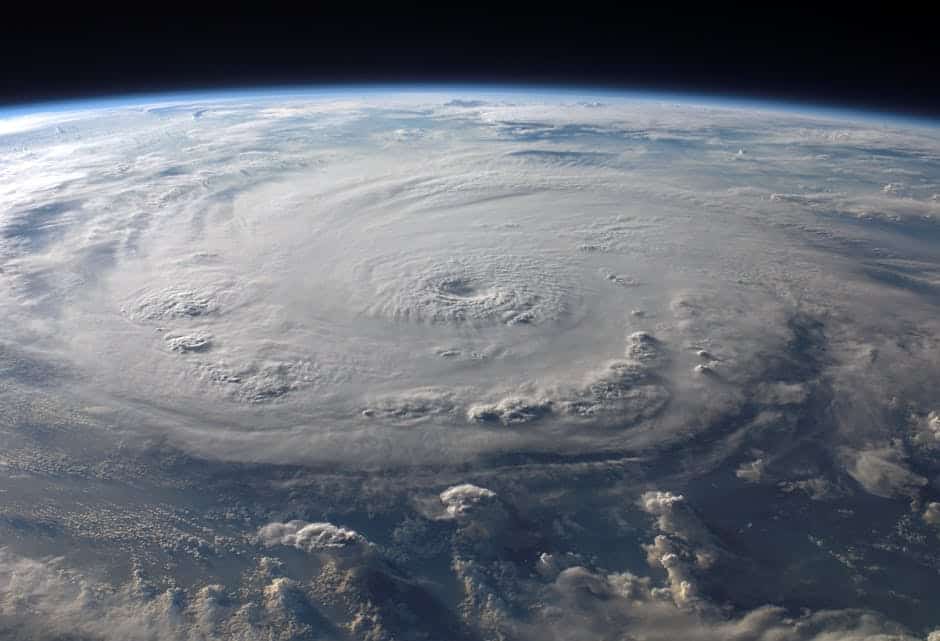
Hurricane Andrew was a ferocious storm that struck South Florida with Category 5 intensity, packing winds of up to 165 mph. The storm caused widespread devastation, flattening entire neighborhoods and leaving thousands homeless. Despite its relatively small size, Andrew’s intensity made it one of the costliest hurricanes in U.S. history. The aftermath of Andrew prompted significant changes in building codes and insurance practices, shaping the way communities prepare for and respond to hurricanes today. Andrew’s impact serves as a powerful reminder of the need for robust infrastructure and resilient communities.
The Great Blizzard of 1888

The Great Blizzard of 1888, also known as the “Great White Hurricane,” was a massive winter storm that paralyzed the northeastern United States. With snowdrifts reaching up to 50 feet and winds exceeding 45 mph, the blizzard brought cities like New York to a standstill. Transportation systems were crippled, and thousands of people were stranded or perished in the frigid conditions. The blizzard highlighted the vulnerabilities of urban areas to severe weather and led to significant changes in infrastructure, including the development of underground transportation systems. Its legacy is one of both hardship and innovation in the face of adversity.
The Great Appalachian Storm of 1950

The Great Appalachian Storm of 1950 was a unique and powerful storm that affected the eastern United States over Thanksgiving weekend. This extratropical cyclone brought heavy snowfall, hurricane-force winds, and record low temperatures to the region. The storm caused widespread power outages, transportation disruptions, and significant property damage. The Great Appalachian Storm is remembered not only for its meteorological intensity but also for its impact on the nation’s Thanksgiving celebrations. It serves as a reminder of the unexpected ways in which weather can disrupt daily life and the importance of preparedness for all types of storms.
The Dust Bowl of the 1930s

The Dust Bowl was not a single storm but a series of severe dust storms that plagued the Great Plains during the 1930s. These storms were the result of a combination of drought and poor farming practices, leading to massive soil erosion and the displacement of thousands of families. The Dust Bowl had a profound impact on agriculture, economy, and migration patterns in the United States. It prompted significant changes in land management and conservation practices, as well as federal aid programs to support affected communities. The legacy of the Dust Bowl is one of resilience and adaptation in the face of environmental challenges.
The 1974 Super Outbreak

The 1974 Super Outbreak was one of the largest and most intense tornado outbreaks in U.S. history. Over the course of 24 hours, 148 tornadoes swept across 13 states, leaving a trail of destruction and claiming 319 lives. The outbreak included several F5 tornadoes, the most powerful classification, which obliterated entire towns and communities. The Super Outbreak highlighted the need for improved tornado forecasting and warning systems, leading to advancements in meteorology and public safety practices. Its impact continues to influence how communities prepare for and respond to severe weather events.
The Great Chicago Fire of 1871
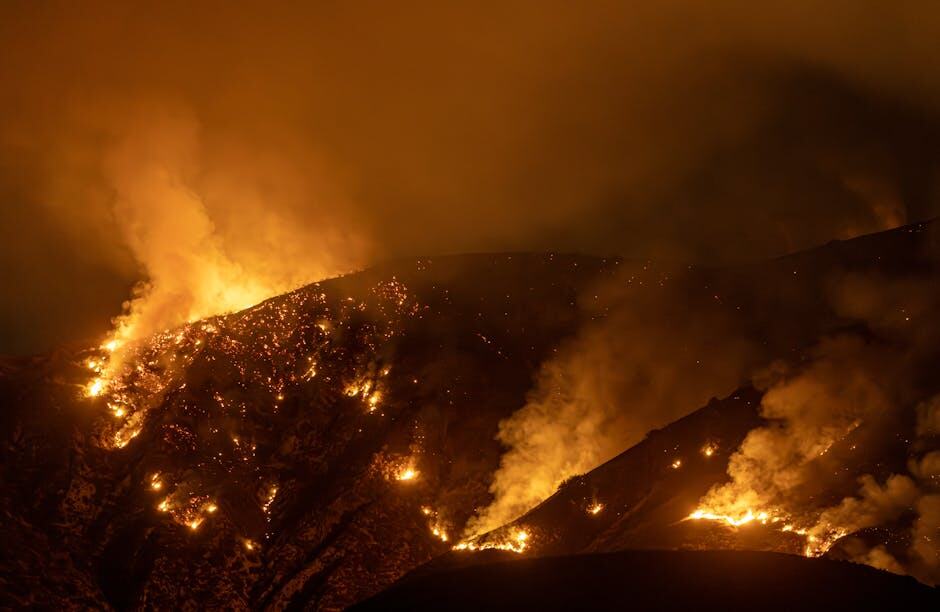
The Great Chicago Fire of 1871 was a catastrophic event that reshaped the city of Chicago and its history. While not a storm in the traditional sense, the fire was fueled by strong winds that spread the flames rapidly across the city. The fire destroyed thousands of buildings, killed hundreds of people, and left a significant portion of the population homeless. In the aftermath, Chicago underwent a massive rebuilding effort, leading to innovations in architecture and urban planning. The Great Chicago Fire serves as a testament to the power of wind and fire in shaping human history.
The 2011 Joplin Tornado
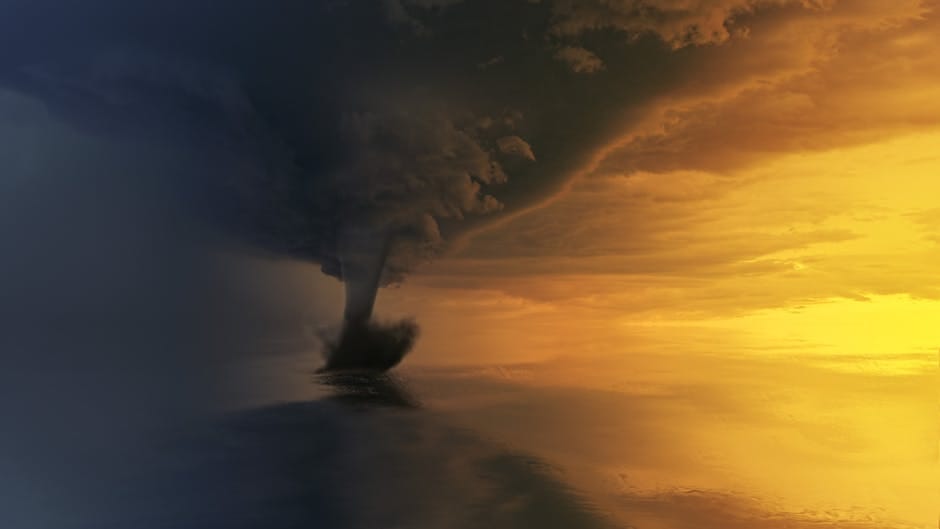
The 2011 Joplin Tornado was a devastating EF5 tornado that struck the city of Joplin, Missouri. With winds exceeding 200 mph, the tornado carved a path of destruction through the city, resulting in 158 fatalities and injuring over a thousand people. The Joplin Tornado was one of the deadliest in recent history, leaving a lasting impact on the community and prompting changes in building codes and emergency response strategies. The storm’s aftermath brought out stories of heroism and community solidarity, highlighting the resilience of those affected and the importance of preparedness in the face of such powerful forces.
Conclusion

In conclusion, these storms, each with their own unique characteristics and impacts, have left an indelible mark on U.S. history. They serve as powerful reminders of nature’s might and the importance of preparedness, resilience, and adaptation in the face of such formidable forces.

As a little kid, I fell in love with nature, wildlife, and animals. Living in the USA, South Africa, Italy, China and Germany gave me the opportunity to discover the world's Wildlife. My favorite animals are Mountain Gorillas, Siberian Tigers, and Great White Sharks.
I'm a certified PADI Open Water Diver, went to Everest Base Camp and Trekked Gorillas in Uganda. I hold a Master of Science in Economics and Finance.
Please send any feedback to feedback@animalsaroundtheglobe.com
- 25 Dangerous U.S. Lakes & Rivers Where Swimming Could Be Risky – Don’t Ignore #1 - July 21, 2026
- 13 Creatures That Survive Extreme Cold - July 21, 2026
- 10 Dogs That Love to Run And 3 That Prefer the Couch - July 21, 2026