
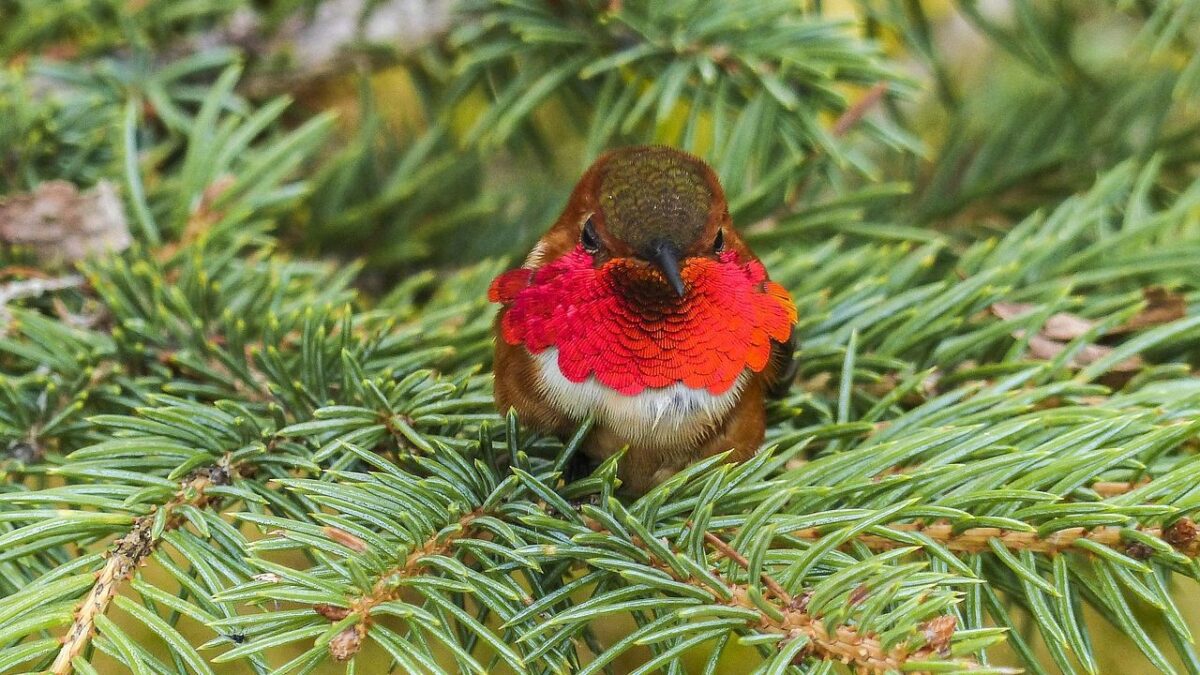
The skies above America have always felt alive. From the coasts of Florida to the high prairies of Wyoming, birds have shaped the way millions of people connect with the natural world. For a very long time, that connection felt stable, almost guaranteed.
In 2019, scientists released a sobering report estimating that North American bird populations had declined by nearly 3 billion since 1970. In the years since, the situation has continued to worsen, with a recent study finding that roughly three quarters of North American bird species are in decline. These aren’t distant, obscure creatures. Many are birds that people grew up watching from kitchen windows and park benches.
The 2025 State of the Birds report, produced by a coalition of leading science and conservation organizations including the American Bird Conservancy, Cornell Lab of Ornithology, Ducks Unlimited, and the National Audubon Society, reveals continued widespread declines across all mainland and marine habitats, with 229 species requiring urgent conservation action. The question is no longer whether there is a problem. The question is what each of us can do about it.
The Bald Eagle: An American Triumph Still Under Pressure
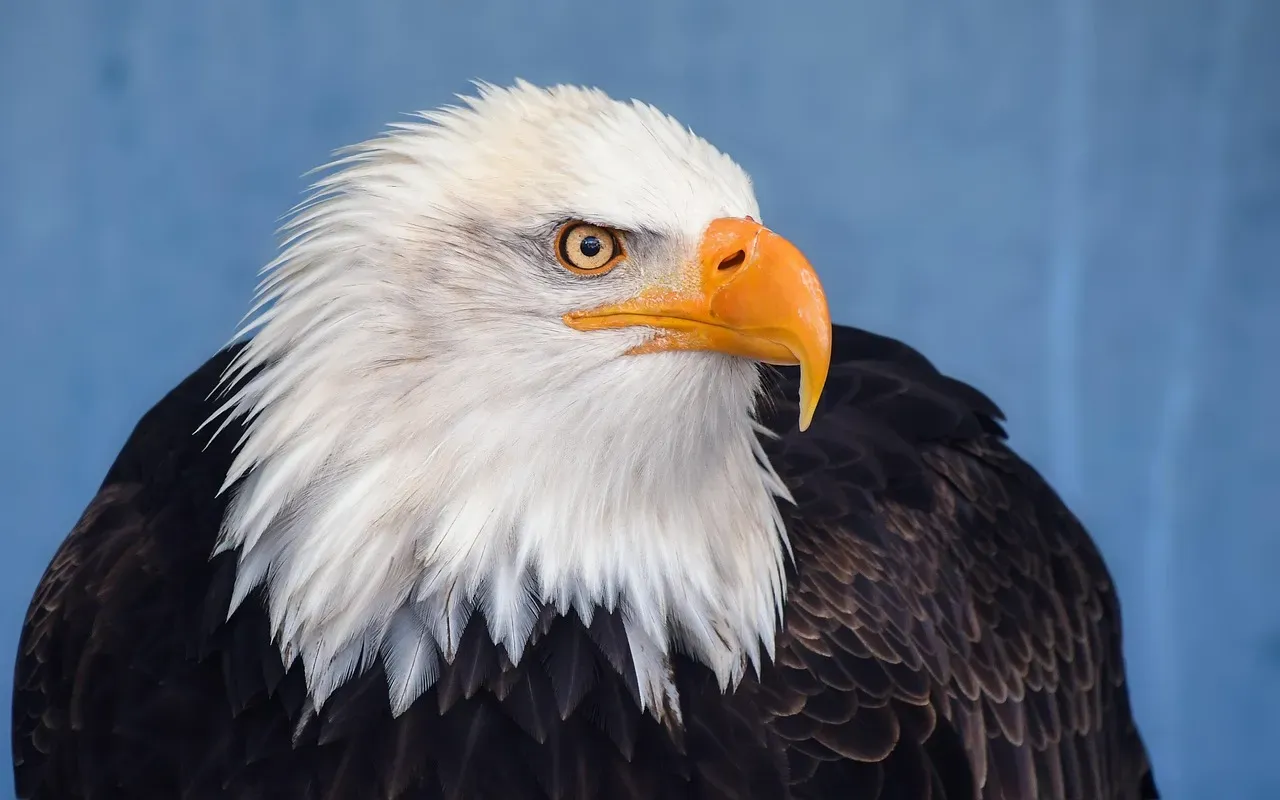
The bald eagle is the only eagle unique to North America, its distinctive brown body and white head and tail making it easy to identify as the national symbol even from a distance. Its recovery from the brink of extinction is one of conservation’s most celebrated chapters.
As a result of sustained conservation efforts, the bald eagle population has risen from a mere 417 nesting pairs in 1963 to more than 71,400 nesting pairs and an estimated 316,700 individual birds in the Lower 48 today. That is a genuinely remarkable turnaround.
In 2025, the Interior Department resurrected a legal opinion from the first Trump administration, changing enforcement under the Migratory Bird Treaty Act. Under these changes, the government will no longer hold most industries responsible for the accidental deaths of eagles and other birds due to causes like oil spills, pollution, and collisions.
While current bald eagle numbers are increasing, the species still faces continued threats including vehicle and rail strikes, disease, and lead poisoning. You can help by advocating for strong Migratory Bird Treaty Act protections and supporting lead-free ammunition initiatives in your state.
The Whooping Crane: Climbing Back from 14 Birds
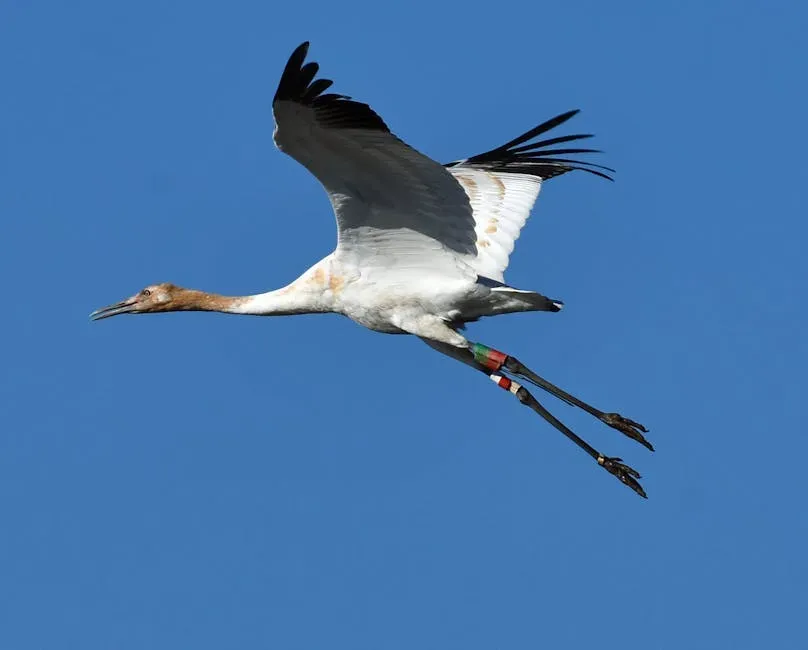
The whooping crane population reached its lowest recorded number in 1941, when only 14 adults were recorded along the Texas coast. Since then, there has been a gradual increase in numbers as a result of concerted conservation efforts. Few recoveries in wildlife history are quite this dramatic.
At their sole wintering habitat at the Aransas National Wildlife Refuge in Texas, an estimated 557 birds were recorded for the 2024 to 2025 season, with the rate of population growth holding at around 4.33 percent.
There has been an enormous amount of habitat loss from human settlement and agricultural expansion. Historically, cranes were present across the Northern Great Plains, but as this land converted to farmland, their population dwindled to a single population. The turning of prairie wetlands into drained, grain-producing fields, plus diversions of major river systems like the Platte River, had enormous impacts, completely removing the crane’s breeding grounds.
Donating to whooping crane recovery programs run by organizations like the International Crane Foundation, or simply raising awareness in your community, helps sustain the momentum that saved this species from extinction the first time.
The Peregrine Falcon: Urban Survivor Facing a Weakening Safety Net
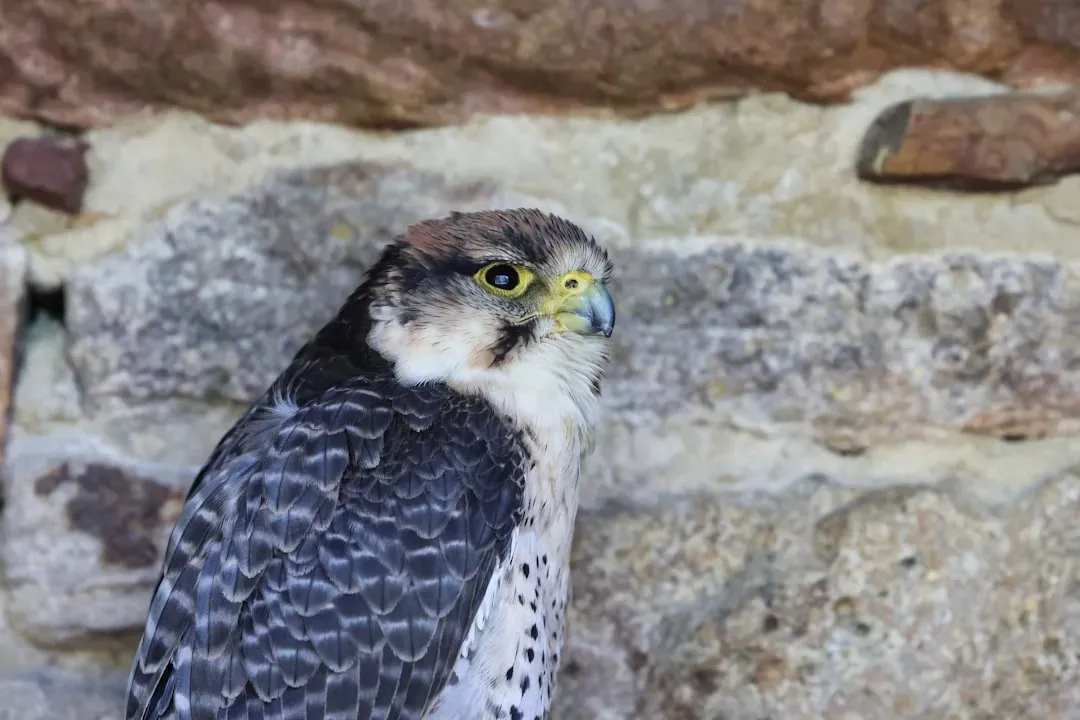
Peregrine falcons have made a genuinely dramatic recovery after DDT nearly erased them from North America. Today they nest on city skyscrapers and suspension bridges, which feels like a real win. Seeing one stoop at full speed above a downtown street is something most birders never forget.
In North America, roughly 70 percent of birds are migratory, including some of the most iconic species such as the peregrine falcon. Yet migratory species like the peregrine are now exposed to a weakening legal safety net.
In April 2025, the administration reinstated its 2017 legal opinion removing protections against the killing or harm of migratory birds that results from, but is not the purpose of, human activity. If successful, companies would no longer be held liable for their destructive actions, essentially giving a free pass to industries for the accidental but very real killing of these birds.
You can help by urging your senators and representatives to support legislation that restores full Migratory Bird Treaty Act protections. Even a brief email to your representative carries real weight when combined with thousands of others.
The Allen’s Hummingbird: A Tiny Bird in a Big Crisis
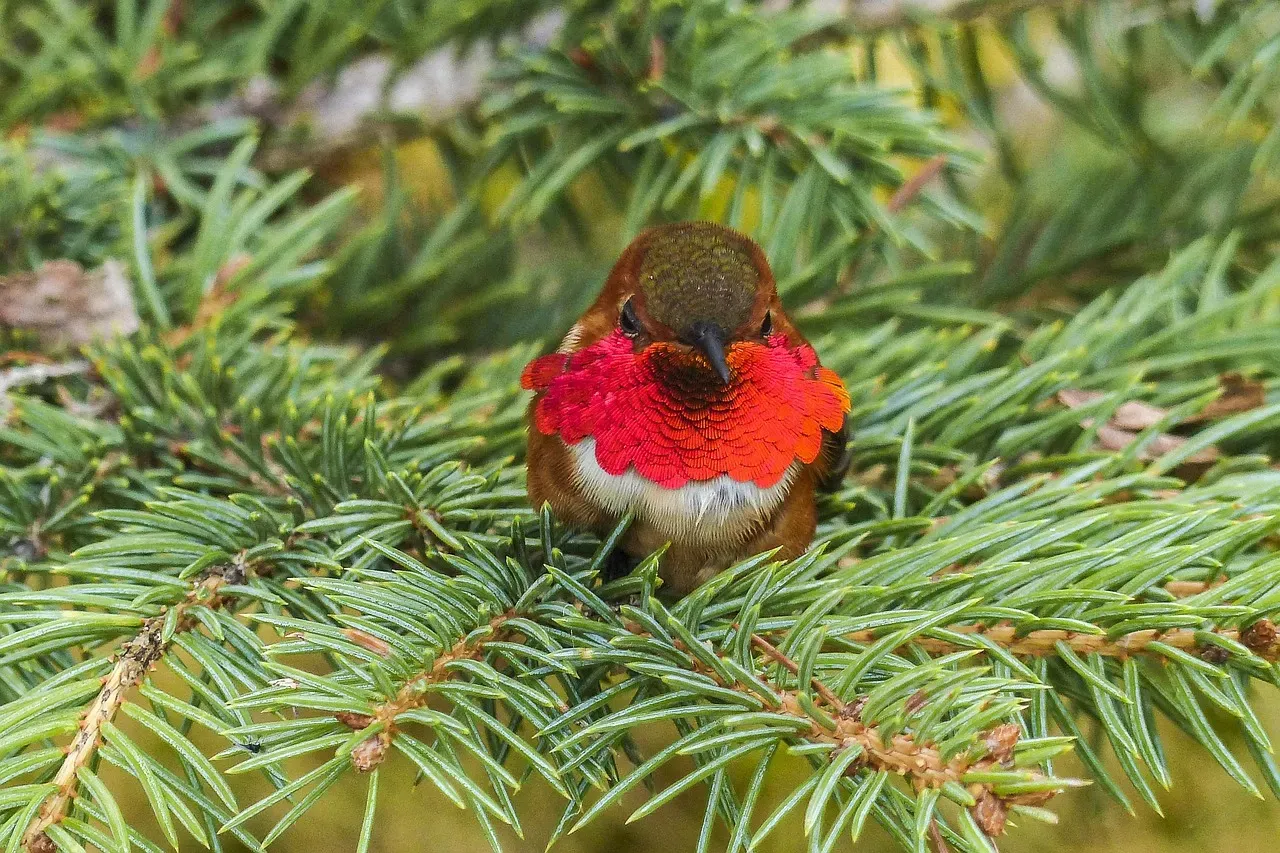
If you live along the California coast or have set out feeders in the western U.S., you may have spotted an Allen’s hummingbird. It’s a flash of copper and green that seems almost too vivid to be real. The trouble is, fewer people are seeing them.
Allen’s hummingbirds have crashed by roughly four fifths since 1970 and face critical habitat loss from coastal development, making them one of North America’s fastest-declining species despite not yet being officially endangered. That last detail is important. Absence from the endangered species list doesn’t mean absence of danger.
Overall threats to hummingbirds like the Allen’s and the Rufous include collisions with buildings, predation from outdoor cats, and deforestation or shrinking habitats. These are problems that extend right into suburban neighborhoods.
Plant native flowers, keep cats indoors, and place feeders where window collision risk is minimized. Small individual choices, scaled across millions of households, can genuinely shift the numbers for a species this small and this vulnerable.
The California Condor: A Near-Extinction Story Still in Progress
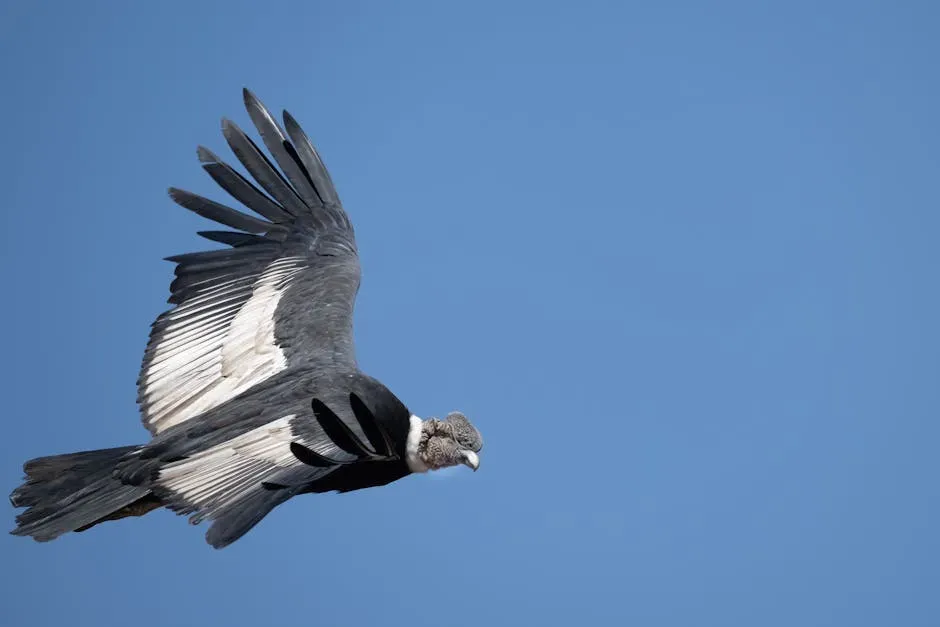
The California condor represents one of conservation’s greatest success stories and its most enduring challenges. With a current population of approximately 537 birds as of 2024, including around 336 in the wild, this massive vulture nearly went extinct in the 1980s when only 27 individuals remained.
The species has recovered through intensive captive breeding programs, but continues to face threats from lead poisoning, habitat loss, and power line collisions. Lead poisoning, in particular, is an ongoing and largely preventable problem tied to hunters using lead ammunition.
The condor’s wingspan can reach nearly ten feet, making it unmistakable in the skies of California, Arizona, and Utah. Its survival depends on hunters switching to non-toxic ammunition, advocacy for stronger lead regulations, and continued support for captive breeding facilities that have kept the species alive through its darkest years.
The Western Meadowlark: Voice of the Vanishing Prairie
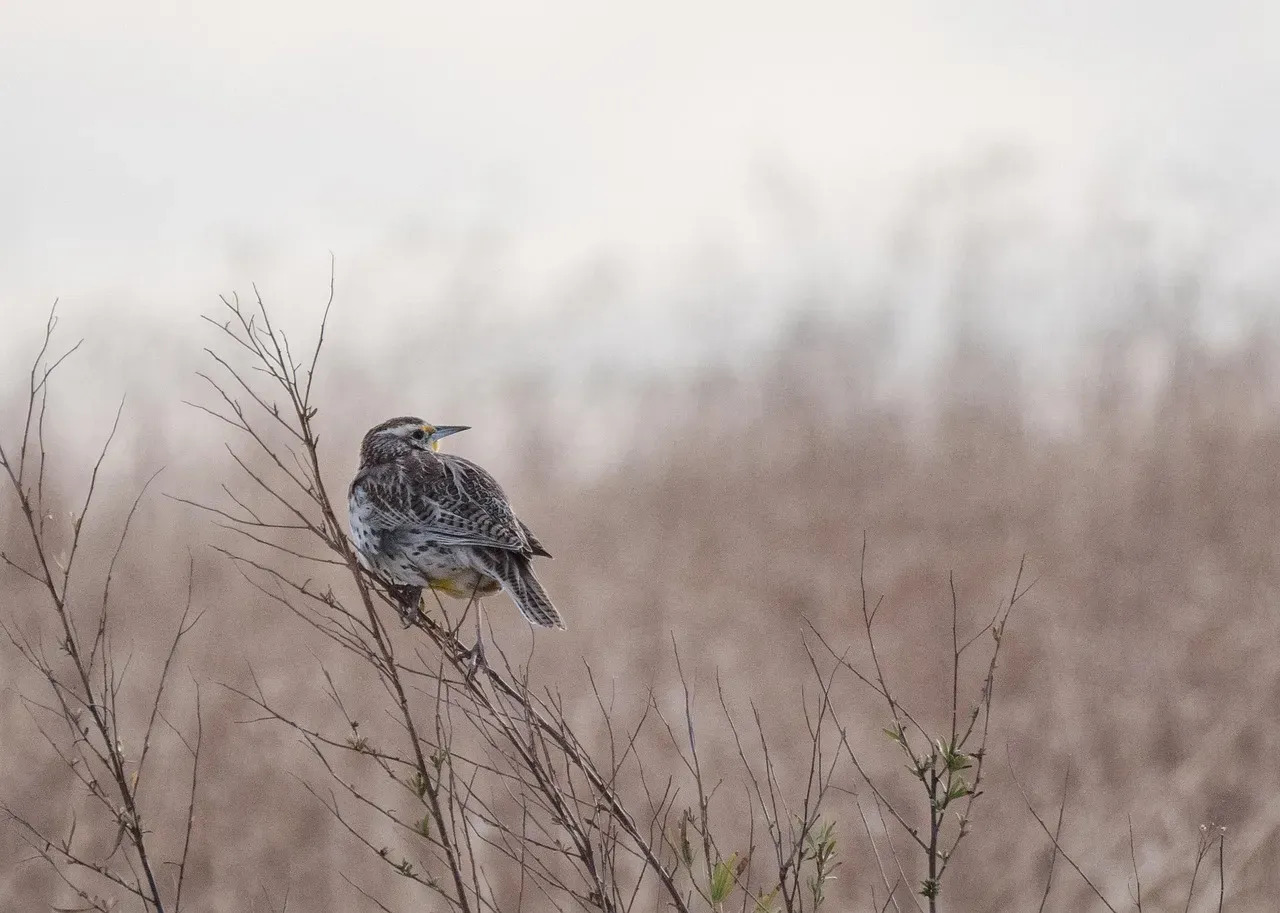
The population of grassland birds in the U.S. has dropped by roughly two fifths since 1970, as row-crop production, drought, and habitat loss continue to take their toll. Despite efforts to preserve or restore prairie habitat, the Great Plains region is losing one to two million acres of grasslands each year, threatening species like the Western Meadowlark.
The meadowlark’s call is one of the most evocative sounds on the American continent. It’s the kind of sound that anchors a place in memory. Fewer people are hearing it now than a generation ago.
The American Bird Conservancy and partners across the Northern Great Plains improved nearly 100,000 acres of vitally important grassland habitat in 2025, bringing the all-time regional total to 600,000 acres. This work directly benefits the Western Meadowlark, Long-billed Curlew, Chestnut-collared Longspur, and other declining grassland birds.
Supporting conservation ranching programs and advocating for grassland protection policies are practical ways to help this bird recover. If you live near grassland habitat, keeping feral cat populations in check and avoiding pesticide use on surrounding land are equally important steps.
The Florida Scrub-Jay: A Legal Battle and a Habitat in Retreat
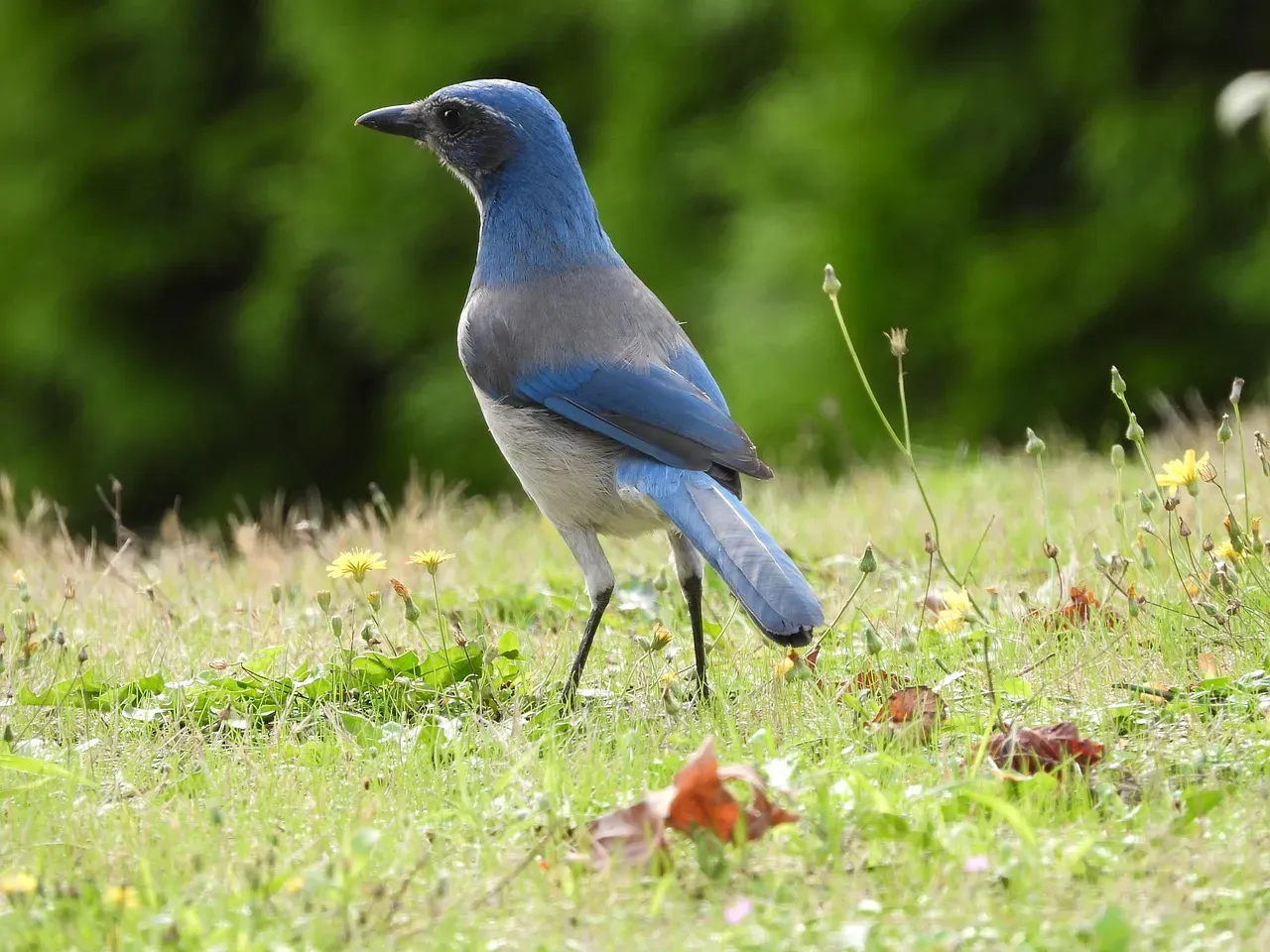
The Florida Scrub-Jay is Florida’s only endemic bird species. These birds have already lost so much of their habitat, the high dry scrub where acorns are plentiful, to developers. Scrub-jay habitat has been reduced by roughly 90 percent since European settlement.
The scrub jay has been federally listed as a threatened species by the U.S. Fish and Wildlife Service since 1987. The current population is estimated at between roughly 7,700 and 9,300 birds.
In late 2025, four conservation groups filed a request in federal court to defend critical protections for the imperiled Florida Scrub-Jay, seeking to intervene in a lawsuit that aimed to remove Endangered Species Act protections from the species and scrap Charlotte County’s decade-old Florida Scrub-Jay Habitat Conservation Plan. The outcome of that case could ripple across the entire Endangered Species Act.
Supporting scrub habitat restoration through Florida conservation land trusts and participating in community science programs like eBird helps researchers track this bird’s remaining populations.
The Chimney Swift: Disappearing with Our Old Chimneys
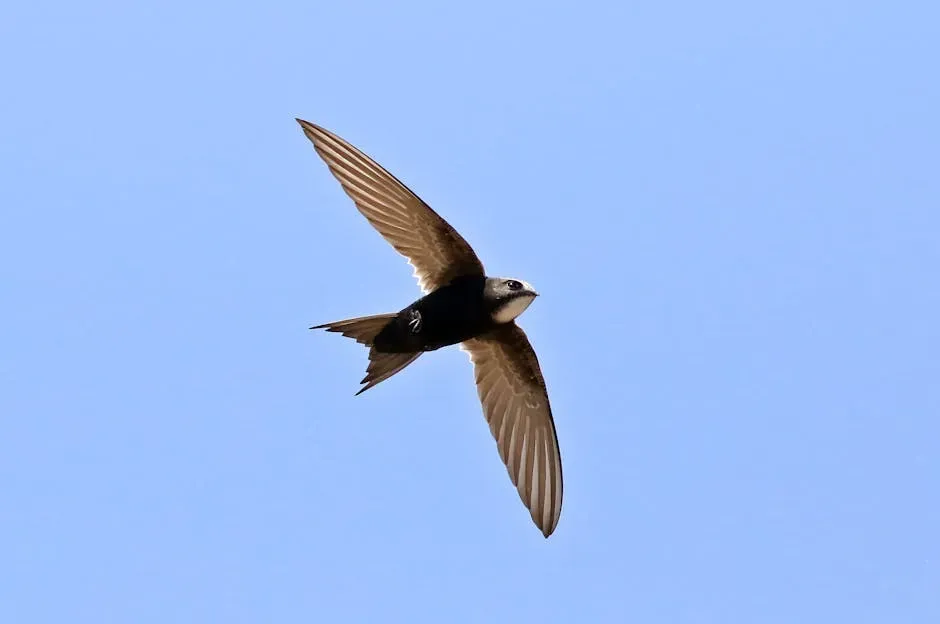
Chimney swifts are the birds that slice through the sky above downtown streets in darting, erratic arcs. They consume enormous quantities of flying insects each day. Their decline is therefore a loss to both visual pleasure and natural pest control.
The irony of the chimney swift’s situation is almost architectural. As Americans renovate old buildings and cap or demolish the chimneys that once served as the bird’s primary nesting sites, suitable habitat quietly disappears. The birds are literally being closed out of the structures they adopted centuries ago.
Installing artificial chimney swift towers is one of the most direct, low-cost actions individuals and communities can take. Many local Audubon chapters provide design plans and guidance. Reducing outdoor lighting at dusk, when swifts are most active, also helps during migration season.
The Red Knot: A Shorebird Tied to an Ancient Creature
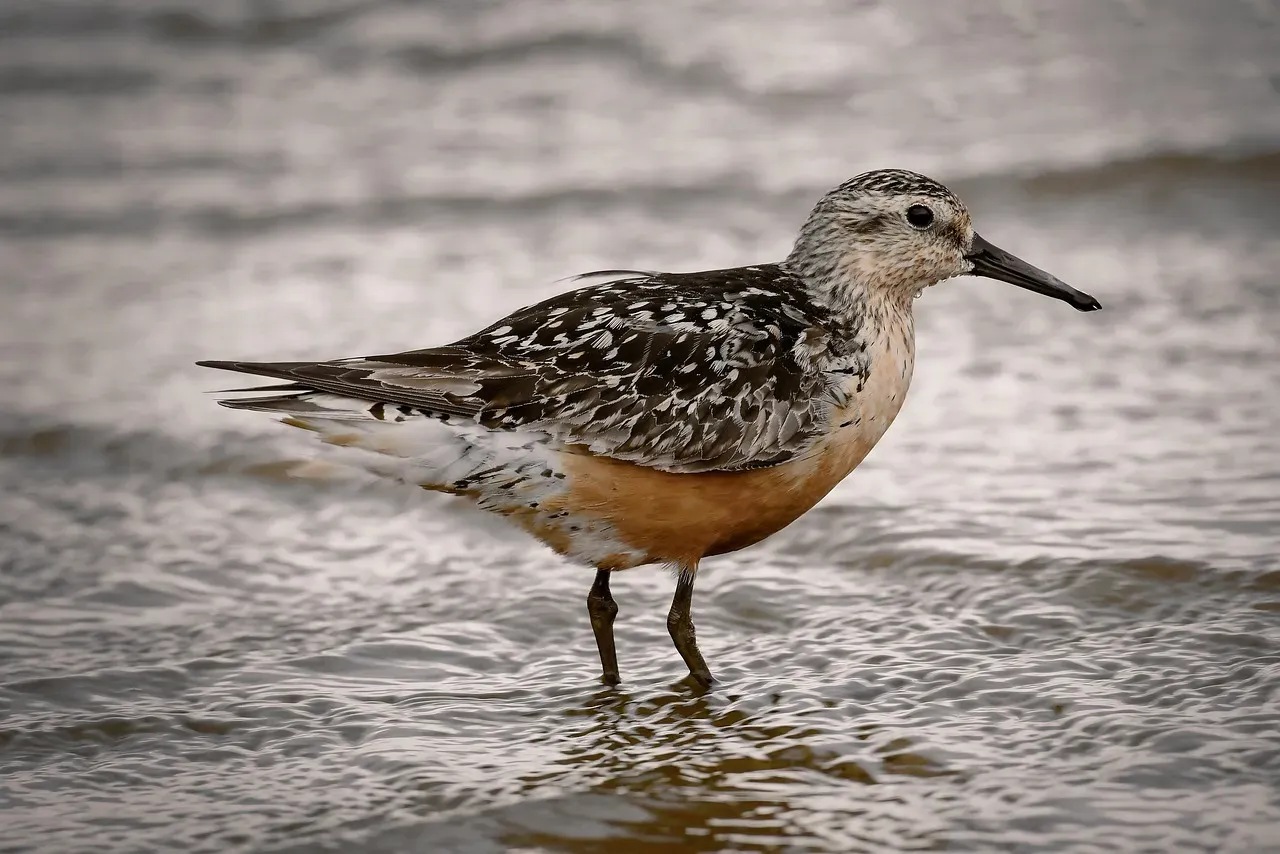
Horseshoe crab eggs are the red knot’s critical fuel source during its spring stopover on Delaware Bay. The connection between a small migratory bird and an animal that has existed for hundreds of millions of years is one of nature’s more remarkable interdependencies.
In November 2025, the American Bird Conservancy celebrated a victory for the federally threatened Red Knot when the federal government advanced plans to replace medical testing on horseshoe crabs with synthetic methods. The move will help spare the ancient creatures from harvesting, leaving more crabs to lay eggs that fuel epic shorebird migrations.
You can support the red knot by backing horseshoe crab conservation, reducing beach disturbance at key shorebird stopover sites during migration season, and supporting the North American Wetlands Conservation Act, which funds the coastal habitats these birds need.
The Greater Sage-Grouse: A Prairie Icon in the Crosshairs
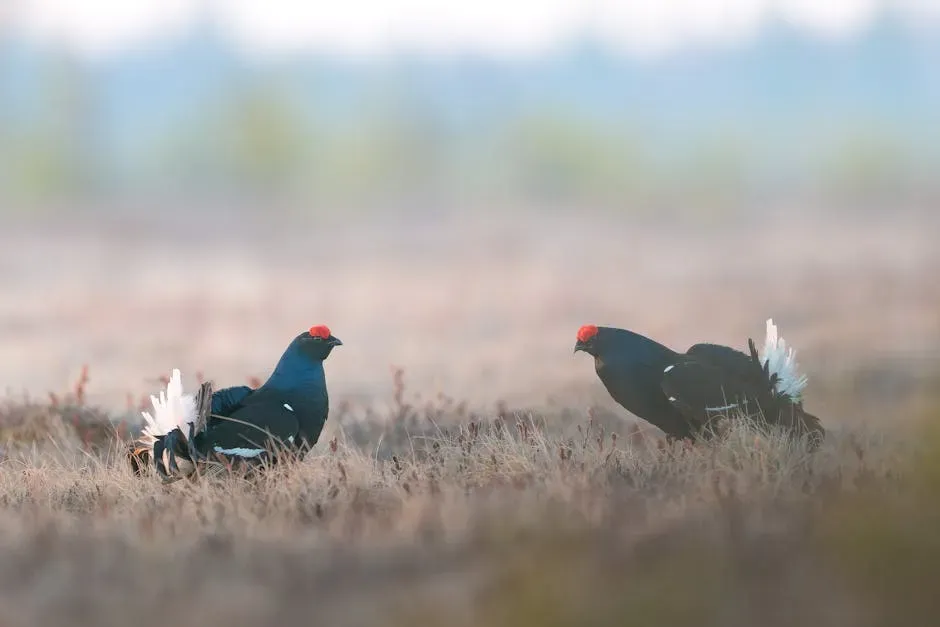
The greater sage-grouse’s elaborate courtship display, performed each spring on traditional grounds called leks, is one of the most theatrical natural spectacles in North America. Males fan their tail feathers and inflate yellow air sacs on their chests, filling the cold morning air with a booming, bubbling sound. Fewer people get to witness this each year.
Federal agencies are required to evaluate how their actions, such as permitting oil and gas drilling near Greater Sage-Grouse habitat, will impact wildlife, the environment, and human wellbeing. That requirement is now under pressure.
Researchers have identified 112 tipping point avian species, including the greater sage-grouse, whose populations have already crossed the threshold of losing more than half of their numbers over the past 50 years. The sagebrush ecosystem it depends on is one of the most threatened in the American West, squeezed by energy development, invasive grasses, and altered fire cycles.
Contacting your elected representatives about the Greater Sage-Grouse national conservation strategy, and supporting organizations working to protect sagebrush landscapes, are among the most impactful things a concerned citizen can do for this species.
The Piping Plover: Nesting Where People Vacation
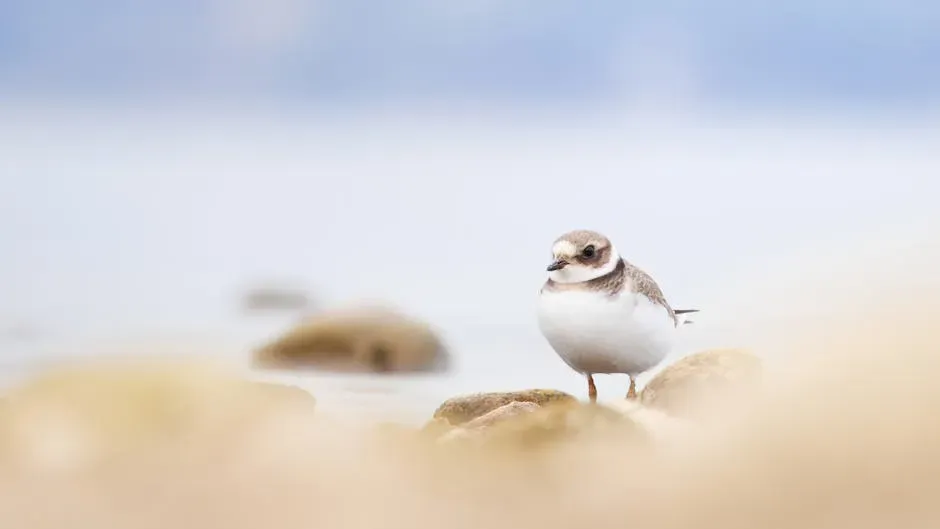
The piping plover is small, pale, and easy to overlook on a crowded beach. That invisibility is part of the problem. Habitat loss and degradation remain the major threats to bird species like the piping plover, which is federally threatened and found along shorelines including sandy beaches, estuaries, and inlets.
Plovers and similar shorebirds lay their eggs right on the sand and raise their families amidst dunes and surf, navigating a dynamic coastal environment shaped by storms that have become larger and more intense as ocean temperatures rise.
Increasing coastal development and human disturbance continue to threaten these habitats. Rising sea levels will further squeeze the space between surf and the built environment, limiting the birds’ options for safe nesting and foraging.
When visiting beaches during nesting season, respect posted closure signs around nesting sites, keep dogs on leads, and give any bird standing or resting on the sand a wide berth. Volunteer with local beach stewardship programs during summer months if you can. That presence, standing between a curious dog and a nest with three eggs in it, often makes the difference between a successful season and a failed one.
What You Can Do: Turning Awareness into Action
If you care about birds, you probably already know they’re in trouble. The threats they face, just at the federal level, are staggering, with current bills and rulemakings proposing to weaken the Endangered Species Act, National Environmental Policy Act, and multiple other protections simultaneously.
In 2025, more than 25,000 people sent close to 200,000 messages using American Bird Conservancy’s Action Alerts to encourage legislators and decision-makers to support policies that benefit birds and their habitats. Those messages made a difference. Advocacy genuinely works at scale.
Private lands programs and conservation partnerships such as conservation ranching, coastal restoration, forest renewal, and seabird translocation show how concerted efforts and strategic investments can recover bird populations. The tools exist. The science is clear. What’s often missing is sustained public engagement.
Whether it’s planting native species in a backyard, switching to lead-free ammunition, joining a eBird community science project, or simply writing to your representative, every action connects to a larger network of pressure that shapes policy, funding, and land use decisions that determine whether these birds survive the next 50 years.
The birds in this article aren’t just indicators of ecological health. They are part of how America sounds, looks, and feels in the places that matter most to people. Losing them wouldn’t only be a conservation failure. It would be a quieter, emptier country, and that loss would be permanent. The encouraging truth is that the science of recovery is well understood. What remains is the will to apply it, and that part has always depended on ordinary people deciding it matters.
