


The saiga antelope (Saiga tatarica) stands as one of the most distinctive and ancient mammals on Earth, having roamed the Eurasian steppes since the Ice Age. With its unmistakable bulbous nose that hangs over its mouth and its tan-colored coat that turns white in winter, this medium-sized antelope represents a living link to prehistoric times. Males develop impressive amber-colored horns that can reach 11 inches in length, while females remain hornless. Once abundant across the vast plains stretching from Ukraine to Mongolia, these remarkable creatures have witnessed the rise and fall of civilizations across Asia.
What makes the saiga truly remarkable is its biological adaptation to extreme environments. Their unusual nose acts as a natural air conditioner, filtering out dust during dry summers and warming frigid air during harsh winters. This evolutionary marvel has enabled the species to thrive in some of Asia’s most inhospitable landscapes for over 250,000 years. As the descendants of Ice Age fauna that once shared the steppes with woolly mammoths and saber-toothed cats, saigas represent a living testament to nature’s resilience and adaptability—qualities now being tested as never before in the modern era.
A Species on the Brink of Extinction
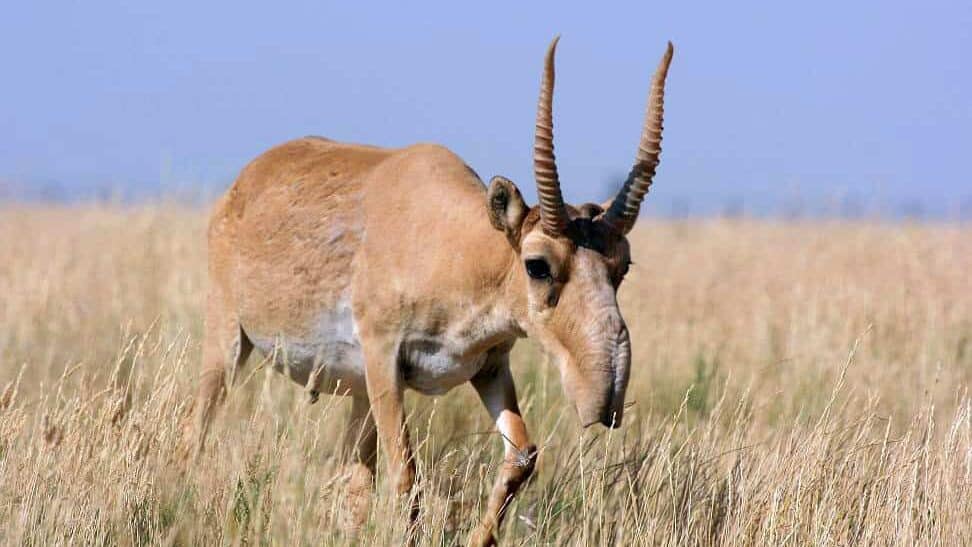
The saiga antelope faces a precarious future, with population numbers that have plummeted catastrophically in recent decades. Once numbering in the millions across central Asia, by the early 2000s, their population had crashed by more than 95%, representing one of the most dramatic population collapses of any mammal species in recorded history. The International Union for Conservation of Nature (IUCN) classifies the saiga as critically endangered, placing it just one step away from extinction in the wild. The Mongolian subspecies (Saiga tatarica mongolica) is particularly vulnerable, with fewer than 5,000 individuals remaining.
This rapid decline has been driven by a perfect storm of threats. Uncontrolled poaching for the animals’ horns, which are prized in traditional Chinese medicine, accelerated dramatically following the collapse of the Soviet Union in the 1990s. Adding to this human-caused pressure, mysterious mass die-offs have periodically decimated entire herds. The most devastating occurred in 2015 in Kazakhstan, when approximately 200,000 saigas—over 60% of the global population at that time—perished in just three weeks due to a bacterial infection triggered by unusual weather conditions. These combined pressures highlight the fragility of remaining populations and the urgency of conservation efforts.
Guardians of the Steppe Ecosystem
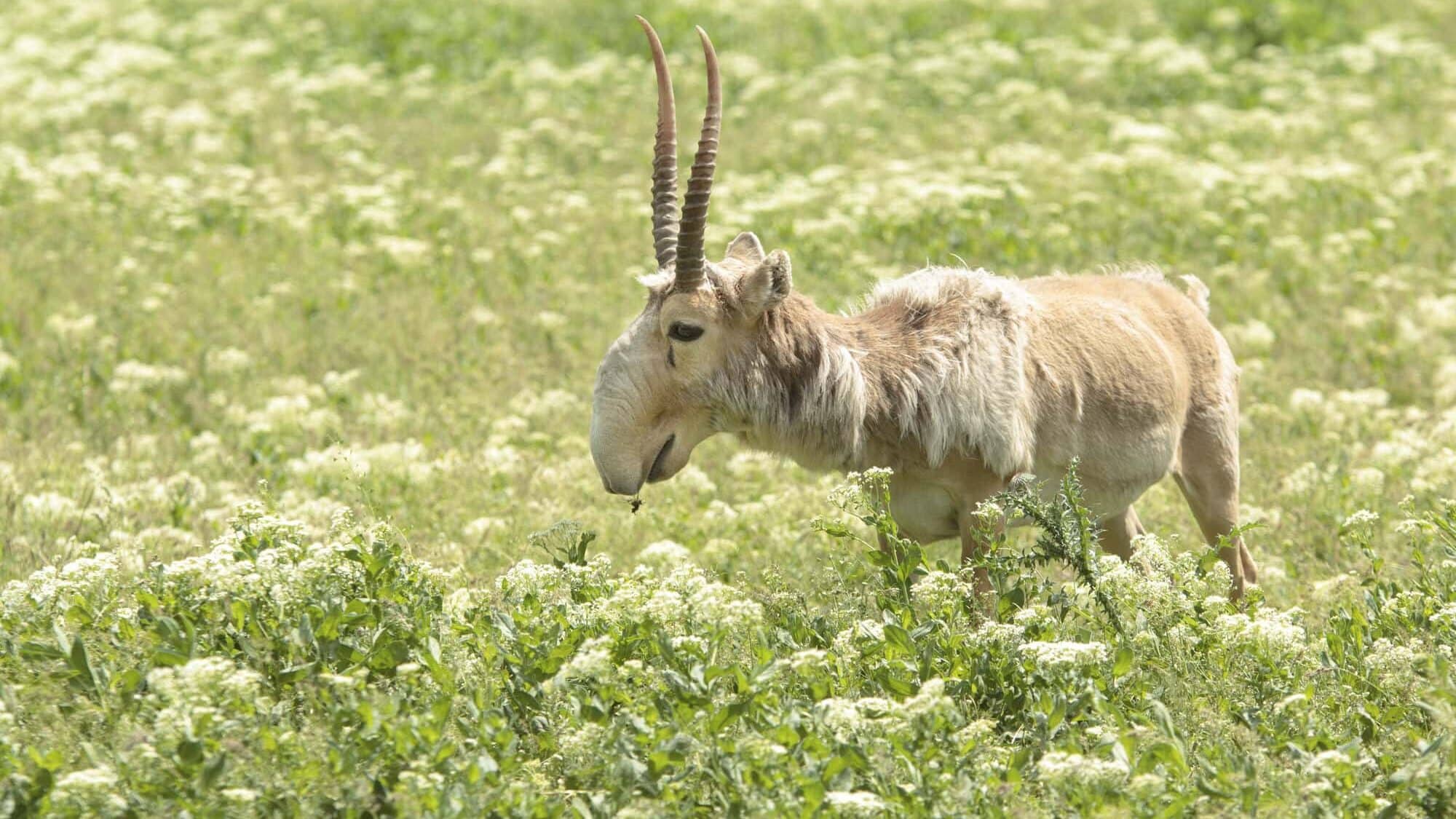
Saiga antelopes play a crucial ecological role as one of the primary grazing species across the vast Eurasian steppe ecosystem. As migratory herbivores that travel hundreds of miles seasonally, they help maintain the grassland’s ecological balance through their grazing patterns. By consuming certain plant species and dispersing seeds through their droppings, saigas prevent any single plant species from dominating the landscape, thus promoting biodiversity across the steppes. Their movement patterns create natural disturbances that benefit numerous other species and help maintain the health of these vast grassland ecosystems.
Furthermore, saigas serve as important prey for predators like wolves and golden eagles, transferring energy through the food web. Their massive historical migrations also helped fertilize soil across wide regions through their droppings. The decline of saiga populations has already begun disrupting these ecological processes, with visible changes in vegetation patterns and predator-prey relationships. As keystone species, their disappearance would trigger cascading effects throughout these ancient grassland ecosystems, potentially leading to reduced productivity, altered fire regimes, and diminished habitat for countless other steppe-dwelling species.
Traditional Medicine and Modern Conservation Challenges

The saiga’s distinctive horns have been prized ingredients in traditional Chinese medicine for centuries, used to treat fevers, headaches, and other ailments. This persistent demand creates powerful economic incentives for poaching, which exploded after the Soviet Union’s collapse removed previously strict wildlife protection systems. Male saigas are particularly vulnerable, as only they grow the coveted horns, leading to severely skewed gender ratios in some populations. A single horn can fetch hundreds of dollars on black markets, representing several months’ income in the economically struggling regions where saigas live.
Modern conservation efforts face the complex challenge of addressing traditional medicinal demands while protecting the species. Some initiatives have explored sustainable alternatives, including the promotion of synthetic substitutes and education campaigns about other traditional remedies. Organizations like the Saiga Conservation Alliance work with local communities to develop alternative livelihoods that reduce dependency on poaching. Meanwhile, strengthened anti-poaching patrols and international trade restrictions through CITES (Convention on International Trade in Endangered Species) aim to disrupt the illegal horn trade. Success requires a delicate balance between respecting cultural traditions and ensuring the survival of this iconic species.
Climate Change: A New Threat to Ancient Survivors
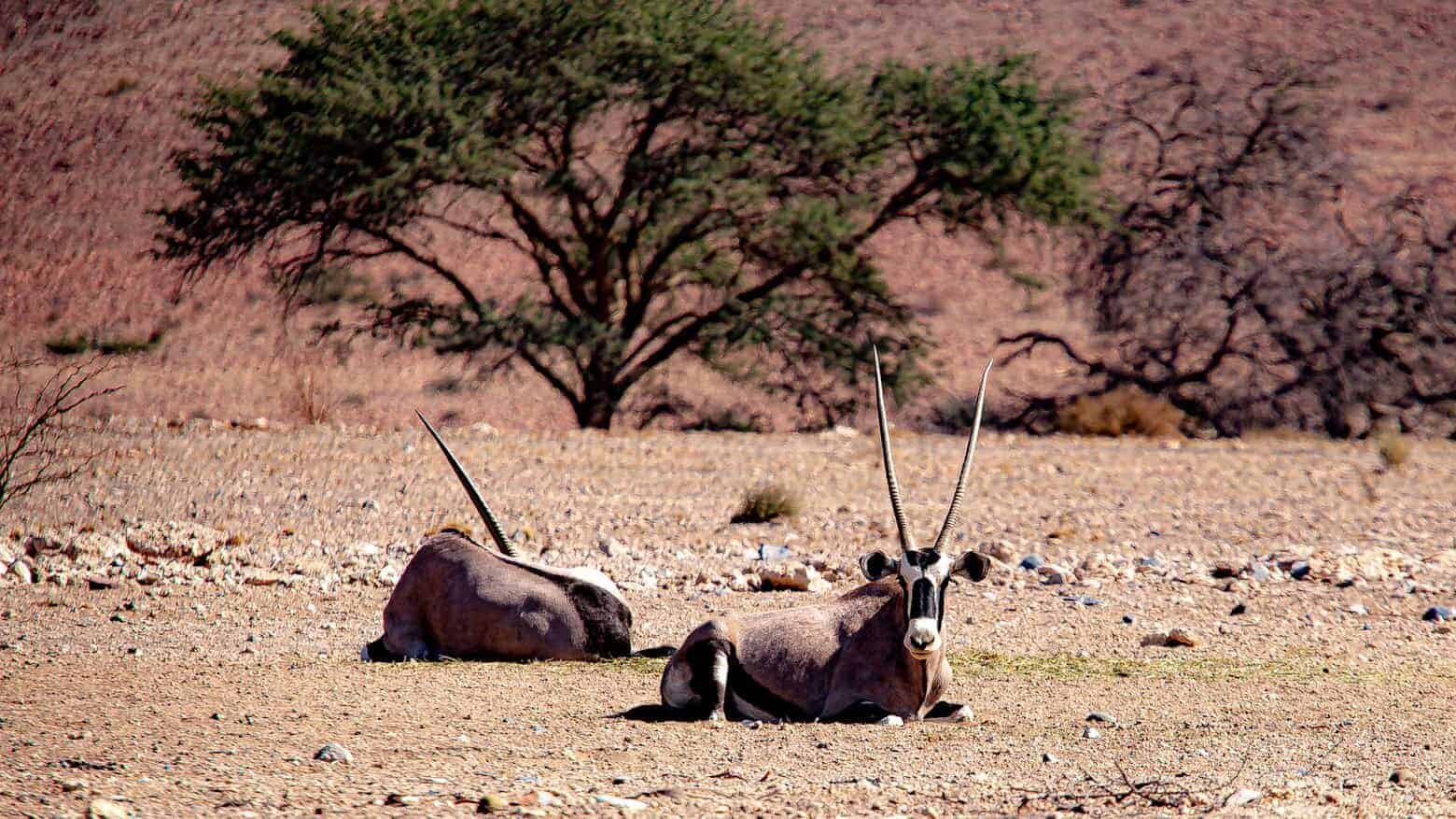
Though saigas have survived climatic shifts for hundreds of thousands of years, the current pace of climate change presents unprecedented challenges. The Central Asian steppe is warming faster than the global average, with temperatures in some saiga ranges rising by 1.5°C since the mid-20th century. These rapid changes are altering precipitation patterns, increasing the frequency of droughts, and disrupting the timing of seasonal plant growth that saigas depend on during their migrations. Extreme weather events, including unusually wet springs and severe winters, have been linked to disease outbreaks and mass mortality events.
Perhaps most concerning is how climate change may interact with existing threats to create new dangers. Research following the catastrophic 2015 die-off in Kazakhstan, where bacterial infections killed hundreds of thousands of saigas, suggests that unusual weather conditions triggered the normally harmless Pasteurella multocida bacteria to become deadly. As climate change increases weather variability across Central Asia, such disease outbreaks could become more frequent. Additionally, shifting climate zones may force saigas to alter their migration routes, potentially bringing them into greater conflict with human settlements and infrastructure. Effective conservation strategies must now account for these complex climate-related challenges.
Transboundary Conservation: A Diplomatic Necessity
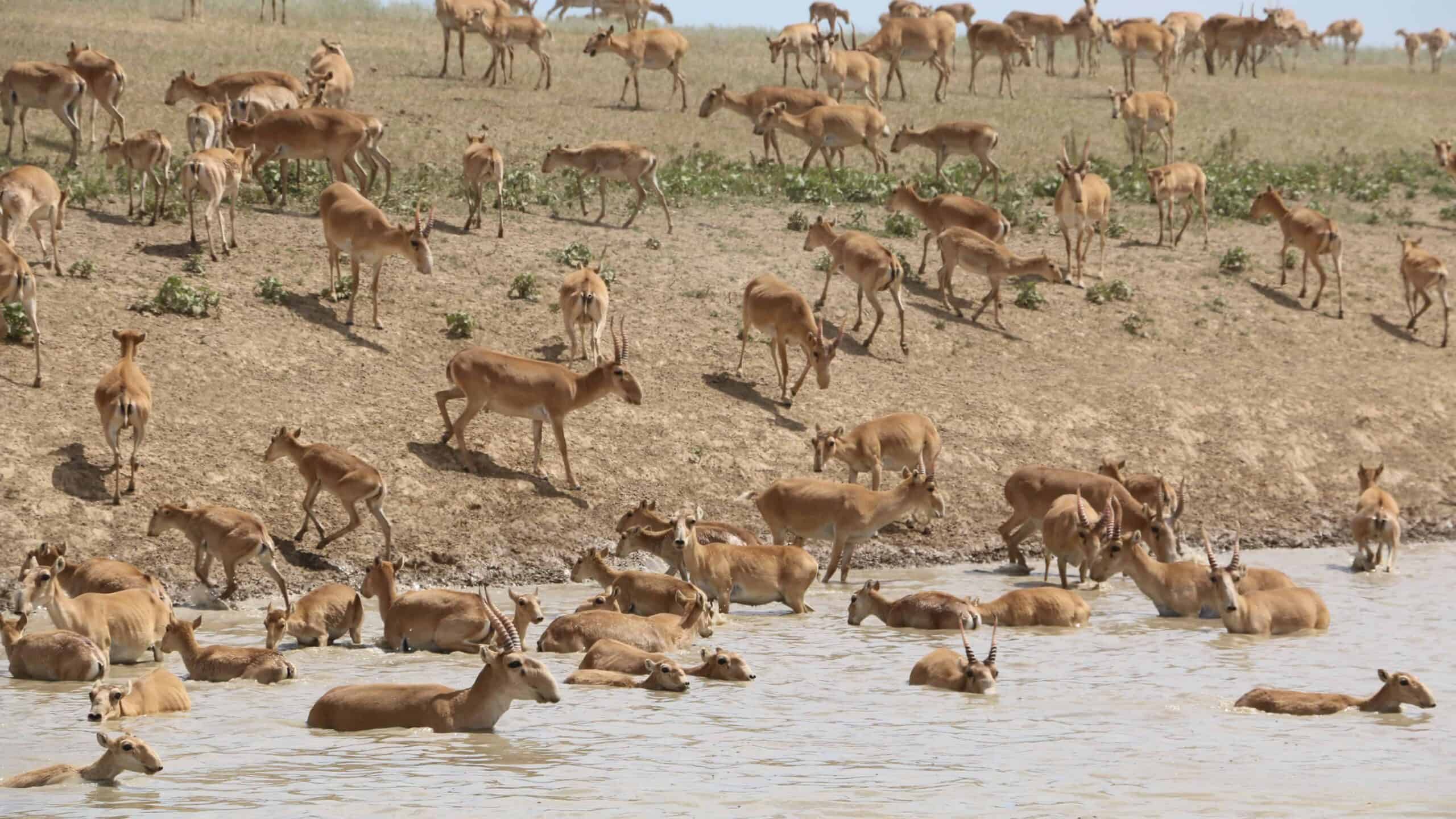
Saiga conservation presents a unique diplomatic challenge because their migration routes cross multiple international borders. The five countries where saigas remain—Kazakhstan, Russia, Uzbekistan, Turkmenistan, and Mongolia—have different political systems, economic priorities, and conservation capacities. This makes coordinated protection exceptionally difficult. Since 2006, the Convention on Migratory Species (CMS) has facilitated the Memorandum of Understanding Concerning Conservation, Restoration and Sustainable Use of the Saiga Antelope, which all range states have signed, creating a framework for international cooperation.
These transboundary conservation efforts have yielded important successes. Joint anti-poaching initiatives, synchronized population surveys, and coordinated research programs have improved protection across borders. In 2021, Kazakhstan, Russia, and Uzbekistan agreed to create an ecological corridor to protect one of the saiga’s most important migration routes. This represents a significant diplomatic achievement in a region often characterized by political tensions. The saiga’s plight has thus become a vehicle for environmental diplomacy, demonstrating how endangered species conservation can create common ground between nations. As Asian countries increasingly recognize the importance of ecological security alongside traditional security concerns, the saiga offers a powerful case study in transboundary environmental cooperation.
Cultural Significance Across Asian Civilizations
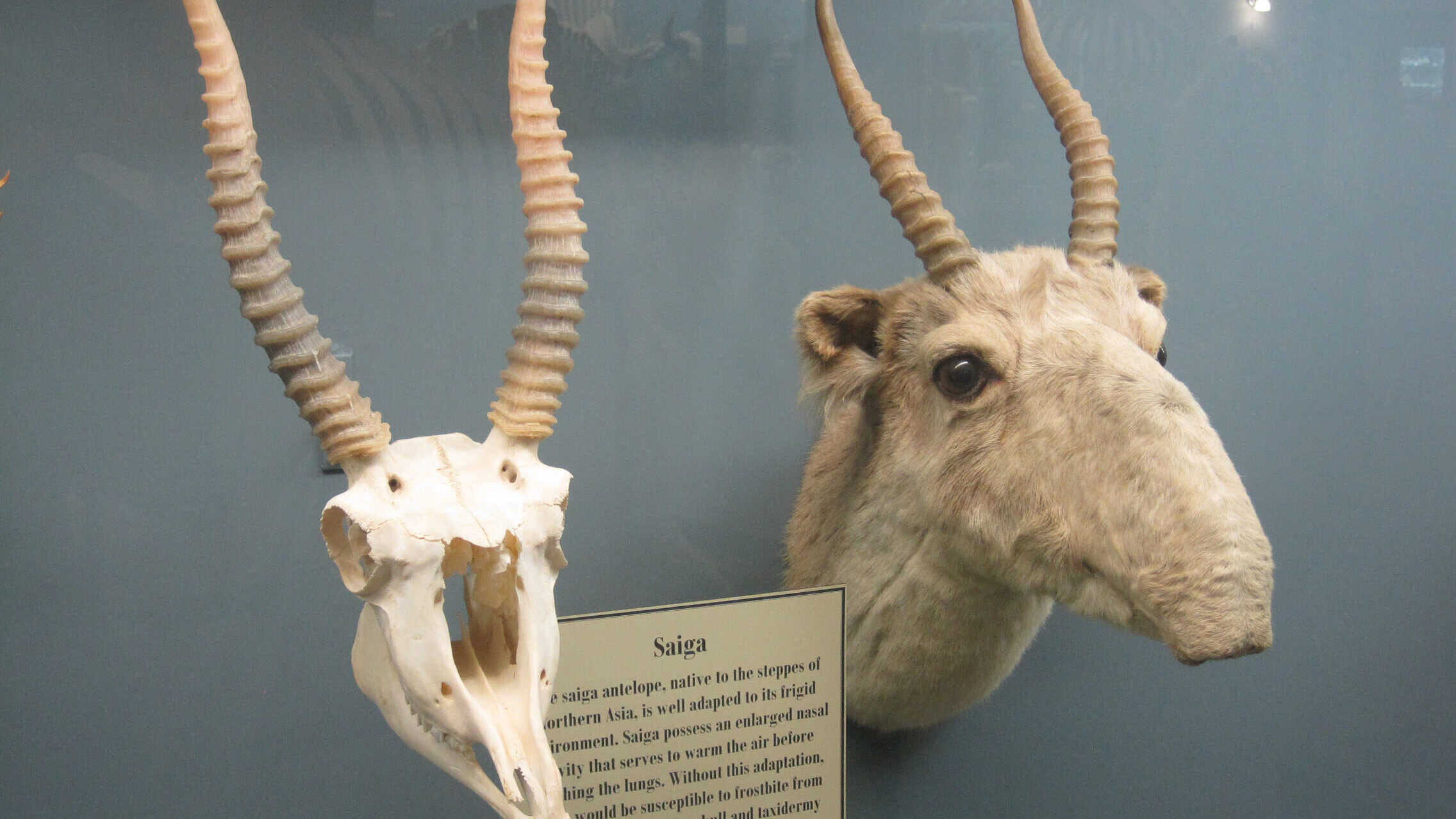
Throughout history, the saiga antelope has occupied a special place in the cultural identity of many Central Asian peoples. Nomadic cultures across the steppes have depicted saigas in rock art dating back thousands of years, and traditional folklore often portrays these antelopes as symbols of the steppe’s abundance and resilience. In Kazakhstan, where the largest remaining saiga populations exist, the animal features prominently in national identity—appearing on currency, in literature, and as mascots for sporting events. Among Mongolian and Kalmyk communities, traditional conservation ethics included taboos against excessive hunting of saigas, reflecting an ancient understanding of ecological balance.
Today, conservation organizations are leveraging this cultural connection to build support for protection efforts. Educational programs in schools across Central Asia use the saiga’s distinctive appearance and remarkable adaptations to spark children’s interest in their natural heritage. Community festivals celebrating the saiga have been established in villages near key populations, reinforcing local pride and traditional connections to the species. By emphasizing the cultural importance of saigas alongside their ecological value, conservationists hope to cultivate a generation of local advocates who see saving this species as preserving their own cultural identity. This cultural approach recognizes that successful conservation must be rooted in the values and traditions of the communities who share their landscape with saigas.
Economic Benefits of Saiga Conservation

Protecting saiga antelopes can generate significant economic benefits for local communities across Central Asia. Conservation projects create employment opportunities in anti-poaching patrols, scientific monitoring, and ecosystem restoration. In Kazakhstan and Mongolia, community-based conservation initiatives have created hundreds of jobs in regions with limited economic opportunities. These programs often prioritize hiring former poachers, redirecting their intimate knowledge of saiga behavior toward protection rather than exploitation. Additionally, ranger programs provide stable income and professional development for community members while building local capacity for natural resource management.
Sustainable ecotourism represents another economic opportunity. Though still in its early stages, wildlife tourism focused on saiga viewing has begun in protected areas of Kazakhstan and Russia. When properly managed, such tourism can generate revenue for local communities while creating financial incentives for conservation. Beyond direct employment, healthy saiga populations help maintain grassland productivity that supports traditional pastoralism. By preventing overgrazing in certain areas and promoting plant diversity, saigas indirectly contribute to the sustainability of livestock-based livelihoods that remain economically important throughout Central Asia. This economic perspective helps frame conservation not as a luxury but as an investment in regional prosperity.
Signs of Recovery: Conservation Success Stories
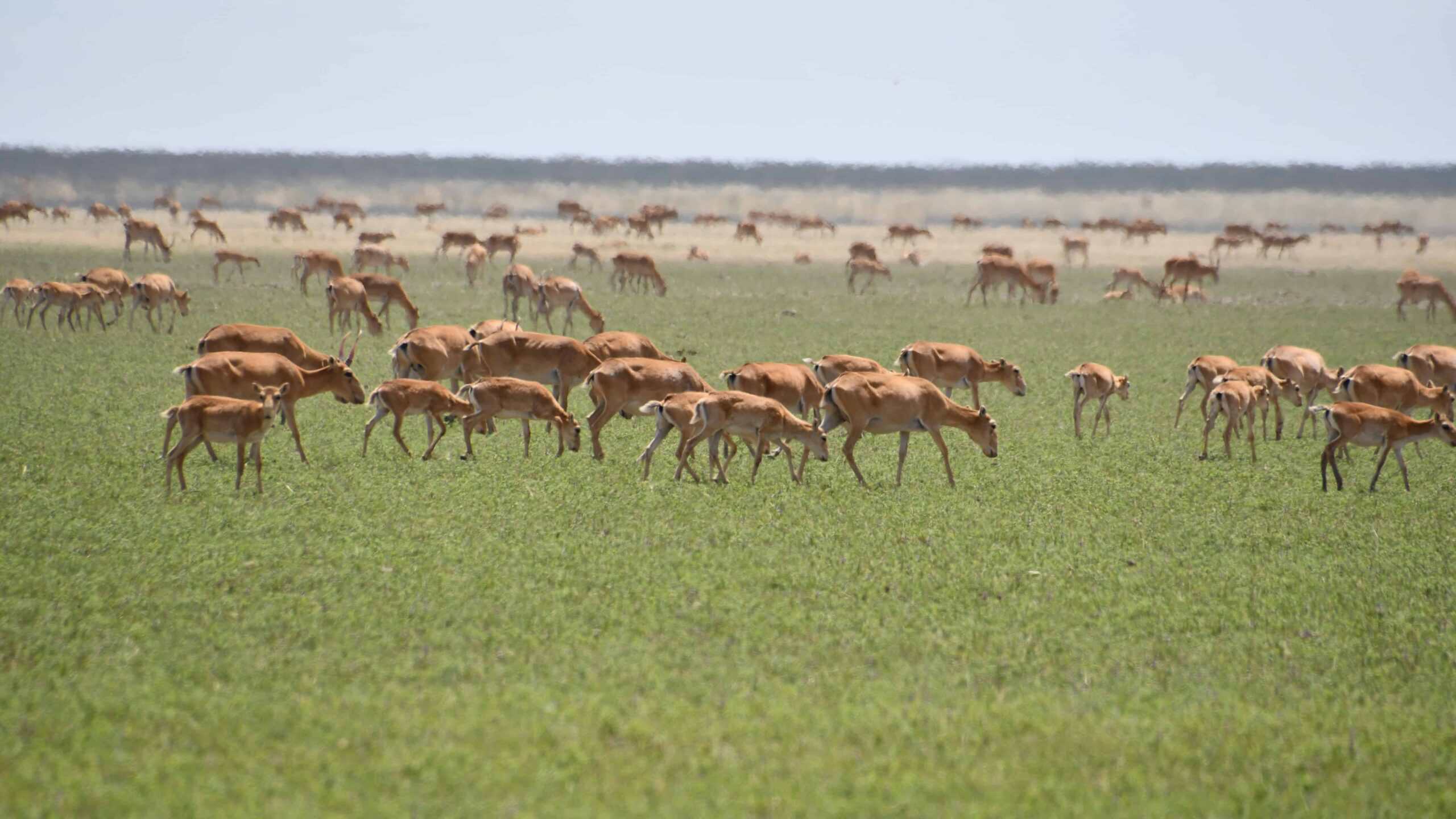
Despite the many challenges, recent years have brought encouraging signs for saiga conservation. In Kazakhstan, where the largest population exists, numbers have rebounded significantly from the catastrophic 2015 die-off. Government surveys in 2023 estimated approximately 1.5 million saigas in the country—a remarkable recovery from fewer than 50,000 individuals in the early 2000s. This resurgence demonstrates the species’ natural resilience when given adequate protection and suitable habitat. Strengthened anti-poaching measures, including the use of drones and satellite tracking, have dramatically reduced illegal hunting in key areas.
In Russia’s Stepnoi Nature Reserve, community involvement has created a conservation success story. Local ranger teams, many composed of former hunters, maintain round-the-clock protection of saiga herds. Their efforts have virtually eliminated poaching within the reserve boundaries, allowing the population to increase steadily. Similarly, in Mongolia, where the distinct saiga subspecies faced imminent extinction with fewer than 800 animals in 2004, conservation programs combining protected areas, anti-poaching patrols, and local community engagement have helped the population grow to nearly 10,000. While still far from historic abundance, these positive trends offer hope that with continued commitment, the saiga can recover across its range.
Technological Innovation in Saiga Protection
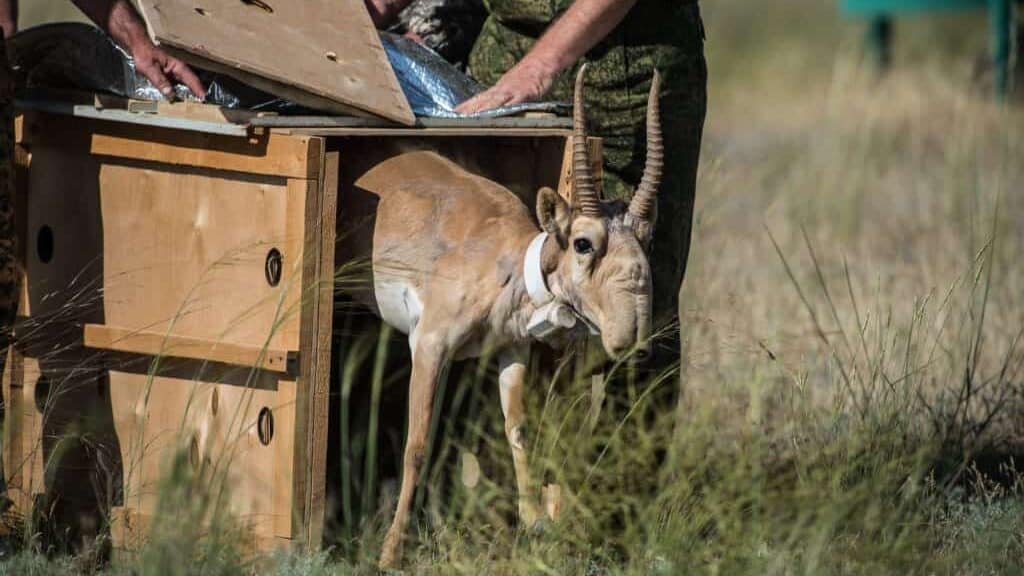
Modern technology is revolutionizing saiga conservation efforts across Asia. Satellite collars equipped with GPS tracking allow scientists to map migration routes with unprecedented precision, identifying critical habitats and movement corridors that require protection. This data helps governments design more effective protected area networks and plan infrastructure development to minimize disruption to saiga movements. Aerial surveys using drones provide accurate population counts while minimizing disturbance to easily startled herds. In Kazakhstan, conservation teams are experimenting with acoustic monitoring systems that can detect gunshots from poachers across vast areas, allowing rapid response from anti-poaching units.
Digital tools are also strengthening community involvement in conservation. In Mongolia and Russia, smartphone apps allow herders and local residents to report saiga sightings, suspicious activities, or injured animals directly to conservation authorities. These citizen science approaches extend the reach of limited professional monitoring resources while building community investment in protection efforts. Meanwhile, genetic techniques are helping combat the illegal horn trade, with DNA testing allowing authorities to determine the origin of confiscated horns and target enforcement efforts accordingly. As these technologies become more accessible and affordable, they offer powerful new approaches to the age-old challenges of protecting wide-ranging species across vast landscapes.
Education as a Conservation Strategy
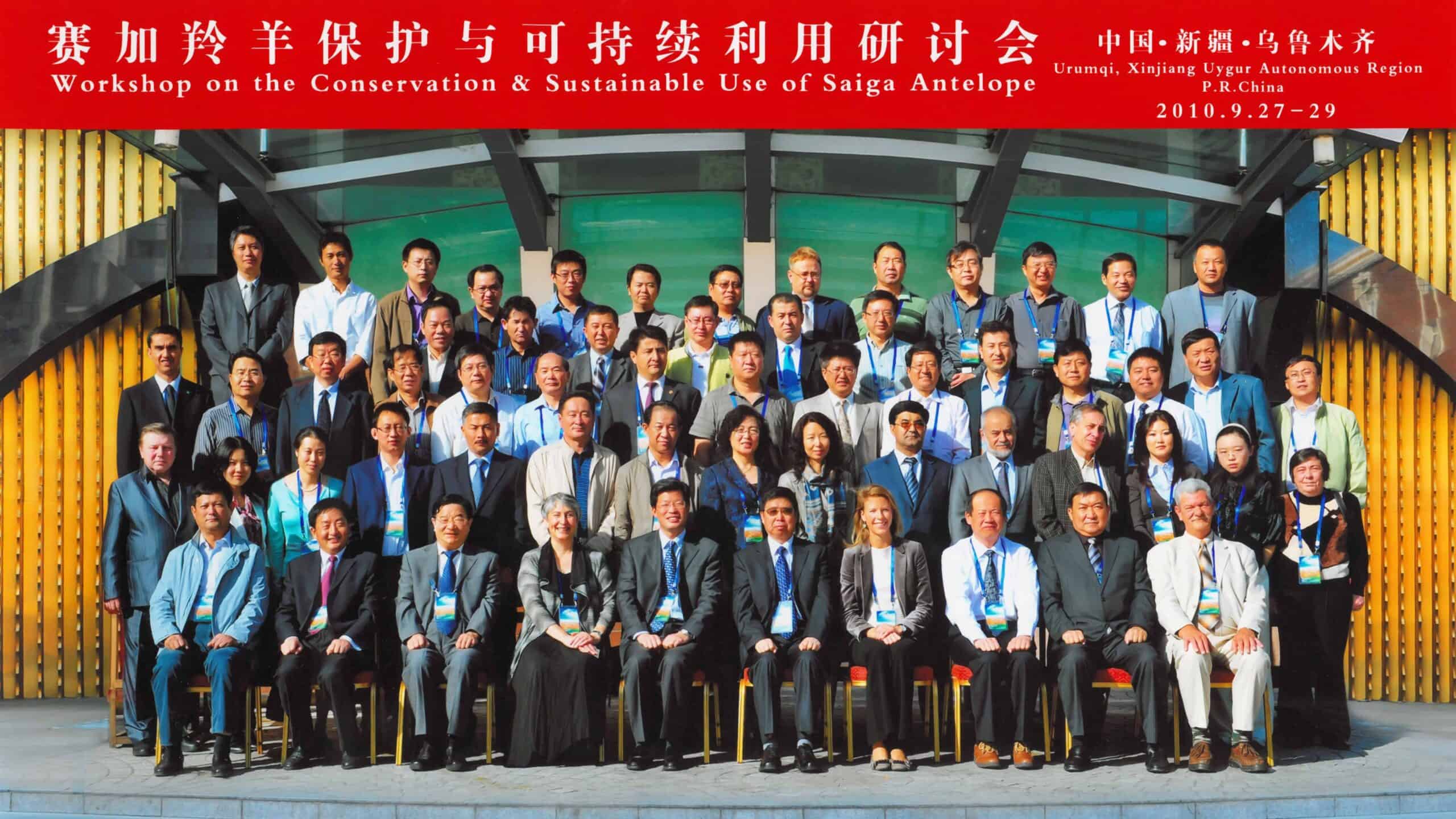
Education initiatives form a critical component of long-term saiga conservation strategy across Asia. In Kazakhstan, Russia, and Mongolia, dedicated school programs introduce children to saiga ecology and conservation needs. These programs often combine classroom learning with field experiences, allowing students to develop personal connections with their natural heritage. The Saiga Conservation Alliance’s “Steppe Wildlife Clubs” engage thousands of children in villages near saiga ranges, fostering a generation of young conservationists. Educational materials featuring the saiga’s distinctive appearance make the species an effective ambassador for broader steppe conservation messages.
Beyond formal education, public awareness campaigns target adult audiences through various channels. In urban areas, where decisions affecting saiga habitat are often made, exhibitions and media campaigns highlight the species’ ecological and cultural importance. Among rural communities, workshops and training programs share sustainable land management practices that benefit both local livelihoods and saiga populations. Conservation organizations also work with religious leaders to emphasize traditional ethical teachings about stewardship of nature. This multi-faceted educational approach recognizes that saving the saiga requires not just scientific knowledge and legal protection, but a fundamental shift in how societies value their natural heritage and understand their relationship with the steppe ecosystem.
The Global Significance of Asia’s Antelope

The fate of the saiga antelope carries implications far beyond the Asian steppes. As one of the fastest declining mammals in recent history, the saiga’s story offers crucial lessons about conservation in the 21st century. Its population crashes and recoveries provide scientists with valuable data about how large mammals respond to multiple simultaneous threats—from habitat fragmentation and climate change to disease and poaching. The innovative conservation approaches developed for saiga protection are now being adapted for threatened species worldwide, making the saiga an important case study in modern conservation practice.
The international cooperation fostered by saiga conservation also serves as a model for addressing other transboundary environmental challenges. In a region where political tensions often complicate international relations, the shared commitment to saving this iconic species demonstrates the potential for environmental issues to build diplomatic bridges. As the global community grapples with biodiversity loss and ecosystem degradation, the saiga’s journey from the brink of extinction toward recovery offers a rare conservation success story that inspires hope. By saving this ancient survivor of the Ice Age, we preserve not just a remarkable species, but also the ecological integrity of one of the world’s great grassland ecosystems and a living symbol of Asia’s natural heritage.
The survival of the saiga antelope represents far more than the fate of a single species—it embodies the health and future of Asia’s shared natural heritage. Even for countries outside the saiga’s direct range, the conservation of this iconic steppe dweller holds significance as an indicator of ecological health across the continent’s central grasslands. These vast ecosystems influence regional climate patterns, water cycles, and air quality that affect nations throughout Asia. The dust from degraded steppes, for instance, contributes to air pollution problems as far away as China, Korea, and Japan, linking environmental quality across thousands of miles.
The saiga’s story also highlights how environmental challenges transcend political boundaries in ways that require cooperative solutions. The international frameworks developed for saiga conservation provide valuable templates for addressing other cross-border environmental issues, from water management to climate change adaptation. For emerging economies throughout Asia, the sustainable development models being tested in saiga ranges offer important lessons about balancing economic growth with environmental protection. Finally, as a living link to the continent’s prehistoric past, the saiga represents a shared cultural and natural legacy that belongs to all Asian peoples. Its conservation embodies a commitment to preserving the ecological and cultural diversity that makes Asia unique. In saving the saiga, Asian nations demonstrate their capacity for far-sighted stewardship of the natural systems upon which all prosperity ultimately depends.

- What’s Causing the Largest Bird Die-Off in America? - July 19, 2026
- How Tea Plantations Support Biodiversity and Wildlife - July 19, 2026
- How to Attract Pollinators Without Using Sugar Water - July 19, 2026