

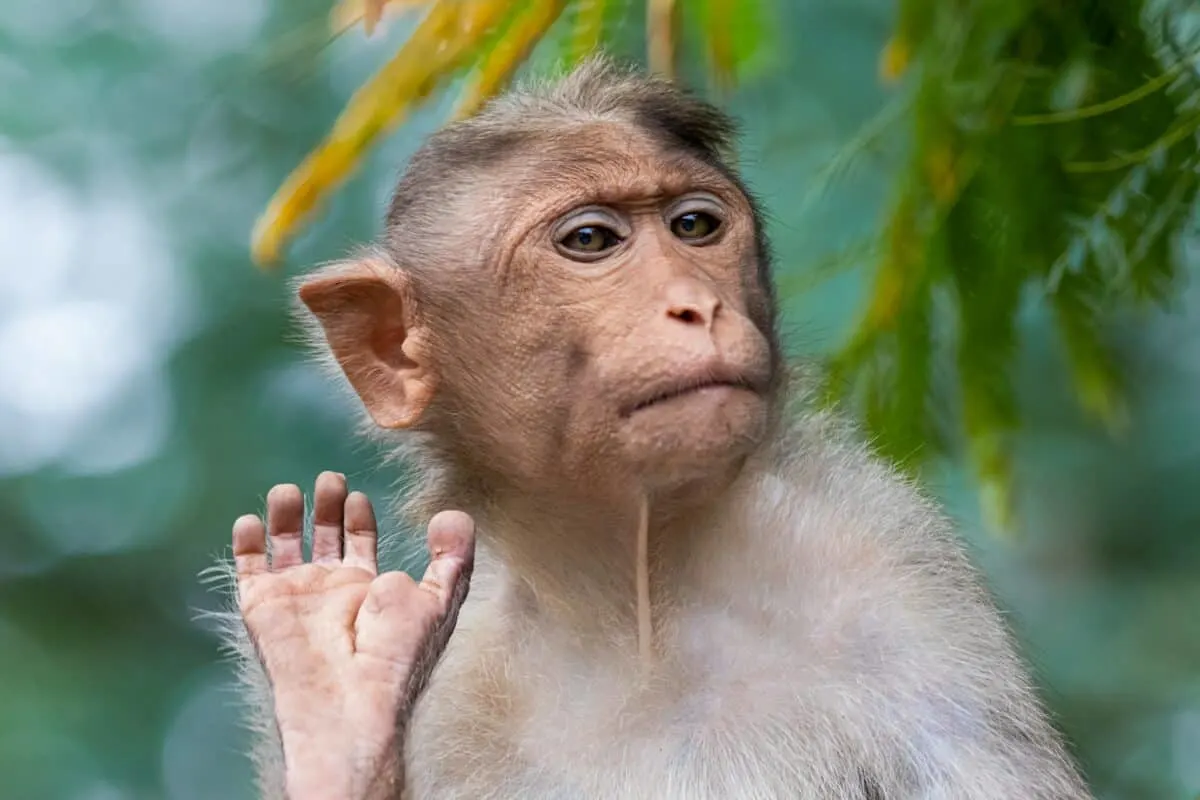
Monkeys have always fascinated us with their lively personalities and striking resemblance to humans. From playful antics to complex social behaviors, these intriguing creatures provide a mirror into our primal nature. In this article, we’ll explore eleven fascinating monkey behaviors that highlight their wild charm and undeniable connection to humans.
The Power of Play

Monkeys are renowned for their love of play, which serves as more than just a pastime. Their playful antics help in developing social bonds, learning new skills, and establishing hierarchies within groups. Through games of chase and wrestling, young monkeys hone their motor skills and cognitive abilities, preparing for adult challenges.
Tool Use and Innovation

Some monkey species have demonstrated an impressive ability to use tools, reflecting an intelligence that was once thought to be uniquely human. From capuchins using rocks as hammers to crack nuts, to macaques washing sweet potatoes, these behaviors reveal their remarkable problem-solving skills and adaptability.
Grooming Rituals

Grooming is a fundamental part of monkey social life, serving both hygienic and social functions. By cleaning each other’s fur, monkeys reinforce their social bonds and establish trust within the group. This behavior also helps in reducing tension and fostering cooperation, strengthening group cohesion.
Complex Communication
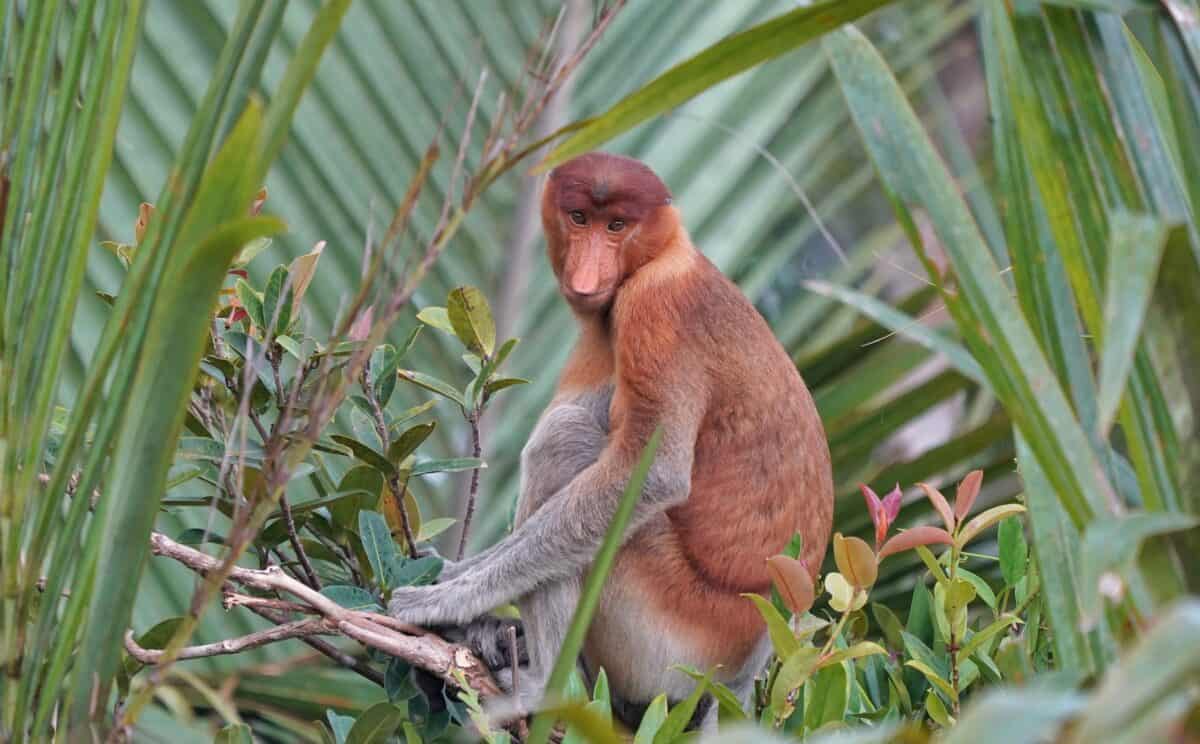
Monkeys possess an extensive range of vocalizations, gestures, and expressions that they use to communicate with one another. These complex communication systems allow them to convey emotions, intentions, and information about their environment, demonstrating their ability to engage in sophisticated social interactions.
Hierarchical Societies

Many monkey species live in highly organized social structures with clear hierarchies. These hierarchies influence access to resources such as food and mates and play a critical role in maintaining social order. Such structured societies require advanced social skills and cooperation, highlighting the intricate social nature of monkeys.
Mimicry and Learning

Monkeys are great imitators, a trait that facilitates learning and cultural transmission within groups. Juvenile monkeys often learn skills and social norms by observing and mimicking older individuals. This ability to learn from others emphasizes the sophisticated cognitive capacities of these primates.
Curiosity and Exploration

Their natural curiosity drives monkeys to explore their surroundings, which aids in learning about their environment and acquiring new skills. This exploratory behavior not only supports their survival by discovering food sources but also reflects their intelligence and adaptability.
Emotional Expressions

Monkeys exhibit a wide range of emotional expressions similar to humans, including joy, fear, anger, and sympathy. Their facial expressions and body language convey emotions to others, playing a crucial role in social interactions and establishing empathy within groups.
Cooperative Behaviors

Many monkey species display cooperative behaviors that highlight their social intelligence. These include coordinated hunting, shared caregiving of the young, and mutual defense against predators. Such cooperation indicates a sophisticated level of social organization and mutual dependence.
Parental Care and Nurturing
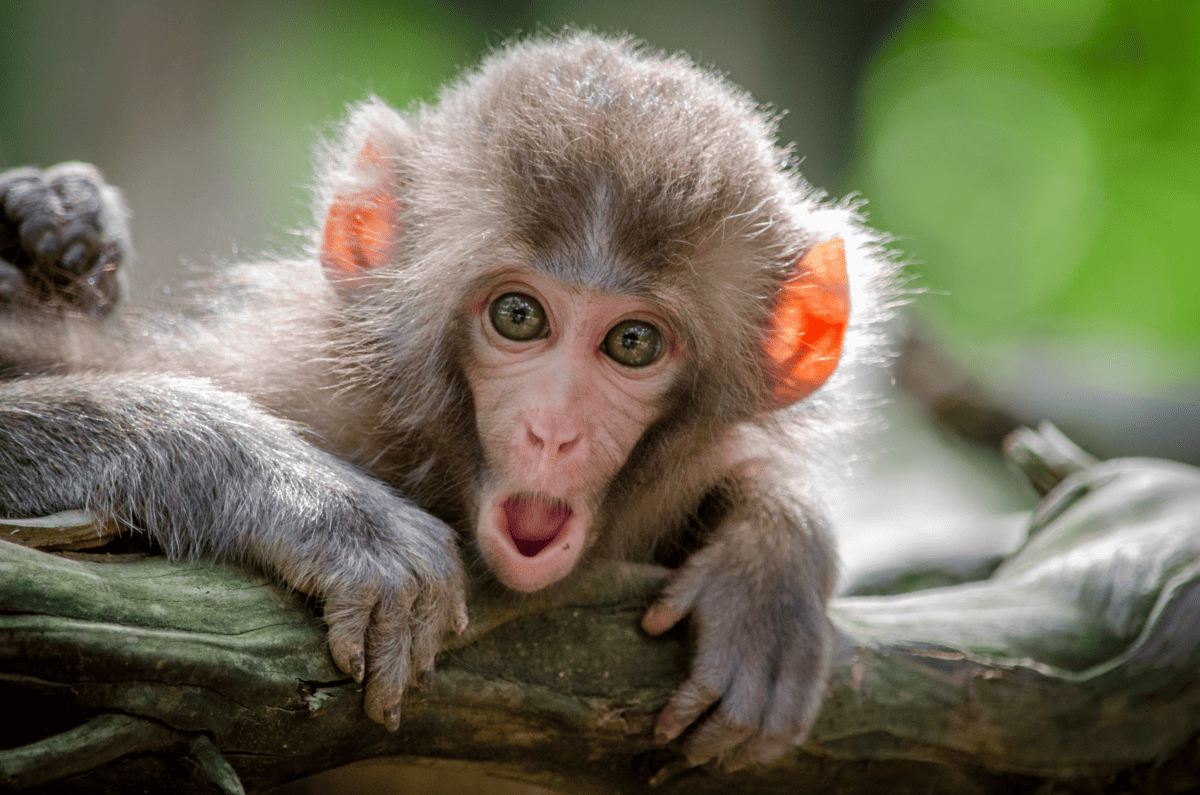
The nurturing behaviors observed in monkeys are vital for the survival and development of their offspring. Mothers are typically the primary caregivers, although some species involve fathers and other group members in rearing young. These caregiving behaviors are crucial in passing on social knowledge and skills to the next generation.
Cultural Traditions
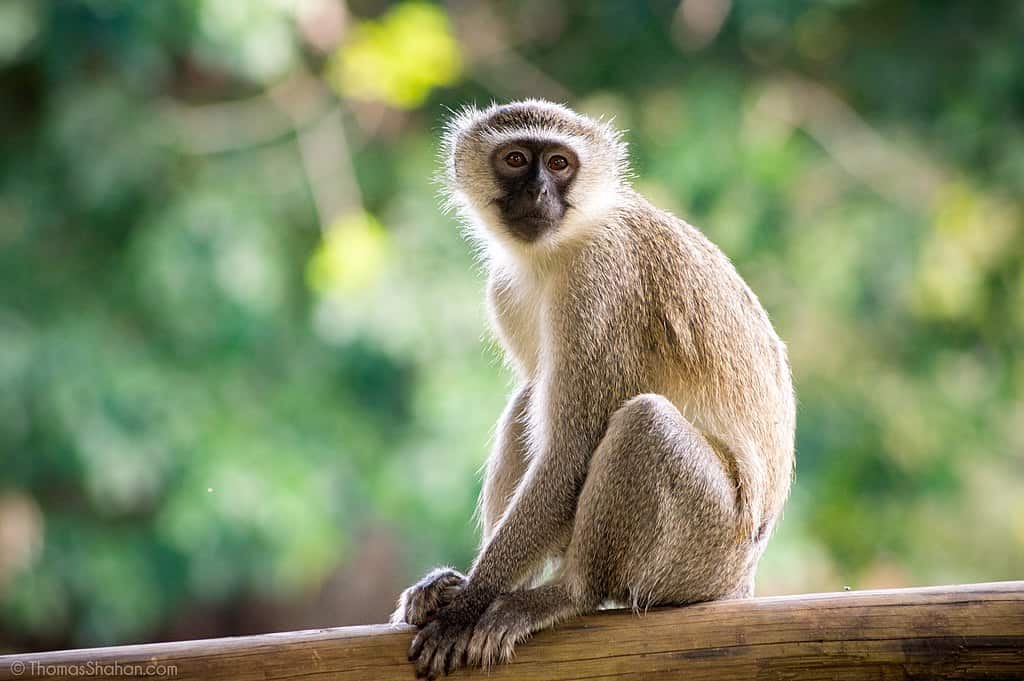
Some monkey populations have been observed to have cultural traditions that are passed down through generations. These behaviors, such as specific foraging techniques or social customs, are not innate but learned, illustrating the cultural complexity of these animals and their capacity for social learning.
Conclusion:

In conclusion, the behavioral traits of monkeys captivate us because they resonate closely with our own. From their playful nature to their complex social structures, monkeys provide a glimpse into the evolutionary forces that have shaped both their world and ours. By understanding these behaviors, we gain valuable insights into the shared ancestry and enduring links between humans and their wild relatives.

As a little kid, I fell in love with nature, wildlife, and animals. Living in the USA, South Africa, Italy, China and Germany gave me the opportunity to discover the world's Wildlife. My favorite animals are Mountain Gorillas, Siberian Tigers, and Great White Sharks.
I'm a certified PADI Open Water Diver, went to Everest Base Camp and Trekked Gorillas in Uganda. I hold a Master of Science in Economics and Finance.
Please send any feedback to feedback@animalsaroundtheglobe.com
- 13 Amphibians That Can Survive Freezing Temperatures - June 19, 2026
- 14 Pets That Can Learn Real Tricks Not Just Dogs - June 19, 2026
- 10 Hidden Caves in the US That Few People Have Ever Explored - June 19, 2026