
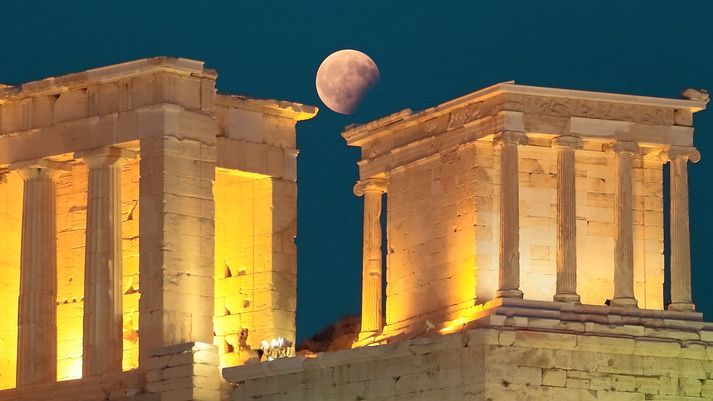
There’s something deeply unsettling about standing before a structure that defies easy explanation. These monuments, scattered across our planet, whisper secrets from ages long past, challenging everything we think we know about ancient civilizations. From massive stone pillars that predate agriculture itself to perfectly carved megaliths transported across impossible distances, these enigmas force us to reconsider the ingenuity, ambition, and capabilities of our ancestors.
Some were built when writing didn’t even exist. Others showcase engineering prowess that seems almost supernatural given the tools available at the time. The questions they raise are profound. What drove entire societies to move mountains, quite literally, to create these testaments in stone? Let’s dive in.
Göbekli Tepe: The Temple That Rewrote History
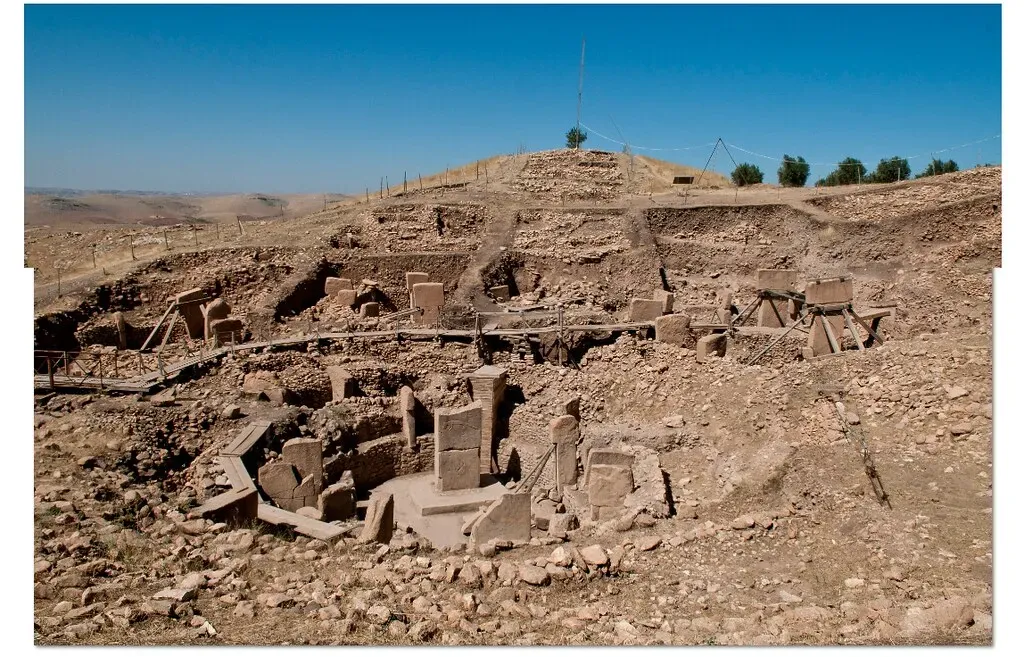
Located in present-day Turkey, Göbekli Tepe is an archaeological site from the New Stone Age that was inhabited from around 9500 BCE to at least 8000 BCE. Here’s the thing that blows my mind: these monumental structures predate Stonehenge by more than 6,000 years and the Egyptian pyramids by approximately 7,000 years. Think about that for a moment. This place was ancient when the pharaohs were building their tombs.
The site is known for its circular structures that contain large stone pillars, with many of these pillars decorated with anthropomorphic details, clothing, and sculptural reliefs of wild animals. No definitive purpose has been determined for the megalithic structures, which have been popularly described as the “world’s first temple”. Recent findings suggest this was a settlement with domestic structures, extensive cereal processing, a water supply, and tools associated with daily life, contrasting with a previous interpretation of the site as a sanctuary used by nomads.
What’s fascinating is that it challenges our entire timeline of human development. Researchers believe that the calendar was carved to memorialize a devastating comet strike around 10,850 BCE, which triggered a 1,200-year mini Ice Age, potentially wiping out many large animal species and causing significant environmental changes.
Stonehenge: More Than Just Rocks in a Circle
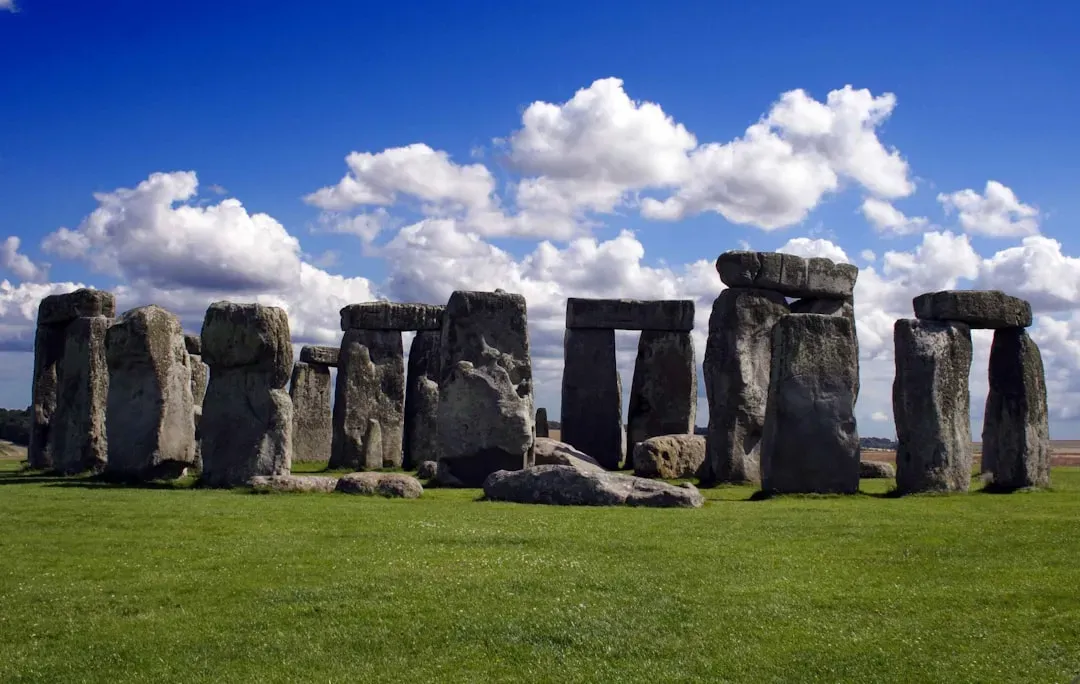
You’ve seen the photos. Maybe you’ve even visited. Those massive stones standing in a circle on Salisbury Plain have captivated imaginations for centuries. Yet every time scientists think they’ve cracked Stonehenge’s code, something new emerges that complicates the picture all over again.
Recent research revealed Stonehenge’s monumental six-tonne Altar Stone, long believed to originate from Wales, actually hails from Scotland, pointing to the existence of unexpectedly advanced transport methods and societal organisation about 5000 years ago. That’s over 700 kilometers of transport without the wheel, which hadn’t yet reached Britain. Let’s be real, that’s mind-boggling.
The recent discovery supports a theory that the stone circle was built as a monument to unite Britain’s early farmers nearly 5,000 years ago, with Stonehenge’s long-distance links adding weight to the theory that the Neolithic monument may have had some unifying purpose. Using computer modelling and field observations, new research has established the exact positions of the rising and setting sun and moon positions in the landscape surrounding Stonehenge in prehistory.
The Moai of Easter Island: Statues That Walked
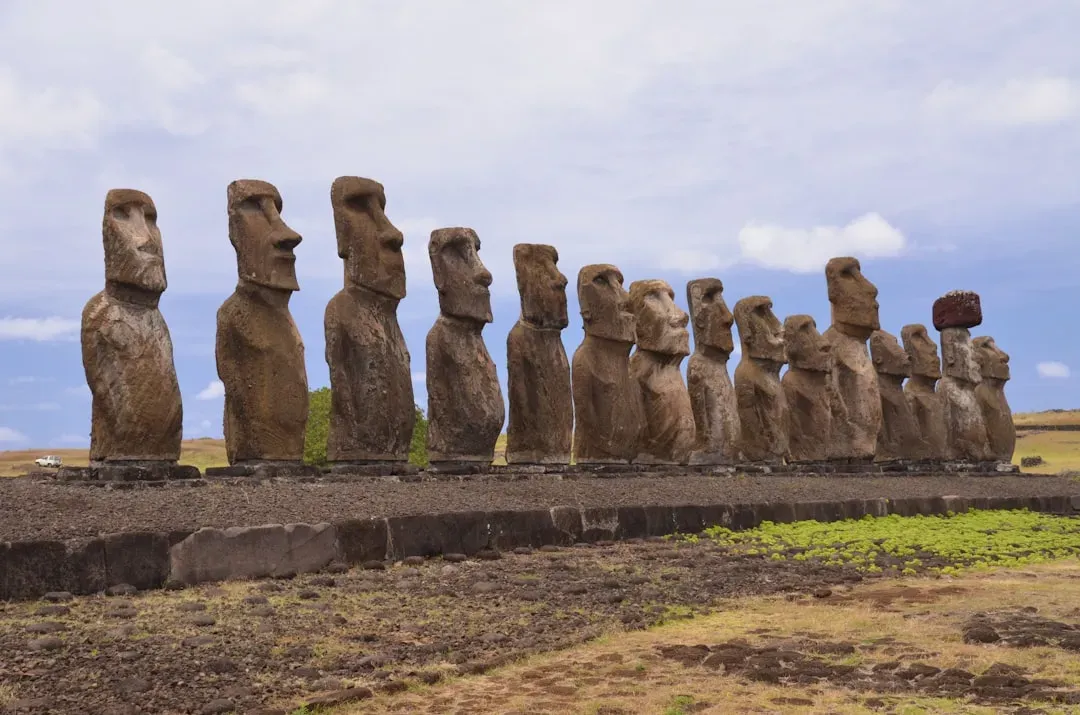
Nothing says weird like giant stone heads on a completely treeless island in the middle of nowhere. Moai are monolithic human figures carved from stone by the Rapa Nui people on Easter Island in eastern Polynesia between the years 1250 and 1500. There are roughly a thousand of these behemoths scattered across the island.
Here’s where it gets interesting. Archaeologists believe that the statues were a representation of the ancient Polynesians’ ancestors, and when properly fashioned and ritually prepared, were believed to be charged by a magical spiritual essence called mana. New research using physics, 3D modeling, and field experiments presents the strongest evidence yet that the gigantic stone statues were not dragged or rolled, but “walked” upright to their locations using an ingenious engineering method, aligning with Rapa Nui’s oral traditions.
Experiments revealed that the forward-leaning design enabled efficient transport, covering 328 feet in 40 minutes with a team of 18 people. The ancient legends literally told the truth: the statues walked. All of them had fallen by the latter part of the 19th century, possibly toppled as a result of European contact or internecine tribal wars.
Nazca Lines: Desert Art on an Impossible Scale
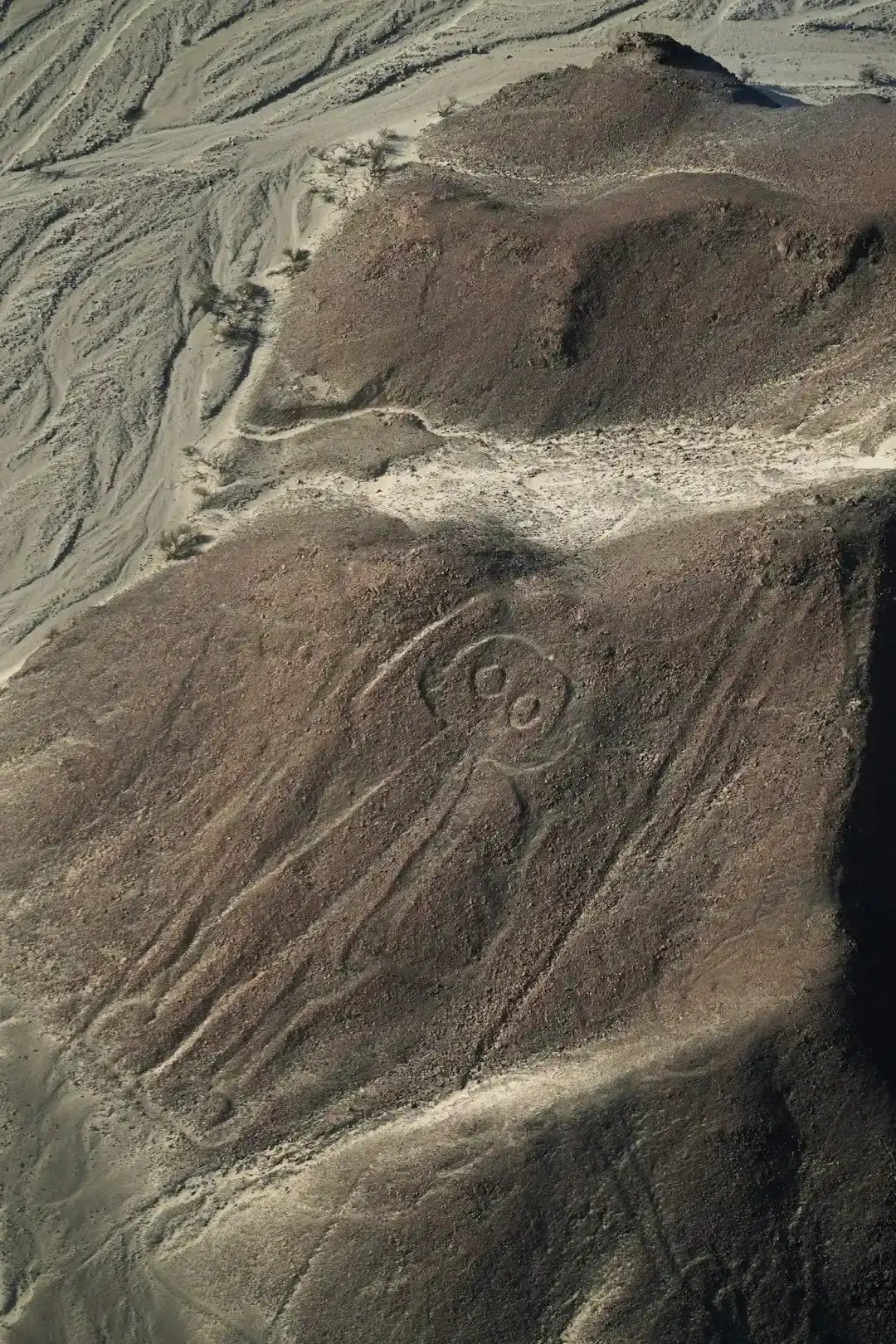
Imagine creating artwork so massive you can’t even see the full picture unless you’re flying overhead. That’s exactly what the ancient Nazca culture accomplished in the deserts of southern Peru. The Nazca Lines represent one of the most attractive ancient mysteries in the world, created by removing the red stones of the region to reveal the white limestone underneath.
The 2000-year-old Nazca Lines are found around 400 kilometers south of Lima, with their creator known to be the ancient Nazca culture; there are over 1100 lines in total, most straight yet 300 are geometric. Some of these lines stretch nearly 50 kilometers in length. Honestly, the precision is staggering.
Remnants of wooden stakes used in their design take some of the mystery out of how someone could create such figures without a bird’s eye view, but their purpose remain a mystery, with theories ranging from astronomical alignments to directions to water sources. The fact that they’ve survived thousands of years in the desert is its own kind of miracle.
Puma Punku: Precision Beyond Belief
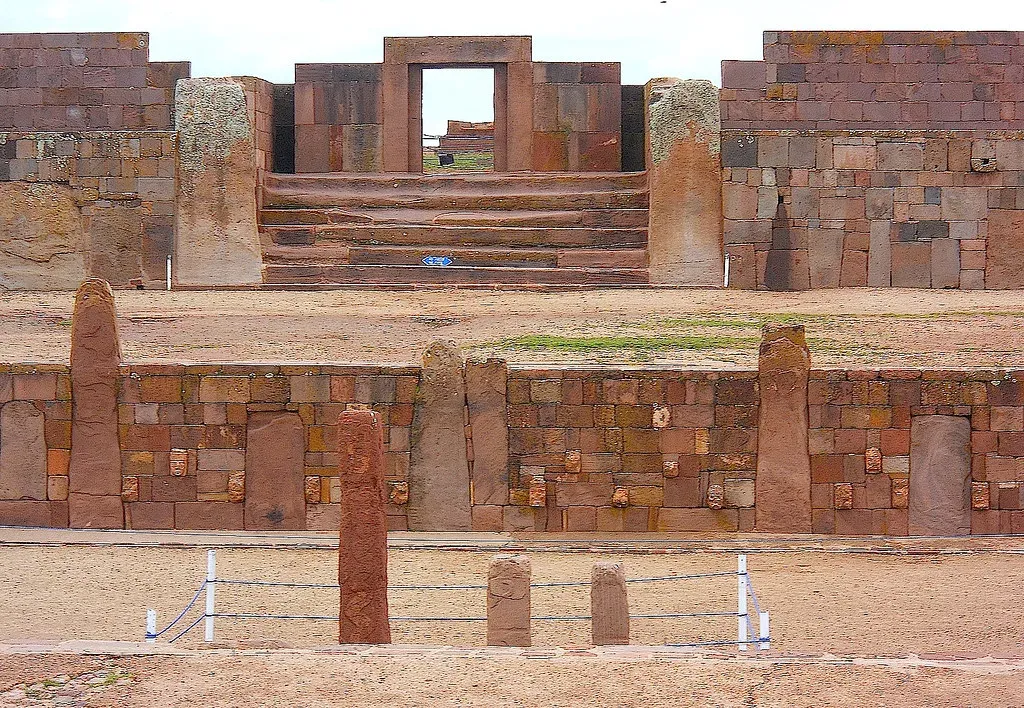
Pumapunku is part of the Tiwanaku temple complex dating to 536CE, located near Illimani mountain, a sacred peak that the Tiwanaku believed to be home to the spirits of their dead. The real head-scratcher here is the stonework itself.
The mystery is how the builders of Pumapunku calculated and cut such precise stonework, working only with stone tools; their stonework is so regular that some historians have suggested they may have mass-produced temple parts like building blocks. The andesite originated from quarries across Lake Titicaca, more than 40 miles away; how the Tiwanaku people transported blocks weighing dozens of tons across this distance, at this altitude, without wheeled vehicles or draft animals, remains one of the site’s great mysteries.
The mystery deepens when considering that Puma Punku appears to have been deliberately destroyed at some point, with massive stones scattered and broken across the site. Was it an earthquake? Conquest? Nobody really knows.
The Longyou Caves: China’s Subterranean Secret
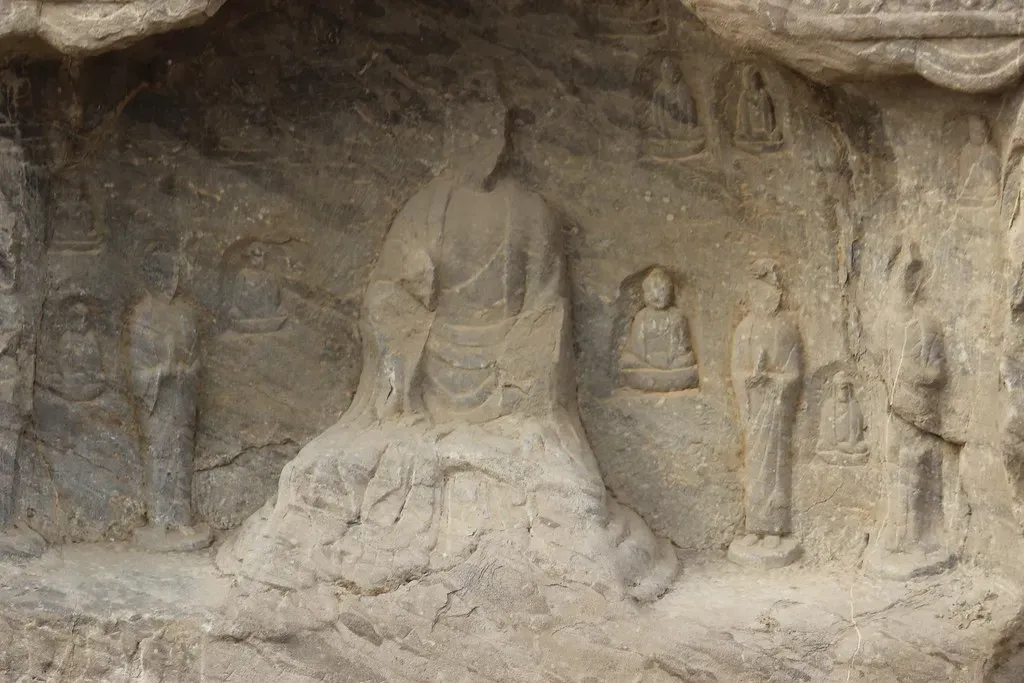
The Longyou Caves are found near the village of Shiyan Beicun in China’s Zhejiang province, believed to date back to 212 BCE during the Qin dynasty; what makes them particularly remarkable is that it would have taken a monumental effort to create them but there is no record at all of their construction or existence. That’s right – no records whatsoever.
The caves were first found in 1992 and that is the first that anyone had ever heard of them; since the initial discovery 24 caves have been found. They are carved into sandstone and are massive for being completely man-made caves, with average floor space of 1,000 square meters (11,000 square feet) and heights reaching up to 30 meters (98 feet), with total covered area of 30,000 square meters.
How does an entire civilization excavate something this enormous and leave zero documentation behind? It’s hard to say for sure, but the sheer scale of the project suggests thousands of workers over many years.
Yonaguni Monument: Nature or Ancient Engineering?
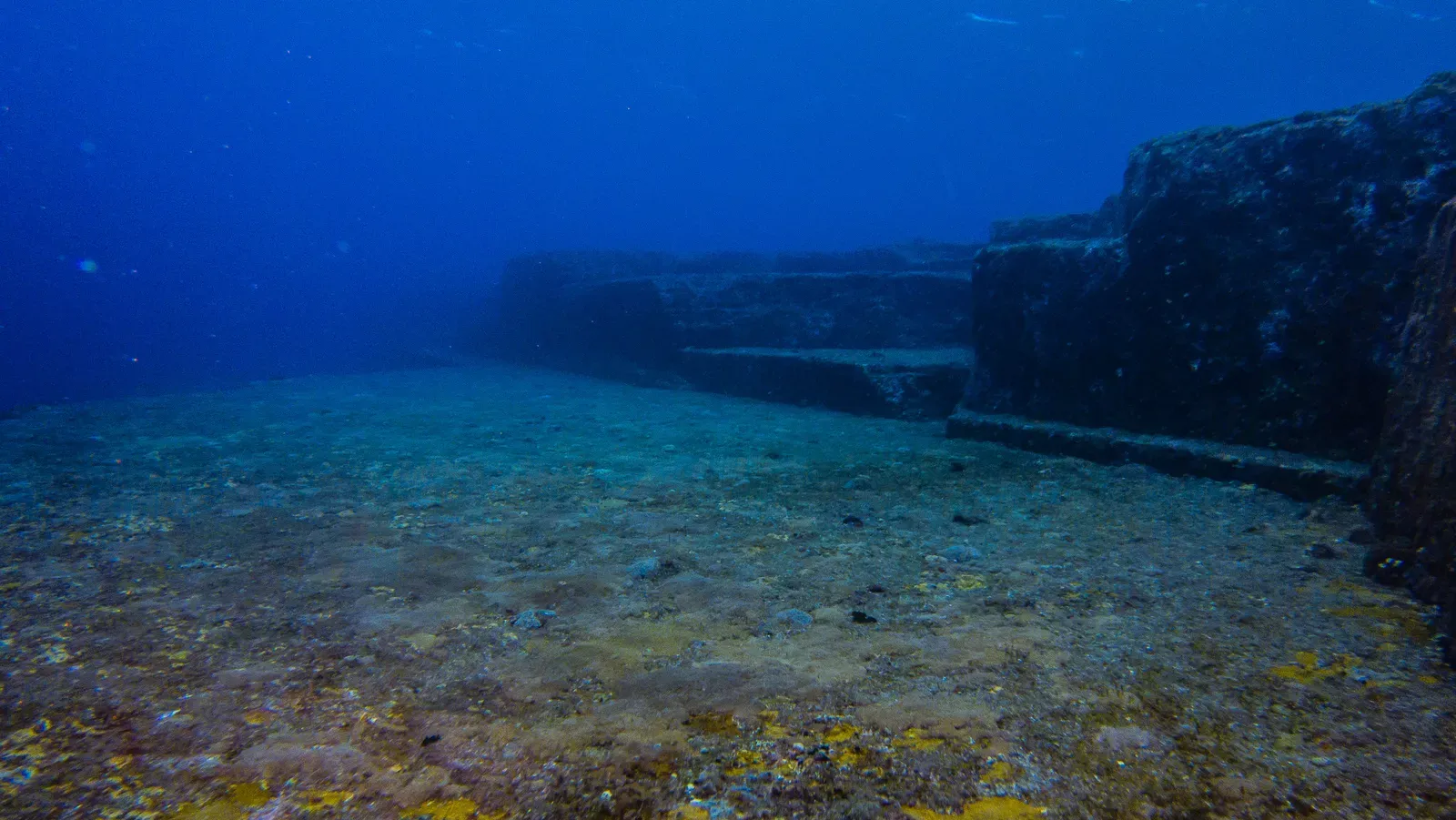
The Yonaguni Monument is a submerged rock formation off the coast of Yonaguni Island in Japan, discovered in 1986 by a diver named Kihachiro Aratake, and the structure has puzzled researchers and divers alike. This is one of those cases where experts can’t even agree on the basics.
The Yonaguni Monument is the only monument where researchers are divided on whether it is natural or man-made; it is a submerged rock formation in the sea in Japan’s Ryukyu Islands, with some researchers suggesting the formation is man-made stepped monoliths or a submerged pyramid, while perhaps the underwater formation is from an ancient submerged city, or perhaps they are just remarkable naturally occurring rocks.
Square shapes and formations that look like figures, such as the turtle and the giant face, have convinced some that the formations are man-made, with the argument coming from the presence of right angles as part of the structure and twin megaliths that appear to have been placed there. Despite decades of investigation, Yonaguni remains suspended between geology and archaeology.
Large Low Shear Velocity Provinces: Earth’s Hidden Blobs
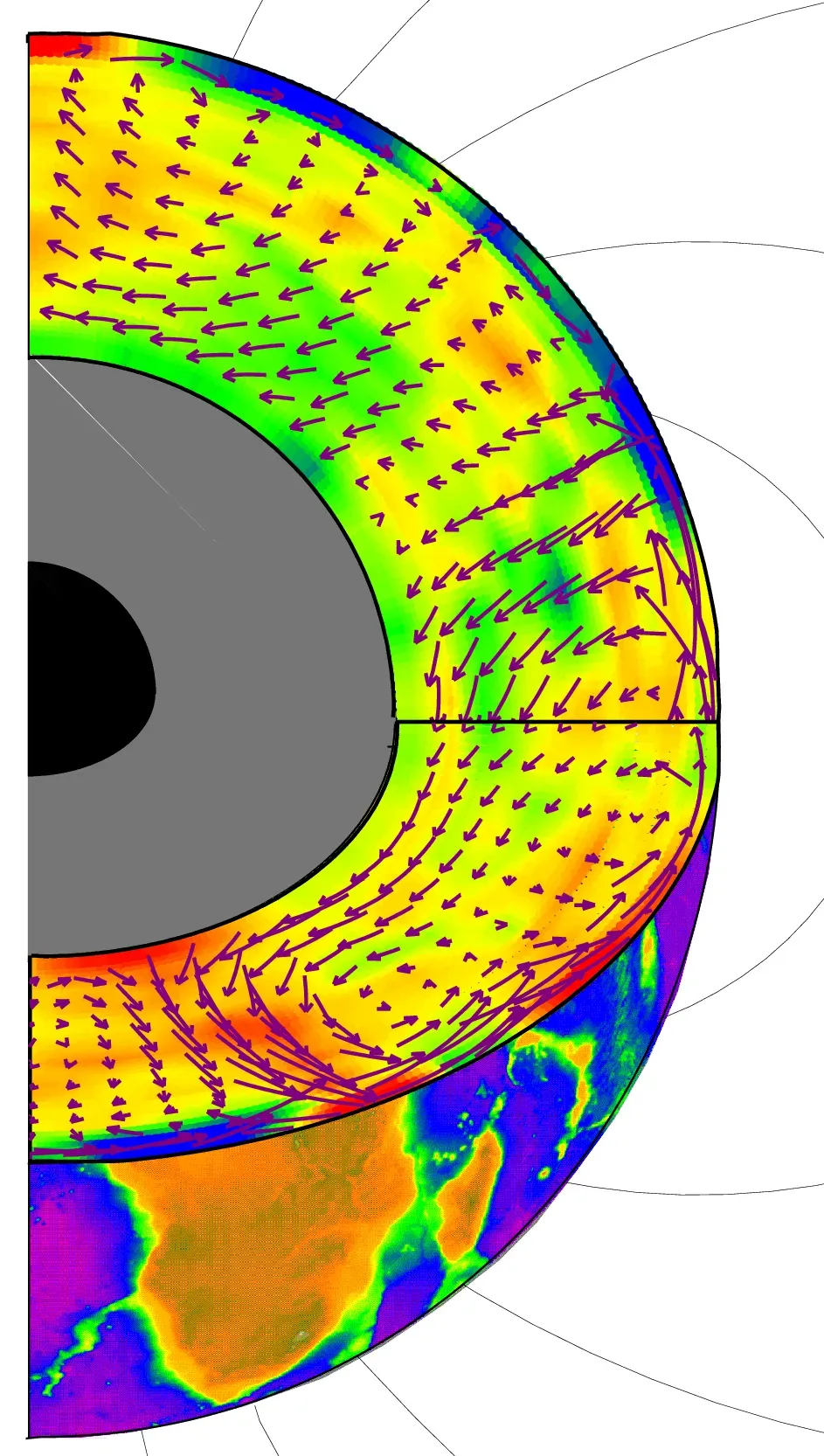
Not all mysteries are on the surface. Two giant, mysterious structures have been discovered beneath Africa; these colossal blobs, located under Africa and the Pacific Ocean, occupy around six percent of the planet’s entire volume, yet scientists still have little understanding of what they are made of or how they came to be.
One of the most intriguing of these structures is located beneath the African continent in an area known as Tuzo; this massive formation stands about 800 kilometers (497 miles) tall, which is equivalent to roughly 90 Mount Everests stacked on top of each other. The two gigantic structures, known as Large Low Shear Velocity Provinces (LLSVPs), were discovered using seismic tomography; seismic waves move more slowly through them than through the surrounding mantle, suggesting that the blobs are made of something very different from the surrounding rock.
One theory is that around 4.5 billion years ago, a Mars-sized object named Theia collided with the Earth; this catastrophic impact not only led to the formation of the Moon, but may have also contributed to the creation of one or both of these LLSVPs, with material from Theia potentially sinking to the bottom of the Earth’s mantle. I know it sounds crazy, but that’s the leading hypothesis.
Silbury Hill: Europe’s Largest Prehistoric Mound
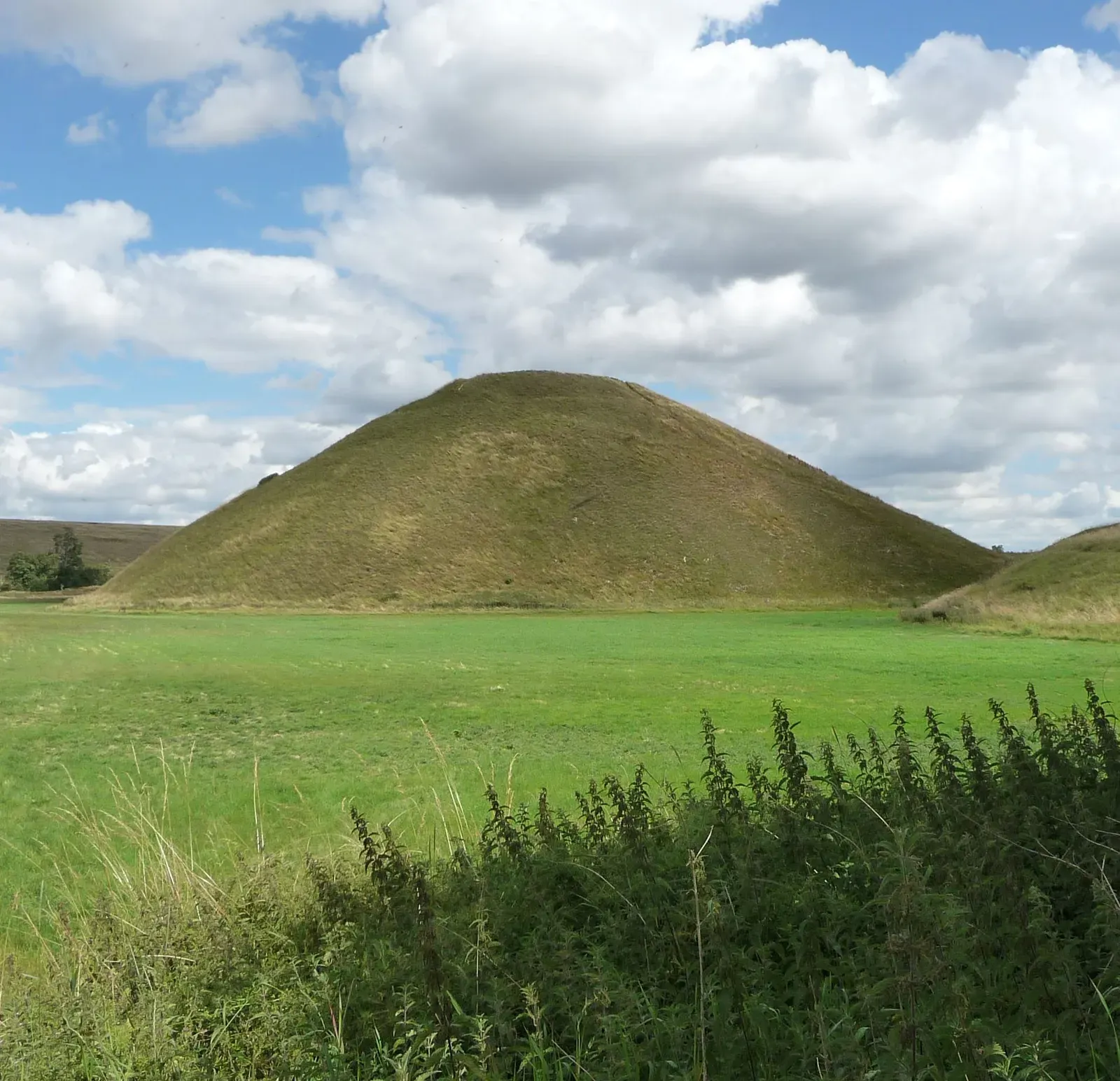
Silbury Hill remains one of Britain’s most enigmatic ancient monuments, a testament to prehistoric ambition whose purpose may have been understood perfectly by its builders but remains utterly opaque to us today. This massive mound sits in the English countryside, not far from Stonehenge, yet it couldn’t be more different.
Recent analysis of ancient biological material from the mound’s core suggests construction took place in late July or early August, possibly coinciding with Lammas, an ancient harvest festival. The hill itself is entirely artificial, constructed from chalk and earth in layers that reveal an astonishing organizational capability.
What’s so puzzling is the lack of any obvious function. There’s no burial chamber inside, no temple on top, nothing that screams “this is why we built it.” The sheer effort required – moving hundreds of thousands of tons of material – suggests it must have been incredibly important. Yet we remain clueless.
The Great Serpent Mound: America’s Earthen Mystery
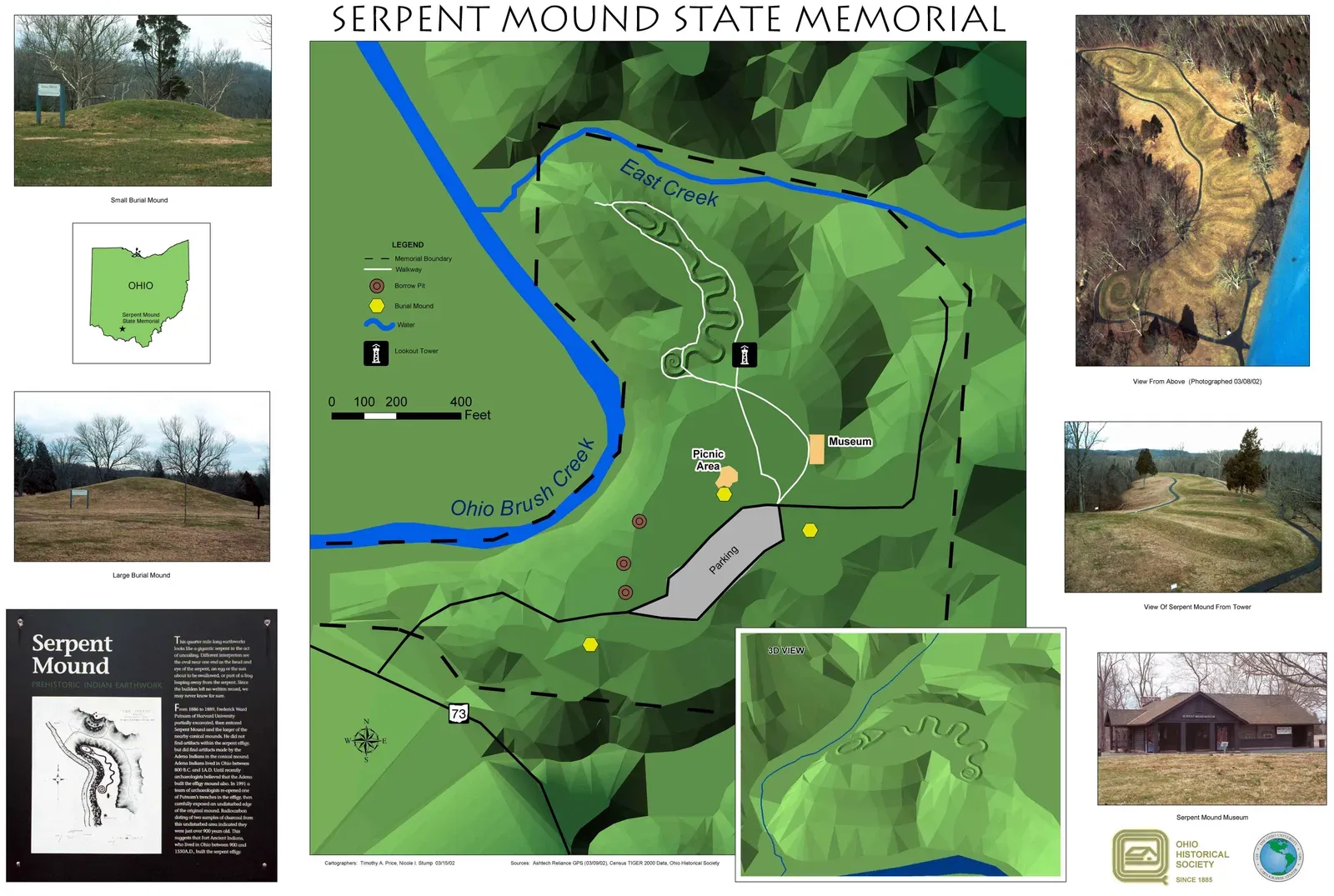
Undulating across a plateau overlooking Brush Creek in Adams County, Ohio, the Great Serpent Mound stretches approximately 1,348 feet, making it the longest serpent effigy in the world; from ground level, the earthwork appears as a series of mysterious curves, but from above, it resolves into the unmistakable form of a serpent with a tightly coiled tail, a sinuous body creating seven distinct curves, and an open mouth appearing to grasp an oval shape.
The dating of the mound has been contentious, with some estimates placing it around 1000 BCE while others suggest it was constructed much later. Either way, the precision required to create such a massive earthwork that only makes visual sense from the air is extraordinary. The builders couldn’t see their own handiwork from any useful vantage point, yet they executed it flawlessly.
Various theories propose astronomical alignments, religious significance, or territorial markers. What really gets me is the dedication involved – this wasn’t a quick weekend project. This required planning, labor, and a shared vision across an entire community, all for a symbol they could never fully appreciate themselves.
Conclusion
These ten structures represent just a fraction of the enigmas scattered across our world. Each one challenges our assumptions about what ancient peoples could accomplish with limited technology. They remind us that human ingenuity, determination, and ambition have always pushed boundaries we thought impossible.
From temples built before farming to statues that walked and lines drawn for gods in the sky, these monuments speak to something fundamental in the human spirit. The frustrating part? Despite all our modern technology and scientific methods, we’re still scratching our heads about the most basic questions: Why were they built? How did they do it? What were they thinking?
Maybe that’s the real gift these structures offer us – humility. They force us to admit that ancient peoples were far more sophisticated than we often give them credit for. Perhaps future generations will look back at our own accomplishments with the same mixture of awe and bafflement. What mysteries do you think we’re creating for them to solve? Tell us your thoughts in the comments.
