
1. Eliminate Every Source of Standing Water First
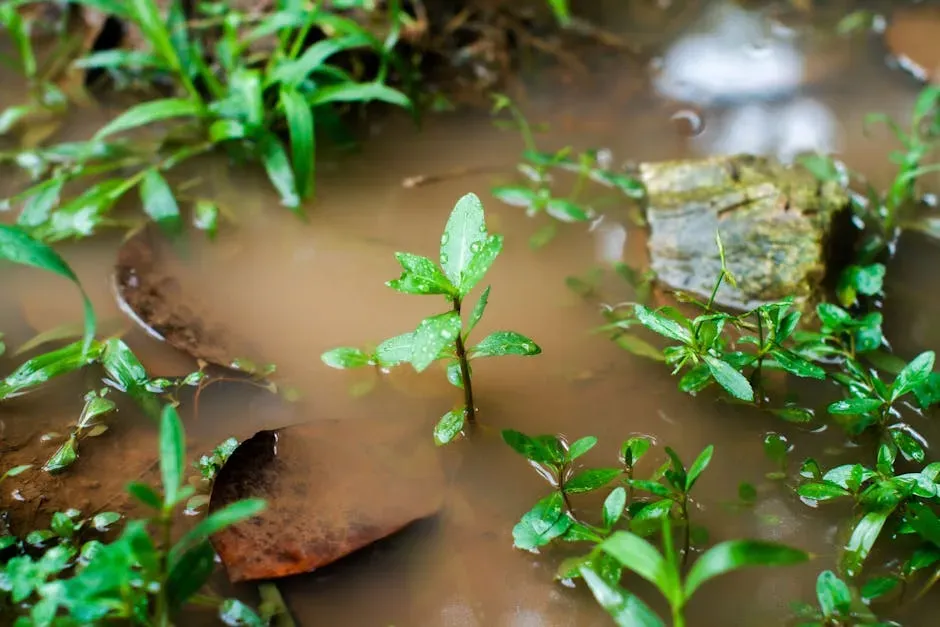
Before any plant or strategy will make a meaningful difference, this step has to come first. Mosquitoes breed in standing water, so empty plant saucers, buckets, birdbaths, clogged gutters, toys, tarps, watering cans, and any container that holds water – because even a small amount of stagnant water can support mosquito larvae. It’s the kind of task that feels minor until you realize how many invisible water traps a typical garden contains.
Mosquito eggs are extremely hardy and will survive drying out for up to eight months, and once another rain comes in, the eggs become larvae, pupate, and become adults within eight to ten days. That cycle is fast and relentless. Female mosquitoes seek out stagnant water to lay their eggs, drawing swarms to any puddles or containers, so scanning your yard for anything that collects rainwater, like empty pots, buckets, or clogged gutters, and emptying them regularly is essential.
2. Plant Lavender Along Paths and Seating Areas

The lovely fragrance of lavender comes from its essential oils found on the leaves of the plant, and it is even argued that lavender oil hinders a mosquito’s ability to smell. That’s not just pleasant garden lore – it speaks to a real functional mechanism. Lavender is very tough and drought-resistant once established, needing only full sun and good drainage, and while it can endure many climates, it thrives in warmer areas.
Placement matters considerably with lavender. Plant lavender near paths, seating edges, and steps where movement releases scent. Every time someone brushes past a low border of lavender, the oils are released more intensely into the surrounding air. It’s a passive system that requires almost no maintenance once the plants are established, and it doubles as one of the most visually appealing additions you can make to a summer garden.
3. Grow Lemongrass as a Focal Point Container Plant
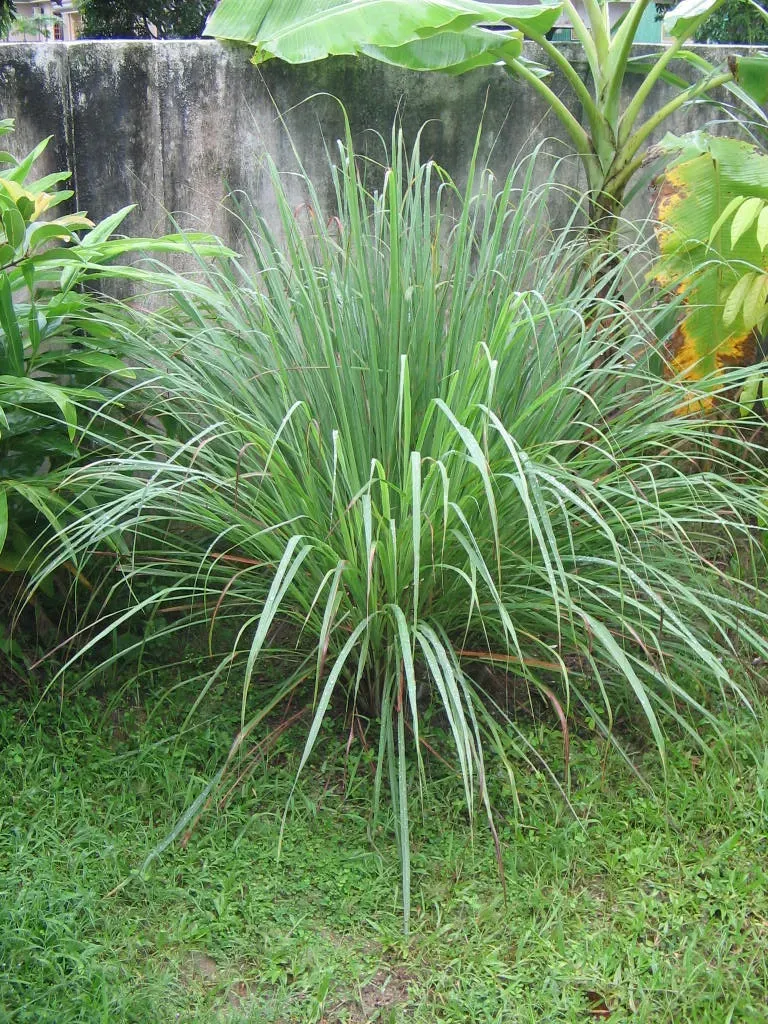
Known for its distinct smell, citronella grass, also known as lemongrass, is the most commonly used natural ingredient in mosquito repellents. There’s an important nuance worth knowing here. Citronella as we think of it is actually an essential oil produced by the leaves and stems of lemongrass plants. So while many nurseries sell a plant simply labeled “citronella,” the genuinely effective source of that scent is lemongrass itself.
Container gardening is one of the best ways to use mosquito-repellent plants because pots can be placed exactly where fragrance is needed, and a balcony, porch, deck, pool terrace, or outdoor dining area can hold several aromatic plants even when there is no in-ground garden. A large lemongrass plant in a handsome pot near your dining table does double duty – it looks architectural and sends a clear olfactory message to any approaching mosquito.
4. Add Rosemary to Borders Near Outdoor Kitchens
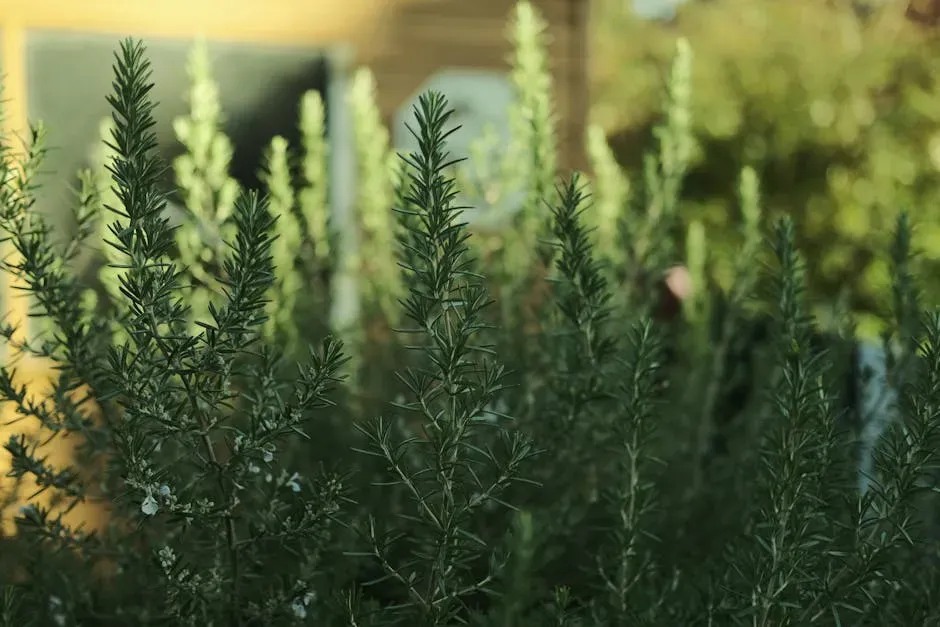
Rosemary does it all: adds pretty purple flowers to your garden, is a versatile herb in the kitchen, and is among the best plants to repel mosquitoes with its potent fragrance. It’s one of those rare garden plants that genuinely earns its space on multiple fronts. Rosemary’s woody scent is exactly what keeps mosquitoes as well as cabbage moths and carrot flies away.
The fragrance of rosemary is most useful when it is released – and that can happen when you trim rosemary or place it beside a sunny seating area. Regularly harvesting sprigs for cooking actually amplifies its repellent effect in the garden. It’s one of those situations where using a plant fully works in everyone’s favor. Rosemary also tolerates heat and dry spells well, making it a reliable summer performer even in less-than-ideal growing conditions.
5. Use Marigolds as Companion Plants Throughout the Garden
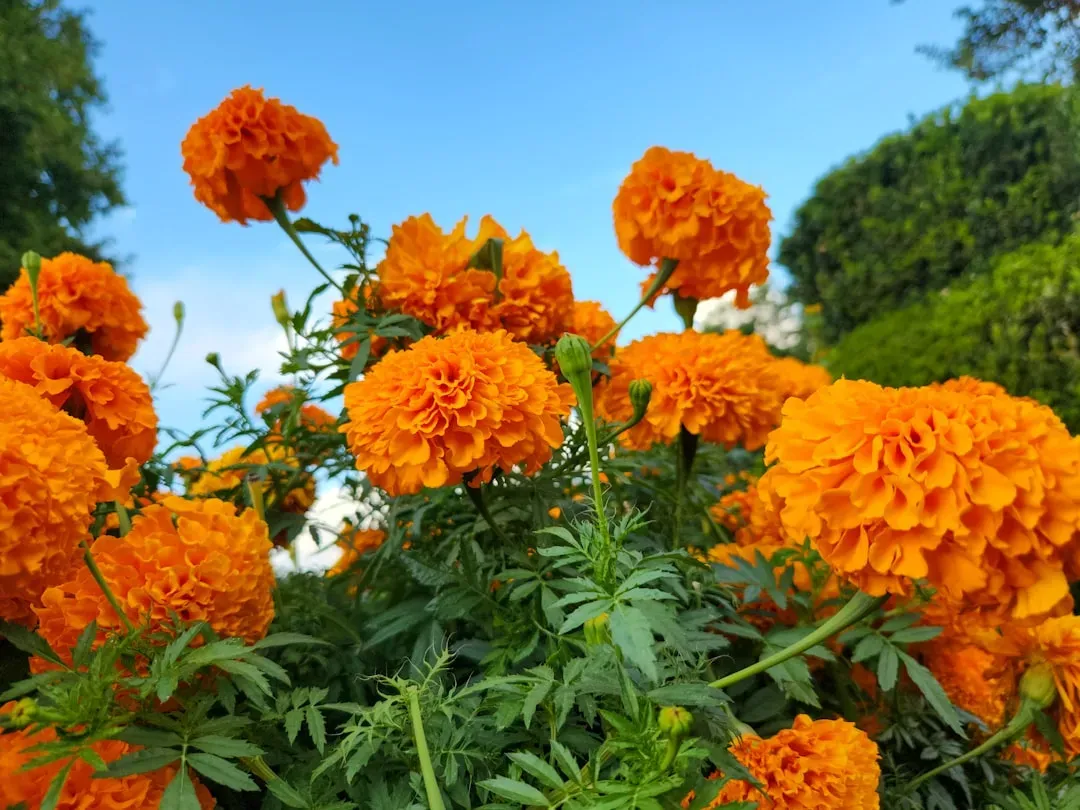
Marigolds, an easy-to-grow annual flower, emit a smell that deters mosquitoes, and growing them in pots to place near your patio or entrance to your home helps keep bugs out. They’re also one of the easiest plants to grow from seed, which makes them an accessible starting point for gardeners of any level. According to the New York Botanical Garden, not only can marigolds keep away mosquitoes, but they also dissuade aphids, thrips, whiteflies, Mexican bean beetles, squash bugs, and tomato hornworms.
Their strong odor is disliked by some insects, and they are often included in natural pest-management planting schemes, though for mosquito control, marigolds are best used as colorful companion plants rather than primary repellents. That’s an honest and useful distinction. Think of them as one cheerful layer in a broader strategy rather than a standalone fix. Scatter them through vegetable beds and along the edges of entertaining areas for maximum coverage.
6. Plant Basil Generously and Harvest It Often

Basil is one of the most practical mosquito-repellent plants because it is fragrant, edible, attractive, and easy to grow in containers, and its strong herbal scent can help discourage mosquitoes and flies, especially around outdoor kitchens, sunny patios, and vegetable gardens where leaves are harvested often. The act of harvesting is actually key here. For the best effect, place basil where people can brush past it or pick it regularly, and pinching the stems keeps plants compact and releases aroma.
All kinds of basil work to keep flies and mosquitoes at bay, and this herb likes to be kept damp, needs good drainage, and enjoys lots of sun – it can be planted in containers or in the garden, alone or with other flowers, as long as both plants meet the same requirements. Growing several varieties near your outdoor dining space creates a dense, fragrant barrier that mosquitoes find genuinely unappealing. It’s one of the most rewarding double-purpose garden investments of the summer.
7. Introduce Mint in Containers to Control Spread
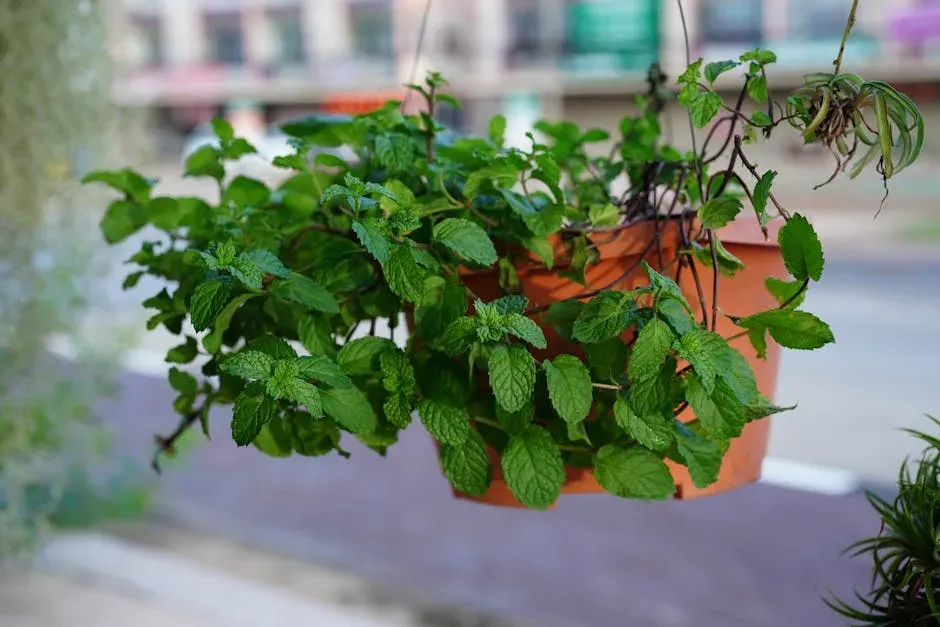
Mint is a fresh, vigorous herb with a cooling fragrance that mosquitoes and some other insects tend to dislike, and it is especially useful in containers near outdoor dining areas, drink stations, steps, and patios. Its scent is instantly recognizable and genuinely potent – the kind of smell that hits you before you’ve even touched the plant. As with most members of the mint family, the fragrance of spearmint and peppermint is a natural mosquito deterrent.
One important practical note: mint is also known for its insect-repelling properties, but it spreads quickly, so pot culture is strongly recommended. Plant it in the ground and it will colonize every corner of your garden within a season or two. Keep it in pots and you keep control. These versatile perennial herbs have many culinary uses – dry the leaves for tea, drop a few fresh leaves into lemonade or cocktails, shred them for salads, or give fruit salad extra punch with a few chopped leaves. A useful, fragrant, low-maintenance summer herb all around.
8. Keep Tall Grass Trimmed and Vegetation Well-Managed
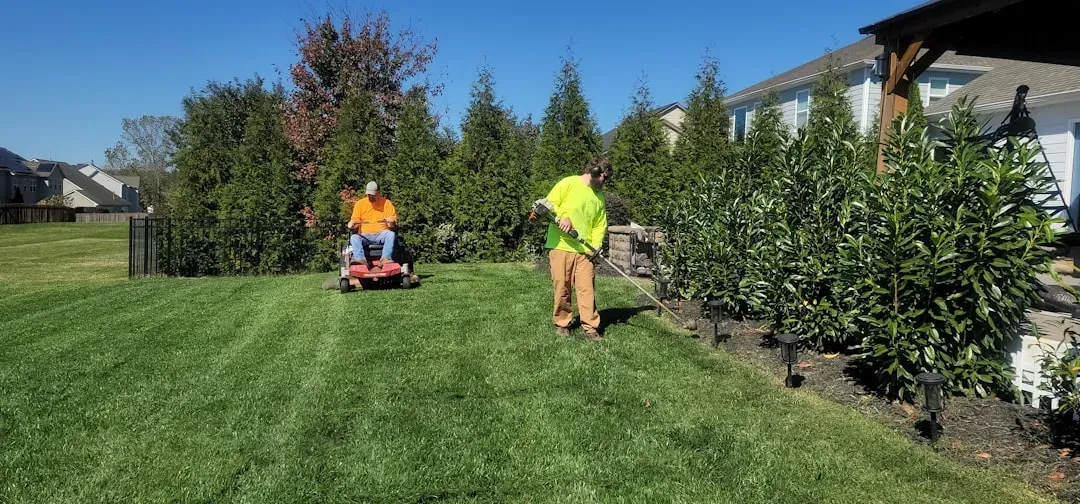
During daylight hours, mosquitoes seek refuge in tall grasses and overgrown foliage, and therefore keeping your lawn well-groomed is essential, so you should maintain regular mowing practices. This is less glamorous than planting herbs, but arguably just as impactful. While long grasses offer great shelter for pollinators, they also provide a shady, wind-free hideout for mosquitoes, especially when paired with nearby standing water, so keeping grasses trimmed around high-use areas or garden beds makes your garden far less mosquito-friendly.
Dense shrubs and tall grass create the cool, humid environments where mosquitoes love to rest during the day, and by trimming overgrown vegetation and regularly maintaining your lawn, you can eliminate many of their favorite hiding spots. It also improves airflow through the garden, which is itself a deterrent. It is essential to consistently remove the layer of dead grass and organic debris that accumulates on the soil’s surface, as this layer retains moisture and creates optimal conditions for mosquito breeding.
9. Use Scented Geraniums Near Doorways and Entrances
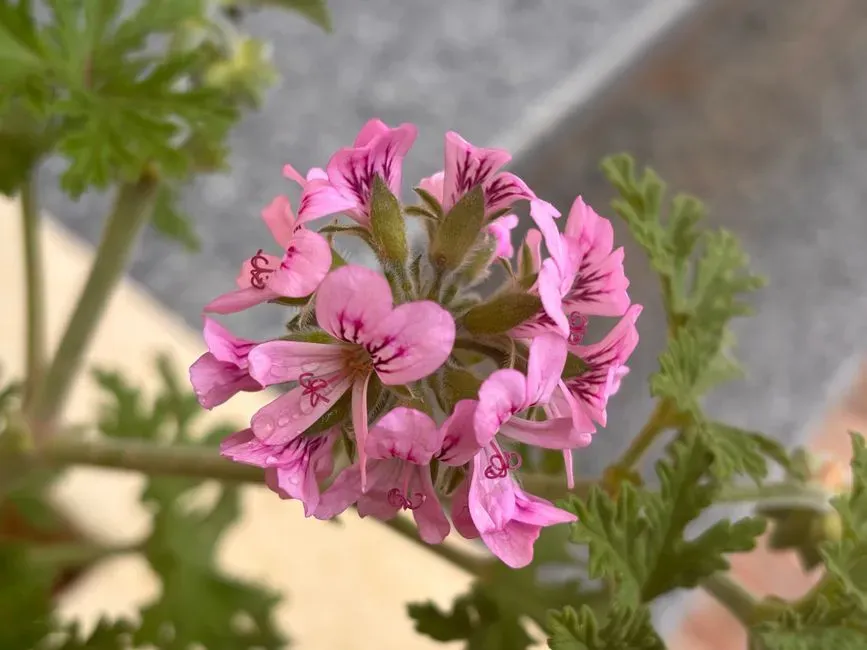
Scented geraniums are a popular mosquito-repelling plant, and the favored scent seems to be lemon-scented, which is reminiscent of citronella grass, with the strong fragrance keeping several types of pests away. They’re also visually charming plants with textured leaves and soft blooms that suit container growing beautifully. While most varieties of Pelargonium are grown for their colorful flowers, scented geraniums are valued primarily for the pleasant fragrances of their leaves, and lemon, lime, orange, and peppermint geraniums are some of the most effective varieties that deter mosquitoes.
These fast-growing plants like warm, sunny, and dry climates, but if you are in a cold-climate area, they can be grown in planters with constant pruning. Positioning a pair of scented geraniums on either side of a back door is a genuinely simple and attractive way to discourage mosquitoes from slipping inside every time the door opens. Think of them as fragrant sentinels. They do their work quietly and look good doing it.
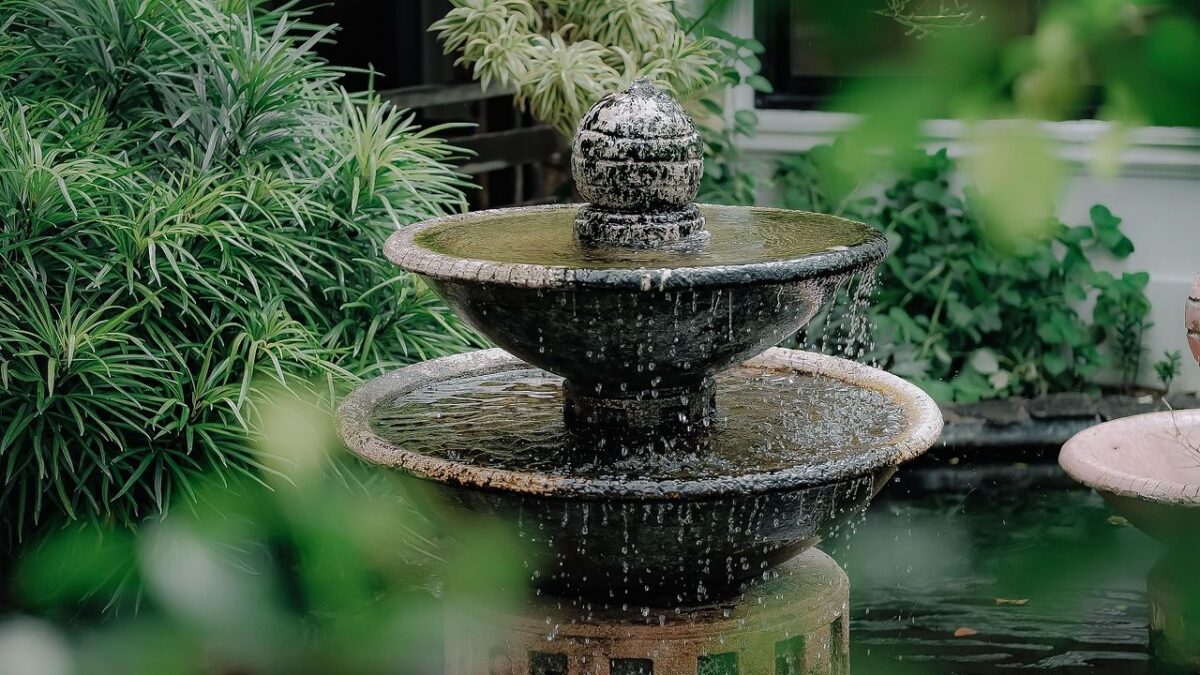
10. Keep Water Features Moving to Prevent Breeding
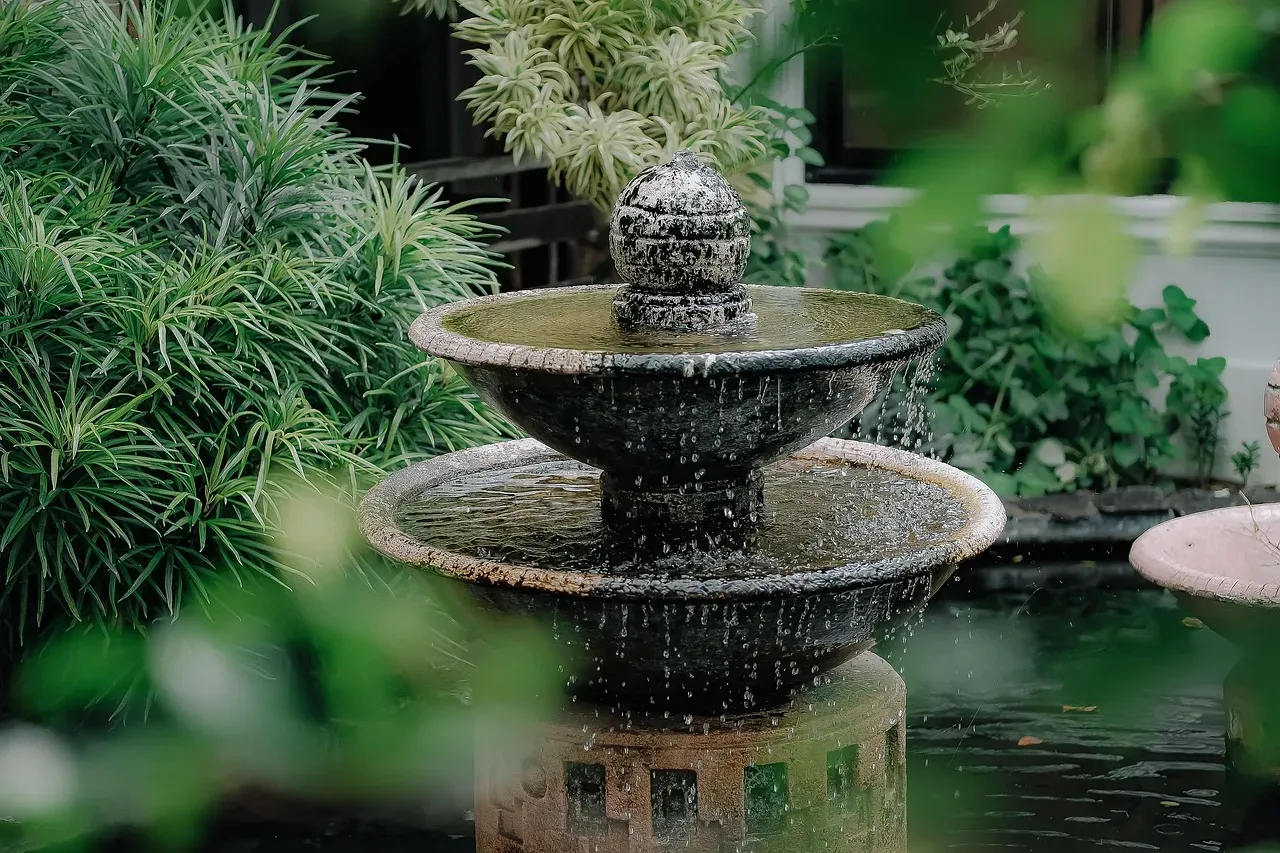
A garden pond or birdbath doesn’t have to become a mosquito nursery. The solution is straightforward: movement. Adding a fountain, waterfall, or other device that increases water circulation reduces the stagnation that allows mosquitoes to breed. Even a small solar-powered pump can transform a still, inviting egg-laying surface into something mosquitoes will largely avoid. Water circulation increases the surface tension, preventing larvae from surfacing for air, and they will die in the water before becoming full-grown mosquitoes.
You don’t have to ditch the bird bath – just keep the water moving with a bird bath fountain or water agitator to make it less inviting to mosquitoes. For anyone who loves garden water features but dreads the mosquito clouds they can attract, this is genuinely liberating advice. Bird baths and water features offer aesthetic appeal, but they can breed mosquitoes, so installing an aeration system to keep the water moving and fresh, or simply changing the water every three to five days, goes a long way.
11. Create Airflow With Strategic Fan Placement

Mosquitoes are weak flyers and prefer still air, making outdoor fans an effective and natural solution to keep them away – outdoor fans create a continuous and robust breeze that disrupts the mosquito’s flight, making it difficult for them to land and bite, and the breeze also disperses the carbon dioxide we exhale, one of the primary attractants for mosquitoes. It’s a deceptively simple approach that works with basic insect biology rather than against it.
Setting up outdoor fans on your patio generates an airflow that creates obstacles for mosquitoes and other airborne insects to navigate, as fans produce a breeze that surpasses the capabilities of a mosquito’s delicate wings, and the airflow also disperses the carbon dioxide you exhale, which is the primary attractant for mosquitoes. For best results, box fans, oscillating fans, and tower fans that rest on the ground or a surface like a tabletop tend to be better options, as their stronger, more focused airflow could serve as an efficient way to keep mosquitoes at bay. Pair fans with fragrant plants nearby, and you’ve built a layered defense that’s hard for mosquitoes to navigate.
A Note on Combining These Strategies

The best mosquito-repellent plants are not magic shields – they work best when placed close to people, touched often, harvested regularly, and combined with good mosquito prevention. That’s the honest truth behind all of this. No single tip here will transform your garden into a completely mosquito-free zone, and anyone promising that is overstating things considerably.
Plant oils can be powerful in testing, but a whole plant in a pot is not the same as a concentrated repellent, so use mosquito-repellent plants for fragrance, design, and support – not as your only defense. When you stack these approaches together – removing standing water, planting strategically, maintaining the garden well, and keeping air moving – the cumulative effect is real and noticeable. Combining several natural mosquito control methods is the most effective way to keep your yard comfortable and bite-free, and consistently applying tactics like eliminating standing water, planting repellents, and maintaining proper landscaping can dramatically reduce mosquito populations.
The most satisfying part of this approach is that it asks you to garden better, not just spray more. Every plant added, every patch of long grass trimmed, every container emptied is also an improvement to the space itself. The mosquitoes don’t go away entirely – that’s not realistic – but the balance shifts, and a summer evening in your own garden starts to feel like something that actually belongs to you.