
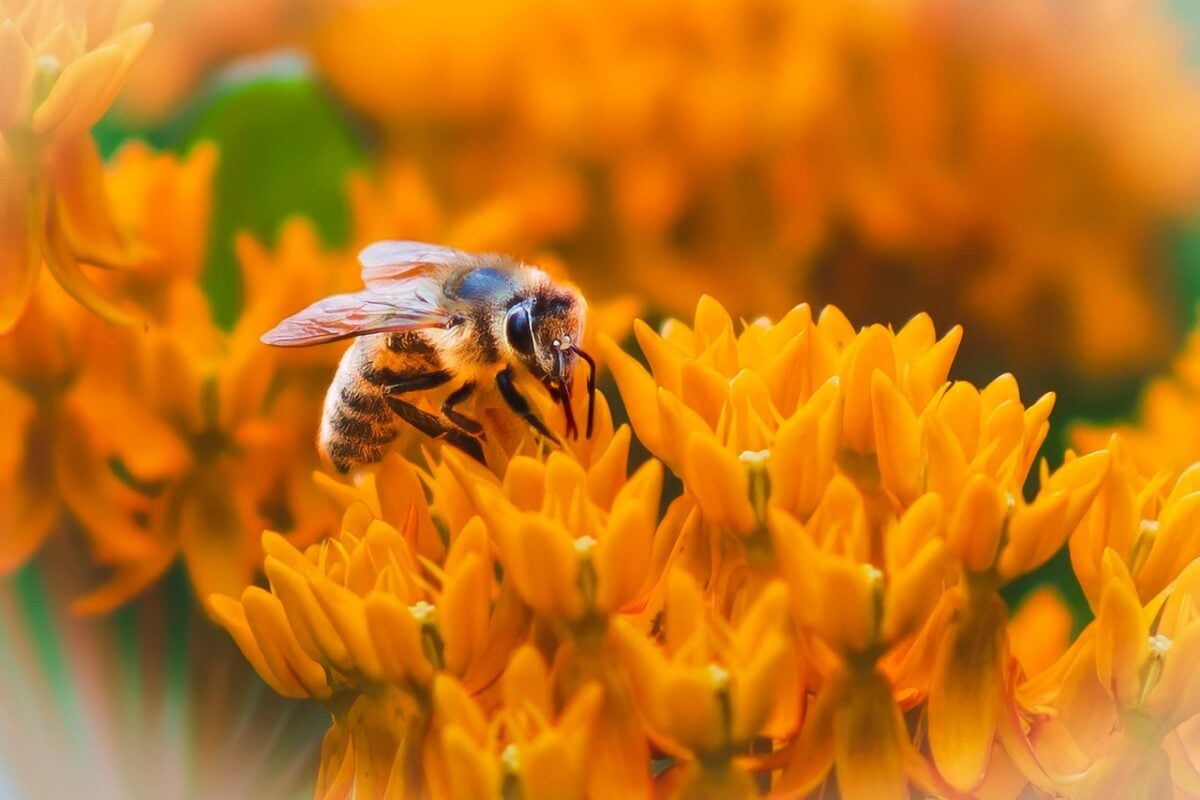
Picture this: a quiet afternoon, a cup of something cold in your hand, and your garden literally fluttering to life around you. Not just for a couple of weeks in summer, but from those first soft days of spring all the way into the chilly, golden light of fall. That kind of long, living color is absolutely possible, and it starts with choosing the right plants for butterflies.
What most people do is grab a “butterfly mix” packet, scatter it once, and then feel disappointed when the show is short-lived. The real secret is a lineup of plants that hand off nectar like a relay race through the seasons. Below are eleven workhorse species that together can keep butterflies fed, happy, and coming back, while still looking gorgeous in an ordinary yard.
1. Eastern Redbud (Cercis canadensis) – Early Spring Lifeline
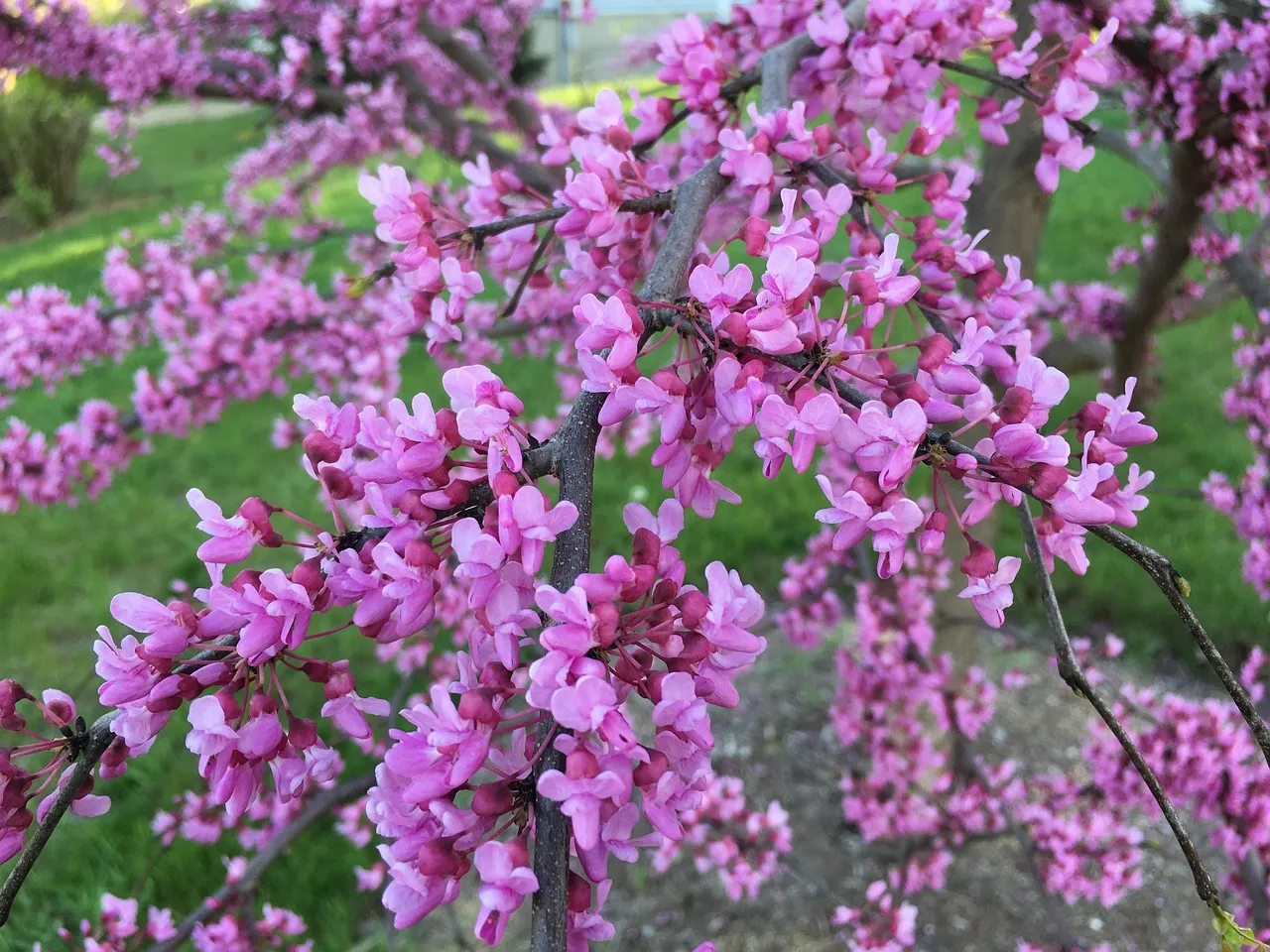
When winter has barely loosened its grip, eastern redbud is one of the first trees to explode into color, covering bare branches with clouds of pink blossoms before the leaves even show up. Those early flowers are not just pretty; they are a rare, critical nectar source at a time when many butterflies and other pollinators are just waking up and food is still scarce. In many regions, you’ll see small butterflies like hairstreaks and early azures visiting redbud when almost nothing else is blooming.
Redbud earns bonus points because its heart-shaped leaves and graceful form play nicely in both small and large gardens, giving you shade and structure along with wildlife value. It prefers full sun to light shade and does best in well-drained soil, but it’s fairly forgiving once established. Plant one where you can see it from a window, because those first butterflies of the year landing on a cloud of pink flowers feel almost magical after months of gray.
2. Wild Columbine (Aquilegia canadensis) – The Elegant Bridge Plant
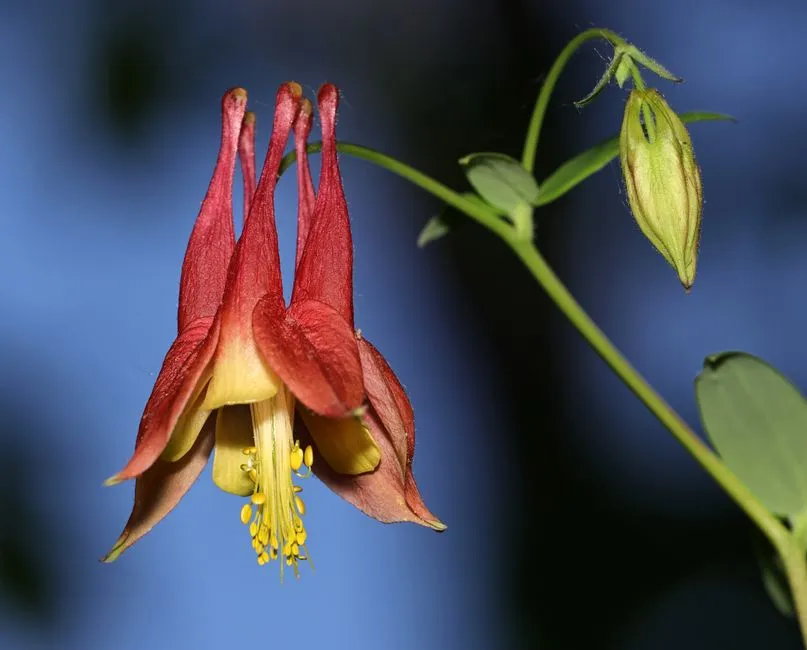
Wild columbine blooms in late spring, just as many early trees fade and before the full blast of summer flowers really begins. Its dangling red-and-yellow blossoms are famously attractive to hummingbirds, but butterflies also use the nectar, especially smaller species that can easily navigate the intricate flower shape. This makes columbine a fantastic bridge plant that helps continue the nectar flow between early and mid-season blooms.
Columbine’s delicate, lacy foliage looks like something out of a fairytale, yet it’s tougher than it appears. It tolerates partial shade, rocky soils, and the kind of slightly neglected spots where fussier perennials sulk. I like tucking it at the edge of a path or among stones, where the flowers nod at eye level and you can actually watch who stops by. Think of it as the charming supporting character that quietly keeps the story going between big floral headliners.
3. Common Milkweed (Asclepias syriaca) – Monarch Magnet and Nectar Bar
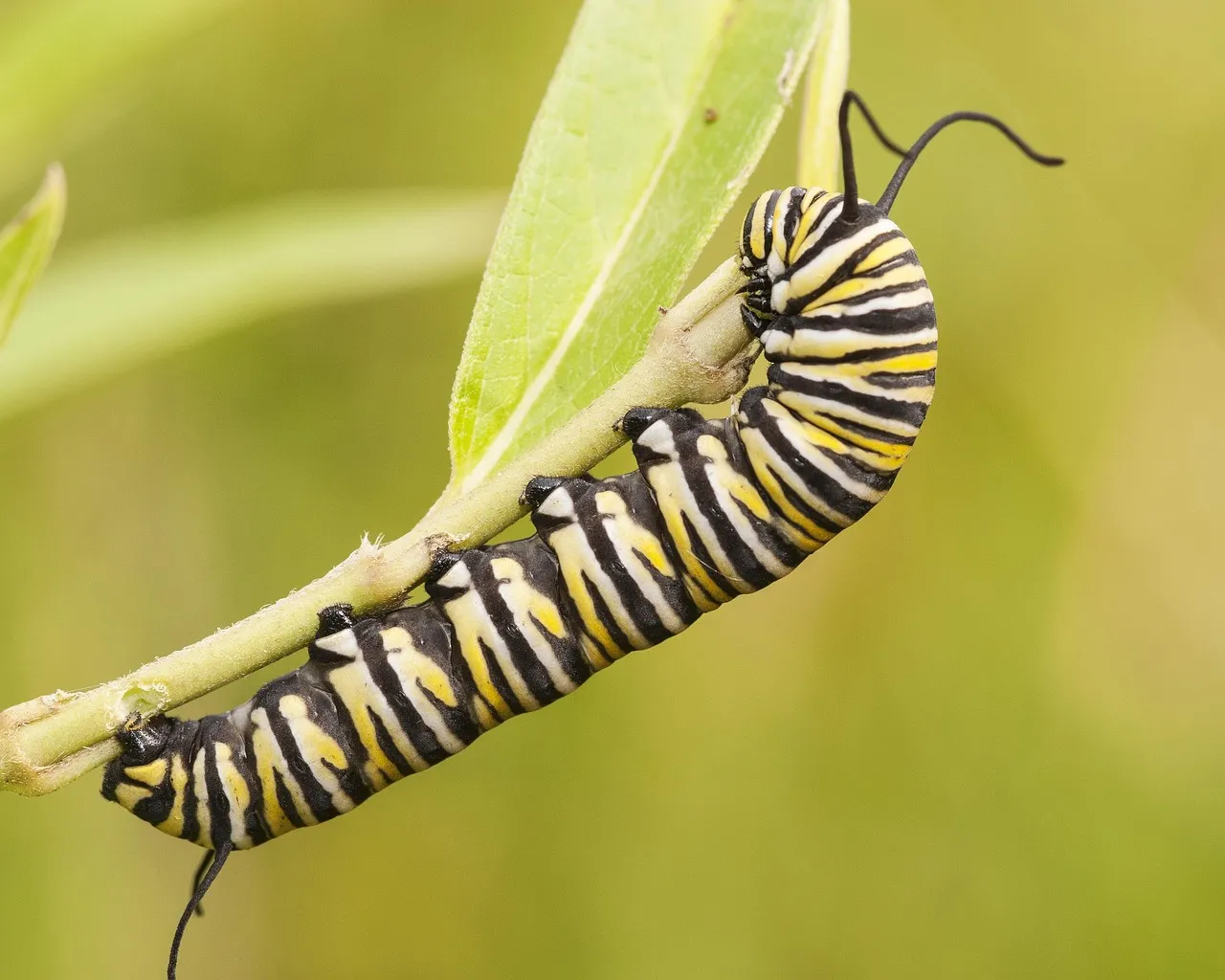
Milkweed is non-negotiable if you care about monarch butterflies, because it is the only type of plant their caterpillars can eat. Common milkweed in particular pulls double duty: it is both a nursery plant for monarch larvae and a generous nectar source for a wide range of adult butterflies throughout summer. The big, spherical flower clusters offer dozens of tiny nectar cups, and you will often find several species of butterflies, bees, and beetles working the same plant at once.
Yes, common milkweed can spread, but in many gardens that is more feature than bug, especially if you have room for a naturalized bed or a back fence border. The tall stems, broad leaves, and dusky pink flowers have a pleasantly wild look, and the sweet, slightly spicy fragrance on warm evenings is unmistakable. If you’re nervous about it taking over, plant it where a path, driveway, or regular mowing creates a natural boundary so it can’t wander too far.
4. Swamp Milkweed (Asclepias incarnata) – Refined Monarch Host for Damp Spots
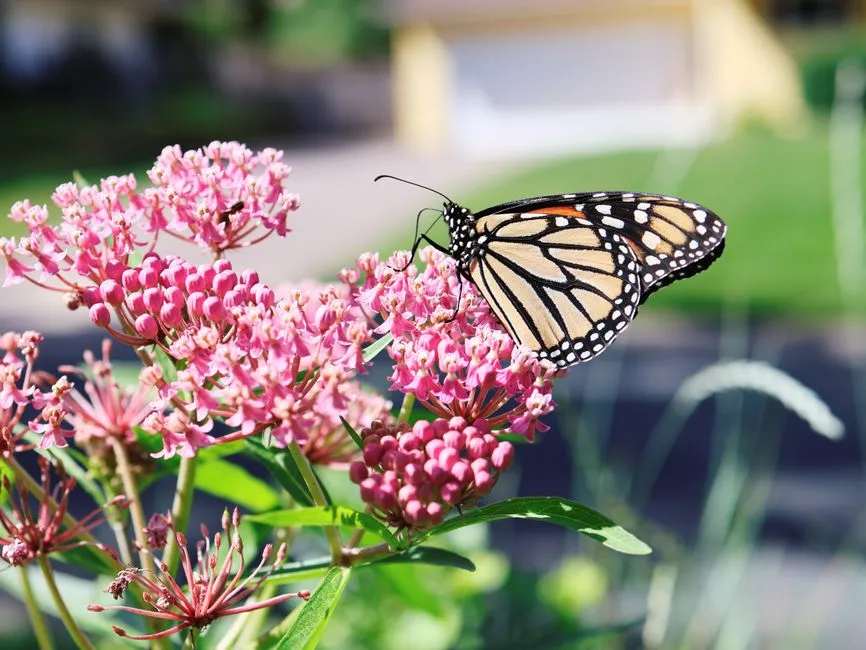
If common milkweed feels a little too rowdy for your taste, swamp milkweed is its more refined cousin. With upright stems, narrow leaves, and tidy clusters of pink or mauve blooms, it looks right at home in a mixed perennial border. Like all milkweeds, it feeds monarch caterpillars, and its flowers are rich with nectar for adult butterflies and other pollinators through mid to late summer.
Despite the name, you do not need a literal swamp to grow it, but it does love moisture and performs especially well in rain gardens, near downspouts, or in low spots that stay damp. That makes it a perfect solution for those tricky areas where other perennials rot. Planting swamp milkweed there turns a problem area into a monarch nursery and a summer nectar hotspot, which feels like getting away with something in the best possible way.
5. Butterfly Weed (Asclepias tuberosa) – The Blazing Summer Showstopper
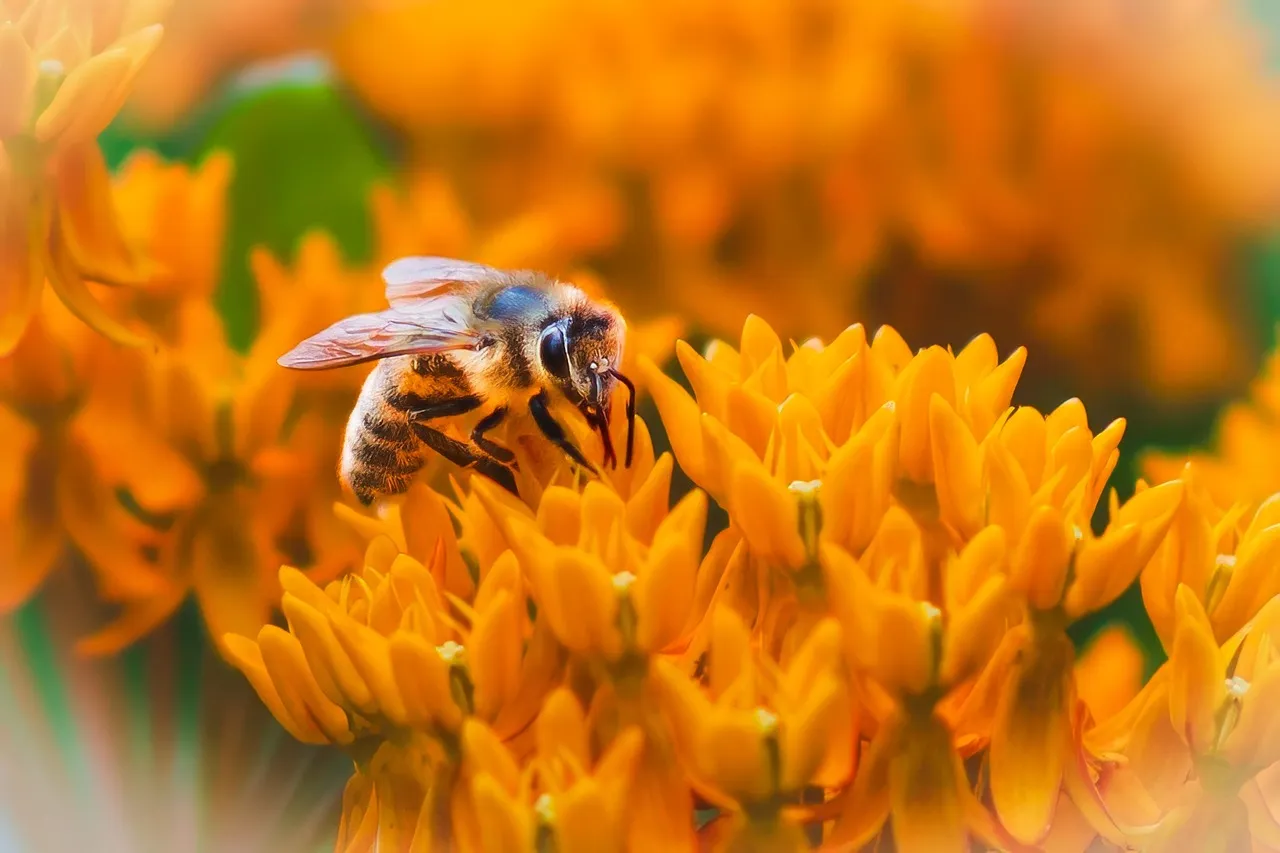
Butterfly weed is the plant that makes strangers stop and ask, “What is that orange thing?” Its intense tangerine flower clusters blaze from early to mid-summer, attracting swallowtails, monarchs, skippers, and a long list of other butterflies. Like its milkweed relatives, it also hosts monarch caterpillars, but it is especially prized for how spectacular it looks in a sunny border or along a driveway.
This species likes lean, well-drained soil and does not appreciate being moved, so choose its home carefully and then let it settle in. It is drought tolerant once established and works beautifully with other sun lovers like coneflowers and ornamental grasses. I often think of butterfly weed as the extrovert of the garden: bright, loud, unapologetic, and constantly drawing a crowd of winged visitors around it.
6. Purple Coneflower (Echinacea purpurea) – Reliable Nectar and Long-Lasting Color
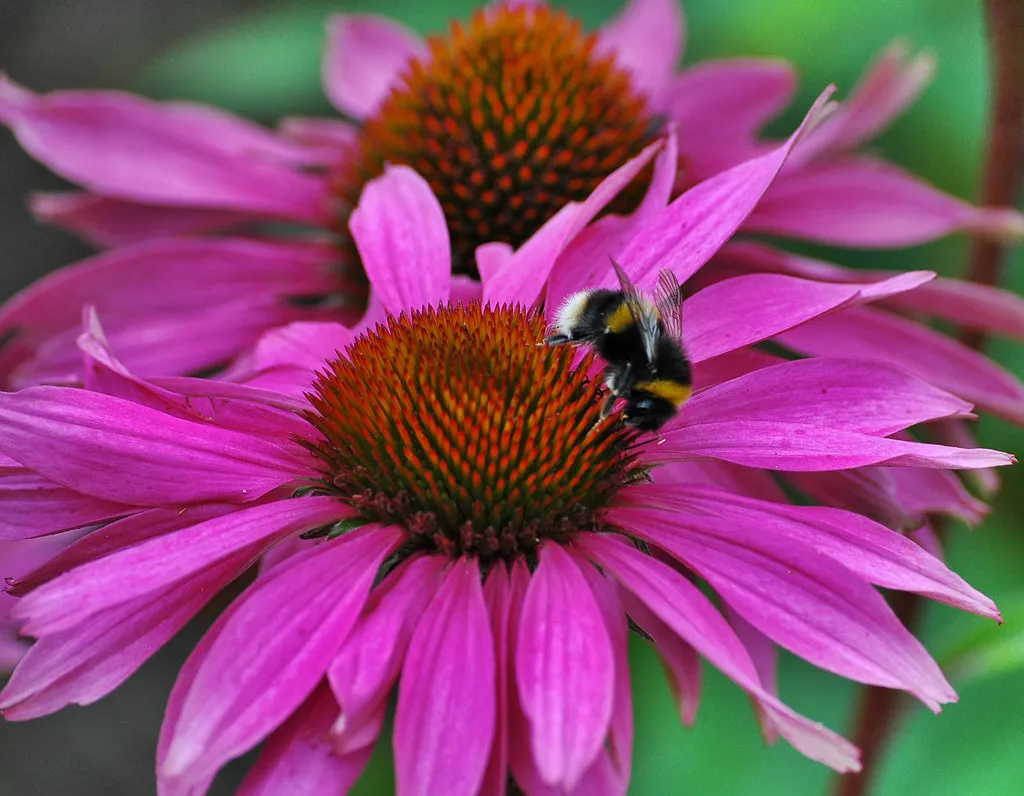
Purple coneflower has become a modern classic for a reason: it offers generous nectar over a long summer season, and its large, flat-topped blooms are perfectly shaped landing pads for butterflies. From midsummer onward, you will see swallowtails, painted ladies, and sometimes even monarchs taking leisurely drinks from the daisy-like flowers. The central cone becomes a seed buffet for goldfinches later in the year, turning one plant into a multi-course meal for different kinds of wildlife.
Beyond its wildlife value, coneflower brings that slightly wild, prairie feel to an ordinary yard without demanding complicated care. It likes full sun, tolerates a range of soils, and handles heat better than many delicate ornamentals people still insist on babying along. If you leave the spent flower stalks standing into fall and winter, the dark cones add texture, and you’ll get the pleasure of watching birds work them over on cold mornings.
7. Black-Eyed Susan (Rudbeckia hirta and relatives) – The Golden Crowd-Pleaser
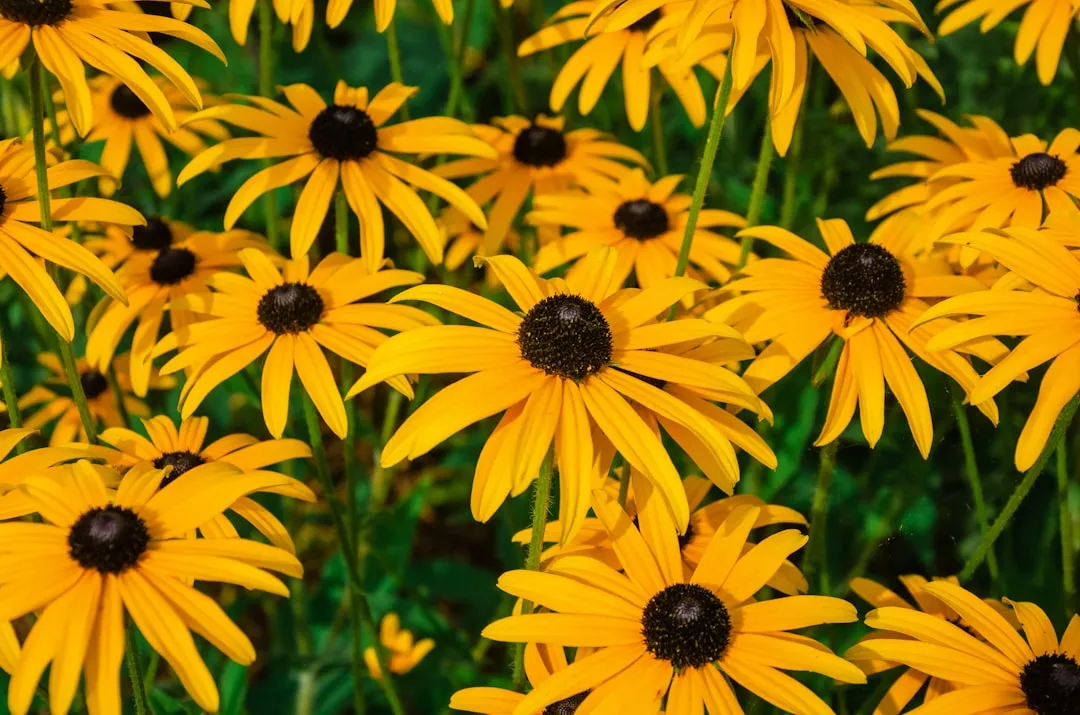
Black-eyed Susans feel like pure summer: golden petals, dark centers, and a slightly scruffy, joyful energy. For butterflies, they are a steady, dependable nectar source from mid to late summer, filling gaps when some earlier perennials fade. Skippers in particular seem to adore them, and you’ll often see several individuals visiting the same patch in constant motion.
They are also one of the easiest gateway plants for new gardeners who want to help pollinators without overthinking every detail. Give them sun, average soil, and a bit of room to spread, and they will reward you with weeks of bloom. Some species are short-lived perennials or biennials that self-sow lightly, which means your patch can gently renew itself without turning into a takeover. It is like having a sunny, low-maintenance party that butterflies and people both enjoy.
8. Joe-Pye Weed (Eutrochium purpureum and hybrids) – Late-Summer Butterfly Tower
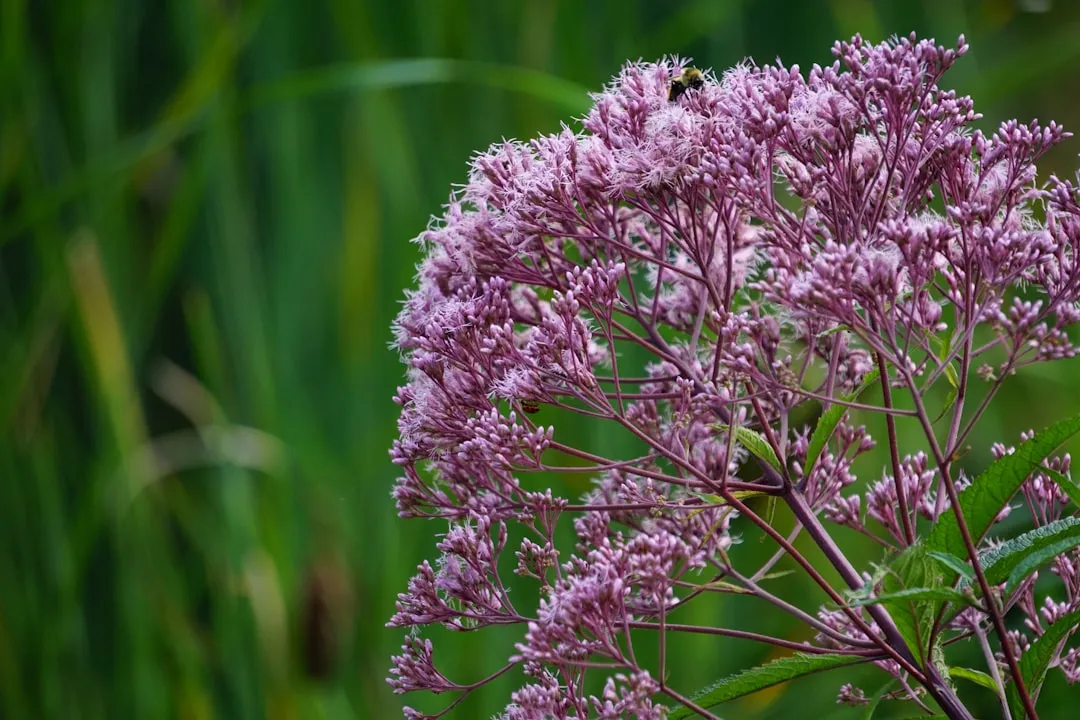
Joe-Pye weed is one of those plants that makes your garden visible from down the street once it hits its stride. Tall, statuesque stems topped with clouds of mauve or pink flowers appear in late summer, just when many gardens start to look tired. The flower clusters are like open-air food courts for butterflies, especially for large species such as swallowtails and admirals, which can be seen sipping communally on a single bloom cluster.
This plant thrives in full sun to light shade and appreciates consistent moisture, though many varieties are more adaptable than their wetland origins suggest. If you are worried about height, newer, more compact cultivars stay within a manageable range while still offering the same nectar-rich blooms. Plant Joe-Pye where you can see it from a distance, and on warm August afternoons you will notice the entire top of the plant shimmering with wings, almost like it is breathing.
9. Lantana (Lantana camara) – Heat-Loving Annual Nectar Machine
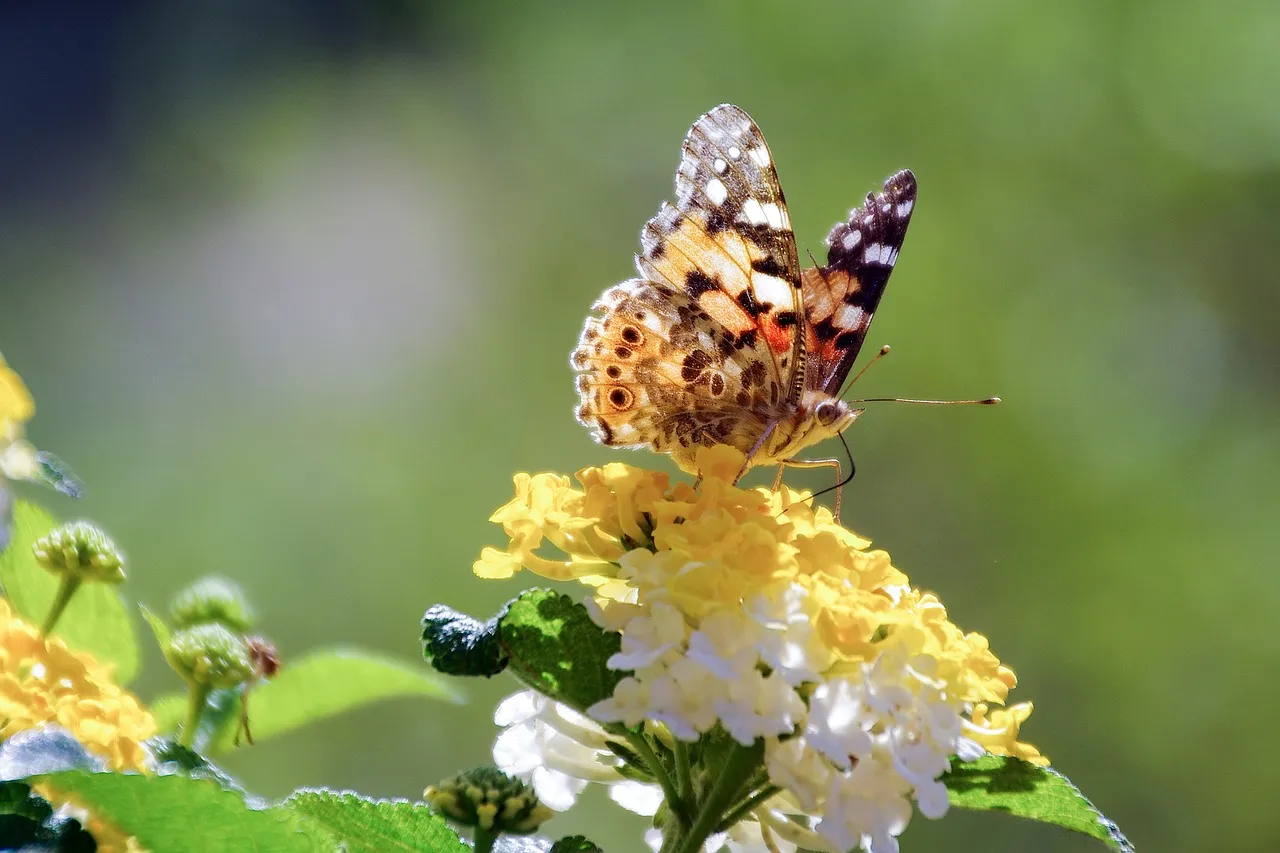
Lantana is not native in many temperate regions, and in warm climates it can even behave aggressively, so it needs to be used with some awareness. However, in places where it is grown as an annual in containers or garden beds, it is an absolute butterfly magnet from early summer until frost. The multi-colored flower clusters constantly churn out nectar in hot, dry conditions when other plants sometimes give up, and butterflies respond by visiting nonstop.
Because lantana blooms on new growth, regular light pruning or pinching can keep it compact and floriferous in pots, window boxes, or along sunny paths. I like it as a “front-row” performer near seating areas, where you can watch butterflies feed from just a few feet away. If you garden in a region where lantana can overwinter and spread, take the time to choose non-invasive varieties and be prepared to manage it carefully so you get all the nectar benefits without ecological downsides.
10. Asters (Symphyotrichum and related species) – Critical Fuel for the Fall Migration
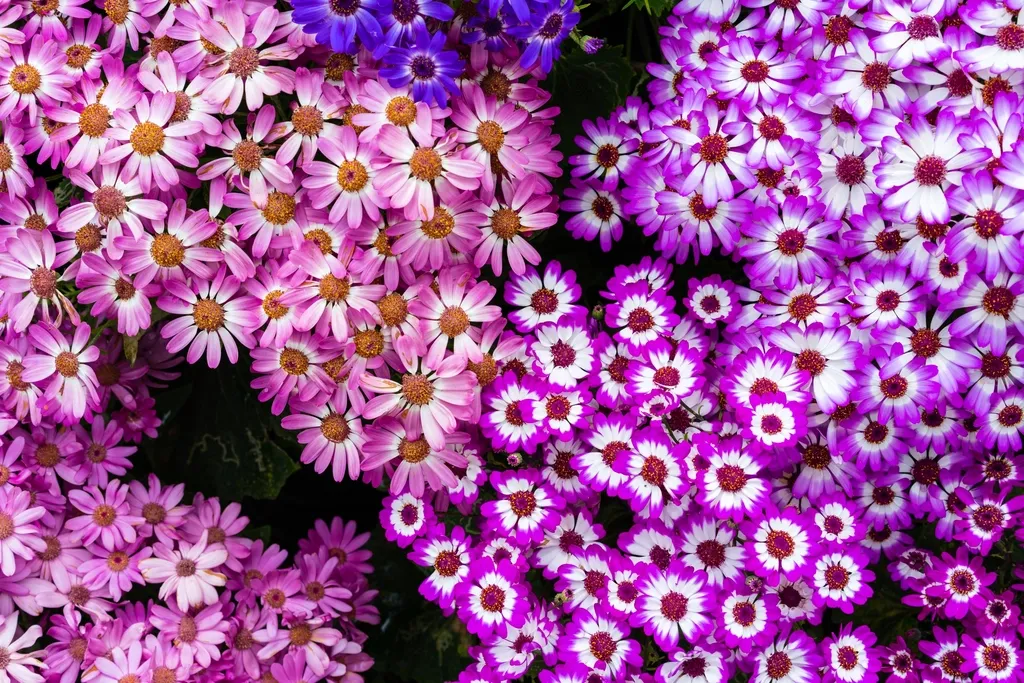
When nights turn cool and the first leaves start to color, many flowers begin to close up shop, but asters are just getting serious. Their starry blooms, in shades of purple, blue, pink, and white, are among the most important late-season nectar sources for butterflies, including migrating monarchs that need energy reserves for long journeys. A well-placed clump of native asters can be absolutely humming with life on an otherwise quiet October afternoon.
Asters come in spreading groundcovers, tall meadow types, and everything in between, so you can almost always find one that fits your space. They prefer sun and decent drainage, though many are remarkably tolerant of less-than-perfect conditions. Cutting taller varieties back once in early summer can keep them bushy and prevent flopping, without sacrificing their fall flower show. In my own garden, the first monarch I saw one October was feeding methodically from a single aster clump, like it knew this meal really mattered.
11. Goldenrod (Solidago species) – Late-Season Powerhouse, Not a Villain
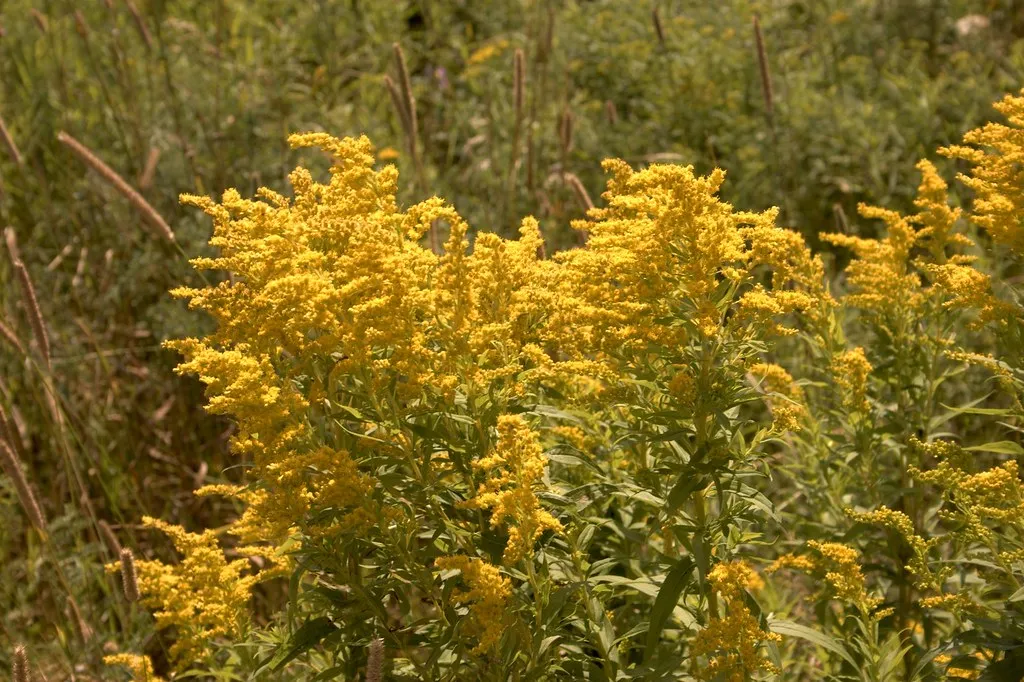
Goldenrod often gets unfairly blamed for fall allergies, but the real culprit is usually ragweed, which releases light, wind-borne pollen. Goldenrod’s heavy, sticky pollen is carried by insects, and that is exactly what makes it such a superb late-season nectar plant. Its golden plumes are like neon signs for butterflies, bees, and beetles in early to mid-fall, offering rich fuel when many other flowers have fizzled out.
Native goldenrod species range from tidy clump-formers to more robust spreaders suited for wild corners, so it pays to pick the right one for your space. In a designed bed, smaller, clumping types pair beautifully with asters, creating a classic purple-and-gold fall palette that also happens to be a lifesaver for pollinators. Once you see how packed with life a goldenrod patch can be on a sunny September afternoon, it becomes hard to keep treating it like a weed instead of the resource it truly is.
Conclusion: A Garden That Gives Wings a Season-Long Home
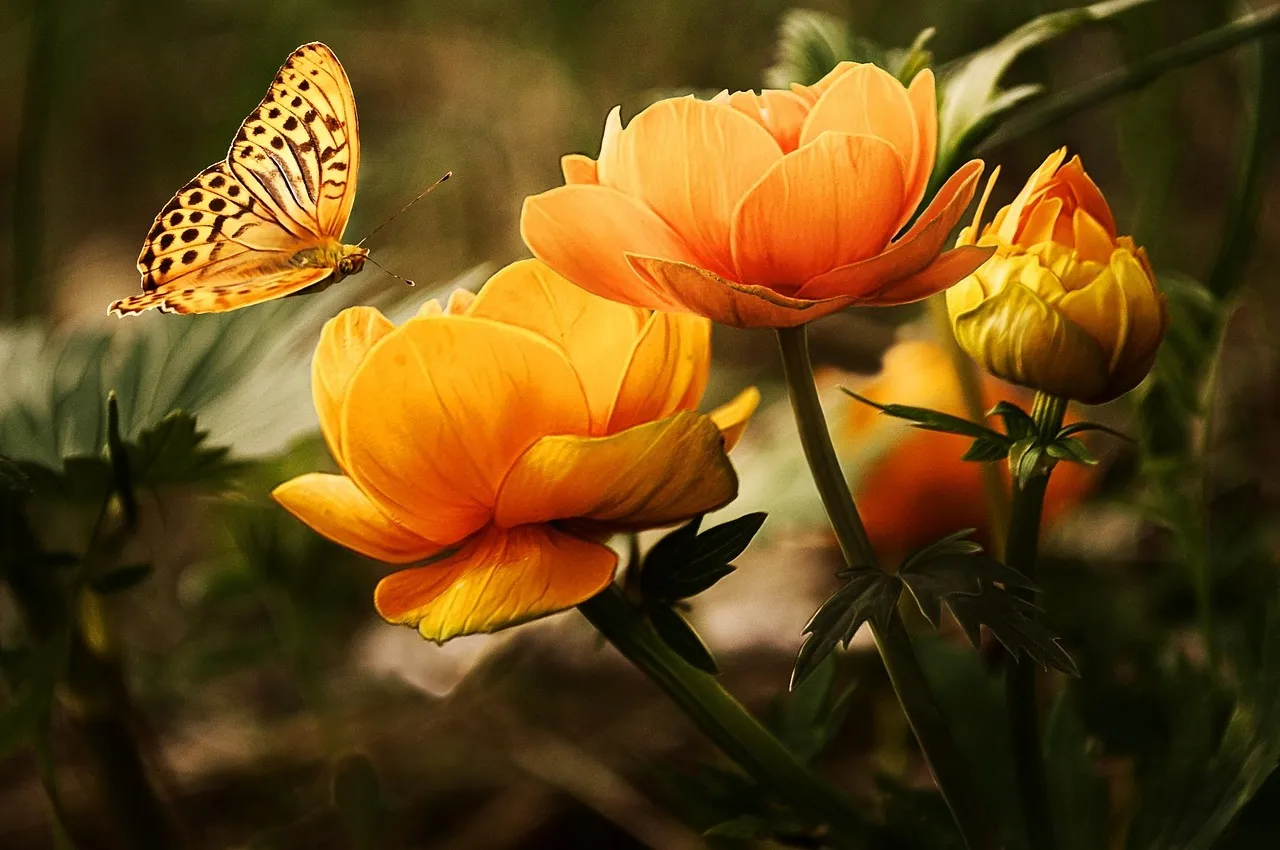
When you look at these eleven plants together, a pattern emerges: they do not just offer pretty flowers; they form a calendar of nectar from the first blush of spring to the last warm days of fall. In my view, that is what a modern garden should aim for – beauty, yes, but also a kind of quiet responsibility to the creatures that depend on these blooms. Swapping a few sterile ornamentals for milkweed, coneflower, or goldenrod is not a sacrifice; it is an upgrade that makes your yard feel more alive, more honest, and frankly more interesting to live with.
The truth is, butterflies do not care if your beds are perfectly edged or your color palette is on trend; they care if there is food and safe habitat, week after week, month after month. Planting even a handful of these species is like raising your hand and saying, “This little patch of earth is open for business.” In a world where so many landscapes are paved, poisoned, or purely decorative, that choice matters more than it might seem at first glance. Which of these plants will you invite in first to turn your garden into a place where wings never really leave?

- 11 Plants That Feed Butterflies From Spring Through Fall - August 14, 2026
- 19 Small American Towns So Beautiful That Visitors Regularly Change Their Plans to Stay Longer - August 14, 2026
- Which Wild Animal Matches Your Zodiac Sign’s True Nature - August 14, 2026