
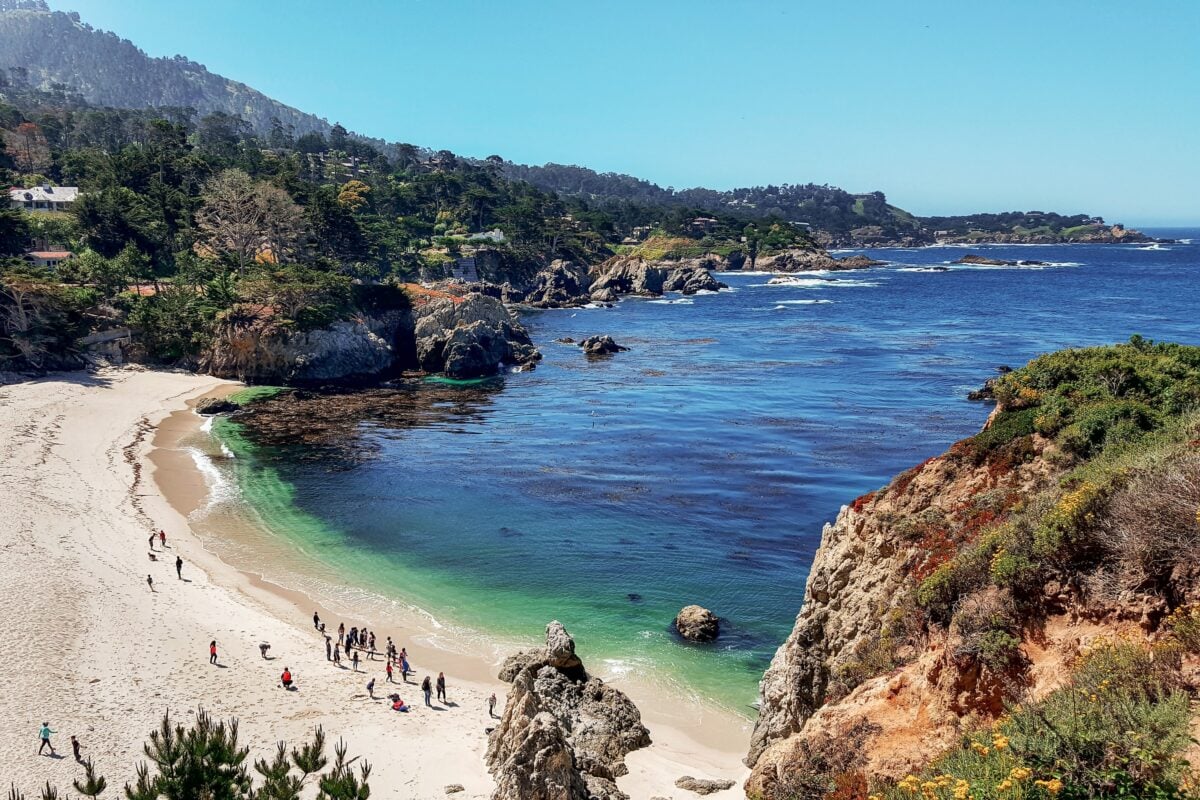
Most people assume the postcard-worthy stuff – the kind of scenery that makes you stop mid-sentence – requires a passport. Then they roll into a two-block downtown in Idaho, or a desert speck in Texas, and quietly cancel the next leg of their trip. No refund drama, no big announcement. Just a extended hotel stay and a text to whoever’s waiting for them somewhere else: “change of plans.”
That’s the thread running through all 19 towns on this list. None of them are the obvious answer when someone asks where to go in America. But ask the people who actually ended up there, and you’ll hear the same confession over and over: they meant to stay one night, and something about the light, the pace, or the view out the window talked them into three. Here’s where it keeps happening – and why.
#1 – Hood River, Oregon: The Layover That Eats Your Itinerary
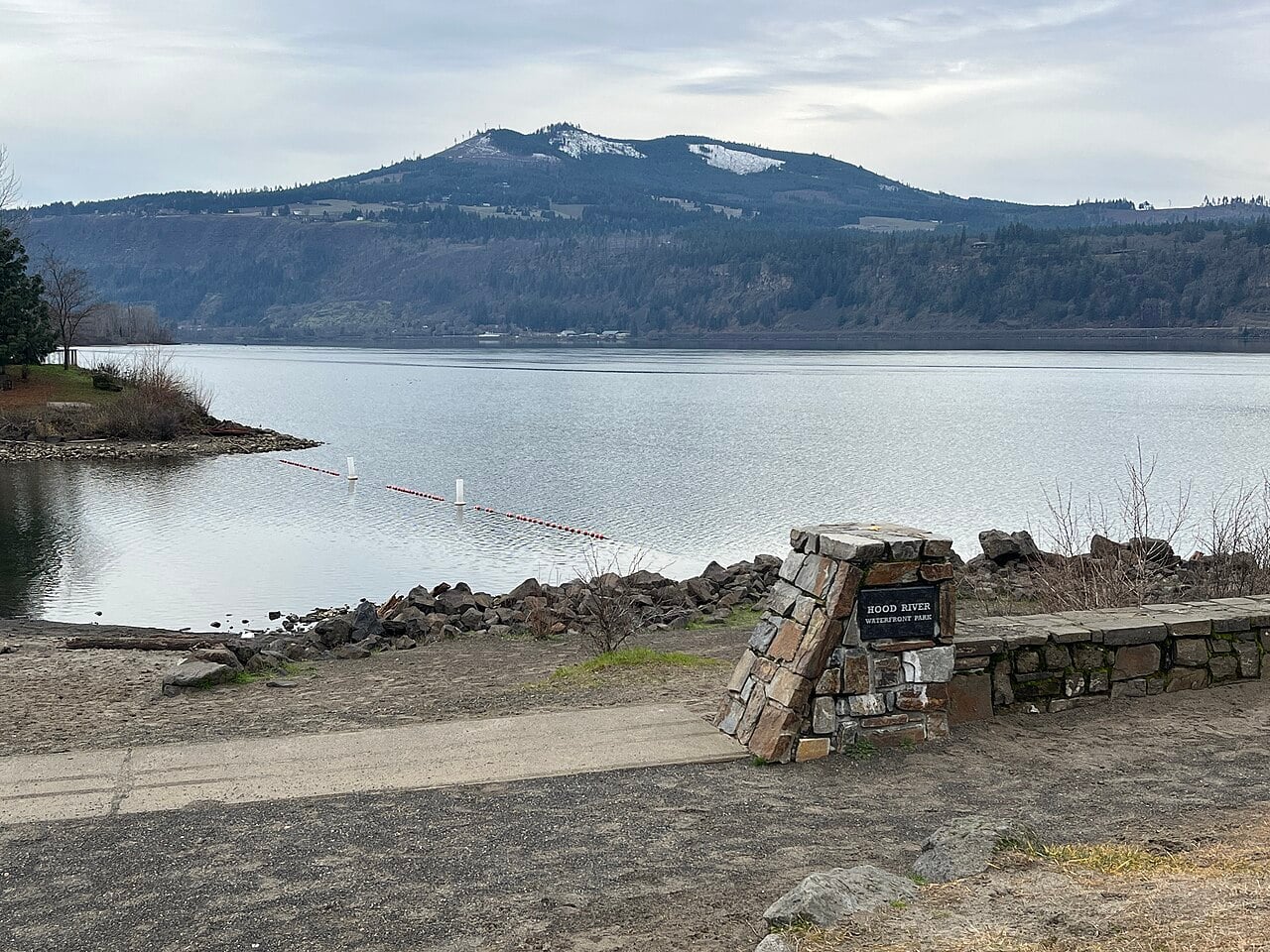
Another Believer, CC BY-SA 4.0, via Wikimedia Commons
People book Hood River as a pit stop on the way to Portland or Bend – and then never make it to either. The view here feels almost fake: a working town perched above the Columbia River, with volcanoes looming in the distance. Windsurfers and kiteboarders slice across the water while freight trains rumble by, giving the place a gritty-meets-gorgeous energy that’s hard to photograph and impossible to forget.
The downtown is only a few streets, but every door seems to hide a craft taproom, a bakery, or a gear shop full of locals who actually talk to you. Stay two days and a pattern forms fast: mornings in coffee shops watching fog lift off the gorge, afternoons driving the Hood River Fruit Loop through farm stands and cider houses. Most visitors come to “do the gorge” in 24 hours, then realize they haven’t touched the waterfalls, the wineries, or Mount Hood at all.
#2 – Marfa, Texas: The Town That Slows Your Brain Down on Purpose
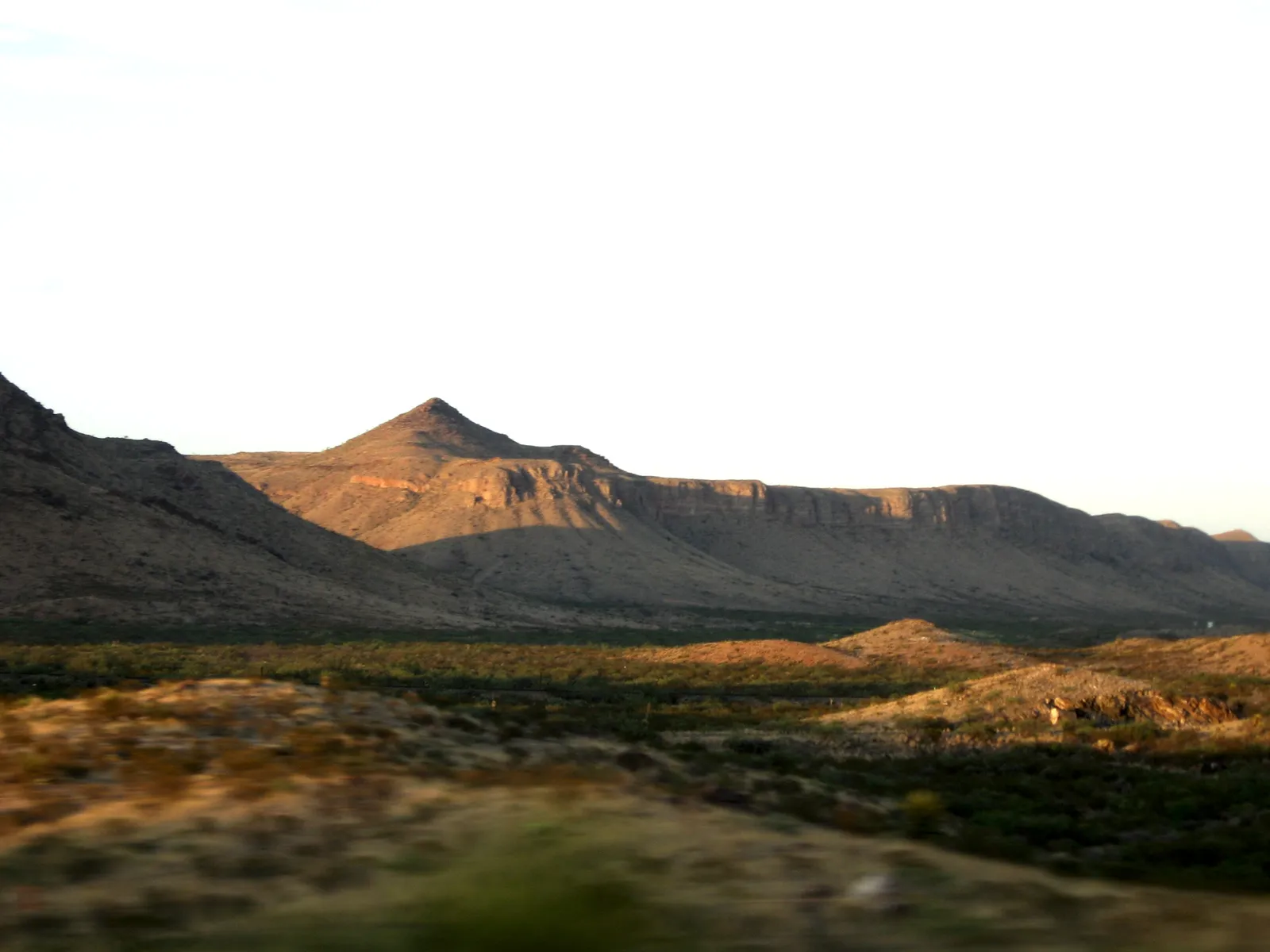
On paper, Marfa sounds like a gimmick – a tiny desert town famous for a fake Prada store and some mysterious lights on the horizon. In reality, it’s where a lot of travelers accidentally discover they like silence better than nightlife. The blue-on-white West Texas sky seems to go on forever, turning sunset into an actual event people build their whole day around.
The streets feel almost too quiet, until you slip into a gallery or courtyard and realize half the town works in the art world. The stay stretches in stages: one night to catch the “Marfa Lights,” a second because you never got to the food trucks or the minimalist installations, a third because waking up to nothing but wind and freight trains is oddly addictive. Some Texans insist it’s overrated. Plenty of visitors say it’s the first place they ever felt their brain fully exhale.
#3 – Greenville, South Carolina: The Layover Nobody Plans to Fall For
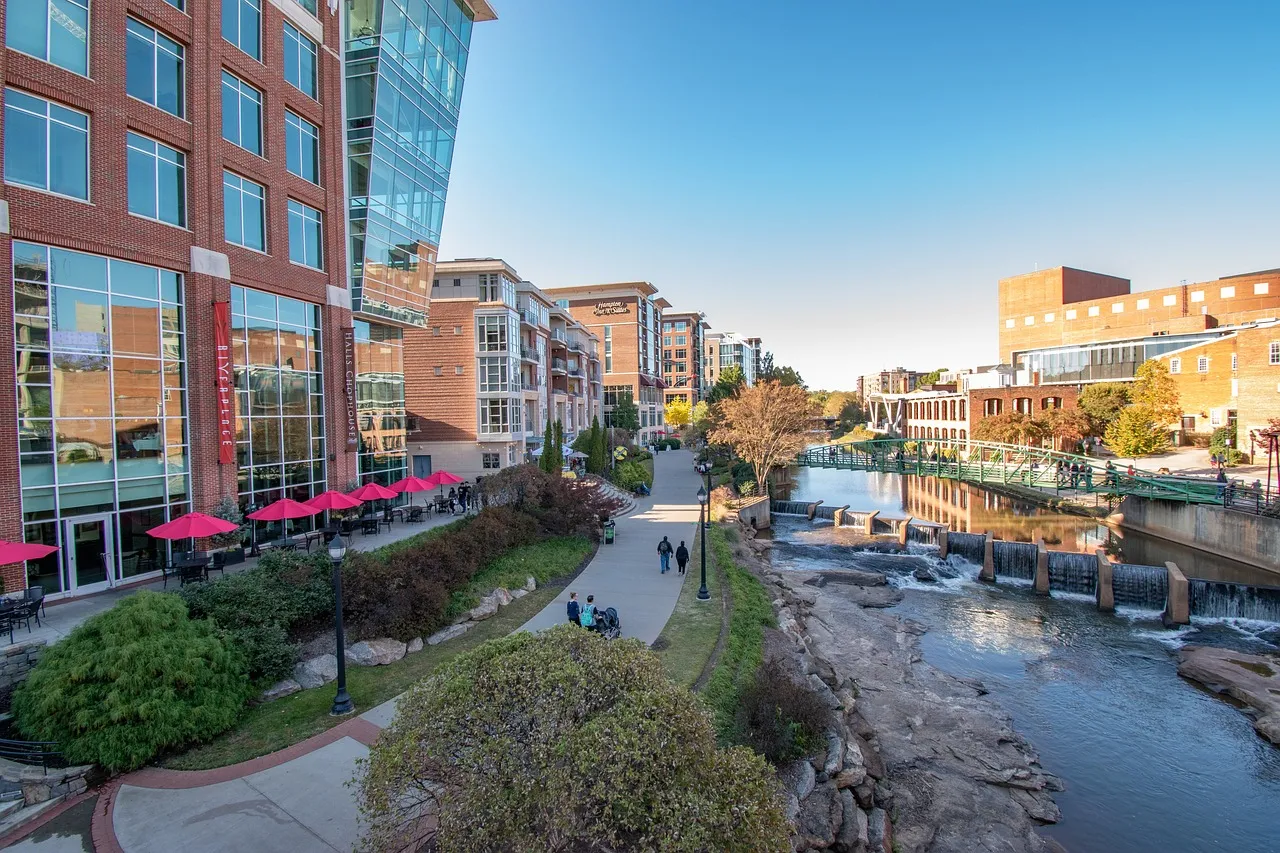
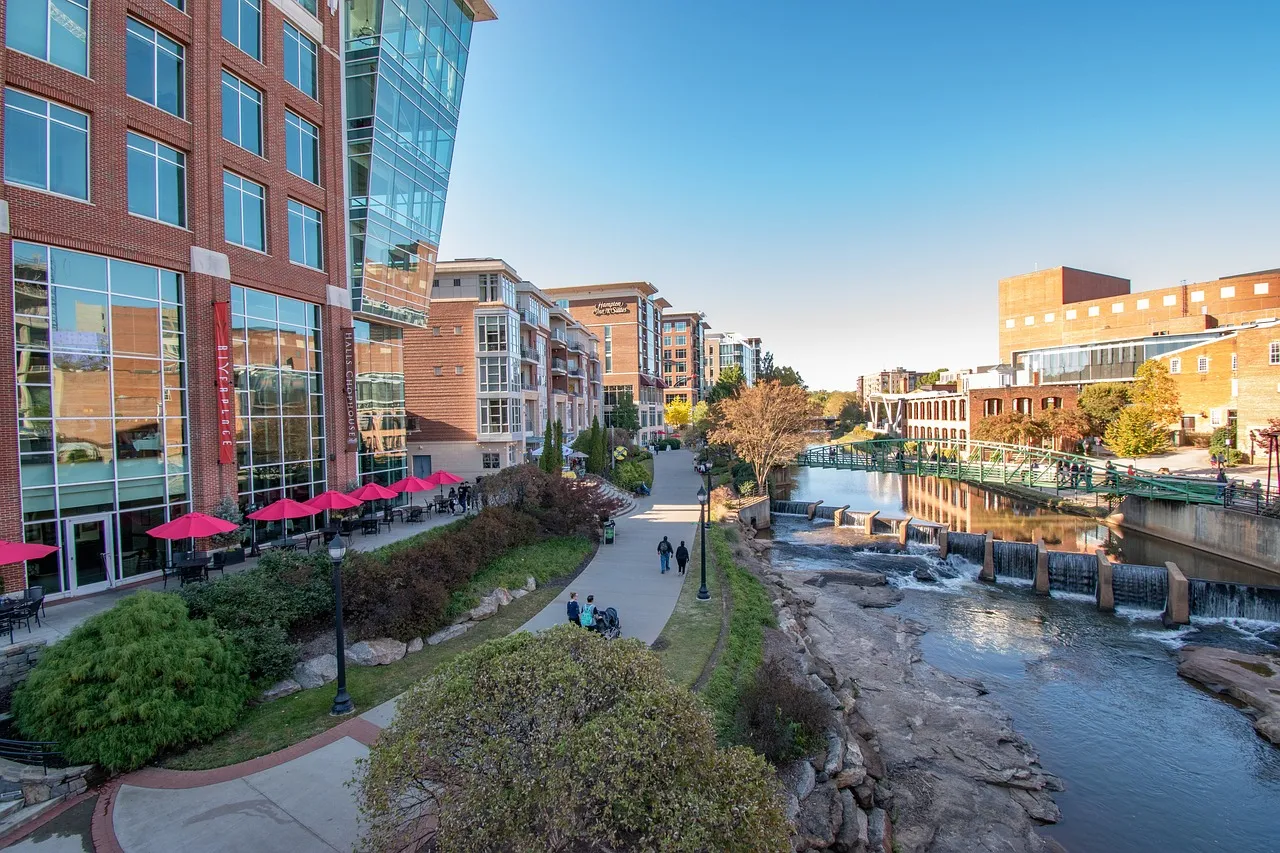
Greenville is the town people confuse with Greensboro – until they actually visit. The first shock is how walkable it is. Downtown feels almost staged: a tree-lined Main Street, a waterfall running literally under a suspension bridge in the middle of town, public art, sidewalk dining, and a minor-league ballpark within strolling distance.
Most travelers plan a quick stop between Atlanta and Charlotte; the ones who linger keep saying the same thing – “we didn’t expect it to feel this livable.” Miles of the Swamp Rabbit Trail wind along the river, side-street restaurants get guarded like secrets, and Blue Ridge hikes sit less than an hour away. It’s not edgy, and some travelers even complain it’s too polished – but families and remote workers, especially, end up touring houses before they’ve checked out of their hotel.
#4 – Sandpoint, Idaho: The Crash Pad That Turns Into a Second Trip
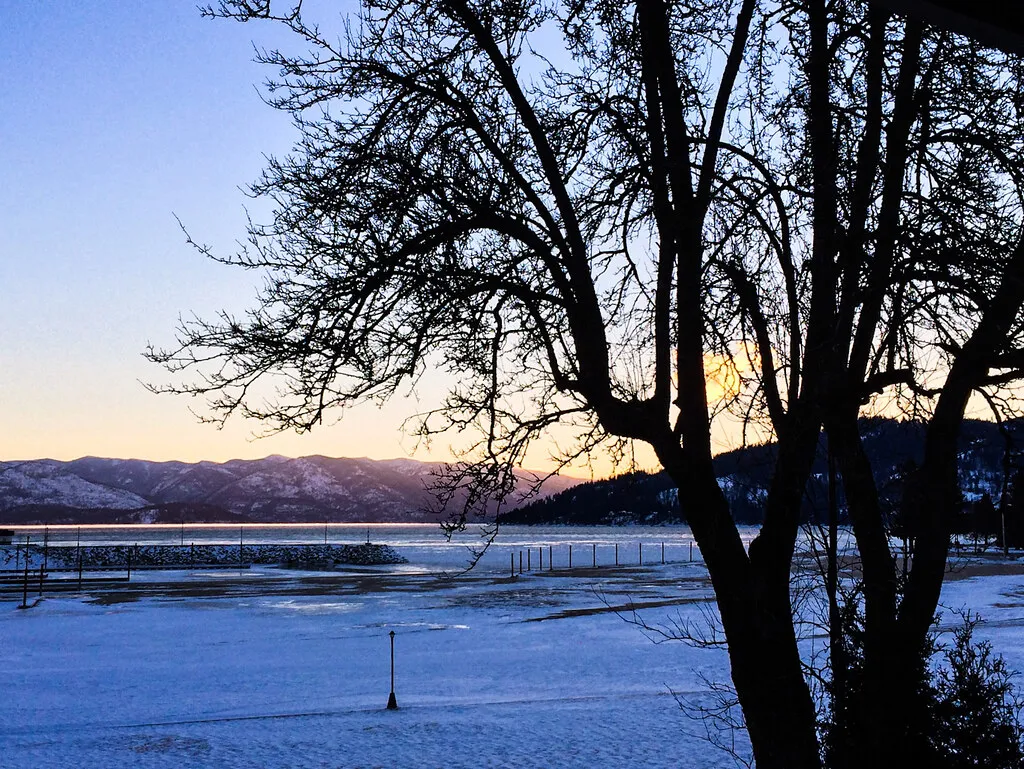
Sandpoint is the classic “we’ll just crash here after Glacier” town that quietly ambushes people. Sitting on the shores of Lake Pend Oreille – one of the deepest lakes in the U.S. – with mountains wrapping around it, it feels like Lake Tahoe without the flex. The main street still has that slightly scruffy mountain-town edge: ski shops, old-school diners, locals in mud-splattered pickups.
What flips short stays into long ones is how many versions of the town there are. Summer means paddleboarding at sunset and live music by the water; winter means Schweitzer Mountain skiing with uncrowded runs that look ripped straight from the Alps. There’s a small, vocal group of locals who’d rather nobody “discovered” it at all – and that tension between hidden gem and on-the-verge is exactly what makes visitors want to see a little more before they go.
Fast Facts
- Lake Pend Oreille plunges more than 1,100 feet in places, making it one of the deepest lakes in the country.
- Schweitzer Mountain Resort spans close to 2,900 acres of skiable terrain, among the largest in Idaho.
- The town sits where several mountain ranges converge, which is part of why the views shift so dramatically from block to block.
#5 – Beaufort, South Carolina: Where Charleston Skeptics Change Their Minds
Charleston hogs the headlines, but Beaufort is where a lot of Lowcountry skeptics quietly reverse their opinion. The first walk under those massive live oaks draped in Spanish moss, with old homes facing the water, feels like wandering onto a movie set – because Hollywood uses it as one, often. The town is small enough that you recognize faces by day two, but big enough that every side street hides a porch, a plaque, or a story worth stopping for.
Time stretches here in a specific way: coffee on waterfront park swings while dolphins surface, afternoons at Hunting Island’s lighthouse and empty beach, evenings of shrimp and grits under ceiling fans that never stop. Some coastal travelers dismiss it as “too sleepy” next to Charleston’s buzz – but that softness at dusk is exactly what keeps people from packing the car.
#6 – Galena, Illinois: The 1800s River Town Hiding in the Midwest
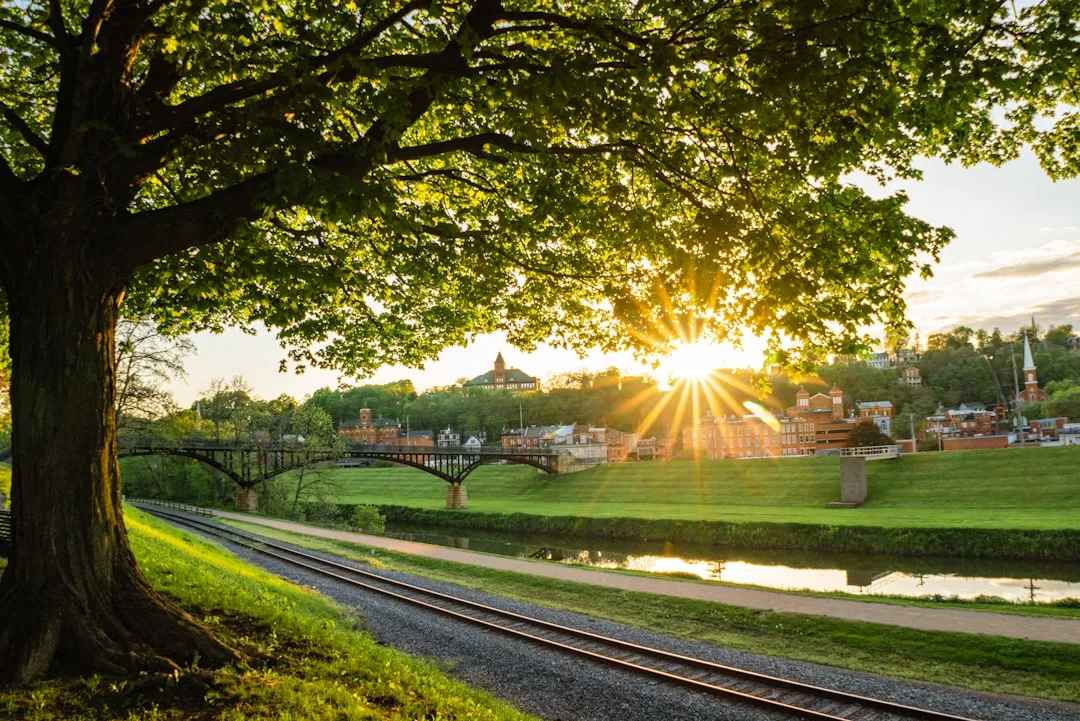
You don’t expect a town in northwest Illinois to look like a preserved 19th-century river port – but that’s exactly why people end up rearranging their road trips for Galena. About 80% of the buildings in its historic district date from before 1900, and you feel that history in the sloping main street, the brick storefronts, and the church steeples dotting the hills.
Most people plan a quick “stretch your legs and grab coffee” stop. Then they notice the riverfront park at sunset, the wine tastings and old-fashioned candy shops, the side streets leading up to hillside mansions and the former home of Ulysses S. Grant. It’s a bit touristy on weekends, sure – but even the critics admit that when fog hangs over the Galena River in the morning, packing the car back up feels almost rude.
Worth Knowing
- Galena boomed as a 19th-century lead-mining town and was once one of the busiest ports on the upper Mississippi River system.
- Ulysses S. Grant lived here before and after the Civil War; his former home is preserved as a state historic site.
- The hillside layout means many homes and shops sit well above street level, reached by staircases tucked between buildings.
#7 – Whitefish, Montana: The “Cheap Base Camp” That Steals the Show
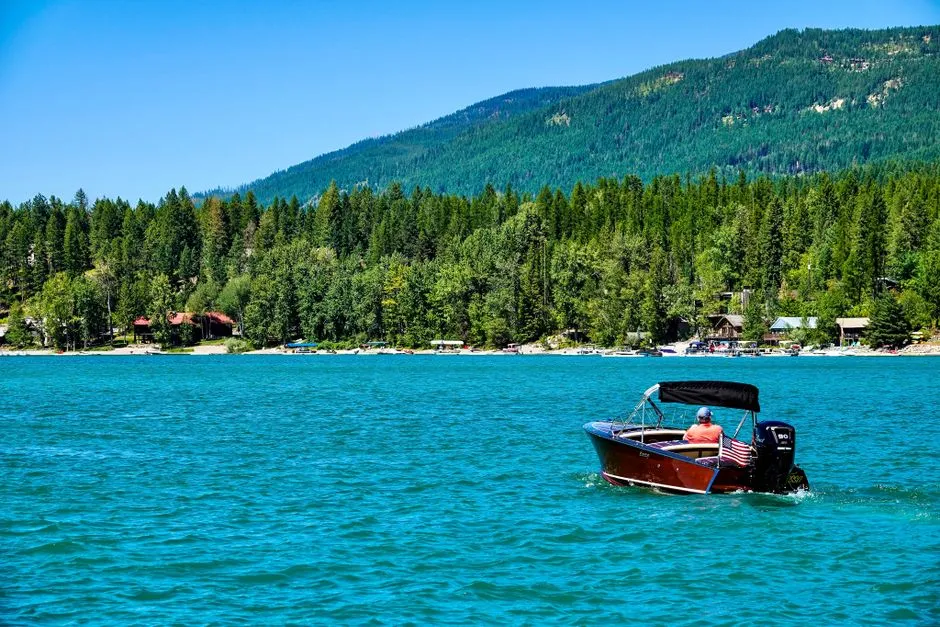
Whitefish is supposed to be your cheaper base for Glacier National Park. Then you wake up, see the morning light hitting Whitefish Lake and the peaks around it, and suddenly the park day quietly becomes “maybe tomorrow.” Downtown is just a few blocks of Western-style storefronts and restaurants that are far better than a town this size has any right to have.
Every extra day feels effortless here – another lazy lake afternoon that turns into a sunset boat ride, “just one more” hike to a hidden alpine lake, winter days at Whitefish Mountain Resort where the lift lines are still relatively sane. Some Glacier purists call staying in town a cop-out. More and more travelers argue it’s the opposite – that cutting Whitefish short is the real mistake.
#8 – New Bern, North Carolina: The Overlooked River Town With Two Rivers and Zero Crowds
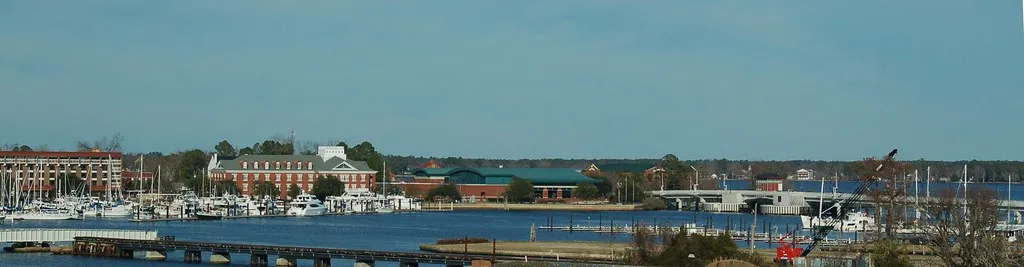
New Bern is one of those places you see on a map and ignore, assuming it’s just another small river town. The reality: it’s one of the oldest towns in North Carolina, with brick sidewalks, historic homes, and two rivers meeting in a way that makes sunsets look almost unreal. Walk the compact downtown and you’ll pass centuries-old churches, waterfront paths, and surprisingly sophisticated restaurants tucked into buildings that predate the Civil War.
People come to check it off during a coastal road trip, then get hooked by the relaxed marina waterfront, the nearby Croatan National Forest, and short drives to Atlantic beaches. Some visitors say it skews older and quiet after dark. For travelers burned out on crowded Outer Banks towns, that’s precisely the point – and exactly why they add another night.
#9 – Stowe, Vermont: The Postcard Someone Forgot to Tone Down
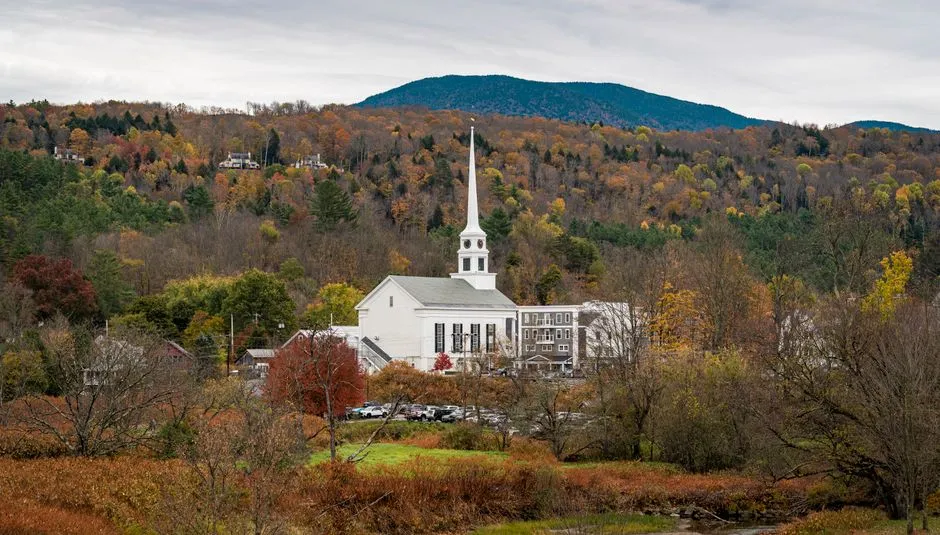
Stowe looks like someone built a New England postcard and forgot to dial it back. A white church steeple, covered bridges, rolling green in summer, and blazing foliage in fall – it’s cliché in the best possible way. People book Stowe for a quick foliage drive or a weekend ski trip and end up extending just to see how it looks in different weather.
Stick around and it quietly deepens: bike rides on the Stowe Recreation Path with mountains on one side and farms on the other, beer and cider tastings at breweries you’ve actually heard of, day trips up Mount Mansfield or over to Smugglers’ Notch. Critics say it’s too curated, too expensive, too Instagram. They’re not wrong – but they also tend to stay just as long as everyone else once the first snow dusts that church roof.
Quick Compare: Stowe by Season
- Summer: Rec Path bike rides, swimming holes, green mountain views
- Fall: Peak foliage drives, cider tastings, crowded weekends
- Winter: Mount Mansfield skiing, sleigh rides, snow-dusted church roof
- Spring: Maple sugaring, thinner crowds, muddy back roads
#10 – Fairhope, Alabama: The Bay Town Even Southerners Sleep On
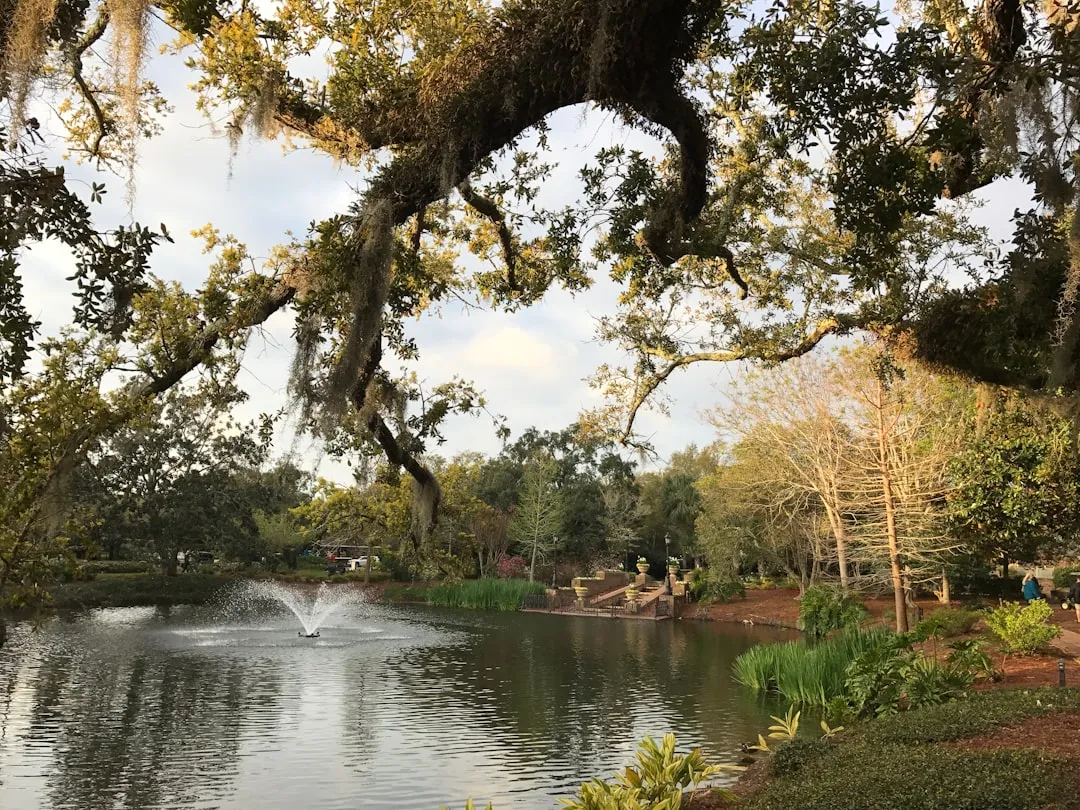
Even many Southerners have never heard of Fairhope, which is wild once you actually see it. Sitting on a bluff over Mobile Bay, the town’s live oaks, flower-packed streets, and bayfront sunsets look more like a movie treatment than everyday life. Downtown is compact, walkable, and just artsy enough without tipping into pretentious.
Visitors often drop in on the way to Gulf Shores and rethink everything. The pier becomes an addiction – sunsets here regularly stop people mid-sentence – and side streets reveal cottage homes with gardens that look professionally staged. Some beach-first travelers argue it’s too quiet to justify losing a day of sand. Others end up cutting beach time instead, because watching shrimp boats cross a pink bay evening after evening is its own kind of vacation.
#11 – Leavenworth, Washington: The “Fake Bavaria” That Hooks You With Real Mountains
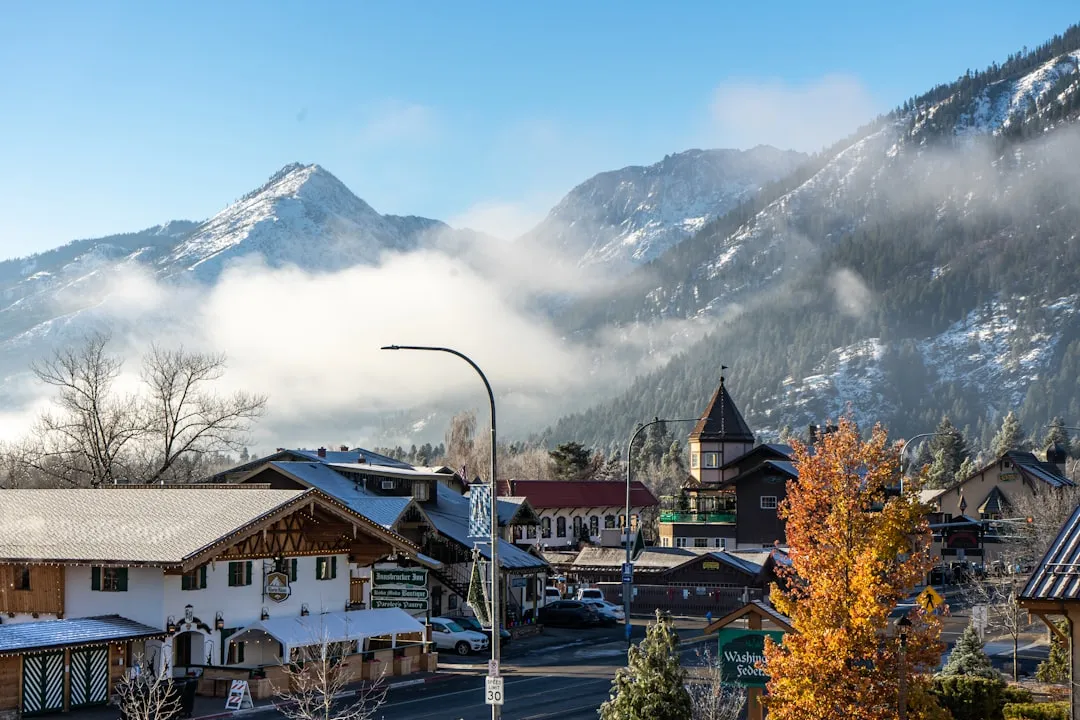
A Bavarian-themed town in the Cascades sounds like a tourist trap – and yes, Leavenworth can be corny. But it’s also where a lot of people come for the kitsch and stay for the landscape. Alpine-style streets are backed by real, jagged peaks, and once you get a block or two off the main drag, the mountains simply take over.
It starts as a novelty stop – beer gardens, pretzels the size of your head, Christmas lights that never seem to end. Then, slowly, it becomes river walks along the Wenatchee, short hikes that explode into panoramic valley views, and winter snow that turns the whole town into a snow globe. Locals and serious hikers sometimes roll their eyes at the theme-park vibe, and that criticism isn’t wrong. But the fake Germany gets people in the door, and the real mountains outside town are what keep them from leaving.
#12 – Eureka Springs, Arkansas: The Vertical Town With No Traffic Lights
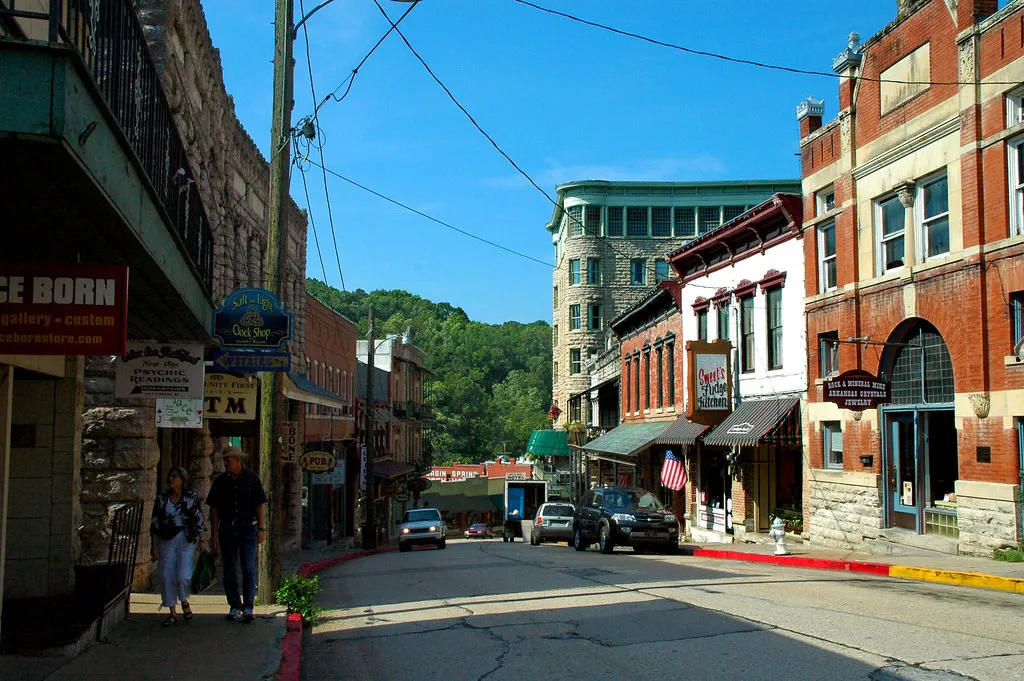
Eureka Springs doesn’t look like it belongs in Arkansas at all. Built into the hills of the Ozarks, its streets twist and climb, stacked with Victorian buildings, stone staircases, and hidden alleys. There are no traffic lights, and the town almost feels vertical – like a European hill village crossed with a Southern spa town.
People often show up for a single night on a road trip and realize they’ve barely scratched the surface: natural springs, quirky historic hotels that feel haunted in the best way, and an almost unbelievable number of galleries for a town this size. It’s also one of the South’s more openly eclectic and LGBTQ-friendly small towns – something some visitors find off-brand for “Arkansas” and others cite as exactly why they fall for it. That tension creates a vibe you sit in for a while, not one you just pass through.
#13 – Sitka, Alaska: The Edge-of-the-World Town That Turns a Layover Into a Week
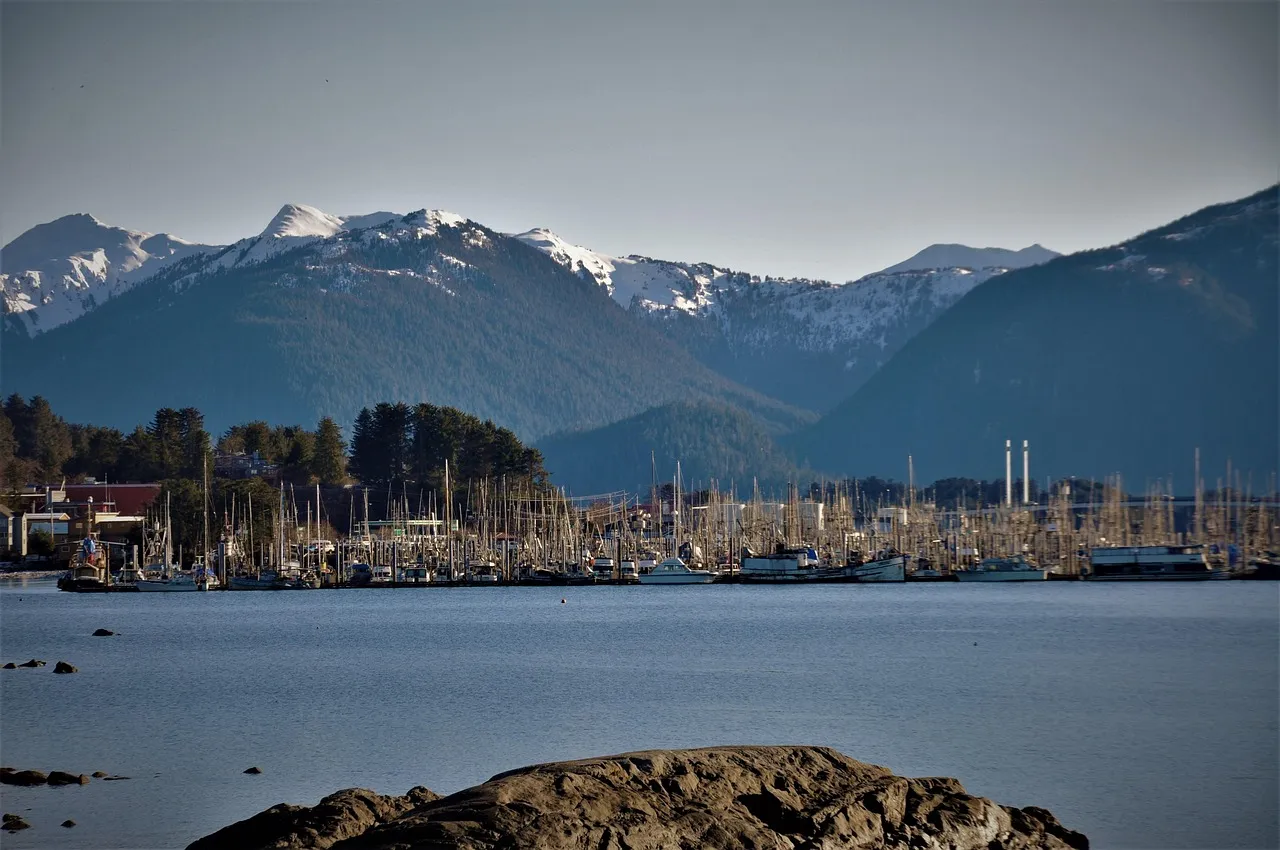
Sitka sits on the edge of the world – forest, mountains, and the Pacific colliding in ways that make even jaded travelers go quiet for a second. Cruise passengers get a tiny taste, but those who book a few nights quickly understand why people “accidentally” stay a week. Bald eagles sit on power lines like pigeons; mist slides off the mountains straight into the harbor.
The town itself is compact but layered – a rare mix of Alaska Native, Russian, and American history in its architecture, trails that start practically in town and drop you into rainforest within minutes, everyday moments like watching fishing boats come in with the tide. Some say you “see enough in a day.” The people who linger are the ones who start noticing the rhythm – changing tides, changing light, new shapes draped over the peaks each morning. That’s when flight changes start happening.
Worth Knowing
- Sitka once served as the capital of Russian Alaska, and that layered history still shows up in local architecture and place names.
- The town borders Tongass National Forest, the largest national forest in the United States.
- No road connects Sitka to the rest of Alaska’s highway system – you arrive only by plane or ferry.
#14 – Telluride, Colorado: The Dead-End Canyon Town People Fantasize About Moving To
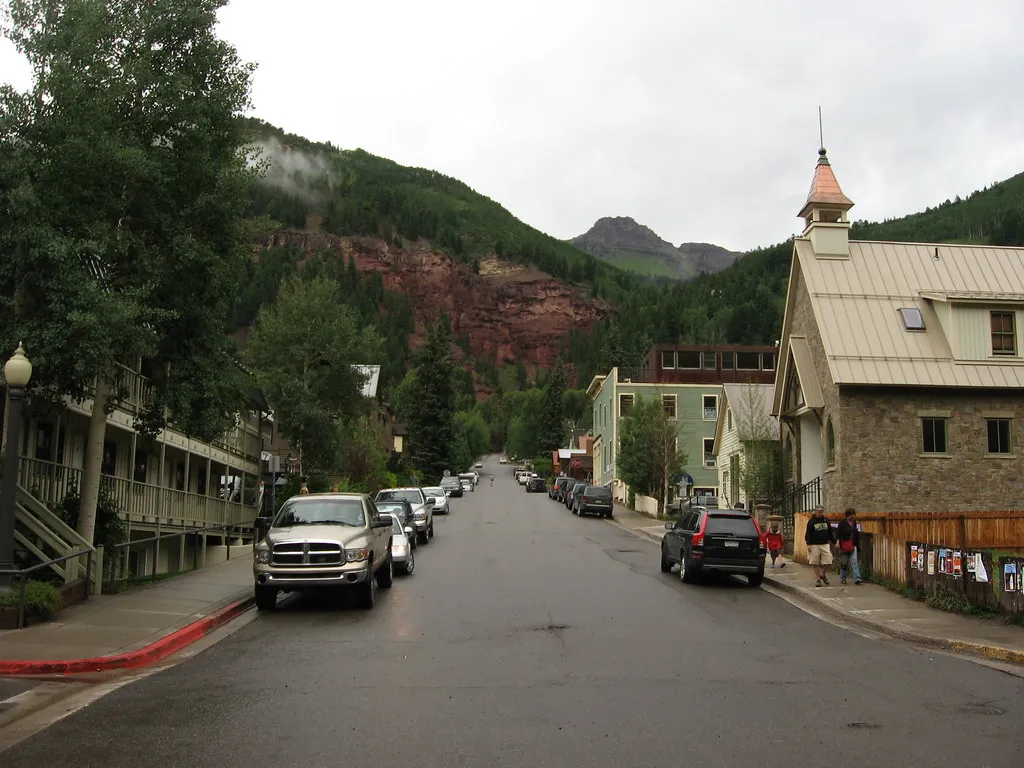
Even in a state full of photogenic towns, Telluride hits different. It sits at the dead end of a box canyon, surrounded by 13- and 14-thousand-foot peaks, which means your brain keeps insisting the backdrop is a green screen. Main Street is straight out of a Western, yet you can hop a free gondola from town up to a ski village in the sky.
Most visitors plan a long weekend. Then it’s one more day to hike to waterfalls right from town, another because the sunset gondola ride is unnervingly perfect, another because the festival calendar – music, film, bluegrass – never seems to empty out. Plenty of Coloradans argue Telluride is overpriced and “not real life” anymore. They’re also the ones who somehow stay five days and keep talking about moving there if they win the lottery.
#15 – Bayfield, Wisconsin: The Great Lakes Town That Redefines “Midwest Waterfront”
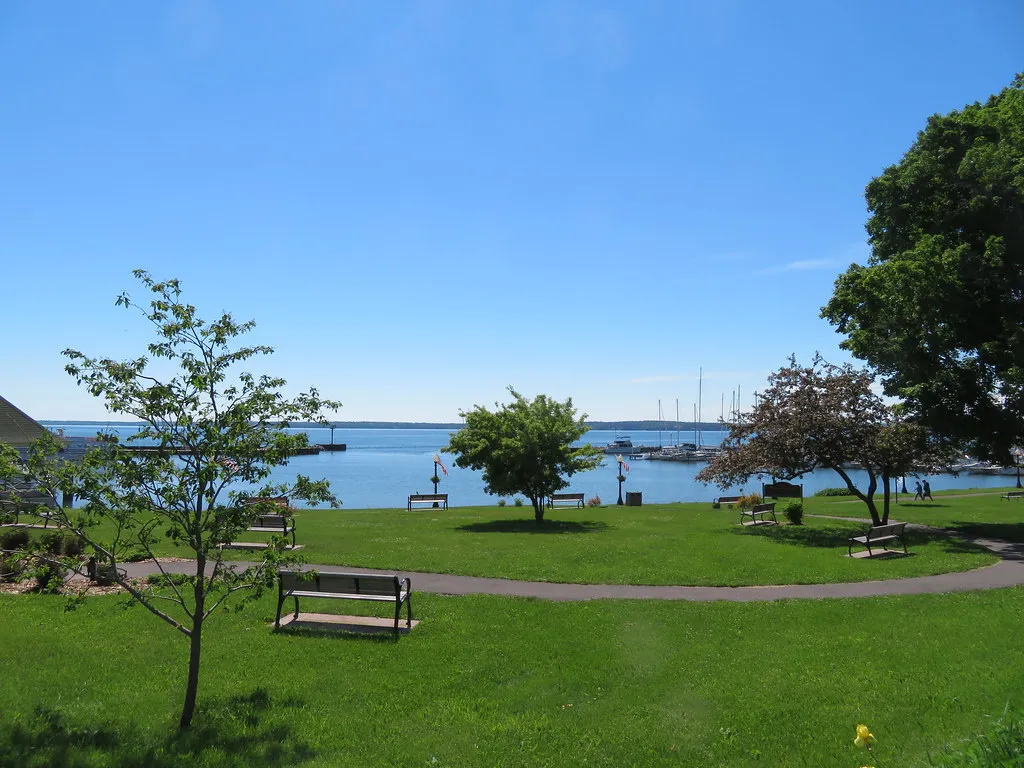
Bayfield is the quiet Great Lakes town that makes people rethink what Midwestern waterfront can look like. On the edge of Lake Superior, it stares straight out at the Apostle Islands, with sailboats shifting on cobalt water and orchards climbing the hills behind town. The main street is a short line of shops, cafes, and old inns that look like they’ve been catching travelers for a hundred years.
People drive up assuming it’s a one-night launch pad for a boat tour. Then they discover the berry farms and apple orchards up the ridge, spend an extra day kayaking around sea caves, and learn that in winter, when conditions allow, you can walk onto frozen lake ice caves with a guide. Some locals quietly grumble about tourists, and some visitors wish there were more going on after dark. The ones who fall for Bayfield don’t care – they’re in it for the light on the water at 6 a.m.
#16 – Carmel-by-the-Sea, California: The Famous Town That Still Steals Extra Days
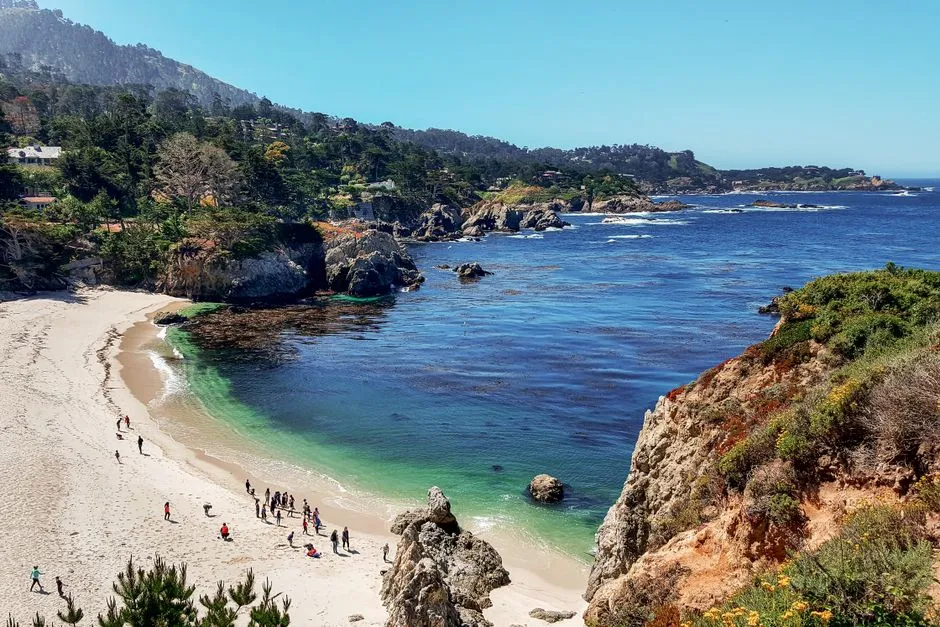
Carmel is not a secret. It’s also the rare famous town where people still end up staying longer than planned. White-sand beach, cypress trees bent by the wind, storybook cottages hiding down side lanes – it’s a curated fantasy that somehow doesn’t feel fake once you’re standing in it. Downtown is compact, walkable, and suspiciously dog-friendly.
Visitors often book two nights on a Highway 1 road trip and then start doing math in their heads to squeeze in more – slow mornings of coffee and pastries, afternoons on 17-Mile Drive, evenings where the sunset over the Pacific makes people forget their dinner reservation entirely. Critics say it’s too expensive and “not the real California.” Those same critics quietly admit every random side street looks like a painting, which is exactly why departures keep getting pushed back.
#17 – Saugatuck, Michigan: Where Chicagoans “Work Remote” Instead of Going Home
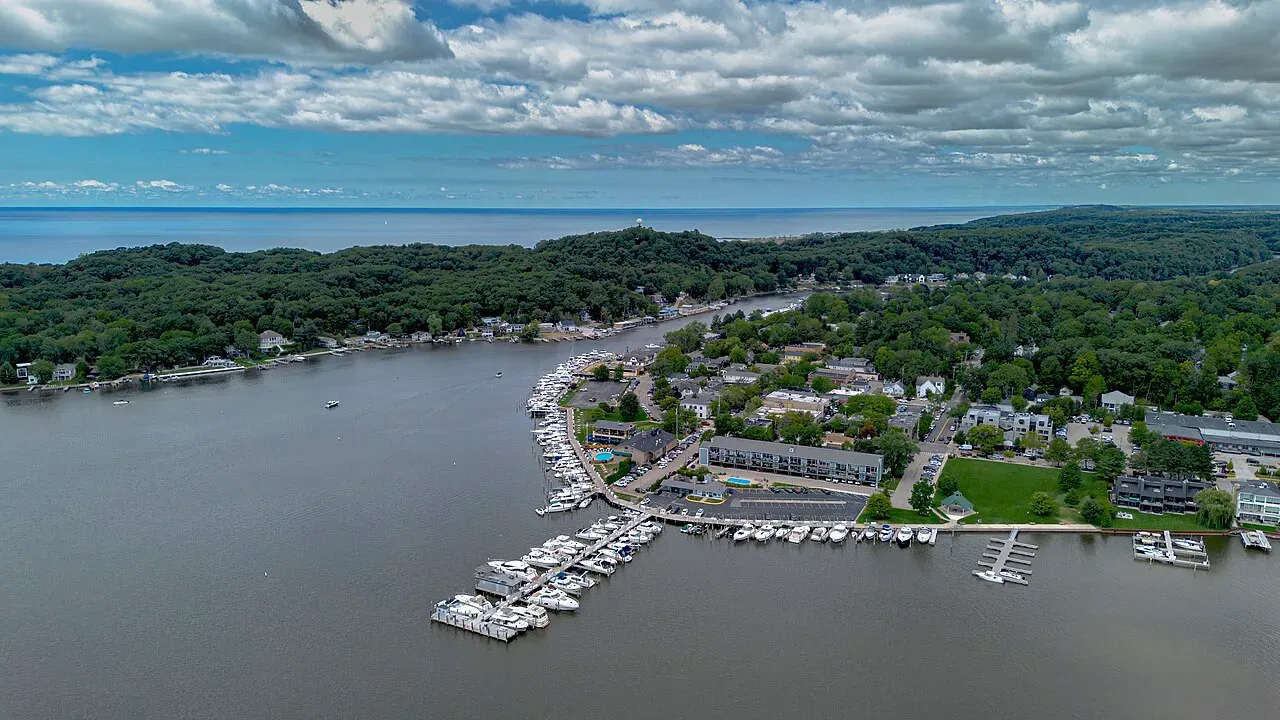
Saugatuck is where Chicagoans run away for the weekend – and often end up emailing their bosses to work remote on Monday. A small harbor town on Lake Michigan, ringed with dunes and art galleries, it combines beach-town ease with a surprisingly creative streak. The Kalamazoo River curves lazily through, lined with marinas and waterfront decks.
Most people expect a generic lake town. Instead they find Oval Beach, which regularly lands on “best in the country” lists, a legit art scene that feels more coastal New England than Midwest, and small-town bars where locals are used to befriending strangers by the second round. Some longtime lake people say it’s gotten too crowded and pricey. They’re also booking the same rentals year after year, because sunset over the big lake never actually gets old.
At a Glance
- Oval Beach is consistently ranked among the top freshwater beaches in the U.S. for its dune-backed setting and soft sand.
- The town is roughly a two-and-a-half-hour drive from downtown Chicago, making it a classic weekend-escape distance.
- Sister town Douglas sits just across the river, so many visitors treat the two as one combined destination.
#18 – Fredericksburg, Texas: The Wine-Country Stop That Swallows a Week
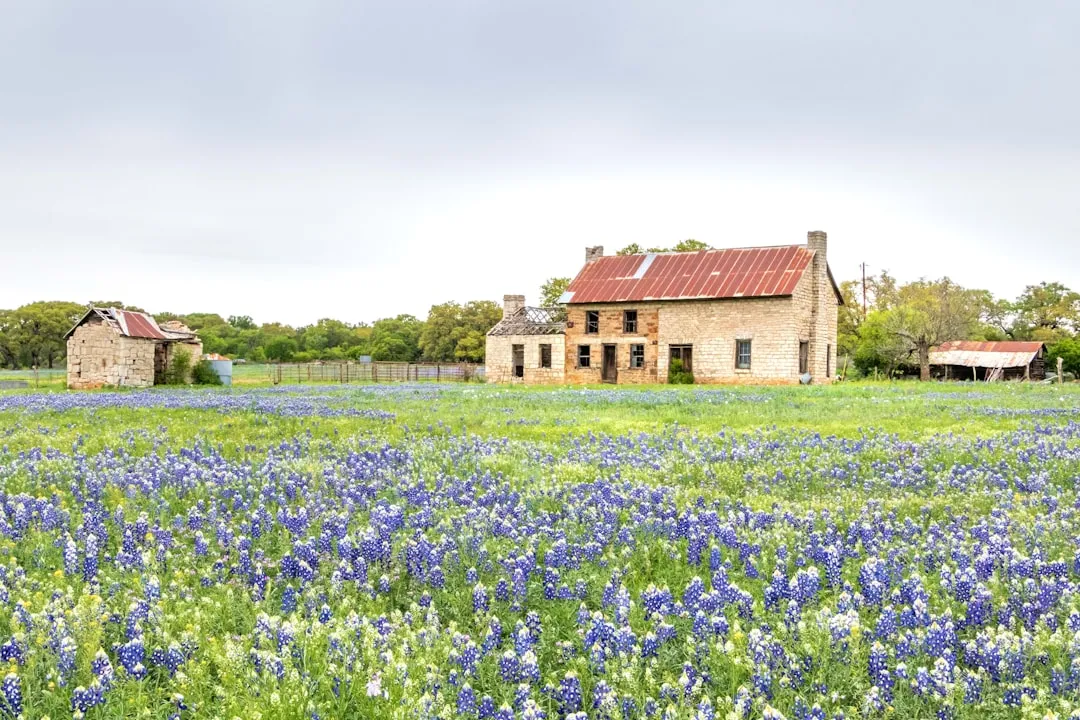
Hill Country has plenty of small towns, but Fredericksburg is where “quick wine country stop” trips go to die. Founded by German settlers, it still wears that heritage in its buildings and sausage-heavy menus – but now it pairs it with dozens of wineries and rolling hills that glow at golden hour. People come thinking it’s a one-street wonder and quickly realize the sprawl of tasting rooms, breweries, and farm-stays could fill an entire week.
The “we’re only here for a night” plan tends to unravel fast: a second day to bike or drive the wine trail, another to climb Enchanted Rock and watch the sun drop over pink granite, yet another because the rental has a porch swing nobody can stop sitting on. Some Texans call it “Napa-lite” and say it’s lost some authenticity. Maybe. It hasn’t stopped anyone from tacking on extra nights once they see the stars over those dark Hill Country skies.
#19 – Sedona, Arizona: The Town That Turns Skeptics Into Repeat Offenders
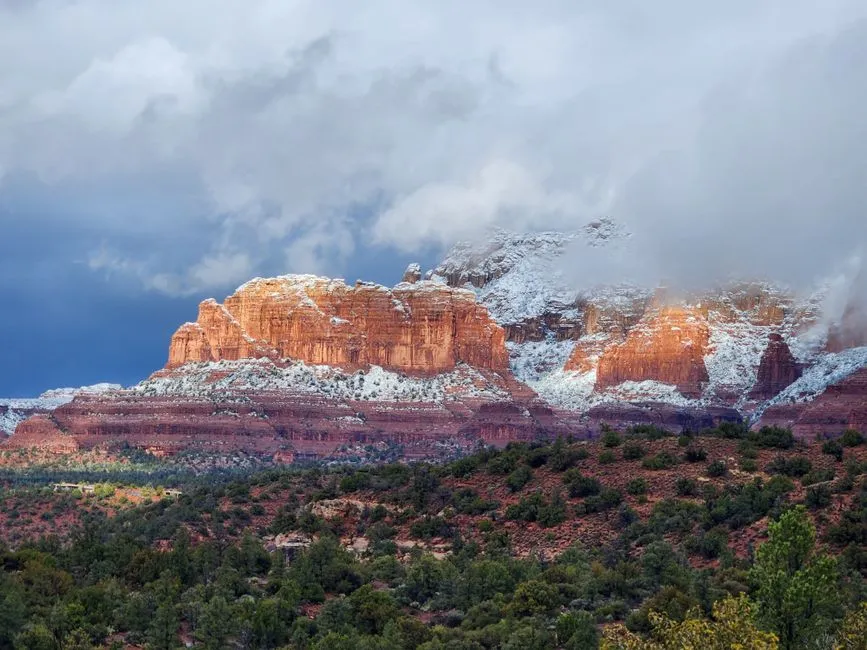
Sedona is the town that turns skeptics into repeat offenders. People roll in for a day trip from Phoenix to “see the red rocks” and then wonder how they’re supposed to leave this quickly. The entire town is wrapped in towering red sandstone formations that change color by the hour, and whether or not you buy into the vortex talk, the landscape hits hard regardless.
The pattern is almost predictable: day one is scenic byways and overlook photos, day two is a “quick” trail that turns out to feel cinematic even on the easy sections, day three is staying long enough to catch both sunrise and sunset from different viewpoints. Critics complain about traffic, crowds, and spiritual commercialization – and they’re not wrong. But stay even one day longer than planned, and those annoyances fade behind a simple fact: there are very few places in the U.S. where running errands means driving past views that look like national park postcards.
The real mistake isn’t skipping the big-name cities – it’s racing past the small towns quietly stealing everyone else’s itineraries. From Sedona’s red rock skyline to Bayfield’s cold-blue horizon and Beaufort’s moss-draped streets, these 19 places prove the most addictive destinations aren’t always the ones with the biggest airports or the flashiest hashtags. Some locals would honestly prefer you never heard of them at all, and that push-pull is exactly what makes them worth chasing.
So here’s the only question that matters before your next trip: are you planning it around where you think you’re supposed to go, or where you’d secretly be fine getting stuck for three extra days? Which town would you add – or cut – from this list?

- 19 Small American Towns So Beautiful That Visitors Regularly Change Their Plans to Stay Longer - August 14, 2026
- 19 Regrets Horse Owners Describe Most Often That First-Time Buyers Are Never Warned About - August 14, 2026
- What a Hummingbird Decides About Your Garden Before Returning 16 Signals Most People Miss - August 14, 2026