
There’s something vets rarely say out loud at the reception desk, but talk about freely in the break room. Some small dog breeds come with a reputation that arrives before the patient does. It’s not that these dogs aren’t loved, often deeply so. It’s that treating them week after week presents a unique blend of medical complexity, behavioral unpredictability, and chronic health issues that keep entire vet teams on their toes.
If you’ve ever wondered which dog breeds veterinarians tend to avoid, there’s a reason some pups make that list. Vets see firsthand the behavioral quirks, health issues, and training challenges that certain breeds can bring. The small ones, though, tend to surprise people most. They’re compact, adorable, and often coddled from puppyhood in ways that don’t do them any favors. What follows is an honest, breed-by-breed look at the small dogs that quietly test the patience, skills, and sometimes the eardrums of even the most experienced veterinary teams.
#1. Chihuahua

Few dogs carry as much attitude in as small a package as the Chihuahua, and that’s precisely the problem in a clinical setting. Much like other small breeds, Chihuahuas can become aggressive as a defense mechanism or due to a lack of training. Since they are so little, their transgressions are not taken seriously. This can be even more problematic when owners are overly protective and anxious, worsening reactivity.
From a medical standpoint, these tiny dogs are anything but simple. Chihuahuas can suffer from serious conditions like hydrocephalus, heart murmurs, and dental disease. Their tiny bones make them susceptible to injury, and they often experience hypoglycemia as puppies. Tracheal collapse is another concern and can cause a distinctive honking cough and breathing difficulties, especially during excitement or exercise. Heart conditions, such as heart murmurs or valve disease, may also develop, particularly in older Chihuahuas.
#2. Dachshund

The Dachshund is a small dog with a long spine and short legs, making it prone to joint problems and spinal disorders. One of the most serious conditions affecting this breed is intervertebral disc disease (IVDD), which can cause pain, nerve damage, and even paralysis. Dogs require surgery in severe cases to restore mobility. Vets see this breed cycle through the clinic for back issues with a frequency that’s hard to ignore.
Beyond the spine, there’s the temperament factor. Vivacious, friendly, and ever-alert, Dachshunds were bred to be independent hunters of dangerous prey. That independent hunting instinct translates into stubbornness on the exam table. Due to their long ears and narrow ear canals, ear infections are a frequent issue for Dachshunds, as their ears trap moisture, leading to bacterial and yeast infections. It’s a breed that rarely sits still and often makes its displeasure very clear.
#3. Pomeranian
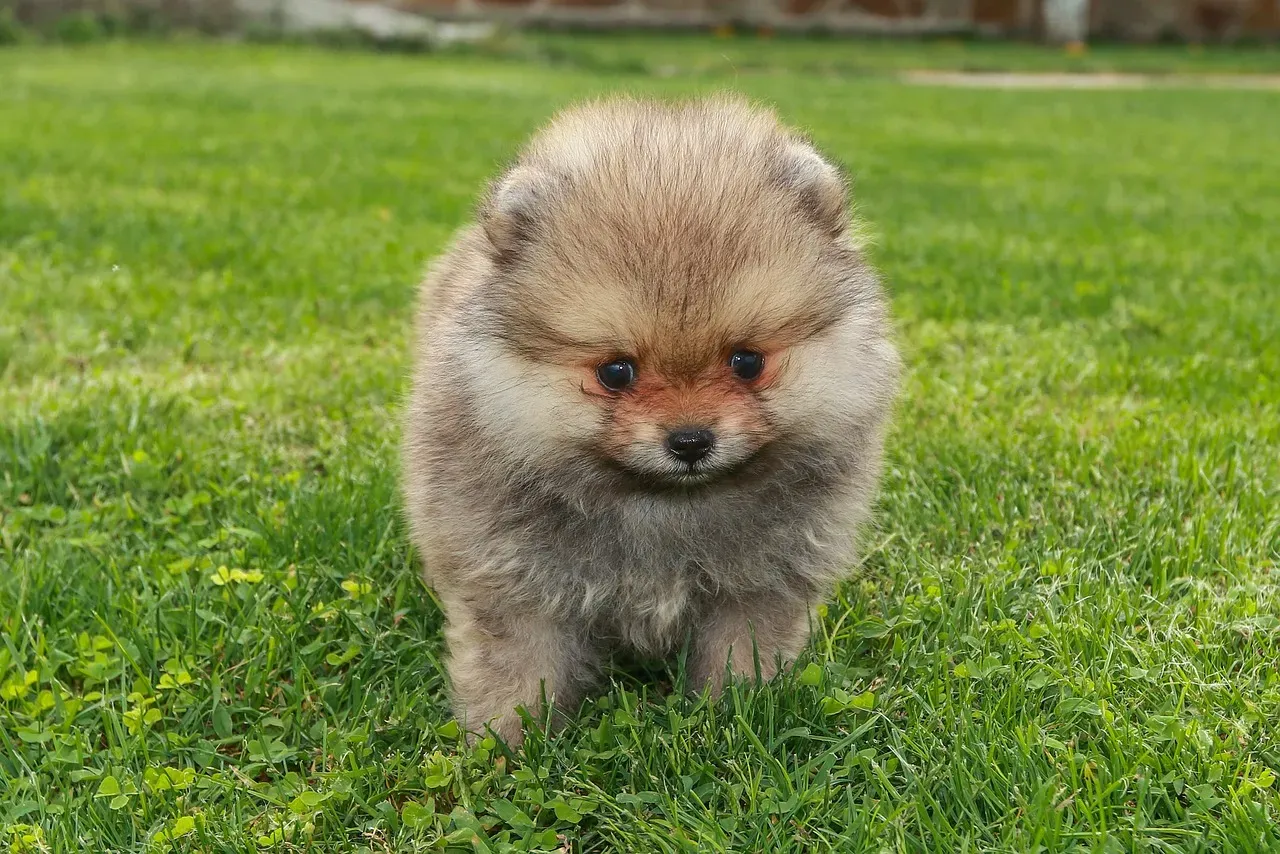
Some small dog breeds, such as the Pomeranian and Chihuahua, can be stubborn and independent, making training a challenge. In the vet clinic, that stubborn streak is on full display the moment the carrier opens. Pomeranians are spirited, alert, and often deeply bonded to a single owner, which means strangers, including vet staff, receive a very different welcome.
The American College of Veterinary Surgeons reports that patellar luxation is the most common orthopedic condition for small dogs and can even be seen in puppies. While this problem is most commonly seen in small breeds, some of the most commonly affected breeds are miniature poodles, Chihuahuas, Boston and Yorkshire terriers, and Pomeranians. On top of joint concerns, some small dog breeds, like the Pomeranian, are known for their tendency to bark excessively. Combine that with a mouthful of sharp teeth and a hair-trigger temper, and you’ve got a challenging appointment every time.
#4. Shih Tzu
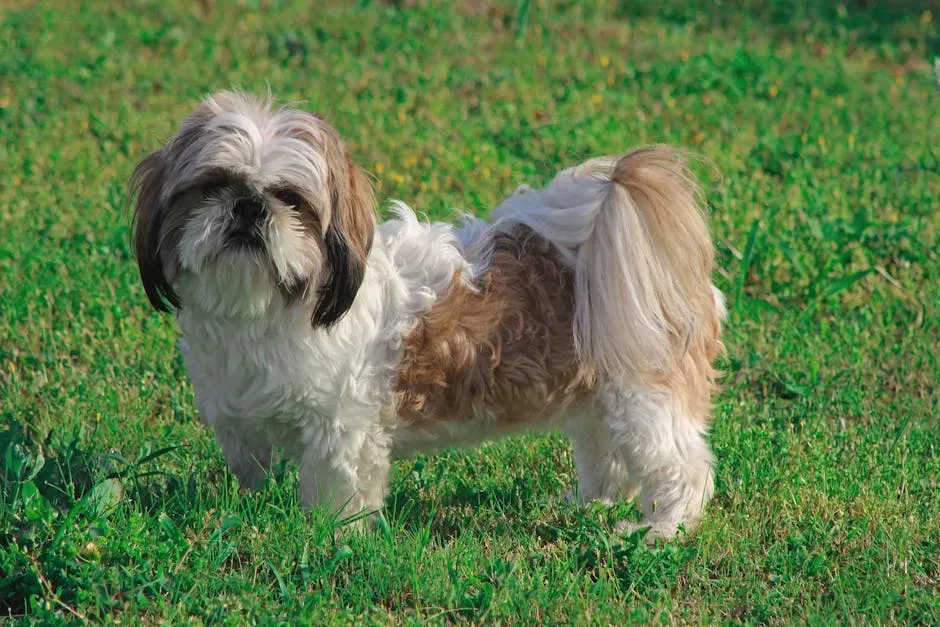
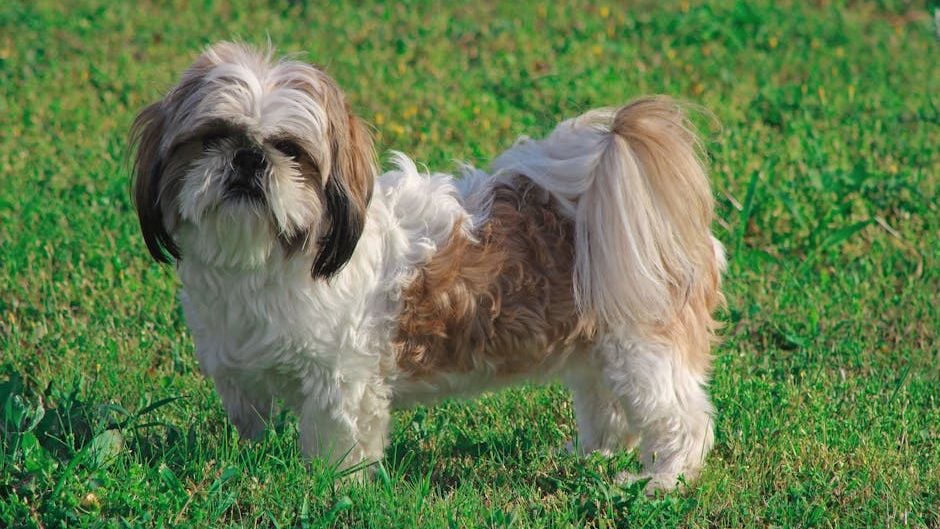
Shih Tzus often deal with breathing issues, eye injuries, and dental disease. Their short noses contribute to snoring and difficulty breathing. They’re also susceptible to kidney disorders and herniated discs. Daily grooming and consistent vet visits are required to maintain their quality of life, especially as they age.
The hidden complexity of the Shih Tzu goes even deeper. Shih Tzus are more likely to develop a liver shunt called a portosystemic shunt that prevents toxins from being removed from the bloodstream. This can lead to unusual behavior, seizures, or stunted growth. Shih Tzus are prone to anxiety, so even raising a voice just a little can send mixed signals and set back training. In the vet clinic, that anxiety often manifests as trembling, snapping, or complete refusal to cooperate during basic examinations.
#5. French Bulldog

French Bulldogs are charming and full of personality, but they are also vulnerable to several health challenges. Like other flat-faced breeds, they commonly suffer from brachycephalic airway syndrome, which can lead to noisy breathing, snoring, and difficulty in hot or humid conditions. Luxating patellas are also frequently seen in French Bulldogs, potentially causing joint discomfort or mobility issues.
French Bulldogs have much bigger eyes than their English counterparts, making them susceptible to eye conditions like cataracts, cherry eye, and inflammation. Essentially, their big and lovable eyes are also a source of their main health issues. Flat-faced breeds like Bulldogs, Pugs, and French Bulldogs often face airway challenges due to their shortened skull structure. Many develop Brachycephalic Obstructive Airway Syndrome, which causes noisy breathing, snoring, and intolerance to heat or exercise. Anesthesia in these breeds requires extra vigilance, which is why every scheduled procedure comes with a side of quiet stress for the vet team.
#6. Yorkshire Terrier
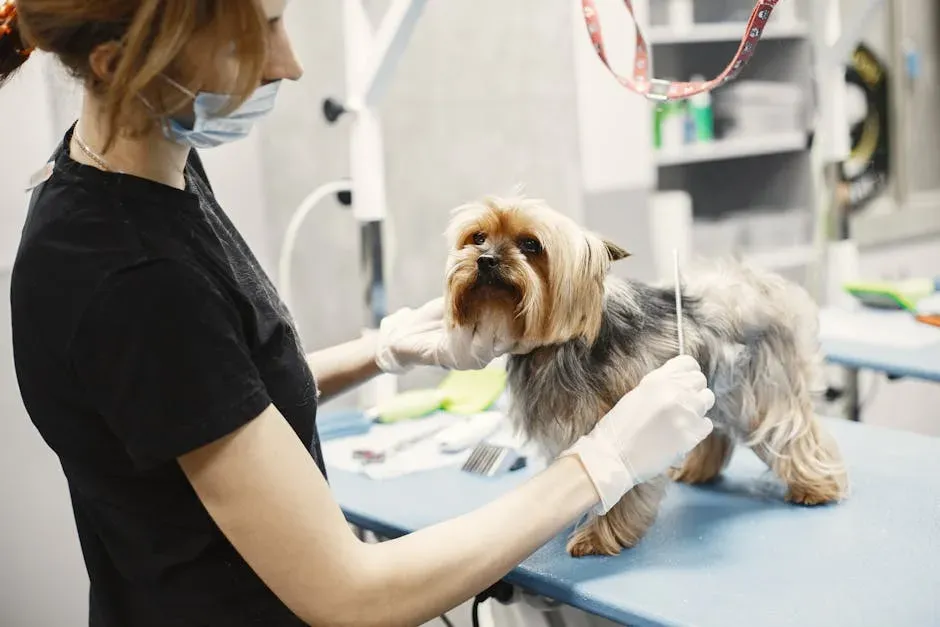
Yorkies may be small, but they face big health challenges. They’re prone to collapsing trachea, dental disease, and portosystemic shunts, a liver defect that can require surgery. Given that their entire body can weigh less than a few kilograms, the complexity of performing diagnostics and procedures is considerable. Everything, from blood draws to X-rays, requires a precise, careful touch.
Toy and small breeds like Yorkies, Chihuahuas, and Maltese are especially prone to toy breed dental issues, including crowding, retained baby teeth, and rapid tartar buildup. Small breeds like Yorkshire terriers are susceptible to portosystemic shunt, a blood vessel birth defect. In addition, they are prone to digestive problems and hereditary liver defects. Yorkies are also notoriously difficult to keep still during examinations, often responding to restraint with impressive amounts of noise and drama for their size.
#7. Pug

Flat-faced breeds like Pugs often face airway challenges due to their shortened skull structure. Many develop Brachycephalic Obstructive Airway Syndrome, which causes noisy breathing, snoring, and intolerance to heat or exercise. Careful weight management and avoiding overexertion are key parts of managing these conditions.
Pugs, with their characteristic bulgy eyes and squashed faces, are at peril for breathing problems and eye problems. In addition, the eyes can pop out of their socket in case of any accidents or fights. If the damage is severe, a Pug may lose eyesight. Cushing’s disease, also known as hyperadrenocorticism, is an endocrine disorder that occurs when the body produces too much cortisol. It can be caused by a tumor of the pituitary gland near the brain or the adrenal glands themselves. The disease typically affects older dogs, and Yorkshire Terriers, Dachshunds, Poodles, and Boston Terriers are among the small dog breeds at higher risk. Pugs share a similarly elevated risk profile for hormonal disorders, layering complexity onto an already challenging breed.
#8. Boston Terrier
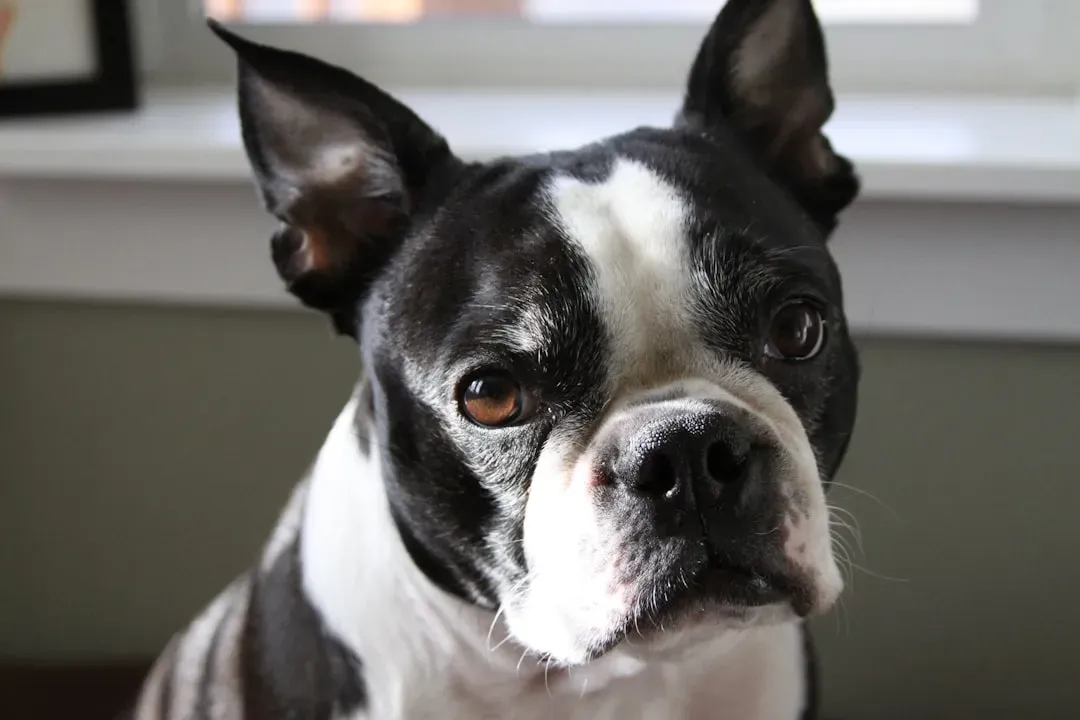
Boston Terriers have a charming demeanor, but they share many health concerns with other flat-faced breeds. They’re prone to brachycephalic airway syndrome, corneal ulcers, and spinal deformities. Deafness and skin tumors are also more common in this breed than many others. Without proper attention, these conditions can quickly become serious.
Luxating patellas are also common in Boston Terriers and may lead to intermittent lameness or discomfort when walking. Another condition seen in the breed is cherry eye, where the gland in the third eyelid becomes inflamed and protrudes, often requiring surgical correction. Additionally, some Boston Terriers may be affected by early onset deafness, which can occur in one or both ears. For vets, a Boston Terrier appointment often unfolds like a checklist of overlapping concerns, each one requiring careful monitoring and, frequently, separate specialist referrals.
#9. Cavalier King Charles Spaniel

This affectionate toy breed often struggles with serious genetic conditions. Syringomyelia, a neurological disease causing painful spinal cysts, is common in the breed. They’re also prone to mitral valve disease, a heart issue that can progress rapidly and fatally. The Cavalier is essentially a breed built on charm but burdened by genetics, and vets know that a young Cavalier today is likely a complex cardiac case tomorrow.
Cavalier King Charles Spaniels and Dachshunds are notably susceptible to mitral valve disease, which begins with heart valve degeneration and can progress to complete heart failure. In many dogs, progression is slow and does not cause significant problems, but some breeds develop more serious disease earlier in life. Signs include a heart murmur, coughing, fatigue, and rapid respiratory rate. Early medication intervention can help manage the condition, improve quality of life, and slow progression.
#10. Pekingese
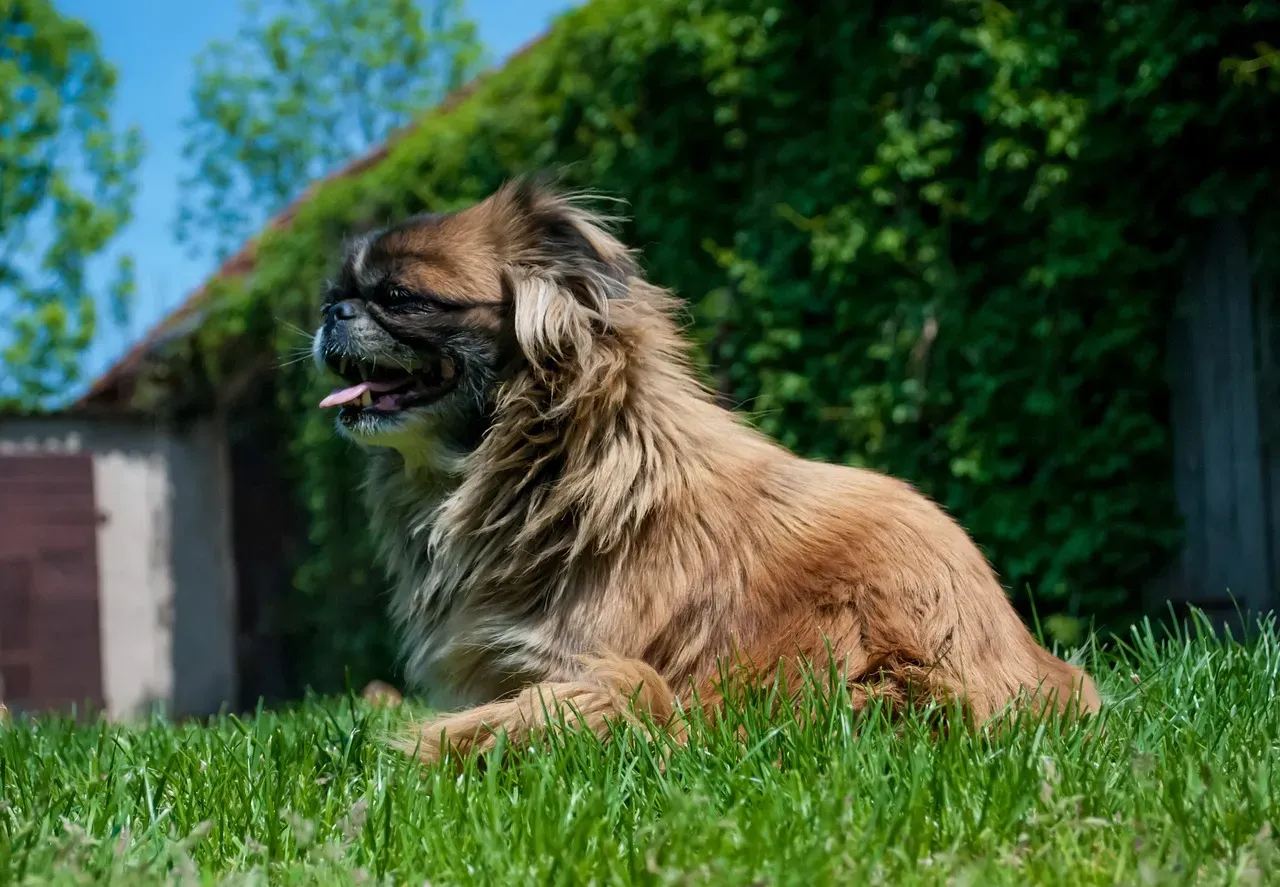
Pekingese are charming and regal little dogs, but their unique physical features come with serious health challenges. Their flat, pushed-in faces significantly impair their ability to breathe efficiently, especially in warm or humid environments. This brachycephalic structure also makes them extremely susceptible to overheating, even with mild activity.
Pekingese had a rate of Brachycephalic Obstructive Airway Syndrome similar to bulldogs, with only roughly one in ten Pekingese dogs breathing freely. That’s a striking statistic for any breed. The Pekingese had high rates of nostril narrowing, with very few dogs having open nostrils. On the exam table, their dense double coat makes thorough physical examinations difficult, and their stubborn, regal temperament makes them disinclined to cooperate in any way they haven’t pre-approved.
#11. Maltese

Small dogs like the Maltese are prone to dental issues due to their tiny mouths and crowded teeth. Without routine care, these conditions can lead to gum infection, tooth loss, and pain. For a breed this small, dental disease spreads fast and silently, and many owners don’t notice until it’s already advanced. Vets treating Maltese dogs regularly find themselves addressing severe periodontal disease in dogs that appear otherwise healthy and energetic.
Small breeds like the Maltese are susceptible to a collapsed trachea, which can lead to coughing, wheezing, or breathing difficulties. It may worsen with excitement or exertion. Small dogs, especially puppies, may also experience hypoglycemia, or low blood sugar levels. Providing small, frequent meals and monitoring their energy levels can help manage this condition. The Maltese also tends to suffer from anxiety-driven reactivity at the vet, making even routine nail trims feel like a small production requiring extra care and patience from everyone in the room.
The Bigger Picture Worth Thinking About

Here’s the honest truth that veterinary professionals carry quietly: none of these breeds are bad dogs. Not one. The challenges they present in the clinic stem mostly from genetics shaped by centuries of selective breeding, physical traits that prioritize appearance over function, and behavioral patterns that are often reinforced at home without owners realizing it.
Understanding specific breeds’ unique health challenges is crucial for their well-being and longevity. Certain breeds are predisposed to particular health conditions, either because of faulty genes or a breed’s physical traits, which can influence their care needs. Genetics play a central role in determining a pet’s susceptibility to certain diseases. Over generations, selective breeding for specific traits like coat color, size, or facial shape has also concentrated genes associated with health conditions.
The real takeaway here isn’t to avoid these breeds. It’s to go in with clear eyes. Owning a Cavalier King Charles Spaniel or a French Bulldog means committing to a relationship with your vet that goes well beyond the annual wellness check. It means budgeting for unexpected procedures, staying on top of breed-specific screening, and learning to read subtle signs of discomfort early. Vets aren’t dreading these dogs because they don’t care. They’re dreading the appointments because they care enormously, and so much of what these breeds face is preventable with the right knowledge from day one. The kindest thing any owner can do is show up informed, consistent, and ready to be an active partner in their small dog’s health, not just on the hard days, but every week in between.
