
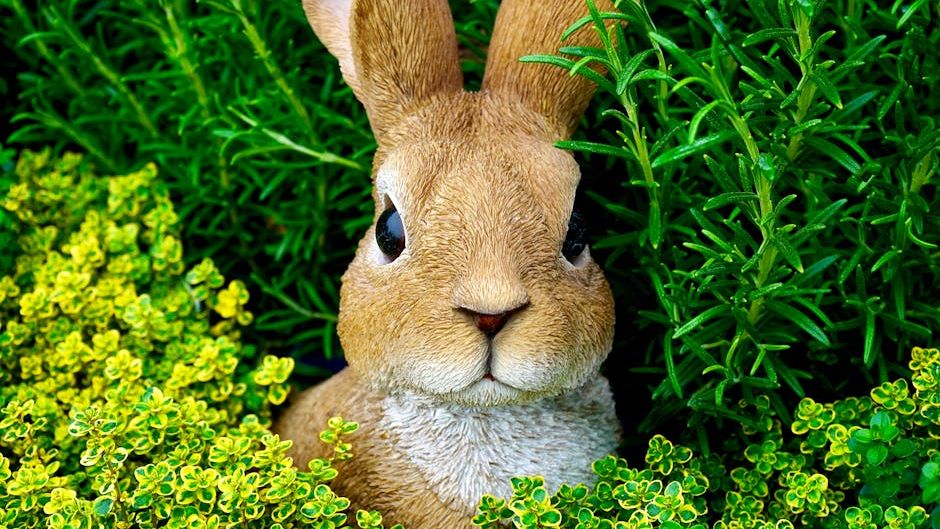
You wake up one morning to find your carefully tended lettuce row reduced to a row of bare stumps. No signs of a storm, no footprints from larger predators. Just those telltale clean-cut edges left by small, hungry visitors who work mostly under the cover of darkness. Rabbits are nothing short of expert garden thieves.
Rabbits are most active at dusk, through the night, and at dawn, so you may not always see one in your garden – which makes the damage feel almost mysterious. The good news is that you don’t have to resort to traps, poisons, or anything that would harm them. There are genuinely clever, humane ways to reclaim your garden, and most of them cost very little to put into practice.
#1: Install a Properly Buried Chicken Wire Fence
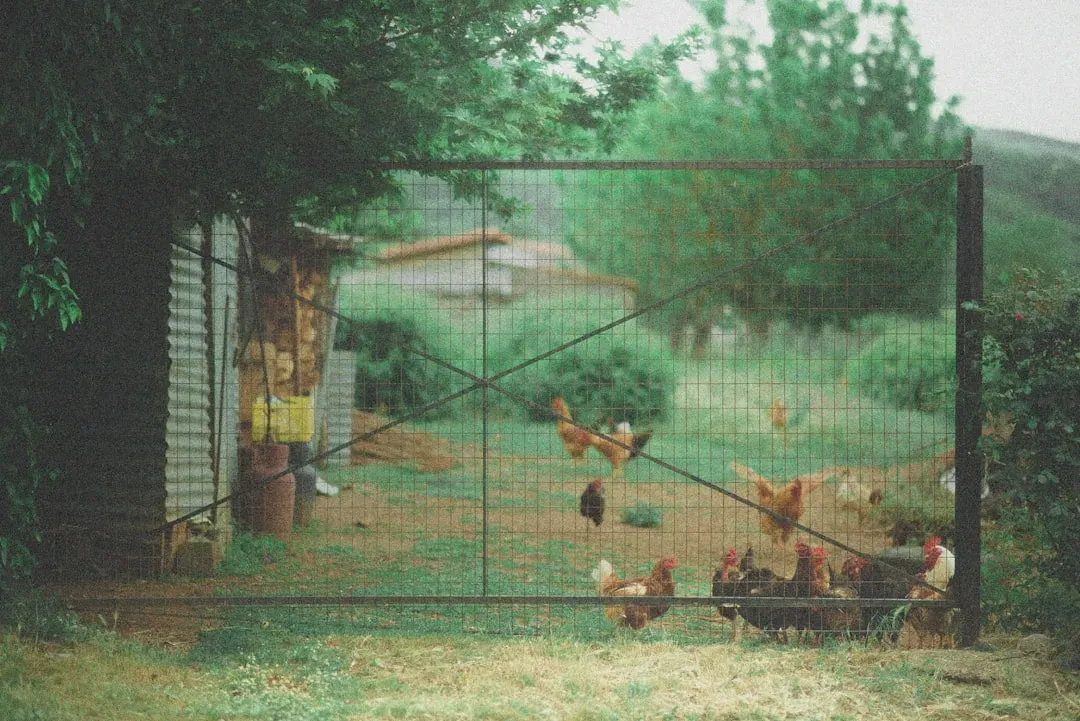
When it comes to keeping rabbits out, no single method comes close to the reliability of a well-built fence. The most effective way to prevent rabbit damage in home gardens is by placing chicken wire fencing with mesh of one inch or smaller, or quarter-inch hardware cloth, around vulnerable plants. The key word here is “properly” – a flimsy barrier won’t cut it.
Rabbits are diggers, so you’ll need to dig down a little so that the chicken wire is at least 6 inches below the ground level. Fencing material that is two feet tall should be adequate, supported with wooden stakes or metal posts. Check it regularly for any signs of stress or gaps, since a determined rabbit will exploit any weakness.
#2: Use Motion-Activated Sprinklers
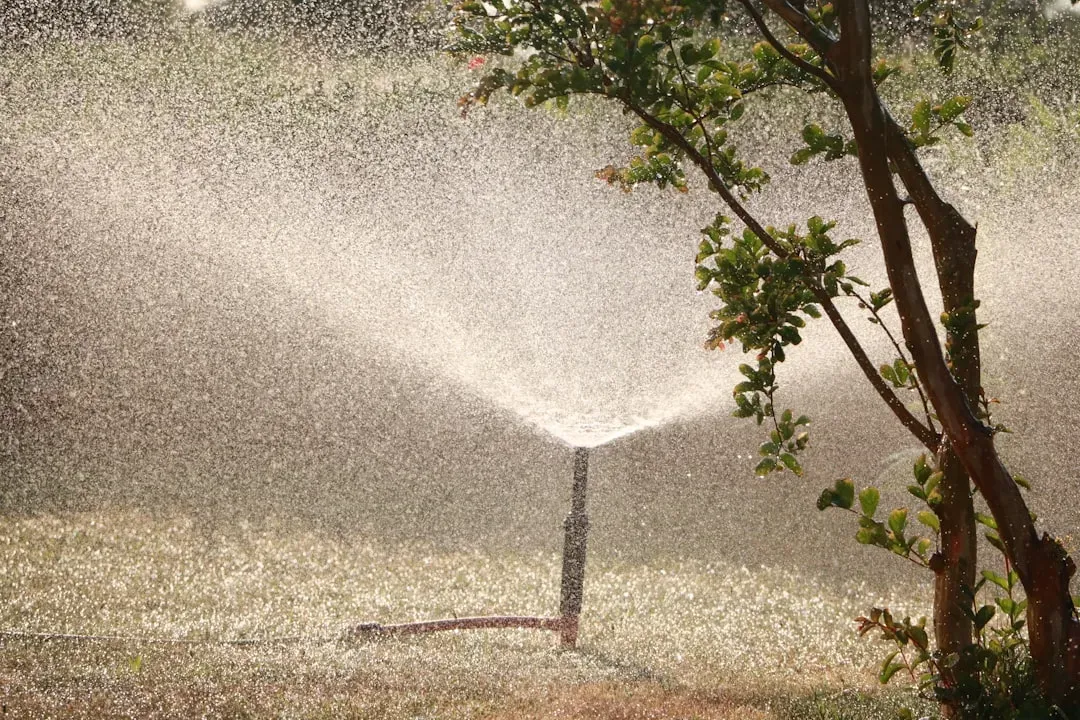
A motion-activated water sprinkler is perhaps the most humane wildlife deterrent available, detecting encroaching critters and giving a strong burst of water to startle rabbits and other pests, driving them away. There’s no pain involved, just a very unpleasant surprise that rabbits quickly learn to associate with your garden space.
With a 120-degree viewing angle and range of 40 feet, some sensor models can pick up movement over an area of 1,600 square feet, and the motion detector can discern between movement from animals and blowing trees and plants, eliminating false triggers. Once a rabbit gets spritzed a few nights in a row, your garden stops feeling like a safe dining spot and starts feeling like a risky one.
#3: Eliminate Hiding Spots and Nesting Areas
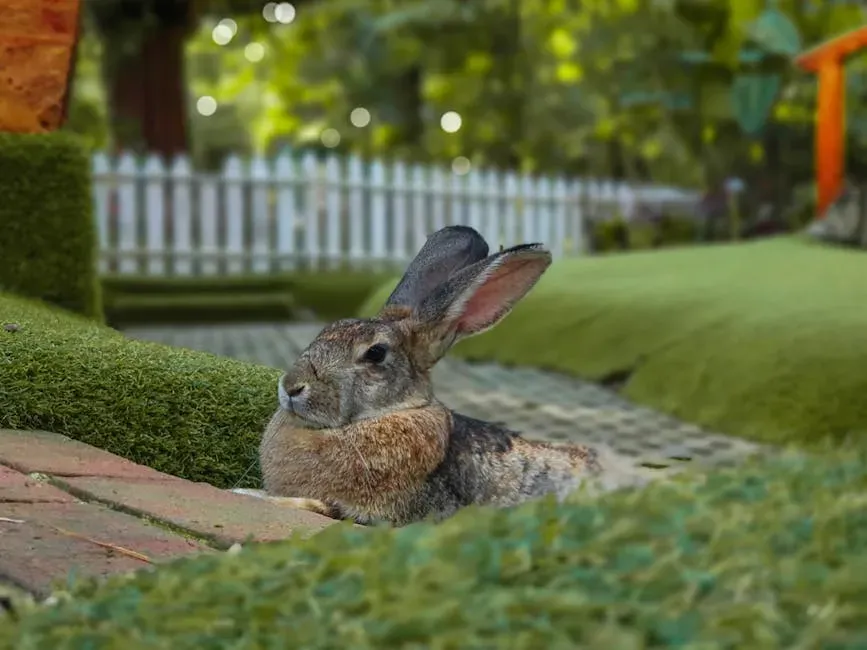
Rabbits need spots to take cover from predators, so inspect your yard and think like a bunny. Look for things that could provide cover, including tall grass, a wood or brush pile, or a shed or deck with no barrier to keep rabbits from going under it. If your yard feels safe to them, they’ll treat it like home.
A female rabbit can have more than 10 babies in a litter, so if you don’t want rabbits in your yard, the last thing you want is to unintentionally create the perfect nesting site. They nest in overgrown and grassy areas, so try to keep your garden free from those types of spots. A tidy, well-maintained garden perimeter is a surprisingly powerful first line of defense.
#4: Make a Homemade Cayenne Pepper Spray

There are lots of homemade spray recipes available online, and many of them include cayenne pepper, as rabbits dislike the pungent smell. One recipe to try: mix two tablespoons of cayenne pepper, two tablespoons of garlic powder, one teaspoon of pure-castile liquid soap, and five cups of water, then pour into a spray bottle and shake to combine. It’s simple, cheap, and uses ingredients most of us already have at home.
The problem with smell- and taste-related solutions is that they dissipate after rain, so they often need to be reapplied. That’s a small trade-off. Keep a fresh batch handy and get into the habit of reapplying after watering or a rainy spell. If you do have pets that roam your garden, keep in mind that ingesting too much cayenne pepper can irritate your pet’s stomach, so use some judgment about where exactly you spray.
#5: Plant Strong-Scented Herbs as Natural Barriers
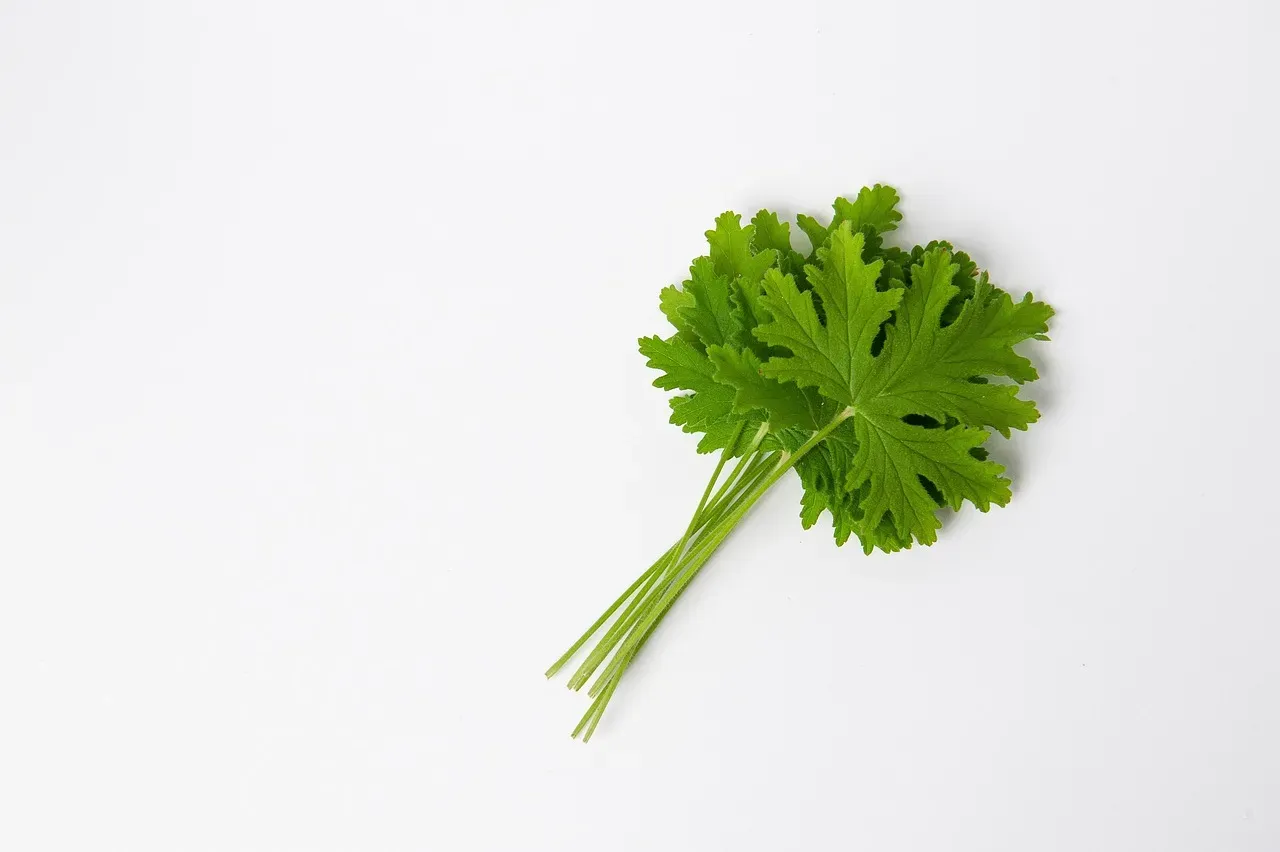
Although rabbit-proof plants don’t exist, there are some that rabbits don’t like because of their strong scents, such as basil, garlic, rhubarb, hot peppers, spicy basil, and mint. Strategically planting these around the edges of your vegetable beds creates a natural scent barrier that costs nothing beyond the initial planting.
Rabbits tend to dislike the strong fragrance of lavender and will often avoid it. Like lavender, the strong scent of rosemary can help deter these animals, and the pungent aroma of thyme can make it less attractive to rabbits. These herbs do double duty: they protect your garden while also looking beautiful and providing fresh herbs for the kitchen. It’s one of those rare gardening solutions where everyone wins.
#6: Use Predator Scent Repellents
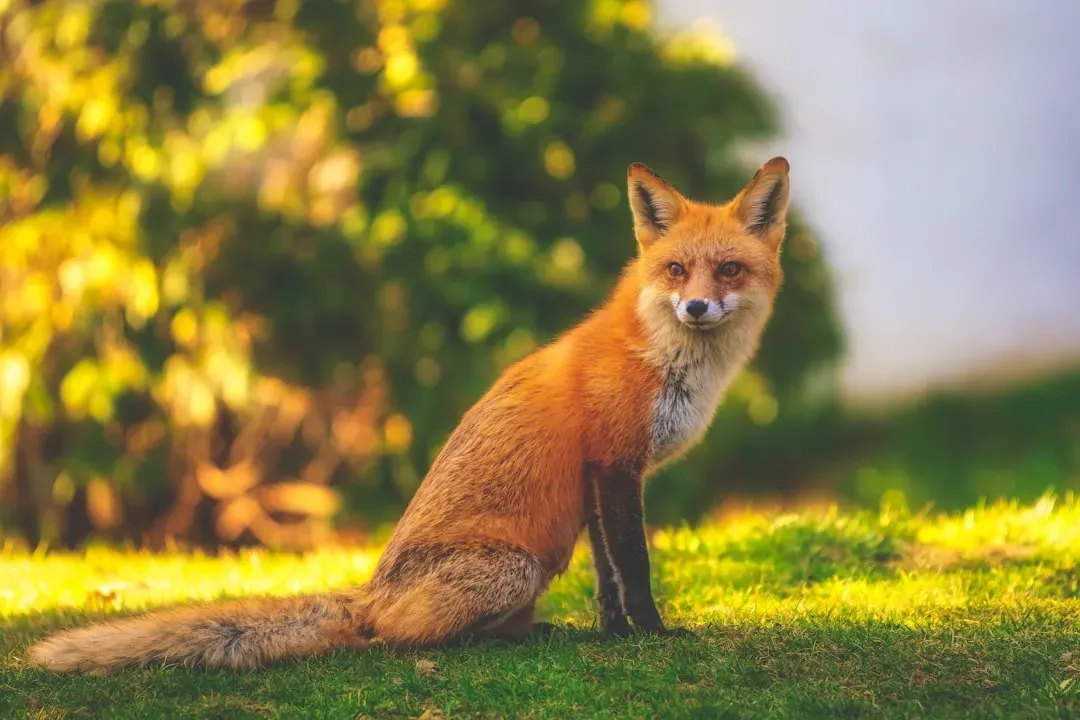
Rabbits don’t like the smell of predators or death. That’s why many gardeners swear by everything from sprinklings of human or animal hair to human urine. Many commercial repellents are infused with the scent of fox urine. These products tap directly into a rabbit’s deeply wired survival instincts, making your garden smell like somewhere dangerous to be.
Ask your local groomer for dog or cat hair, then stuff it into a burlap bag or pantyhose and place it around your garden so the scent tricks rabbits into thinking there’s a predator nearby. The hair will need to be replaced every so often, especially after it rains. It sounds a little eccentric, but plenty of experienced gardeners have found it genuinely effective, especially in combination with other methods.
#7: Cover Individual Plants with Wire Cloches or Mesh Cages

For targeted protection, try using wire cloches or mesh cages over specific plants. These are ideal for new transplants, favorite veggies, or garden areas where a full fence just isn’t practical. They’re easy to place, remove, and reuse, and they let in all the good stuff like sunlight, rain, and airflow. Think of them as individual shields for your most vulnerable plants.
If you’re working with raised beds, containers, or smaller spaces, individual covers can offer a manageable approach to rabbit protection. Covering crops with row covers or mini garden tunnels can make a big difference. Use lightweight hoops and fine mesh netting, and be sure to secure the edges with landscaping pins, garden clips, bricks, or soil. Rabbits are sneaky and can nudge their way in if there are gaps at ground level, so always check those bottom edges carefully.
#8: Add Visual Deterrents and Keep Moving Them

Metal pinwheels with their movement, shininess, and even sound frighten some rabbits, as do rubber snakes and owl statues. These inexpensive objects play on a rabbit’s natural wariness of anything unfamiliar in their environment. They work best when they’re in motion or create unpredictable reflections.
If you do try these deterrents, moving them around your garden frequently is recommended to prevent the rabbits from getting used to seeing them in the same spot. Other scare devices like fake owls, aluminum pie pans, or flashing lights may work for a time, but rabbits eventually ignore them once they realize they pose no real threat. Rotation is the key to keeping the effect alive – a stationary “threat” quickly becomes invisible to a smart, observant animal.
#9: Raise Your Garden Beds Higher
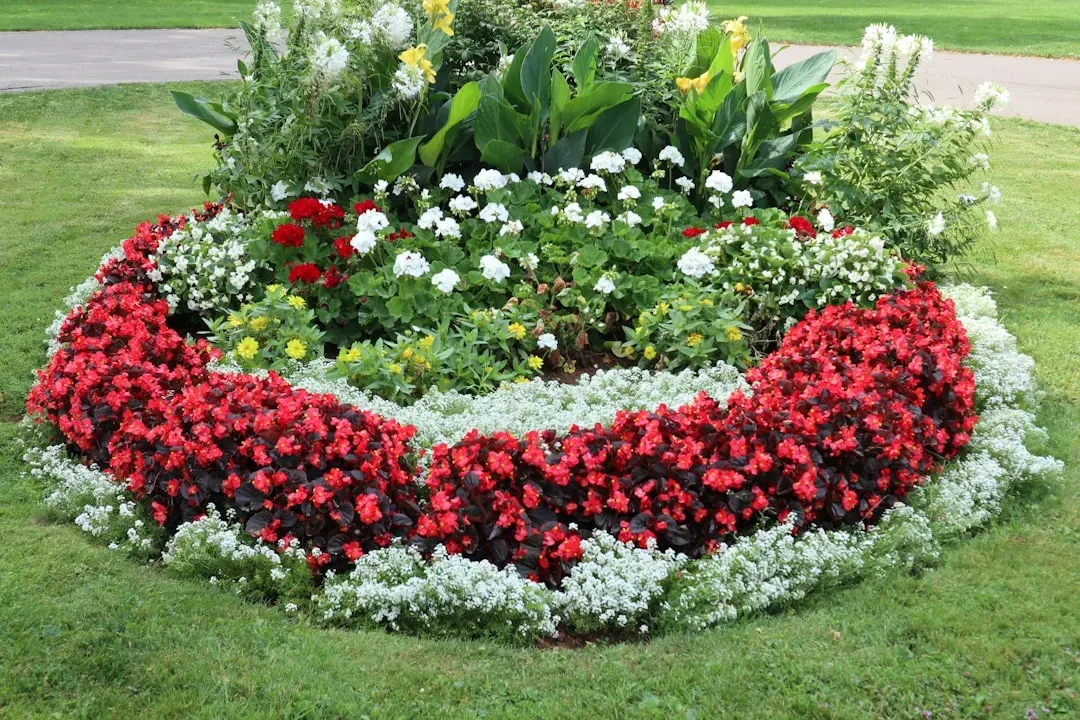
Planting vegetables and prized flowers in raised beds or tall containers will keep the bunnies from being able to reach them. Just make sure that the top of the beds are at least three feet off the ground so the rabbits can’t jump onto them. This approach is especially useful for smaller gardens or urban spaces where installing a perimeter fence isn’t realistic.
Adult rabbits can stand on their hind feet to get to plants that might seem out of reach. Young rabbits are especially troublesome, as they discover the world through their taste buds and nibble even plants that are traditionally rabbit-resistant. Knowing this, it’s worth erring on the side of going higher rather than lower when planning your raised bed height – that extra few inches of clearance genuinely matters.
#10: Try Blood Meal as a Dual-Purpose Deterrent
Blood meal and Milorganite are both organic fertilizers that can also work as a natural rabbit repellent. Rabbits don’t like the smell of them and tend to stay clear of areas that are sprinkled with them. The fact that you’re feeding your soil at the same time makes this one of the more practical tricks in the toolkit.
Since they are both fertilizers, be careful not to put down too much, as that can harm your plants. Light, targeted application around bed edges is all you need. Most repellents must be reapplied after heavy rains, irrigation, or to new growth as the plant grows, so it helps to keep a small supply on hand through the growing season rather than doing one big application and hoping for the best.
#11: Create a Decoy Feeding Area Away From Your Garden
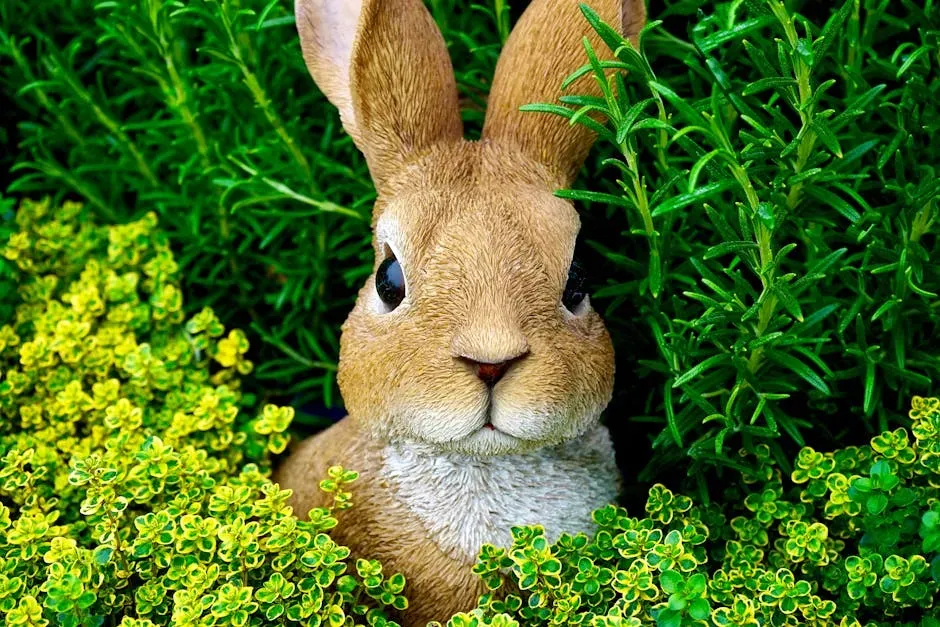
Providing rabbits with an alternative food source can help to keep them away from your garden. Consider planting a small patch of clover or other plants that rabbits enjoy, away from your garden. This approach works with rabbit behavior rather than against it, accepting that rabbits need to eat while redirecting them somewhere that doesn’t cost you your harvest.
Author Tammi Hartung recommends planting “decoy plants” to keep critters out of your garden. Using parsley as an edging plant in ornamental beds can help pull bunnies away from vegetable gardens. It takes a bit of planning, but the idea of designing your yard so that rabbits naturally gravitate toward a safe zone of their own is both clever and genuinely kind. You can have rabbits living around your house and still have a thriving garden – it just takes a bit of creative strategy.
A Garden That Works Smarter, Not Harder
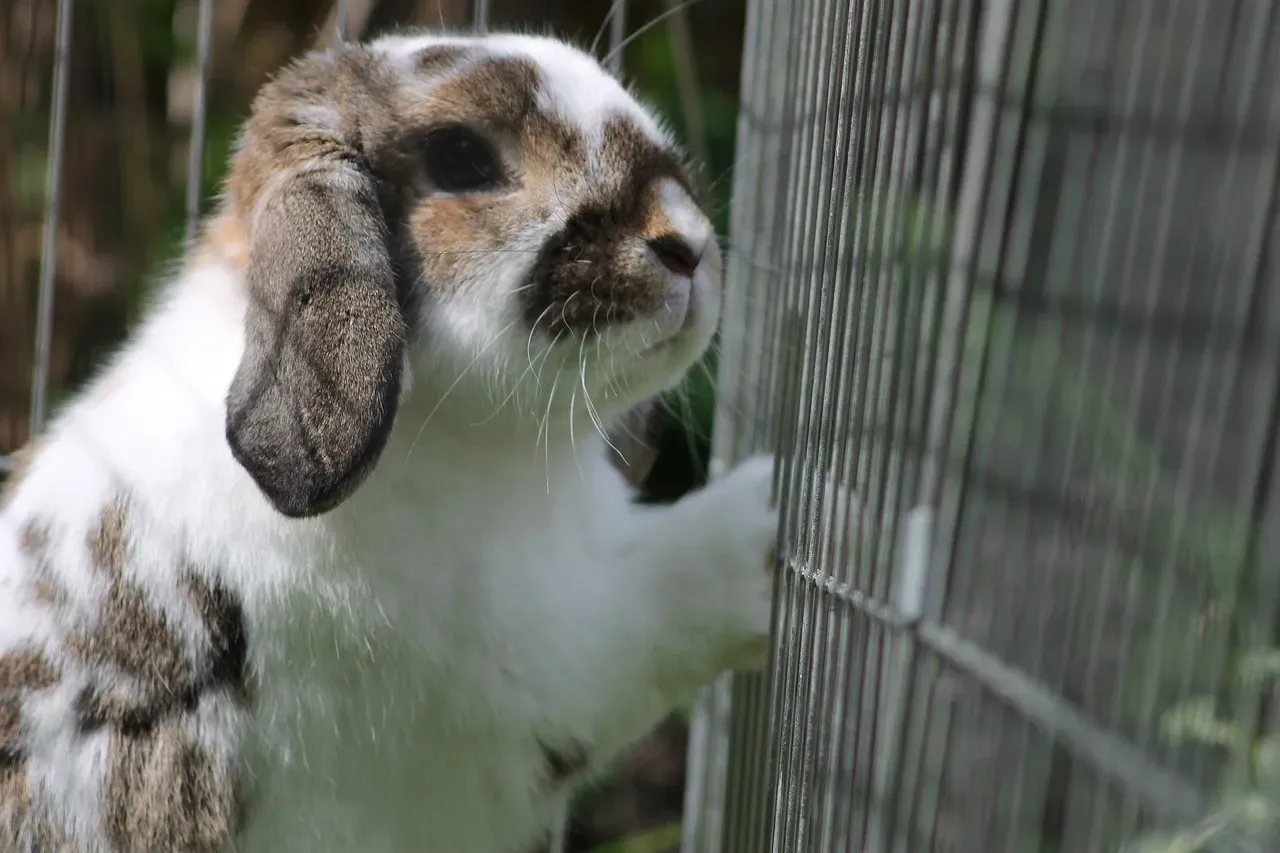
Rabbits aren’t going away. The biggest challenge with rabbits is that they are not migratory animals. If they find a reliable food source like your garden, they will stay there, eat, and reproduce. That’s exactly why a single trick rarely solves the problem on its own.
A combination of fencing, repellents, and habitat modification typically provides the best results in the home landscape. If you want to supercharge your rabbit-proof garden, do a combination of several options. Mix up sights, smells, and sounds, and do whatever you can to suggest that predators are lurking just around the corners.
The most satisfying gardens are the ones that coexist with the natural world rather than declaring war on it. A few well-placed tricks, a little consistency, and a willingness to adapt your approach as the seasons change – that’s usually all it takes. The rabbits will find somewhere else to be.

- 6 Exotic Bird Species You Can Spot in U.S. National Parks - July 19, 2026
- 11 Iconic American Birds Facing New Challenges and How You Can Help - July 19, 2026
- 10 Friendliest Animals in the World - July 19, 2026