


On warm summer evenings across many parts of the world, the magical glow of fireflies has captivated humans for centuries. These bioluminescent beetles create a living light show that represents one of nature’s most enchanting displays. Yet, scientists warn that firefly populations are declining globally due to habitat loss, light pollution, pesticide use, and climate change. The potential extinction of these creatures would not only rob us of their ethereal beauty but would also have far-reaching ecological and scientific consequences. This article explores the multifaceted impact of a world where fireflies might go dark forever—from disrupted ecosystems and lost cultural heritage to missed scientific breakthroughs and diminished human experiences with nature.
The Ecological Role of Fireflies
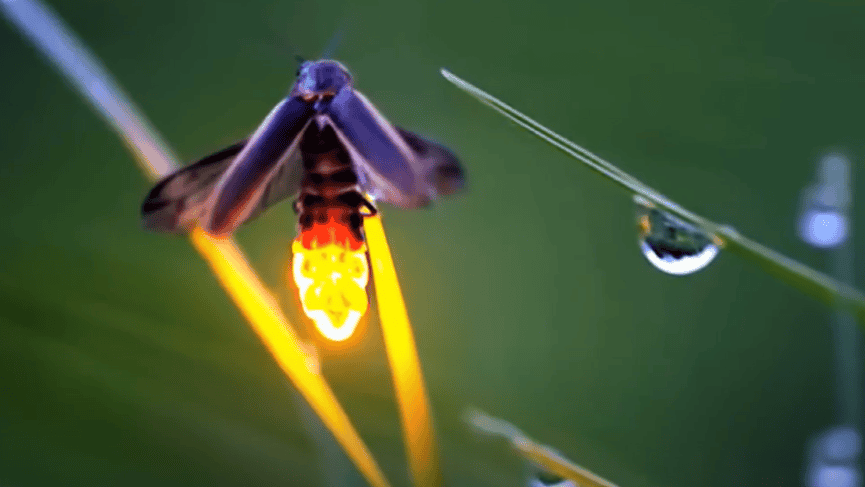
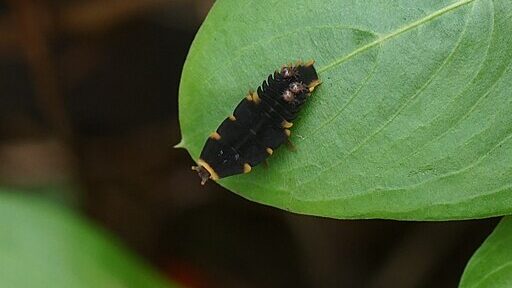
Fireflies occupy a significant ecological niche within their habitats. As predators in their larval stage (often called “glowworms”), they feed on slugs, snails, worms, and other soft-bodied invertebrates, helping to regulate these populations naturally. Some firefly species are specialized snail hunters, playing a crucial role in controlling potential agricultural pests. Adult fireflies primarily feed on nectar or pollen, while some species don’t feed at all during their brief adult lives. Their disappearance would create a gap in local food webs, potentially allowing certain prey species to proliferate unchecked and disrupting the delicate ecological balance that has evolved over millions of years.
Biodiversity Implications

With over 2,000 species worldwide, fireflies represent a significant component of global biodiversity. Each species has evolved unique flash patterns and behaviors, adapted to specific environmental conditions. The loss of fireflies would not only mean the extinction of these distinct species but would also impact the genetic diversity within our global ecosystem. Biodiversity functions as a form of ecological insurance—the more diverse an ecosystem, the more resilient it typically is to environmental changes and stressors. Removing fireflies from this complex web weakens the entire system, potentially creating cascading effects as other species that interact with fireflies must adapt or face their own population challenges. The disappearance of these beetles would represent another concerning step in what scientists call the “sixth mass extinction” currently underway.
Impact on Scientific Research

Fireflies have contributed enormously to scientific advancement, particularly in medical and biochemical research. The bioluminescent compounds found in fireflies—notably luciferase and luciferin—have become invaluable tools in medical research, cancer studies, and food safety testing. Scientists use these compounds to track the progress of diseases, monitor gene expression, detect bacterial contamination in food, and study cell functions. The gene for luciferase is regularly used as a reporter gene in molecular biology experiments because it provides visual confirmation when certain cellular processes occur. Without fireflies, these research tools would need alternative sources or synthetic substitutes, potentially slowing medical breakthroughs and increasing research costs. While some of these compounds can now be synthesized in laboratories, the loss of natural sources would eliminate potential discoveries of new bioluminescent compounds with unique properties.
Cultural and Historical Loss

Across numerous cultures, fireflies hold deep symbolic and cultural significance. In Japan, fireflies (hotaru) symbolize the souls of the dead and feature prominently in literature, poetry, and art. Annual firefly festivals draw thousands of visitors in countries like Japan, Taiwan, and Malaysia. In Native American traditions, fireflies feature in various myths and legends, often representing enlightenment or guidance. The disappearance of fireflies would erase a living cultural touchstone that has inspired human creativity for centuries. Future generations would know these cultural references only through records and descriptions, without the firsthand experience that gives them meaning. The loss would be particularly acute in societies where fireflies have been woven into cultural identity and traditional ecological knowledge.
Economic Consequences
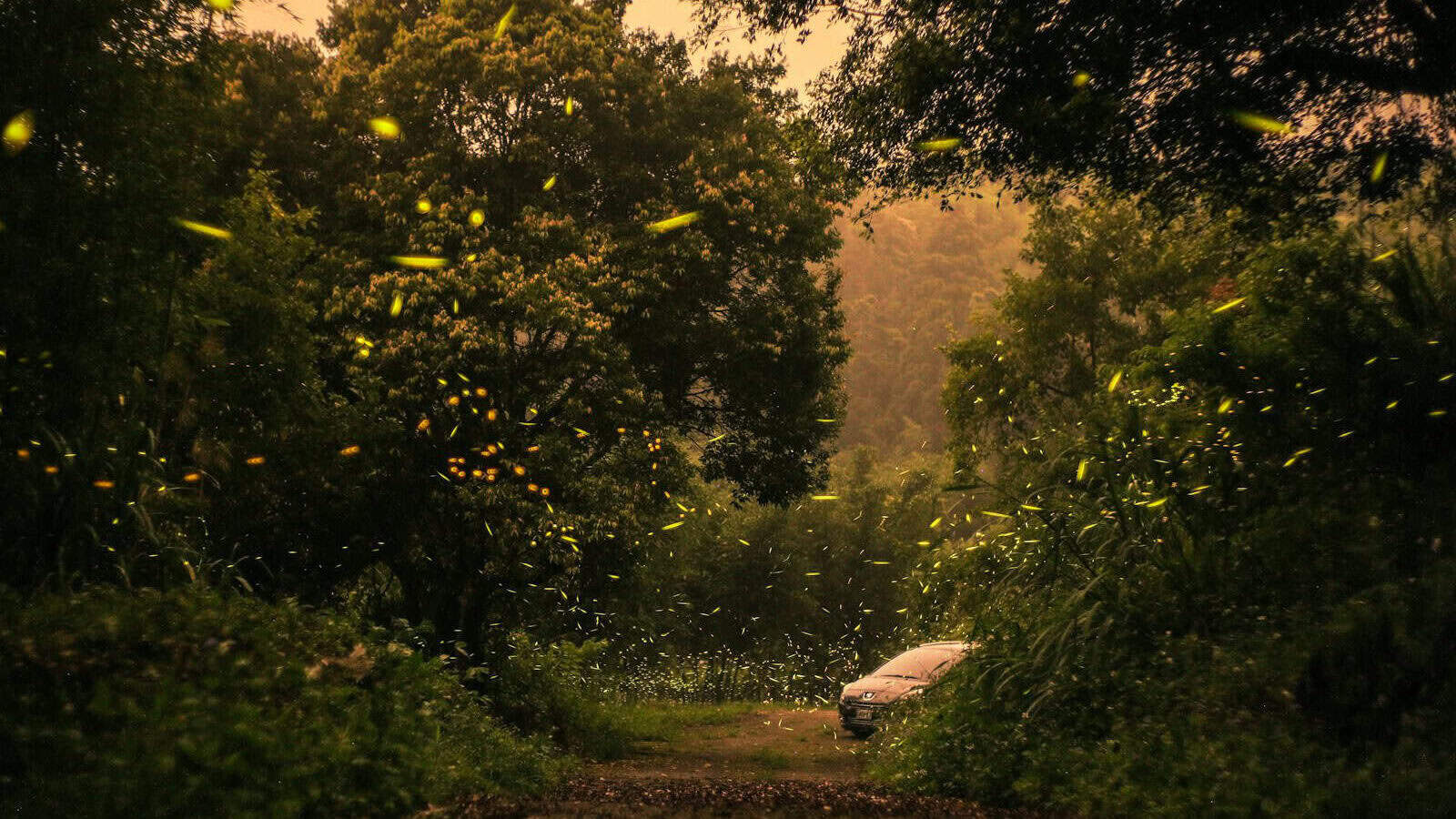
The extinction of fireflies would carry economic implications beyond their scientific value. Firefly tourism has become a significant economic driver in several regions worldwide. Communities in places like the Great Smoky Mountains in Tennessee, Kampung Kuantan in Malaysia, and various locations in Japan have developed eco-tourism industries centered around firefly viewing. These local economies benefit from visitors who come specifically to witness synchronized firefly displays, supporting hospitality services, tour guides, conservation efforts, and related businesses. Without fireflies, these communities would lose a unique natural attraction and the associated economic benefits. Additionally, the loss of fireflies’ ecosystem services, such as natural pest control, could increase agricultural costs as farmers might need to use more artificial pest management methods.
Psychological and Human Wellness Impact
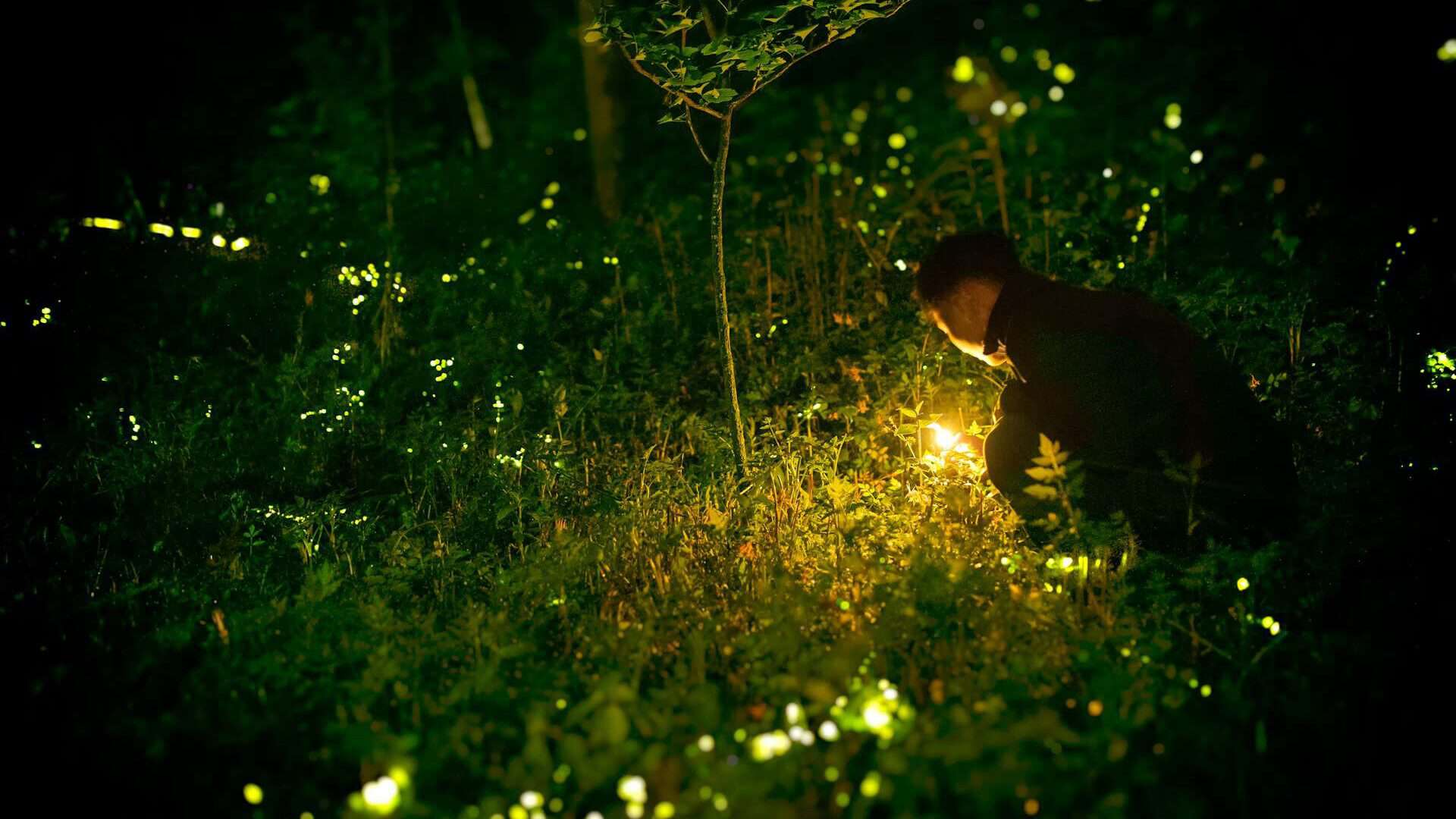
The disappearance of fireflies would represent a profound loss to human psychological well-being. Encounters with these glowing insects often create formative childhood memories and foster connection with the natural world. Psychologists have documented the restorative effects of experiencing natural wonders—a phenomenon sometimes called “awe”—which can reduce stress, increase life satisfaction, and promote prosocial behavior. Fireflies provide accessible experiences of natural wonder, especially valuable in increasingly urbanized societies where nature encounters are becoming rarer. Their loss would contribute to what environmental philosophers call “extinction of experience”—the progressive diminishment of direct, personal contact with nature. This disconnection has been linked to reduced environmental stewardship, as people tend to protect what they know and love from personal experience.
Educational Opportunities Lost
Fireflies serve as excellent educational ambassadors for concepts in biology, chemistry, ecology, and conservation. Their accessible life cycle and visible bioluminescence make complex scientific principles tangible for students of all ages. Teachers use fireflies to illustrate chemical reactions, energy transformation, evolutionary adaptation, sexual selection, and ecosystem interdependence. Citizen science projects focusing on firefly monitoring engage the public in real scientific research while building environmental awareness. Without fireflies, educators would lose a charismatic teaching tool that naturally captivates attention and curiosity. The disappearance of these insects would remove a gateway species that often sparks children’s interest in science and nature study, potentially affecting future generations’ scientific literacy and environmental consciousness.
Indicator of Environmental Health
Fireflies function as bioindicators—species whose presence, absence, or condition provides information about environmental health. Their complex life cycles require specific habitat conditions: clean water, undisturbed soil, limited light pollution, and appropriate vegetation. Most species spend the majority of their lives as larvae in soil or water before emerging as the familiar flashing adults. Their decline signals broader environmental degradation affecting numerous species. The absence of fireflies would remove a visible early warning system for ecosystem health, comparable to the canary in a coal mine. Without these indicator species, detecting harmful environmental changes might become more difficult until problems reach crisis levels. Their disappearance would represent not just the loss of the fireflies themselves, but evidence of a broader deterioration of environmental conditions that sustain countless other species, including humans.
Climate Change Connections
The relationship between fireflies and climate change works in both directions. Climate change threatens fireflies through altered temperature patterns, shifting precipitation, and more extreme weather events that disrupt their sensitive life cycles. Many species rely on specific temperature cues for emergence, mating, and egg-laying. Unseasonable weather can desynchronize these carefully timed behaviors, leading to failed reproduction. Simultaneously, the loss of fireflies could potentially accelerate climate change in subtle ways. All insects, including fireflies, contribute to ecosystem functions like nutrient cycling and organic matter decomposition that affect carbon sequestration. While the contribution of fireflies specifically is modest compared to more abundant insects, their disappearance would represent another small degradation in ecosystem function at a time when every natural carbon management system matters. Their extinction would be both symptom and contributor to our changing climate.
Loss of Natural Night Lighting
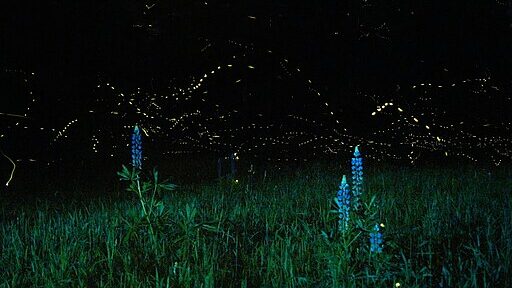
In some regions of the world, particularly in developing areas with limited electricity access, fireflies provide a natural source of light. While not bright enough for practical tasks, their aggregations can create ambient illumination that connects communities with natural cycles. Historically, there are accounts of people using fireflies as temporary light sources by collecting them in jars or using their light to navigate forest paths. Indigenous cultures in parts of South America and Asia have traditions of using firefly light for practical and ceremonial purposes. Beyond these limited practical applications, the aesthetic value of their natural illumination represents a unique phenomenon that artificial lighting cannot replicate. The loss of fireflies would extinguish one of nature’s few examples of living light, leaving bioluminescent phenomena even rarer and less accessible to most people.
Conservation Challenges and Opportunities
Preventing fireflies from going dark forever presents both significant challenges and opportunities for conservation. Unlike more visible endangered species like tigers or pandas, invertebrate conservation struggles to attract funding and public attention. However, fireflies’ charismatic nature makes them excellent flagship species for broader invertebrate conservation. Effective firefly conservation requires addressing multiple threats simultaneously: preserving and restoring habitat, reducing light pollution through dark-sky initiatives, limiting pesticide use, managing invasive species, and mitigating climate change impacts. Community-based conservation has shown promise, with local firefly sanctuaries established in places like Pennsylvania, Malaysia, and Taiwan. These efforts demonstrate that when communities value fireflies, they often implement broader environmental protections that benefit entire ecosystems. The challenge of saving fireflies thus presents an opportunity to engage the public in wider conservation action through emotional connection to these beloved insects.
Alternatives and Adaptation

If fireflies were to disappear entirely, various adaptations and alternatives would emerge to fill the gaps they leave behind. For scientific applications, synthetic biology has already made progress in creating artificial luciferase and luciferin, though natural firefly compounds still offer certain advantages. Cultural adaptations would likely include commemorative practices, virtual reality experiences simulating firefly displays, and potentially even light-emitting drones programmed to mimic firefly behavior for educational or tourism purposes. None of these alternatives, however, would truly replace the complex ecological functions of living fireflies or the profound human experience of encountering these self-illuminating creatures in their natural habitat. The best adaptation would be preventative—taking decisive action to protect existing firefly populations and restore degraded habitats before extinction becomes inevitable. Unlike some technological or cultural losses that can be reversed, extinction represents a permanent erasing of evolutionary information developed over millions of years.
The disappearance of fireflies would fundamentally alter our world in ways both obvious and subtle. Their absence would create summer nights devoid of their enchanting light shows, leaving a darkness that represents more than just the loss of illumination. It would signify another severed connection between humans and the natural world, another step toward what scientists call “shifting baseline syndrome,” where each generation accepts an increasingly impoverished natural environment as normal. The scientific community would adapt but would lose a valuable model organism and source of bioluminescent compounds. Perhaps most significantly, the extinction of fireflies would represent a failure of environmental stewardship with implications extending far beyond these insects themselves. If we cannot save species as beloved and visible as fireflies, it raises troubling questions about our capacity to address broader biodiversity loss and environmental challenges. Their disappearance would be both ecological tragedy and moral failing—a preventable loss that future generations would rightly judge as a consequence of our collective choices and priorities.

- These Animals Call U.S. Marine Sanctuaries Home - July 31, 2026
- The Smartest Animals With Astonishing Language Skills - July 31, 2026
- 15 Reasons Turtles Keep Our Rivers Clean (and Why They Need Our Help) - July 31, 2026