

Snakes play a vital role in maintaining the balance within their ecosystems. As both predators and prey, they help control the population of their prey, such as rodents, while providing sustenance for larger predators. However, climate change is threatening their delicate balance and, consequently, the ecosystems they inhabit.
Impact of Climate Change on Snake Habitats

Changing temperatures and weather patterns are altering snake habitats across the globe. Many snake species rely on specific environmental conditions to thrive, and as these conditions shift, certain areas may no longer be suitable for their survival. This can lead to reduced populations and even localized extinctions.
Rising Temperatures and Snake Survival
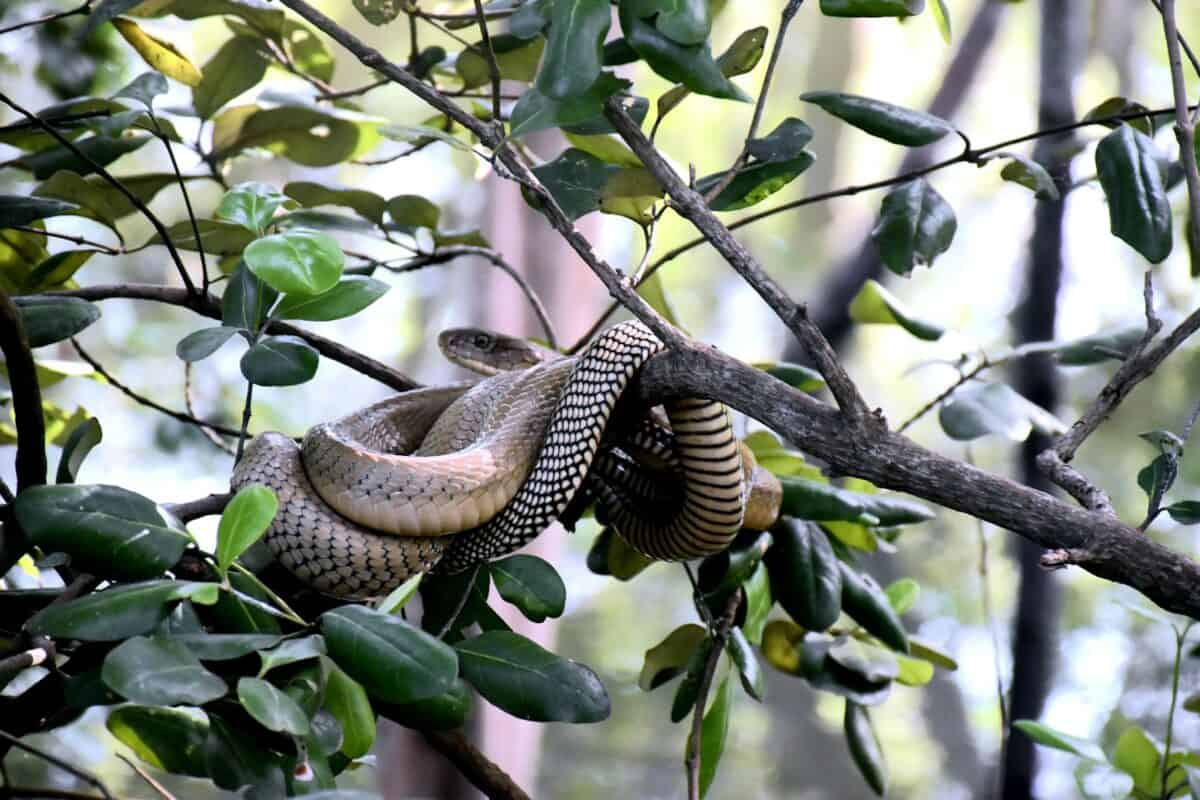
Snakes are ectothermic, meaning they rely on external heat sources to regulate their body temperature. As global temperatures rise, snakes may face challenges in finding the right level of warmth needed for their physiological processes. This can lead to decreased energy levels, reduced reproduction rates, and higher mortality.
Changes in Prey Availability

Climate change affects not only snakes but also the prey they depend on. Alterations in habitat and climate patterns may lead to declines in prey species, forcing snakes to adapt their diet or face starvation. This can lead to a decrease in snake populations as they struggle to find adequate nourishment.
Increased Frequency of Extreme Weather Events

Extreme weather events, such as hurricanes and floods, are becoming more common due to climate change. These events can devastate snake habitats, leading to immediate threats to their survival. The destruction of shelter and loss of food resources are among the challenges snakes face in such conditions.
Alteration of Breeding Cycles
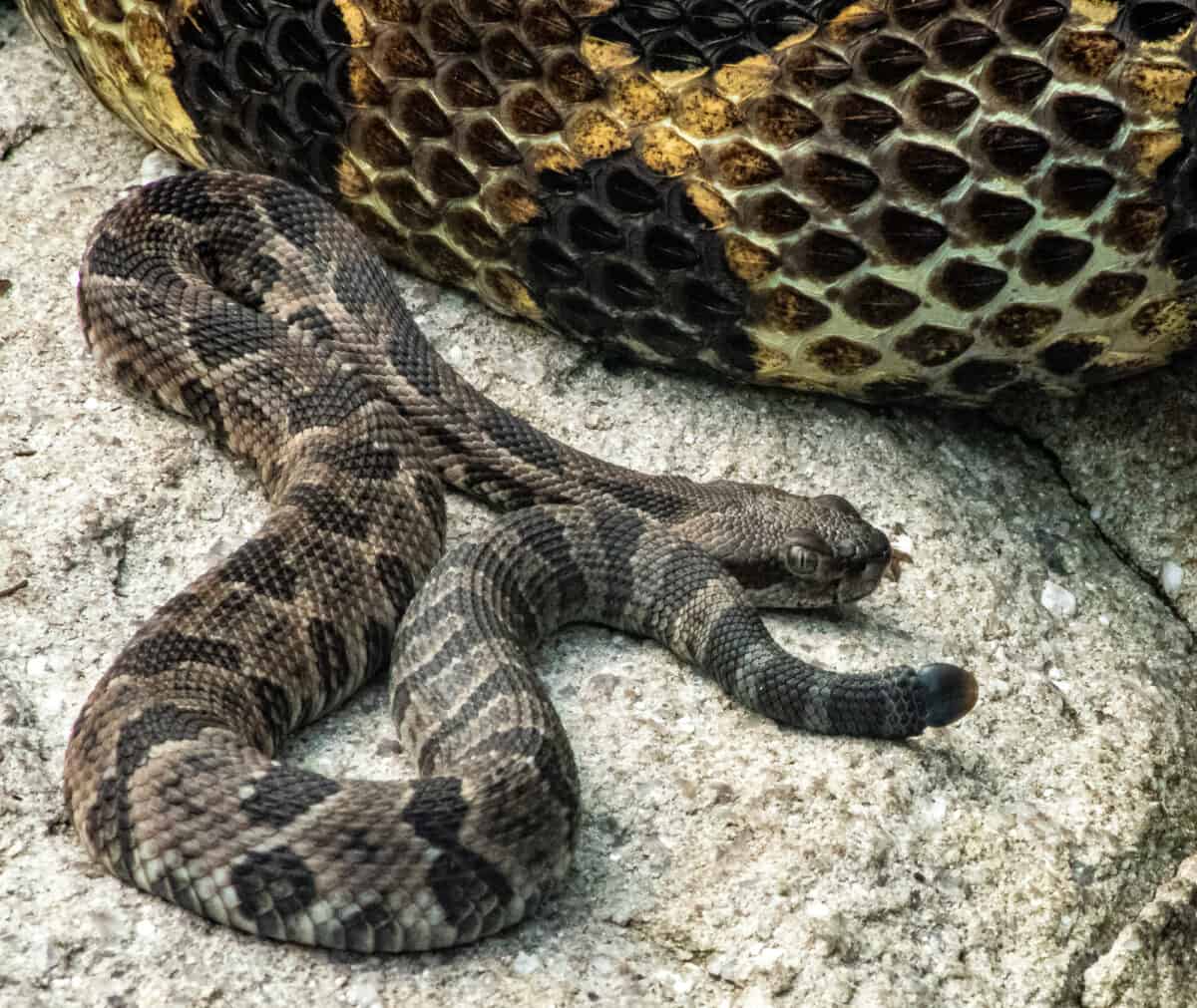
Many snake species have specific breeding seasons that align with environmental cues. With shifting climates, these cues may no longer coincide with optimal breeding conditions, leading to disruptions in reproductive cycles. This can result in fewer offspring and declining populations over time.
Conservation Strategies Under Threat

Conservation efforts aimed at protecting snake populations are also hindered by climate change. Habitat restoration projects, for instance, may become less effective if the climate continues to change, making restored habitats unsuitable for snakes.
Initiatives for Adaptation and Resilience

Conservationists are developing strategies to help snakes adapt and build resilience to climate change. These efforts include creating climate-resilient habitats, ensuring genetic diversity, and monitoring snake populations to gather vital data for future conservation planning.
Role of Technology in Snake Conservation
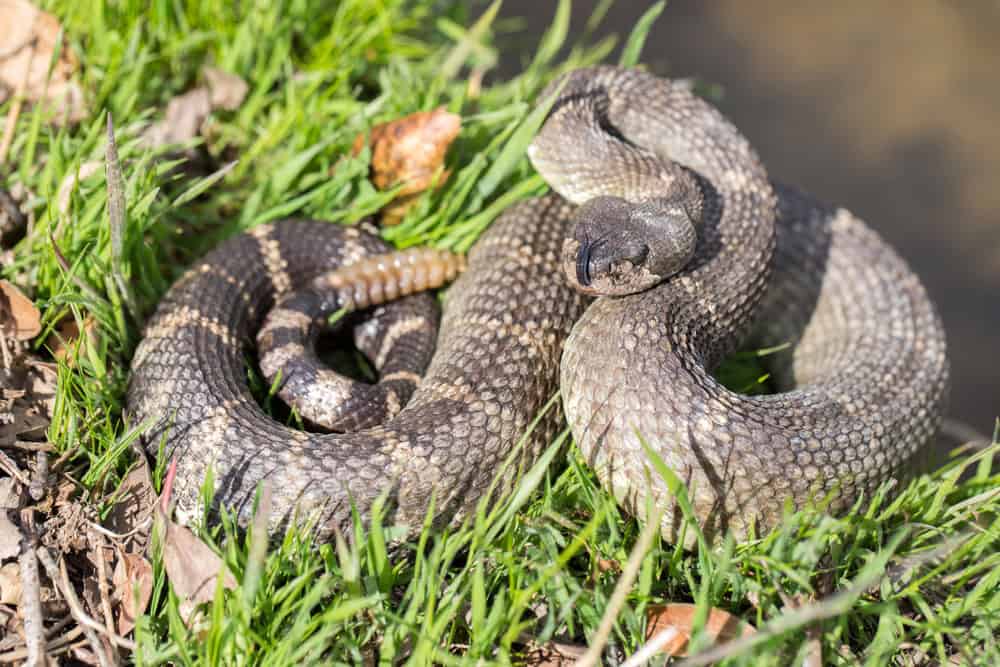
Advancements in technology, such as satellite tracking and environmental DNA analysis, are enhancing our understanding of how climate change impacts snakes. These tools allow scientists to monitor snake movements and health, providing valuable insights for developing effective conservation measures.
Community Involvement in Conservation Efforts
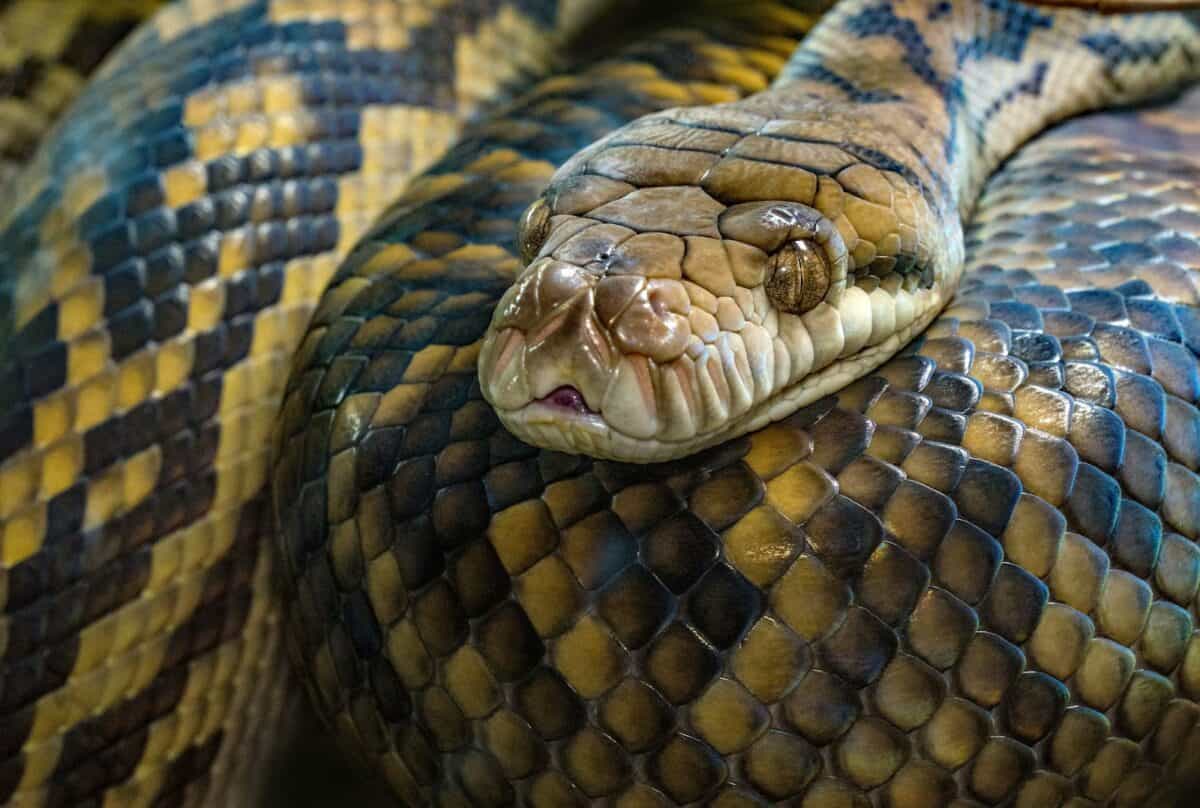
Local communities play a critical role in conservation efforts. Engaging communities through education and participation can lead to more sustainable environmental practices and greater support for conservation initiatives, creating a positive impact on snake populations.
International Collaboration for Global Impact
Tackling the effects of climate change on snake conservation requires international collaboration. Cross-border initiatives and agreements can enhance resource sharing and streamline efforts to protect snakes worldwide, ensuring a more coordinated response to climate change threats.
Innovative Policies for Long-Term Preservation

Governments and organizations are formulating policies aimed at reducing climate change impacts on snake populations. These include, but are not limited to, enforcing stricter emission controls, implementing habitat protection laws, and funding research dedicated to understanding the nuanced effects of climate on these reptiles.
Conclusion

Snakes are an essential component of biodiversity, and their conservation is crucial for maintaining ecosystem health. Climate change poses significant challenges to their survival, but with collective action from conservationists, scientists, communities, and governments, it is possible to mitigate these impacts. By fostering resilience and adaptation, and implementing innovative conservation strategies, we can help preserve these fascinating creatures for future generations.

- 10 Remarkable Facts About the African Cheetah: The Lightning of the Grasslands - July 29, 2026
- 10 Most Heroic Horses in History - July 29, 2026
- Why You Should Never Play Dead When Attacked by a Black Bear - July 29, 2026