
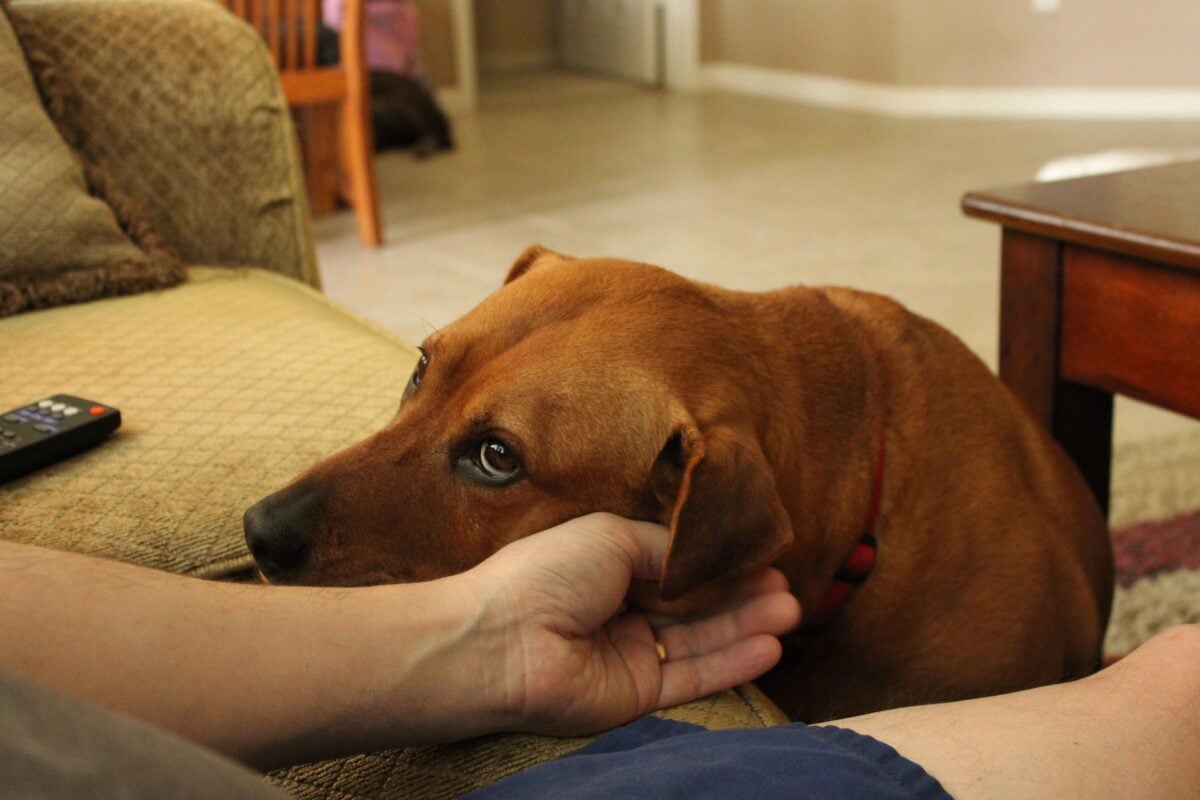
Your vet starts reading you before your pet ever reaches the exam table. Most people assume an appointment begins with the stethoscope. It actually begins in the lobby, with how you hold the leash, the first thing you say and the detail you quietly leave out.
That’s what makes this list worth your time. These 11 signals are what vets and their teams pick up on early, and they’re backed by real research on how owner beliefs, habits and emotions shape pet health. None of it is a verdict on you. But a few of these are surprising, one is a little uncomfortable, and one is a bias vets rarely mention out loud. The biggest tell of all is waiting at #1, and it has nothing to do with weight.
#11 – The First 30 Seconds Are Already Data

🔥 Would you like to save this?
We'll email this post to you, so you can come back to it later!
The visit starts the moment you walk through the door.
Staff notice whether the cat is in a secured carrier or wriggling in your arms. They notice whether the dog is on a short, steady leash or hauling you across the lobby like a sled. Within seconds, they have a rough sense of how prepared you were and how used to the clinic your pet is.
This matters because a frightened animal is harder to examine. Fear changes posture, breathing and behavior. Panting, a tucked tail, frozen stillness or frantic hiding can all blur what the vet is trying to read. A pet that’s panicking before the exam can mask the very signs the vet needs to see.
Vets pick up a few quick signals in those first seconds:
- Whether the carrier or leash is secure
- Whether you handle your pet calmly or tensely
- Whether the animal seems familiar with car rides and handling
A short practice run can change the whole tone. When the carrier lives in the living room and the car ride isn’t always a trip to the clinic, pets tend to arrive from a calmer place. Even a quick “happy visit” where your pet gets a treat and leaves can help rewrite the memory.
But the next clue shows up before you’ve even sat down…
#10 – What You Bring (or Forget) Tells a Story
🔥 Would you like to save this?
We'll email this post to you, so you can come back to it later!
Your paperwork is a quiet character reference.
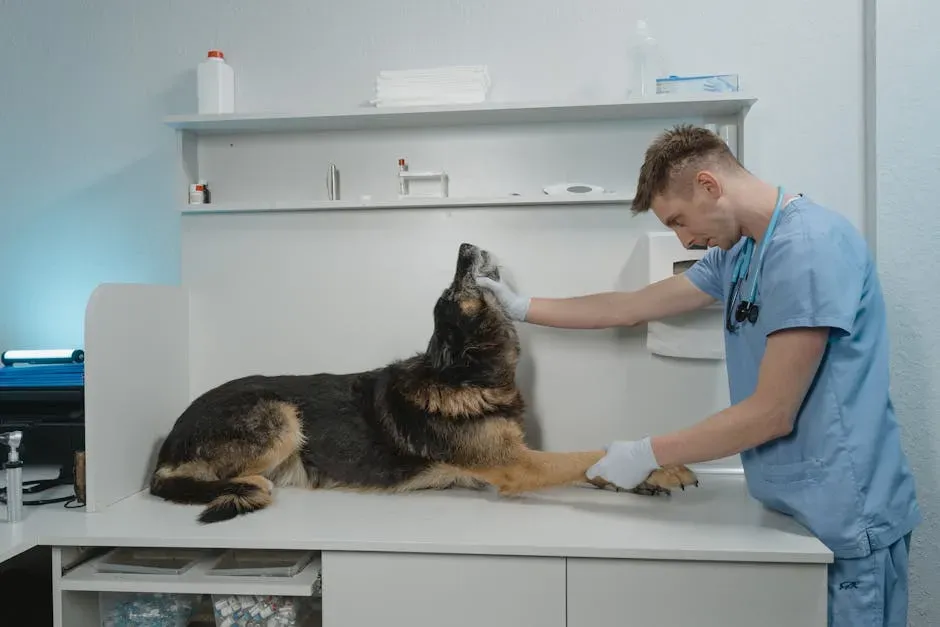
Your pet can’t describe its own history, so you are the medical record. Vets notice whether you arrive knowing the food brand, the medications and doses, and when the last vaccines or flea and tick treatments happened.
That doesn’t mean showing up with a binder. It means the vet can build a reliable picture instead of guessing. A vague “I think it’s the blue bag?” can slow down a diagnosis more than most owners realize.
Here’s what helps most:
- A phone photo of the food label and any supplements
- The names and doses of current medications
- Notes on when symptoms started and how often they happen
Plenty of owners learn this the hard way, standing in the exam room trying to remember a pill name. The truth is, a fast, accurate history often points a vet toward the right tests sooner. That can mean fewer guesses, and sometimes fewer bills.
And how you describe the problem reveals even more…
#9 – The Way You Describe Symptoms Says a Lot

🔥 Would you like to save this?
We'll email this post to you, so you can come back to it later!
Vague words and specific words lead to very different appointments.
“He’s just not himself” is a real and useful observation. But vets notice whether you can add detail: how long, how often, what changed, what makes it better or worse. The more precise you are, the faster they can narrow the possibilities.
Then there’s the phrase vets quietly dread: “I figured it was just old age.” Plenty of treatable conditions get written off as aging before anyone checks. Slowing down, stiffness and changes in appetite are worth examining, not just accepting.
Vets listen for patterns like these:
- Dates and timelines instead of “a while ago”
- Changes in eating, drinking, bathroom habits and energy
- Whether you’ve been waiting and hoping it passes
Quick Compare
- Vague: “She’s been off lately.” Specific: “She’s skipped breakfast for three days but still takes treats.”
- Vague: “He’s slowing down.” Specific: “He hesitates before jumping on the couch, mostly in the morning.”
- Vague: “Something’s wrong with his breathing.” Specific: “He coughs at night, about five times in an hour.”
Here’s an opinion that sparks arguments in vet circles. Many argue the most expensive mistake an owner makes isn’t skipping a pricey test. It’s waiting three weeks to mention something small.
But what you call your pet’s behavior gives away something else entirely…
#8 – The Words You Use for Your Pet’s “Feelings”
🔥 Would you like to save this?
We'll email this post to you, so you can come back to it later!
Vets listen closely to how you interpret your animal’s behavior.
“He’s mad at me.” “She’s being spiteful.” “He knows he did wrong.” Vets hear these every day. Each one tells them how you read your pet’s behavior, and that shapes how you respond to it.
Researchers have flagged over-humanization as a psychological factor in pet obesity. In one study, owners themselves listed stress, depression, poor self-discipline and over-humanisation of pet dogs among the psychological factors involved. That’s a clue to how emotions can quietly steer feeding choices.
Turns out, a “guilty look” is often fear or confusion, not guilt. A well-known 2009 study by researcher Alexandra Horowitz found that dogs showed the look more when owners scolded them, whether or not the dog had actually done anything wrong. Behavior-minded vets repeat this point often, though it’s still argued over online.
Vets aren’t judging you for loving your pet like family. They’re watching whether that love turns into decisions that help, such as vet visits and proper training, or ones that don’t.
And there’s one blind spot that almost every owner shares…
#7 – The Body Condition Blind Spot

🔥 Would you like to save this?
We'll email this post to you, so you can come back to it later!
Many owners can’t see their own pet’s weight problem.
Vets assess weight with a body condition score, looking at the ribs, waist and belly. Then they notice how your view compares. In one large international study, owners of overweight dogs tended to underestimate their dog’s body condition score.
A separate veterinary study came to a similar conclusion. Owner assessments likely led to underestimation of pets’ body condition scores. In plain terms, many people see a healthy dog where the vet sees extra weight.
Why does it happen? Some of it is simple normalization. Research from Ireland suggests the larger an owner perceives their dog to be, the more food the dog is given. Your frame of reference quietly shifts, one scoop at a time.
The scary part is that the problem gets harder to see the longer it continues. If every pet at the dog park looks the same, “normal” starts to slide. A quick home check helps: you should be able to feel the ribs under a thin layer of padding, and see a waist when you look down from above.
But the real giveaway shows up in a much smaller place…

Glass Hummingbird Feeder for Outdoors Hanging
Check Price on AmazonAs an Amazon Associate, we earn from qualifying purchases.
10/7/2026 1:21 pm GMTi

Orthopedic Extra Large Dog Bed, Waterproof Washable XL Pet Bed 44"
Check Price on AmazonAs an Amazon Associate, we earn from qualifying purchases.
10/7/2026 1:32 pm GMTi

Professional 7 in 1 Dog Paw Cleaner for Dogs & Cats - Includes 1 Portable Paw Washer, 1 Bath Brush
Check Price on AmazonAs an Amazon Associate, we earn from qualifying purchases.
10/7/2026 1:26 pm GMTi

Dog Stairs for Bed 18" H, 4-Step Dog Steps for High Bed
Check Price on AmazonAs an Amazon Associate, we earn from qualifying purchases.
10/9/2026 2:42 pm GMTi

2 Pcs Halloween Pet Hat Bandana Set, Witch Pumpkin Costumes for Dogs
Check Price on AmazonAs an Amazon Associate, we earn from qualifying purchases.
10/9/2026 2:45 pm GMTi
#6 – The Treat Reflex
🔥 Would you like to save this?
We'll email this post to you, so you can come back to it later!
Your hand movement tells vets more than your words do.
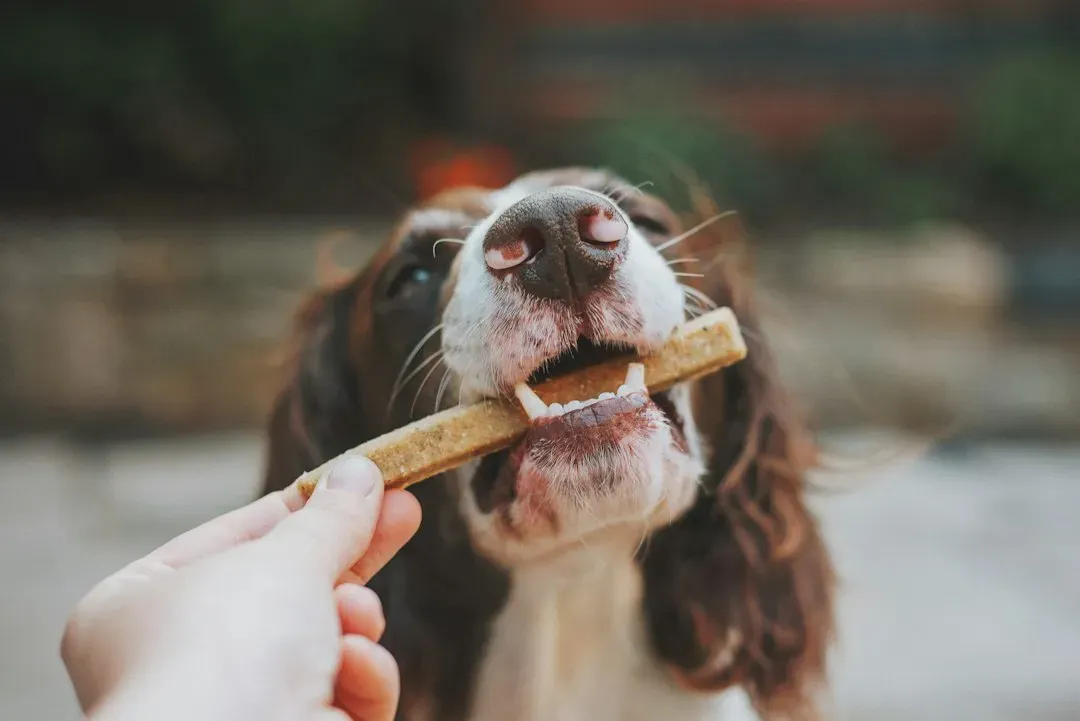
Watch what an owner does when the dog starts to whine or the cat meows in the exam room. A hand heads straight into a pocket or bag. Vets see it constantly, and they know what it often means.
Treats do more than feed. In an Irish qualitative study, owners reported using treats when they lacked control over begging, and as an expression of emotional attachment. Food becomes a language for love, comfort and peace.
Treats can feel like care while quietly working against it. Vets aren’t banning them. They’re asking whether you’ve counted them. A common rule of thumb is to keep treats to roughly 10% of a pet’s daily calories.
Here’s what experts commonly suggest:
- Count treats as part of the daily food allowance
- Use small pieces, not full biscuits
- Offer play, a walk or attention in place of food
Which leads to a link vets rarely say out loud…
#5 – Your Own Habits May Mirror Your Pet’s

🔥 Would you like to save this?
We'll email this post to you, so you can come back to it later!
Owner and pet health often travel together.
One study measured adult dog owners and their dogs in person. Owner body mass index was positively correlated with dog body condition score (r = 0.60, p < 0.001). That’s a strong link, at least in that sample.
But the evidence is mixed. A questionnaire across 11 European countries with over 3,000 dog owners found no direct correlation between owner and dog obesity. The authors suggest differences in method could explain the gap.
At a Glance
- In-person measurements: a strong positive link between owner BMI and dog body condition score
- Large European questionnaire: no direct owner-to-dog obesity correlation
- Lifestyle factors: habits like smoking tied to higher canine obesity risk in a European survey
- Bottom line: the pattern is promising, but not settled
Other lifestyle factors have shown up too. A European survey linked owner habits such as smoking with a higher risk of canine obesity. Shared routines may matter more than shared genes. The couch, the kitchen and the daily schedule are all things you and your pet share.
Here’s the controversial part. Some vets argue the most honest weight-loss plan for your pet is one that changes your own routine too. Others say that crosses a line. Where do you stand?
But there’s an emotional factor that may matter even more than lifestyle…
#4 – Your Attachment Style Shows Up in the Exam Room
🔥 Would you like to save this?
We'll email this post to you, so you can come back to it later!
How you bond with your pet can shape how you care for it.
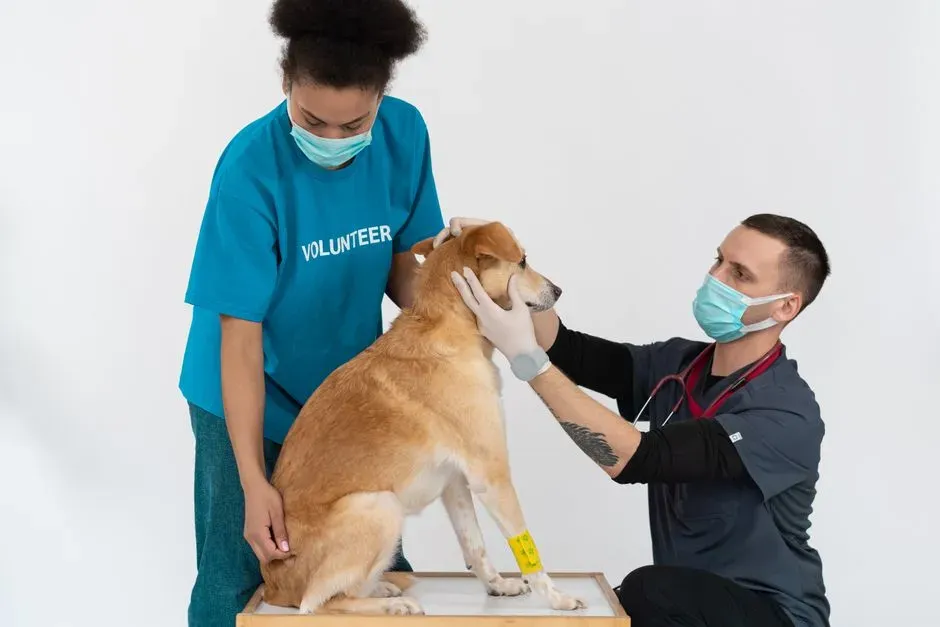
Vets see a wide range of owners: the one who hovers, the one who hangs back and the one who apologizes for everything. Psychologists have started studying whether those patterns affect pet care.
One study looked at owner attachment anxiety and avoidance in relation to pet obesity. It found the links ran through owners’ worry that their pet might judge them negatively, and through self-reported caregiving and attentiveness.
Some owners may overfeed partly because they fear their pet will stop loving them. That’s an interpretation, and the researchers themselves caution that the effects were relatively small. They still consider it important for future interventions vets might use.
The takeaway isn’t that anxious owners are bad owners. Many are the most devoted people in the building. But a vet who notices the emotional engine behind a feeding habit can talk to you about it more kindly.
Next comes the moment vets wait for in every consultation…

Smart Bird Feeder with Camera Solar Powered, 2K HD Live Video, 10,000+ Bird Species AI Identification
Check Price on AmazonAs an Amazon Associate, we earn from qualifying purchases.
10/7/2026 1:22 pm GMTi

Earth Rated XL Dog & Puppy Pee Pads, Discreet Top, Max Absorbency
Check Price on AmazonAs an Amazon Associate, we earn from qualifying purchases.
10/7/2026 1:28 pm GMTi

Glass Hummingbird Feeder for Outdoors Hanging, 16 oz Leak-Proof Nectar Feeder with Bee Guards & Ant Moat
Check Price on AmazonAs an Amazon Associate, we earn from qualifying purchases.
10/7/2026 1:22 pm GMTi

Hand Blown Glass Hummingbird Feeders for Outdoors Hanging, 24oz Wild Bird Nectar Feeder
Check Price on AmazonAs an Amazon Associate, we earn from qualifying purchases.
10/7/2026 1:23 pm GMTi

Air Purifiers for Home Pets Large Room Up to 3000 Ft²,HEPA Air Cleaner with Washable Double-Side Filter, PM2.5 Air Quality Monitor,15dB Sleep Mode for Bedroom Odor Dust Pollen,White
Check Price on AmazonAs an Amazon Associate, we earn from qualifying purchases.
10/8/2026 8:23 am GMTi
#3 – Are You Actually Ready to Change?
🔥 Would you like to save this?
We'll email this post to you, so you can come back to it later!
Vets can often tell when “I’ll try” really means “I’m not planning to.”
Behavior change research describes stages, from not seeing a problem at all to taking action. In one small study of owners of overweight pets, most participants showed an attitude that aligned with precontemplation, where there is little awareness of a reason to change.
That affects how vets talk to you. An owner who doesn’t yet see a problem needs a different conversation than one who’s ready for a plan. Owner behavior change is critical for successful pet weight loss.
Handing a diet chart to someone who doesn’t believe there’s an issue may be the quickest way to waste an appointment. Vets often start by asking questions instead.
Signs vets watch for:
- Do you ask follow-up questions or change the subject?
- Do you mention past attempts that failed?
- Do you push back on the idea that weight matters?
But vets are human too, and that comes with a catch…
#2 – The Bias Vets Don’t Advertise
🔥 Would you like to save this?
We'll email this post to you, so you can come back to it later!
Yes, vets form impressions of owners, and research shows it.
Researchers asked veterinarians to evaluate images of dog-owner pairs with different body weights. Vets reported subtle differences in their feelings toward dogs with obesity compared with lean dogs, regardless of owner weight.
Owner weight changed how the cause was judged. When both dog and owners had obesity, vets tended to see the animal’s weight as less biological and more tied to the humans’ health behaviors. Lean owners got more credit for a lean dog.
Worth Knowing
- Vets’ feelings toward dogs with obesity differed from their feelings toward lean dogs
- Owner weight influenced how vets judged the cause of a dog’s weight
- Treatment advice stayed largely the same across scenarios
- Doubt about owner follow-through was higher for heavier dogs
The treatment advice stayed largely the same, but vets were pessimistic that owners of heavier dogs would follow it. Dogs with obesity received more weight-loss recommendations, along with doubt about owner compliance.
Experts in the field call this weight bias. It’s one reason some vets are working on gentler, non-stigmatizing language. If a vet’s tone ever felt judgmental, you may have been picking up on something real.
And the biggest tell of all has nothing to do with weight…

PetSafe Oasys Pet Fountain, 1/2 Gallon (64 oz), Small Dogs & Cats
Check Price on AmazonAs an Amazon Associate, we earn from qualifying purchases.
10/8/2026 8:14 am GMTi

Halloween Cat Costume Cloak Witch Hat Pet Accessories
Check Price on AmazonAs an Amazon Associate, we earn from qualifying purchases.
10/9/2026 2:44 pm GMTi

Halloween Dog Collar with Bow, Orange Cute Ghost Collar,
Check Price on AmazonAs an Amazon Associate, we earn from qualifying purchases.
10/9/2026 2:43 pm GMTi

Portable Dog Water Bottle Foldable Dog Travel Water Bottle
Check Price on AmazonAs an Amazon Associate, we earn from qualifying purchases.
10/7/2026 1:29 pm GMTi
#1 – How Well You Know Your Pet’s “Normal”
🔥 Would you like to save this?
We'll email this post to you, so you can come back to it later!
The best owners aren’t perfect. They notice small changes.
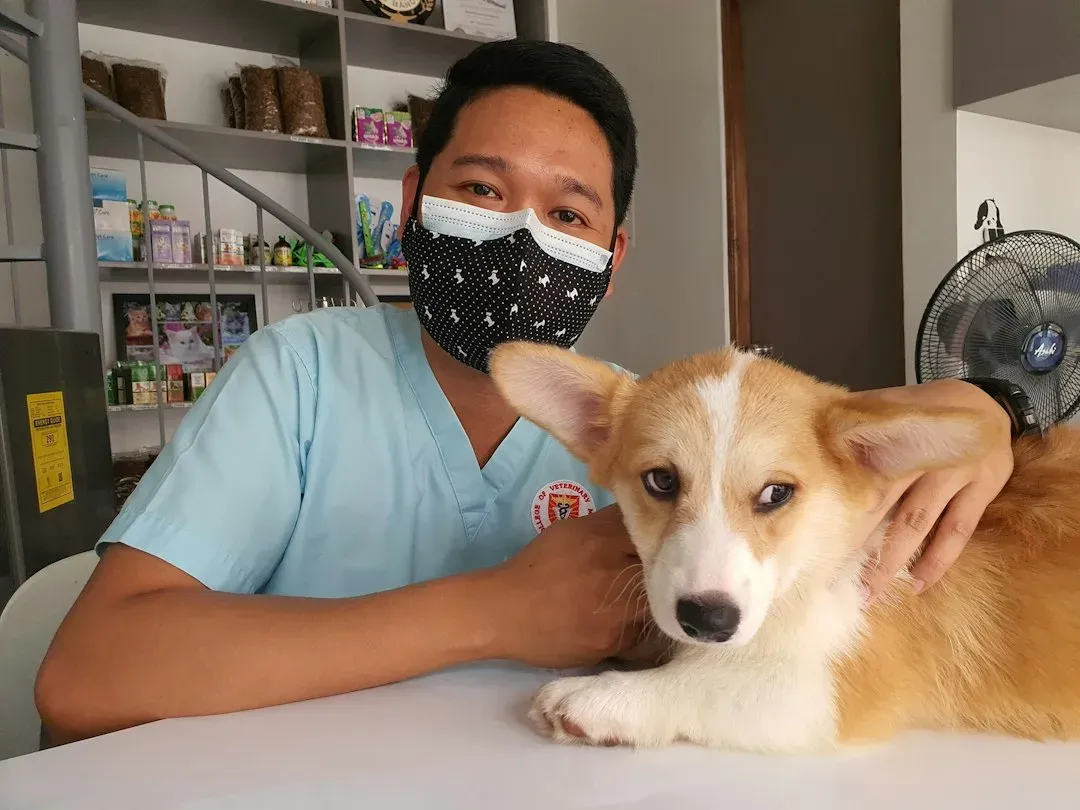
Ask a vet what makes a great client, and you’ll often hear about observation. Owners who know how much their pet usually drinks, how it sleeps and how it moves can spot trouble earlier than any test.
Time together shows up in the data. In a large European survey, dogs were more prone to being overweight or obese if their owner spent little time with them. That doesn’t prove cause, but it fits a larger pattern: attention matters.
Presence may be the most underrated form of preventive care. A daily walk, a regular grooming session or a few quiet minutes of watching can reveal changes long before an exam would.
Vets notice the owners who get down on the floor, scratch the right spot without thinking and say, “That’s not how she usually walks.” That instinct is hard to teach, and it’s often the first thing that catches a problem early.
Put all of it together, and a pattern emerges. Vets keep reading the same things: how prepared you are, how precisely you describe problems, how you see your pet’s body and how food fits into your relationship. The biggest surprise is that owner psychology, not just the animal, shapes many outcomes.
Research also shows vets can form quiet impressions, so you’re allowed to expect respectful, judgment-free care. If a clinic leaves you feeling small, that’s worth noticing too.
Our opinion: stop trying to look like a perfect owner and start being an observant one. Be honest about the treats, the weight and your own routines. Your vet can’t fix what you’re too embarrassed to mention, and your pet is counting on you to say it out loud.

- 11 Things Vets Secretly Notice About an Owner Long Before the Animal - November 6, 2026
- 13 Things a Rescue Animal Stops Doing Once a Routine Becomes Predictable - November 6, 2026
- 14 Things Golden Retriever Owners Say Nobody Warns Them About Early Enough - November 6, 2026