

Ask around and you’ll hear the same line: a Golden Retriever is the “easy” dog, the one that arrives pre-programmed to love everyone and fit into any family. Then month four hits. The fur, the chewing, the energy and the first big vet bills all show up at once, and plenty of owners feel completely blindsided. That gap between the reputation and the reality is exactly what this countdown is about.
We went through what long-time owners keep repeating and checked it against the research. Some of it is just annoying. Some of it is expensive. A couple of items are the kind of thing people say they’d want to know before the puppy ever came home, and the last one is the truth that stays with them.
#14 – The Shedding Is Not a Phase

🔥 Would you like to save this?
We'll email this post to you, so you can come back to it later!
Your Golden will shed in every season, and you’ll find fur in places you didn’t know existed.
Goldens have a double coat. A soft, insulating undercoat sits beneath longer, water-shedding guard hairs. Both layers shed year-round, and the undercoat comes out in heavy “blowouts” when the seasons change. During those weeks, owners joke that they’re brushing out enough fur to build a second dog.
Most new owners assume it’s a puppy-coat thing. It isn’t. A grown Golden usually sheds far more than a puppy, not less.
Owners say these are the surprises nobody warned them about:
- Fur woven into couch fabric and car seats
- Clumps drifting across hardwood floors within hours of sweeping
- Hair in your food, your laundry and your coffee
Then there’s the biggest mistake: shaving. Many owners cut the coat for summer, thinking it will keep the dog cooler. Groomers and vets generally advise against it. The double coat helps insulate against heat as well as cold, and shaved coats can grow back patchy or uneven.
But the next thing owners mention is something you’ll feel long before you see it…
#13 – Puppy Mouthiness Lasts Longer Than Anyone Admits

🔥 Would you like to save this?
We'll email this post to you, so you can come back to it later!
Your hands are going to be a chew toy for months.
Goldens were bred to retrieve game and carry it gently. That means they’re wired to put things in their mouths. Your fingers, sleeves and shoelaces all count.
Most people expect nipping to fade by four or five months. For many Goldens, it lingers well into adolescence. Puppies swap 28 baby teeth for 42 adult ones, and the teething itself usually wraps up around six months. The habit of carrying things doesn’t end there.
Many Goldens will greet you at the door with a toy, a shoe or a stolen sock. That’s the breed’s instinct showing up as a “gift,” and it’s weirdly hard to be mad about.
A few things owners say actually helped:
- Keep a toy in your hand when you walk in
- Trade items rather than snatching them
- Stop play the moment teeth touch skin
And just when you think the mouthing is under control, the next surprise arrives…
#12 – “Puppy” Lasts Until Age Three

🔥 Would you like to save this?
We'll email this post to you, so you can come back to it later!
Your Golden’s body will look grown up long before the brain catches up.
Many Goldens reach adult size in their first year or so. Mentally, plenty of them stay goofy, impulsive and easily distracted until two or three. You end up with a 70-pound toddler who can reach the kitchen counter.
Owners often describe a rough teenage stretch somewhere between six and eighteen months. Training that seemed solid can suddenly fall apart. The dog hasn’t forgotten anything. Adolescent dogs often test every rule they already know.
Experts generally recommend keeping training short, consistent and rewarding through this stage. Skipping classes because “Goldens are easy” is a mistake many owners later regret.
Plenty of people call Goldens the perfect first dog. Many trainers push back, arguing that a big, bouncy, slow-maturing dog is a genuine challenge for a beginner with no time to train.
But if you think the brain is the problem, wait until you see what the energy does to your house…
#11 – A Tired Golden Is a Good Golden

🔥 Would you like to save this?
We'll email this post to you, so you can come back to it later!
Energy needs are the number one thing owners say they underestimated.
Goldens were built to work for hours in fields and water. Most adults need substantial daily exercise, often an hour or more, along with real mental work.
A quick lap around the block won’t do it. Without an outlet, the energy goes somewhere else. Typically that means chewing, digging, barking or invented games that involve your furniture.
Mental effort tires a dog out faster than many owners expect. Scent games, puzzle feeders and training sessions all count, and a short brain workout can leave a Golden flopped on the floor like they ran a marathon.
Good outlets include:
- Fetch and structured retrieving games
- Swimming, which most Goldens adore
- Scent work and hide-and-seek with treats
Don’t overdo it with puppies, though. Vets commonly advise limiting repetitive, high-impact exercise while growth plates are still developing.
Water is where Goldens shine, but it comes with a catch nobody mentions…
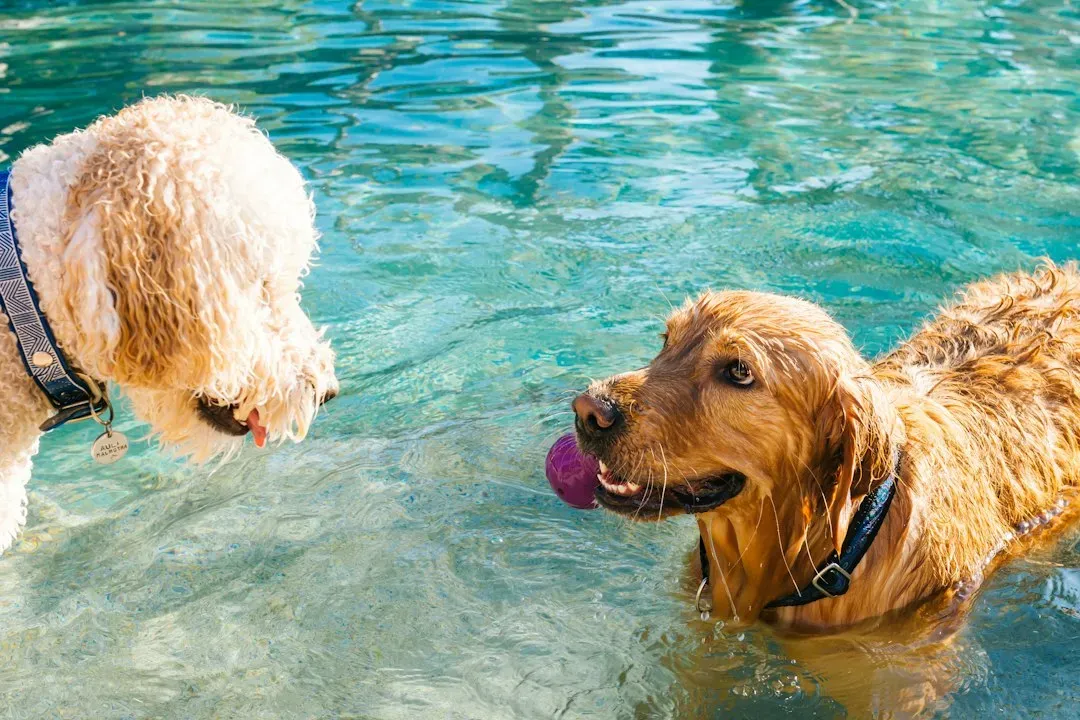
#10 – The Swimming Obsession Has a Price: Ears
🔥 Would you like to save this?
We'll email this post to you, so you can come back to it later!
That floppy-eared look is adorable, and it’s also an infection risk.
Golden Retrievers are among the breeds vets commonly mention for ear problems. The drooping ear flap limits airflow, and moisture stays trapped in the canal.
Add a dog that jumps into every pond, puddle and sprinkler, and you have the perfect setup. Signs usually include head shaking, scratching, odor and redness.
Allergies are a common hidden driver behind repeated ear infections. A Golden with recurring ear trouble may need a deeper look at food or environmental triggers, not just another bottle of ear drops.
Owners learn to build a small routine:
- Dry ears after swimming and baths
- Check for odor and redness weekly
- Use only vet-approved ear cleaners
Don’t poke cotton swabs deep into the canal. That’s a common mistake that can push debris further in or cause damage.
Ears are only one of the places where skin and allergy issues show up…
#9 – Hot Spots and Itchy Skin

🔥 Would you like to save this?
We'll email this post to you, so you can come back to it later!
One scratch can become an angry, weeping patch overnight.
Goldens are known for skin trouble. Hot spots, formally called acute moist dermatitis, can appear fast. A dog licks or scratches, the skin breaks, and bacteria take over.
The thick coat hides the problem. Owners often don’t see a hot spot until it’s already large, because the surrounding fur is matted and damp. Many only find out when the dog flinches or when they smell something off.
Common triggers vets point to include:
- Fleas or other parasites
- Environmental or food allergies
- Moisture trapped in the coat after swimming
- Boredom licking
Don’t assume it will clear on its own. Hot spots are painful, and many need clipping, cleaning and medication from a vet.
Quick Compare
- Everyday itch: scratching comes and goes, the skin looks normal, and your dog acts like themselves.
- Possible hot spot: a red, moist or oozing patch, often with odor, missing fur and a dog who flinches when touched.
- Rule of thumb: if the spot is wet, raw or getting bigger, call the vet.
Skin issues in Goldens tend to be a pattern, not a one-off. If your dog keeps getting them, ask your vet about allergy workups rather than treating each flare in isolation. A quick weekly check, parting the fur and looking for warm, red or damp patches, can catch trouble early.
Skin is only half of the “always itchy, always hungry” story, though…
#8 – The Bottomless Stomach

🔥 Would you like to save this?
We'll email this post to you, so you can come back to it later!
Your Golden will act like they haven’t eaten in days, every single day.
Retrievers are famously food-motivated. Researchers have identified a gene variant linked to increased appetite in Labrador Retrievers, and similar traits are widely noted across retriever breeds.
Whether or not your dog carries it, most owners will recognize the behavior. Begging, bin raiding and counter surfing become daily routines, and those pleading brown eyes are very persuasive.
Extra weight is one of the most preventable health problems in dogs. Excess pounds put pressure on joints and can worsen conditions that Goldens are already prone to.
Smarter feeding habits include:
- Measuring every meal rather than eyeballing it
- Counting treats toward the daily total
- Using part of the regular kibble for training
Many vets also suggest checking whether you can feel your dog’s ribs under a light layer of fat. If you can’t, it’s time to adjust.
Hunger is one thing. Loneliness is another entirely…

Halloween Dog Collar with Bow, Orange Cute Ghost Collar,
Check Price on AmazonAs an Amazon Associate, we earn from qualifying purchases.
10/9/2026 2:43 pm GMTi

Professional 7 in 1 Dog Paw Cleaner for Dogs & Cats - Includes 1 Portable Paw Washer, 1 Bath Brush
Check Price on AmazonAs an Amazon Associate, we earn from qualifying purchases.
10/7/2026 1:26 pm GMTi

Orthopedic Extra Large Dog Bed, Waterproof Washable XL Pet Bed 44"
Check Price on AmazonAs an Amazon Associate, we earn from qualifying purchases.
10/7/2026 1:32 pm GMTi

Hand Blown Glass Hummingbird Feeders for Outdoors Hanging, 24oz Wild Bird Nectar Feeder
Check Price on AmazonAs an Amazon Associate, we earn from qualifying purchases.
10/7/2026 1:23 pm GMTi

Dog Stairs for Bed 18" H, 4-Step Dog Steps for High Bed
Check Price on AmazonAs an Amazon Associate, we earn from qualifying purchases.
10/9/2026 2:42 pm GMTi
#7 – They Hate Being Alone

🔥 Would you like to save this?
We'll email this post to you, so you can come back to it later!
A Golden left alone all day is often an unhappy Golden.
This breed was developed to work closely alongside people. That’s why they bond so deeply, and why long hours alone can go badly.
Separation distress may look like destructive chewing, howling, pacing or accidents in the house. It’s often not “naughty” behavior at all. It’s usually stress, and punishing it tends to make things worse.
Experts often recommend building alone-time gradually from the very start. Short departures, calm exits and rewarding relaxation help. Daycare, a dog walker or a flexible schedule can also make a real difference.
Here’s the controversial part. Many trainers now argue that if you work long hours away from home, a Golden may be the wrong dog for your lifestyle, however much you love them.
But the very trait that makes them clingy also creates a surprising problem at your front door…
#6 – Friendly to Everyone, Including Burglars

🔥 Would you like to save this?
We'll email this post to you, so you can come back to it later!
Don’t count on your Golden to guard anything.
Most Goldens greet strangers like long-lost friends. That sweetness is the breed’s signature, and it’s the reason they’re so common as therapy and assistance dogs.
It also makes them poor watchdogs. Some may bark at a knock. Few will do anything beyond wagging when someone walks in.
That enthusiasm can also be a problem for visitors. Jumping up on guests, kids or older relatives is one of the most common complaints owners bring to trainers.
Practical fixes include:
- Teaching a sit-for-greeting from day one
- Rewarding four paws on the floor
- Using a leash or gate when guests arrive
Socialization still matters. Friendly breeds can still develop fear or reactivity without positive early experiences, so don’t assume the temperament does the work for you.
Why It Stands Out
- The upside: that open, gentle temperament is why Goldens thrive in therapy and assistance roles.
- The downside: a dog who loves everyone rarely makes a convincing guard.
- The timing: the key puppy socialization window runs roughly from three weeks to about sixteen weeks of age.
- The takeaway: friendliness is a starting point, not a finished training plan.
On top of the jumping, there’s a habit that sends many Golden owners rushing to the emergency vet…
#5 – They Swallow Things They Shouldn’t

🔥 Would you like to save this?
We'll email this post to you, so you can come back to it later!
Socks, corn cobs and toy pieces are common culprits.
Because Goldens love to carry and chew, they’re prone to swallowing objects. That can lead to intestinal blockages, which are real emergencies and often end in surgery.
Owners often say the scary part is how quickly it happens. A dog can swallow an object in seconds while you’re in the next room.
Signs to watch for include:
- Repeated vomiting
- Loss of appetite
- Lethargy or a painful belly
- Straining to pass stool
If you suspect your dog swallowed something, call your vet or an emergency clinic right away. Don’t wait to see what happens, and don’t induce vomiting unless a professional tells you to.
Prevention is dull but effective. Keep laundry and trash out of reach, choose durable toys sized for large dogs, and teach a solid “drop it.”
Prevention helps, but your best protection happens long before you bring a puppy home…
#4 – The Breeder Matters More Than the Cute Photos

🔥 Would you like to save this?
We'll email this post to you, so you can come back to it later!
A fluffy puppy picture tells you nothing about its genes.
Goldens are prone to several inherited conditions. These include hip and elbow dysplasia, certain heart problems such as subvalvular aortic stenosis, and eye disorders.
Reputable breeders typically screen parent dogs and share the results. Common clearances include hip and elbow evaluations, a cardiac exam and an annual eye exam.
Because the breed is so popular, it attracts careless breeders. Puppy mills and backyard operations often skip testing entirely, and you may pay for it later in vet bills and heartbreak.
Questions worth asking any breeder:
- Which health clearances do both parents have?
- Can I see the paperwork?
- Will you take the dog back at any age?
Screening lowers risk, but it doesn’t remove it. Even well-bred Goldens can develop problems, which is why many owners also consider pet insurance early.
And once you have the dog, the next decision may be the most debated one of all…

Smart Bird Feeder with Camera Solar Powered, 2K HD Live Video, 10,000+ Bird Species AI Identification
Check Price on AmazonAs an Amazon Associate, we earn from qualifying purchases.
10/7/2026 1:22 pm GMTi

Earth Rated XL Dog & Puppy Pee Pads, Discreet Top, Max Absorbency
Check Price on AmazonAs an Amazon Associate, we earn from qualifying purchases.
10/7/2026 1:28 pm GMTi

Halloween Cat Costume Cloak Witch Hat Pet Accessories
Check Price on AmazonAs an Amazon Associate, we earn from qualifying purchases.
10/9/2026 2:44 pm GMTi

PetSafe Oasys Pet Fountain, 1/2 Gallon (64 oz), Small Dogs & Cats
Check Price on AmazonAs an Amazon Associate, we earn from qualifying purchases.
10/8/2026 8:14 am GMTi

Air Purifiers for Home Pets Large Room Up to 3000 Ft²,HEPA Air Cleaner with Washable Double-Side Filter, PM2.5 Air Quality Monitor,15dB Sleep Mode for Bedroom Odor Dust Pollen,White
Check Price on AmazonAs an Amazon Associate, we earn from qualifying purchases.
10/8/2026 8:23 am GMTi
#3 – The Neutering Debate Is Real

🔥 Would you like to save this?
We'll email this post to you, so you can come back to it later!
Vets and owners still disagree over when, or whether, to neuter a Golden.
For decades, early spay and neuter was routine advice. Research on this specific breed has complicated that. A UC Davis study of 759 Golden Retrievers found that hip dysplasia doubled among male dogs neutered before one year of age.
Later research on the breed pointed in a similar direction, linking neutering before six months to a higher risk of cranial cruciate ligament injury. And in female Goldens, neutering at any age was linked to cancer rates 2 to 4 times higher than the 5 percent seen in intact females.
Breed matters here. In Labradors, the same data showed no cancer increase with neutering, while the female Golden’s risk rose sharply.
Caution is warranted. These findings come from records at a single veterinary hospital, and the researcher himself said the relationship between neutering and disease risk is complex. Weight gain after neutering may play a role alongside effects on the growth plates.
Intact dogs come with their own responsibilities, including unplanned litters and some health risks. The honest answer is to make this decision with your vet, based on your dog’s sex, lifestyle and risks.
That brings us to the subject every Golden owner eventually has to face…
#2 – Cancer Is the Breed’s Biggest Shadow

🔥 Would you like to save this?
We'll email this post to you, so you can come back to it later!
Few owners are told early enough how prominent cancer is in this breed.
Goldens are widely regarded as one of the breeds at higher risk for cancer. Researchers behind the largest study of the breed describe it as suspected of being at high risk for cancer development. Common types include hemangiosarcoma, lymphoma and mast cell tumors.
That’s why the breed has its own major research project. The Golden Retriever Lifetime Study, run by the Morris Animal Foundation, is the first prospective longitudinal study in veterinary medicine aimed at finding dietary, genetic and environmental risk factors for cancer and other diseases.
Fast Facts
- Who runs it: the Morris Animal Foundation.
- How big: more than 3,000 Golden Retrievers were enrolled, and the study launched in 2012.
- What it tracks: diet, genetics and environment across each dog’s whole life.
- Why it matters: the answers could one day help owners lower risk for the next generation of Goldens.
Early detection can make a real difference. Vets often advise regular checkups, and owners are encouraged to watch for new lumps, weight loss, lethargy or pale gums.
There’s no guaranteed way to prevent cancer. But lean body weight, regular exams and acting on any odd lump quickly are widely recommended.
Many owners say the most important lesson is both financial and emotional: plan ahead. Pet insurance or a dedicated savings fund can take pressure off decisions during a crisis.
The final warning hurts the most…

Portable Dog Water Bottle Foldable Dog Travel Water Bottle
Check Price on AmazonAs an Amazon Associate, we earn from qualifying purchases.
10/7/2026 1:29 pm GMTi

Glass Hummingbird Feeder for Outdoors Hanging
Check Price on AmazonAs an Amazon Associate, we earn from qualifying purchases.
10/7/2026 1:21 pm GMTi

2 Pcs Halloween Pet Hat Bandana Set, Witch Pumpkin Costumes for Dogs
Check Price on AmazonAs an Amazon Associate, we earn from qualifying purchases.
10/9/2026 2:45 pm GMTi

Glass Hummingbird Feeder for Outdoors Hanging, 16 oz Leak-Proof Nectar Feeder with Bee Guards & Ant Moat
Check Price on AmazonAs an Amazon Associate, we earn from qualifying purchases.
10/7/2026 1:22 pm GMTi
#1 – They Don’t Stay Long Enough

🔥 Would you like to save this?
We'll email this post to you, so you can come back to it later!
The hardest truth is how short the time really is.
Golden Retrievers typically live around ten to twelve years. Some live longer, and many don’t. That sounds like a long time when you’re holding an eight-week-old puppy.
Owners say the years pass shockingly fast. The chaos of the early months fades, and the dog who once stole your socks is suddenly grey around the muzzle and slowing on walks.
Seniors need extra attention. Joint care, softer bedding, shorter walks and more frequent vet visits all matter. Owners often wish they’d started those habits sooner.
Here’s the part nobody tells you: the work you put into the early years pays off in the late ones. Training, healthy weight, good vet care and daily time together all shape what the last chapters look like.
So the best advice from people who’ve been through it is simple. Don’t save the good days for later. Take the long walk, swim in the lake and put the phone down.
The bottom line: Goldens aren’t the effortless dogs the marketing suggests. They shed constantly, mature slowly, mouth everything and need real exercise and company. Their health picture is also serious, with cancer risk, joint issues and a lifespan of roughly ten to twelve years.
Our opinion: the breed is still worth it, but only for people who read the fine print. If you can’t give time, money and patience, pick a different dog. If you can, choose your breeder carefully, keep your Golden lean, and talk to your vet about neutering timing.
What’s the one thing you wish someone had told you before your Golden came home?

- 14 Things Golden Retriever Owners Say Nobody Warns Them About Early Enough - November 6, 2026
- Lowest-Maintenance Dog Breeds, Ranked: 18 Dogs That Barely Need Grooming or Exercise - November 6, 2026
- Fastest Dog Breeds on Earth, Ranked by Top Speed – The Greyhound Has Serious Competition - November 6, 2026