


When we think of animated films and TV shows featuring animals, scientific accuracy isn’t usually the first thing that comes to mind. Talking animals, anthropomorphic characteristics, and fantastical abilities often take precedence over biological reality. However, some animated productions have gone to impressive lengths to incorporate genuine scientific facts, behaviors, and physical traits into their animal characters. Let’s explore ten remarkable instances where animated animals were portrayed with surprising scientific accuracy, demonstrating that entertainment and education can sometimes go hand in hand.
Finding Nemo’s Clownfish Biology
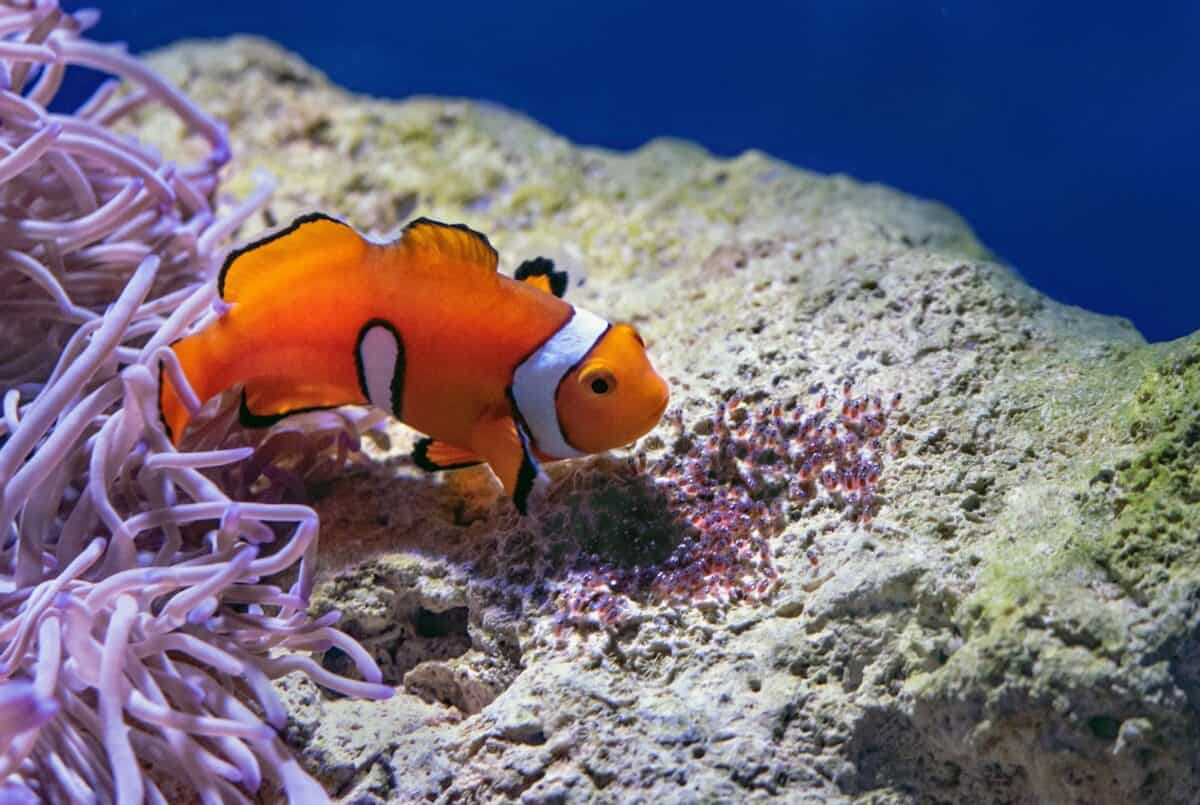
Pixar’s “Finding Nemo” gets several aspects of clownfish biology surprisingly right. The film accurately depicts the symbiotic relationship between clownfish and sea anemones, showing how Marlin and Nemo live protected among the anemone’s stinging tentacles without harm. This mutualistic relationship exists in nature, with clownfish developing a protective mucus layer that prevents the anemone’s stings from affecting them. The film also correctly shows the vibrant orange coloration with white stripes typical of ocellaris clownfish (Amphiprion ocellaris). What’s particularly noteworthy is that the movie hints at clownfish’s sequential hermaphroditism – all clownfish are born male and can transform into females when needed. In the film, after Nemo’s mother dies, a biologically accurate scenario would have had Marlin transform into a female, though understandably, this aspect wasn’t explicitly included in the family-friendly narrative.
The Lion King’s Social Structure
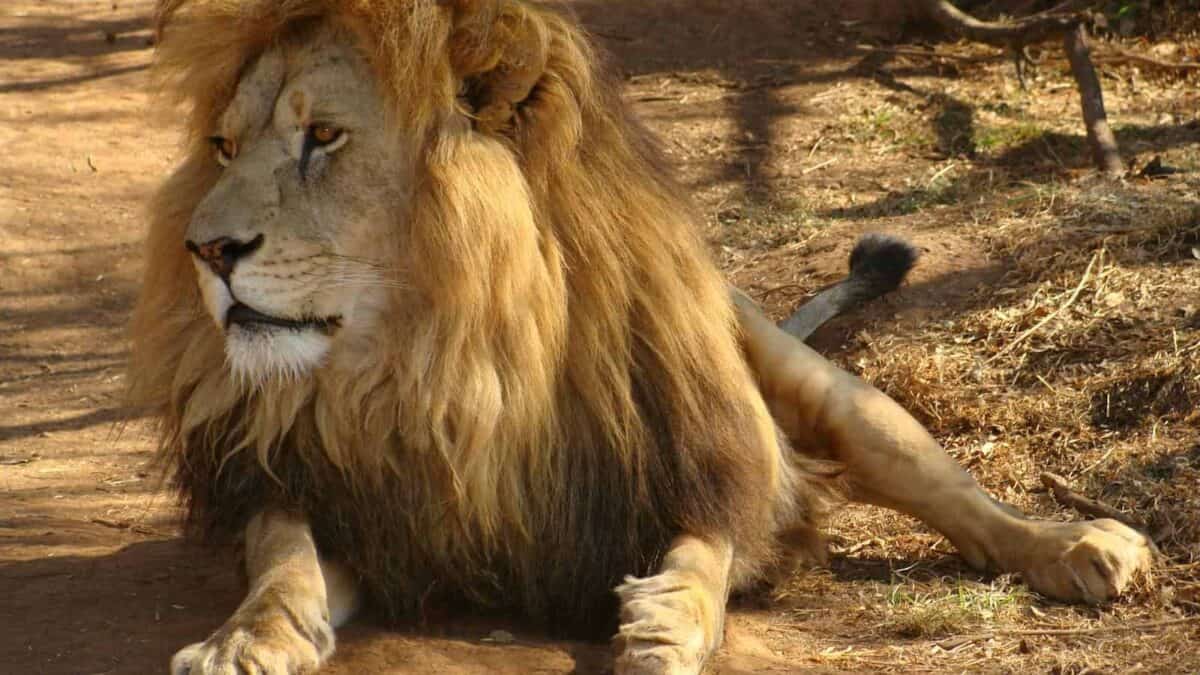
Despite its dramatic liberties, “The Lion King” gets several aspects of lion social behavior correct. The film accurately portrays lions living in prides with complex social hierarchies, and the central conflict between Scar and Mufasa reflects the real competition for dominant male status within lion prides. The movie correctly shows how male lions are pushed out of the pride once they reach maturity, as we see with Simba’s exile. The depiction of the relationship between predator and prey is also fairly accurate in terms of the “circle of life” concept, acknowledging the ecological balance maintained by predation. While the film anthropomorphizes the animals considerably, these core aspects of lion social dynamics were researched and incorporated into the storytelling, giving viewers a glimpse into authentic lion behavior amid the musical numbers and dramatic plot.
Bambi’s Seasonal Deer Behaviors

Disney’s “Bambi” (1942) demonstrates remarkable attention to detail regarding white-tailed deer biology and behavior. The film accurately portrays the spotted coat of fawns, which serves as natural camouflage, and shows how mother deer often leave their young hidden while they forage for food. The animation accurately depicts the growth of a young male deer’s antlers, including the velvet covering that eventually sheds. Bambi’s first winter experiences, including the challenges of finding food and walking on ice, reflect the real seasonal adaptations deer must make. The film also correctly portrays the timing of deer breeding season (the “twitterpated” sequence) in spring, and the territorial behavior of bucks during rutting season. These authentic details are especially impressive considering the film was created decades before modern nature documentaries became widespread, showcasing the extensive research conducted by Disney’s animators.
Ratatouille’s Accurate Rat Behavior

While a rat becoming a gourmet chef is purely fictional, Pixar’s “Ratatouille” incorporates numerous scientifically accurate details about rat behavior and biology. Remy and his colony exhibit authentic rat movements, with their characteristic scurrying, climbing abilities, and use of their tails for balance. The film correctly portrays rats as highly intelligent animals with excellent memory and problem-solving skills – traits that have been well-documented by scientific research. The animators accurately depicted rats’ sensitive whiskers (vibrissae), which they use to navigate and sense their environment. The movie also shows rats’ remarkable ability to squeeze through tight spaces due to their flexible rib cages, a biological adaptation that helps them escape predators and access food sources. Even Remy’s exceptional sense of smell is grounded in reality – rats have approximately 1,200 olfactory receptor genes compared to humans’ 400, giving them a truly superior ability to detect and distinguish odors.
Happy Feet’s Emperor Penguin Colony Life

The animated film “Happy Feet” accurately represents many aspects of emperor penguin (Aptenodytes forsteri) biology and social behavior. The movie correctly depicts the harsh Antarctic environment where these birds live and their remarkable adaptations to extreme cold. The film shows the penguins’ annual breeding cycle with impressive accuracy, including their long march inland to breeding grounds, the males’ incubation of eggs while females return to the sea to feed, and the regurgitation feeding of chicks. The huddling behavior shown in the film is a scientifically documented thermoregulation strategy emperor penguins use to survive winter temperatures that can plunge below -40°F. Even the echolocation subplot has a basis in reality – while penguins don’t use echolocation like whales, they do make distinctive calls that help family members recognize each other in the colony. The film also touches on the real threats of food scarcity due to overfishing and climate change that affect penguin populations today.
Zootopia’s Diverse Mammalian Adaptations
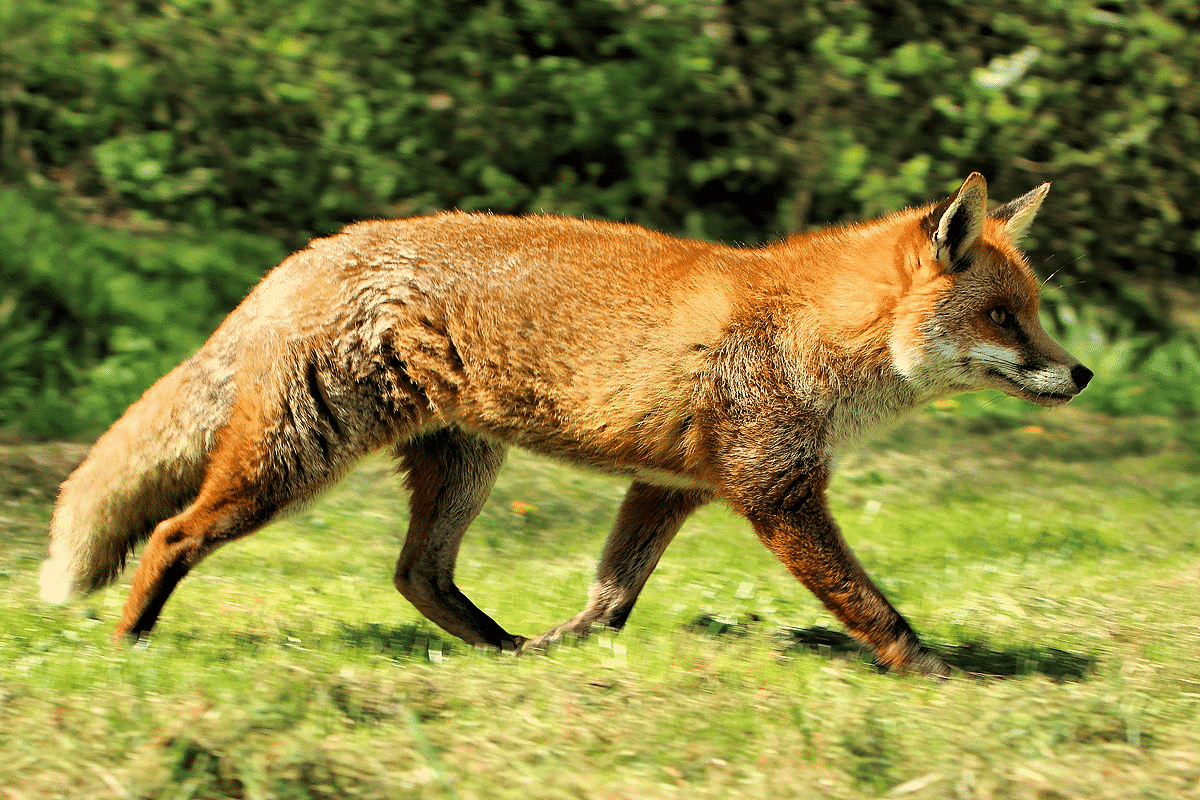
Disney’s “Zootopia” stands out for its attention to biological detail across numerous mammal species. The film accurately portrays the enormous size differences between mammals, from tiny shrews to massive elephants, and even incorporates this into its worldbuilding with differently-sized infrastructure. The creators paid careful attention to species-specific traits: sloths move slowly due to their low metabolic rate; fennec foxes have large ears for thermoregulation and sound location; rabbits have a wide field of vision with their laterally positioned eyes; and wolves exhibit pack behavior. The movie even includes accurate predator-prey dynamics in its narrative. Perhaps most impressively, Zootopia’s creators consulted with zoologists to ensure that the fur of each animal species was rendered with scientific accuracy, including the correct number of hairs per square inch for different mammals and appropriate fur patterns. This level of detail demonstrates exceptional commitment to biological authenticity in an anthropomorphic world.
The Secret of NIMH’s Rat Intelligence

Don Bluth’s 1982 animated film “The Secret of NIMH” is based on a premise that has surprising scientific validity. While the film takes fictional liberties with intelligent, talking rats who create a sophisticated society, it’s grounded in the real concept of rat intelligence and laboratory experimentation. The National Institute of Mental Health (NIMH) has indeed conducted extensive research on rats, including studies on learning, memory, and problem-solving. The film’s portrayal of rats as highly adaptable, capable of using tools, and able to learn complex tasks aligns with scientific findings about rodent cognitive abilities. Studies have shown that rats can demonstrate metacognition (awareness of their own knowledge), use tools in basic ways, and even show empathy-like behaviors toward other rats. They can navigate complex mazes (as shown in the film) and have demonstrated remarkable memory capabilities. While the film dramatizes these abilities to an anthropomorphic degree, its core premise about rat intelligence has a stronger scientific foundation than many viewers might realize.
Ice Age’s Mammalian Megafauna

The “Ice Age” franchise deserves recognition for its relatively accurate depictions of Pleistocene megafauna, despite its comedic approach. The films feature reasonably accurate anatomical representations of woolly mammoths (Mammuthus primigenius), with their distinctive curved tusks, shoulder humps, and shaggy coats evolved for cold weather. Sid the sloth, while bipedal for character purposes, still displays anatomical features consistent with giant ground sloths (Megalonyx) that once roamed North America, including long claws and a bulky body. The saber-toothed tiger character, Diego, correctly portrays the impressive canine teeth of Smilodon fatalis, though the species is more accurately a saber-toothed cat rather than a tiger. The films also accurately represent the coexistence of these species during the late Pleistocene epoch, approximately 10,000-50,000 years ago. While the franchise takes creative liberties with behavior and personalities, it has introduced millions of viewers to real extinct species that once dominated the North American landscape during the last ice age.
A Bug’s Life’s Insect Colony Structure
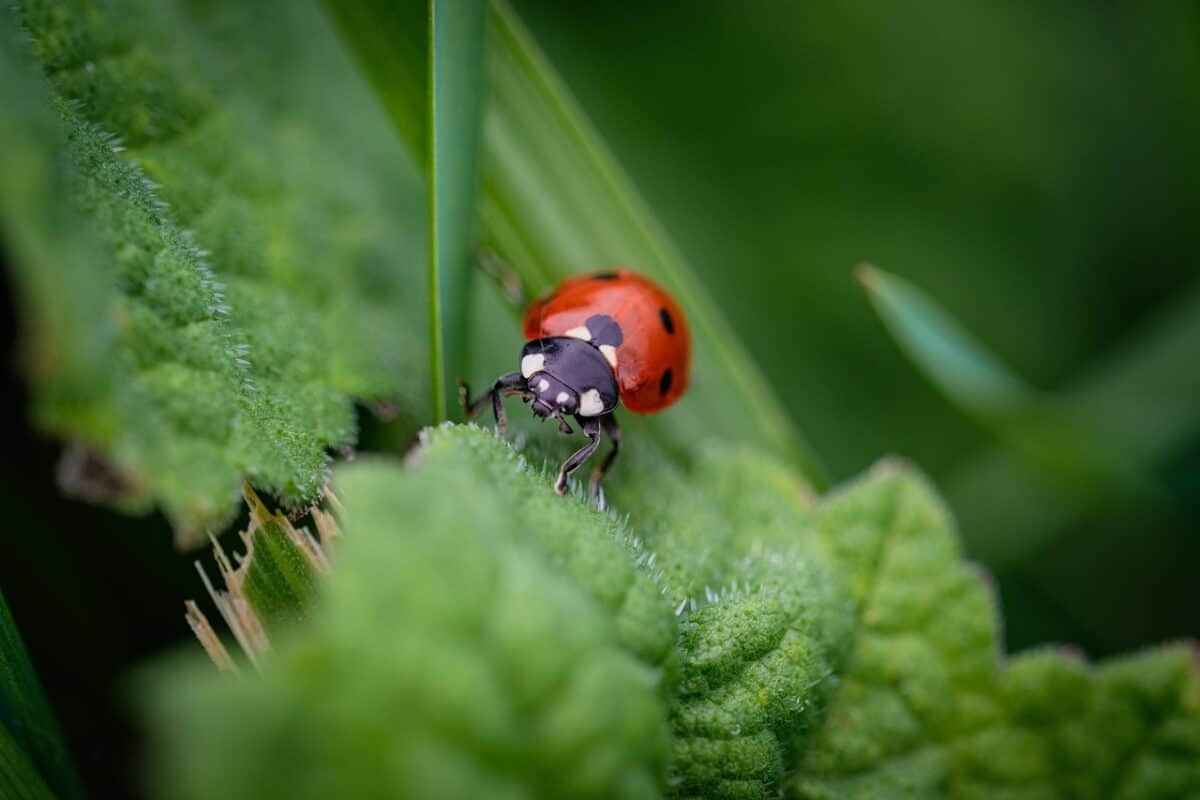
Pixar’s “A Bug’s Life” contains surprisingly accurate depictions of ant colony structure and division of labor, despite its anthropomorphic characters. The film correctly portrays ants living in large, organized colonies with a queen who serves as the reproductive center. The worker ants shown in the film are appropriately all female, reflecting the reality that worker ants in nature are female offspring of the queen. The movie depicts specialized roles within the colony, including food gathering, defense, and nursery care, which mirrors the actual task specialization that occurs in ant societies. The annual offering of food to the grasshoppers, while dramatized for the plot, reflects the real phenomenon of aphid farming, where some ant species protect aphids in exchange for the sweet honeydew they produce. Even the threat posed by birds to the insect characters accurately represents the predator-prey relationship in nature. These biological details provide an educational foundation beneath the film’s imaginative story.
The Octonauts’ Marine Biology Lessons
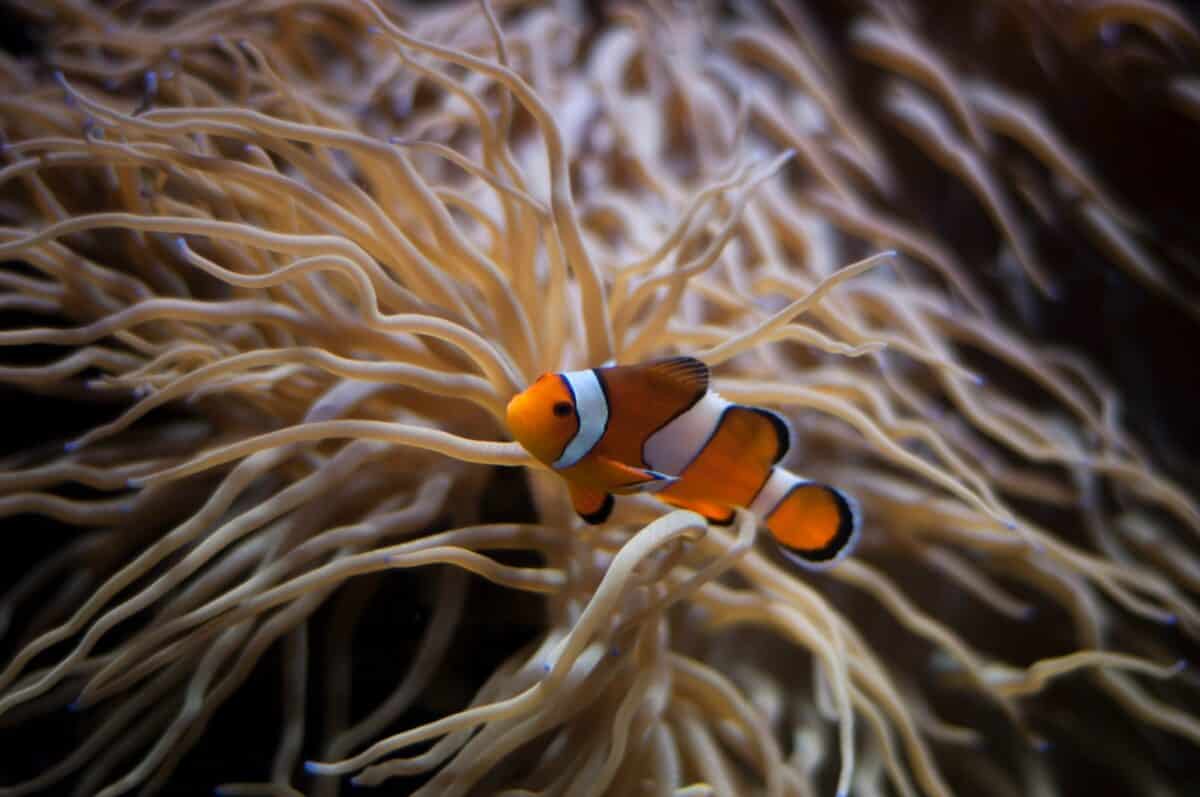
The children’s animated series “The Octonauts” stands out for its exceptional commitment to marine biology accuracy. Each episode features real marine species with their scientific names, accurate anatomical features, and authentic behaviors. The show correctly portrays the bioluminescent abilities of deep-sea creatures, the symbiotic relationships between certain species (like clownfish and anemones), and the unique adaptations of various marine animals. For example, the episodes featuring whale sharks accurately depict them as filter feeders rather than predatory sharks, and segments on octopuses show their remarkable color-changing abilities and problem-solving skills. The series even addresses environmental concerns like coral bleaching, plastic pollution, and climate change in scientifically accurate ways appropriate for young viewers. Marine biologists have praised the show for its educational value and scientific integrity, making it a rare example of children’s entertainment that prioritizes factual accuracy alongside engaging storytelling.
Rio’s Endangered Spix’s Macaw
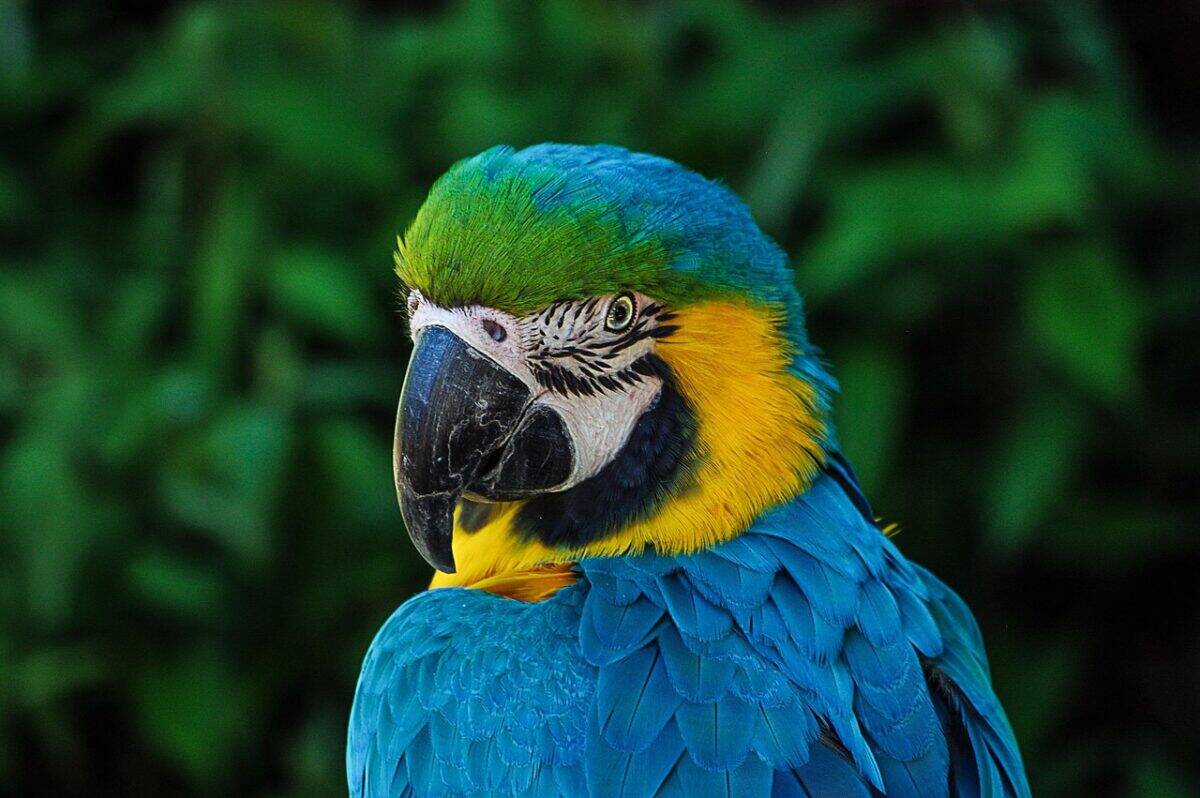
The 2011 animated film “Rio” centers around Blu, a Spix’s macaw (Cyanopsitta spixii), and the film is remarkably accurate in its portrayal of this critically endangered species. The distinctive blue plumage, facial features, and size of the macaws in the film closely match the real birds. More importantly, the movie’s central plot about Blu being potentially the last male of his species reflects the genuine conservation crisis facing Spix’s macaws. At the time of the film’s release, there were indeed only a handful of known Spix’s macaws left in the world, all in captivity. The movie accurately depicts their native habitat in Brazil and the threats they face from habitat destruction and illegal wildlife trafficking. Sadly, in 2019, the Spix’s macaw was declared extinct in the wild, making the film’s conservation message even more poignant. The movie’s attention to these scientific details helped raise public awareness about a real endangered species while entertaining audiences worldwide.
Conclusion: The Surprising Educational Value of Animated Animals

These examples demonstrate that animated entertainment can serve as a valuable educational tool when creators commit to scientific accuracy alongside storytelling. While anthropomorphism remains a central feature of animal characters in animation, the inclusion of biologically accurate details provides viewers with genuine insights into animal behavior, ecology, and conservation. This blend of entertainment and education is particularly valuable for younger audiences, who may develop early interest in biology, zoology, and environmental science through these accessible portrayals. The success of these scientifically informed productions shows that accuracy need not come at the expense of engaging storytelling. As animation technology continues to advance, we can hope to see even more examples where the wonder of animal life is portrayed with both imagination and scientific integrity, fostering greater understanding and appreciation of the natural world among viewers of all ages.

As a little kid, I fell in love with nature, wildlife, and animals. Living in the USA, South Africa, Italy, China and Germany gave me the opportunity to discover the world's Wildlife. My favorite animals are Mountain Gorillas, Siberian Tigers, and Great White Sharks.
I'm a certified PADI Open Water Diver, went to Everest Base Camp and Trekked Gorillas in Uganda. I hold a Master of Science in Economics and Finance.
Please send any feedback to feedback@animalsaroundtheglobe.com
- 10 Animals That Embody the Zodiac Sign of Capricorn - July 21, 2026
- 25 Dangerous U.S. Lakes & Rivers Where Swimming Could Be Risky – Don’t Ignore #1 - July 21, 2026
- 13 Creatures That Survive Extreme Cold - July 21, 2026