


The bald eagle (Haliaeetus leucocephalus) stands as an enduring symbol of American strength and freedom. These majestic birds soar through our national consciousness as much as they do across North American skies. Despite their iconic status, many people are unfamiliar with what constitutes a healthy bald eagle versus one in distress. Whether you’re a wildlife enthusiast, conservationist, or simply an admirer of these magnificent raptors, understanding the indicators of bald eagle health is crucial for their continued recovery from near extinction. This comprehensive guide explores eleven hallmark traits of thriving bald eagles and identifies five warning signs that suggest an eagle may need intervention.
Trait 1: Pristine White Head and Tail Feathers

A healthy adult bald eagle (typically 4-5 years or older) displays a distinctive bright white head and tail that contrasts sharply with its dark brown body. These iconic white feathers should appear clean, well-maintained, and free from discoloration or excessive wear. The crisp delineation between the white head and brown body is particularly noticeable during flight or when perched. This striking contrast isn’t just aesthetically pleasing—it serves as a visual signal of maturity and good health.
The pristine condition of these white feathers indicates proper preening behavior and adequate nutrition. Eagles are meticulous about feather maintenance, regularly coating their plumage with protective oils from their uropygial (preen) gland. Dull or yellowed head feathers may suggest nutritional deficiencies or exposure to environmental contaminants. Young bald eagles lack this distinctive coloration until they reach maturity, gradually developing their iconic white features through a series of molts over several years.
Trait 2: Powerful, Robust Body Structure
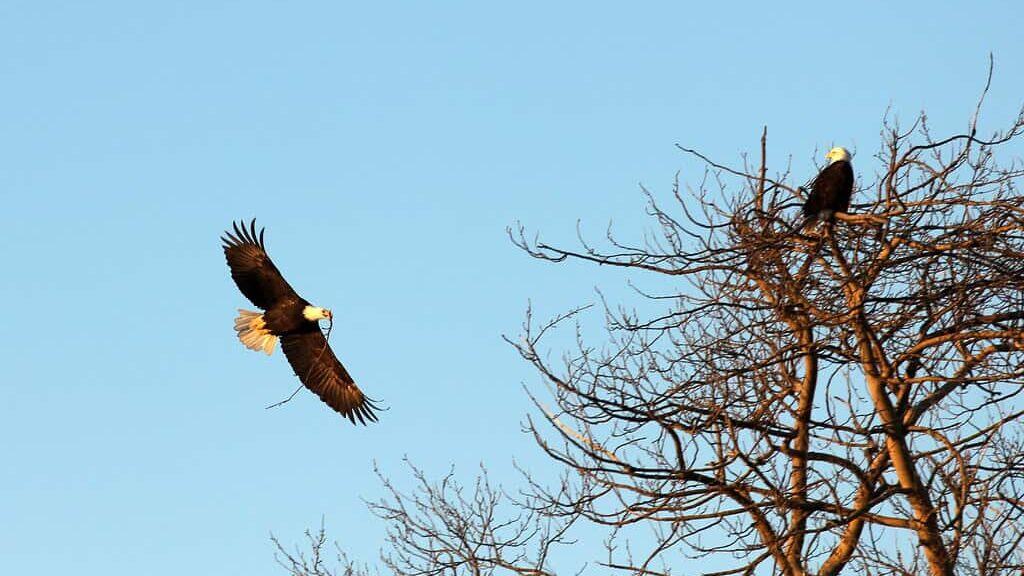
A healthy bald eagle possesses an imposing physical presence. Females typically weigh between 10-14 pounds with a wingspan reaching up to 8 feet, while males are somewhat smaller at 7-10 pounds with wingspans around 6 feet. Their bodies should appear proportional and symmetrical, with strong musculature evident particularly around the chest and shoulders. A robust bald eagle maintains an alert, upright posture when perched, conveying strength and vigilance. Their bodies should show no signs of emaciation, with the keel (breastbone) appropriately covered with muscle rather than protruding.
The eagle’s powerful build serves critical survival functions. Their formidable flight muscles enable them to carry prey weighing up to half their body weight across considerable distances. Healthy eagles display a solid, well-proportioned appearance that reflects adequate nutrition and absence of disease. During breeding season, well-nourished adults may exhibit a slight bulge in their crop—a food storage pouch in the throat—after successful hunting expeditions, particularly when bringing food back to nestlings.
Trait 3: Clear, Alert Eyes
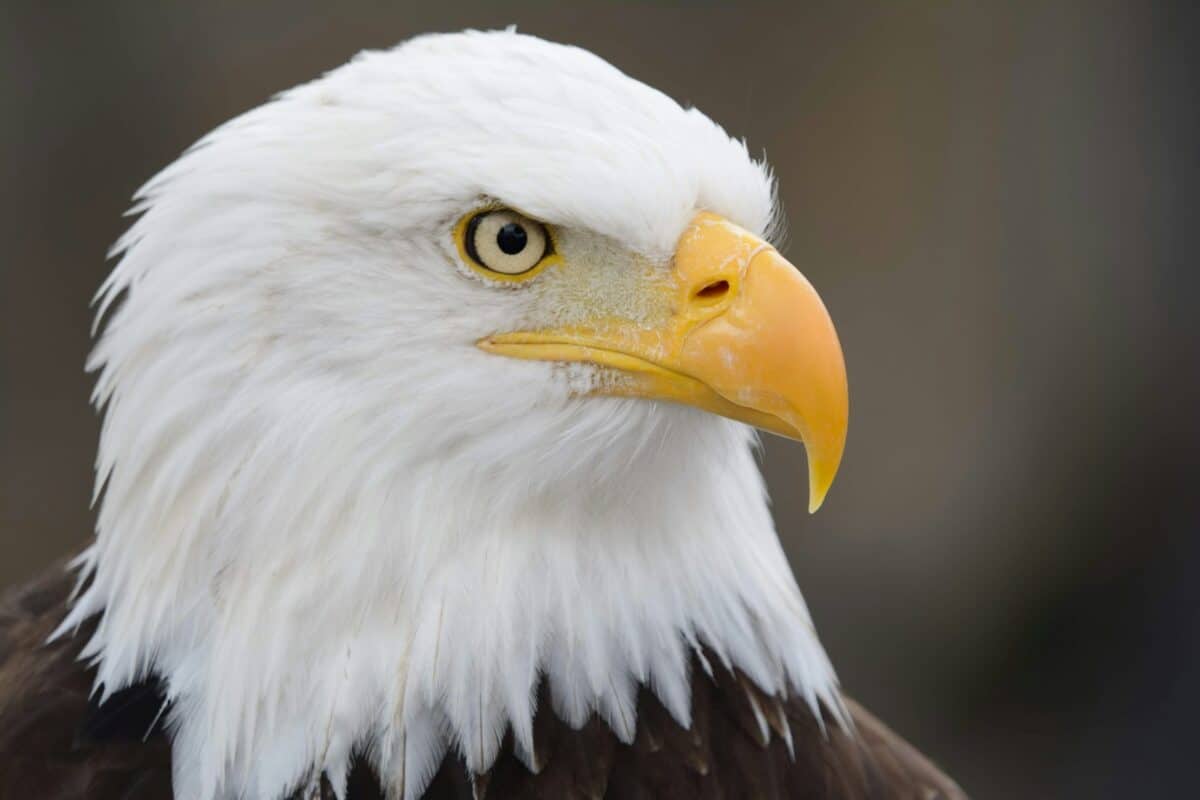
Among the most striking features of a healthy bald eagle are its piercing yellow eyes. These eyes should appear bright, clear, and free from discharge or cloudiness. The eagle’s intense gaze reflects both its exceptional visual acuity and neurological health. Bald eagles possess vision estimated to be four to eight times more powerful than human vision, allowing them to spot prey from remarkable distances. Their eyes should track movement precisely and respond appropriately to environmental stimuli.
The pupillary response in healthy eagles is quick and symmetrical, with both eyes reacting equally to light changes. Their nictitating membrane—a transparent third eyelid that sweeps horizontally across the eye—should function properly, keeping the eyes moist and protected during flight and dives. This membrane should be clear, not cloudy or discolored. Healthy eagles maintain consistent visual focus, particularly when hunting or assessing potential threats. Any asymmetry in eye appearance, persistent squinting, or abnormal discharge warrants concern.
Trait 4: Strong, Hooked Yellow Beak
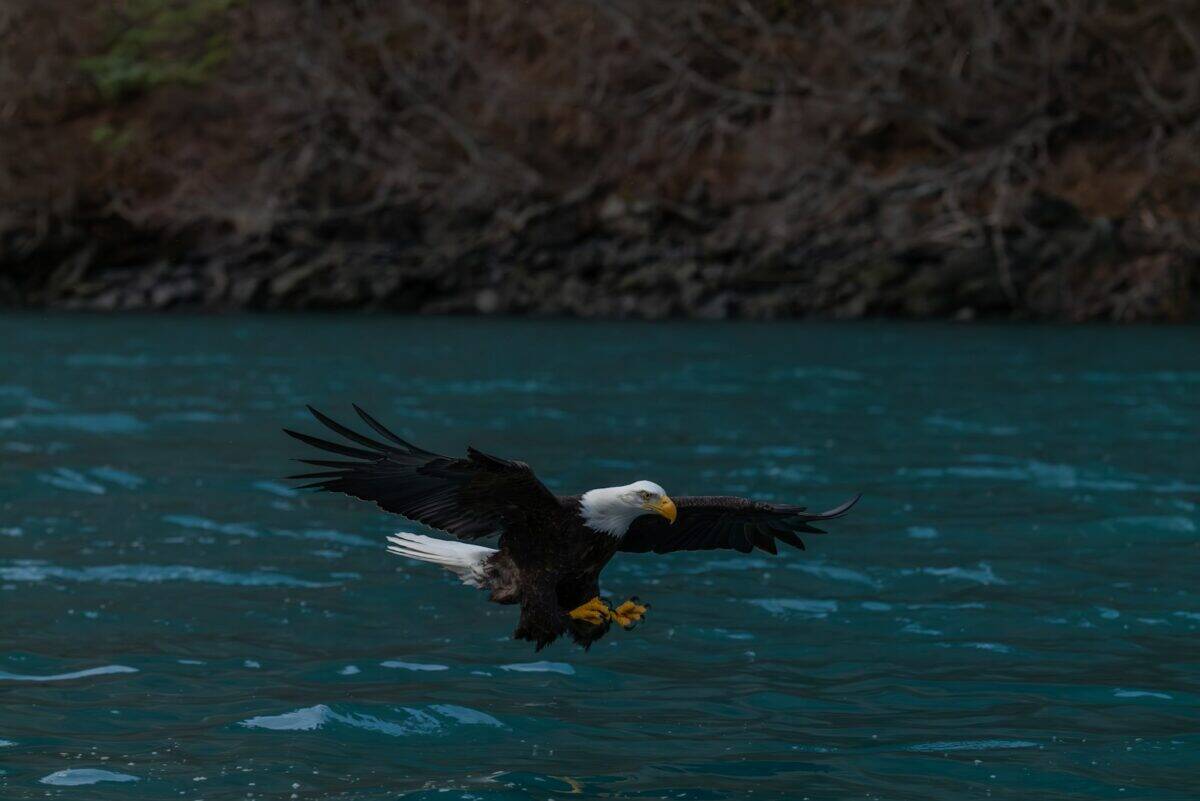
A hallmark of a healthy bald eagle is its formidable yellow beak, featuring a pronounced hook at the tip. This specialized tool should appear smooth, uniformly colored, and free from cracks or abnormal growths. The upper mandible curves downward in a powerful hook designed for tearing flesh, while the lower mandible fits precisely against it. In adults, the beak maintains a vibrant yellow color that complements their white head feathers. The beak’s surface should appear somewhat glossy, indicating proper keratin production and maintenance.
The eagle’s beak is constantly growing throughout its life, similar to human fingernails, and naturally wears down through regular use. Healthy eagles maintain their beaks through normal feeding activities and occasional rubbing against branches or rocks. The beak’s powerful structure allows eagles to process a wide variety of prey, from fish to small mammals. The tomium—the sharp cutting edge of the beak—should maintain a clean edge without excessive wear or damage. Properly functioning beaks are essential for feeding, preening, and nest construction, making beak health a critical indicator of overall wellbeing.
Trait 5: Powerful, Yellow Talons

The talons of a healthy bald eagle are truly engineering marvels of nature. These powerful yellow feet feature four specialized toes—three facing forward and one (the hallux) facing backward—each tipped with a curved, razor-sharp talon. These formidable weapons should appear evenly sized, symmetrical between feet, and maintain a consistent yellow coloration matching the beak. The scales covering the feet (called scutes) should lie flat and appear regularly patterned without excessive flaking or irregularity.
Healthy eagles possess tremendous grip strength, with talon pressure estimated at approximately 400 pounds per square inch. This crushing power allows them to seize fish from water surfaces and immobilize prey instantly. The talons should be complete without broken or missing claws, and the foot pads should be free from swelling, lesions, or growths. Eagles use their feet for multiple purposes beyond hunting—manipulating nesting materials, defending territory, and even courtship behaviors. Well-maintained talons indicate proper calcium metabolism and overall skeletal health, making them an important visible indicator of an eagle’s physical condition.
Trait 6: Complete, Well-Maintained Plumage

A healthy bald eagle displays full, lustrous plumage with no significant gaps or abnormal patterns of feather loss. Their feathers should lie flat and overlap neatly, creating a seamless appearance particularly noticeable during flight. The dark brown body feathers should exhibit a slight iridescence in sunlight, while flight feathers maintain straight, unbroken shafts. During normal seasonal molting, feather replacement occurs gradually and symmetrically, allowing eagles to maintain flight capability throughout the process. Healthy eagles replace approximately one-third of their feathers annually.
The waterproof quality of eagle feathers is essential for these primarily fish-eating birds. After diving for prey, a healthy eagle can shake vigorously, and water should bead and roll off their feathers rather than soaking through to the skin. This water resistance comes from meticulous preening behavior, during which eagles spread protective oils from their preen gland across their feathers. Primary and secondary flight feathers should be complete and evenly spaced, allowing for the characteristic “fingered” wingtip silhouette visible during soaring flight. Any asymmetrical feather patterns or areas of excessive wear may indicate health issues or environmental stressors.
Trait 7: Graceful, Powerful Flight

Perhaps nothing showcases a bald eagle’s health more dramatically than its magnificent flight capabilities. Healthy eagles demonstrate several distinctive flight patterns, each requiring precise muscular control and energy management. Their signature soaring flight features wings held flat in a horizontal plane, allowing them to ride thermal currents with minimal energy expenditure. During powered flight, wing beats should appear deep, strong, and rhythmic, propelling the bird forward with apparent ease. When hunting, healthy eagles execute precise dives and can make split-second adjustments to intercept moving prey.
Flight mechanics in healthy eagles reflect remarkable biomechanical efficiency. Their hollow bones provide strength while minimizing weight, and specialized air sacs extend from their lungs into these bones, enhancing respiratory efficiency. During territorial displays or courtship, eagles may perform spectacular aerial acrobatics, including barrel rolls and death-defying interlocked talon tumbling. These complex maneuvers require peak physical condition. Eagles should demonstrate controlled landings, smoothly transitioning from flight to perch without awkward movements or losses of balance. Any labored flight, asymmetrical wing positions, or inability to maintain altitude suggests possible injury or illness.
Trait 8: Successful Hunting and Feeding Behaviors

Healthy bald eagles display efficient, strategic hunting behaviors that showcase their position as apex predators. Their primary hunting technique involves soaring at heights of 100-700 feet above water bodies, using their exceptional vision to spot fish near the surface. Once prey is located, they execute a controlled dive, extending their talons forward just before reaching the water, and can snatch fish with remarkable precision without fully submerging. After a successful catch, healthy eagles demonstrate the strength to lift substantial prey from the water and carry it to a feeding perch, sometimes traveling considerable distances.
Feeding behavior provides additional insights into eagle health. Using their powerful beaks, eagles systematically process their prey, tearing manageable pieces and demonstrating good appetite and food handling skills. Healthy eagles can consume significant quantities—up to one pound of food daily—when resources are abundant. They also display appropriate vigilance while feeding, remaining alert to potential threats or competition. Breeding adults demonstrate normal food-sharing behaviors, with males often providing food to nesting females and both parents delivering appropriate portions to eaglets. These complex feeding behaviors require cognitive sharpness, physical coordination, and adequate energy reserves, making them reliable indicators of overall health.
Trait 9: Territorial and Reproductive Success
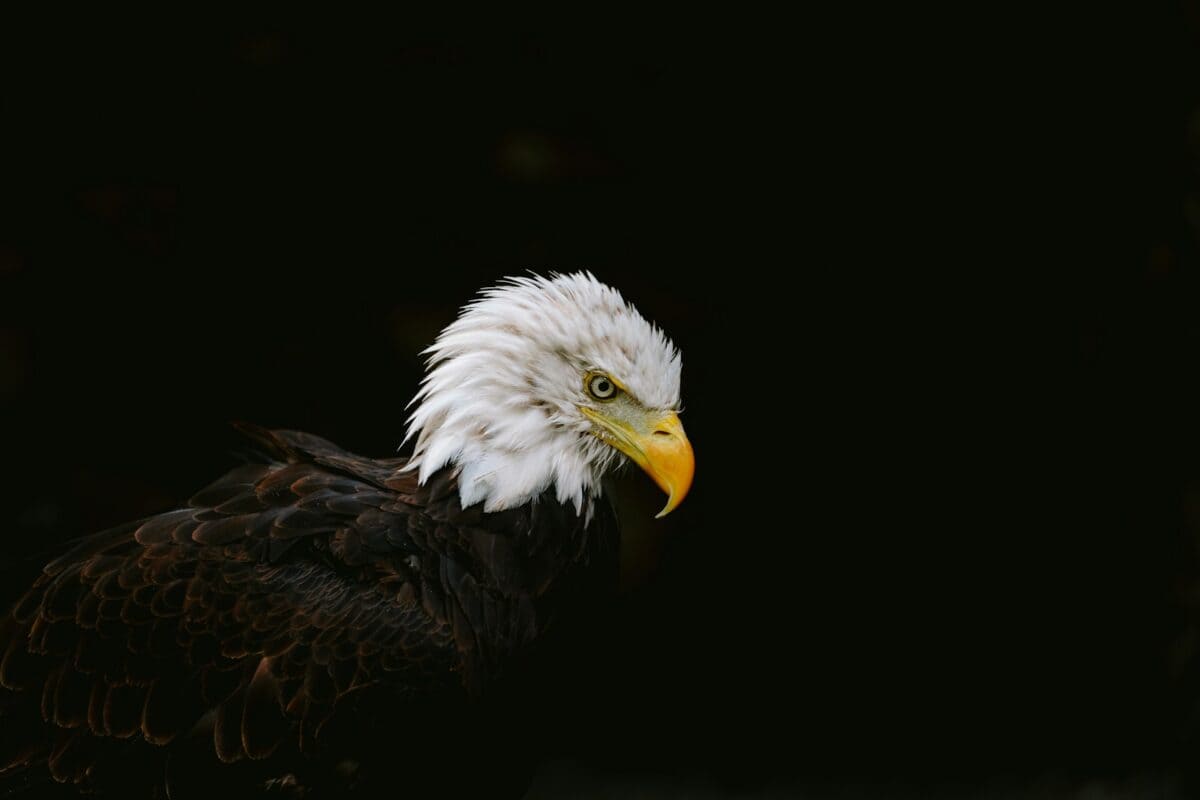
Healthy bald eagles establish and vigorously defend territories, typically near water bodies with abundant food resources and suitable nesting sites. These territories generally span 1-2 square miles, though size varies based on habitat quality and eagle density. Defense behaviors include impressive aerial displays, vocalizations (their distinctive high-pitched series of chirps and whistles), and if necessary, direct confrontation with intruders. Maintaining territory requires physical stamina, social awareness, and adequate energy reserves, making successful territoriality an indicator of good health.
Reproductive success provides perhaps the most comprehensive measure of eagle health. Healthy breeding pairs construct and maintain massive nests—the largest of any North American bird—sometimes reaching 10 feet across and weighing up to a ton after years of additions. Females typically lay 1-3 eggs annually, with consistent egg production suggesting good nutritional status. Successful incubation requires parents to maintain precise temperature regulation despite weather fluctuations. After hatching, healthy parents demonstrate appropriate brooding behaviors, regular food provision, and protection of young. The ability to successfully fledge eaglets (typically at 10-12 weeks of age) and continue supporting them during their gradual transition to independence reflects the parents’ physical condition, parenting skills, and overall vitality.
Trait 10: Appropriate Seasonal Adaptations

Healthy bald eagles demonstrate remarkable adaptability to seasonal changes. In northern regions, eagles adjust to winter conditions through several physiological and behavioral mechanisms. Their basal metabolic rate increases slightly, generating more body heat while their dense plumage provides exceptional insulation. Healthy eagles maintain consistent body temperature despite extreme conditions, and their feet contain specialized adaptations—including a countercurrent heat exchange system—that prevents heat loss while standing on ice or immersing feet in cold water during fishing.
Seasonal migration patterns also reflect eagle health. While some populations are relatively sedentary, many northern eagles migrate southward as water bodies freeze, restricting access to fish. These migrations can span hundreds or even thousands of miles, requiring considerable energy reserves and physical stamina. Healthy eagles demonstrate appropriate timing for these movements, neither departing too early (unnecessarily expending energy) nor too late (risking food scarcity). During breeding season, eagles adjust behavior to meet the demands of reproduction, with increased hunting activity and territory defense. These complex seasonal adaptations involve sophisticated physiological regulation and behavioral flexibility, providing insight into an eagle’s overall health status and ability to respond appropriately to environmental changes.
Trait 11: Social and Cognitive Behaviors
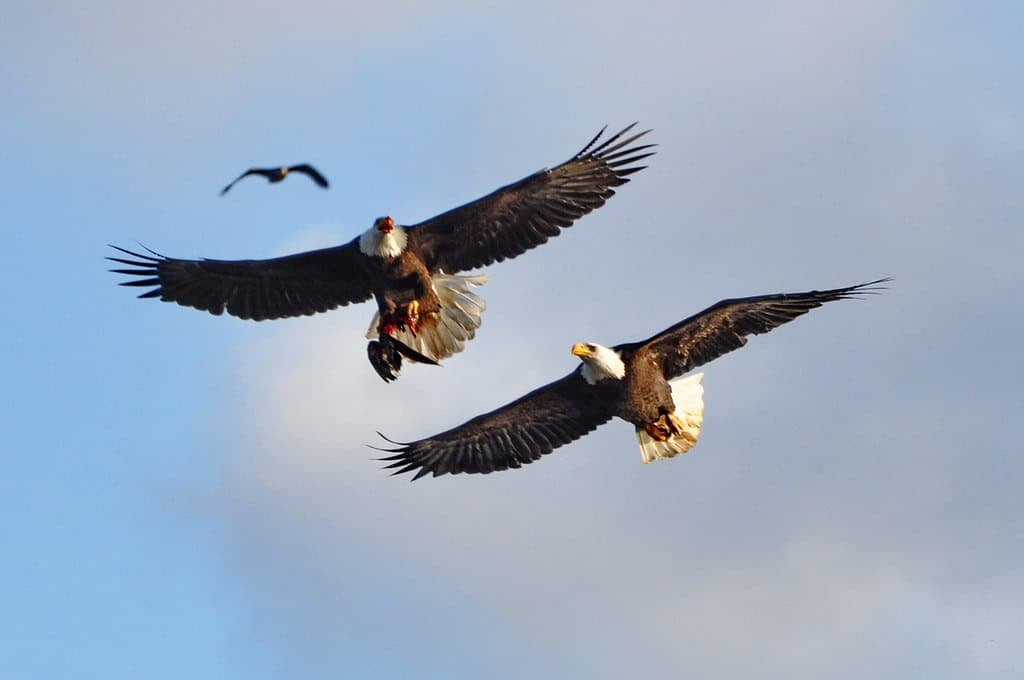
Despite their reputation for solitary majesty, healthy bald eagles display sophisticated social behaviors that indicate neurological well-being. During winter, eagles may congregate in areas of abundant food, forming loose communities at prime fishing locations or near ungulate die-offs. Within these gatherings, they establish and maintain complex social hierarchies, with dominant birds gaining preferential access to resources. Healthy eagles navigate these social dynamics through subtle body language, vocalizations, and occasional direct confrontations, demonstrating appropriate aggression levels without excessive conflict.
Cognitive sharpness manifests in problem-solving abilities and environmental awareness. Healthy eagles demonstrate remarkable spatial memory, returning to productive hunting grounds and avoiding areas of frequent disturbance. They show appropriate curiosity toward novel situations balanced with cautious assessment of potential threats. Mated pairs display complex cooperative behaviors during nest construction and maintenance, with precise coordination of efforts. Perhaps most impressively, healthy eagles adapt hunting techniques to target different prey species as availability fluctuates seasonally, showing behavioral flexibility rather than rigid instinctual patterns. These cognitive and social capabilities indicate proper brain function and appropriate stress hormone regulation, reflecting overall neurological health.
Sign of Trouble 1: Abnormal Posture or Movement

Eagles in distress often exhibit distinctive postural abnormalities that signal underlying health issues. Rather than maintaining their characteristic upright, alert stance, troubled eagles may appear hunched or slumped on their perch. Wings might droop asymmetrically or be held away from the body rather than folded neatly. Head tilting—particularly when persistent or occurring at unusual angles—suggests neurological problems, while constant shifting of weight from one foot to another may indicate pain or injury. On the ground, healthy eagles move with purposeful strides, but injured birds may limp, drag a limb, or demonstrate reluctance to bear weight on a particular foot.
Flight abnormalities provide particularly visible indications of trouble. Eagles with wing injuries might display asymmetrical flight patterns, with one wing beating more vigorously than the other to compensate. Birds suffering from toxin exposure (particularly lead poisoning) often demonstrate uncoordinated movements, difficulty maintaining altitude, or inability to execute precise maneuvers when landing or taking off. In severe cases, eagles may be found on the ground, unable to achieve flight despite repeated attempts. Labored breathing during normal activities, excessive panting, or open-mouth breathing without recent exertion suggests respiratory distress requiring immediate intervention. Any eagle displaying these movement abnormalities should be reported to wildlife authorities promptly.
Sign of Trouble 2: Visible Injuries or Physical Abnormalities

Obvious physical trauma represents an immediate red flag for bald eagle health. Common injuries include broken wings from collisions with vehicles or power lines, evident as wings held at unnatural angles or with visibly protruding bone. Fishing line entanglements frequently cause severe lacerations or constriction injuries, particularly to feet and legs. Blood in the feathers, especially without obvious external wounds, may indicate internal injuries from impacts or gunshot wounds. Missing or significantly damaged feathers beyond normal molting patterns suggest physical trauma or fights with other eagles.
Beyond acute injuries, eagles may display concerning physical abnormalities that develop over time. Growths or swellings on the body, particularly around the head or neck, may indicate tumors or abscesses. Asymmetrical facial features could suggest underlying neurological issues or previous trauma. Excessively worn beaks or talons that appear blunted or misshapen rather than naturally sharp may indicate nutritional deficiencies, particularly calcium imbalances. Visible parasites, such as heavy tick infestations around the face or unusual feather lice concentrations, exceed normal levels and suggest an immune system unable to maintain typical parasite control. These physical abnormalities often require professional wildlife rehabilitation intervention to address underlying causes and prevent further deterioration.
Sign of Trouble 3: Emaciation and Poor Body Condition

Unhealthy weight loss represents one of the most serious indicators of eagle distress. Eagles suffering from malnutrition, disease, or internal injuries may appear visibly gaunt, with pronounced keel bones, sunken eyes, and loose, ruffled feathers. These birds often become lethargic, grounded, and unable to fly or hunt effectively—spiraling into further deterioration without intervention. In extreme cases, emaciated eagles may become too weak to perch properly and are found on the ground or low branches, vulnerable to predators and environmental exposure.
Emaciation can result from a variety of causes, including lead poisoning (from ingesting fragments in hunted prey), starvation due to habitat loss or food scarcity, internal parasites, or underlying illnesses such as West Nile virus or avian influenza. Wildlife rehabilitators frequently use weight as a key diagnostic factor when assessing the overall condition of a rescued eagle. Timely treatment, including hydration, nutrition, and medical support, is crucial to reversing the effects. Public awareness of these physical signs can help ensure that struggling eagles receive prompt attention and a better chance at recovery.
Conclusion: Guardians of the Sky, Indicators of Ecosystem Health

The bald eagle, with its iconic white head and piercing gaze, is more than just a national symbol—it’s a living gauge of ecological well-being. A healthy eagle is defined by clear traits: strong flight, vibrant plumage, alert eyes, steady feeding behavior, and a clean, well-maintained nest, among others. These signs reflect not only the bird’s physical condition but also the health of the environment it inhabits. When bald eagles thrive, it usually means fish stocks are plentiful, pollution is low, and the surrounding habitat is in balance.
On the other hand, signs of trouble—like lethargy, abnormal feather condition, or unusual behavior—can be early warnings of injury, poisoning, or environmental degradation. Monitoring these majestic raptors offers crucial insights into broader ecological trends. By paying attention to the health of bald eagles, we not only safeguard a treasured species, but also help protect the ecosystems they soar over—for the benefit of all wildlife and future generations.

From exploring the marine wonders in the Azores and witnessing the vast savannas of Kenya, to delving deep into the rich biodiversity of South Africa and traversing iconic landscapes in Australia and the US like Yellowstone, Chris's experiences are vast.
With a penchant for diving alongside sharks, the ocean holds a special place in his heart.
Through his academic insights, he champions wildlife conservation, striving with 'Animals Around The Globe' to cultivate a profound connection between humans and animals, enhancing our mutual appreciation.
Connect with him at Feedback@animalsaroundtheglobe.com.
- Why Spiders Don’t Get Stuck in Their Own Webs - July 20, 2026
- What Scientists Found in a 10,000-Year-Old Beehive - July 20, 2026
- This Spider Builds Fake Decoys of Itself - July 20, 2026