
There’s something quietly powerful about coming home to a wagging tail. For millions of retirees across the country, a dog isn’t just a pet – it’s a reason to get up in the morning, a companion through quiet afternoons, and an anchor for daily routine. Pet ownership has been associated with reduced deterioration in physical health among older adults, and there is a growing body of research suggesting it also provides meaningful social support, increasing the chances of social interaction and decreasing loneliness.
The challenge, though, is real. The financial commitment – covering food, vet visits, and grooming – alongside the time commitment and energy level of both the human and the dog are all important factors to keep in mind. Not every breed suits retirement life, and some dogs can quietly drain a fixed budget. The good news is that the right match is absolutely out there. These twelve breeds combine gentle temperaments, manageable care needs, and wallet-friendly ownership costs – making them genuinely worth considering.
#1: Chihuahua – Tiny Price Tag, Oversized Heart
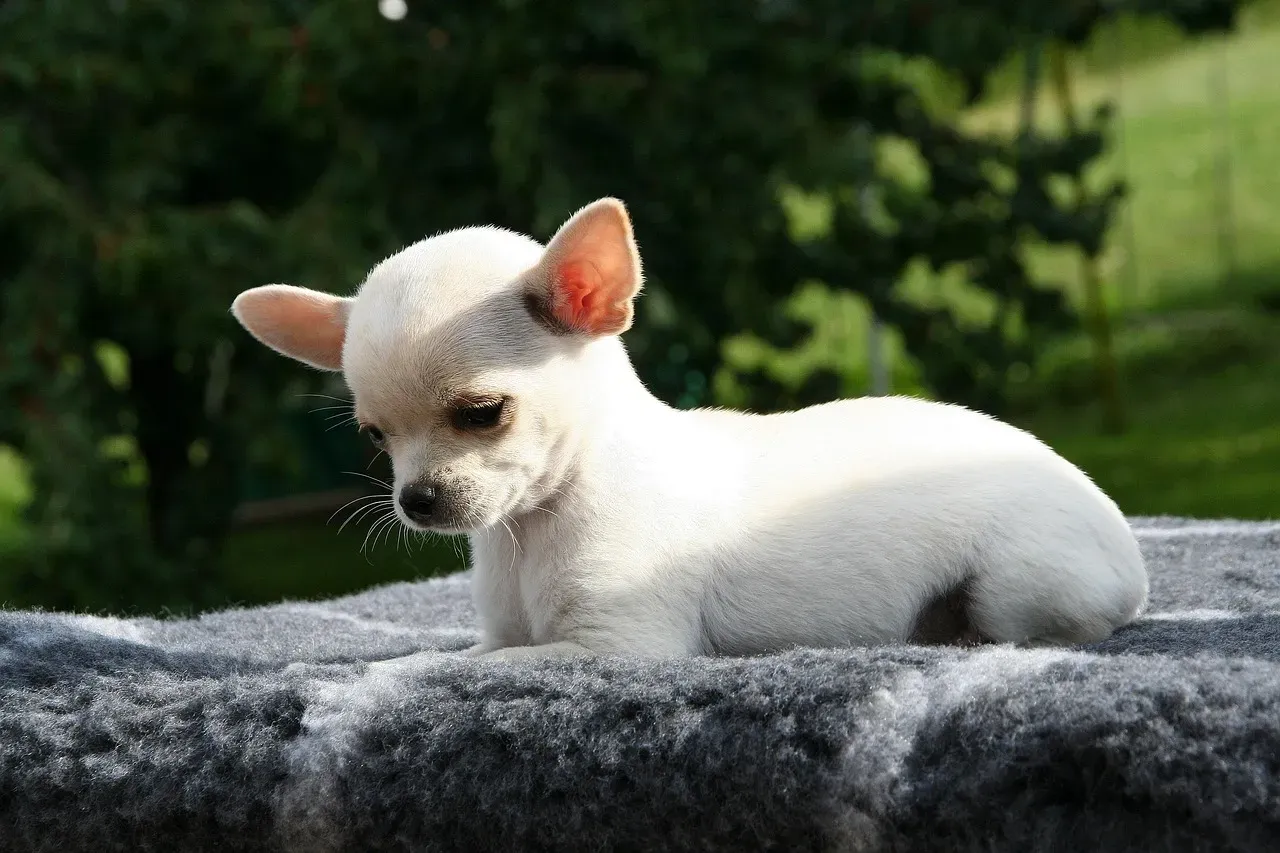
Don’t let the small frame fool you. Chihuahuas are small and full of personality, forming fierce bonds with their owners. They are ideal for individuals who prefer a lightweight dog, and while they enjoy light exercise, they also love to relax with their owners – making them excellent lap dog companions for older adults.
On the cost side, Chihuahuas are among the most budget-friendly dogs you can own. They are bold, loyal, and fiercely attached to their owner, though they can be wary of strangers. They are prone to obesity, so small, measured portions of quality food are important, and dental care is equally critical – weekly brushing or dental chews go a long way. Their food consumption is minimal, vet bills tend to be modest, and grooming is straightforward with short-haired varieties.
#2: Shih Tzu – The Original Companion Dog

The Shih Tzu offers a wonderful combination of small size and big personality. These affectionate, low-energy dogs typically weigh between 9 and 16 pounds and are known for their gentle nature. Originally bred as palace companions, they excel at providing comfort and companionship indoors.
Surprisingly low-maintenance in terms of exercise, a daily walk or even a few laps around the living room will keep a Shih Tzu fit and happy. There is some stubbornness and occasional barking to consider, but the right training will make them a friendly and playful companion. They are ideal lap dogs for seniors and always look forward to cuddling with their owners. Adoption from a rescue can bring the upfront cost down significantly, making them a genuinely affordable choice.
#3: Pug – Calm, Comical, and Completely Devoted

Intensely loving and excitable, the Pug is one of the best matches for relaxed, laid-back seniors who appreciate a calm home environment with the occasional snort and snore in the background. If you love curling up in a comfortable chair, this furry companion may be your perfect housemate.
Pugs are small, sturdy dogs that fit comfortably into smaller homes and don’t demand much space or food. Their affectionate, people-loving personality means they quickly become the heart of any household. It’s worth noting that Pugs are a flat-faced breed and can be prone to certain respiratory health concerns, so routine vet check-ins are wise. Choosing a healthy, responsibly sourced Pug helps minimize future medical costs.
#4: Beagle – Affordable, Friendly, and Easy to Love
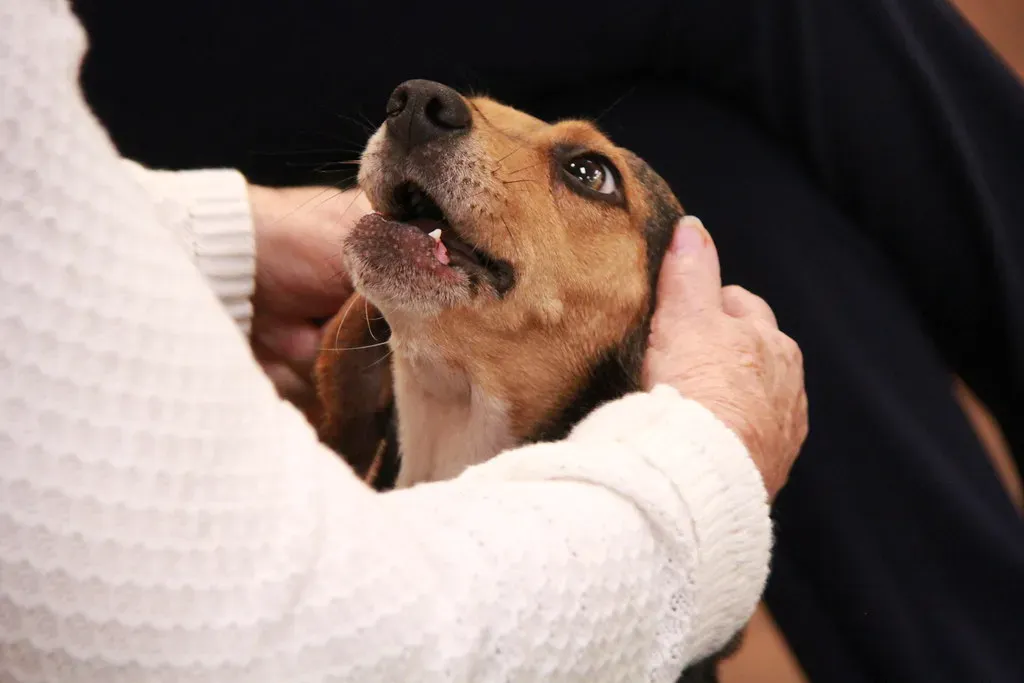
Beagles are among the best dog breeds for seniors. They are affectionate and loyal, providing genuine companionship to older adults. Their short coat makes them low-maintenance, and their moderate size makes them suitable for various living situations, including apartments or homes with limited space.
Beagles are generally healthy dogs with few breed-specific extremes in terms of medical bills. They do have a nose that leads them into mischief on walks, so a leash is non-negotiable, but this breed’s manageable energy and cheerful nature make daily care straightforward. For the right person, a dog like this can provide genuine companionship and motivate you to stay active in retirement. Adoption fees from shelters are often quite modest, making the entry cost low as well.
#5: Cavalier King Charles Spaniel – Velvet-Soft and Wonderfully Gentle

Cavaliers are a petite spaniel breed, typically weighing between 12 and 18 pounds, with a medium-length silky coat. Known for their sweet, gentle, and playful nature, they’ve earned the nickname “love sponge” due to their fondness for snuggling up with their owners. Their high intelligence makes them easy to train and eager to please.
The Cavalier King Charles Spaniel is one of the best small dogs for older adults. These dogs are gentle, affectionate, and love spending time with their owners. They do not have high exercise requirements, making them suitable for individuals who cannot commit to long periods of activity, and their coat, while requiring regular brushing, keeps them generally low-maintenance. When adopted through a rescue organization, the upfront investment is very manageable.
#6: Maltese – Small, Sweet, and Surprisingly Sturdy
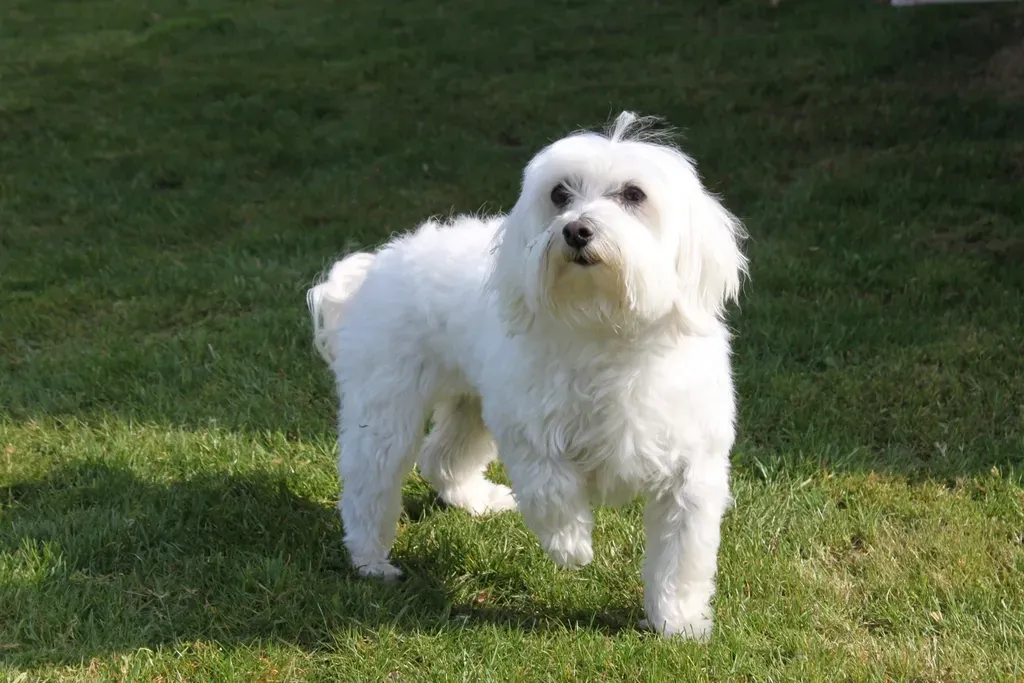
The Maltese is a small, affectionate dog that thrives on attention. Their compact size makes them easy to carry and manage. Despite their long, silky coats, they are relatively easy to groom with routine care. Their energy level is low, making them perfect for relaxed households, and their temperament is loving, gentle, and devoted.
What makes the Maltese particularly appealing on a retirement budget is their small appetite and modest exercise needs – both translate to lower ongoing costs. Their compact size makes them easy to carry and manage, and their gentle disposition means they adapt naturally to the quieter rhythms of life at home. Many senior dog rescues have Maltese dogs available, often already house-trained and with known personalities.
#7: Bichon Frise – Cheerful, Hypoallergenic, and Apartment-Ready
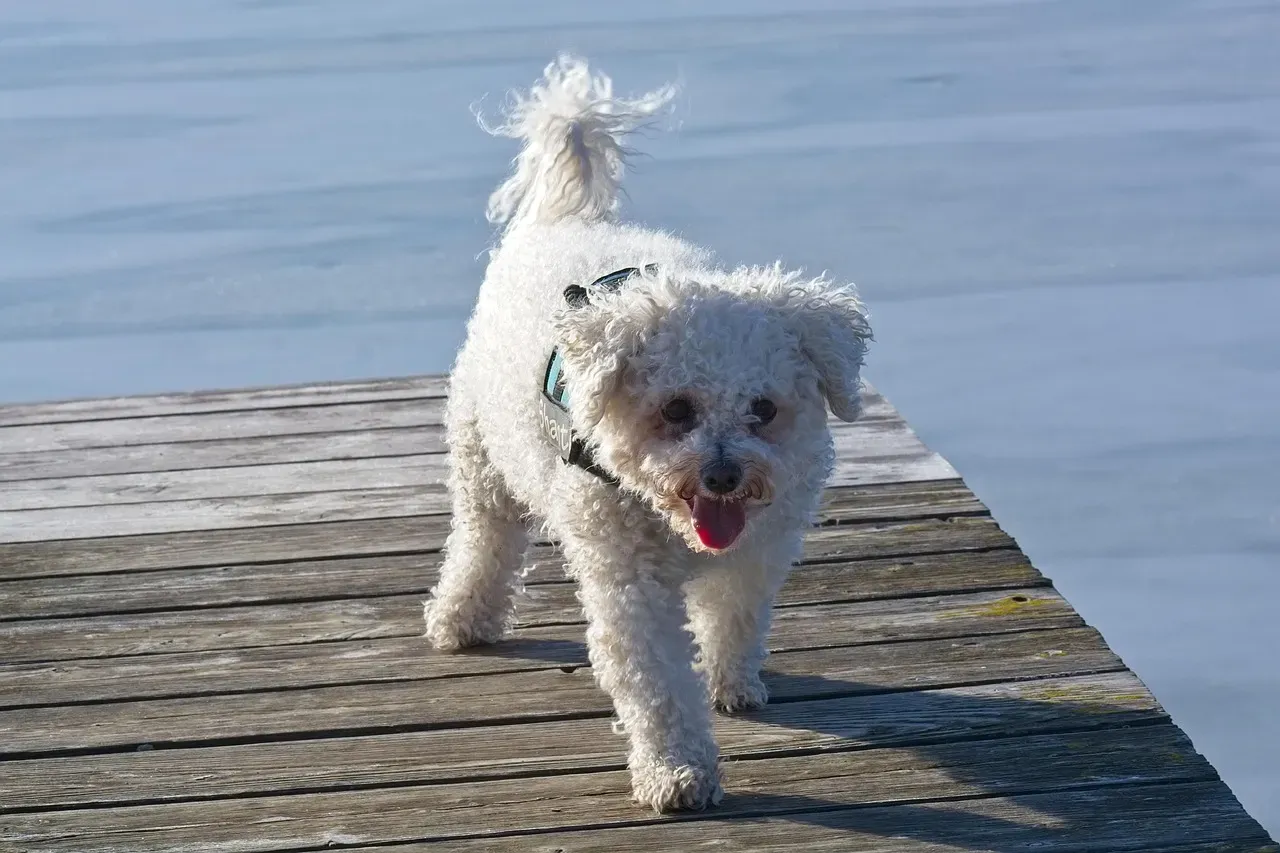
Bichon Frises are small, fluffy dogs known for their cheerful attitude and curiosity. They love being around people and rarely miss a chance to grab attention. Their compact size and adaptable nature make them comfortable in both city apartments and smaller homes, and they enjoy tagging along on daily activities, whether that’s a short outing or simply moving room to room.
The Bichon Frise is cheerful, adaptable, and hypoallergenic. Their playful demeanor keeps spirits high, while their small size makes them easy to manage, and they thrive on human interaction, quickly becoming part of the family. Their low-shedding coat is a real bonus for seniors with allergies, though regular grooming appointments should be factored into the monthly budget – it’s a modest but consistent cost.
#8: Boston Terrier – Compact, Clean, and Easy to Handle

Developed from the English Bulldog and the white English terrier, the Boston Terrier is a great breed for older adults. It ranks among the best small dogs for seniors for several reasons: easy to groom, genuinely friendly, and a comfortably manageable size.
Low maintenance in both exercise and grooming, Boston Terriers are great examples of dogs that don’t take a lot of input but give a lot of affection and companionship in return. One thing to keep in mind: because of their flat-faced structure, Boston Terriers can struggle with heat and overexertion, requiring careful monitoring during warm weather and benefiting from shorter activity periods. Regular grooming is simple due to their short coat, but attention to their eyes and overall health remains important.
#9: Pomeranian – Pocket-Sized Personality with Everyday Joy
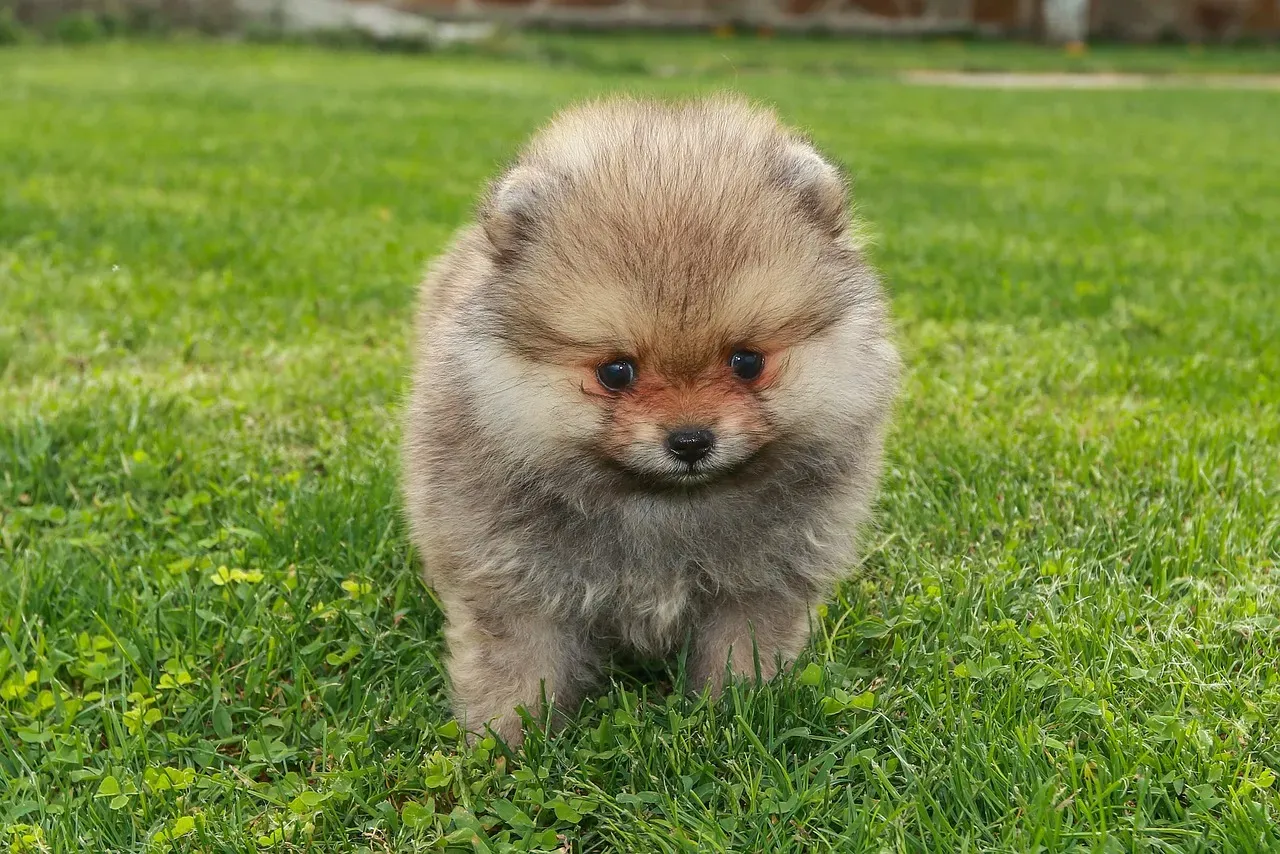
If a tiny dog fits your lifestyle, the Pomeranian may be an ideal choice. Weighing roughly 3 to 6 pounds, Pomeranians are affectionate, good-natured dogs that are easy to handle. They enjoy attention from their owner and playing with toys, and their energy can be surprisingly uplifting day to day.
Pomeranians, with their adorable fox-like faces, pointy ears, and feathered tails, embody a delightful combination of intelligence, curiosity, boldness, and energy. Descended from larger Arctic breeds, these diminutive dogs retain a charming sense of their majestic ancestry despite their petite size. Compact enough to nestle comfortably anywhere, they make irresistible companions. Their food costs are minimal, though their thick double coat does benefit from regular brushing – something many seniors find to be a calming, enjoyable routine.
#10: Miniature Schnauzer – Smart, Hypoallergenic, and Budget-Friendly
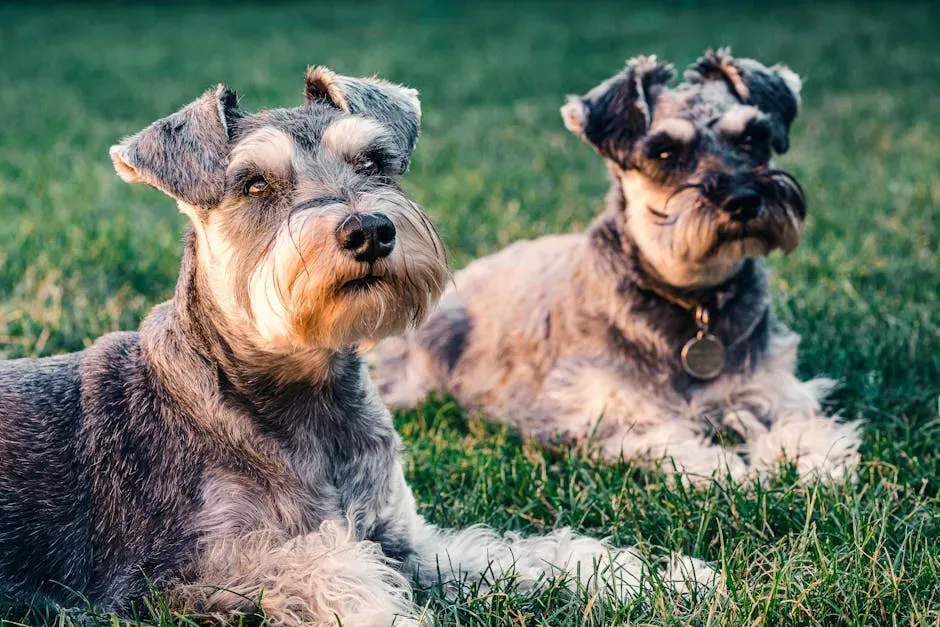
Miniature Schnauzers are described by the American Kennel Club as friendly, smart, and obedient, making them a great hypoallergenic fit for seniors. A healthy Mini Schnauzer typically ranges between 11 and 20 pounds, making them ideal for apartment living.
Miniature Schnauzers have a low shedding rate and do not require excessive grooming, making them easier to care for compared to higher-maintenance breeds. Their compact stature makes them easier to handle and transport, while also allowing them to thrive in apartments without taking up too much space. Their moderate energy means a couple of short daily walks keep them content – no marathon exercise sessions required.
#11: Basset Hound – Easygoing, Loyal, and Surprisingly Low-Key
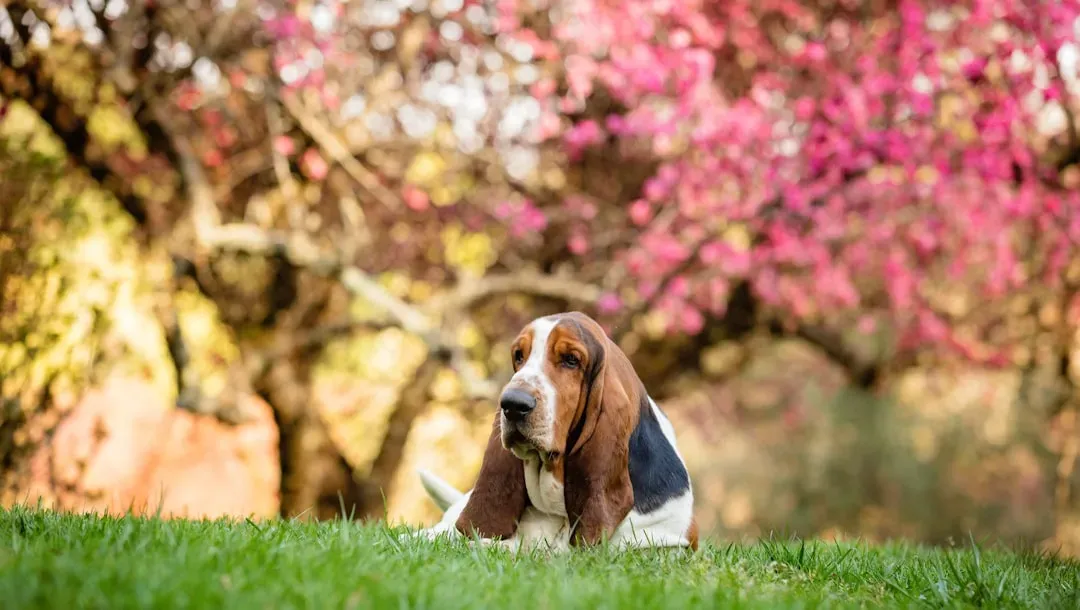
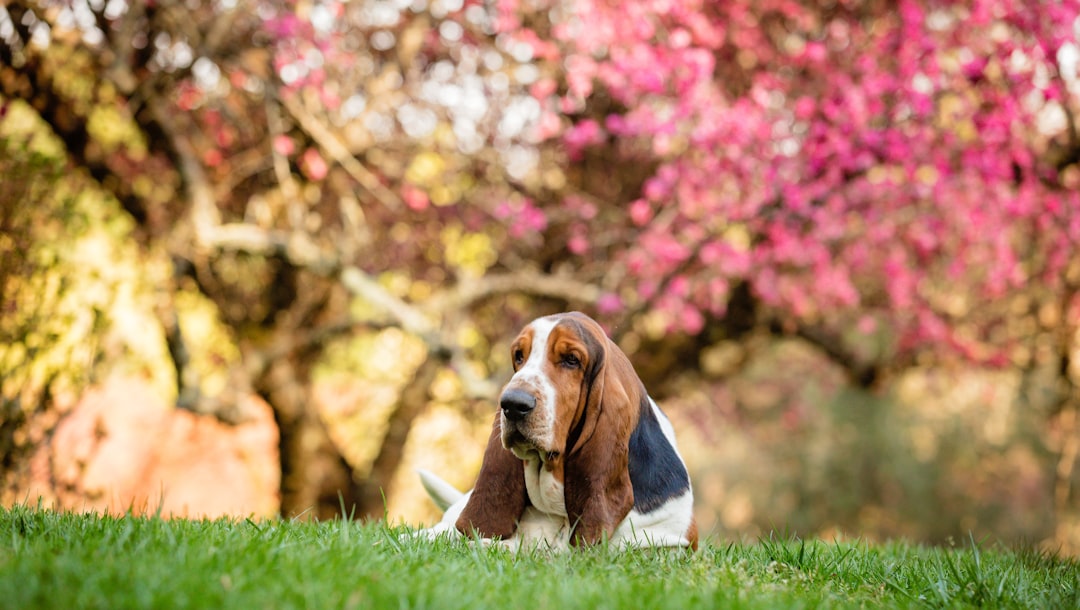
Basset Hounds are instantly recognizable by their long ears, droopy eyes, and low-slung bodies. Despite their short height, they are sturdy dogs with a calm and easygoing presence. Their relaxed personality makes them approachable and pleasant companions in a home setting, and their pack-bred origins explain their naturally friendly attitude toward people and other pets.
Basset Hounds are not high-energy dogs and typically need only a daily walk to stay healthy. They can be prone to weight gain, so feeding and exercise should be managed with some care. Their grooming routine is simple, though their low build can bring dirt indoors, and their droopy features may occasionally need cleaning. They’re a genuinely calm choice for retirees who want a loyal, unhurried companion content to share quiet days at home.
#12: Mixed-Breed Rescue Dogs – The Most Affordable Option of All
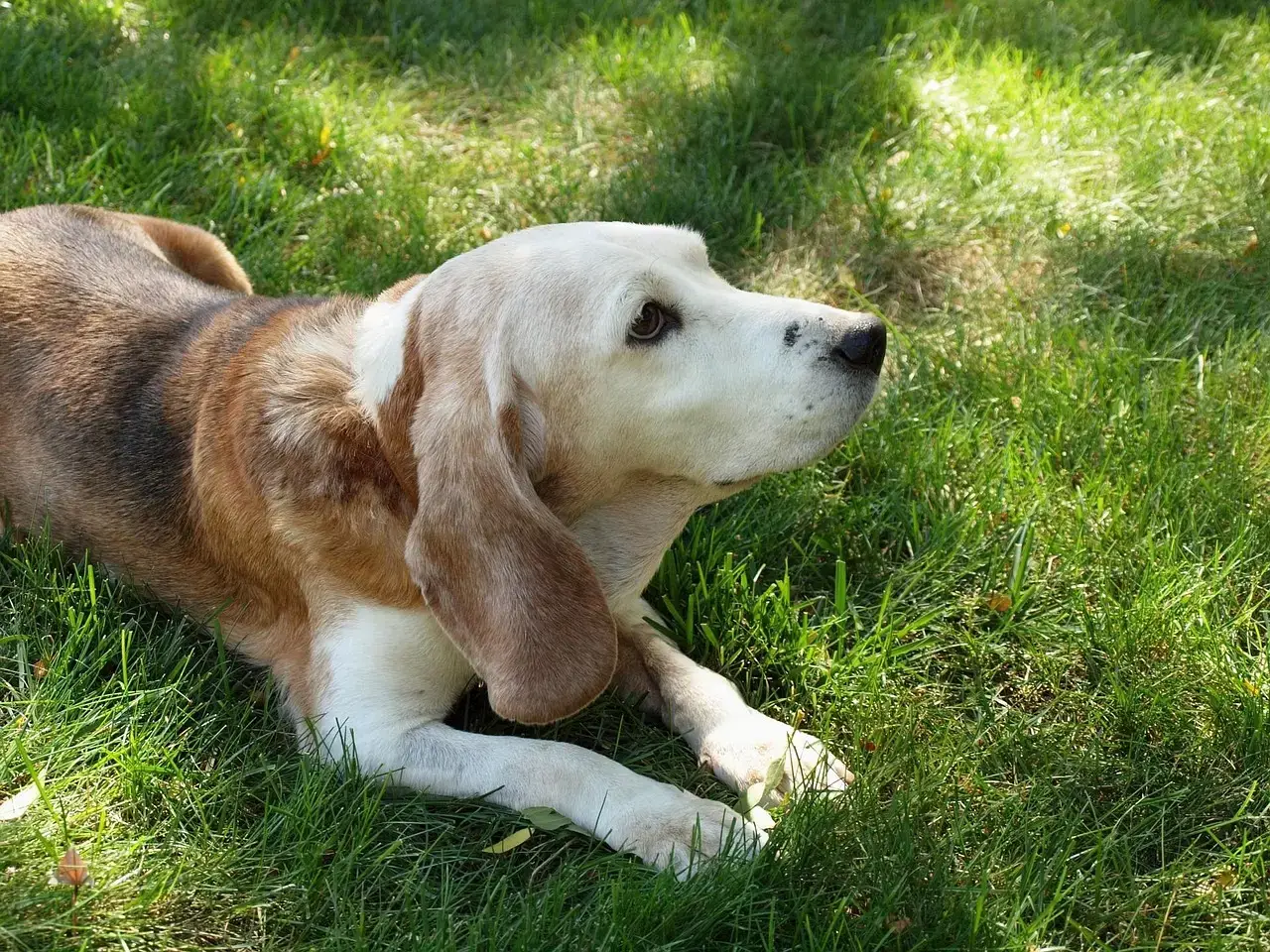
An adult rescue dog between roughly three and six years old is often the most consistently practical choice for seniors. They arrive already house-trained, past the destructive puppy stage, with observable personalities – what you see is what you get. Many shelters conduct behavioral assessments to identify dogs specifically suited for calm, low-activity households.
Adopting a mixed-breed dog can translate to fewer health issues and lower vet bills over time. Because of their more diverse genetic makeup, they tend to be less susceptible to many of the health issues that affect their purebred peers. Opting for a mixed breed also means a greater variety of shapes and sizes to choose from. The Pets for the Elderly Foundation facilitates adult and senior dog placements with adults aged 60 and older, and even covers adoption fees at partner shelters in more than 30 U.S. states. That’s about as affordable as it gets.
Choosing the Right Match for Your Lifestyle
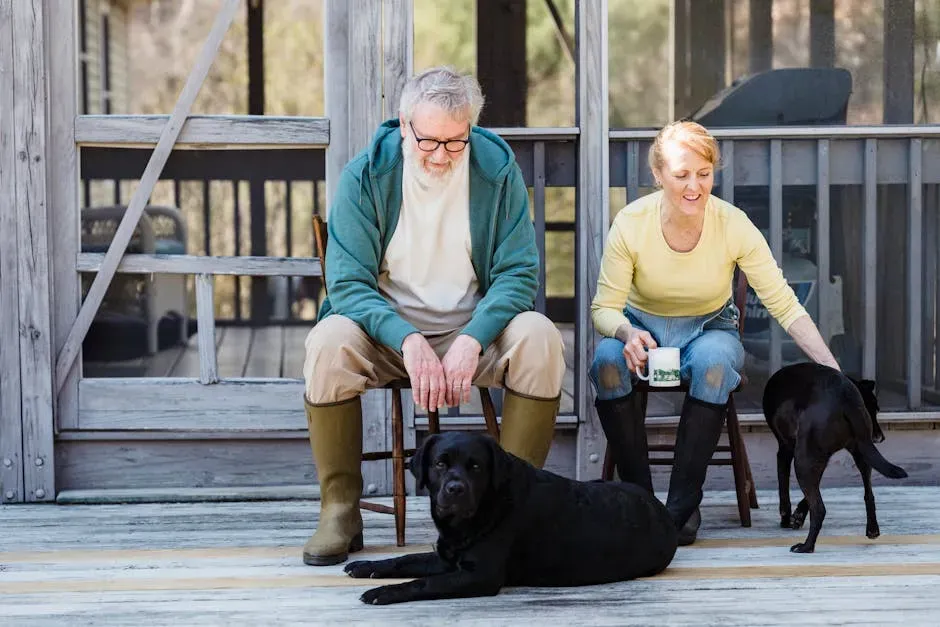
Choosing the right dog breed goes beyond looks and popularity. Seniors need a pet that is affectionate, easy to train, and relatively low-maintenance. Factors such as exercise needs, grooming requirements, and temperament all play an important role, and by selecting the right breed, retirees can enjoy the benefits of pet ownership without overwhelming challenges.
Smaller dogs are generally easier to manage, whether you’re lifting them for grooming, controlling them on walks, or simply having them on your lap. A small dog won’t accidentally knock you over with enthusiasm and is typically more at home in apartments or smaller living spaces.
When considering dog ownership, older adults should also look into adopting an adult dog rather than a puppy. Puppies require a lot of energy, training, and patience, which may not be ideal for older adults. Adult dogs are often calmer and already trained, making them significantly easier to manage from day one.
The research on what dogs actually do for older adults is genuinely encouraging. Pet ownership in later life has been shown to have a positive effect on older adults’ well-being and companionship, as well as physical health. A systematic review found robust evidence linking pet ownership to better cardiac health and physiological responses to stress, including lower blood pressure. Pet ownership also had important psychosocial benefits, with older owners perceiving lower rates of loneliness, and dog ownership in particular linked to increased physical activity and positive social outcomes.
Retirement income shouldn’t be a barrier between you and a genuinely good companion. Whether it’s a Chihuahua curled in your lap or a Basset Hound snoring peacefully at your feet, the right dog has a quiet way of making the days feel fuller. The most important thing isn’t the breed – it’s the match. Find that, and you’ll have found something worth far more than its adoption fee.

- 12 Architectural Wonders From The Ancient World That Inspire Us Today - July 18, 2026
- 6 Beautiful Ancient Cities That Time Forgot (But Shouldn’t) - July 18, 2026
- 6 Common Animal Behaviors That Are Often Misunderstood by Humans - July 18, 2026