


When you think of snakes, do you imagine them slithering through lush forests or sunbathing on warm rocks? What if I told you that these mesmerizing creatures are in danger, not from predators, but from the very environment they inhabit? Extreme weather, a consequence of our changing climate, is threatening the delicate balance of snake habitats around the world. This article delves into the heart of the matter, exploring the 12 most endangered snake habitats. Prepare to be amazed, concerned, and inspired to take action.
The Amazon Rainforest A Slithering Symphony in Peril

The Amazon Rainforest, often dubbed the “lungs of the Earth,” is home to a dazzling array of snake species. However, this vibrant ecosystem is under siege from extreme weather events. Intense droughts, fueled by climate change, are drying up vital water sources, leaving snakes stranded without their natural habitat. The rainforest, once a sanctuary for serpents, is becoming a battleground for survival. The delicate balance of life is being disrupted, and the snakes, with their intricate roles in the food chain, are feeling the impact firsthand.
The Australian Outback Where Heat Waves Threaten Survival

The Australian Outback, a vast and rugged landscape, is known for its extreme temperatures. But recent heat waves have pushed this environment to its limits. Snakes, like the iconic Inland Taipan, are struggling to adapt to the scorching heat. The relentless rise in temperature is not just uncomfortable; it’s life-threatening. Dehydration and heat stress are becoming common challenges for these reptiles. The Outback, once a resilient habitat, is now a place where survival is uncertain.
The Everglades A Wetland Under Siege

The Everglades in Florida, a haven for countless snake species, is facing unprecedented threats from extreme weather. Rising sea levels and increased storm surges are inundating this unique wetland ecosystem. Saltwater intrusion is altering the delicate balance of freshwater habitats, leaving snakes like the Eastern Diamondback Rattlesnake in peril. The Everglades, a symbol of biodiversity, is now a frontline in the battle against climate change, with snakes caught in the crossfire.
The Sahara Desert A Drying Oasis for Snakes

The Sahara Desert, a place of extremes, is experiencing even more severe conditions due to climate change. Prolonged droughts and shifting sand dunes are making life increasingly difficult for desert-dwelling snakes. Species like the Saharan Horned Viper are finding it harder to locate prey and water sources. The desert, once a harsh but stable environment, is becoming an even more formidable challenge for these resilient reptiles.
The Indian Rainforest Monsoon Madness

India’s rainforests, rich in biodiversity, are facing a new threat: erratic monsoon patterns. Torrential rains followed by prolonged dry spells are disrupting the natural rhythm of these ecosystems. Snakes, such as the King Cobra, are struggling to adapt to these rapid changes. The monsoon, once a predictable force of nature, has become a double-edged sword, threatening the very existence of these majestic serpents.
The Amazon Basin Floods and Fears

In the heart of South America lies the Amazon Basin, a crucial habitat for many snake species. However, extreme flooding events are becoming more frequent and severe. These floods destroy nesting sites and wash away essential food sources. Snakes, like the Anaconda, are left vulnerable and displaced. The Amazon Basin, a symbol of natural wonder, is now a place of uncertainty and fear for its reptilian inhabitants.
The Arctic Tundra A Cold Reality for Snakes

The Arctic Tundra, an unlikely habitat for snakes, is feeling the effects of climate change. As temperatures rise, the delicate balance of this ecosystem is being disrupted. Snakes, such as the Arctic Viper, are struggling to cope with the changing conditions. The melting permafrost and shifting vegetation patterns are altering the landscape, leaving these reptiles in a precarious position. The Arctic, once a stable environment, is now a place of rapid change and uncertainty.
The Great Plains Tornado Territory

The Great Plains of North America, home to a variety of snake species, are experiencing an increase in tornado activity. These violent storms wreak havoc on the landscape, destroying habitats and displacing wildlife. Snakes, like the Prairie Rattlesnake, are left vulnerable in the aftermath of these natural disasters. The Great Plains, once a symbol of vast open spaces, are now a place where survival is a constant struggle.
The Congo Rainforest A Canopy of Challenges

The Congo Rainforest, a biodiversity hotspot, is facing new challenges from extreme weather events. Increased rainfall and flooding are altering the delicate balance of this ecosystem. Snakes, such as the Gaboon Viper, are struggling to adapt to the changing conditions. The rainforest, once a stable and thriving habitat, is now a place of uncertainty and upheaval for its reptilian residents.
The Mediterranean Heat and Habitat Loss

The Mediterranean region, known for its diverse snake species, is experiencing rising temperatures and habitat loss. Prolonged heat waves are pushing snakes like the Montpellier Snake to their limits. The combination of extreme heat and human encroachment is leaving these reptiles with fewer places to call home. The Mediterranean, once a paradise for snakes, is now a place where survival is increasingly challenging.
The Appalachian Mountains A Stormy Struggle

The Appalachian Mountains, a haven for many snake species, are facing an increase in severe storms. These storms, often accompanied by heavy rainfall and flooding, are disrupting the natural balance of this ecosystem. Snakes, like the Timber Rattlesnake, are left vulnerable in the face of these extreme weather events. The Appalachians, once a symbol of natural beauty, are now a place of struggle and uncertainty for their reptilian inhabitants.
The Indonesian Archipelago Rising Seas and Reptiles

The Indonesian Archipelago, a collection of islands rich in biodiversity, is facing the threat of rising sea levels. Coastal habitats, home to many snake species, are being inundated by seawater. Snakes, like the Reticulated Python, are losing their natural habitats to the encroaching ocean. The archipelago, once a sanctuary for reptiles, is now a battleground against the forces of climate change.
Conclusion
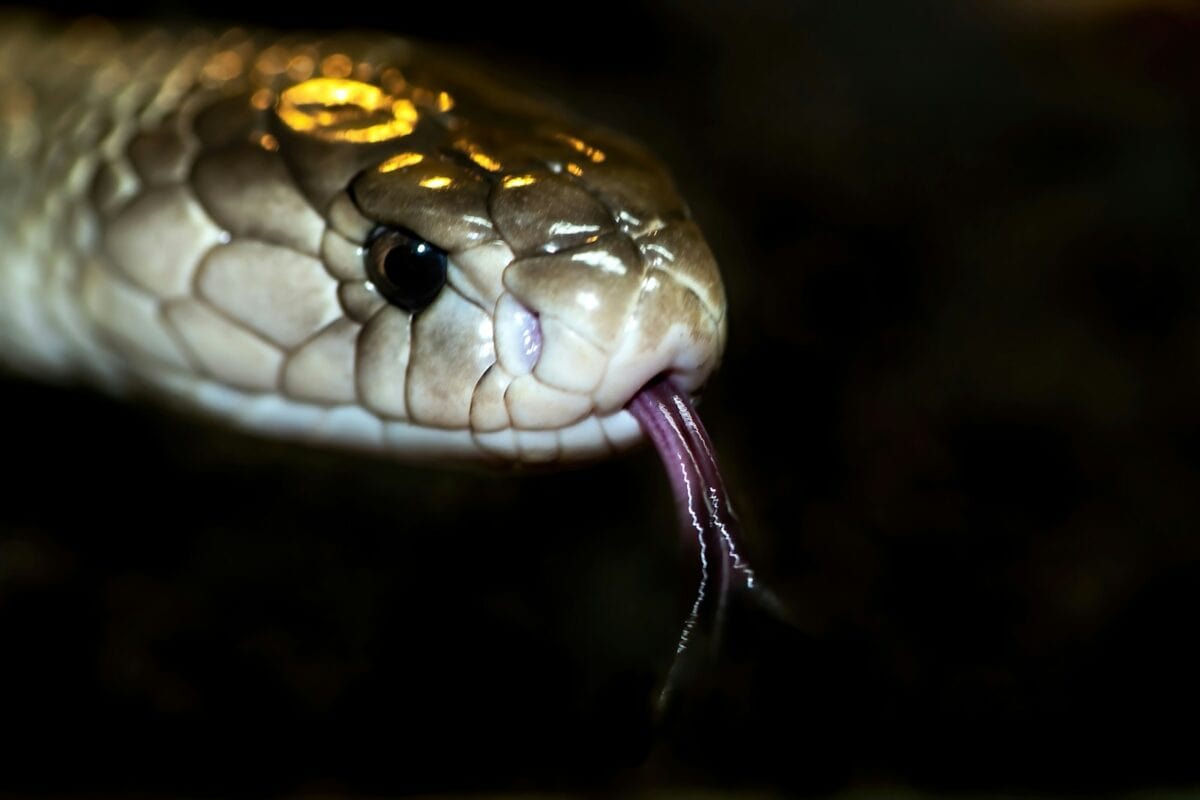
In this rapidly changing world, the plight of snakes and their habitats serves as a stark reminder of the broader impacts of climate change. These reptiles, with their fascinating adaptations and vital roles in ecosystems, are now at the mercy of extreme weather conditions. As we grapple with the realities of a warming planet, the question remains: Can we save these unique habitats before it’s too late?

As a little kid, I fell in love with nature, wildlife, and animals. Living in the USA, South Africa, Italy, China and Germany gave me the opportunity to discover the world's Wildlife. My favorite animals are Mountain Gorillas, Siberian Tigers, and Great White Sharks.
I'm a certified PADI Open Water Diver, went to Everest Base Camp and Trekked Gorillas in Uganda. I hold a Master of Science in Economics and Finance.
Please send any feedback to feedback@animalsaroundtheglobe.com
- 15 Stunning Animals You Can See in 2025 - July 19, 2026
- 13 Reasons You Should not Approach a Wild Bison - July 19, 2026
- 14 Animals That Call Deserts Home - July 19, 2026