

1. Cleopatra Was Not Egyptian
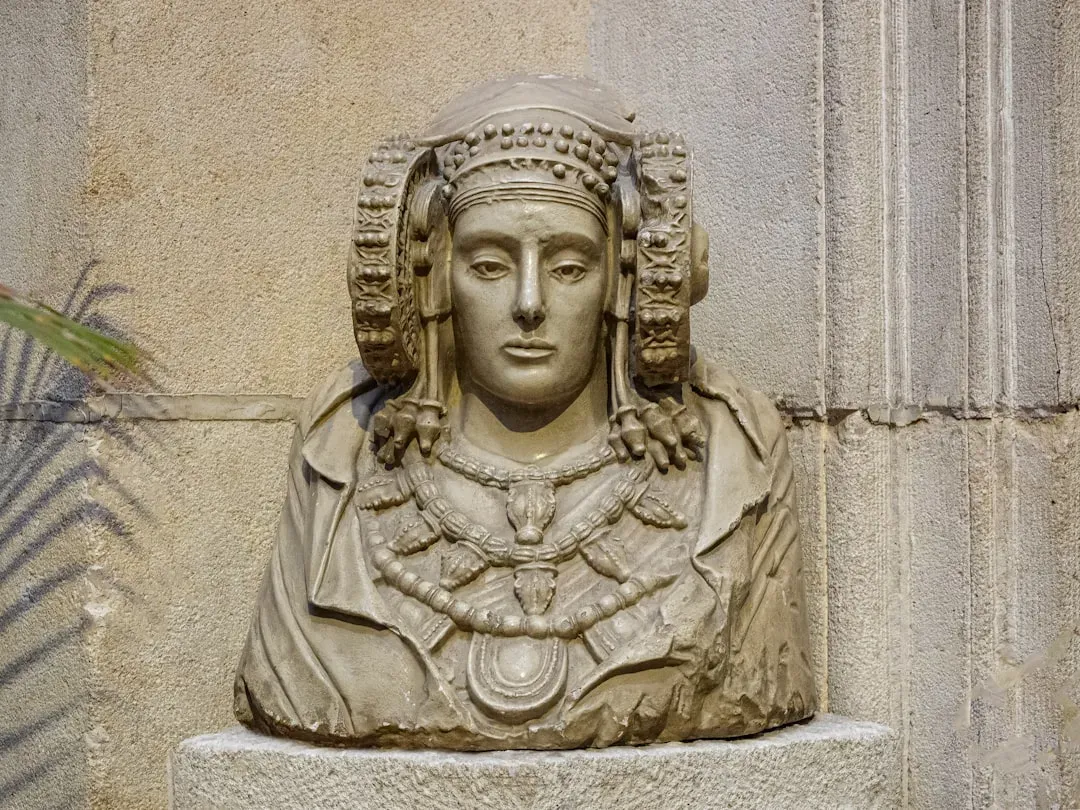
This one tends to catch people off guard. Cleopatra VII is perhaps the most famously associated figure with ancient Egypt, yet while she was born in Alexandria, she was actually part of a long line of Greek Macedonians originally descended from Ptolemy I, one of Alexander the Great’s most trusted lieutenants.
The Ptolemaic Dynasty ruled Egypt from 323 to 30 B.C., and most of its leaders remained largely Greek in their culture and sensibilities. In fact, Cleopatra was famous for being one of the first members of the Ptolemaic dynasty to actually speak the Egyptian language. That linguistic choice alone set her apart. She was the first in her Greek lineage to learn the Egyptian language, which made her very popular among the local population. They saw her not as a foreign conqueror, but as a ruler who was one of them.
2. The Pyramids Were Built by Paid Workers, Not Slaves
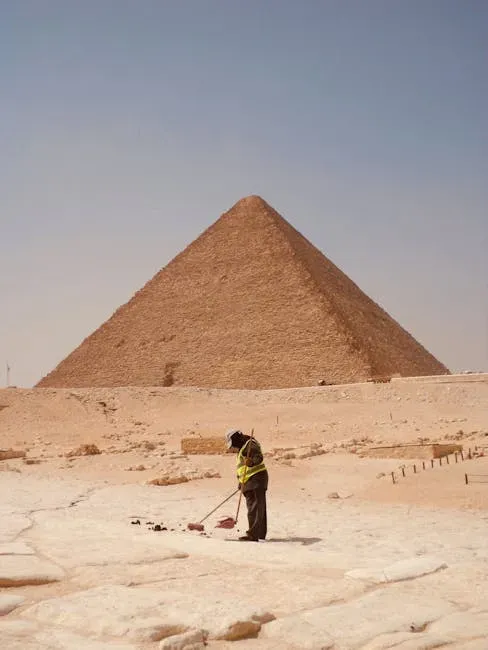
The image of enslaved workers toiling under the desert sun is one of history’s most persistent myths. There is ample evidence that the people who built the pyramids and other great monuments of Egypt were Egyptians, either skilled workers or unskilled laborers who were expected to devote time to community service at the times when the Nile River flooded and farming was impossible.
It took about 20 to 23 years to build the Great Pyramid of Khufu, not by 100,000 enslaved people, but by a workforce of skilled Egyptian laborers. Bread and beer were used to pay soldiers and the estimated 100,000 workers that built the pyramids. It was the currency between businesses, and central to offerings made to the gods and dead ancestors. These were professionals, not prisoners.
3. Ancient Egyptians Invented an Early Form of Toothpaste
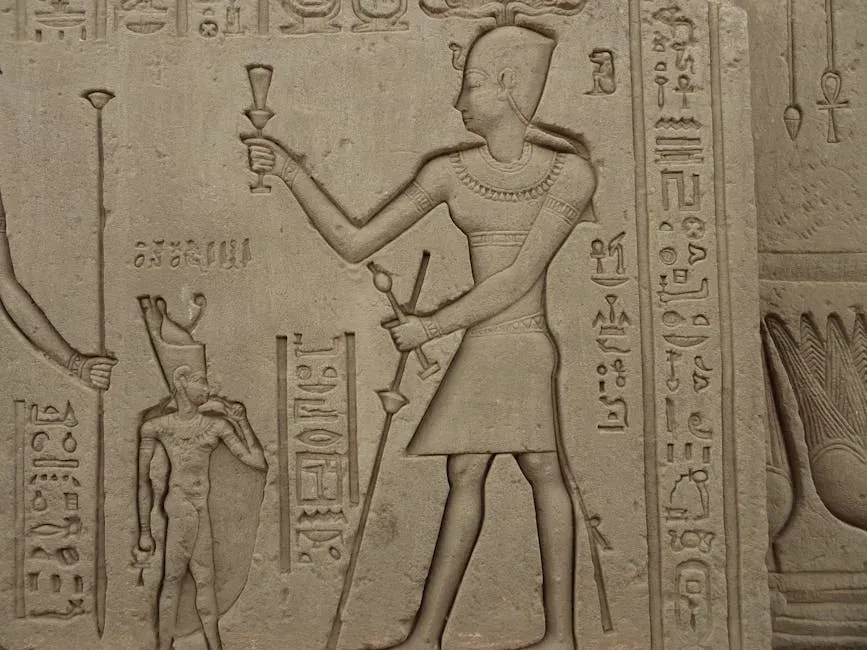
The oldest known toothpaste recipe comes from a 4th-century CE papyrus. It calls for a mixed paste of saliva, rock salt, mint, dried iris flower, and pepper. That might not sound appealing by modern standards, but the intent was clearly there. They understood that teeth needed care long before the rest of the ancient world caught on.
The ancient Egyptians invented lots of things we still use today, such as paper, pens, locks and keys and, believe it or not, toothpaste. Yet despite all their dental innovation, bread was the cornerstone of the ancient Egyptian diet, and it came with a surprising risk. The grinding process for making bread often mixed sand and stone into the flour, which reduced production costs but led to significant wearing down of the teeth of those who consumed a substantial amount of this gritty bread.
4. Egyptian Women Had Remarkable Legal Rights
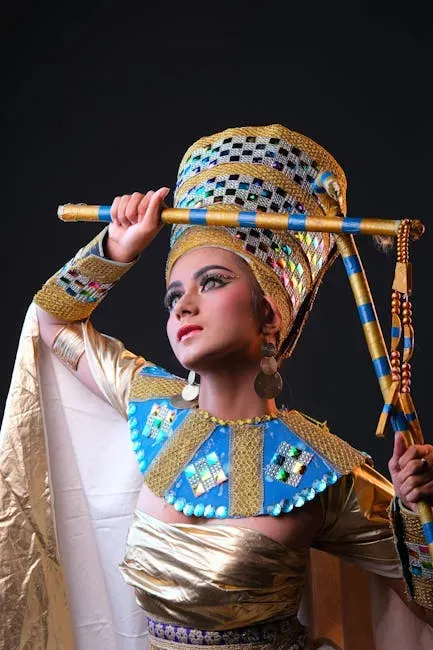
While Egyptian women may have been publicly and socially viewed as inferior to men, they enjoyed a great deal of legal and financial independence. They could buy and sell property, serve on juries, make wills and even enter into legal contracts. For the ancient world, this was genuinely extraordinary.
Egyptian women did not typically work outside the home, but those who did usually received equal pay for doing the same jobs as men. Egyptian couples were even known to negotiate an ancient prenuptial agreement. These contracts listed all the property and wealth the woman had brought into the marriage and guaranteed that she would be compensated for it in the event of a divorce. A civilization operating with a form of prenuptial contract several thousand years ago is not something most people would expect.
5. Ancient Egyptians Had Specialized Medical Doctors
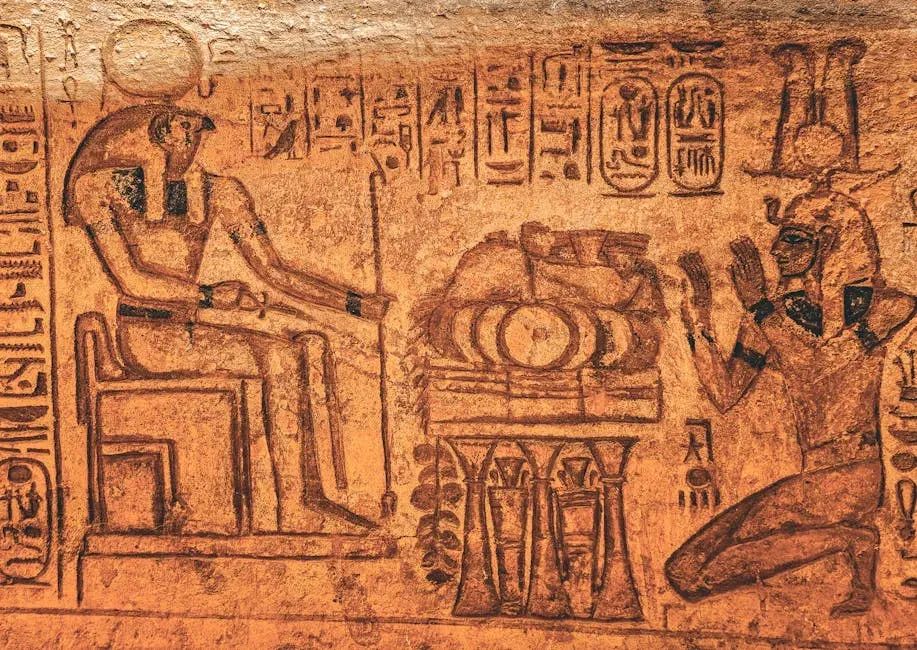
Medicine in ancient Egypt was surprisingly advanced. Imhotep, the high priest of Heliopolis, was later worshipped as the god of medicine. Doctors used bronze surgical tools, stitched wounds, treated broken bones, and applied moldy bread to infections, anticipating penicillin by thousands of years.
An ancient physician was usually a jack-of-all-trades, but evidence shows that Egyptian doctors sometimes focused on healing only one part of the human body. This early form of medical specialization was first noted in 450 B.C. by the traveler and historian Herodotus. Dentists were known as “doctors of the tooth,” while the term for proctologists literally translates to “shepherd of the anus.” Medical specialization, it turns out, is far older than modern hospitals.
6. Workers Once Staged One of the Earliest Recorded Strikes in History
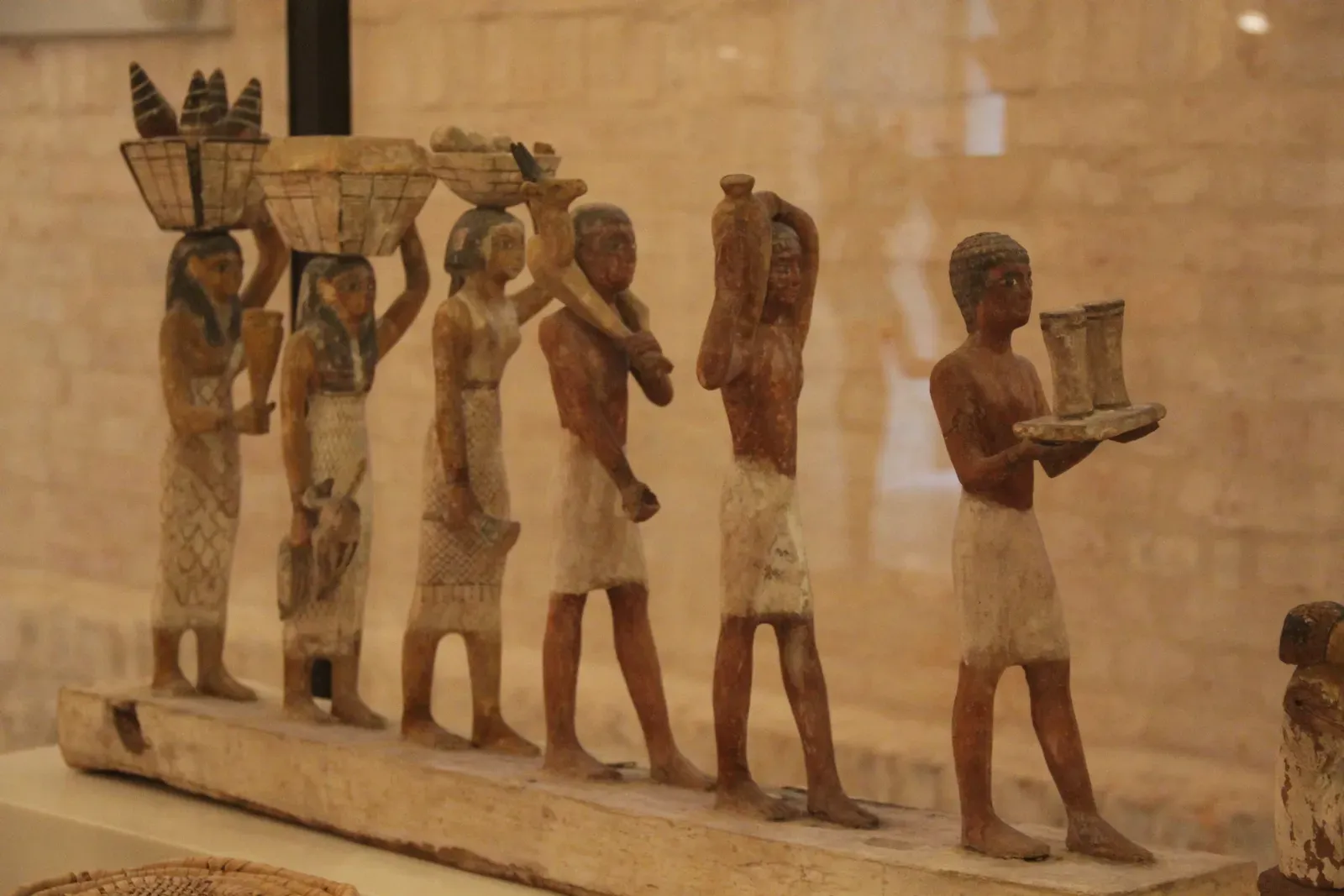
Even though they regarded the pharaoh as a kind of living god, Egyptian workers were not afraid to protest for better working conditions. The most famous example came in the 12th century B.C. during the reign of the New Kingdom pharaoh Ramses III. When laborers engaged in building the royal necropolis at Deir el-Medina did not receive their usual payment of grain, they organized one of the first recorded strikes in history.
The protest took the form of a sit-in: the workers simply entered nearby mortuary temples and refused to leave until their grievances were heard. There’s something quietly remarkable about that. These were people building monuments to divine kings, yet they still understood that their labor had worth and were willing to demand it be respected.
7. Senet Was the World’s Oldest Known Board Game

According to archaeological evidence, one of the ancient Egyptians’ favorite pastimes was a board game called Senet. This game, which dates back more than 5,000 years to around 3100 BC, involved strategic thinking and a little luck. To play Senet, players had to move pieces across a grid and try to outsmart their opponent.
This game was so popular that it was often buried with the dead, so that they could entertain themselves with it in the afterlife. Paintings depict Queen Nefertari playing Senet, and pharaohs like Tutankhamun even had game boards buried with them in their tombs. The Egyptians apparently saw no reason why eternal life should be boring.
8. Both Men and Women Wore Makeup, and It Had a Protective Purpose
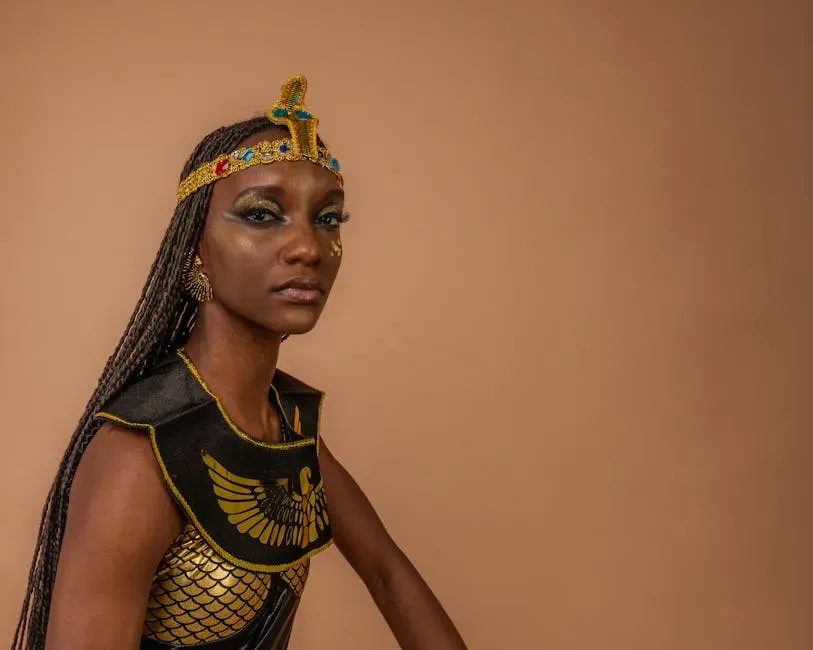
Vanity is as old as civilization, and the ancient Egyptians were no exception. Both men and women were known to wear copious amounts of makeup, which they believed gave them the protection of the gods Horus and Ra. These cosmetics were made by grinding ores like malachite and galena into a substance called kohl. It was then liberally applied around the eyes with utensils made out of wood, bone and ivory.
Women would also stain their cheeks with red paint and use henna to color their hands and fingernails, and both sexes wore perfumes made from oil, myrrh and cinnamon. As well as offering protection from the sun, the Egyptians believed makeup had magical healing powers too. What started as a spiritual practice turned out to have a real-world benefit: the lead-based compounds in kohl have since been shown to help ward off eye infections.
9. Cats Were Sacred, and Killing One Was Punishable by Death
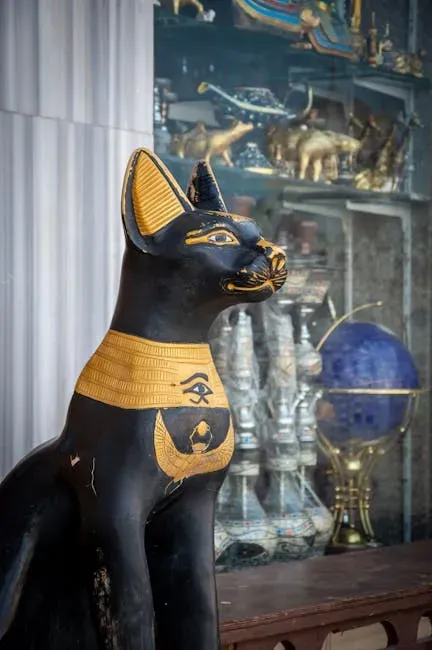
The ancient Egyptians are known for their love of cats. They revered these feline companions to an extraordinary degree. They associated cats with the goddess Bastet, who symbolized home, fertility and protection. Killing a cat was considered a grave crime punishable by death.
When a family cat died, the household would mourn by shaving their eyebrows, showing the gods and their world their sorrow for their loss. Archaeologists have discovered cemeteries dedicated entirely to cats, revealing how important the Egyptians considered their felines. In ancient Egypt, cats were not just pets. They were family members with a spiritual dimension that few other cultures have ever matched.
10. Hieroglyphics Helped Shape the Alphabet We Use Today
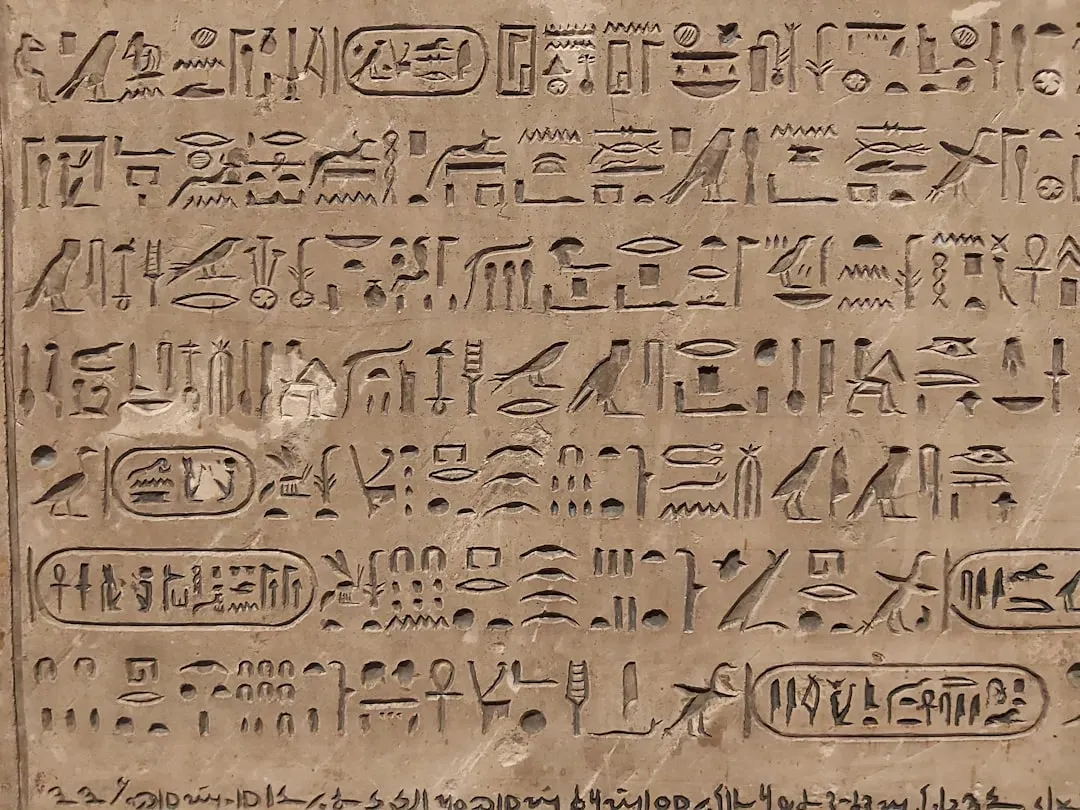
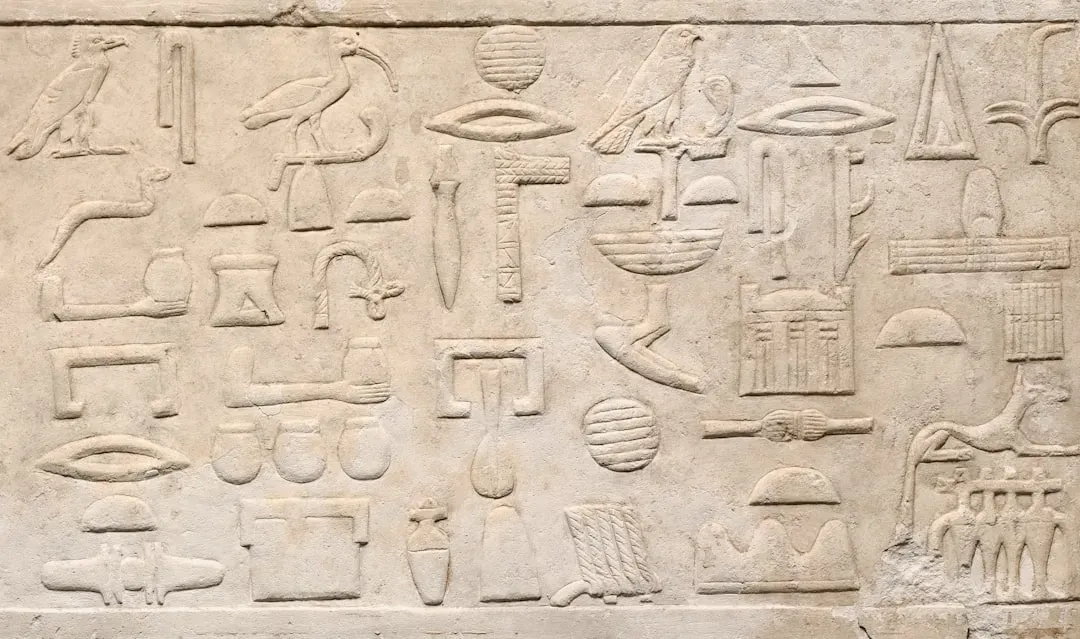
When Egypt unified, its government faced logistical issues like tracking food supplies, taxes, and religious declarations. An early form of writing, hieroglyphics, was developed to address these bureaucratic challenges, further uniting Egypt under the rule of the pharaohs and helping create a highly organized and centralized state. Hieroglyphics also formalized laws and preserved scientific, cultural, and historical knowledge, all key to day-to-day functioning and to organizing large-scale building projects like the pyramids.
Writing was far from commonplace at the time, amounting to a form of power almost like magic to the literate minority. Hieroglyphics were one of the earliest writing forms, helping inspire the Phoenician alphabet, which in turn paved the way for the Greek alphabet, and set the stage for the 26 letters we use in English today. That chain of influence stretches from the Nile valley directly to the screen you’re reading this on right now.
11. Cleopatra Lived Closer in Time to the Moon Landing Than to the Pyramids
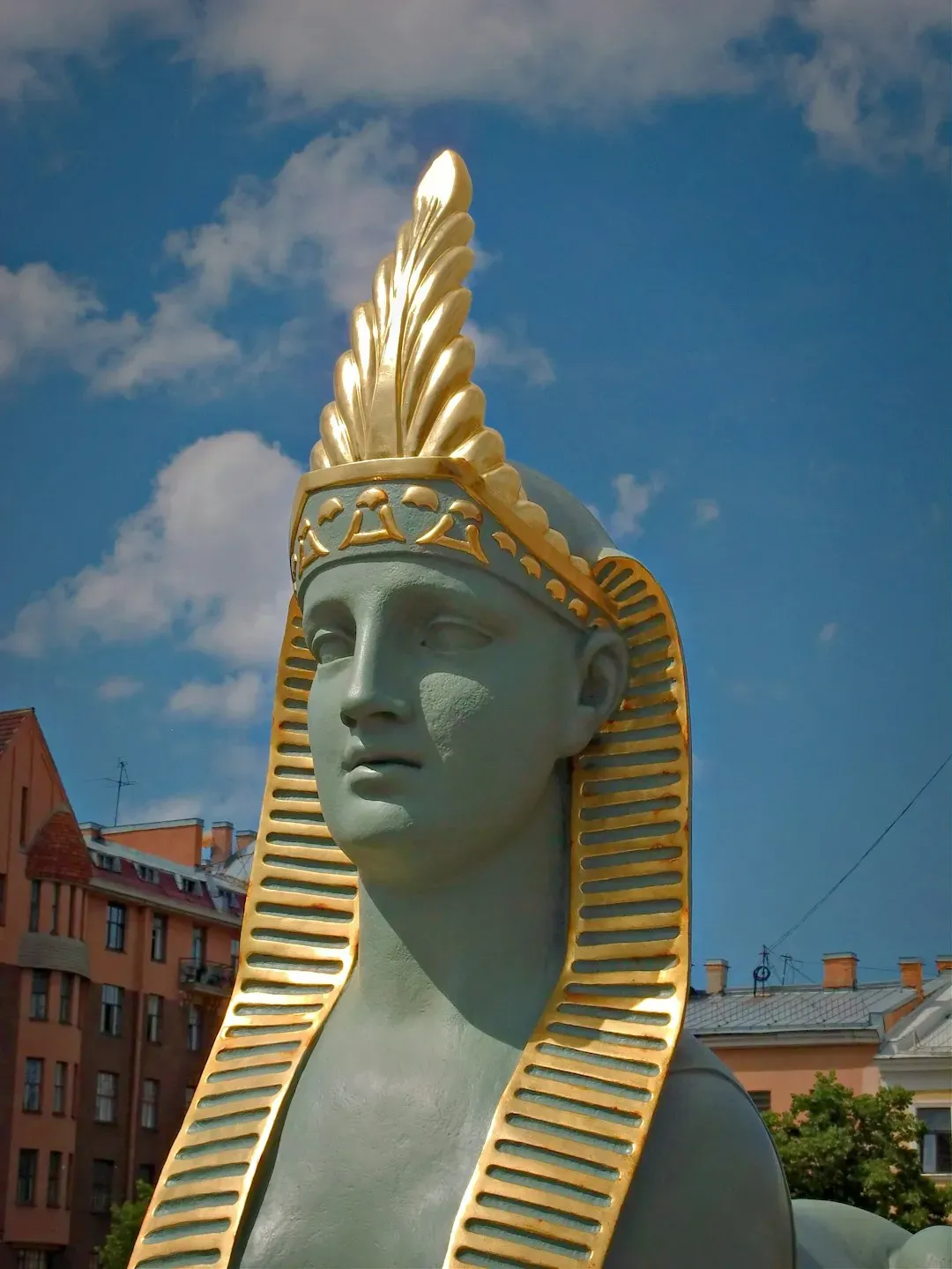
This fact tends to stop people cold when they first encounter it. Cleopatra reigned 1,500 years after the last pyramids were built, approximately the same length of time between now and the fall of the Western Roman Empire. She also ruled 2,500 years after the construction of the pyramids of Giza.
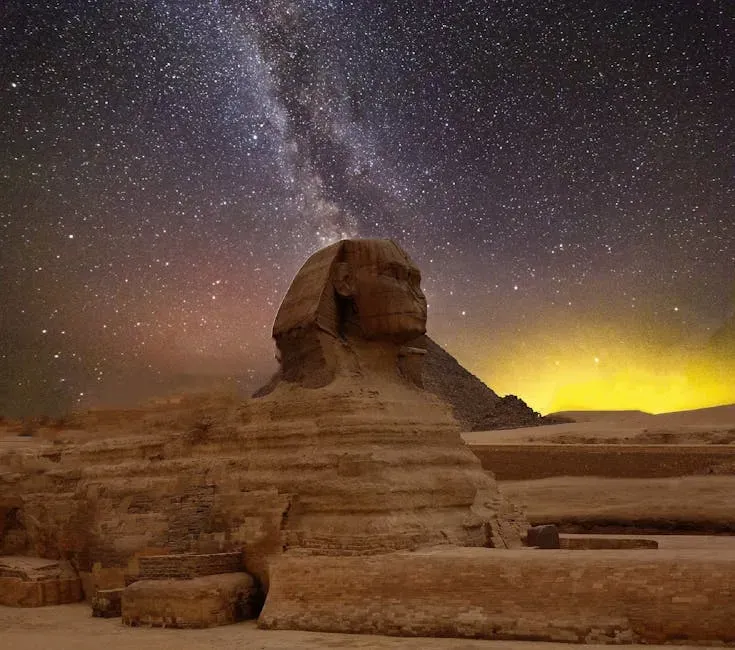
The Great Sphinx of Giza is thought to have been around for about 2,000 years before it was even given the name “Sphinx” by the ancient Greeks, because it reminded them of the mythological beast by the same name. Though difficult to imagine, the pyramids held mythic and historical importance to ancient Egyptians for thousands of years, since they were already relics of an ancient world. The pyramids were old monuments to the Egyptians who came after them. The scale of Egyptian history is almost impossible to fully absorb.
12. Ancient Egypt Had a 365-Day Calendar and Pioneered Early Mathematics
Ancient Egyptian astronomers created a calendar much like ours, based on the sun’s rotation, and are thought to be the first civilization to measure a year using 365 days. They were also math geniuses: historians think that division and multiplication were first developed by these people. These weren’t idle calculations. They were the scaffolding for one of the most ambitious building programs in human history.
The Egyptian calendar was divided into three seasons, called Flood, Growth, and Harvest, and each season had four months divided into roughly 30 days. Egypt devised this 365-day civil calendar to predict the Nile flood, organizing work, taxes, and festivals around it. A civilization that could track the stars precisely enough to build calendars still accurate today deserves far more credit than it typically receives in casual conversation.
Final Thought
Ancient Egypt rewards curiosity. The more you look past the textbook version, with the golden masks and grand monuments, the more you find a civilization that was pragmatic, legally sophisticated, scientifically curious, and deeply human. These weren’t mythological figures operating in a distant fog. They were people who went on strike when they weren’t paid, played board games to unwind, and mourned their cats with the same seriousness they brought to everything else.
What’s most striking, perhaps, is how modern so much of it feels. The prenuptial contracts, the medical specialists, the workers demanding fair compensation. In many ways, the gap between ancient Egypt and the present day isn’t nearly as wide as the pyramids make it seem. That might be the most amazing fact of all.
