
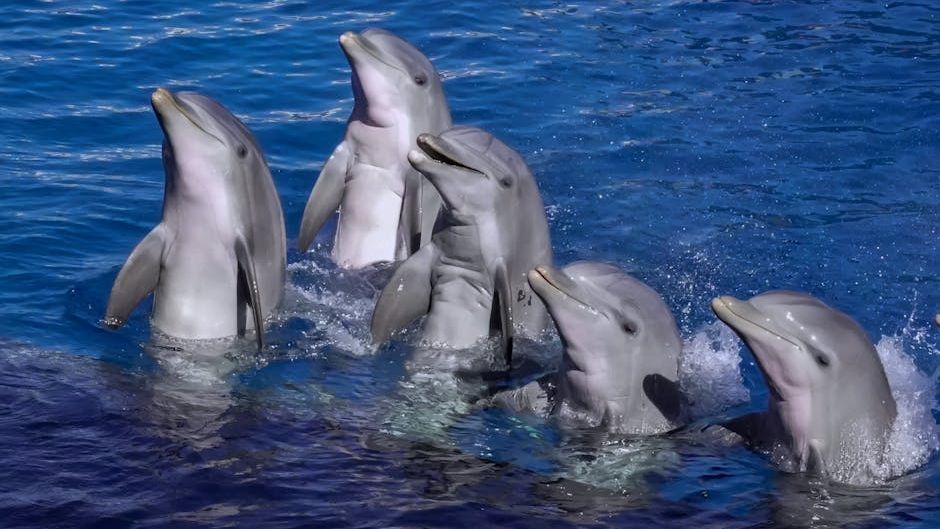
Most people think they know dolphins. Playful, acrobatic, friendly to swimmers – the popular image is charming enough. But there’s a growing body of research suggesting that what we know barely scratches the surface. These animals have cognitive abilities, emotional lives, and social structures that place them in a category almost entirely their own.
The more scientists look, the more unsettling the parallels to human life become. Dolphins remember old friends across decades, mourn their dead, give themselves names, and sleep with one eye literally open. If you’ve ever assumed they’re simply clever sea performers, what follows is going to shift that view considerably.
#1: They Have the Longest Social Memory of Any Non-Human Animal
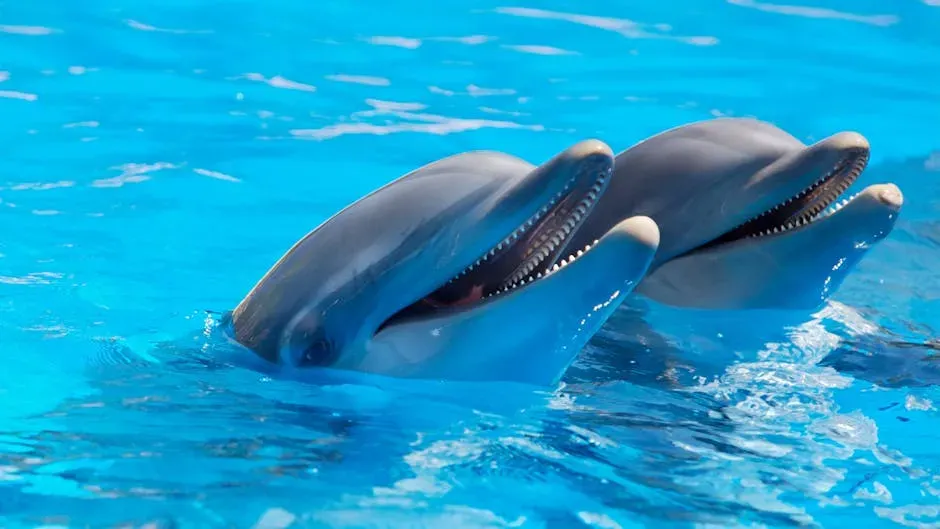
Dolphins are highly intelligent animals, and one of the most well-documented expressions of that intelligence is their exceptional social memory – the longest recorded in any nonhuman species. This capacity allows them to recall and identify specific individuals they were once familiar with, even after separations lasting more than 20 years.
A study found that dolphins can recognize the whistles of old tank-mates even after 20 years apart – the longest social memory ever recorded in a non-human species. Some scientists have concluded that this incredible memory can be linked to the evolution of social connections among dolphins. Because of their flexible social arrangement, it’s important for most dolphins to remember the other dolphins they like to mingle with and the ones they don’t.
#2: Every Dolphin Has Its Own Name
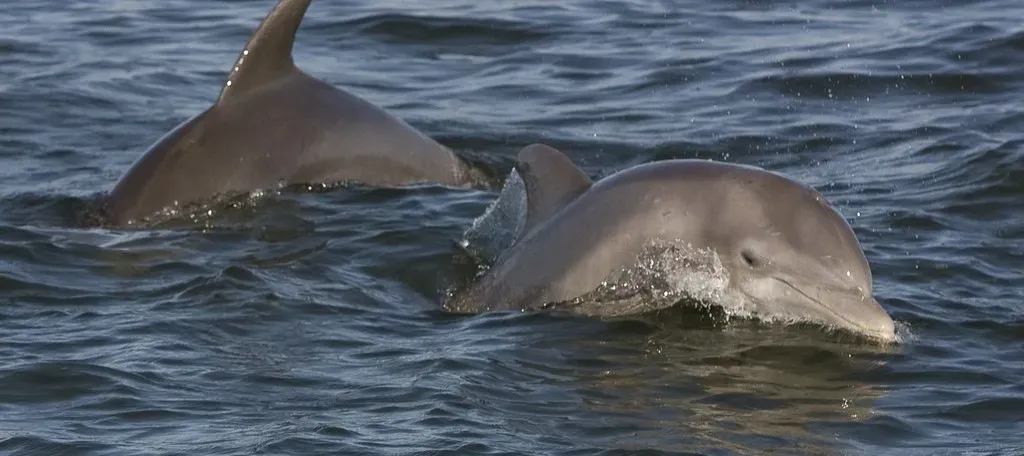
Research suggests that each dolphin develops a distinctive “signature whistle” that functions similar to a human name and helps identify it to others. Infant dolphins learn their names from their mothers and keep them for life. Dolphins greet one another at sea by exchanging their names and seem to remember the names of other dolphins for decades.
A bottlenose dolphin identifies itself with a signature whistle so distinct that scientists can identify individual dolphins by looking at their whistle shapes on a sonogram. They use these unique whistles to communicate identity, location, and potentially emotional state. Dolphins have been observed using signature whistles to cooperate with one another, address other individuals, facilitate mother-calf reunions, and possibly to broadcast affiliation with other individuals.
#3: They Can Recognize Themselves in a Mirror
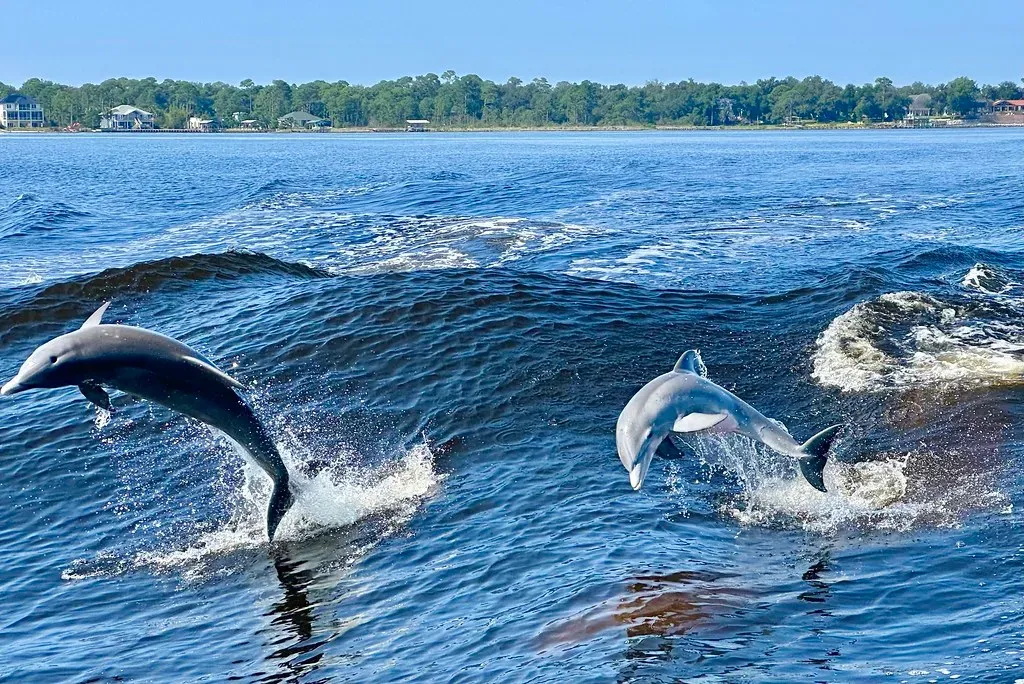
Dolphins have shown signs of self-awareness, an uncommon trait in the animal kingdom that is typically only associated with higher primates such as humans and great apes, and a few other animals including elephants. Experiments have demonstrated that bottlenose dolphins can recognize their reflections in mirrors, a response that researchers interpret as evidence of self-recognition.
When dolphins see themselves in a mirror, they often inspect their bodies, turning to view marks placed by researchers. This proves that they understand the reflection is their own image rather than another dolphin. Self-awareness is closely tied to higher intelligence. It suggests that dolphins have a sense of individuality and consciousness.
#4: Dolphins Use Tools – and Teach the Skill to Their Young
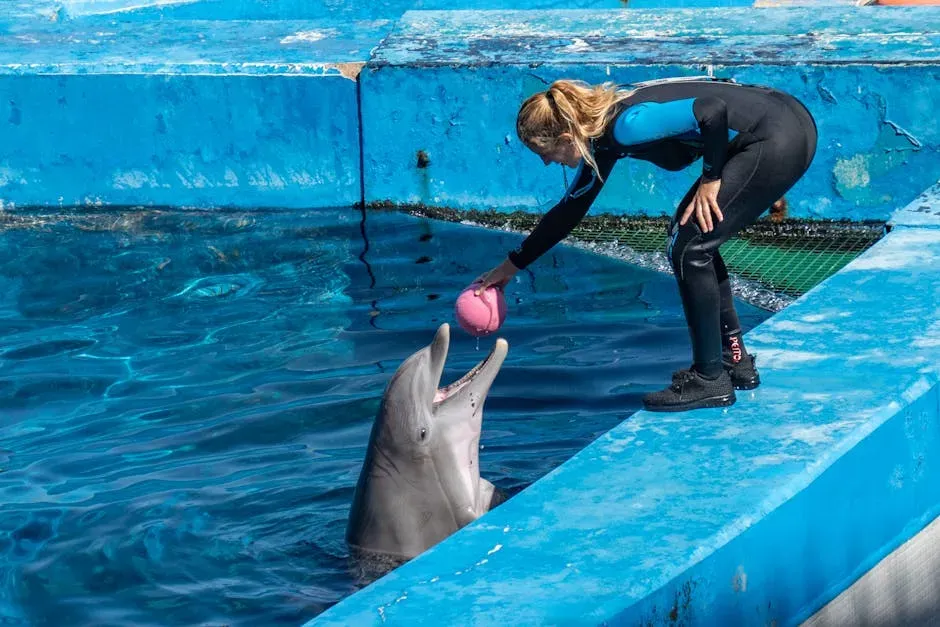
One well-documented example of tool use is “sponging,” in which some dolphins place marine sponges over their snouts while foraging for food along the seafloor. The sponges protect their noses from abrasion and allow them to probe the sand for prey that might otherwise be difficult to reach.
Dolphin tool use is not instinctive but rather a learned behavior, often passed down from mother to calf. It shows cultural transmission – a trait once thought to be unique to humans and some primates. This behavior demonstrates foresight and planning, key indicators of intelligence. Moreover, this tool use is not instinctual but learned. Young dolphins learn this behavior from their mothers, showing the ability to learn and pass on knowledge.
#5: They Sleep with Half Their Brain Still Awake
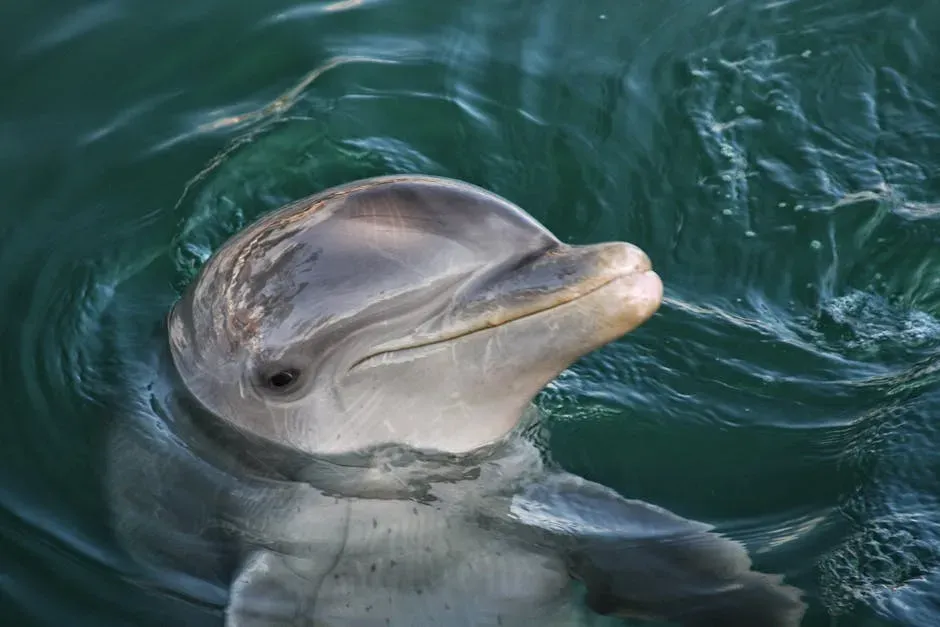
In dolphins, natural selection has developed unihemispheric sleep, where alternating hemispheres of their brain stay awake. This allows dolphins to maintain consciousness in response to the respiratory demands of the ocean. Unihemispheric sleep may also allow dolphins to maintain vigilant states over long periods of time.
Unlike humans, dolphins are conscious breathers, choosing when and how to take each breath. To prevent drowning while sleeping, only half of the dolphin’s brain shuts down while the other half remains awake. Research has shown that dolphins may continuously echolocate and accurately report the presence of targets for at least 15 days without interruption. That kind of sustained awareness has no real equivalent in human experience.
#6: Their Echolocation Is a Biological Superpower
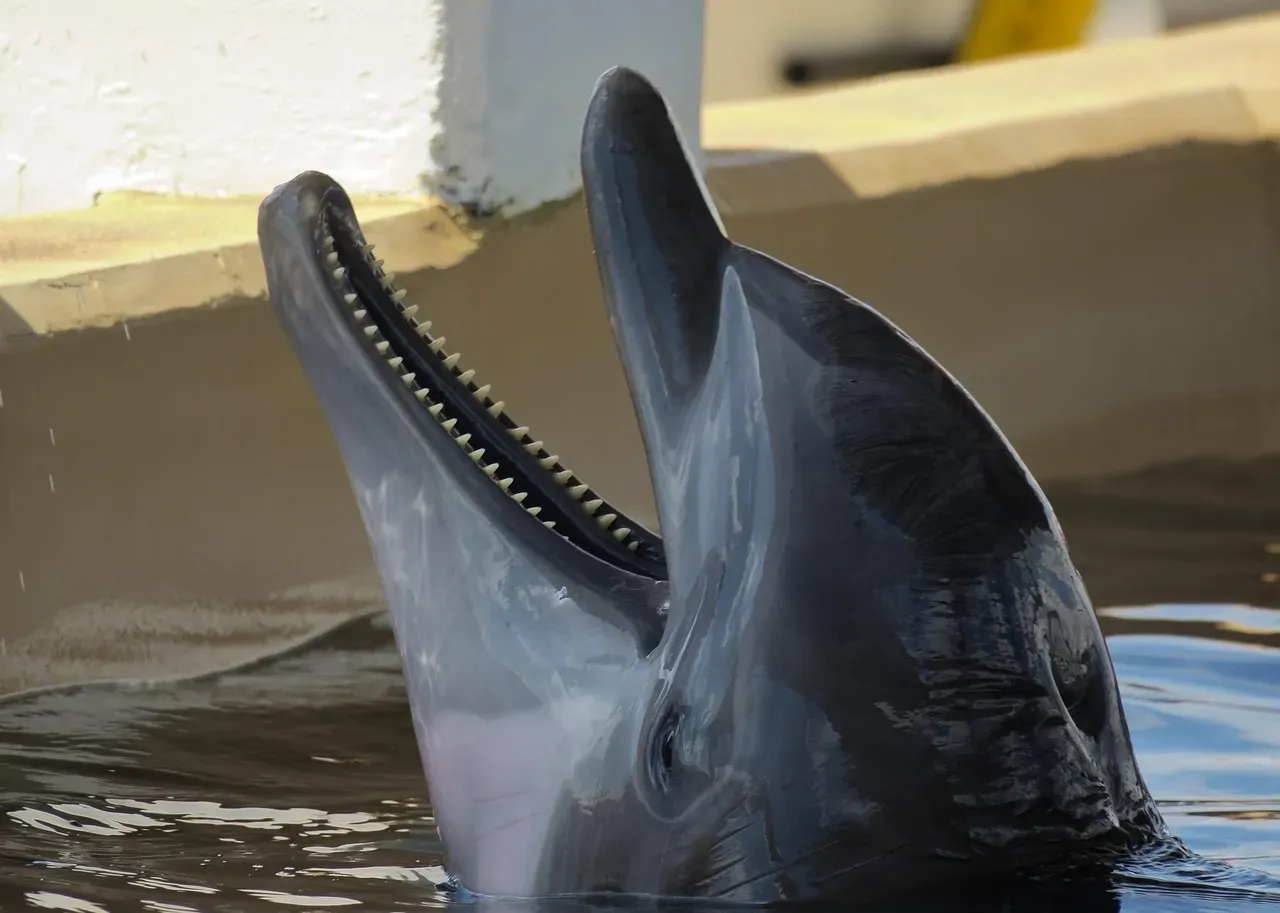
By their complex system of echolocation, dolphins can determine size, shape, speed, distance, direction, and even some of the internal structure of objects in the water. Dolphins use their melon – a fatty structure located in their forehead – that focuses sound waves, allowing for precise echolocation. Their auditory systems are also highly adapted to detect the returning echoes, even in noisy underwater environments.
A bottlenose dolphin can locate potential prey from an impressive distance of 361 feet away. Even more striking, echolocation allows dolphins to determine shape, size, speed, direction, and even the internal structures of objects around them – and they can differentiate humans by echolocating their muscle, bone, scar tissue, and artificial body parts. That level of biological precision puts most human-built sonar systems to shame.
#7: Dolphins Have Brain Cells Previously Thought to Belong Only to Humans
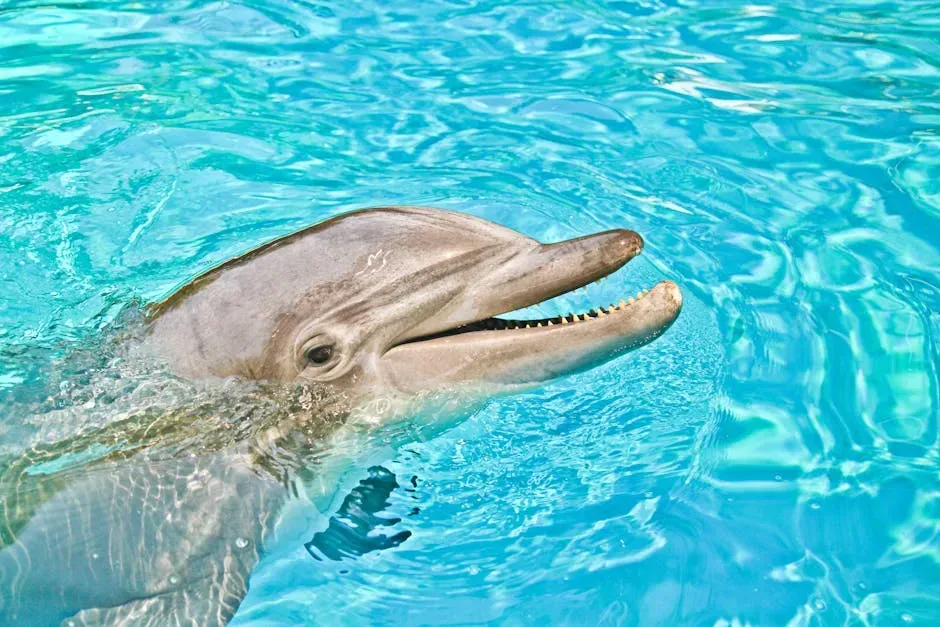
Whale and dolphin brains contain specialized brain cells called spindle neurons, previously only known to be in humans and primates. These are associated with advanced abilities such as recognizing, remembering, reasoning, communicating, perceiving, adapting to change, problem-solving, and understanding – even feeling love, intuition, and suffering emotionally.
Their cerebral cortex, the region associated with complex cognitive processes in humans, exhibits a level of convolution and structure similar to our own. Within the intricate web of dolphin cognition lies a specialized type of brain cell called spindle neurons. These remarkable cells are associated with advanced cognitive abilities, including recognition, memory, reasoning, communication, perception, adaptation to change, problem-solving, and understanding.
#8: They Demonstrate Genuine Grief
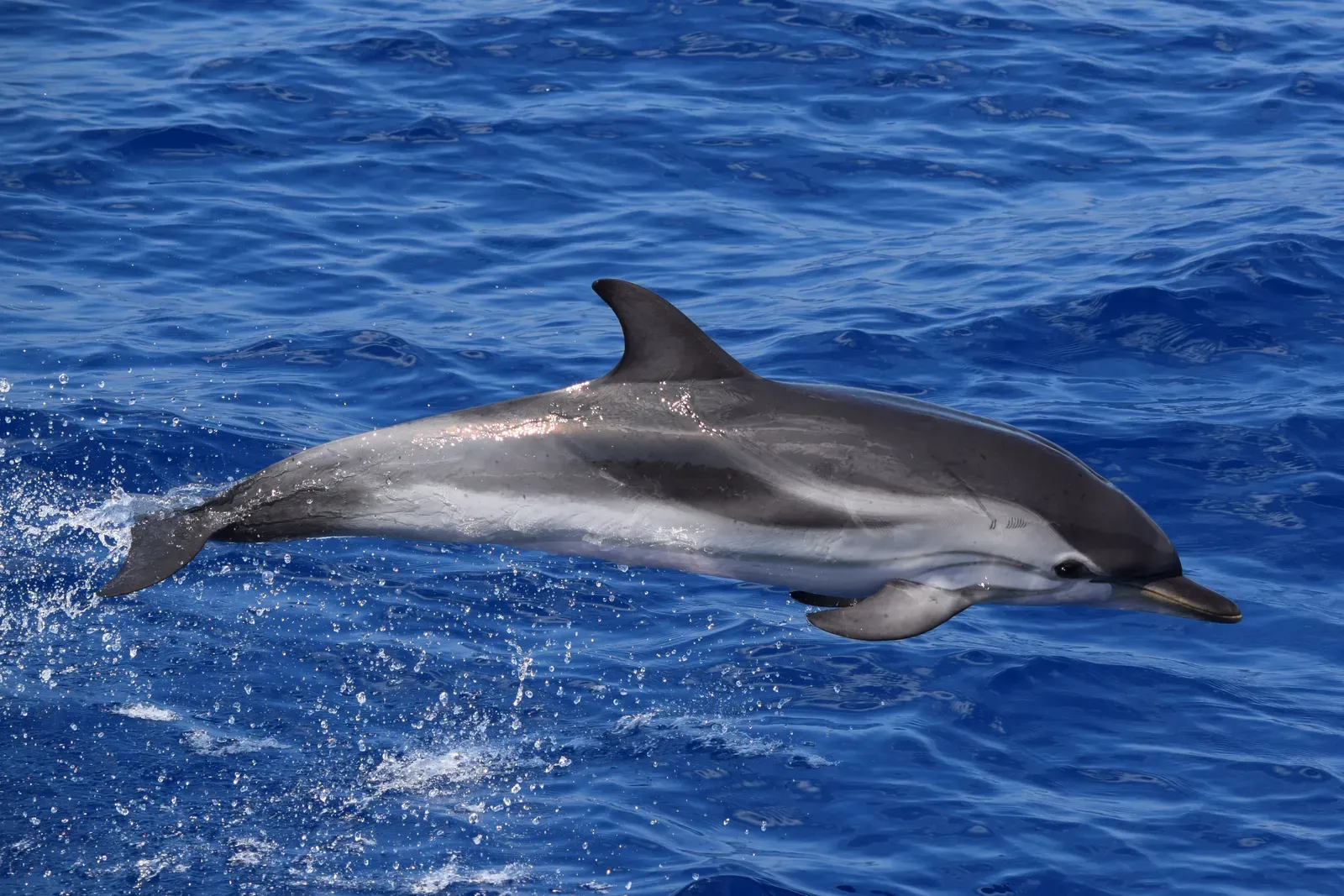
When an adult striped dolphin emerged from the Mediterranean Sea pushing, nudging, and circling the carcass of its dead female companion for more than an hour, a nearby boat of scientists fell silent. Afterward, the students aboard said they were certain the dolphin was grieving.
There are dozens of documented accounts of grief-like behavior in dolphins. Some mothers have been seen carrying their dead infants in their mouths or on their backs for a week or longer, even as the body decomposes. Scientists also found a correlation between grief-like displays and the cetaceans’ brain size and complexity; dolphins, which live in more structured social groups, generally have larger, more complex brains. Whether this constitutes grief in a human sense remains debated, but the behaviors themselves are hard to dismiss.
#9: They Cooperate With Humans to Hunt
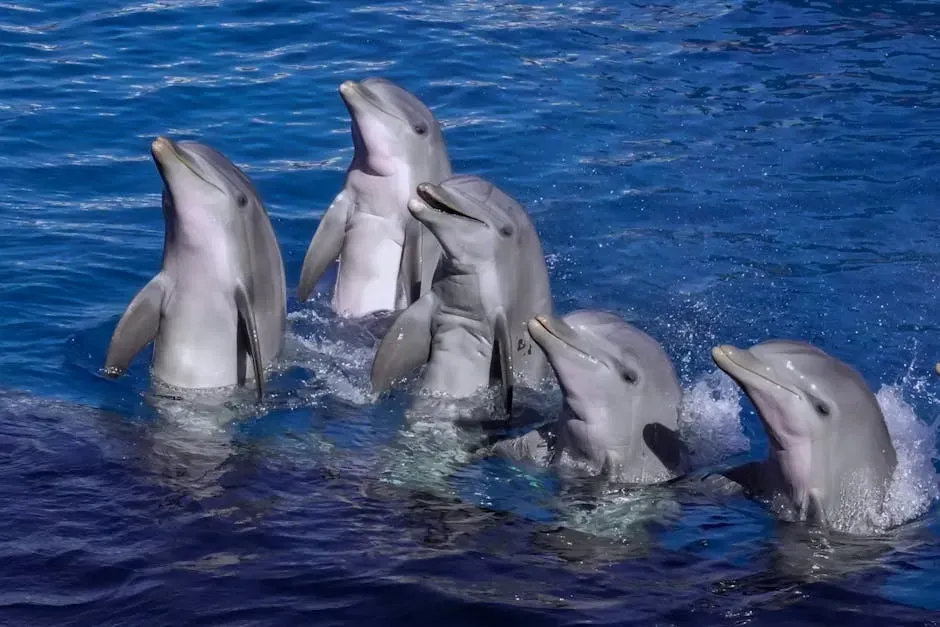
Some dolphins hunt by encircling fish with mud nets, and dolphins in Brazil have learned to hunt cooperatively with village fishermen in southern Brazil. This isn’t a trained behavior imposed by humans – it developed organically, with the dolphins apparently recognizing a mutual benefit and initiating the arrangement themselves.
Dolphins exhibit creative hunting techniques that require strategic planning and coordination. They employ a tactic known as cooperative feeding, where they work together to corral fish into tight groups for easy capture. This behavior requires not only the ability to communicate and coordinate with other dolphins but also a level of foresight and problem-solving to execute a successful hunt. The fact that this extends across species lines – toward humans – says something remarkable about their social flexibility.
#10: Their Social Structures Mirror Human Communities
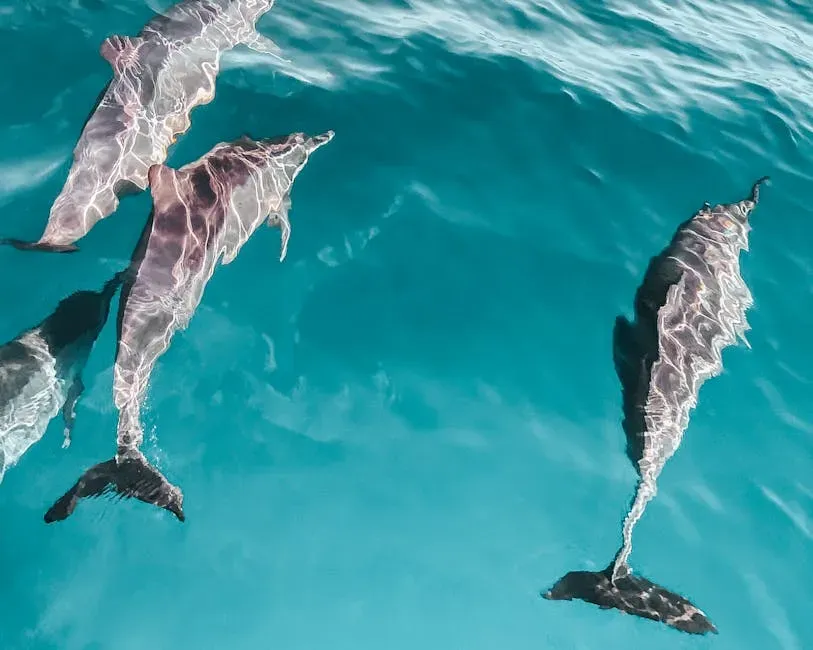
Dolphins live in pods with flexible membership, where individuals form long-term bonds but may join or leave their pod groups over time. In some groups, females cooperate to care for calves, creating a kind of shared “nursery” arrangement that functions like a daycare for young dolphins, and males in certain populations form alliances that help with mating and defense.
This complex communication system allows them to coordinate group activities, share information, and establish social bonds. Furthermore, dolphins exhibit signs of cooperation, empathy, and cultural transmission within their social groups. They demonstrate complex emotions such as happiness, sadness, and grief. They can assess situations and problem solve. Their offspring are totally dependent on their parents during childhood. These are traits we typically associate with primates – not ocean animals.
#11: They Have a Brain-to-Body Ratio Second Only to Humans

Bottlenose dolphin brains weigh about 1,600 grams, which makes dolphins second only to humans in brain-to-body weight ratio. In fact, their brains are about four or five times larger than would be expected for their body size when compared to another animal of similar size.
Dolphins have large brains relative to their body size, second only to humans in some measures. Their cerebral cortex, which is responsible for decision-making and problem-solving, is highly developed. As far as social intelligence goes, dolphins may actually surpass people. The limbic system, responsible for processing emotions, is remarkably developed in their brains, surpassing even our own. That’s a striking detail – not often mentioned outside academic circles.
#12: They Can Live for Decades and Develop Genuine Long-Term Relationships
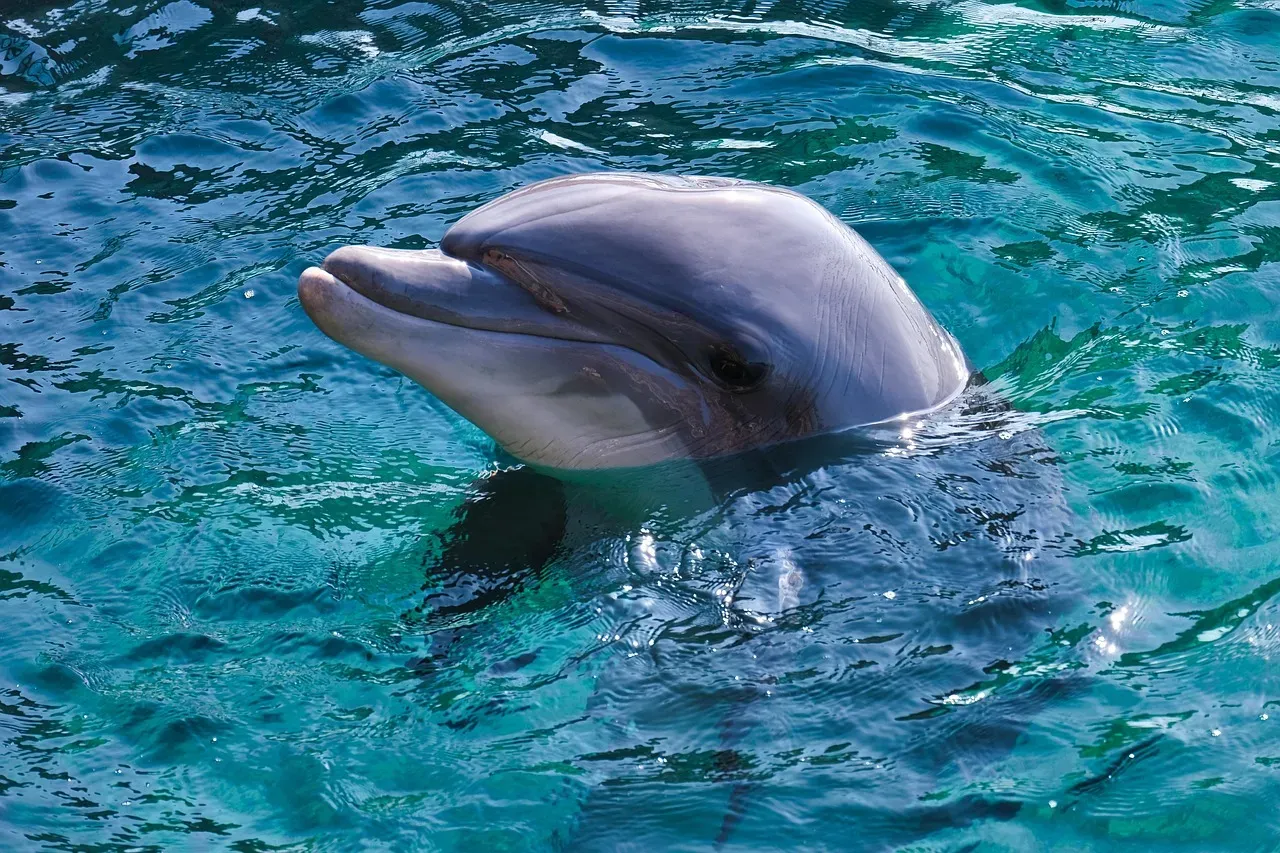
According to the National Oceanic and Atmospheric Administration, common bottlenose dolphins live for at least 40 years, with some female dolphins reaching lifespans of 60 years. One of the most intriguing aspects of dolphin intelligence lies in their social behavior. Dolphins are incredibly social creatures, forming tight-knit groups called pods that can consist of a few individuals to several hundred members.
Dolphins are able to learn from each other through observation and social interactions. Some groups of dolphins have been observed using specific hunting strategies or techniques, such as using bubbles to trap fish. These behaviors have been suggested to be passed down from older, more experienced dolphins to younger generations, indicating the presence of intergenerational memory in dolphins. A lifespan that long, combined with this kind of social learning, means that dolphin communities accumulate real cultural knowledge over generations – not unlike our own.
Why This Should Change the Way We See Them
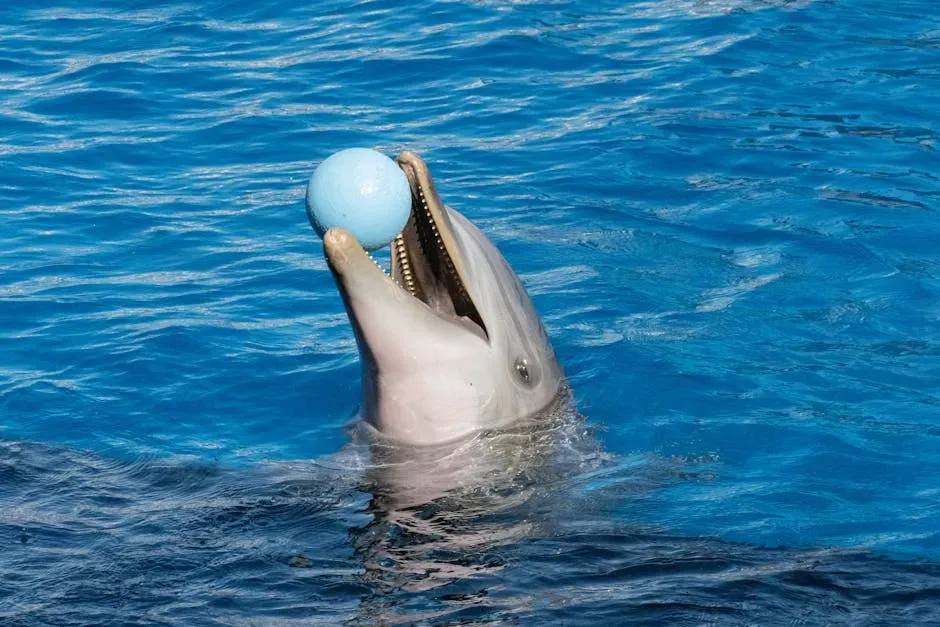
Honestly, the facts laid out here should be more unsettling than they are comfortable. We’ve spent centuries assuming that consciousness, emotional depth, and cultural life were distinctly human achievements. Dolphins complicate that story in ways that are hard to ignore.
They name themselves. They mourn. They remember friends they haven’t seen in two decades. They teach their children, form alliances, and cooperate with humans by choice. Dolphins have shown self-awareness, problem-solving skills, complex social interactions, the ability to teach skills to others, and sufficient emotional intelligence to experience grief. That’s not a list of amusing animal tricks – that’s a description of a social being.
The uncomfortable truth is that our understanding of dolphin intelligence still has enormous gaps, and the more those gaps close, the harder it becomes to treat these animals as background scenery in the ocean. They deserve curiosity, respect, and probably a great deal more protection than they currently receive. Changing your mind about dolphins isn’t a sentimental act – it’s an accurate one.
