

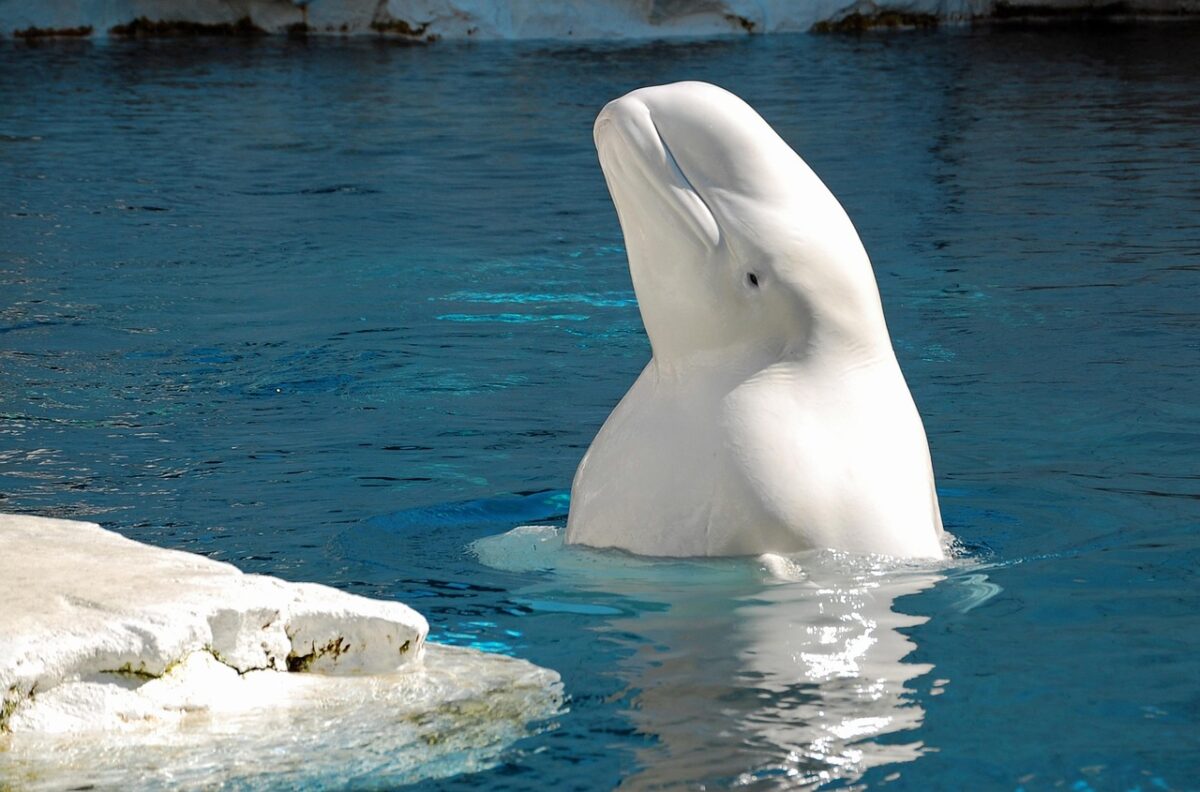

A Sudden Halt to a High-Stakes Deal (image credits: Pixabay)
Niagara Falls, Ontario – In the shadow of roaring cascades, a quiet drama unfolds at Marineland, where the fate of 30 beluga whales hangs in the balance after a firm government no.
A Sudden Halt to a High-Stakes Deal
Imagine the stress of relocation for creatures that thrive in vast oceans, now confined to tanks. That’s the reality facing these belugas, and Canada just drew a line in the sand. The federal fisheries department turned down Marineland’s application to send the whales to Chimelong Ocean Kingdom, a massive theme park in China.
This decision came swiftly, announced just days ago, catching many off guard. Marineland had pinned hopes on the export as a way to secure the animals’ future amid financial woes. Instead, it leaves everyone wondering what’s next for these intelligent mammals.
At its core, the move underscores a growing reluctance to fuel the global trade in captive marine life. Officials cited deep concerns over the whales’ well-being, refusing to let history repeat in another corner of the world.
Marineland’s Fight for Survival
Running an animal park isn’t cheap, especially when it involves feeding and caring for 30 massive belugas. Marineland, once a bustling attraction, now faces a cash crunch that’s forced tough choices. The park recently begged the government for emergency funds, warning that without help, euthanasia might be the only option left.
Executives expressed deep disappointment over the denial, arguing it strips away their ability to provide ongoing care. They’ve been vocal, saying the China deal was a lifeline, not just a business move. But critics point out years of scrutiny over conditions at the facility, from water quality issues to animal deaths.
This isn’t the first time Marineland’s made headlines for its belugas. Past exports to places like the U.S. sparked legal battles and animal rights campaigns, highlighting the ethical tightrope of captivity.
Welfare Takes Center Stage
Fisheries Minister Diane Lebouthillier didn’t mince words: shipping the whales to China would only extend their “life of captivity” in potentially worse conditions. Belugas, known for their social nature and need for space, suffer in artificial environments, experts say. The government’s stance reflects a shift toward prioritizing animal welfare over commerce.
Animal advocates cheered the news, seeing it as a step forward in ending the cycle of exploitation. Groups like the Dolphin Project have long campaigned against Marineland, documenting cramped quarters and health declines. This denial aligns with Canada’s 2019 ban on cetacean breeding and capture, signaling no more business as usual.
Yet, the whales remain in limbo. Relocating them to sanctuaries isn’t straightforward—belugas aren’t built for easy transport, and suitable spots are scarce.
What Lies Ahead for the Belugas?
Short-term, Marineland must scramble for solutions. Options include seeking private donors or partnering with wildlife organizations for better habitats. But euthanasia threats loom large, drawing outrage from the public and activists alike.
Longer term, this could push for retirement plans. Places like SeaWorld have phased out orcas; maybe belugas follow suit. International efforts, such as those by the World Animal Protection, advocate for sea pens—enclosed ocean areas where captives can experience natural waters without full release risks.
- Explore sanctuary options in Canada or abroad.
- Launch fundraising drives to cover care costs.
- Push for legal reforms to aid captive animal transitions.
- Engage vets and experts for health assessments.
- Monitor public sentiment to build support.
The Bigger Picture on Global Whale Trade
China’s aquarium boom has drawn belugas from Russia and elsewhere, often under murky circumstances. This Canadian block might inspire other nations to rethink exports. It highlights a tension between entertainment empires and ethical imperatives—why keep wild hearts in concrete pools?
Public opinion sways heavily against captivity these days. Social media buzzes with calls to free the whales, echoing movements that shuttered shows worldwide. For belugas, symbols of Arctic purity, the fight feels personal, urging us to question our role in their story.
Economically, parks like Marineland grapple with declining visitors as awareness grows. The denial forces a pivot: adapt to conservation or fade away.
Voices from the Frontlines
Activists aren’t holding back. Posts on platforms like X show a mix of relief and fury, with some decrying the government’s hand in past approvals. One user quipped about Canada’s “fashionable” euthanasia hints, sparking debates on humane alternatives.
Marineland counters that without funds, tragedy is inevitable. It’s a stark reminder of how policy intersects with lives—whale lives, but poignant all the same. As news spreads, expect more pressure on Ottawa to step up with real support.
| Option | Pros | Cons |
|---|---|---|
| Export Denied | Protects welfare | Financial strain on park |
| Sanctuary Move | Better living conditions | Logistical challenges |
| Government Aid | Buys time for solutions | Taxpayer burden |
Key Takeaways
- Canada’s denial prioritizes beluga welfare over export profits.
- Marineland faces immediate funding crises, with euthanasia as a last resort.
- This case spotlights the global push to end marine mammal captivity.
In the end, this saga boils down to choosing compassion over convenience—will Canada find a way to give these belugas a brighter horizon? It’s a pivotal moment for animal rights, proving one decision can ripple far. What do you think should happen next? Share your thoughts in the comments.

From exploring the marine wonders in the Azores and witnessing the vast savannas of Kenya, to delving deep into the rich biodiversity of South Africa and traversing iconic landscapes in Australia and the US like Yellowstone, Chris's experiences are vast.
With a penchant for diving alongside sharks, the ocean holds a special place in his heart.
Through his academic insights, he champions wildlife conservation, striving with 'Animals Around The Globe' to cultivate a profound connection between humans and animals, enhancing our mutual appreciation.
Connect with him at Feedback@animalsaroundtheglobe.com.
- This Monkey Has a Mustache - July 21, 2026
- How Steve Irwin Changed the World’s View of Wildlife - July 21, 2026
- The Catfish That Caused Earthquakes in Japanese Folklore - July 21, 2026