
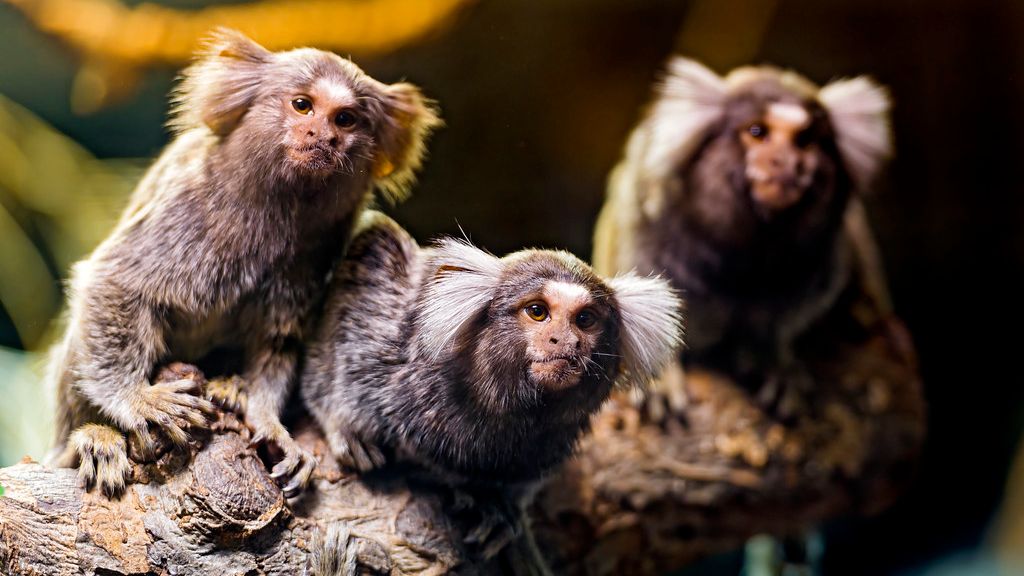
We tend to think of language as our thing. Our crowning glory as a species. The ability to string sounds into meaning, meaning into stories, stories into civilizations. Honestly, it feels special. But science keeps nudging us, with increasing force, toward a far more humbling truth: animals have been “talking” all along. We just weren’t listening closely enough.
From the ocean floor to the forest canopy, researchers are uncovering signals, codes, and even names shared between creatures that we once considered simple. Some of it is mind-bending. Some of it will genuinely change the way you look at the animal at your feet, in the sky, or in the sea. Let’s dive in.
1. Elephants Call Each Other by Name – and They Made the Names Up Themselves
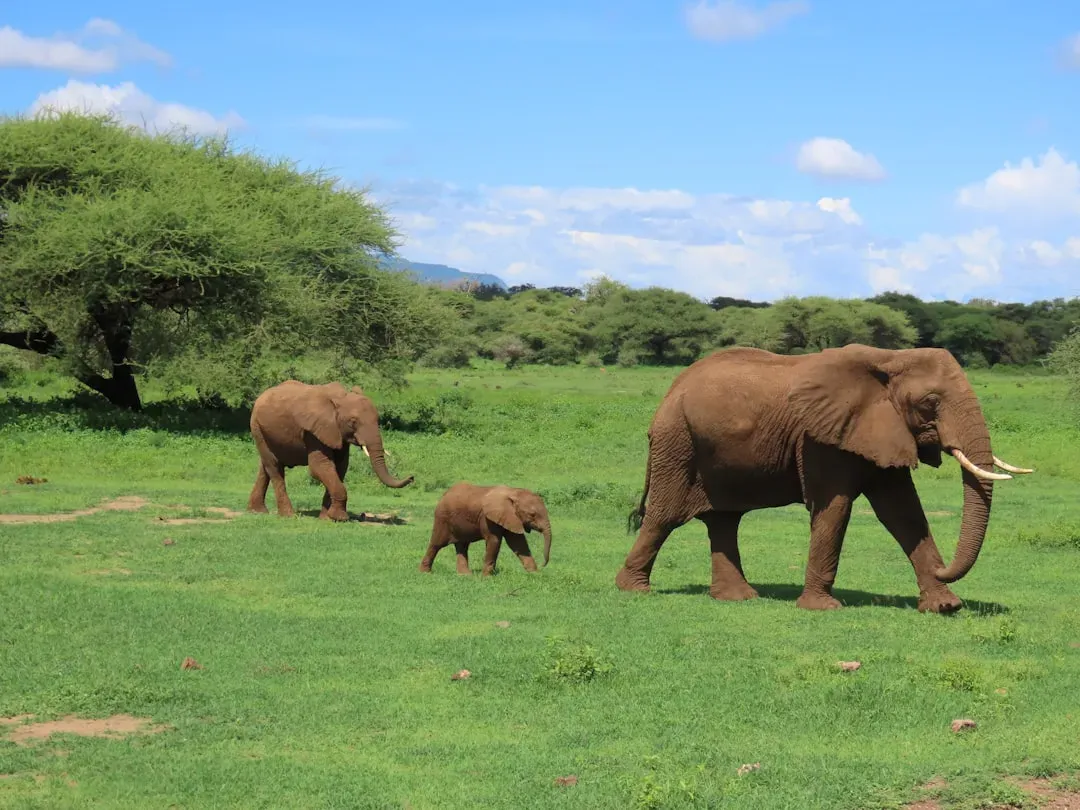
Here is a fact that stopped me in my tracks when I first came across it. A recently published study found that African elephants have names for each other, and address one another by name. It is a significant finding, as very few creatures have this ability. That alone is remarkable. Yet the really shocking part comes next.
Only a few other animals use names for each other, as far as scientists know – parakeets, dolphins, and ravens – and they do so by mimicking each other’s calls. Elephants, by contrast, appear to come up with names for other elephants independently, without imitating another’s call, and this is an ability that no animal other than humans were previously known to possess.
African elephants speak to one another using the vocal folds in their larynxes to create a constant, low-frequency rumbling, known as infrasound. It is inaudible to humans, but elephants can pick it up from just over six miles away, and scientists believe this is how multigenerational, matriarchal herds maintain cohesion and know where they’re going. Think about that the next time you see a herd moving calmly across the savanna. They are having a conversation you will never hear.
2. Dolphins Have a “WTF Whistle” and Scientists Are Taking It Seriously
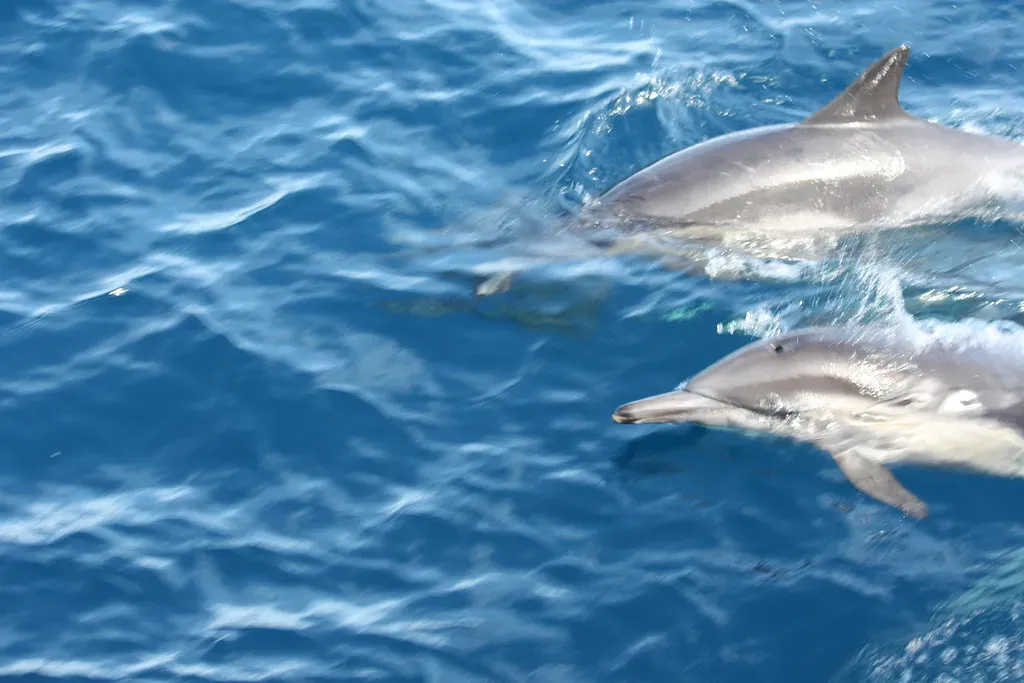
I know it sounds crazy, but this is completely real. Researchers in Florida who have been decoding dolphin whistles identified a vocalization that seems to indicate a query, or even incredulity. They came across it when they broadcast the signature whistles of two dolphins who were swimming right next to each other. Since dolphins don’t waste energy by whistling for no reason, and the sound wasn’t coming from either of them, the dolphins were probably confused – and each responded by emitting what researchers at the Woods Hole Oceanographic Institute have informally dubbed “the WTF whistle.”
The research team has logged more than 250 distinct signature whistles. Dolphins use these signature whistles to broadcast their identity and to call to each other. It is essentially their version of a name tag combined with a phone number.
When mother dolphins call to their calves, they modify their signature whistles, exaggerating the frequency range – the highs get a bit higher, and the lows get a bit lower. This is similar to how human mothers talk to their babies. It is what researchers call a “dolphin version of motherese.” Tender, unexpected, and completely fascinating.
3. Sperm Whales Communicate Using Something That Resembles an Alphabet
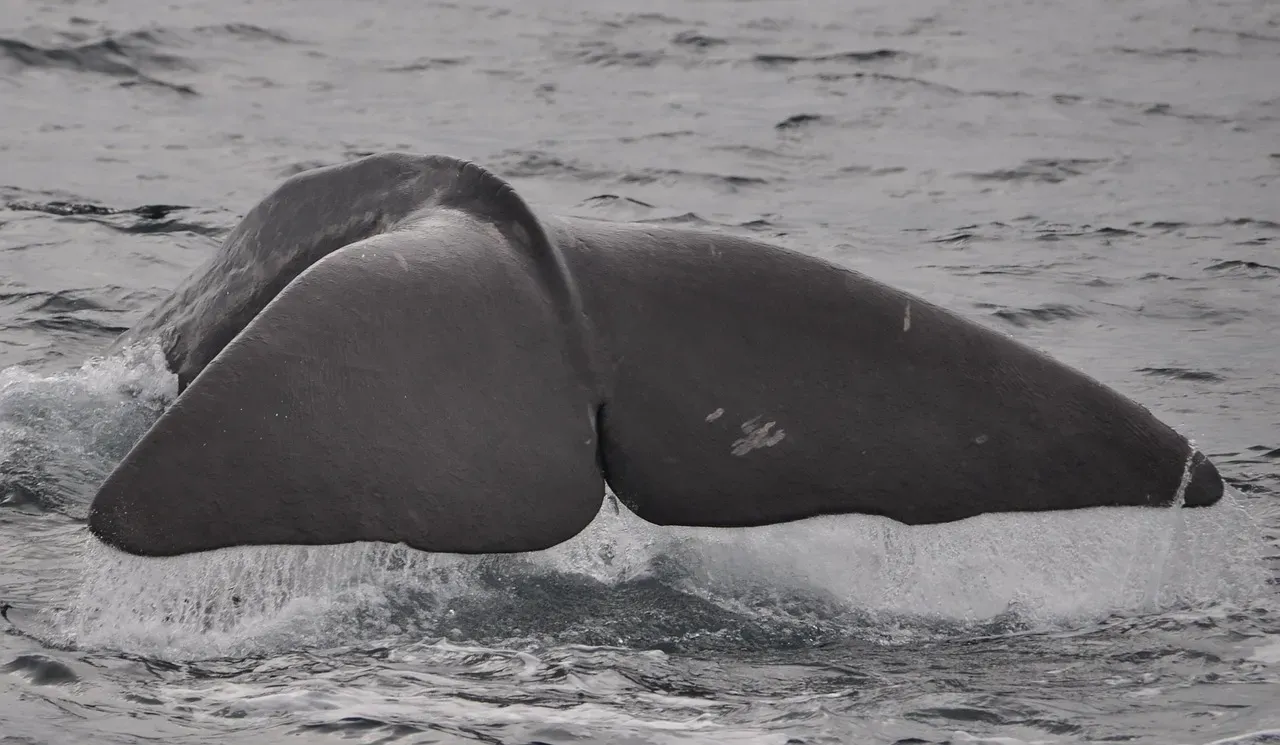
Researchers have long known that sperm whales are vocal animals. What they didn’t expect was the structural complexity hiding inside those sounds. Project CETI (Cetacean Translation Initiative) has found evidence of whales using a system of communication that has been compared to the human phonetic alphabet, including sounds similar to vowels in human language.
Scientists now understand how sperm whales vary the rhythm, tempo, and duration of their clicks, in the same way that humans combine words in different orders with different tones to change the meaning of what they say to each other. That led to the discovery that sperm whale clicks work like an alphabet, where elements can be combined differently to mean different things.
Sperm whales are the largest toothed whales, can dive deeper than nuclear submarines, and can live for as long as 70 to 90 years. They are, in short, ancient, complex beings with equally complex ways of communicating – and we are only beginning to crack the code.
4. Marmoset Monkeys Call Each Other by Name
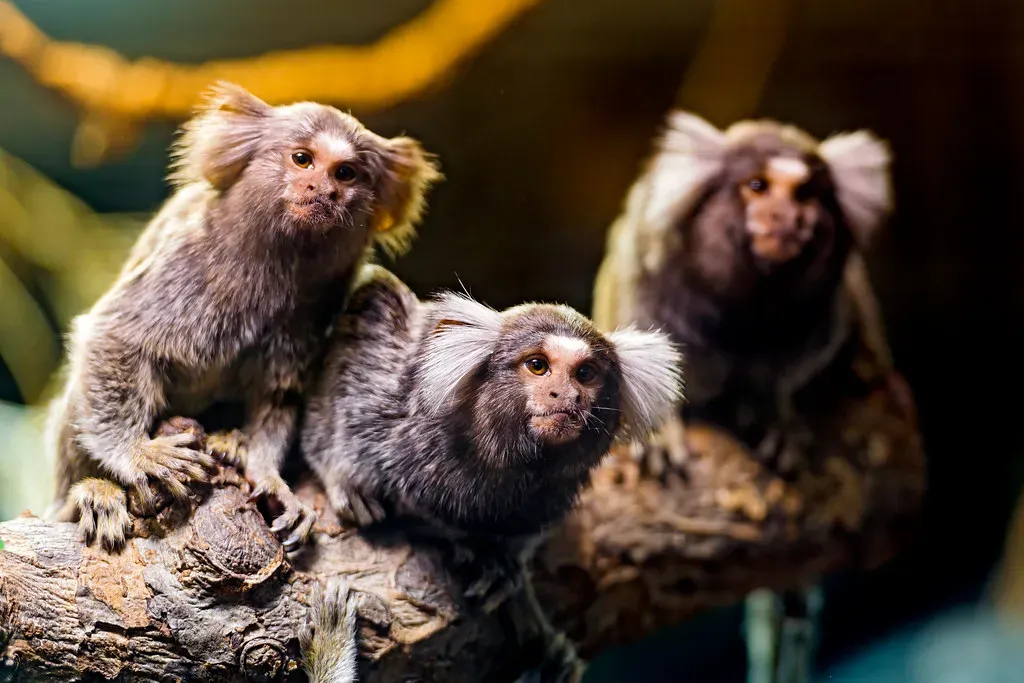
A Hebrew University team made a remarkable discovery about marmoset communication: these small monkeys can call each other by name, a cognitive ability previously observed only in humans, dolphins, and elephants. This finding marks a first for non-human primates and sheds light on the evolution of language and social interaction.
Analysis of recordings of marmoset conversations revealed that they use specific calls, known as “phee-calls,” to address each other individually. Furthermore, the marmosets demonstrated an ability to distinguish between calls directed at them and those directed at others, indicating a sophisticated understanding of communication. That is not just instinct. That is social awareness.
Honestly, the idea of a tiny monkey in the rainforest knowing who is being spoken to and who is not is enough to make you rethink what “intelligence” even means. It is not exclusive to big brains. Sometimes it lives in a palm-sized primate in a treetop.
5. Bats Are Mostly Arguing – and They Argue About Everything
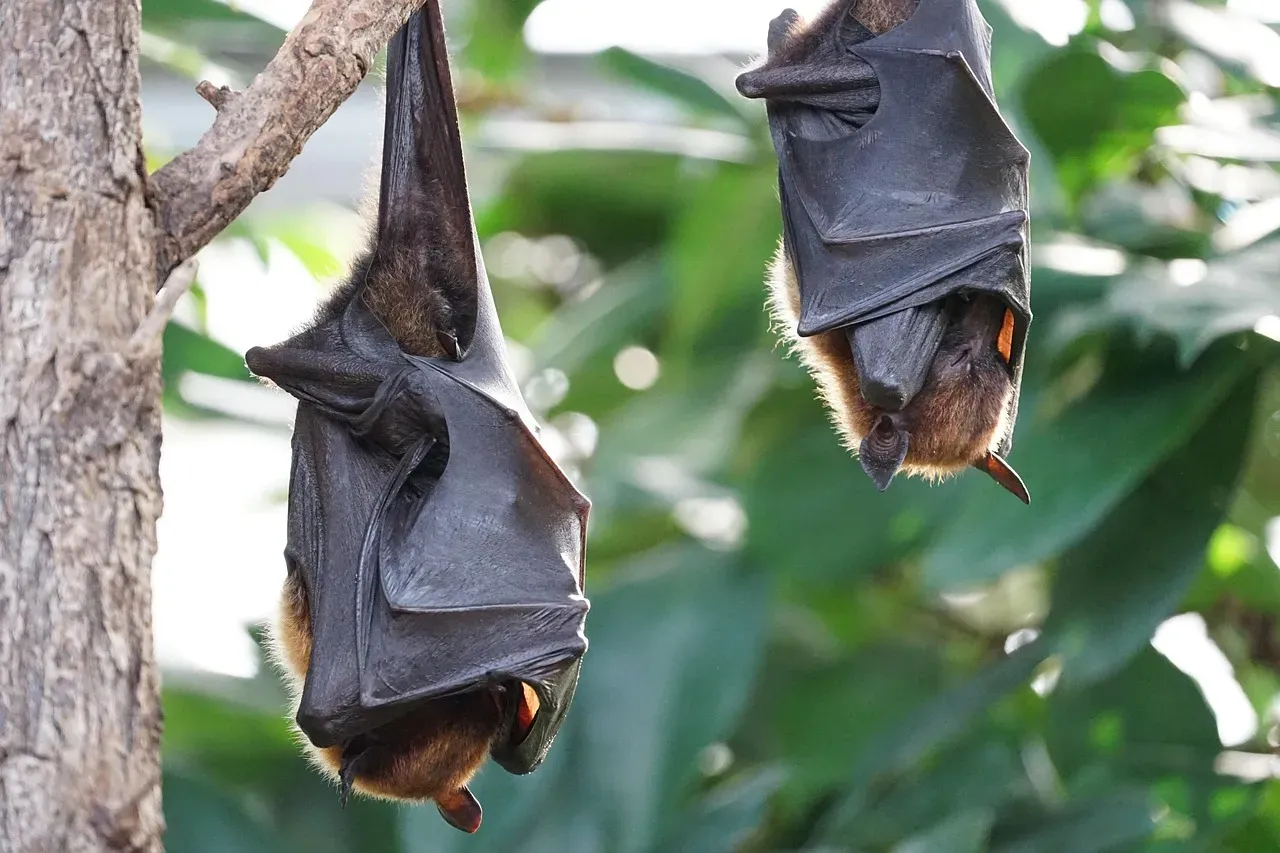
Here is a fun one. After analyzing almost 15,000 distinct bat sounds, researchers found that a single vocalization can contain information about who the speaker bat is, the reason the vocalization is being made, the speaker bat’s current behavior, and the intended recipient of the call. Rather than using “names” as elephants do, the bats used different intonations of the same “words” to signal who they were talking to – sort of like using a different tone with your boss than with your parents.
The study also found that when bats talk, they’re usually arguing. Scientists were able to categorize over sixty percent of bat vocalizations into one of four categories: arguments over food, arguments over perch space, arguments over sleeping space, and arguments over mating. The latter category was primarily female bats rejecting the advances of would-be suitors.
Let’s be real – the bats sound like most group chats. All they want to talk about is food, personal space, and who is bothering whom. Still, the sophistication behind these squabbles is genuinely remarkable science.
6. Honey Bees Have a Language – and They Have to Learn It
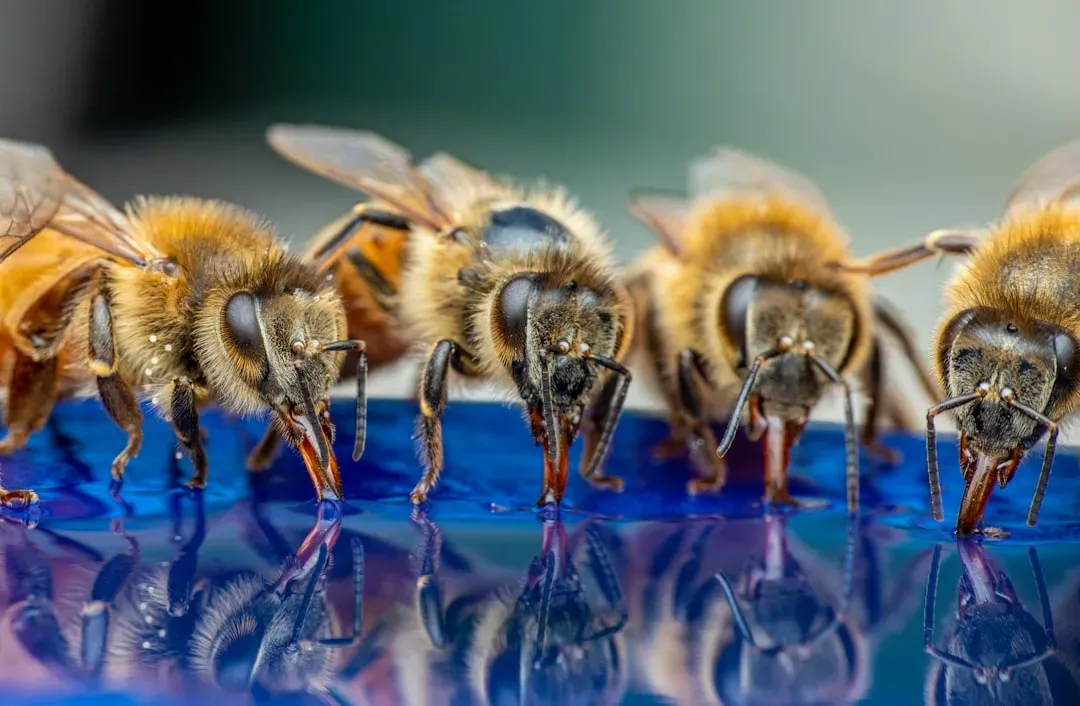
Honey bees communicate the location of resources such as good food through the waggle dance, a form of animal language. That part has been known for decades. The truly surprising discovery came more recently.
Professor James Nieh of the School of Biological Sciences and his collaborators discovered that the “waggle dance,” which signals the location of critical resources to nestmates through an intricate series of motions, is improved by learning and can be culturally transmitted. In other words, bees are not simply born knowing the dance. They have to be taught it.
Their “dialect” – the way that they encode the distance to the resource in the waggle phase duration – remained unchanged throughout their adult life, suggesting that some aspects of communication cannot be changed after a critical phase. Much like a human accent hardening with age, bees lock in their communication style early. It is remarkable that an insect has a cultural dialect at all.
7. Naked Mole Rats Have Regional Accents Controlled by Their Queen
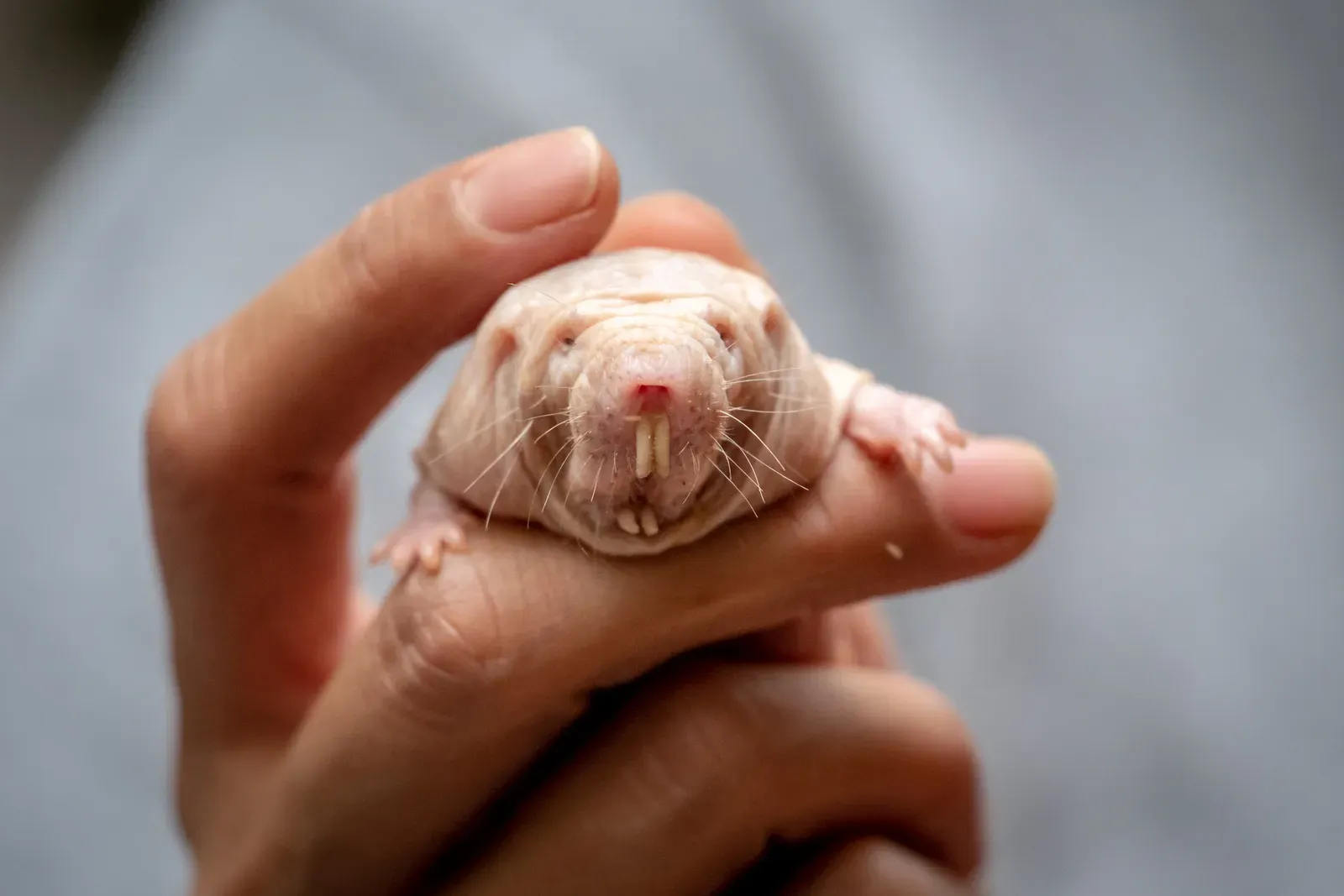
Naked mole rats are already one of nature’s strangest creatures. Blind, hairless, impervious to pain, and essentially immune to cancer. Then science had to go and discover they also have accents. Each colony of naked mole rats has its own distinct accent, and mole rats can tell which colony another rat belongs to based on their accent. The accent of any given colony is determined by the “queen” – once she dies and is replaced, the colony will adopt a new accent. In the unlikely event that an orphaned mole rat pup is adopted by a new colony, they’ll adopt the new colony’s accent.
Distinct colonies of naked mole rats develop their own specific call dialects. Naked mole rats form some of the most cooperative groups in the animal kingdom, living in multigenerational colonies under the control of a single breeding queen.
Think of it this way: every time the queen changes, the whole underground city literally changes how it speaks. That is cultural transmission in one of the most unlikely animals imaginable. Science has a wonderful sense of humor.
8. Dolphins Are Disturbed by Human Noise – and Scientists Can Prove It
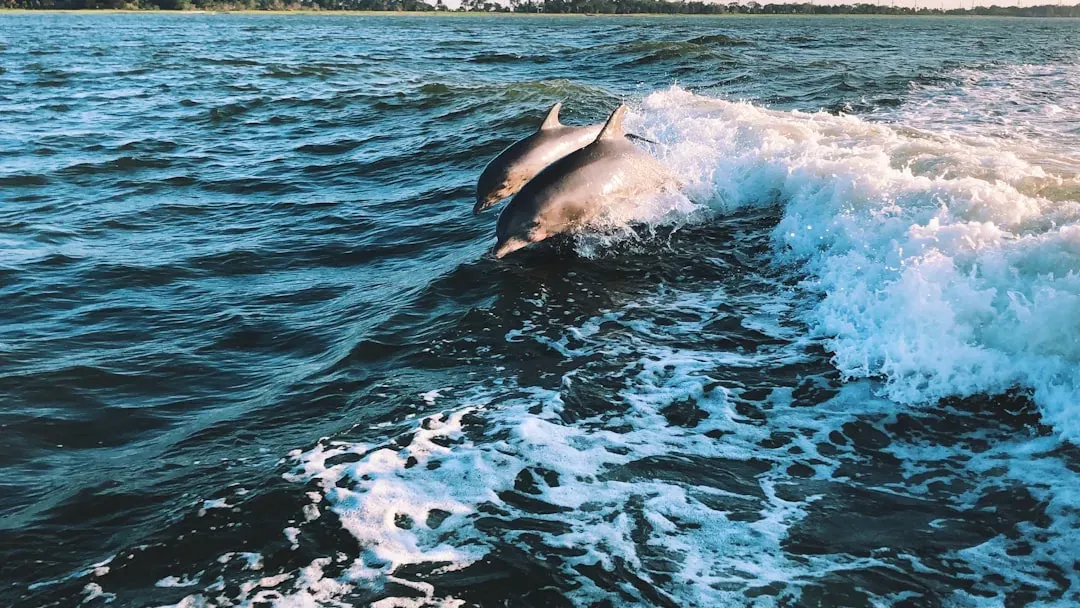
This one carries a more serious weight. Researchers at the University of Haifa’s Charney School of Marine Sciences used AI technology to uncover the significant impact of ship noise on dolphin communication. The study provides concrete evidence that dolphins alter their communication patterns when exposed to ship noise, potentially affecting their behavior and migration patterns.
Although the exact implications of this altered communication remain to be fully understood, scientists suggest it may be linked to stress or distress responses, highlighting the broader impact of maritime traffic on marine life. When you imagine a dolphin having to shout over a tanker just to communicate with its calf, the impact of human noise pollution suddenly feels very real.
It is a sobering thought. We have been unknowingly interrupting conversations that matter – that guide feeding, bonding, and navigation across entire ocean systems. The animals are talking. We just keep drowning them out.
9. Zebra Finches Rehearse Songs in Their Sleep
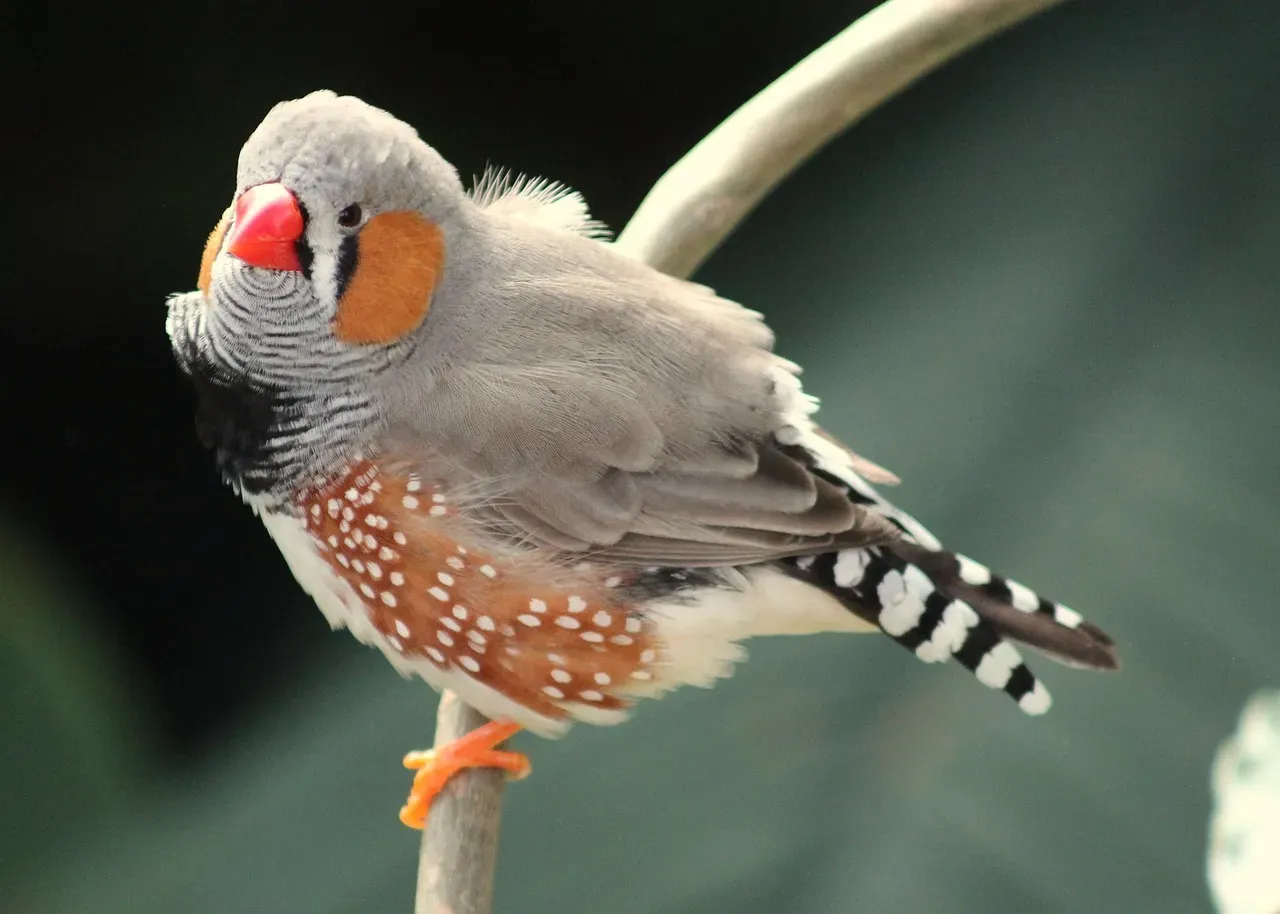
New research has found that zebra finches sing while they are dreaming as a way to practice their calls, try new improvisations, and mimic the songs of their friends. Previous studies showed that birds dream about singing, but researchers from the University of Buenos Aires found that zebra finches move their vocal cords in sync with the birdsongs in their dreams. By attaching electrodes to the vocal muscles of ten zebra finches and monitoring the birds as they slept, the researchers found the movements matched activity in their brain.
Researchers theorize that the birds are, in effect, dreaming of song – more sleep lip-syncing than sleep singing. This may have a lot to do with crystallizing and reshaping material learned from their tutors, a phenomenon comparable to snoozing humans packaging memories and information into long-term storage.
Scientists think that studying how the birds use sleep to learn their songs can help us understand the mysterious process of human language acquisition. So the next time you wake up with a song stuck in your head, know that a tiny bird halfway across the world is doing something strikingly similar.
10. Indri Lemurs Sing in Rhythm – Just Like Us
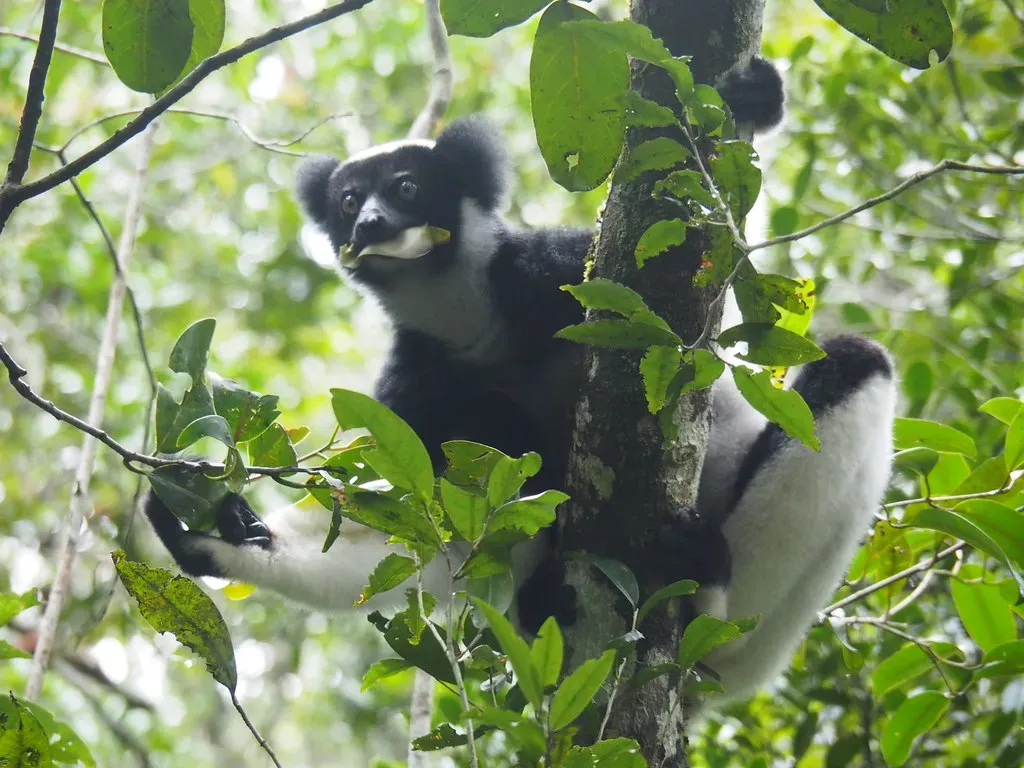
A type of lemur called the Indri, which communicates in rhythmic song, gave scientists at the University of Warwick an insight into how humans evolved to create music. The researchers found that the lemurs had consistent rhythmic patterns or beats in their communications. Not just melodic sound. Actual rhythm with measurable beats.
Indri lemurs, along with humans, have the highest number of vocal rhythms in the animal kingdom, surpassing songbirds and other mammals. The findings highlight the evolutionary roots of musical rhythm, demonstrating that the foundational elements of human music can be traced back to early primate communication systems.
So the next time someone insists that music is uniquely human, feel free to bring up the Indri lemur. Singing in the rainforests of Madagascar, laying down beats that echo across millions of years of evolution. That is a humbling thought, and I think, a beautiful one.
11. AI Is Now Helping Humans “Talk Back” to Whales
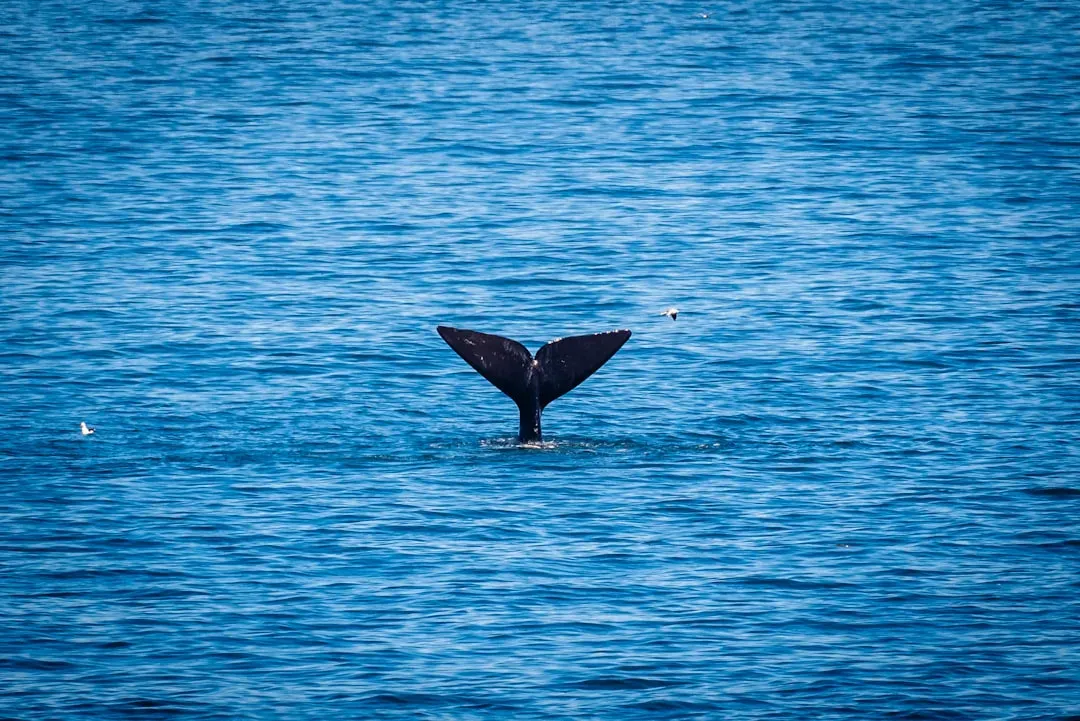
Advances in AI are paving the way for two-way communication with animals, with profound ethical implications. Recent advancements in artificial intelligence might enable us for the first time to directly translate from animal communication to human language and back again. We are not there yet, but the trajectory is extraordinary.
Although people in many Indigenous cultures have long believed that animals can intentionally communicate, Western scientists traditionally shied away from research that blurs the lines between humans and other animals for fear of being accused of anthropomorphism. With recent breakthroughs in AI, people realize that we are on the brink of fairly major advances in understanding animals’ communicative behavior.
If we do gain this ability, it would have profound implications for animal rights, conservation, and our understanding of animal sentience. It is hard to say for sure just how far this will go, but the question humanity may soon have to face is not “can animals talk?” – it is “what do we do now that we know they can?”
12. Cats Have Nearly 300 Facial Expressions – and Most of Them Are Friendly

If you share a home with a cat, you already suspect they have a rich inner life they choose not to share with you. Turns out, they share it with other cats. Even domestic cats, often perceived as aloof, have been found to exhibit nearly 300 distinct facial expressions, indicating a far more complex social structure than previously recognized. Nearly 300. That is more expressive range than many assume.
Researchers determined that roughly forty-five percent of the expressions cats displayed to one another were friendly, while thirty-seven percent were aggressive and eighteen percent were ambiguous. The fact that a plurality of cat expressions were friendly suggests that they’re more social creatures than previously thought. The researchers suspect that they picked up these social tendencies from humans during the domestication process.
So the cat staring at you from across the room is not plotting against you. Probably. They are communicating in a language that, until recently, we did not even know existed. It is a reminder that familiarity can blind us to wonder – even when it is sitting on our couch.
Conclusion: The Animal Kingdom Has Been Talking. We Are Finally Starting to Listen.
What unites all twelve of these discoveries is something quietly revolutionary: the boundaries we drew between human and animal communication are dissolving. Not gradually. Rapidly. Our knowledge of animal communication is growing by the year, and some have suggested that this knowledge might eventually lead to stronger animal welfare laws. In a 2024 paper published in the Fordham Law Review, two professors argued that animals capable of communicating complex emotions and ideas to humans should be granted additional legal protections.
The field of digital bioacoustics is accelerating exponentially and unveiling fascinating findings about communication across the tree of life, now approaching animals and asking not “Can they speak like humans?” but “Can they communicate complex information to one another? How are they doing so? What is significant to them?” That shift in questioning changes everything.
There is something deeply moving about all of this. We have spent centuries assuming we were alone at the top of some communicative mountain. Science is now showing us the mountain was crowded all along. Every species found its own path up. The elephants. The bats. The tiny singing finch rehearsing its dream-song in the dark. Which of these discoveries surprised you the most? Tell us in the comments.
