
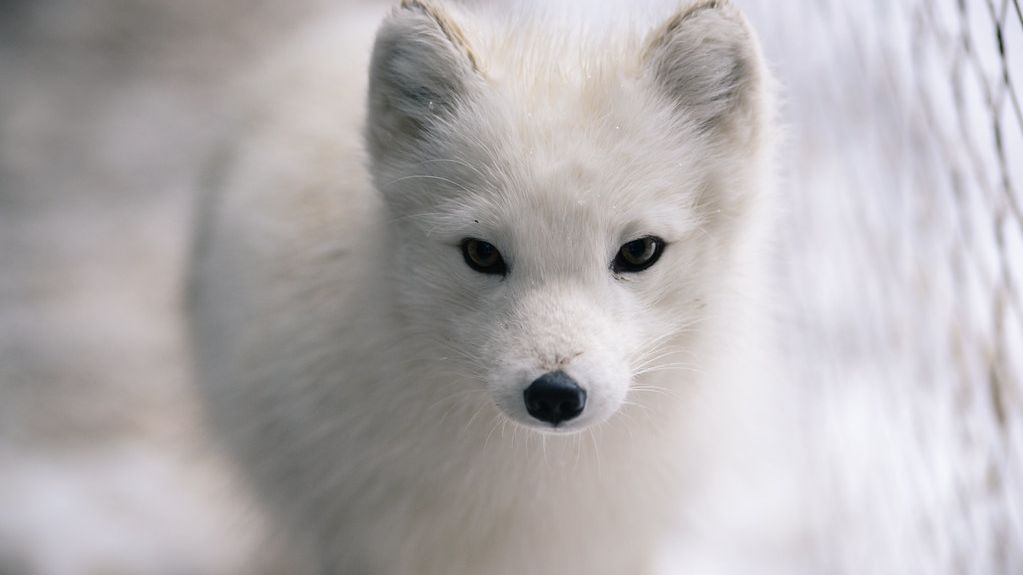
Every winter, we bundle ourselves in thick coats and retreat to heated shelters, waiting for spring. Yet countless creatures remain outside, facing temperatures that would kill us in minutes. Have you ever wondered how a tiny bird survives a blizzard or how fish swim beneath solid ice without freezing solid?
Nature has crafted solutions far more ingenious than any technology we’ve developed. From biological antifreeze flowing through veins to the ability to literally freeze and thaw without injury, animals have mastered the art of cold weather survival in ways that seem almost magical. Let’s explore these remarkable adaptations that allow life to flourish in Earth’s most unforgiving frozen landscapes.
Thick Insulating Fur and Feathers Create Living Blankets
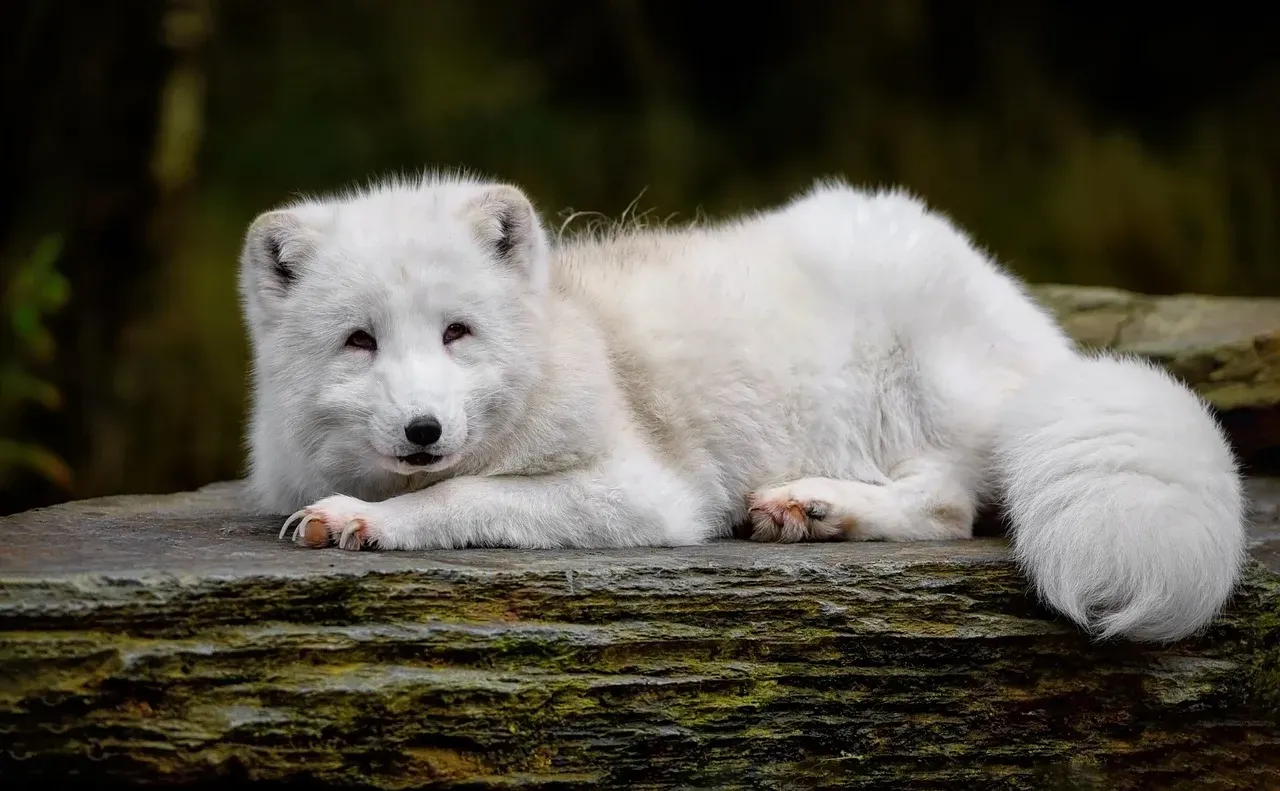
The Arctic fox boasts one of the warmest furs in the animal kingdom, with a dense underlayer that traps air close to the skin, acting like a thermal blanket and reducing heat loss even when temperatures dip below minus fifty degrees Celsius. This isn’t just about having more fur. It’s about architecture.
These coverings are often multi-layered, consisting of long, coarse guard hairs or contour feathers that protect a thick, downy undercoat, with this inner layer trapping a stationary layer of air close to the skin. Think of it like a high-tech sleeping bag that never comes off. The outer layer repels wind and moisture while the inner layer holds warmth against the body.
The musk ox’s long, shaggy hair has enabled the species to survive in the Arctic for thousands of years. The thick fibres of their outer coat are known as guard hairs and protect the undercoat from snow and rain, while the undercoat is made of shorter, finer and softer hair, which provides excellent insulation against temperatures that often drop below negative forty degrees Celsius. Some animals take it even further by switching coats seasonally, growing thicker insulation as winter approaches.
Some animals, such as bison, mountain goats and deer, have thinner coats during the warmer months to prevent overheating but grow thicker coats for winter. It’s nature’s version of a seasonal wardrobe, perfectly timed to environmental needs. The precision is remarkable when you think about it.
Blubber Provides Portable Insulation and Energy Storage
Marine mammals face an especially brutal challenge since water conducts heat away from the body far faster than air does. A thick layer of subcutaneous adipose tissue, known as blubber, serves as the primary insulator and can constitute up to fifty percent of the body mass in some species, and is particularly advantageous because it retains its insulating properties even when compressed under deep water pressure, unlike fur which loses trapped air when wet.
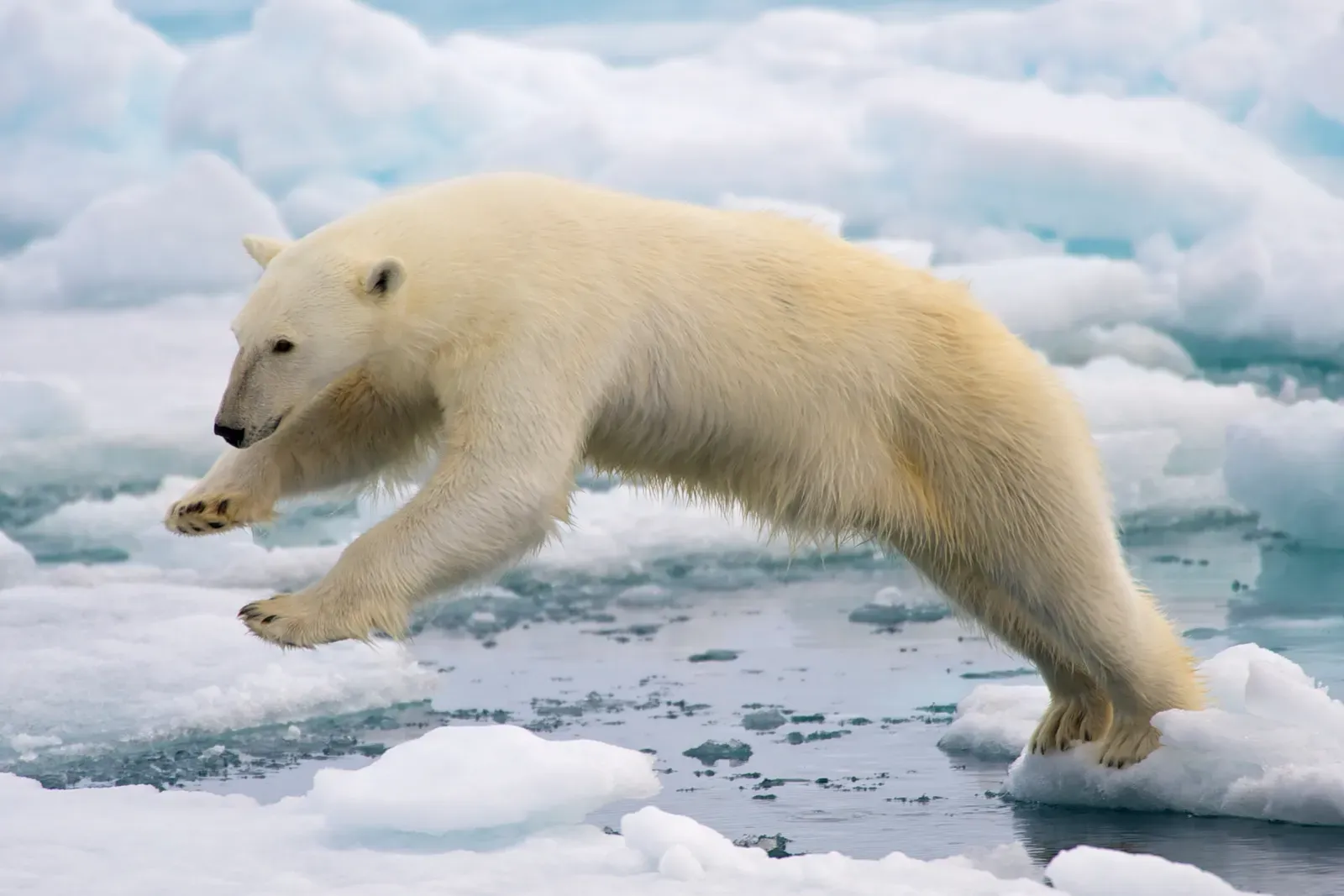
Polar bears employ a dual strategy that’s honestly brilliant. Polar bears rely on a combination of thick fur and a substantial layer of fat, known as blubber, beneath their skin, with the fur itself being water-repellent, allowing the bears to swim in icy waters without losing vital heat. Imagine being able to dive into near-freezing water and emerge without hypothermia.
Penguin feathers are tightly packed and waterproof, creating a barrier against wind and water, with a thick layer of subcutaneous fat underneath that stores energy and provides insulation, crucial for surviving long periods in icy waters during hunting expeditions. The thickness isn’t just for warmth. It’s also a portable energy reserve that these animals can burn when food becomes scarce.
Emperor penguins take this to extremes. They must endure temperatures as low as negative fifty degrees Celsius and extreme wind speeds of up to two hundred kilometres per hour. That’s colder than most household freezers, with hurricane-force winds added.
Counter-Current Heat Exchange Recycles Body Warmth
Here’s where things get really clever. The countercurrent heat exchange system is a circulatory mechanism found in the extremities of many polar animals and birds, involving warm arterial blood flowing from the body’s core passing closely alongside veins carrying cold blood back from the limbs, with heat passively transferred from the warm arteries to the cool veins before the blood reaches the paws or feet.
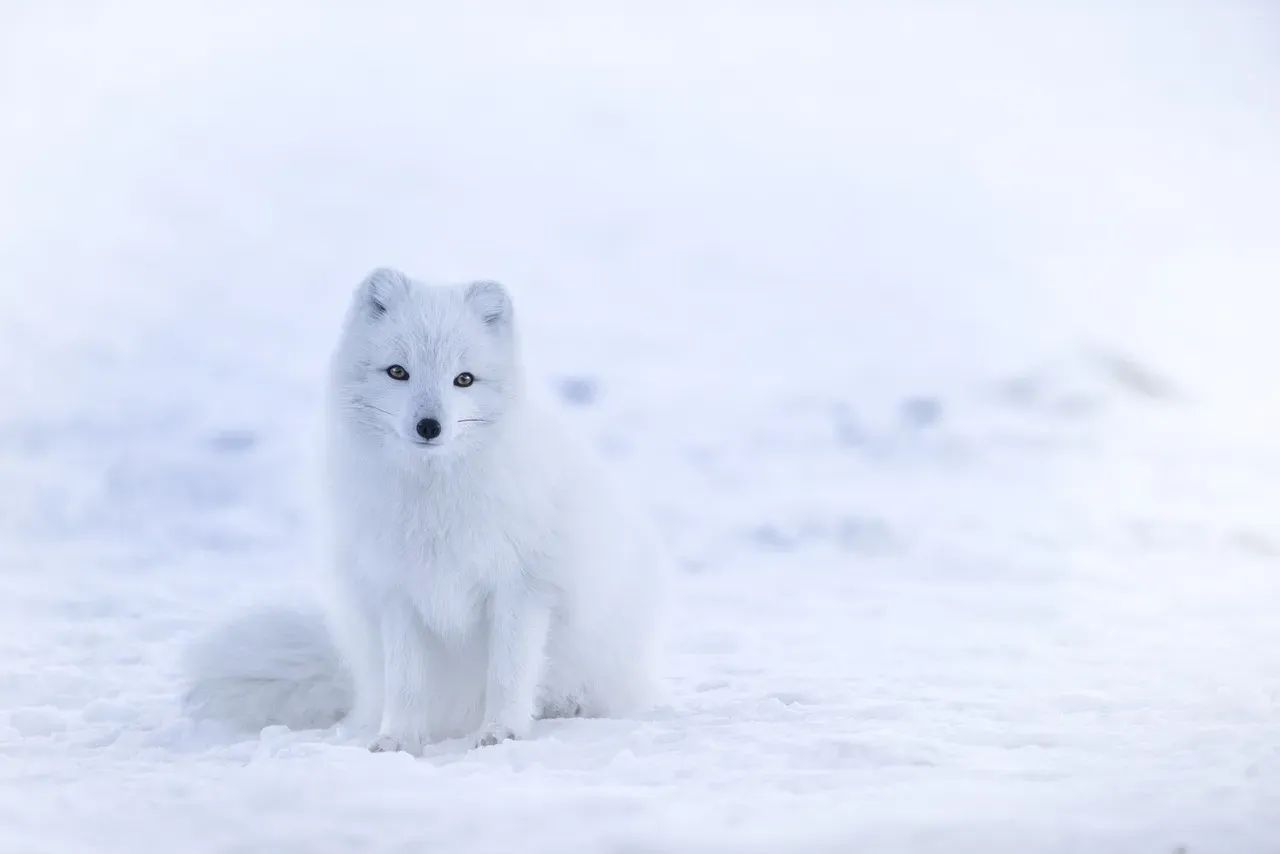
It’s basically a built-in heat recovery system. Instead of losing precious warmth through their extremities, these animals recycle it. The Arctic fox’s counter-current vascular heat exchanger has arteries and veins positioned closely together in their limbs, allowing warm arterial blood flowing to the paws to heat the cooler venous blood returning to the body, creating a continuous internal heating system that prevents the fox’s core temperature from dropping while also protecting its paws from frostbite, even when standing directly on ice for extended periods.
In species such as reindeer, Arctic wolves, and seabirds like gulls, arteries and veins run side by side in the limbs, with warm arterial blood flowing from the body heating the colder venous blood returning from the extremities, ensuring that by the time blood reaches the surface tissues, it is cooler, minimizing heat loss, while maintaining core temperature. The efficiency is stunning when you think about the engineering involved.
This arrangement allows animals like the Arctic fox to maintain its paws just above freezing point while standing on ice, recycling the heat back into the body. Their feet might be cold, but they never freeze, and their core stays warm.
Antifreeze Proteins Prevent Deadly Ice Crystal Formation
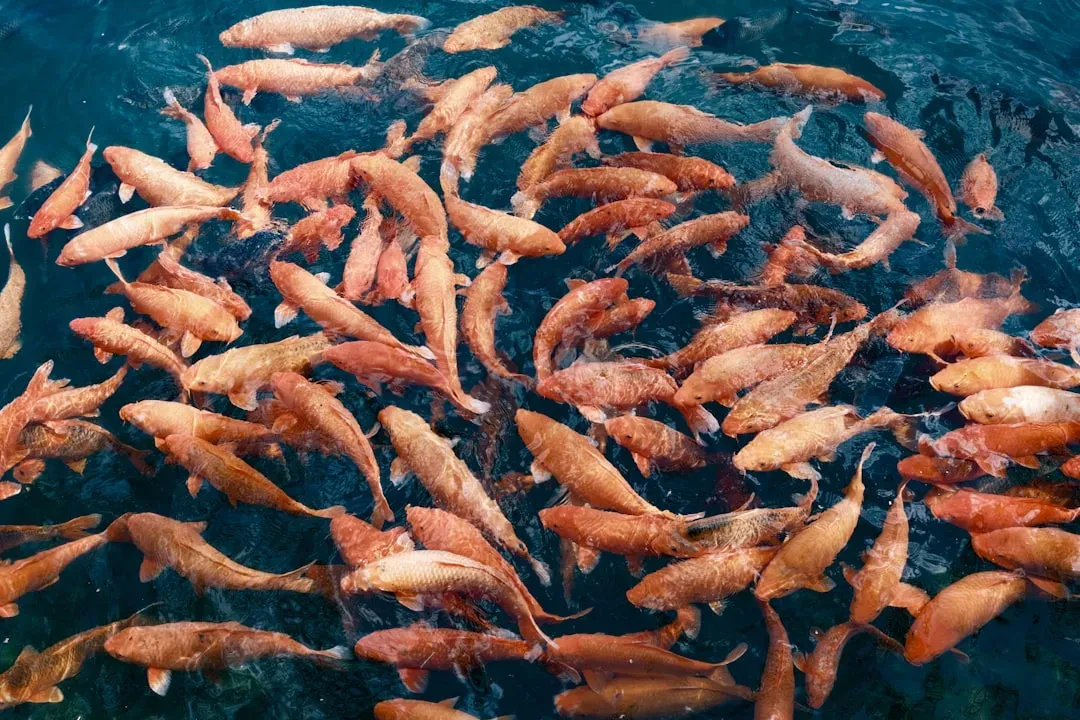
Some animals have essentially evolved their own antifreeze. Many species of Antarctic fish have anti-freeze in their blood, not so much against the temperature per-se as against touching ice which at low temperatures could cause a nucleation point making the ice spread through their cooled bodies, with these anti-freezes being large glycoprotein molecules that surround any small ice crystals that may form, preventing their spread throughout the animals tissues.
Arctic cod have adapted to the extreme cold and can survive in water temperatures close to freezing by having antifreeze proteins that prevent ice crystals from forming in their blood. Without this adaptation, a single ice crystal could trigger a chain reaction that would freeze the entire fish solid from the inside out. Let’s be real, that’s terrifying.
Organisms living in extreme cold rely on adaptations such as the expression of antifreeze proteins to survive, with these proteins helping adapt to the cold by depressing the freezing point of a solution. It’s not just fish either. Insects use similar strategies.
Fish and invertebrates contain antifreeze proteins that allow the creatures’ tissues to freeze without experiencing any damage, and many arctic invertebrates can freeze solidly in the ground for months, until warm spring temperatures thaw the ground. The precision required at the molecular level is mind-boggling.
Specialized Noses Warm Air Before It Reaches Lungs

Breathing freezing air can damage delicate lung tissue, so some animals have evolved remarkable nasal adaptations. The saiga’s nose contains large chambers that help to filter out dust and cool the air when it’s hot, and when it’s cold these chambers warm the air up before it reaches the lungs.
Moose have thick brown fur that creates excellent insulation, while their elongated noses can warm up frosty air before it reaches their lungs. It’s like having a built-in heater in your respiratory system. Pretty ingenious if you ask me.
Scientists found that the noses of bearded seals have a built-in heating system, where air enters their nostrils and goes into a labyrinth of nose bones called maxilloturbinates, which are porous and lined with mucus-rich tissues that trap heat. These complex structures maximize the surface area for heat exchange.
The difference this makes is substantial. Compared with their subtropical relatives, the bearded seals retain significantly more heat and moisture. Every breath could otherwise represent massive heat loss, but these adaptations minimize that drain on energy.
True Hibernation Drops Body Functions to Near Death
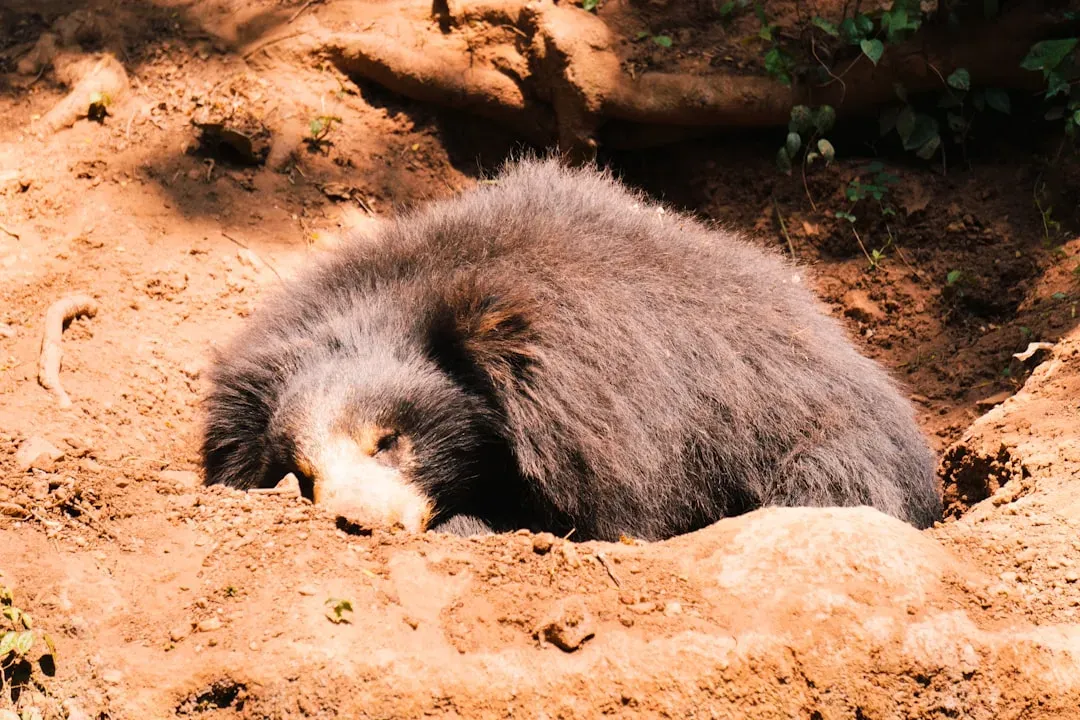
Some animals, like groundhogs, hibernate for as long as one hundred fifty days and are considered true hibernators, entering into a period of inactivity in which their metabolism is just five percent its normal rate. It’s hard to say for sure, but this might be the closest thing to suspended animation in nature.
Characteristic of being true hibernators, a woodchuck’s body temperature drops significantly during hibernation from ninety-nine to thirty-seven degrees Fahrenheit, with their breath slowing to only two breaths per minute, and their heart rate dropping from eighty to five beats per minute. If you stumbled across one, you’d likely think it was dead.
The Arctic ground squirrel takes this to absolute extremes. During its torpor, this small rodent lowers its core body temperature to as little as negative 2.9 degrees Celsius, effectively becoming the coldest known mammalian hibernator. That’s below the freezing point of water, yet somehow the animal survives.
Its heartbeat drops to a few beats per minute, and brain activity all but ceases, yet remarkably, the animal suffers no lasting damage, with scientists believing that this extreme hibernation may hold the key to understanding human hypothermia and neuroprotection during strokes or surgery. The medical implications are fascinating.
Torpor Offers Short-Term Energy Conservation
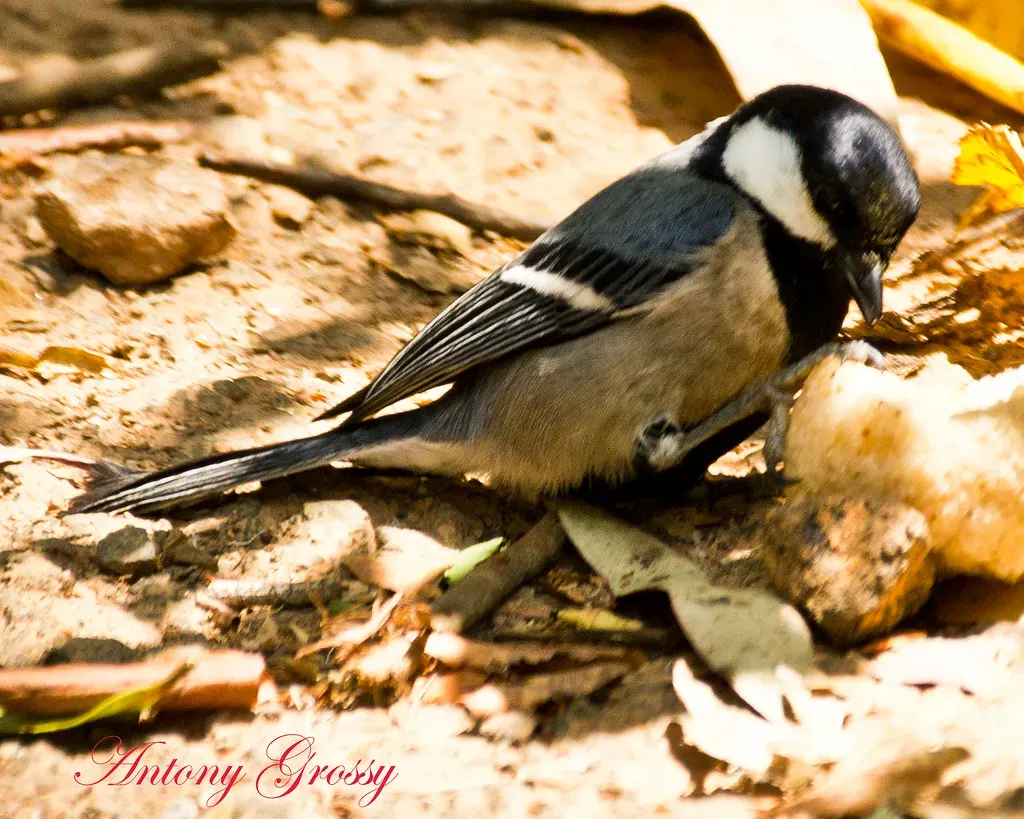
Torpor is a state of decreased physiological activity in an animal, usually marked by a reduced body temperature and metabolic rate, enabling animals to survive periods of reduced food availability. Unlike hibernation which lasts months, torpor can happen daily.
Torpor is a short, involuntary deep rest that comes about because of external conditions, for example, extremely cold weather, while hibernation is a prolonged period of torpor that animals prepare for by going through a phase of hyperphagia. Think of torpor as taking strategic power naps throughout winter.
Hummingbirds, having little body mass, conserve their energy and fat stores by entering torpor overnight, then exit it at or after sunrise the next day, decreasing the energetic cost they would otherwise have to maintain body temperature at night. For such tiny creatures, losing heat overnight would be catastrophic without this adaptation.
The black-capped chickadee can maintain a body temperature twelve degrees Celsius lower than normal, and this reduction in metabolism allows it to conserve thirty percent of fat stores amassed from the previous day. Over a harsh winter, that savings can mean the difference between life and death.
Freeze Tolerance Allows Survival While Partially Frozen
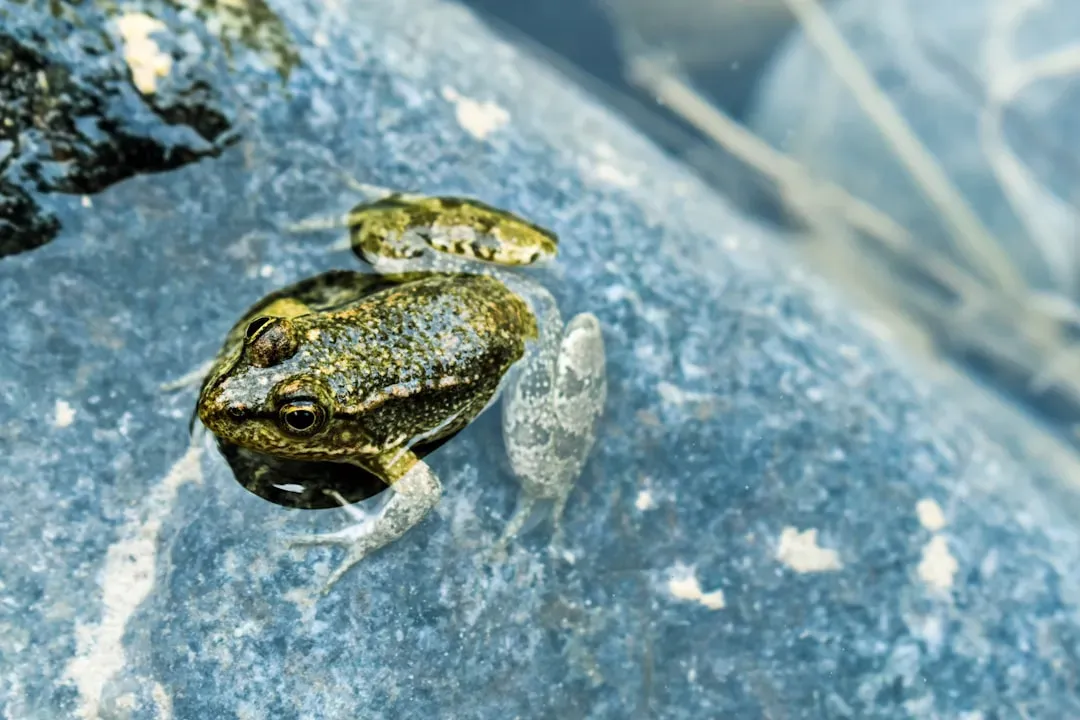
This adaptation sounds like science fiction, but it’s absolutely real. Freeze tolerance is a rare adaptation where animals survive with a significant portion of their total body water frozen solid outside of their cells, with the wood frog able to survive with up to sixty-five percent of its body water converted to extracellular ice.
This is possible because the animal floods its cells with high concentrations of cryoprotectants, such as glucose or glycerol, which act as cellular antifreeze, preventing water from leaving the cell and protecting cell membranes from damage as the surrounding fluid freezes. Essentially, the cells stay liquid while everything around them turns to ice.
For most animals, freezing solid would be fatal, but some, such as the wood frog, have adapted to survive in this state, with wood frogs living in Alaska, Canada and the northeastern USA where conditions can be harsh during the winter months with temperatures recorded as low as negative sixty degrees Celsius in Alaska.
Some species, like the wood frog, exhibit freeze tolerance, with cryoprotectants in the tissue fluids preventing ice crystals from bursting cells as the frog freezes, an adaptation that allows the frog’s whole body to freeze solid and survive the winter. When spring arrives, they simply thaw out and hop away.
Behavioral Huddling Multiplies Heat Retention
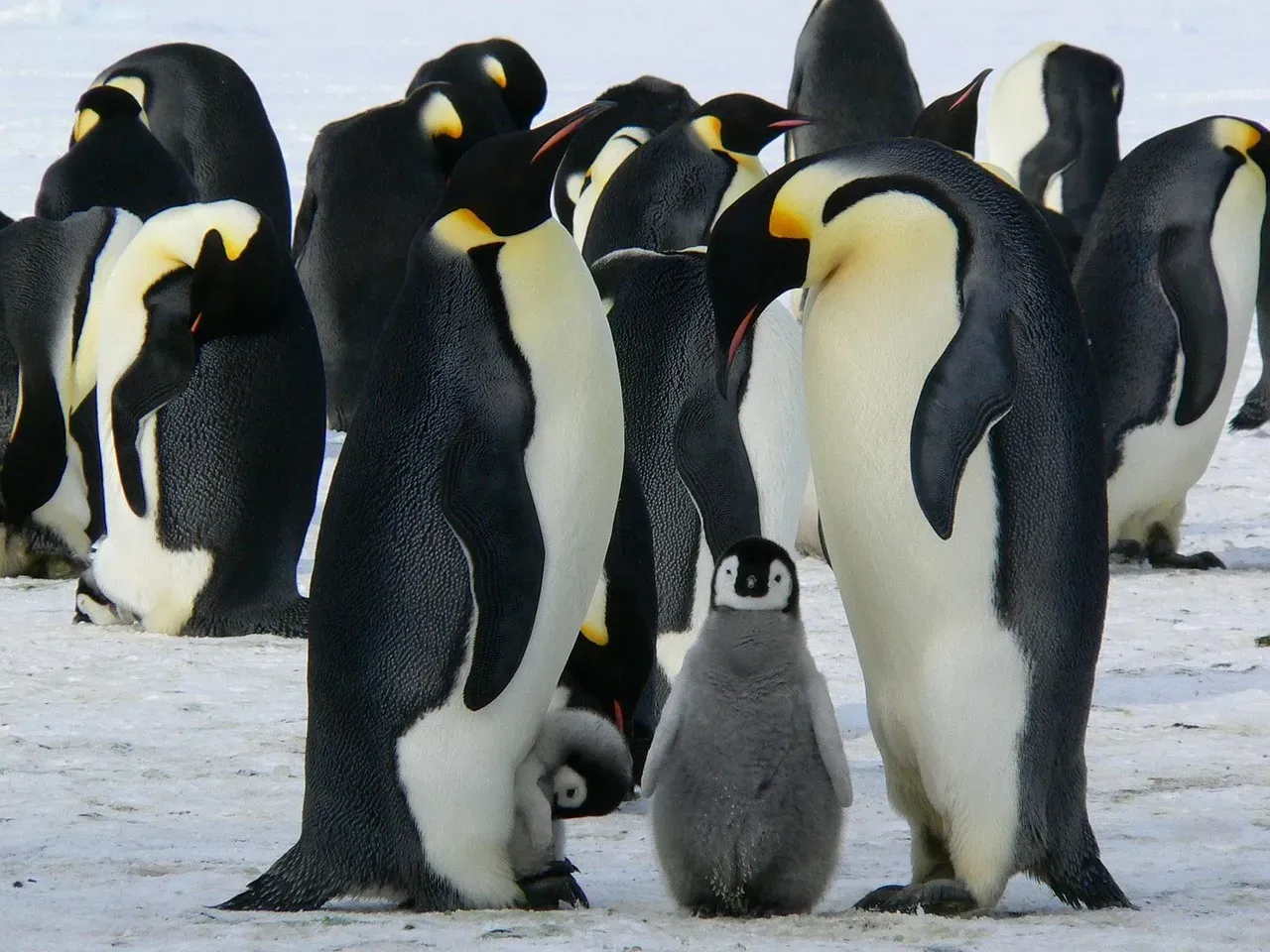
Sometimes the best strategy is teamwork. While other species of penguin are generally territorial during the breeding season, emperor penguins work cooperatively by huddling together for warmth. It’s a simple concept but incredibly effective.
These huddles are not random; they involve intricate patterns of movement, with penguins rotating positions so that all members experience periods at the warmer center of the group, highlighting the social dimension of cold survival, where teamwork becomes a life-saving strategy. Everyone takes turns on the outside facing the wind and inside getting warm.
Enduring Antarctic winters with temperatures below minus sixty degrees Celsius and winds exceeding two hundred kilometers per hour, these birds rely on a combination of feather insulation, fat reserves, huddling behavior, and efficient energy use. No single adaptation would be enough. It’s the combination that makes survival possible.
The center of a penguin huddle can be significantly warmer than the outside, sometimes by as much as fifteen or twenty degrees. That difference is huge when you’re fighting for survival in one of Earth’s harshest environments.
Compact Body Shapes Minimize Heat Loss
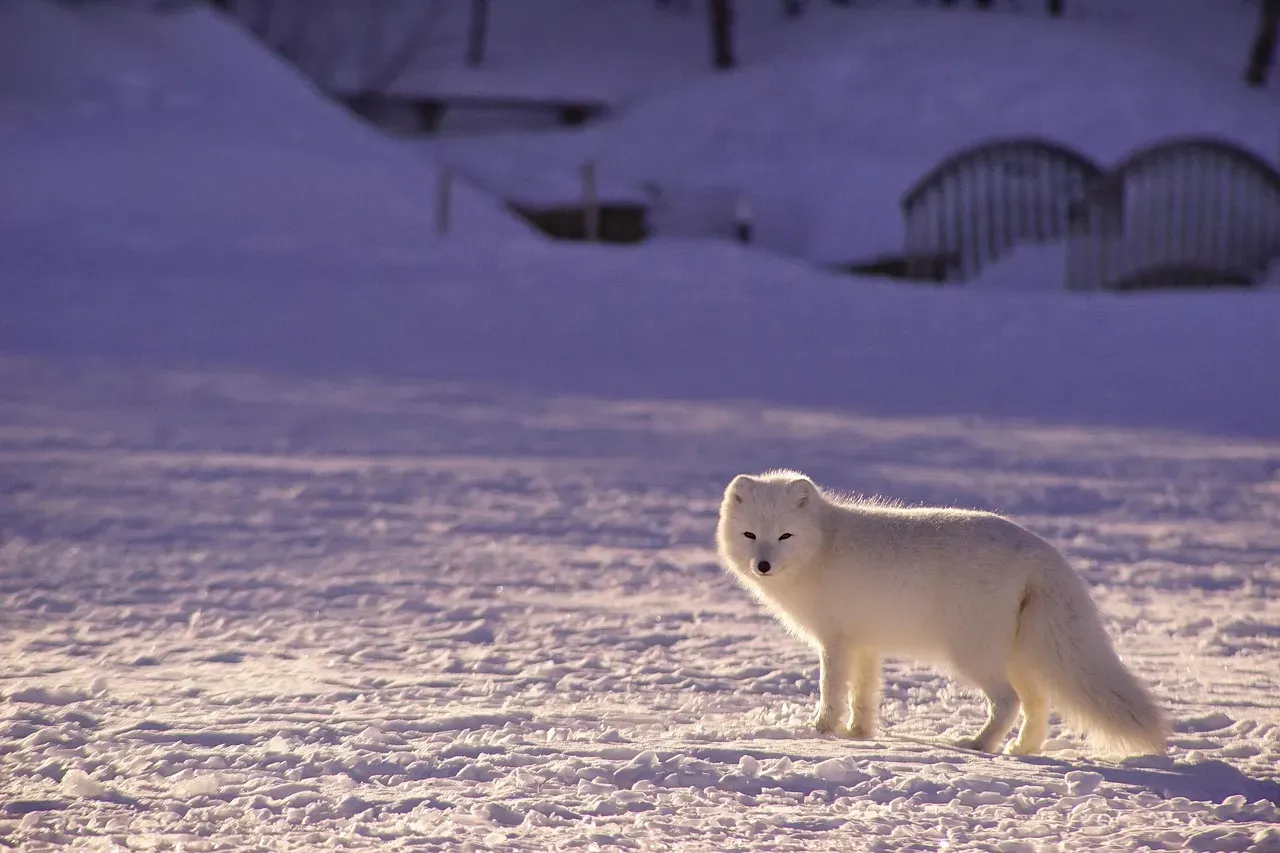
In a cold climate it is better to be chunky than gangly, which in essence is Allen’s Rule, learned by most ecology students as a basic tenet of the science. Surface area matters tremendously when it comes to heat loss.
Most importantly you need to be large to reduce the loss of heat from your skin, with even smaller Antarctic animals being still pretty big when compared to their more temperate climate relatives, as there needs to be a low surface area to volume ratio with lots of volume to generate heat and little surface area to lose it from.
Arctic foxes have a more compact body, so less surface area is exposed to releasing heat, with smaller muzzles and legs than other foxes, and smaller but thicker ears. Every protruding feature represents a point where heat can escape.
Extremities tend to be small to prevent undue heat loss. That’s why Arctic animals tend to have shorter limbs, smaller ears, and rounder bodies compared to their temperate-climate relatives. Form follows function in the most dramatic way.
Metabolic Adjustments Generate Internal Heat
Surviving in the cold requires more than preventing heat loss; it also demands constant heat production, with many cold-adapted animals having evolved highly efficient metabolisms that allow them to generate heat rapidly. Your body is basically a furnace that needs constant fuel.
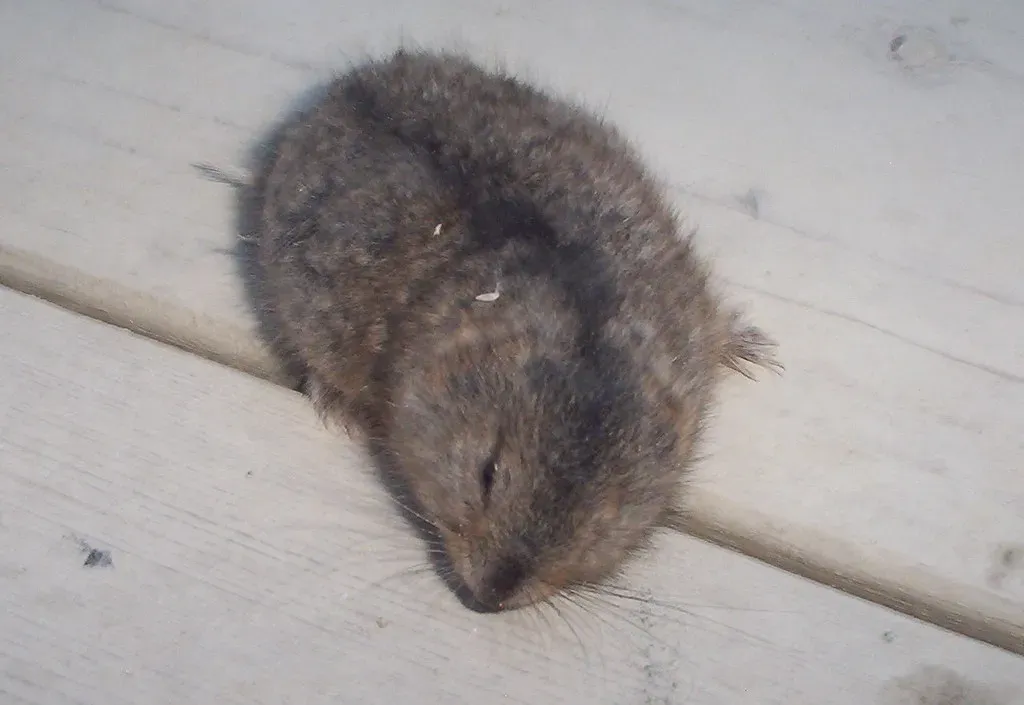
Small mammals, like the Arctic lemming, have extremely high metabolic rates that fuel continuous body heat production, and despite their diminutive size, these creatures can survive the frigid Arctic winter by consuming enormous amounts of food relative to their body mass, converting it into energy at a remarkable pace. They eat constantly just to stay alive.
In some species, specialized tissues further enhance heat generation, with brown adipose tissue, commonly known as brown fat, being a prime example that unlike regular fat actively burns calories to produce heat through thermogenesis, and is especially vital for newborn mammals and hibernating animals emerging from long periods of dormancy.
Many Antarctic marine species are as active at zero degrees Celsius as their temperate counterparts are at twenty degrees Celsius due to having very specialized cold temperature adapted enzyme systems, though warming the Antarctic species up causes them to soon suffer. They’ve become so specialized that warmth becomes dangerous.
Seasonal Behavior Changes Reduce Exposure
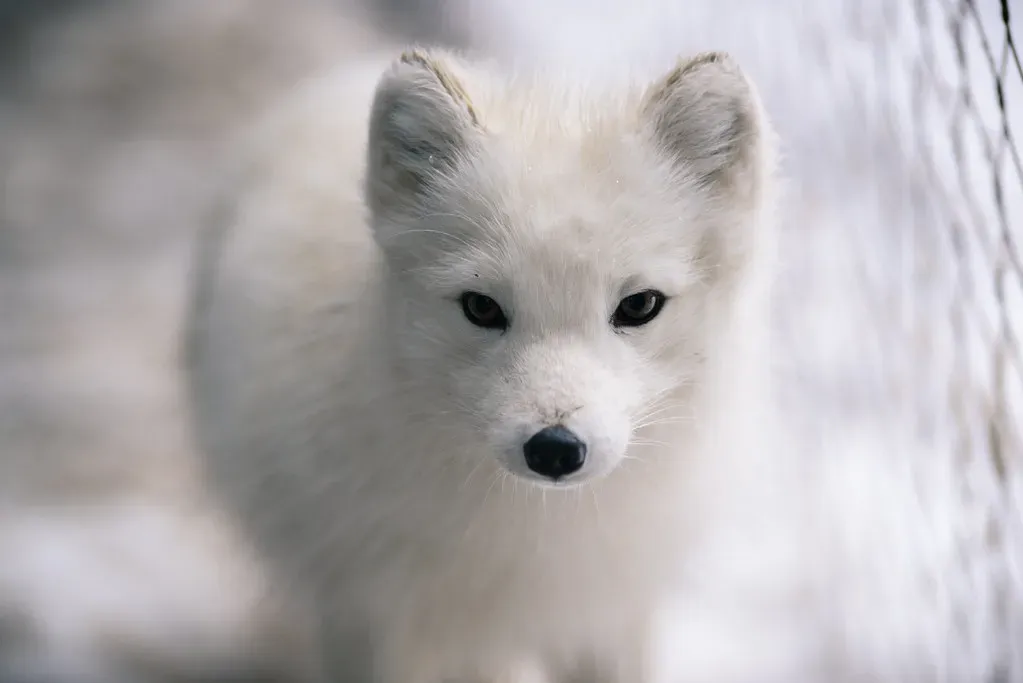
Some animals employ seasonal modifications to their activity patterns, with Arctic foxes increasing nocturnal hunting during winter months when temperatures are lowest, taking advantage of periods when prey is more vulnerable. Adjusting when you’re active can be just as important as physical adaptations.
Behaviorally, the fox seeks shelter in snow lairs or curls up tightly, using its bushy tail as a thermal blanket over exposed areas. That magnificent fluffy tail isn’t just for balance. It’s also a portable blanket that can wrap around the face and body.
Arctic hares can lower their metabolic rate, allowing them to conserve energy while they rest, and they also have a high locomotive efficiency, which means they use less energy to move around. Moving efficiently matters tremendously when every calorie counts.
Many animals also seek shelter strategically. Deep snow keeps dens at a comfortable thirty-four or so degrees, never cold enough to freeze. The snow itself becomes insulation, creating microenvironments that are far warmer than the surface.
Conclusion
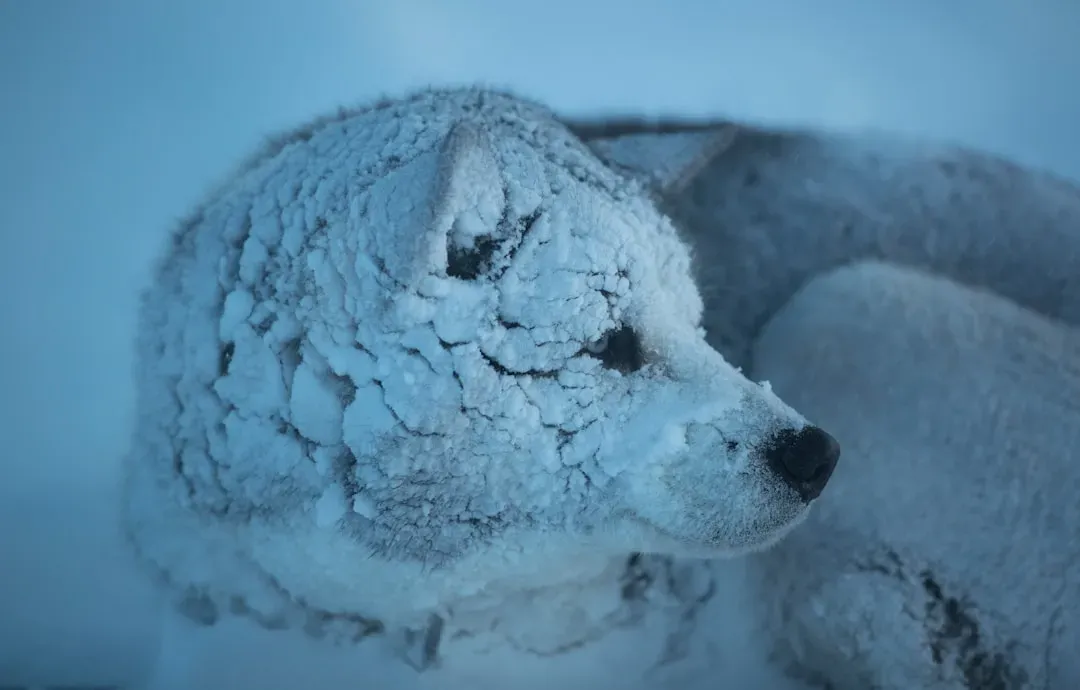
The strategies animals use to survive extreme cold reveal nature’s remarkable problem-solving abilities over millions of years of evolution. From biological antifreeze flowing through veins to the ability to literally freeze and thaw, from sophisticated heat exchange systems to communal huddling, these adaptations showcase life’s incredible resilience.
These mechanisms aren’t just fascinating biological curiosities. They represent millions of years of trial and error, of incremental improvements that mean the difference between extinction and survival. Every adaptation tells a story of environmental pressure and evolutionary innovation.
Yet as impressive as these adaptations are, they face unprecedented challenges from rapidly changing climates. Species finely tuned to specific temperature ranges over millennia now confront conditions shifting faster than evolution typically allows. The Arctic fox’s perfect insulation means little if its prey disappears or if warming disrupts the delicate timing of breeding seasons.
What amazes you most about how these creatures survive the cold? Did any of these adaptations surprise you?
