


The natural world never ceases to amaze with its resilience. In the United States, many species once teetered dangerously close to extinction, their populations dwindling due to habitat loss, hunting, pollution, and other human activities. However, through dedicated conservation efforts, legislation like the Endangered Species Act, and public awareness, several remarkable comebacks have occurred. These success stories demonstrate that with proper protection and management, we can reverse the tide of extinction. From majestic birds soaring once again above our national parks to aquatic creatures repopulating our waters, these twelve animals represent hope and the positive impact of environmental stewardship. Their journeys from near-extinction to recovery offer important lessons about conservation and our responsibility to protect biodiversity for future generations.
American Bison

Once numbering in the tens of millions across North America, the American bison was driven to the brink of extinction in the late 19th century. By 1889, fewer than 1,000 individuals remained, victims of commercial hunting and deliberate slaughter campaigns designed to starve Native American tribes who depended on them. The recovery began with private ranchers preserving small herds and the establishment of Yellowstone National Park, which became a sanctuary for the remaining wild bison. Today, approximately 31,000 wild bison roam conservation herds across North America, with about 4,500 in Yellowstone alone. Though still occupying less than 1% of their historical range, their recovery from fewer than 1,000 to tens of thousands demonstrates one of America’s earliest conservation successes. The American bison was named the national mammal of the United States in 2016, symbolizing resilience and the conservation ethic.
Bald Eagle
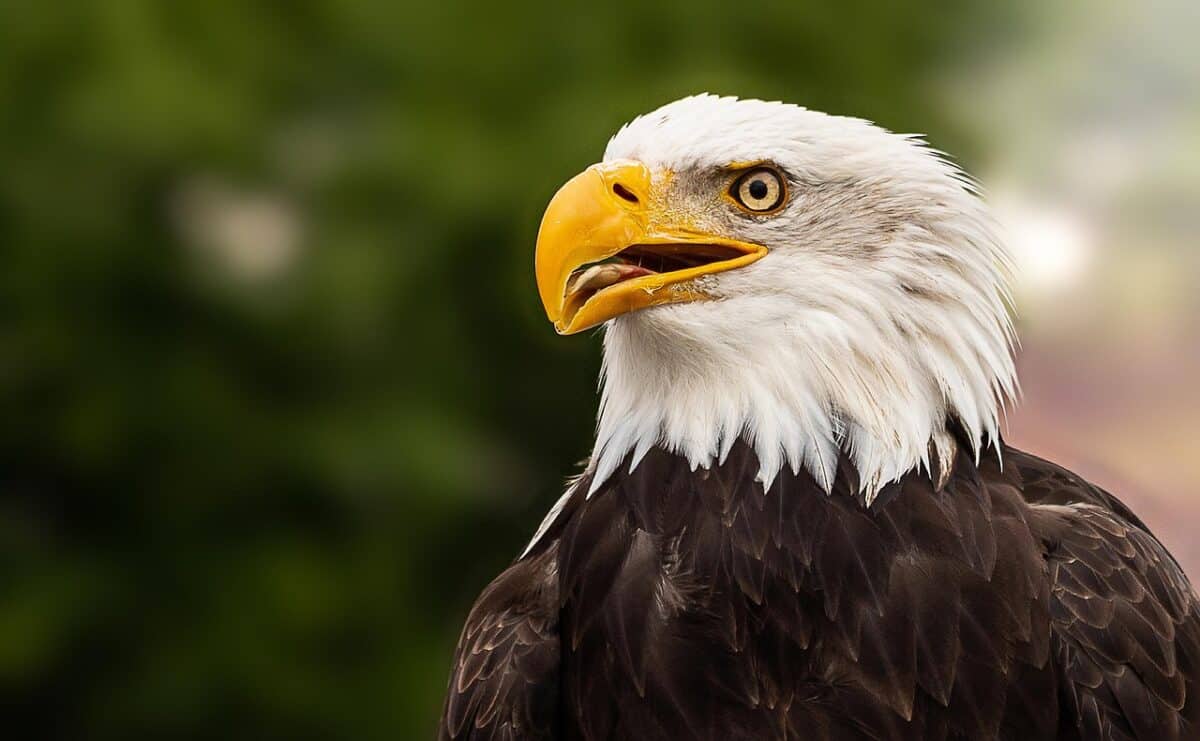
Perhaps no conservation success story is more emblematic of American recovery efforts than that of the bald eagle. Our national symbol once faced extinction due to hunting, habitat destruction, and the devastating effects of DDT, a pesticide that weakened eagle eggshells and caused widespread reproductive failure. By 1963, only 417 nesting pairs remained in the lower 48 states. The banning of DDT in 1972 and protection under the Endangered Species Act in 1973 marked turning points in the species’ recovery. Conservation efforts, captive breeding programs, and habitat protection allowed populations to rebound dramatically. By 2007, the bald eagle had recovered sufficiently to be removed from the federal list of threatened and endangered species. Today, more than 71,400 nesting pairs soar across American skies, with populations in all 48 continental states. The bald eagle’s recovery represents one of the most successful wildlife conservation efforts in history and demonstrates the effectiveness of legislative protection and coordinated conservation strategies.
California Condor

The California condor, North America’s largest land bird with a wingspan of nearly 10 feet, came perilously close to extinction in the 1980s. Lead poisoning from ammunition in animal carcasses, habitat destruction, poaching, and DDT contamination reduced their numbers to just 22 individuals by 1982. In a last-ditch effort to save the species, all remaining wild condors were captured for a captive breeding program by 1987. This controversial “all eggs in one basket” approach proved successful. The first captive-bred condors were reintroduced to the wild in 1992, beginning a careful, monitored recovery. Today, over 300 California condors exist, with more than half flying free in California, Arizona, Utah, and Baja California, Mexico. While still endangered and facing ongoing threats from lead ammunition, their population increase represents a remarkable achievement in species recovery. The California condor program pioneered intensive management techniques now used for other critically endangered species worldwide, demonstrating that even species on the very edge of extinction can be saved with sufficient dedication and resources.
Gray Wolf
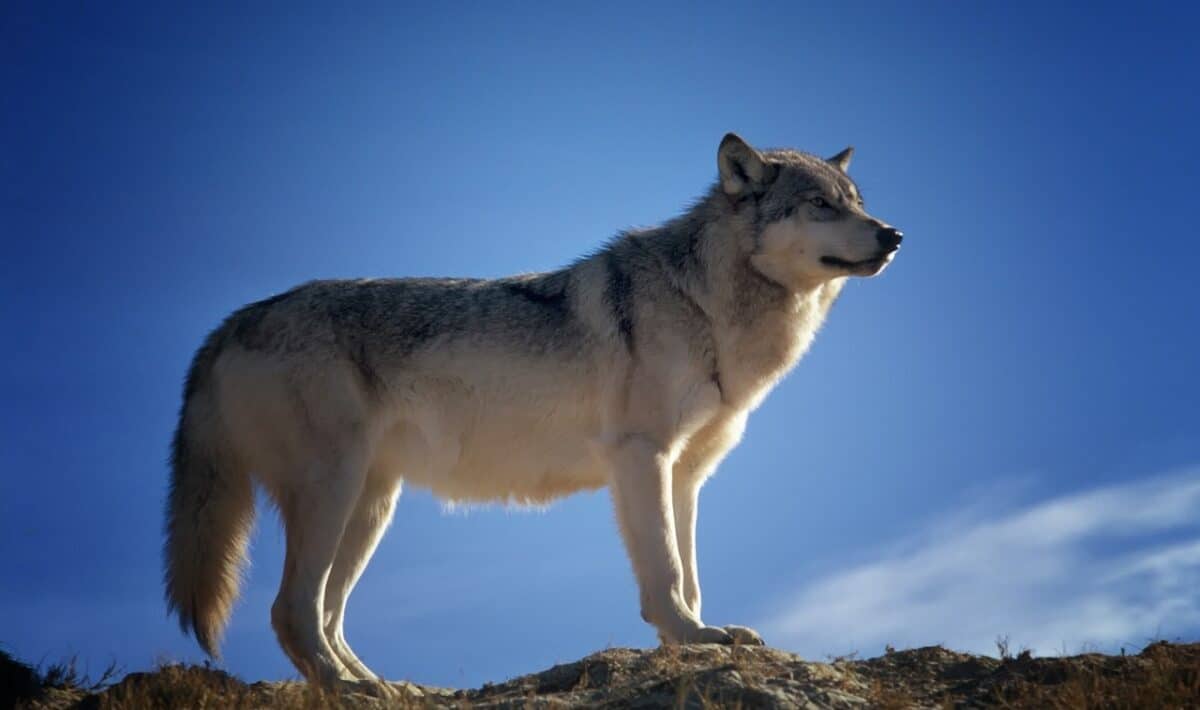
Once abundant throughout North America, gray wolves were systematically eliminated from most of the contiguous United States by the mid-20th century through government-sponsored eradication programs, bounty hunting, and habitat loss. By the 1960s, only a few hundred wolves remained in northern Minnesota and Michigan. Protection under the Endangered Species Act in 1974 marked the beginning of their recovery. The reintroduction of 31 Canadian wolves to Yellowstone National Park and central Idaho in 1995-1996 became one of the most successful—and controversial—wildlife restoration projects in American history. The ecological benefits of wolf reintroduction have been profound, creating a trophic cascade that has transformed Yellowstone’s ecosystem. Today, approximately 6,000 wolves inhabit the lower 48 states, with recovering populations in the Northern Rockies, Great Lakes, Pacific Northwest, and most recently, Colorado. Despite ongoing conflicts with livestock producers and controversial delisting attempts, the gray wolf’s return represents the restoration of a keystone predator to American ecosystems and a testament to the power of public lands to harbor recovering species.
American Alligator
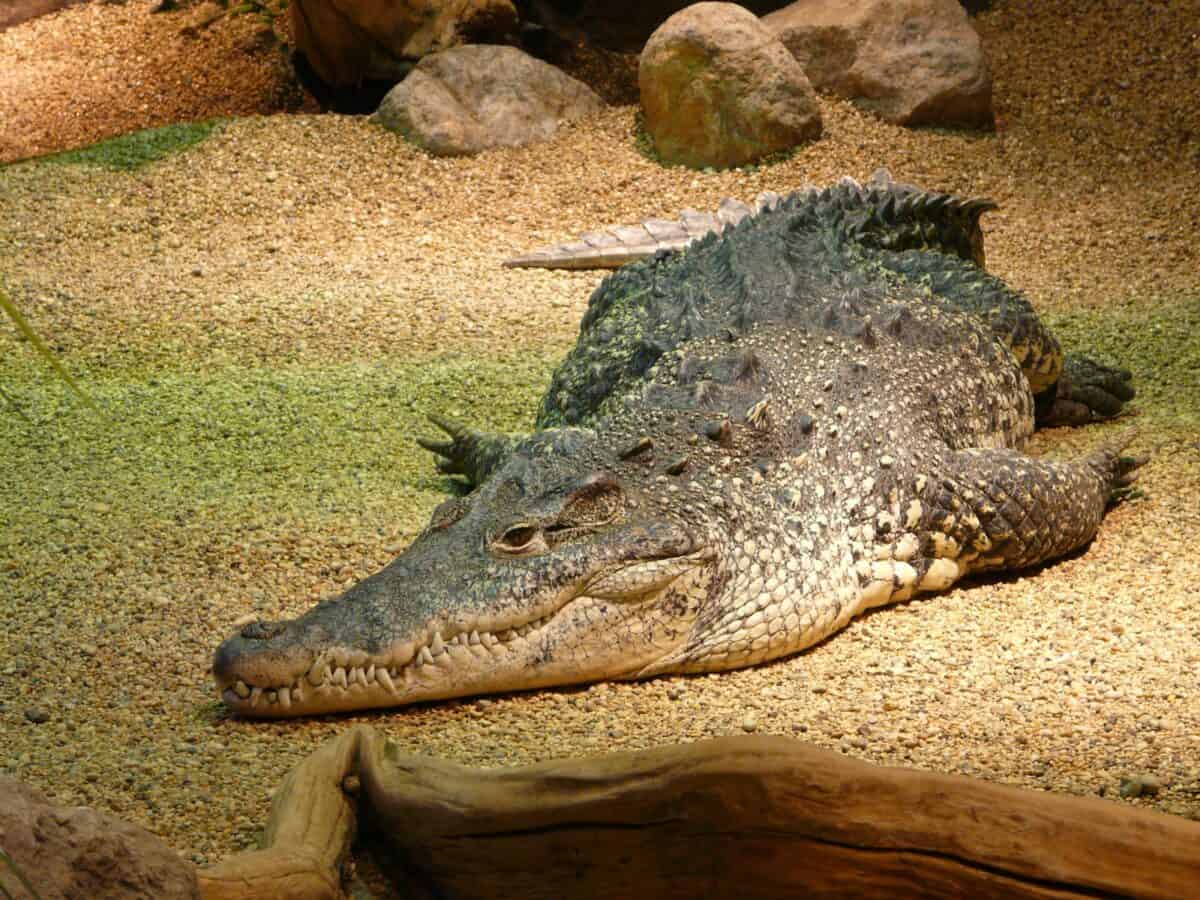
The American alligator’s recovery stands as one of the most complete turnarounds in conservation history. These prehistoric-looking reptiles were hunted nearly to extinction for their valuable hides, with populations crashing throughout the southeastern United States by the 1950s. In 1967, the American alligator was listed as endangered across its entire range. Protected from hunting and harvest, alligator populations rebounded remarkably quickly. By 1987—just 20 years after receiving protection—the species had recovered so successfully that it was removed from the endangered species list. Today, an estimated 5 million alligators thrive across their range, with particularly robust populations in Florida and Louisiana. The recovery was so complete that carefully regulated hunting and commercial farming are now permitted in several states. The alligator’s comeback demonstrates how quickly some species can recover when direct threats are removed and suitable habitat remains. As apex predators in wetland ecosystems, their restoration has helped maintain healthy wetlands throughout the Southeast, benefiting countless other species that share these vital habitats.
Grizzly Bear

Grizzly bears once roamed across much of western North America, with an estimated population of 50,000 in the contiguous United States before European settlement. By the 1970s, hunting, trapping, poisoning, and habitat fragmentation had reduced their numbers to fewer than 1,000 bears in just 2% of their historic range. Listed as threatened under the Endangered Species Act in 1975, grizzlies have made a gradual recovery in the Northern Rockies. The Greater Yellowstone Ecosystem population has grown from approximately 136 bears in 1975 to over 700 today. Additional populations exist in the Northern Continental Divide Ecosystem of Montana (approximately 1,000 bears), the Cabinet-Yaak, and the Selkirk Mountains. While still absent from 98% of their historical range in the lower 48 states, grizzly bears have made significant progress toward recovery. Their comeback has required extensive habitat protection, public education about human-bear conflicts, and management of attractants like garbage. As a species requiring large territories and diverse food sources, the grizzly bear’s recovery represents the conservation of entire ecosystems rather than just a single species.
Southern Sea Otter

The southern sea otter, a keystone species in California’s coastal ecosystems, was hunted to near extinction for its luxurious fur during the 18th and 19th centuries. By the early 20th century, only about 50 individuals remained in a small section of California’s central coast near Big Sur. Protected by the International Fur Seal Treaty in 1911 and later the Endangered Species Act and Marine Mammal Protection Act, these charismatic marine mammals have made a gradual recovery. Their population has grown to approximately 3,000 individuals along the California coast today. Sea otters play a critical ecological role by controlling sea urchin populations, which would otherwise overgraze kelp forests. Their recovery has helped restore these productive underwater ecosystems that provide habitat for countless marine species. Despite their progress, southern sea otters still occupy only about 13% of their historical range and face ongoing threats from oil spills, fishing gear entanglement, and disease. Their recovery demonstrates the importance of keystone species in maintaining healthy marine ecosystems and the long timeframes often required for marine mammal populations to fully recover.
Peregrine Falcon

The peregrine falcon—the fastest animal on Earth, capable of dive speeds exceeding 240 mph—epitomizes successful endangered species recovery. Like many birds of prey, peregrines were devastated by DDT contamination, which caused their eggshells to thin and break before hatching. By 1970, not a single nesting pair remained in the eastern United States, and western populations had declined by up to 90%. Following the 1972 ban on DDT and protection under the Endangered Species Act, an innovative captive breeding and release program began. Over 6,000 captive-bred falcons were released throughout the United States in one of the largest species reintroduction efforts ever undertaken. Peregrines adapted remarkably well, even colonizing urban environments where they nest on skyscrapers and bridges, using tall buildings as substitutes for their natural cliff habitats. Their recovery was so successful that they were removed from the federal endangered species list in 1999. Today, an estimated 3,000 breeding pairs inhabit North America, including pairs nesting in nearly every major U.S. city. The peregrine’s recovery demonstrates the resilience of some species when the primary threat—in this case, DDT—is eliminated, and shows how wildlife can sometimes adapt to human-modified environments.
Whooping Crane

The majestic whooping crane—North America’s tallest bird at five feet tall—represents both the fragility of endangered species and the extraordinary lengths conservationists will go to save them. Hunting and widespread wetland drainage reduced their numbers to just 15 birds by 1941. Today, after decades of intensive conservation efforts, approximately 800 whooping cranes exist, about half of them in the wild. The recovery has involved innovative techniques, including using ultralight aircraft to teach captive-reared cranes their ancestral migration routes and costume-rearing young birds to prevent human imprinting. The only natural migratory population winters at Aransas National Wildlife Refuge in Texas and breeds in Wood Buffalo National Park in Canada. Additional reintroduced populations now exist in Wisconsin and Louisiana. Despite progress, whooping cranes remain endangered and vulnerable to habitat loss, power line collisions, and extreme weather events. Their recovery demonstrates the value of international cooperation, as the species’ survival depends on protected habitat in both the United States and Canada. The whooping crane’s ongoing recovery represents an extraordinary investment in preserving biodiversity for future generations.
Northern Elephant Seal

The northern elephant seal’s recovery represents one of the most dramatic population rebounds in conservation history. These massive marine mammals—males can weigh up to 8,000 pounds—were hunted to near extinction for their blubber, which was rendered into oil during the 19th century. By the 1890s, as few as 20 individuals remained, hiding on Guadalupe Island off Mexico’s Baja California coast. Protected by Mexico in 1922 and later by the U.S. Marine Mammal Protection Act, elephant seals have made an astonishing recovery. From those 20 survivors, the population has grown to approximately 150,000 individuals today. They have recolonized former breeding grounds along the California coast, with major colonies at Año Nuevo State Park, Point Reyes National Seashore, and the Channel Islands. Their recovery occurred despite a severe genetic bottleneck caused by their near extinction, which left the species with remarkably low genetic diversity. Despite this handicap, northern elephant seals have thrived, demonstrating nature’s resilience when direct exploitation ceases. Their recovery represents a conservation success story with minimal human intervention beyond the crucial step of stopping the commercial harvest.
American Crocodile
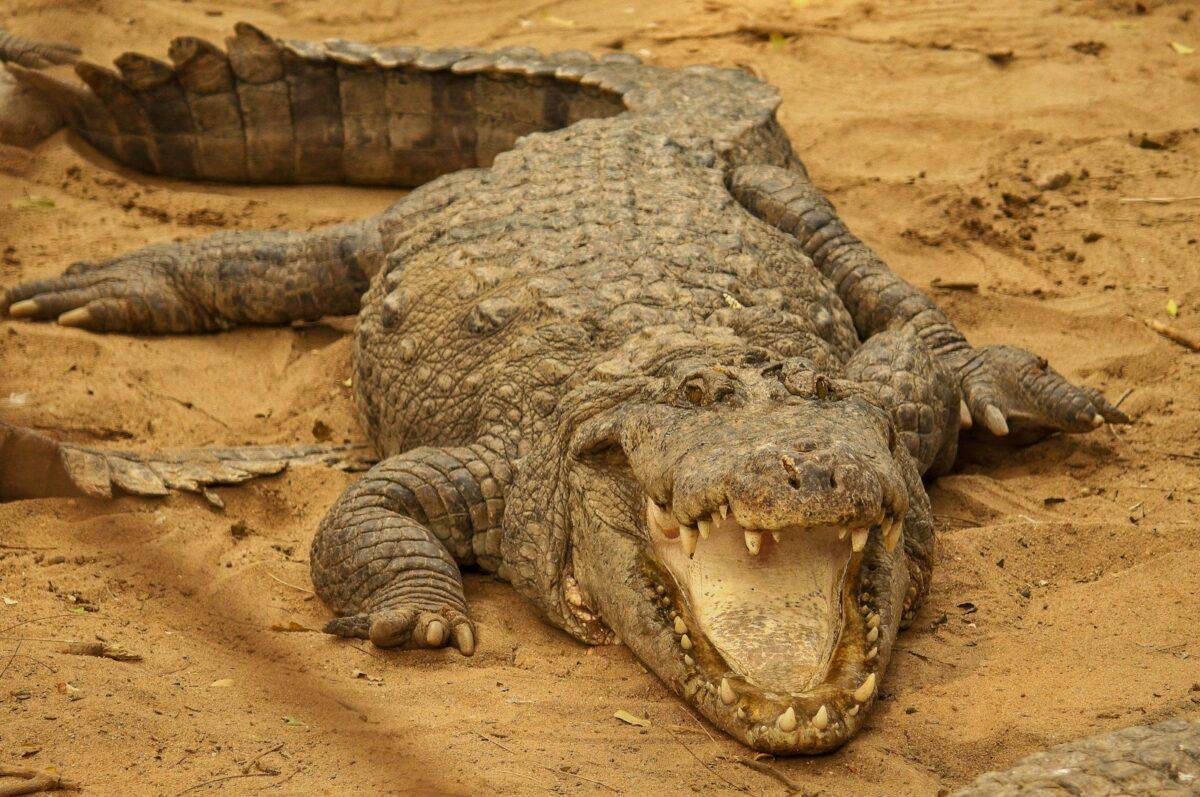
The American crocodile, a shy reptile found only in southern Florida within the United States, was driven to the brink of extinction by the mid-20th century. Hunting for their hides, collection for zoos and private owners, and extensive habitat loss from coastal development in south Florida reduced their U.S. population to fewer than 300 individuals by the 1970s. Listed as endangered in 1975, the species has made a significant comeback through habitat protection, particularly in Everglades National Park and Crocodile Lake National Wildlife Refuge in the Florida Keys. An unusual ally in their recovery has been Florida Power & Light’s Turkey Point Nuclear Generating Station, where the cooling canals provide ideal nesting habitat. Today, an estimated 2,000 American crocodiles live in Florida, and the species was downlisted from endangered to threatened in 2007. Unlike the more aggressive and widespread American alligator, crocodiles remain relatively rare in the U.S. and are sensitive to cold weather, limiting their range to the southernmost tip of Florida. Their recovery demonstrates how even species with specific habitat requirements can rebound when those habitats receive adequate protection.
Black-footed Ferret

The black-footed ferret’s journey back from the edge of extinction represents one of conservation’s most dramatic eleventh-hour rescues. These sleek nocturnal predators, specialized to hunt prairie dogs in the grasslands of the American West, were thought extinct until a small population was discovered in Meeteetse, Wyoming, in 1981. Disease quickly reduced this last wild population to just 18 individuals, all of which were captured for an emergency captive breeding program by 1987. From these 18 founders, over 8,000 ferrets have been bred in captivity, with more than 4,000 released across the western United States. Today, approximately 300-400 black-footed ferrets live in the wild across about 30 reintroduction sites in eight states, Canada, and Mexico. Still endangered, they face ongoing challenges, primarily the dramatic decline of prairie dog colonies due to disease, poisoning, and habitat conversion. In 2020, the first cloned black-footed ferret was produced from cells preserved in 1988, demonstrating new technologies that may help maintain genetic diversity in the species. Their recovery highlights the importance of protecting not just endangered species themselves but also the species they depend on—in this case, prairie dogs—and the ecosystems that support them.
Conservation Success Stories: Lessons and Future Challenges

These twelve remarkable recovery stories share several common elements that provide important lessons for future conservation efforts. First, legal protection works—the Endangered Species Act, Marine Mammal Protection Act, and other legislation have been crucial tools in preventing extinctions and allowing populations to recover. Second, habitat protection is essential; species cannot recover without appropriate places to live, feed, and reproduce. Third, eliminating direct threats like hunting, pesticides, or pollution can allow some species to bounce back surprisingly quickly. Finally, recovery often requires patience and persistence—many of these species took decades to return from the brink, and some still have a long way to go. Despite these successes, new challenges loom: climate change, emerging diseases, invasive species, and ongoing habitat fragmentation threaten to undermine conservation gains. The recovery of these iconic American animals demonstrates that extinction is not inevitable when we commit to conservation action, but maintaining these recovered populations will require continued vigilance, adequate funding, and public support for conservation efforts into the future.

As a little kid, I fell in love with nature, wildlife, and animals. Living in the USA, South Africa, Italy, China and Germany gave me the opportunity to discover the world's Wildlife. My favorite animals are Mountain Gorillas, Siberian Tigers, and Great White Sharks.
I'm a certified PADI Open Water Diver, went to Everest Base Camp and Trekked Gorillas in Uganda. I hold a Master of Science in Economics and Finance.
Please send any feedback to feedback@animalsaroundtheglobe.com
- Why the Aye-Aye Is Madagascar’s Strangest Primate - July 28, 2026
- 12 Cat Breeds That Act More Like Dogs - July 28, 2026
- 11 Incredible Fossils That Changed What We Know About Ancient Life - July 28, 2026