

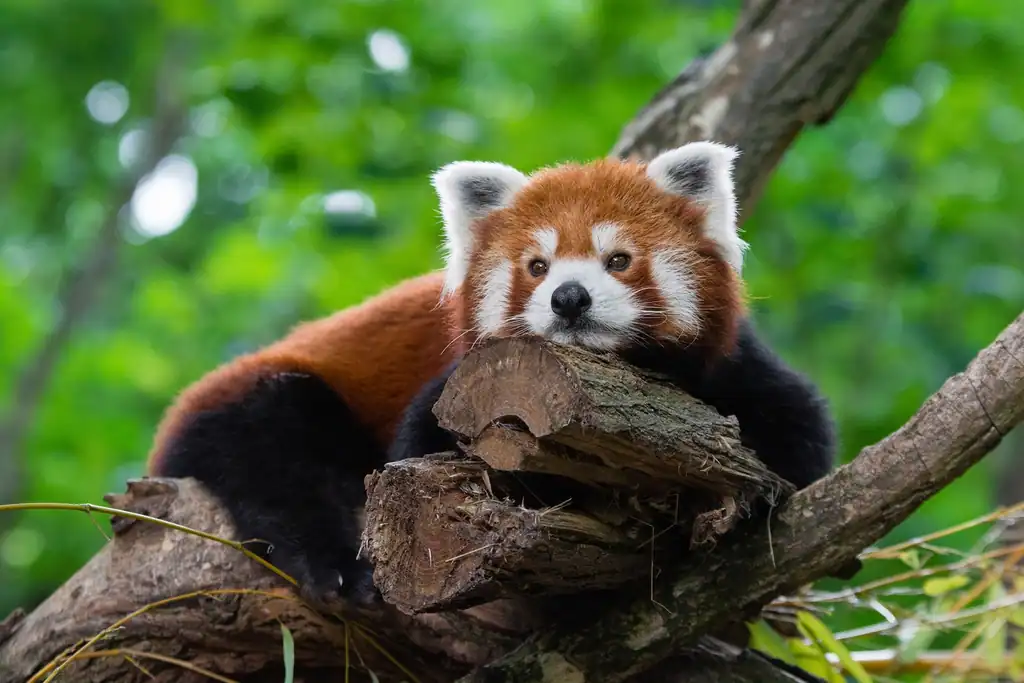
One of nature’s most delightful mysteries has been fooling wildlife enthusiasts for decades. Those adorable, rust-colored creatures with their masked faces and fluffy tails share more than just a name with their black-and-white counterparts. Yet despite both being called “pandas” and sharing an unusual obsession with bamboo, these two beloved species are about as genetically related as a house cat is to a polar bear. The truth behind their relationship – or lack thereof – reveals a fascinating tale of evolutionary convergence, scientific confusion, and one of the most remarkable cases of mistaken identity in the animal kingdom.
The Great Naming Mix-Up That Started It All
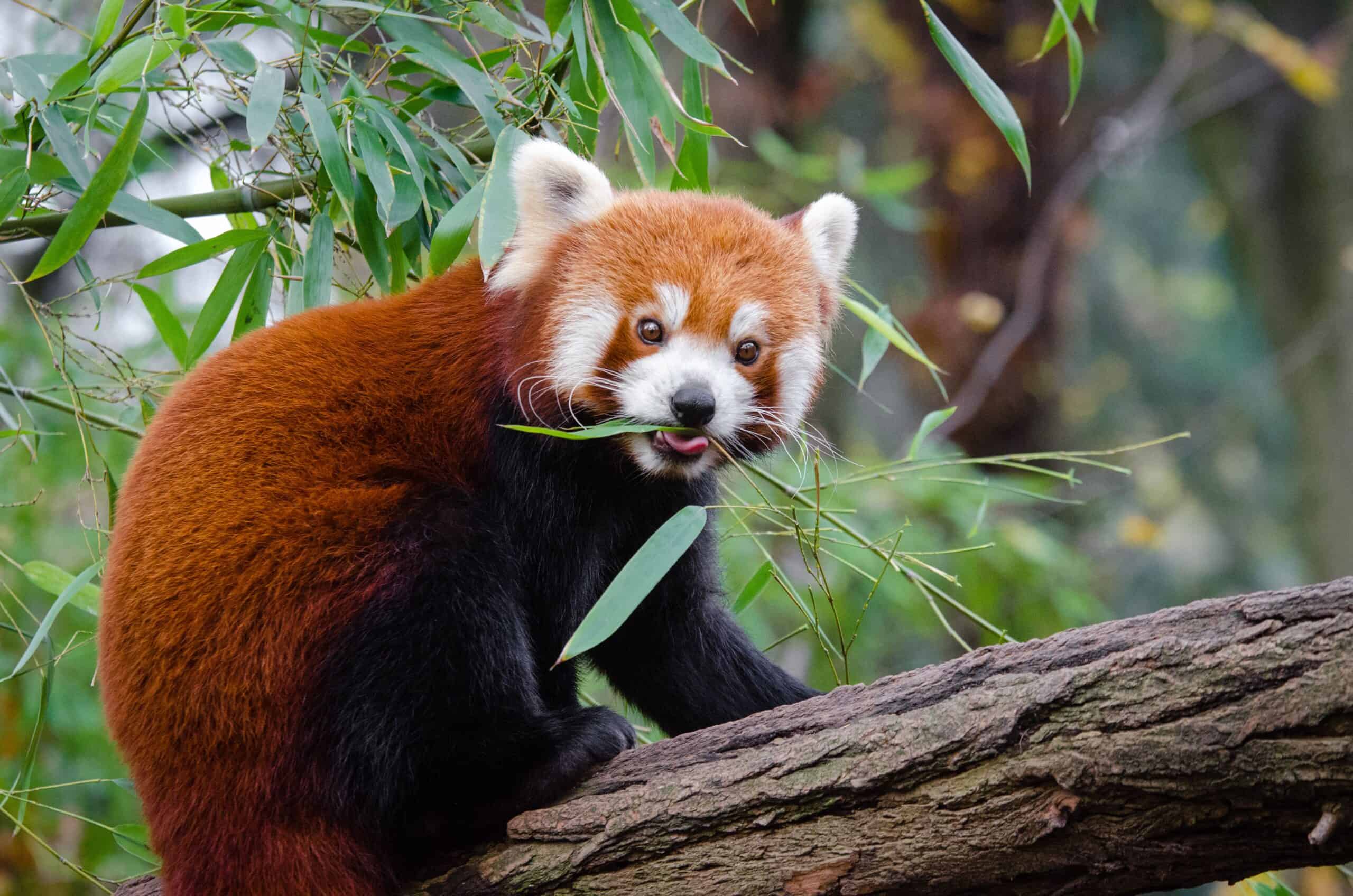
The red panda actually claimed the “panda” name first, earning it nearly 50 years before anyone discovered giant pandas existed. French zoologist Frédéric Cuvier coined the term “panda” in 1825, derived from the Nepali word “ponya” meaning “bamboo eater.” When Western scientists stumbled upon giant pandas in 1869, they noticed the bamboo connection and borrowed the name.
This naming confusion created a scientific headache that lasted for generations. Early researchers assumed the similar diet and shared habitat meant the animals were closely related. The red panda’s scientific name, Ailurus fulgens, literally means “fire-colored cat,” which should have been a major clue about its true family ties.
Red Pandas Belong to Their Own Unique Family

Red pandas are the sole surviving members of the family Ailuridae, making them living fossils in the truest sense. They’re more closely related to weasels, raccoons, and skunks than to any bear species. Scientists had to create an entirely separate family classification just for red pandas because they don’t fit neatly into any existing mammalian group.
Their closest relatives died out millions of years ago, leaving red pandas as evolutionary orphans. Fossil evidence shows that ailurid species once thrived across Europe, Asia, and North America during the Miocene epoch. Today’s red pandas represent the last branch of what was once a diverse and widespread family tree.
Giant Pandas Are Actually Bears in Disguise

Despite their cuddly appearance and bamboo diet, giant pandas are true bears belonging to the family Ursidae. DNA analysis has definitively placed them within the bear lineage, specifically as the earliest branching member of the bear family tree. They split from other bear species approximately 19 million years ago, developing their unique characteristics in isolation.
Giant pandas share key anatomical features with other bears, including their digestive system, skull structure, and reproductive patterns. Their famous “thumb” is actually a modified wrist bone that helps them grasp bamboo – a feature that evolved independently from red pandas’ similar adaptation. This convergent evolution perfectly illustrates how unrelated species can develop similar solutions to environmental challenges.
The Bamboo Connection Is Pure Coincidence
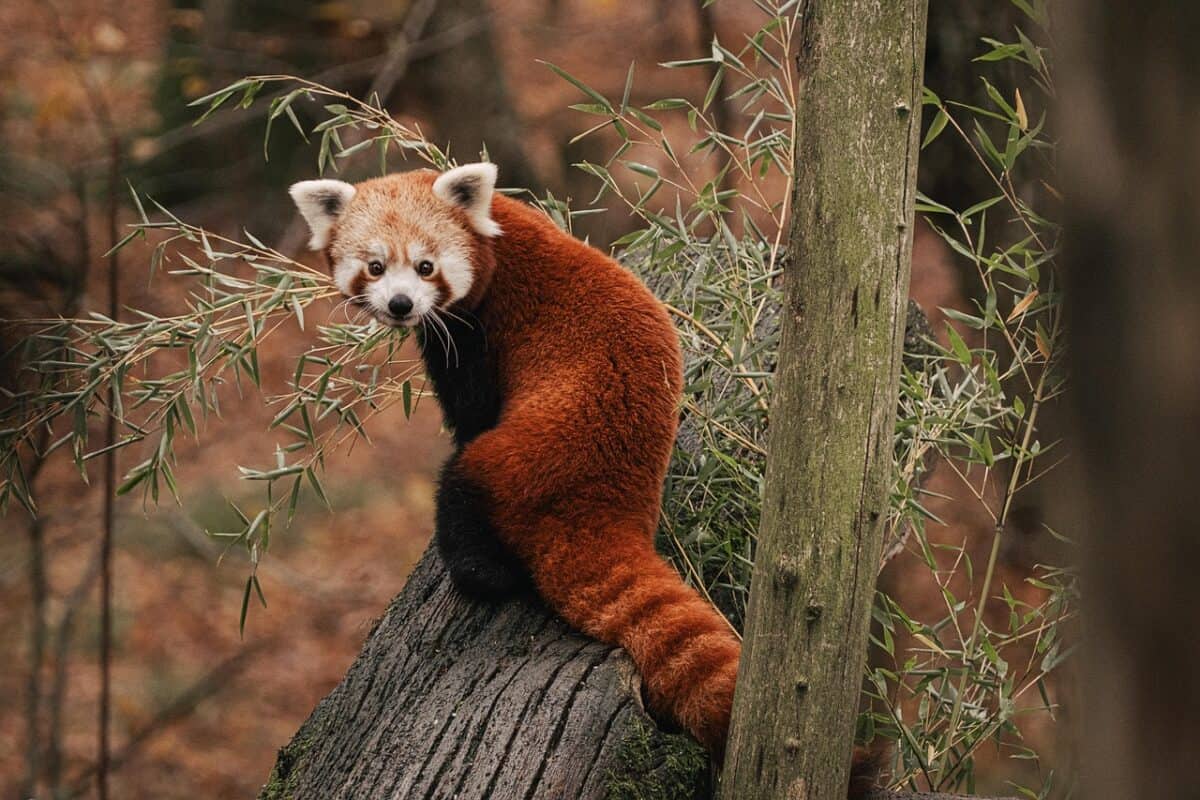
Both species’ obsession with bamboo represents one of nature’s most striking examples of convergent evolution. Living in the same mountainous regions of Asia, both red pandas and giant pandas independently evolved to exploit the abundant bamboo resources available in their shared habitat. However, their approaches to bamboo consumption reveal crucial differences in their biology.
Red pandas are more efficient bamboo processors, able to digest up to 24% of the bamboo they consume compared to giant pandas’ measly 8%. This efficiency difference reflects their distinct evolutionary paths and digestive adaptations. Red pandas also supplement their diet with insects, bird eggs, and small mammals, while giant pandas remain almost exclusively bamboo-dependent.
DNA Evidence Shattered the Relationship Myth
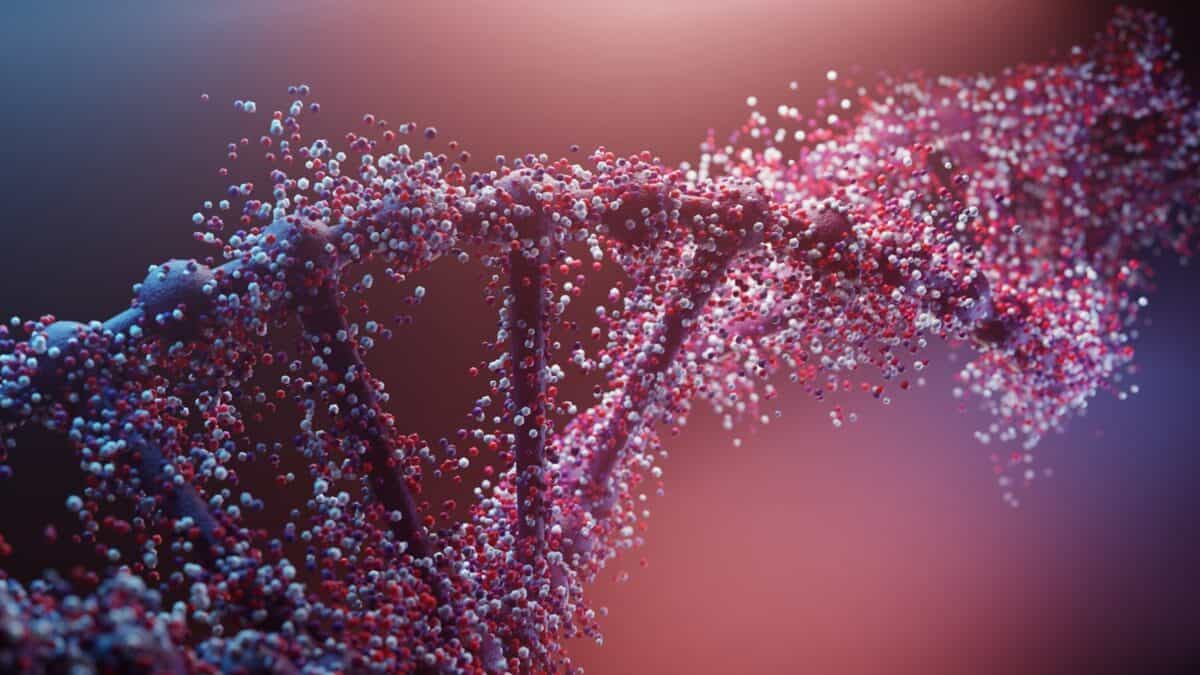
The advent of genetic sequencing technology in the 1980s and 1990s finally put the panda relationship debate to rest. Molecular analysis revealed that red pandas and giant pandas last shared a common ancestor approximately 43 million years ago, long before either species developed their bamboo-eating specializations. This genetic distance is equivalent to the gap between cats and dogs.
Comprehensive phylogenetic studies have consistently placed red pandas in the superfamily Musteloidea alongside raccoons, weasels, and otters. Meanwhile, giant pandas firmly belong to Ursoidea with other bear species. The genetic evidence is so conclusive that modern taxonomists consider any claimed relationship between the two species to be scientifically obsolete.
Physical Similarities Are Superficial at Best
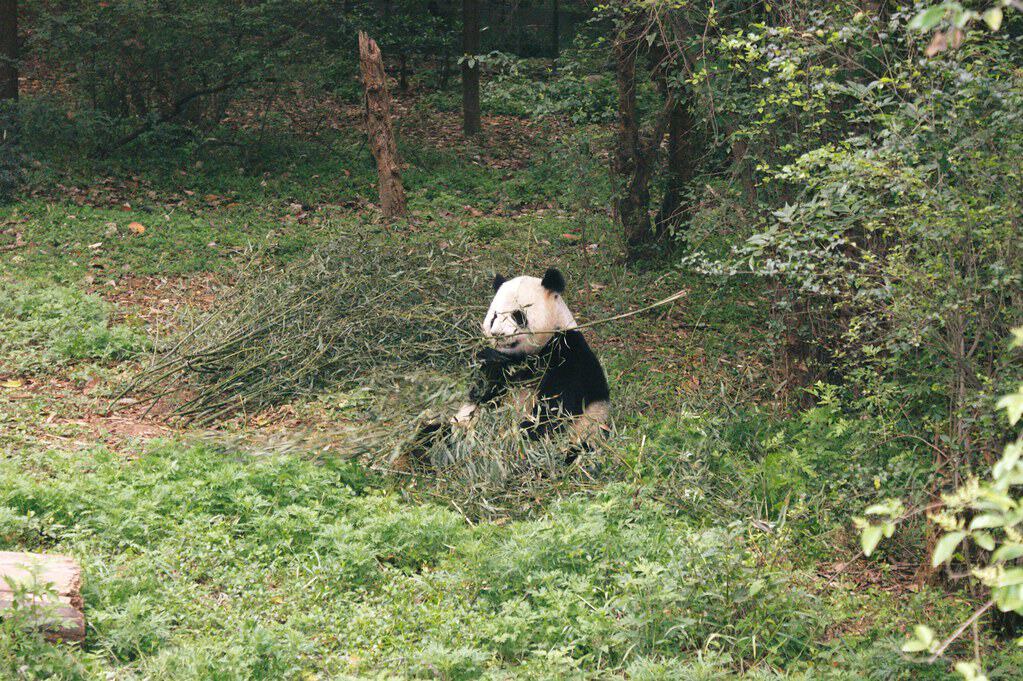
While both species sport that distinctive black-and-white facial pattern, their physical similarities end there. Red pandas typically weigh between 7-14 pounds, making them roughly the size of a domestic cat. Giant pandas, weighing 220-330 pounds, are roughly 20 times heavier and belong to an entirely different size category.
Their body proportions, bone structure, and muscle distribution patterns reflect their distinct evolutionary histories. Red pandas have retractable claws adapted for tree climbing, while giant pandas have non-retractable claws better suited for ground-based bamboo manipulation. Even their famous “pseudo-thumbs” evolved independently and function quite differently despite serving similar purposes.
Behavioral Differences Reveal Evolutionary Divergence
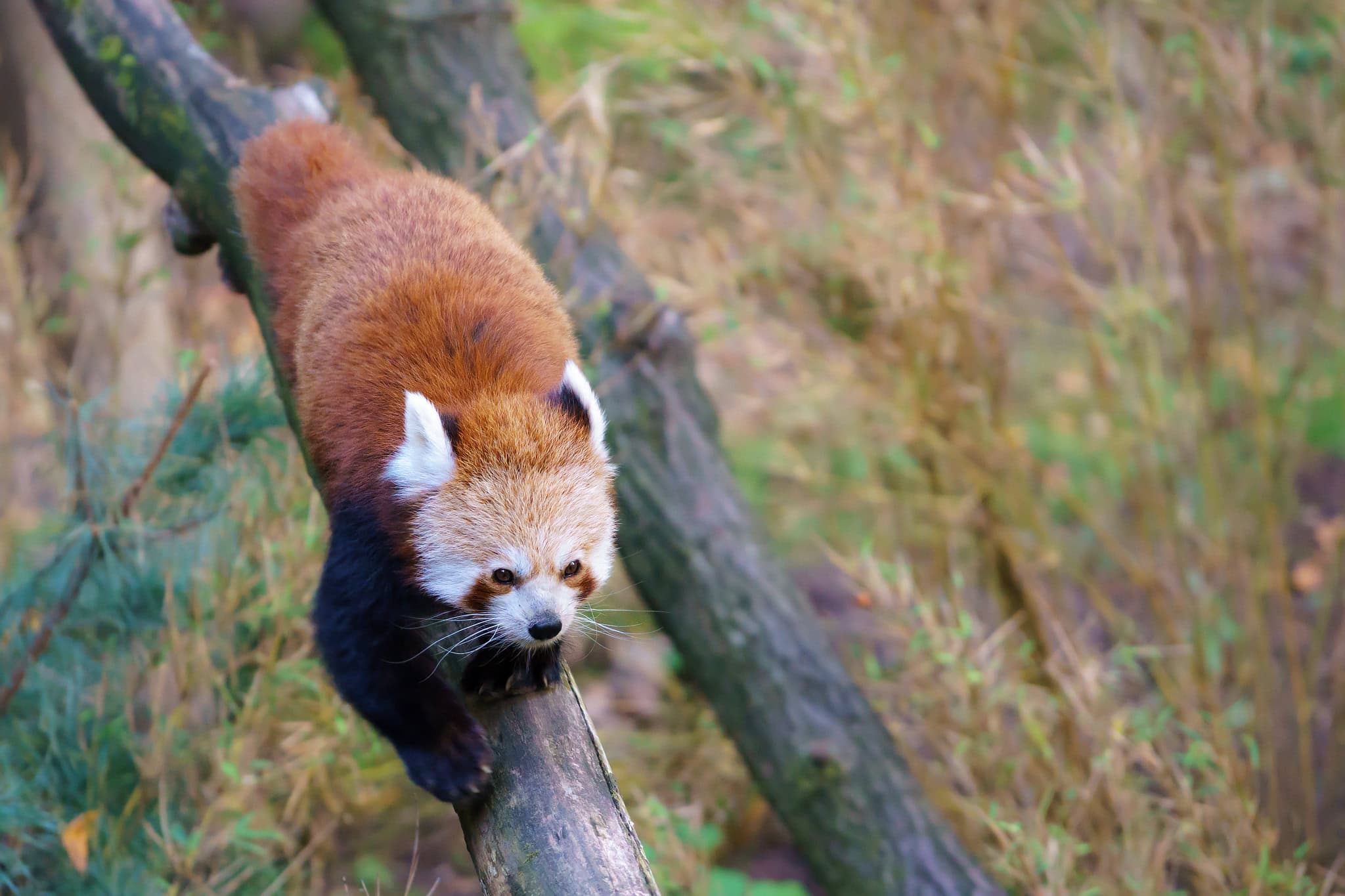
Red pandas are primarily arboreal creatures, spending most of their lives in trees and exhibiting excellent climbing abilities. They’re also more active during dawn and dusk, displaying typical carnivoran behavior patterns. Giant pandas, conversely, are terrestrial animals that spend their days on the ground, with limited climbing abilities restricted to younger individuals.
Social structures also differ dramatically between the species. Red pandas maintain complex scent-marking territories and engage in elaborate courtship rituals involving acrobatic displays. Giant pandas have simpler social interactions and rely heavily on vocal communication rather than the visual displays preferred by red pandas.
Reproductive Biology Tells a Different Story
The reproductive cycles of red pandas and giant pandas follow completely different patterns, reflecting their distinct evolutionary backgrounds. Red pandas have a gestation period of about 135 days and typically give birth to 1-4 cubs, though twins are most common. Their reproductive timing is closely linked to bamboo growth cycles and seasonal food availability.
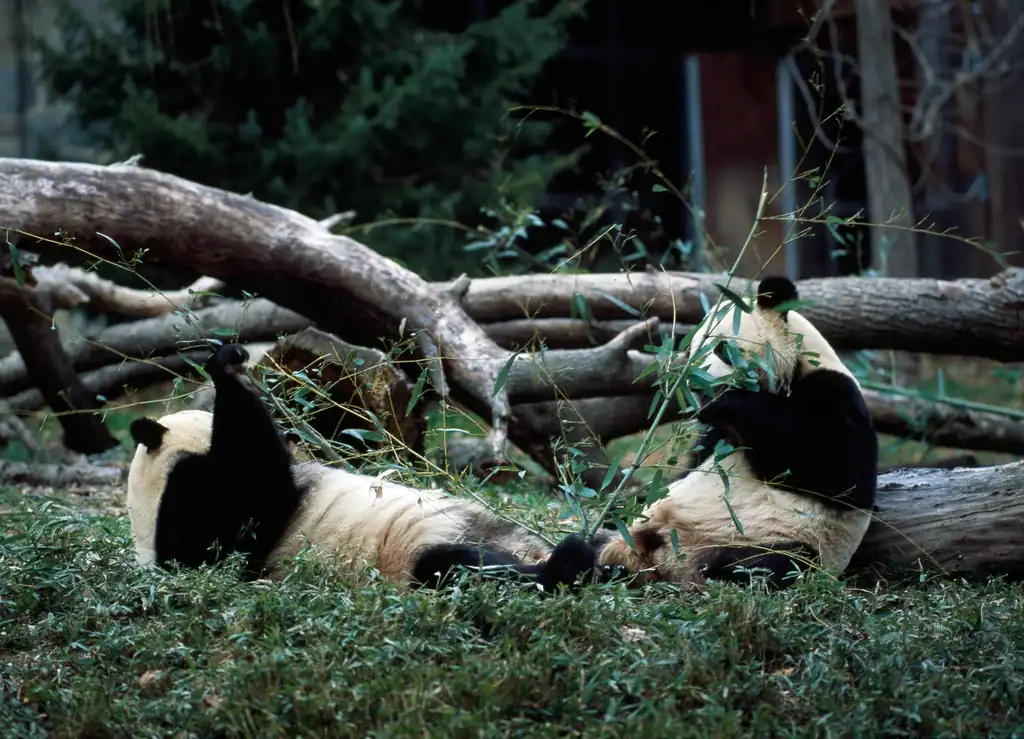
Giant pandas have a much shorter gestation period of only 95-160 days due to delayed implantation, and almost always give birth to just one or two cubs. Their reproductive success rates are notoriously low, with mothers often unable to care for multiple offspring. These fundamental differences in reproductive biology underscore their separate evolutionary paths.
Geographic Distribution Patterns Differ Significantly

While both species inhabit Asian mountain regions, their historical and current distributions tell different stories. Red pandas once ranged across a much broader territory, from the Himalayas to southern China, and even into Myanmar and northern India. Their current range has shrunk dramatically due to habitat loss, but they still maintain populations across multiple countries.
Giant pandas have always had a more restricted range, primarily limited to specific mountain ranges in central China. Their distribution has been fragmented into isolated populations, with most wild giant pandas concentrated in Sichuan, Shaanxi, and Gansu provinces. This geographic isolation has shaped their evolution differently than the more widely distributed red pandas.
Fossil Records Reveal Separate Evolutionary Paths

Paleontological evidence provides compelling support for the independent evolution of red pandas and giant pandas. Red panda fossils have been discovered across Europe, Asia, and North America, indicating their family once had a global distribution. The oldest known red panda ancestor, Pristinailurus bristoli, lived approximately 25 million years ago in Europe.
Giant panda fossils, however, show a more localized evolutionary history centered in Asia. The earliest giant panda ancestors appeared around 8 million years ago, making them relative newcomers compared to red pandas’ ancient lineage. Fossil evidence clearly demonstrates that these species evolved their bamboo-eating adaptations independently and at different times.
Digestive System Adaptations Evolved Independently

Both species face the same fundamental challenge: extracting nutrition from bamboo, which is notoriously difficult to digest. However, their digestive solutions evolved through completely different pathways. Red pandas have retained more of their carnivorous digestive traits while developing specialized gut bacteria to process cellulose more efficiently.
Giant pandas took a different approach, developing an extended digestive tract and spending up to 14 hours daily eating to compensate for their inefficient bamboo processing. Their digestive system still resembles that of other bears, with modifications for handling plant matter. These distinct digestive strategies highlight how unrelated species can independently solve similar environmental challenges.
Conservation Status Reflects Different Threats

The conservation challenges facing red pandas and giant pandas stem from different sources, reflecting their distinct ecological roles and evolutionary histories. Red pandas are classified as Endangered, with fewer than 10,000 individuals remaining in the wild. Their primary threats include habitat fragmentation, human encroachment, and the illegal pet trade.
Giant pandas, while still vulnerable, have seen their conservation status improve from Endangered to Vulnerable due to intensive Chinese conservation efforts. Their population has stabilized at around 1,864 individuals in the wild, but they remain dependent on continuous habitat protection and management. The different conservation approaches required for each species underscore their unique ecological needs and evolutionary backgrounds.
Molecular Clock Analysis Confirms Ancient Divergence
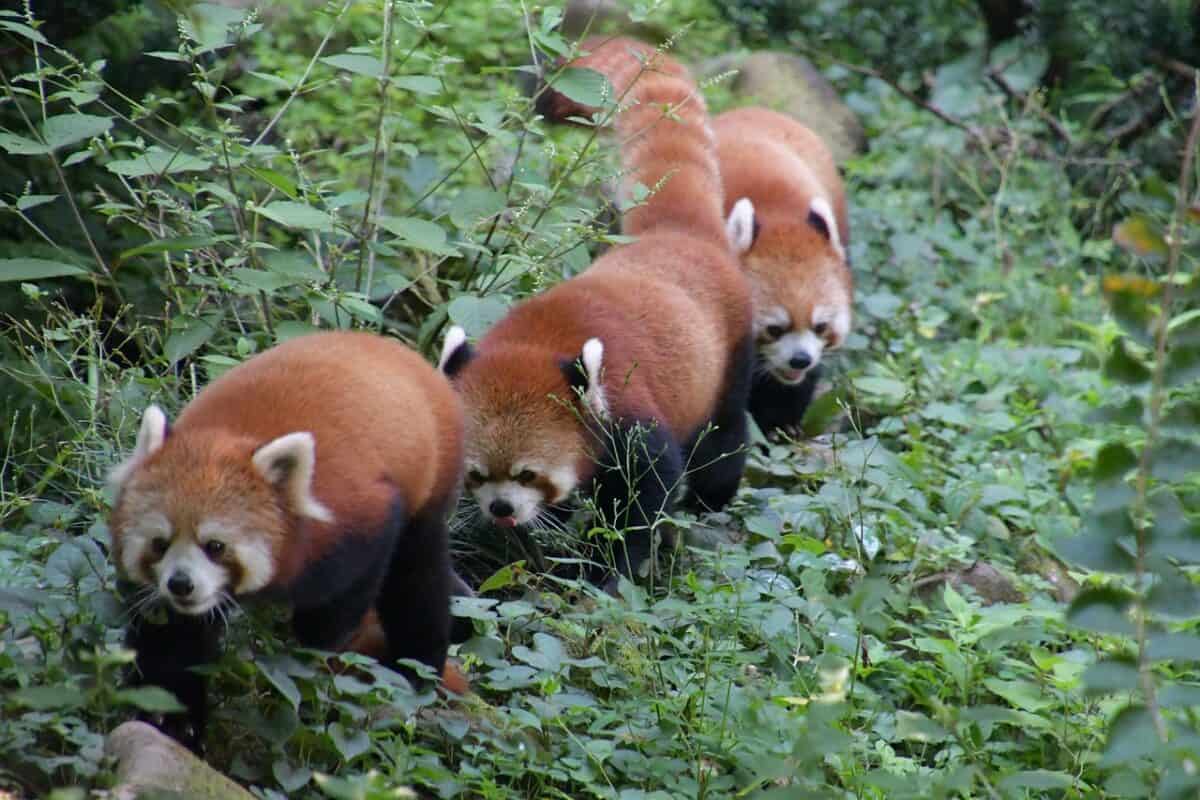
Advanced molecular clock techniques have allowed scientists to pinpoint exactly when red pandas and giant pandas diverged from their common ancestor. These sophisticated analyses examine mutation rates in DNA sequences to estimate evolutionary timelines. The results consistently show that any relationship between the two species dates back to the early Eocene epoch, approximately 43 million years ago.
This ancient divergence occurred long before either species developed their characteristic bamboo-eating lifestyle or distinctive physical features. The molecular evidence is so robust that it has replaced all previous morphological classifications that suggested a closer relationship. Modern phylogenetic trees place these species in completely separate branches of the mammalian family tree.
Convergent Evolution Explains the Similarities
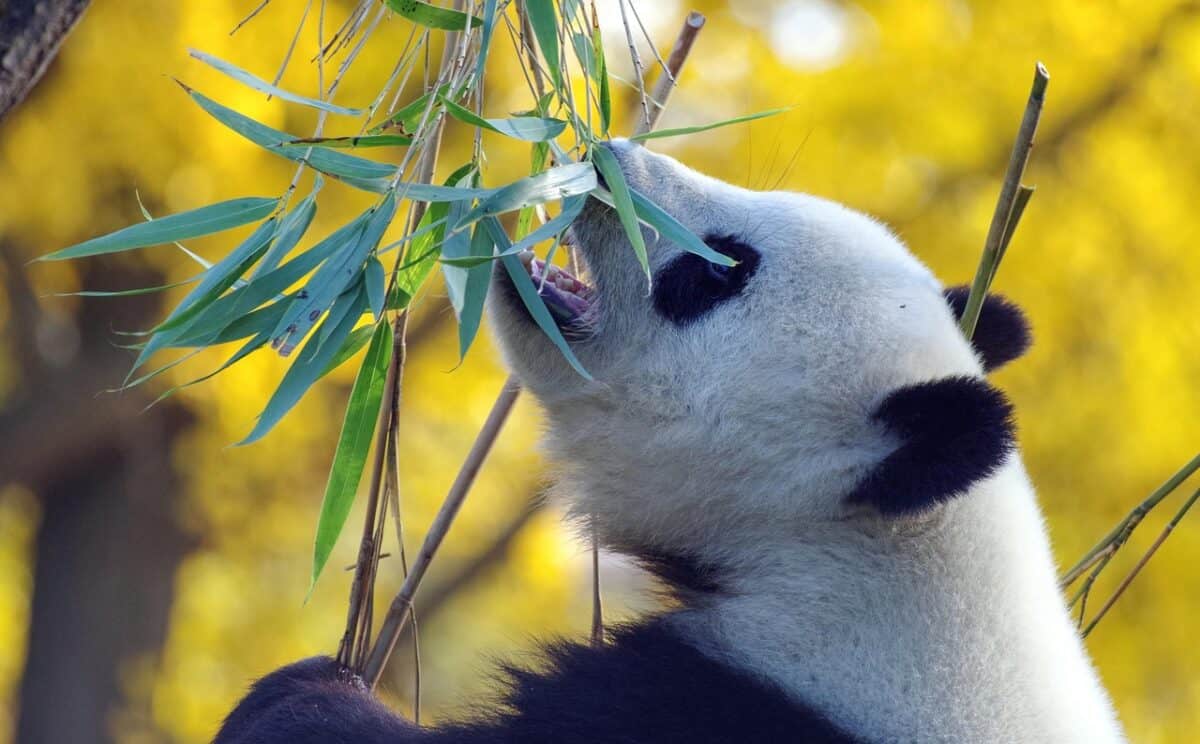
The remarkable similarities between red pandas and giant pandas represent a textbook example of convergent evolution, where unrelated species develop similar traits in response to comparable environmental pressures. Both species evolved in bamboo-rich mountain habitats and independently developed adaptations for processing this abundant but difficult-to-digest food source.
Their shared facial markings, pseudo-thumbs, and dietary preferences resulted from similar selective pressures rather than inherited traits from a common ancestor. This convergent evolution is so convincing that it fooled scientists for over a century. Understanding this process helps explain why nature sometimes creates such striking similarities between completely unrelated species.
Scientific Classification Reflects True Relationships

Modern taxonomic classification clearly separates red pandas and giant pandas into distinct groups based on their evolutionary relationships. Red pandas belong to the order Carnivora, superfamily Musteloidea, and family Ailuridae. Giant pandas are classified in the same order but belong to superfamily Ursoidea and family Ursidae.
This classification system reflects decades of genetic research and phylogenetic analysis. The taxonomic separation ensures that conservation efforts, breeding programs, and research initiatives are properly targeted to each species’ unique needs. Scientific naming conventions now emphasize their true evolutionary relationships rather than superficial similarities.
Genetic Studies Continue to Reveal New Insights

Ongoing genetic research continues to deepen our understanding of both species’ evolutionary histories. Recent genome sequencing projects have revealed specific genetic adaptations that allowed each species to exploit bamboo resources. These studies show that red pandas and giant pandas developed different genetic mechanisms for producing enzymes capable of breaking down cellulose.
Advanced genetic analysis has also revealed that red pandas have lower genetic diversity than giant pandas, making them more vulnerable to environmental changes and disease. This genetic insight has important implications for conservation strategies and breeding programs. Scientists continue to discover new genetic markers that further confirm the independent evolution of these remarkable species.
Ecological Roles Demonstrate Evolutionary Differences
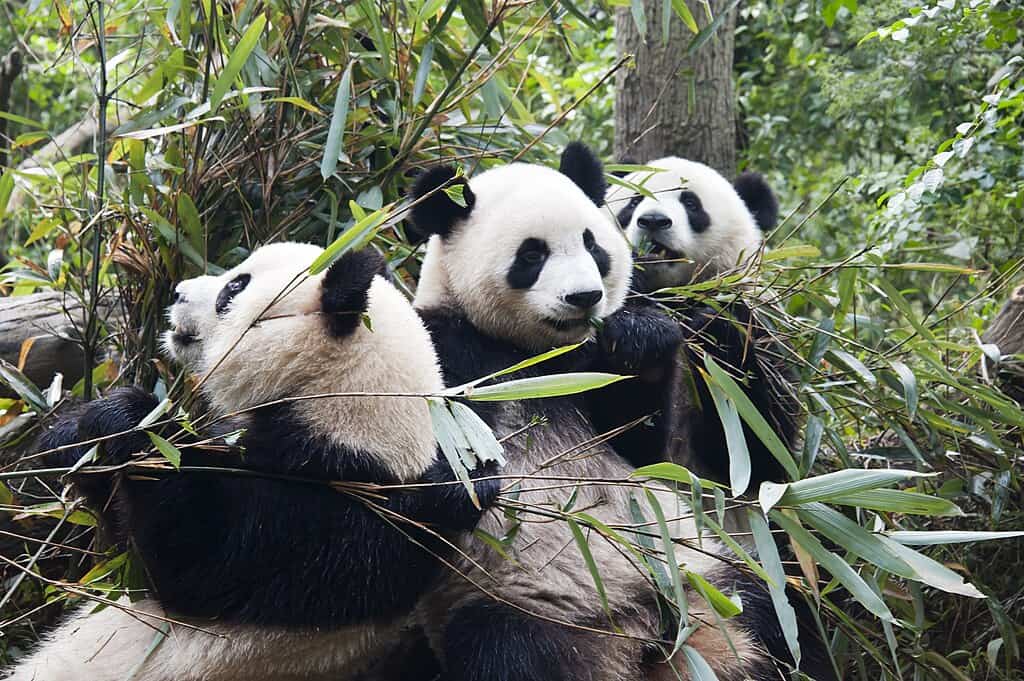
Red pandas and giant pandas occupy different ecological niches despite sharing similar habitats, reflecting their distinct evolutionary adaptations. Red pandas serve as seed dispersers and help maintain forest biodiversity through their varied diet and arboreal lifestyle. They play a crucial role in connecting different forest layers and maintaining ecosystem balance.
Giant pandas function primarily as bamboo population controllers, preventing any single bamboo species from dominating their habitat. Their feeding patterns create clearings that benefit other plant species and maintain forest diversity. These different ecological roles demonstrate how evolution has shaped each species to fill unique environmental functions despite their superficial similarities.
Modern Research Techniques Confirm Independence

Contemporary research methods including proteomics, metabolomics, and advanced imaging techniques continue to reveal fundamental differences between red pandas and giant pandas. Protein analysis shows that their digestive enzymes evolved through different pathways, while metabolic studies demonstrate distinct energy processing strategies.
Brain imaging studies have revealed different neural structures related to food processing and spatial navigation, reflecting their arboreal versus terrestrial lifestyles. These cutting-edge research techniques provide ever-more detailed evidence of their independent evolutionary paths. Each new study adds another layer of confirmation that these species developed their similarities through convergent evolution rather than shared ancestry.
Educational Impact of Understanding True Relationships
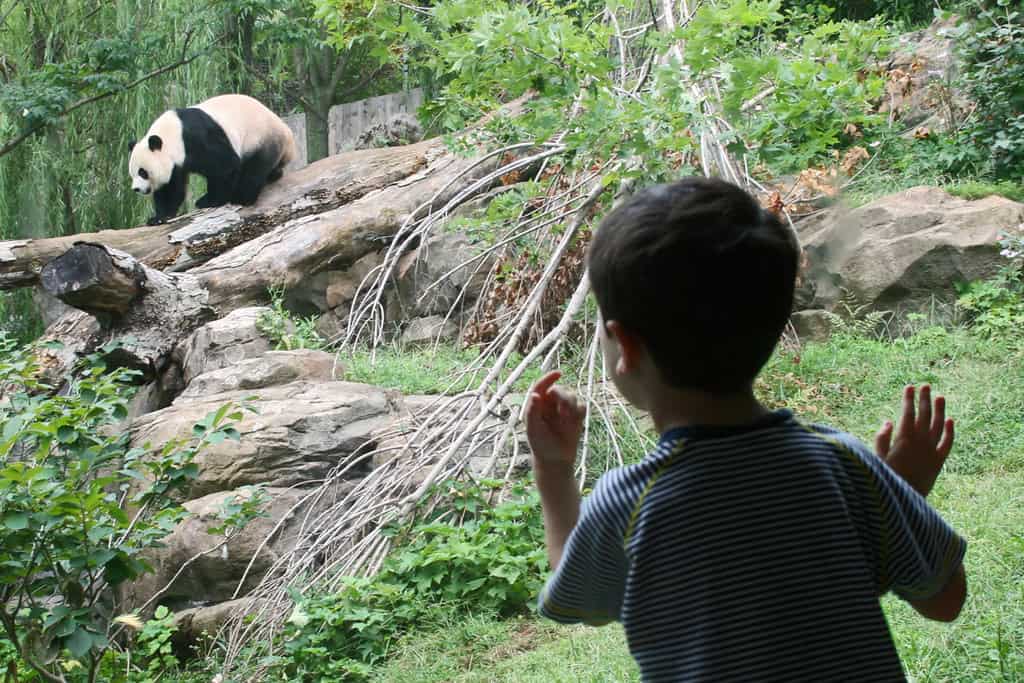
Correctly understanding the relationship between red pandas and giant pandas has profound educational value, teaching us about the complexity of evolutionary biology and the importance of genetic evidence in classification. This knowledge helps people appreciate how evolution can create remarkable similarities between unrelated species while also highlighting the unique evolutionary journey each species has taken.
Educational programs that accurately present these relationships help combat misconceptions and promote scientific literacy. Museums, zoos, and conservation organizations now emphasize the independent evolution of these species, helping visitors understand the fascinating process of convergent evolution. This accurate education supports better conservation awareness and helps people appreciate the distinct value of each species.
Conclusion
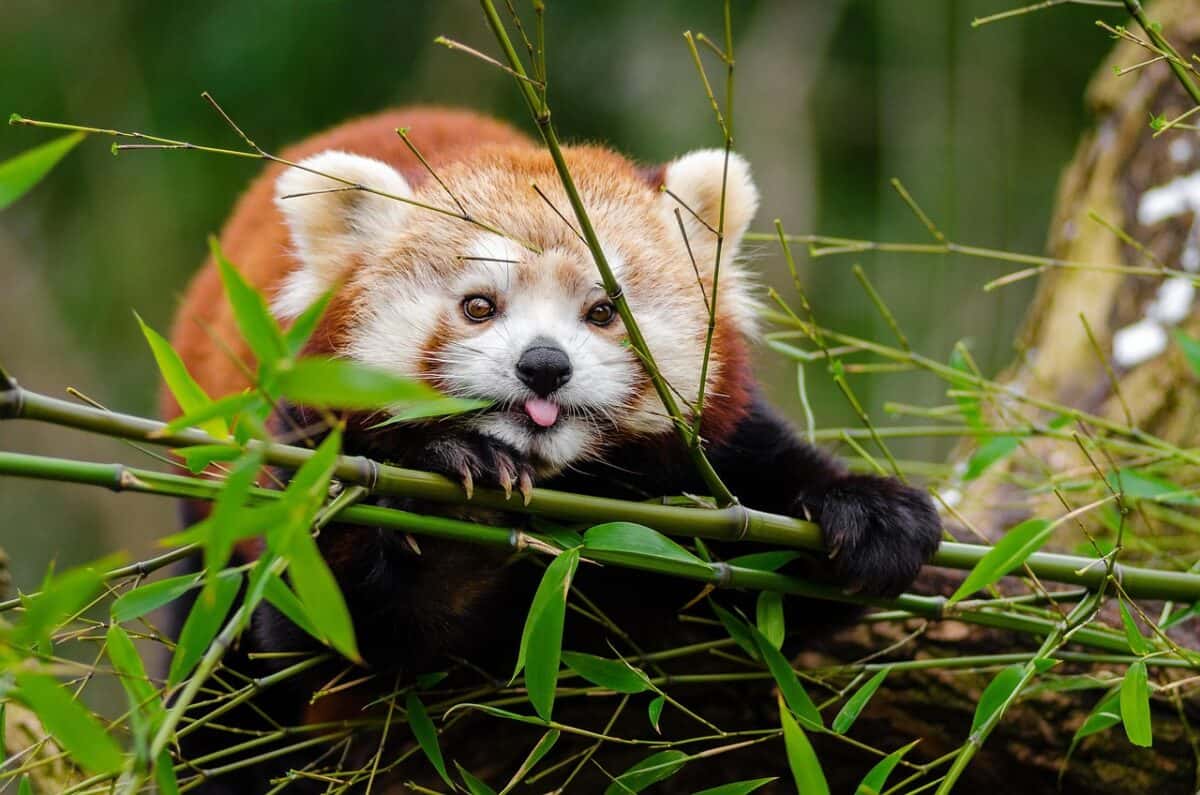
The story of red pandas and giant pandas serves as a powerful reminder that evolution is far more creative and complex than we might initially imagine. These two beloved species, despite sharing a name and an unusual dietary preference, represent completely independent evolutionary experiments that happened to converge on similar solutions to environmental challenges. Their true relationship – or lack thereof – demonstrates how nature can craft the most convincing illusions, fooling even expert scientists for generations. Understanding their real evolutionary story doesn’t diminish their charm; instead, it reveals the remarkable ingenuity of evolution in creating such perfect mimicry between unrelated species. What other “obvious” relationships in nature might actually be elaborate evolutionary coincidences waiting to be discovered?

- How Accurate Is the Wolf Behavior in Twilight and Game of Thrones? - July 28, 2026
- Spiders of the Amazon Rainforest: Fierce and Fascinating - July 28, 2026
- From Babe to Babe 2: What’s Life Like for Real Farm Animals? - July 27, 2026