
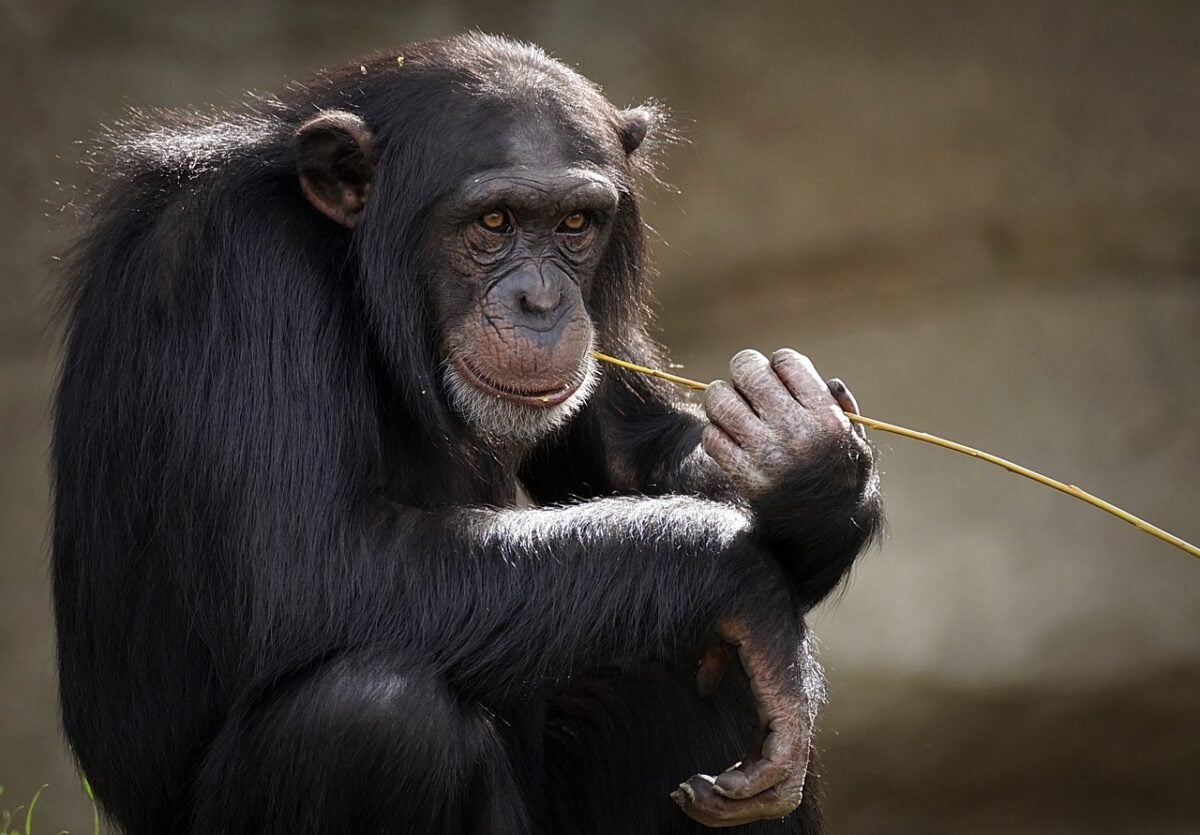
Imagine a world where animals not only react to their immediate surroundings but also anticipate future events, crafting strategies that involve multiple steps to achieve their goals. This level of foresight, once thought to be uniquely human, has been observed in various species, challenging our understanding of animal intelligence. Let’s delve into the fascinating behaviors of 12 animals that have demonstrated the ability to plan ahead.
New Caledonian Crows: Master Tool Users
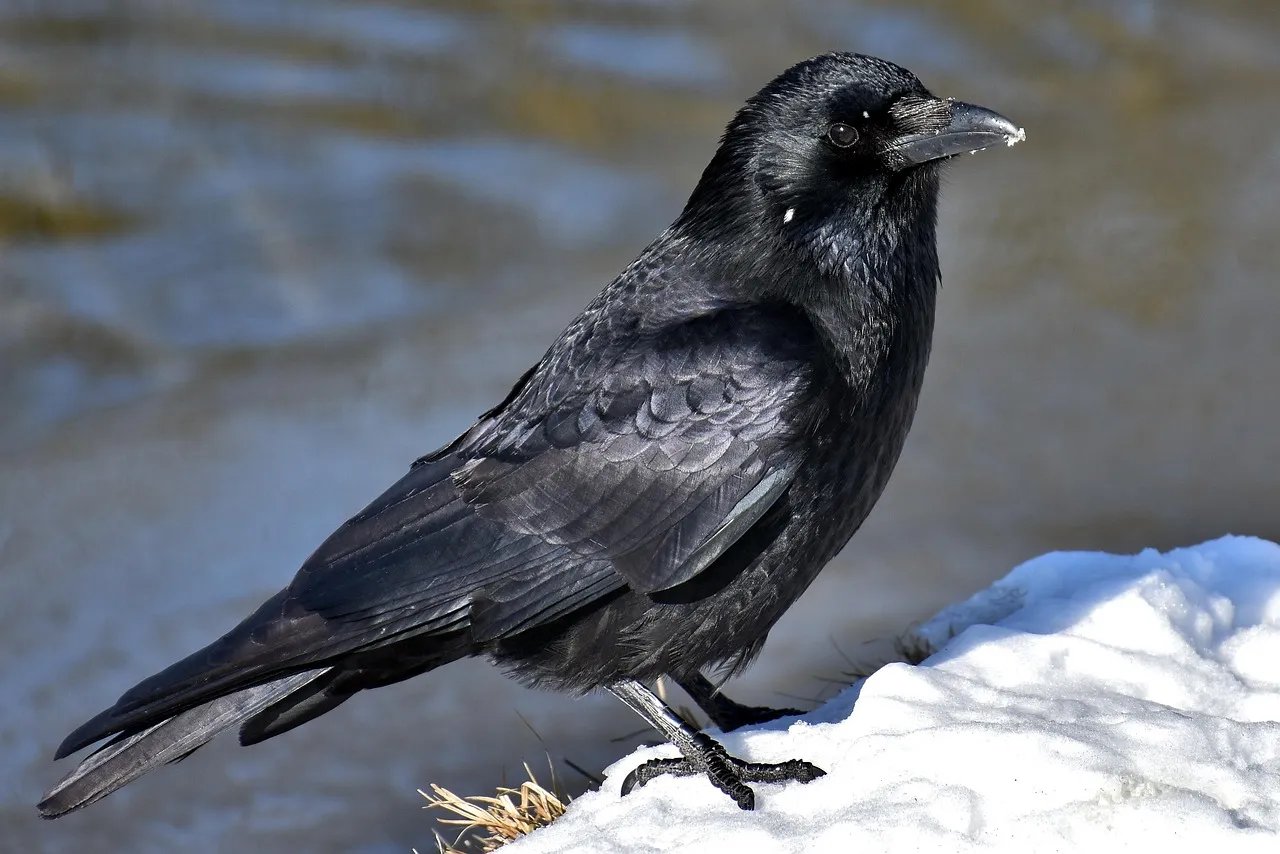
New Caledonian crows have astounded researchers with their sophisticated use of tools. In controlled experiments, these crows have been observed planning up to three steps ahead to retrieve food. They use sticks to extract stones from tubes, which are then used to trigger mechanisms releasing treats. This sequential tool use indicates a level of cognitive planning comparable to that of a chess player strategizing several moves in advance.
Such behaviors suggest that these crows possess a mental representation of the tasks at hand, allowing them to visualize and execute complex sequences without immediate rewards. This challenges the notion that advanced planning is exclusive to humans and highlights the remarkable intelligence of these birds.
Western Scrub Jays: Future Food Strategists
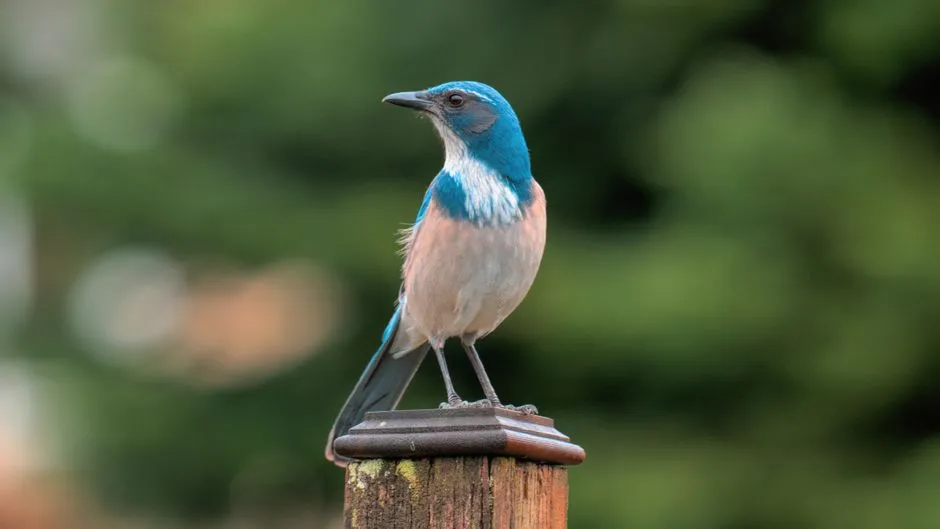
Western scrub jays exhibit an impressive ability to plan for future needs. Studies have shown that these birds cache food in locations where they anticipate being hungry the next day, even if they are not currently in need. This behavior indicates an understanding of future states and the ability to act accordingly, a trait once believed to be uniquely human.
Moreover, scrub jays have been observed re-caching food if they believe other birds have seen their initial hiding spots, suggesting a level of social intelligence and foresight in protecting their resources. This complex behavior underscores the cognitive capabilities of these avian planners.
Ravens: Tactical Problem Solvers
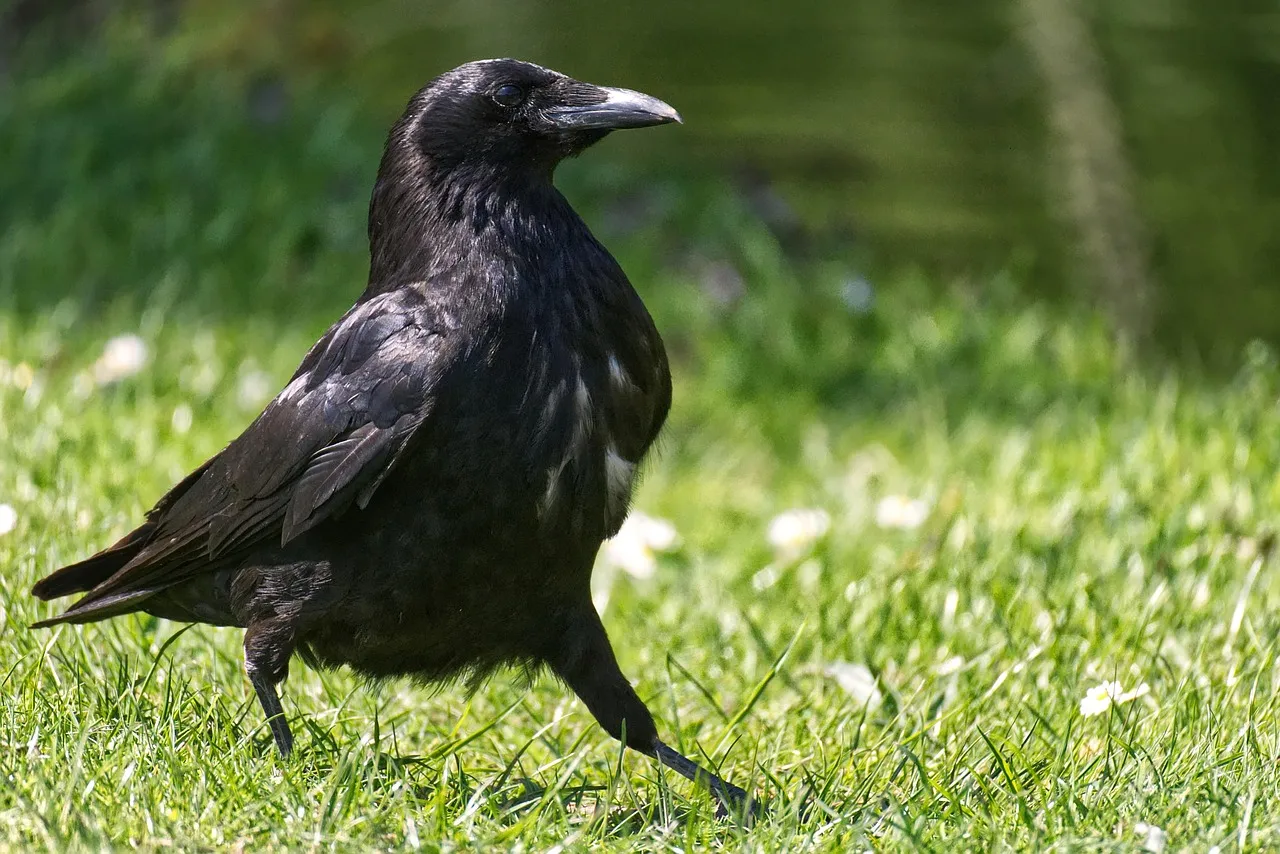
Ravens have demonstrated the ability to plan for future tool use, a behavior that showcases their advanced cognitive skills. In experiments, ravens were trained to use a specific tool to obtain a reward. When presented with the tool and other objects, they consistently selected the correct tool, even when the reward was not immediately accessible. This indicates an understanding of future needs and the ability to plan actions accordingly.
This behavior suggests that ravens can anticipate future scenarios and make decisions that benefit them in the long term, highlighting their sophisticated problem-solving abilities.
Chimpanzees: Forward-Thinking Foragers
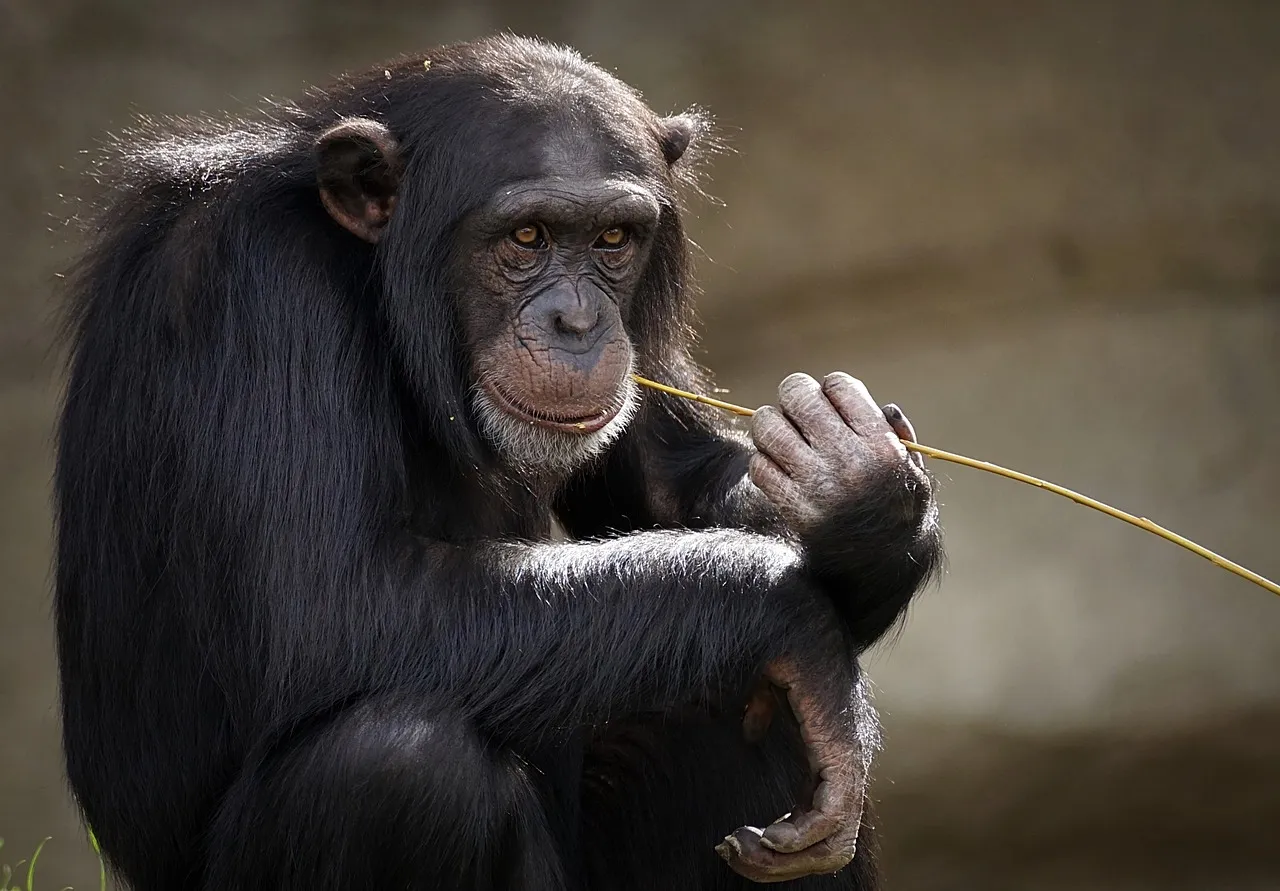
Chimpanzees have exhibited behaviors that indicate the ability to plan for future needs. In studies, they have been observed selecting and transporting tools that will be needed for future tasks, even when those tasks are not immediately present. This behavior suggests an understanding of future requirements and the ability to prepare in advance.
Such actions demonstrate that chimpanzees possess a level of foresight and planning, challenging the notion that these cognitive abilities are uniquely human.
Orangutans: Anticipatory Tool Users
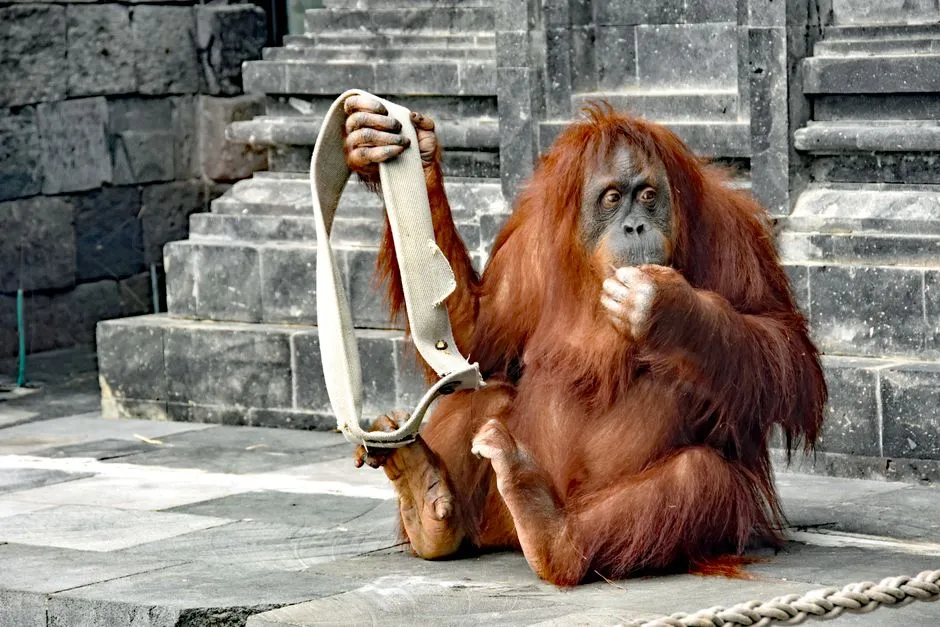
Orangutans have shown the ability to plan for future tool use. In experiments, they have been observed selecting and saving tools that will be needed for tasks in the future, even when those tasks are not immediately present. This behavior indicates an understanding of future needs and the ability to prepare accordingly.
This anticipatory behavior highlights the advanced cognitive abilities of orangutans and their capacity for future planning.
Bonobos: Strategic Thinkers
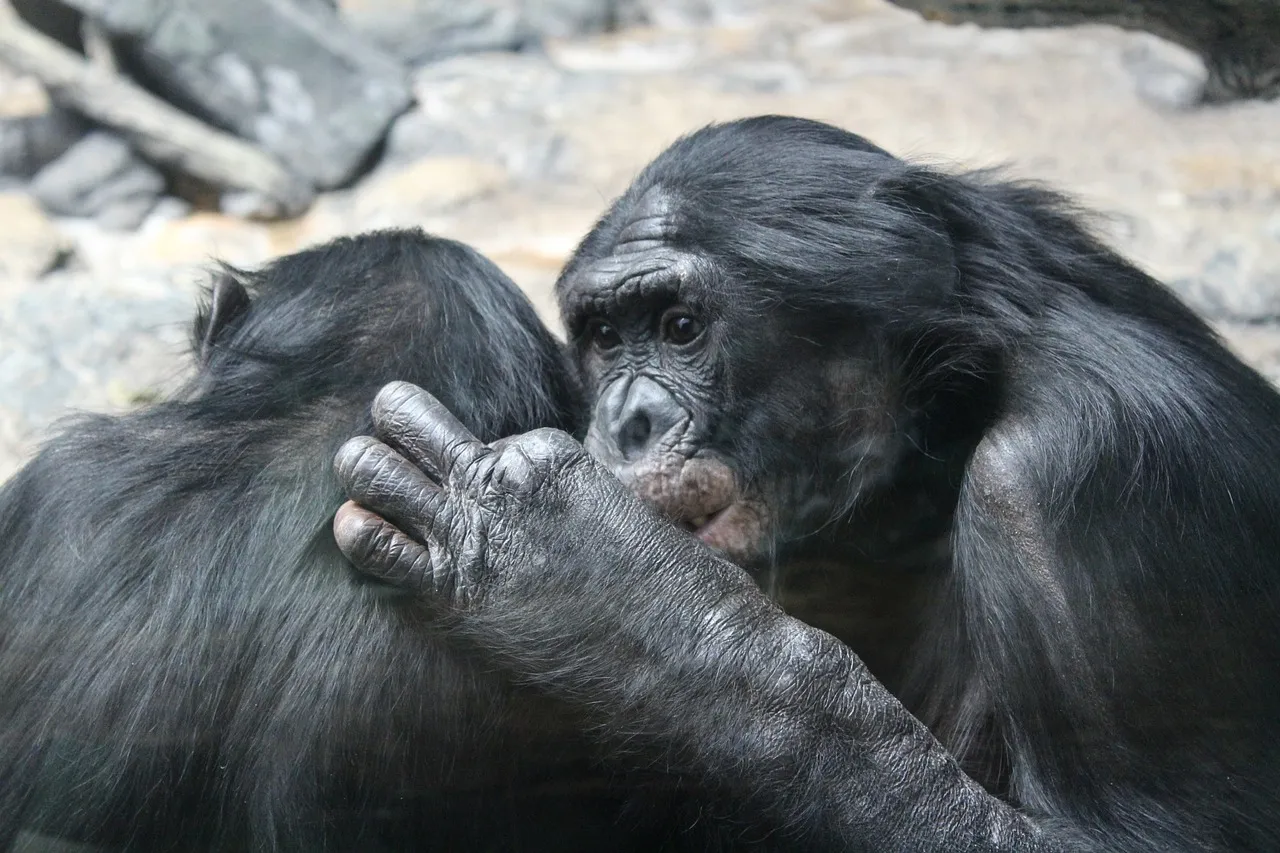
Bonobos have demonstrated the ability to plan for future tool use. In studies, they have been observed selecting and transporting tools that will be needed for future tasks, even when those tasks are not immediately present. This behavior suggests an understanding of future requirements and the ability to prepare in advance.
Such actions indicate that bonobos possess a level of foresight and planning, challenging the notion that these cognitive abilities are uniquely human.
Capuchin Monkeys: Sequential Problem Solvers
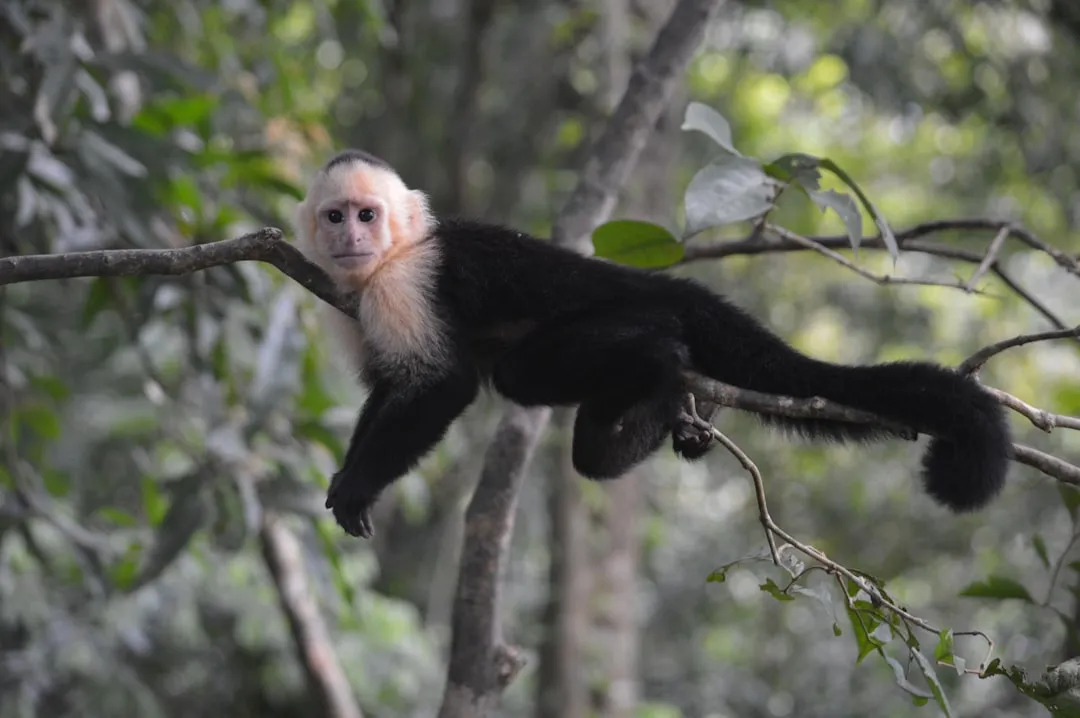
Capuchin monkeys have exhibited the ability to plan sequences of actions to achieve a goal. In experiments, they have been observed selecting and executing a series of actions in a specific order to obtain a reward. This behavior indicates an understanding of the steps needed to achieve a future goal and the ability to plan accordingly.
This sequential problem-solving ability highlights the advanced cognitive skills of capuchin monkeys and their capacity for future planning.
Scrub Jays: Food Caching Strategists
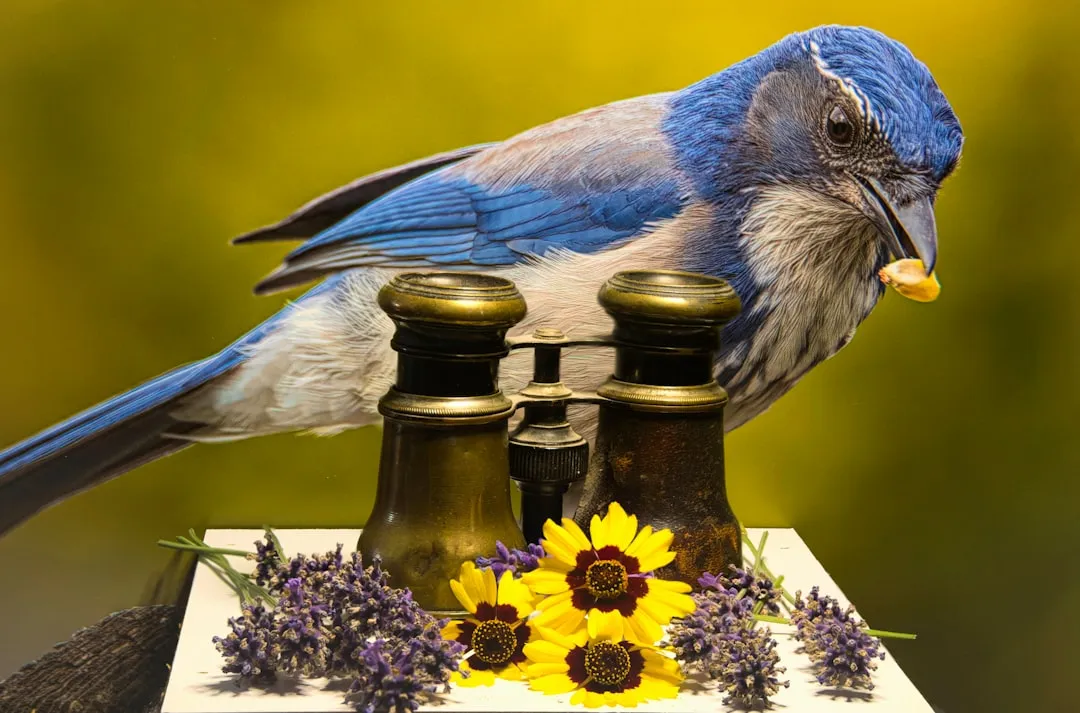
Scrub jays have demonstrated the ability to plan for future food needs. In studies, they have been observed caching food in locations where they anticipate being hungry the next day, even if they are not currently in need. This behavior indicates an understanding of future states and the ability to act accordingly.
Moreover, scrub jays have been observed re-caching food if they believe other birds have seen their initial hiding spots, suggesting a level of social intelligence and foresight in protecting their resources.
Ravens: Tool Selection for Future Use
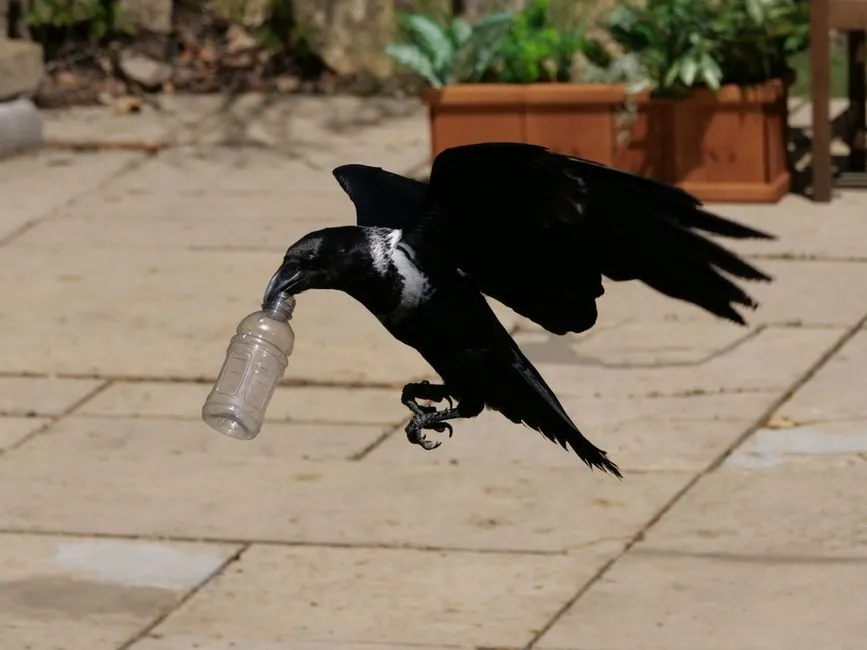
Ravens have demonstrated the ability to plan for future tool use. In experiments, they have been observed selecting and saving tools that will be needed for tasks in the future, even when those tasks are not immediately present. This behavior indicates an understanding of future needs and the ability to prepare accordingly.
This anticipatory behavior highlights the advanced cognitive abilities of ravens and their capacity for future planning.
Chimpanzees: Tool Transport for Future Use
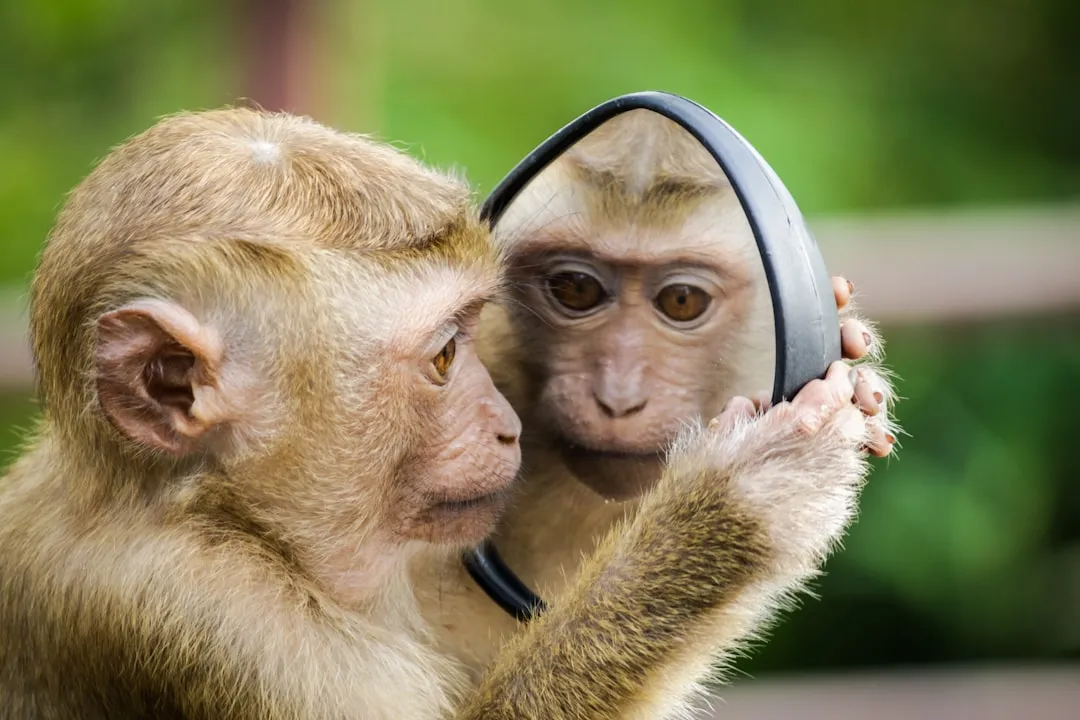
Chimpanzees have exhibited behaviors that indicate the ability to plan for future needs. In studies, they have been observed selecting and transporting tools that will be needed for future tasks, even when those tasks are not immediately present. This behavior suggests an understanding of future requirements and the ability to prepare in advance.
Such actions demonstrate that chimpanzees possess a level of foresight and planning, challenging the notion that these cognitive abilities are

- 8 Animals Once Listed in Ancient Sources as Mythology That Turned Out to Be Real When Specimens Were Finally Collected - July 15, 2026
- 11 Deep-Sea Animals So Structurally Different That Biologists Had to Create New Classifications for Them - July 15, 2026
- 7 Animals That Seek Out and Self-Medicate With Specific Plants – and the Question of How They Learned Which Ones Work - July 15, 2026