

Picture this: your four-legged sidekick sticking their snout into the wind, their tail wagging with pure excitement as endless highways stretch ahead. Road trips with dogs aren’t just adventures – they’re opportunities to create memories that’ll last a lifetime. Still, turning your car into a mobile paradise for both you and your pup requires more than just throwing their favorite toy in the backseat.
The difference between a disaster on wheels and the journey of a lifetime often comes down to preparation. Whether you’re planning a quick weekend getaway or a cross-country expedition, your furry companion’s safety, comfort, and happiness should be your top priority. Let’s dive into the essential strategies that’ll transform you into the ultimate road trip navigator for you and your canine co-pilot.
Invest in Proper Restraint Systems
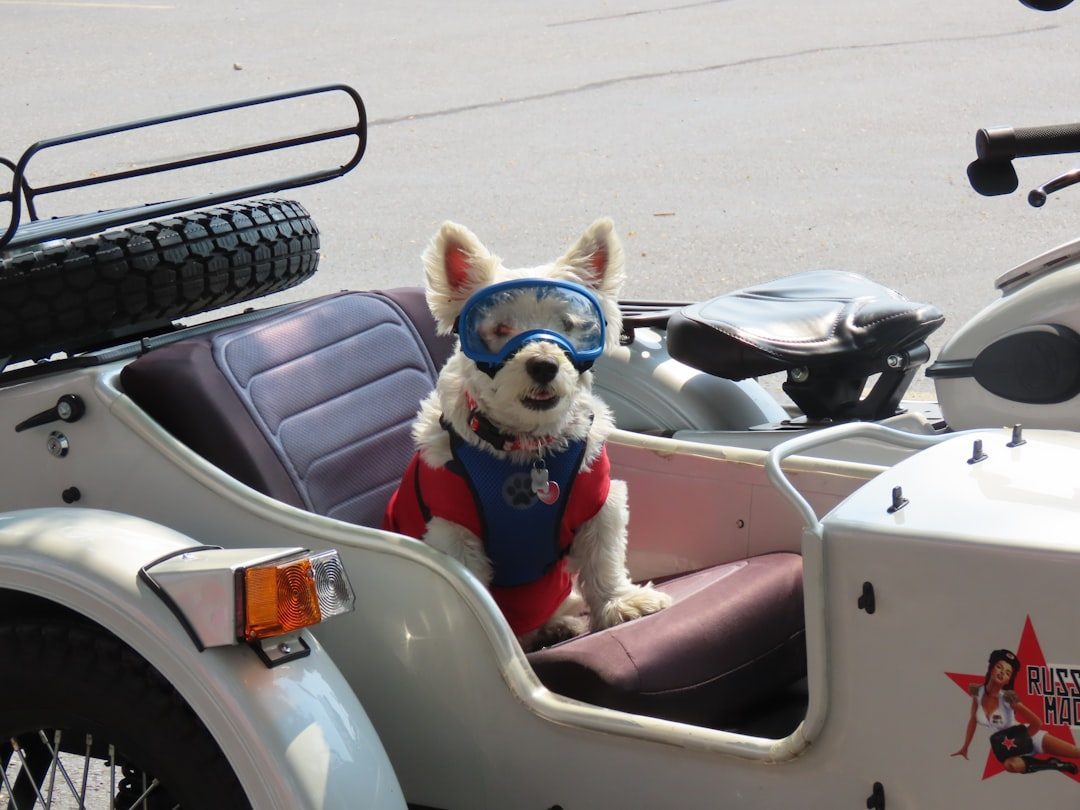
Safety comes first with road-tripping pets, use a crate or harness and never let them roam. It’s never a good idea to let pets roam free in a moving car. Snag a crate or a pet safety harness to protect your pets from trouble along the road. The statistics tell a sobering story – car accidents involving pets injure thousands of animals annually in the United States. Most of these injuries happen because dogs travel unrestrained in vehicles.
The Center for Pet Safety crash tests reveal a shocking truth: very few dog harnesses have passed their rigorous safety standards. Most pet restraints on the market fail catastrophically during accidents and turn into dangerous projectiles themselves. The Sleepypod Clickit Sport was among the first harnesses to pass testing, engineered to withstand significant crash forces during vehicle accidents. Your dog’s life might literally depend on choosing the right gear.
Research Pet-Friendly Accommodations in Advance
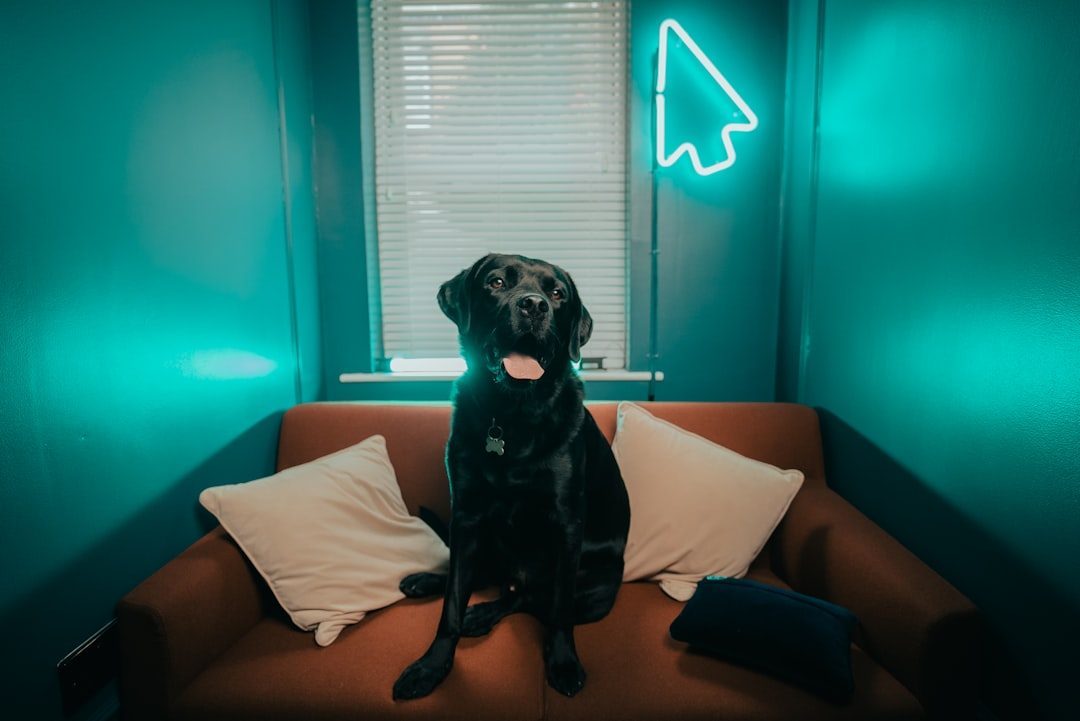
Planning ahead for dog-friendly hotels, campgrounds, and restaurants prevents surprises with pet fees, restrictions, or no-pet policies. Nothing ruins a perfect road trip faster than arriving at your destination only to discover they don’t welcome four-legged guests. Don’t wait until the last minute to book your stay. Dog-friendly rooms are limited at many pet-friendly hotels, so booking your stay in advance will give you access to the best selection.
Check out sites like Bring Fido or Pets Welcome to find overnight accommodations so you and your four-legged companion can get a restful night of sleep. Many hotels now offer special amenities for pets, from welcome treats to designated walking areas. The extra effort you put into researching will pay off when you’re checking into a place that actually wants your business – both human and canine.
Schedule Frequent Exercise and Bathroom Breaks
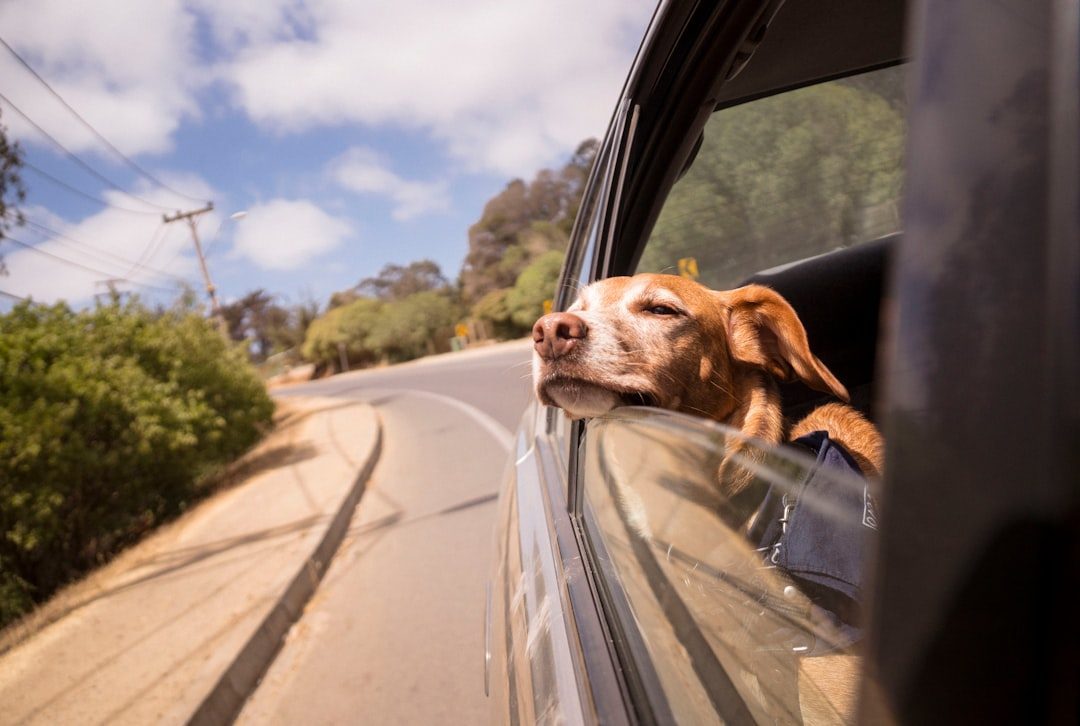
While on a long-distance road trip with your dog, you can expect to stop every three or four hours. However, your dog’s needs might differ based on their age, size, and health. How often you stop on a road trip with your dog depends on age, size, and health. Very young and very old dogs, along with those with some types of medical conditions, will have to stop more frequently. Smaller dogs will also need to take more potty breaks as their bladders are so small.
Your pet has more legs to stretch than you do. Plan extra stops to get them running around. Think of these breaks as mini-adventures rather than inconveniences. Some rest stops across the country also offer dog parks and fenced-in options to help your pet work off some pent-up energy. These moments can often become the highlight of your trip – watching your dog discover new smells and sights in unexpected places.
Pack Comprehensive Travel Supplies
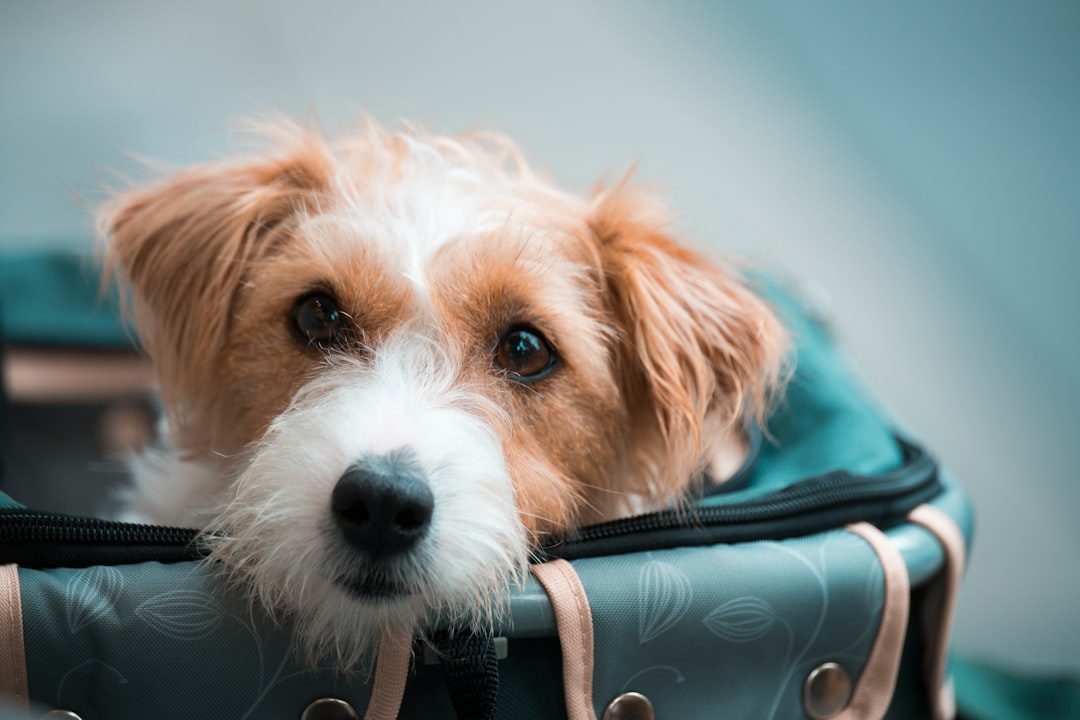
Packing your dog’s food and water, treats, medicine, toys, feeding bowls, poop bags, extra leashes, first aid kit, stain and odor removers, and other supplies will help keep you out of stores so you have more time for adventures. Creating a detailed checklist prevents those frustrating moments when you realize you’ve forgotten something crucial three hundred miles from home.
Treats are always important to keep on hand so you can reward all the behavior you want repeated, from settling nicely in the back seat, to bravely exploring a new hotel, to checking in with you on sniffy walks. Chews are also a good thing to pack, because they are perfect for helping your dog decompress in a new space. Chewing is relaxing and engaging for dogs, so it’s a great way to help them settle. Don’t underestimate the power of familiar comfort items – they can transform a stressful situation into a manageable one.
Exercise Your Dog Before Departure
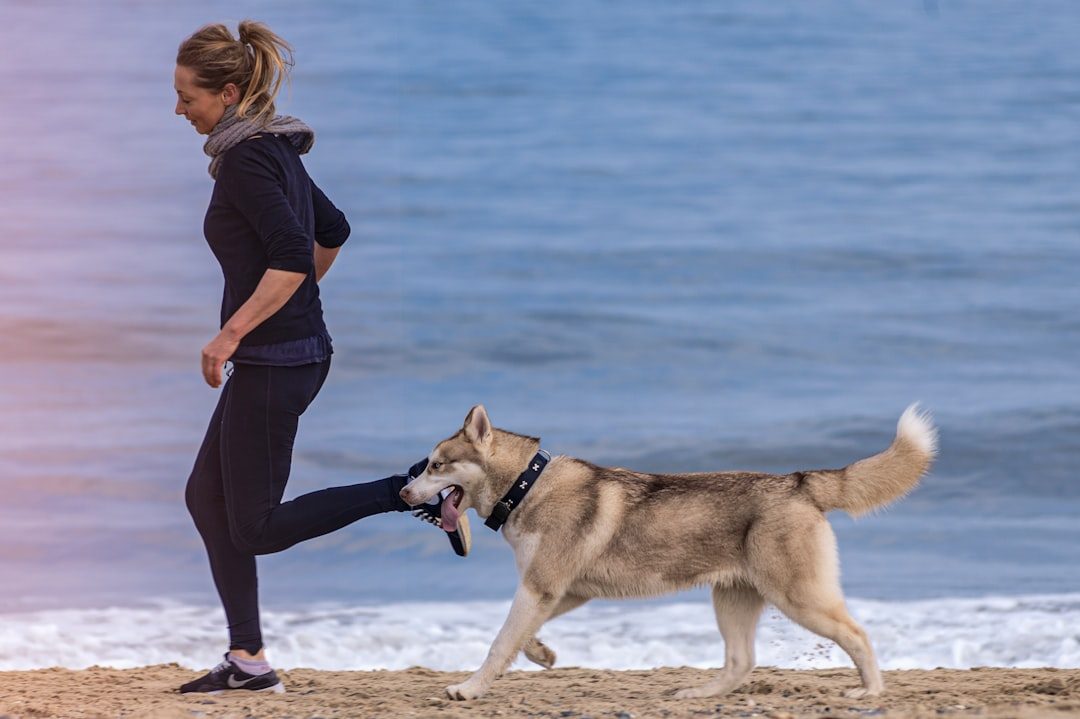
A tired dog is often a well-behaved dog, so right before you leave for your trip, take your pet for a long run or a visit to the dog park. This will help ease travel anxiety and allow them to relax in the car. The investment of thirty to sixty minutes of vigorous exercise can pay dividends for the next several hours on the road.
Let your furry friend burn off some steam the day before you leave by taking him to a dog park or doggy daycare. On the morning of your trip, start the day with a long walk or game of fetch. Expelling lots of energy early in the day will allow your pup to relax comfortably on the journey. Think of it as loading the dishwasher before you leave for vacation – it’s one less thing to worry about once you’re on the road.
Maintain Safe Feeding Schedules
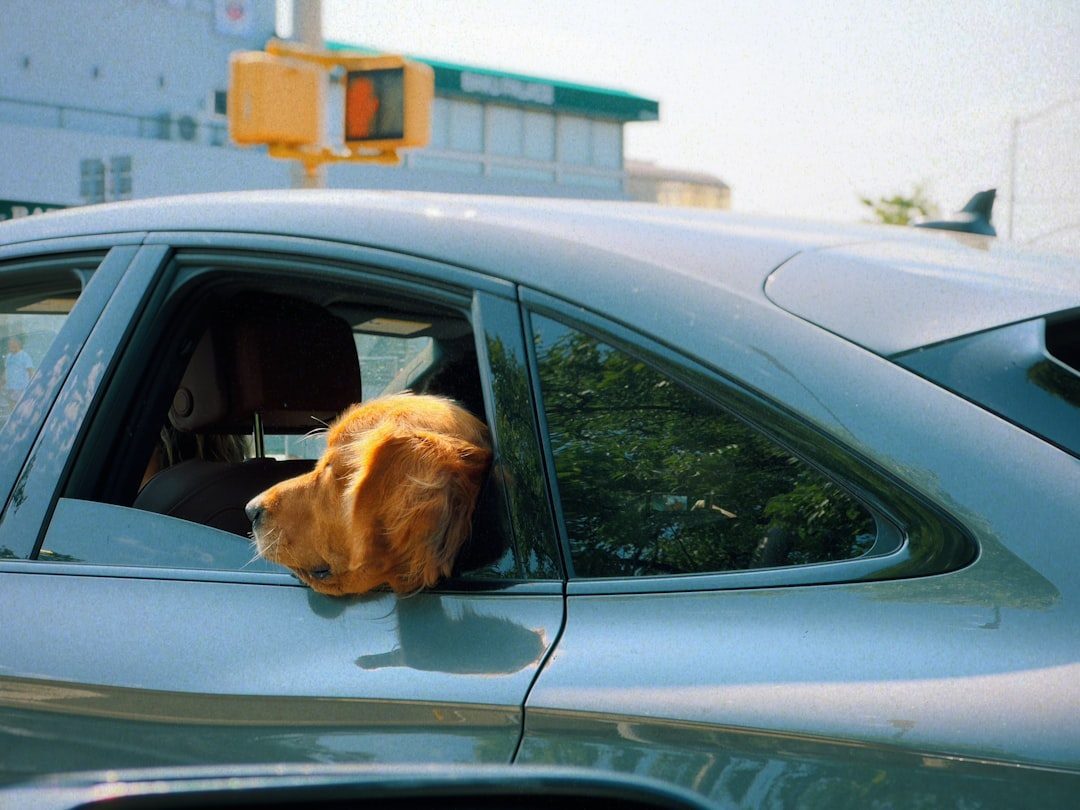
Feed your pet a light meal three to four hours before you leave. While you’re on the road, always stop when your dog needs food. Don’t feed them in a moving vehicle to help avoid pet car sickness. Timing your dog’s meals properly can mean the difference between a comfortable journey and a nauseating disaster for everyone involved.
When it comes to mealtimes, give your pet a light meal a couple of hours before you depart and then feed him according to his normal routine. Prevent dehydration by providing water to your dog many times throughout the day. Water should be available during stops, but avoid giving unlimited access while driving – nobody wants to deal with an emergency bathroom break in heavy traffic.
Never Leave Your Dog Alone in the Car
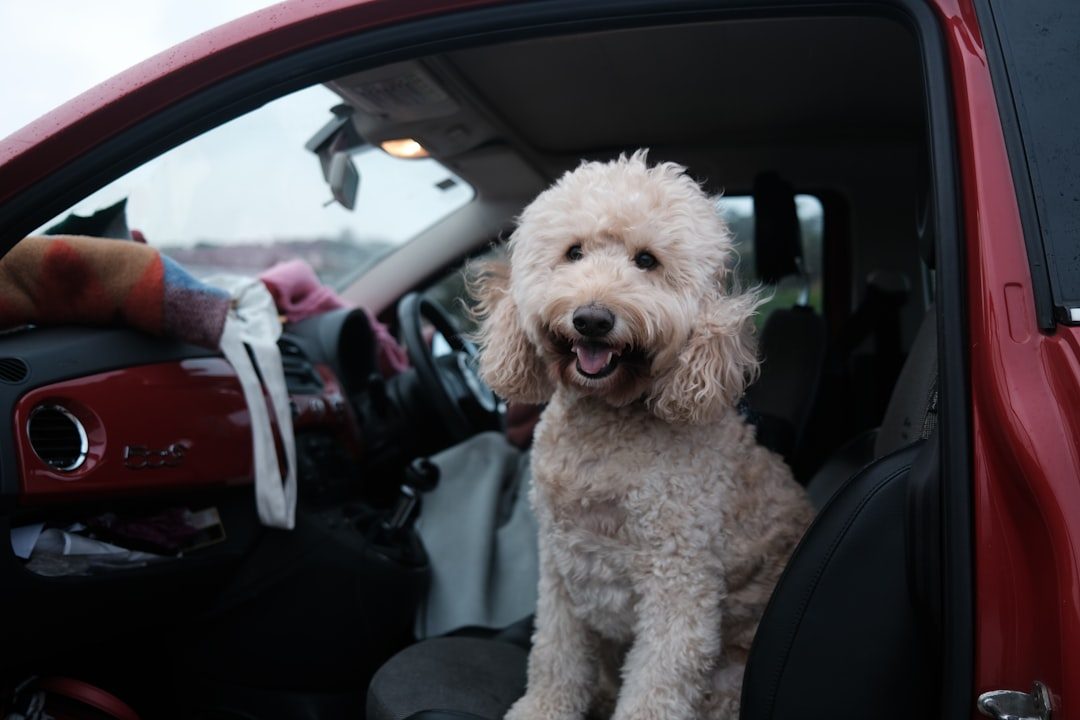
Never leave your dog alone in a parked car. It is a safety concern at temperatures higher than 70°F or lower than 35°F. However, passersby may decide to break your window to free your dog if they think they are trapped inside at any temperature. The numbers are alarming – vehicle temperatures can rise significantly above outside temperature within minutes, reaching dangerous temperatures rapidly even when outside temperatures are moderate, according to research data.
Keep your stops as short as possible and use a drive-thru for meals as much as possible so you don’t even need to leave the car. Check on your dog frequently. If you absolutely must make a stop where your dog can’t accompany you, consider having one person stay with the car while the other handles business. Your dog’s safety is never worth risking for convenience.
Practice With Short Trips First
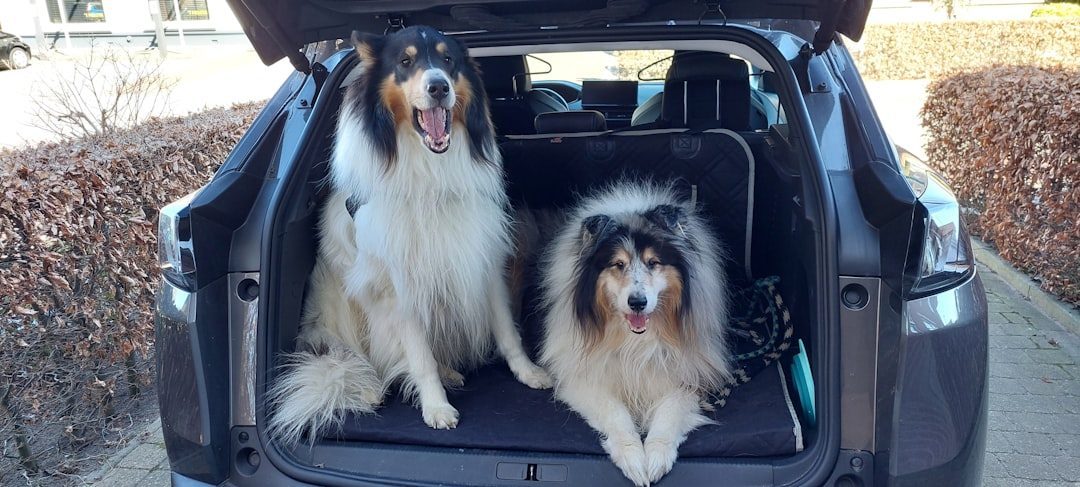
Even if your dog is excellent in the car for routine trips, a long road trip may still be challenging for them. Make sure to take some longer practice trips so they become comfortable with spending a long time in the car before you embark on a cross-country road trip with your dog. Think of these practice runs as dress rehearsals for the main event.
Before you log all those miles, help your pet create a positive association with traveling. Start with trips to fun destinations like a dog park or pet store, rather than just veterinary visits. Each successful short journey builds confidence and reduces anxiety for longer adventures. This gradual conditioning can transform a nervous traveler into an enthusiastic road trip companion.
Ensure Proper Identification and Health Records

Should your pet dart off while you’re getting gas or at a rest stop, proper identification is the best way for reunification. Ensure your pet has a collar with an ID tag that includes your up-to-date contact information. Having a microchip is a bonus. Even the most well-behaved dogs can become spooked in unfamiliar environments and make a break for it.
Some hotels may ask for an updated copy of your pet’s veterinary records, so request a copy and have this information handy during your trip. Or, skip the paperwork and create your pet profile on the BringFido app for iPhone or Android. You can update your vet records on the app and have everything you need in one place when you’re on the road. Digital copies stored on your phone serve as excellent backups for physical documents.
Keep Your Dog in the Back Seat
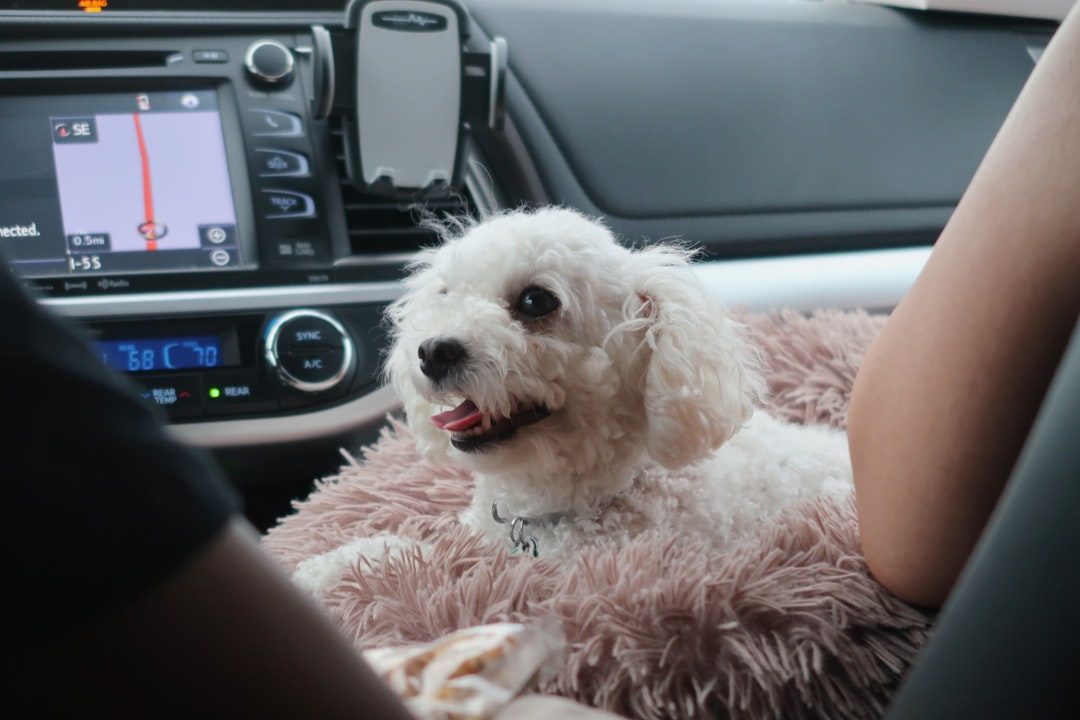
Dogs secured in front seats face airbag deployment forces and cause fatal injuries even in minor collisions. Airbags deploy with enough force to seriously injure adult humans, making them deadly for dogs of any size. The back seat provides the safest location for all pet restraints and creates distance from potential impact zones. Never compromise on this placement rule, even for short trips around town.
While your dog might prefer to ride shotgun and serve as your official navigator, their safety must take priority over their preferences. Holding a dog on your lap while driving seat can interfere with safe driving by blocking the steering wheel or falling onto the floor around the pedals. The backseat offers the perfect compromise – they can still see the scenery while remaining protected from potential dangers.
Plan Entertainment for the Journey
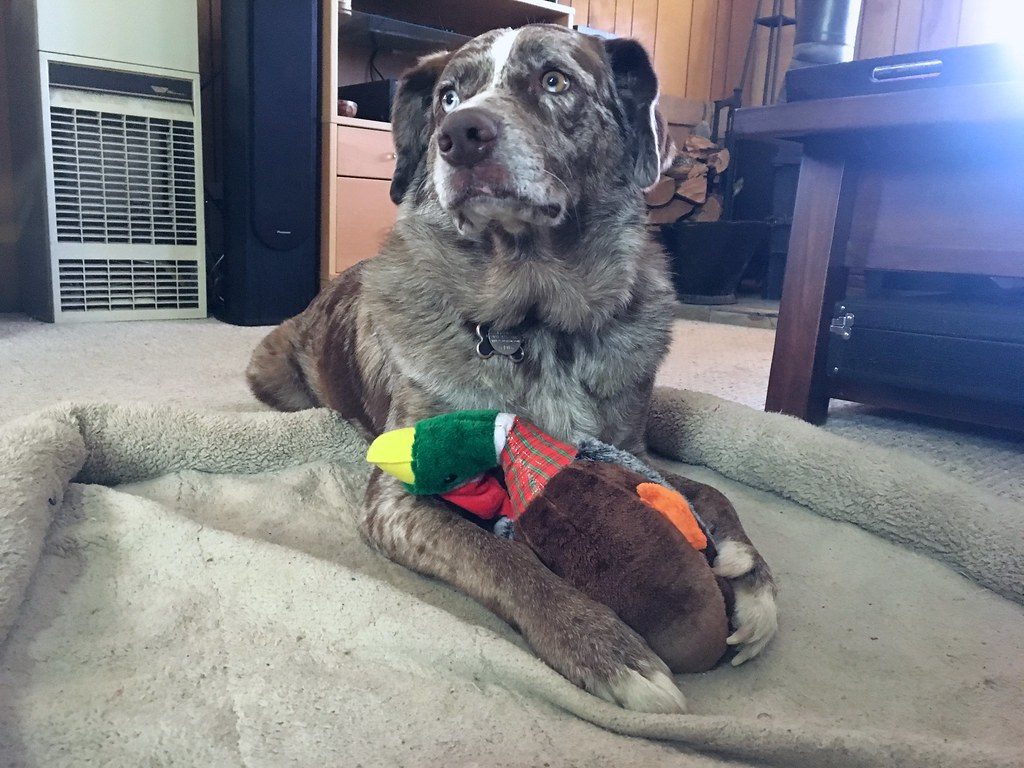
Give your dog something to distract them from the long car ride. Whether it be a chew toy or a kong filled with peanut butter, your dog will be happy. Mental stimulation can be just as tiring as physical exercise, making interactive toys an excellent investment for peaceful travel.
When you travel with your pup, you should always bring along the essentials, like food and water. Of course, treats should be brought along, as well. A favorite toy can help keep your four-legged friend entertained in the car, too. It’s important that the toy be soft and large enough to prevent any choking. A chew toy works wonders. Rotating toys every few hours can maintain novelty and interest throughout the journey.
Create Comfortable Sleeping Arrangements

Be sure you pack something for your dog to sleep on at night! Even dog friendly hotels and airBnBs may not allow pets on the furniture. Plus, good quality sleep is important for EVERYONE, your dog included. Giving them a comfy and familiar place to sleep ensures both you and your pup get a good night’s sleep. After a long day of driving and exploring, quality rest becomes essential for everyone’s well-being.
King-sized beds are crucial. I would say the most important part of a long distance road trip is getting good sleep. I would prioritize a good bed over almost any other amenity, if I’m being totally honest. Consider bringing their regular blanket or bed from home – familiar scents can significantly reduce anxiety in new environments and promote better rest for the adventures ahead.
Conclusion
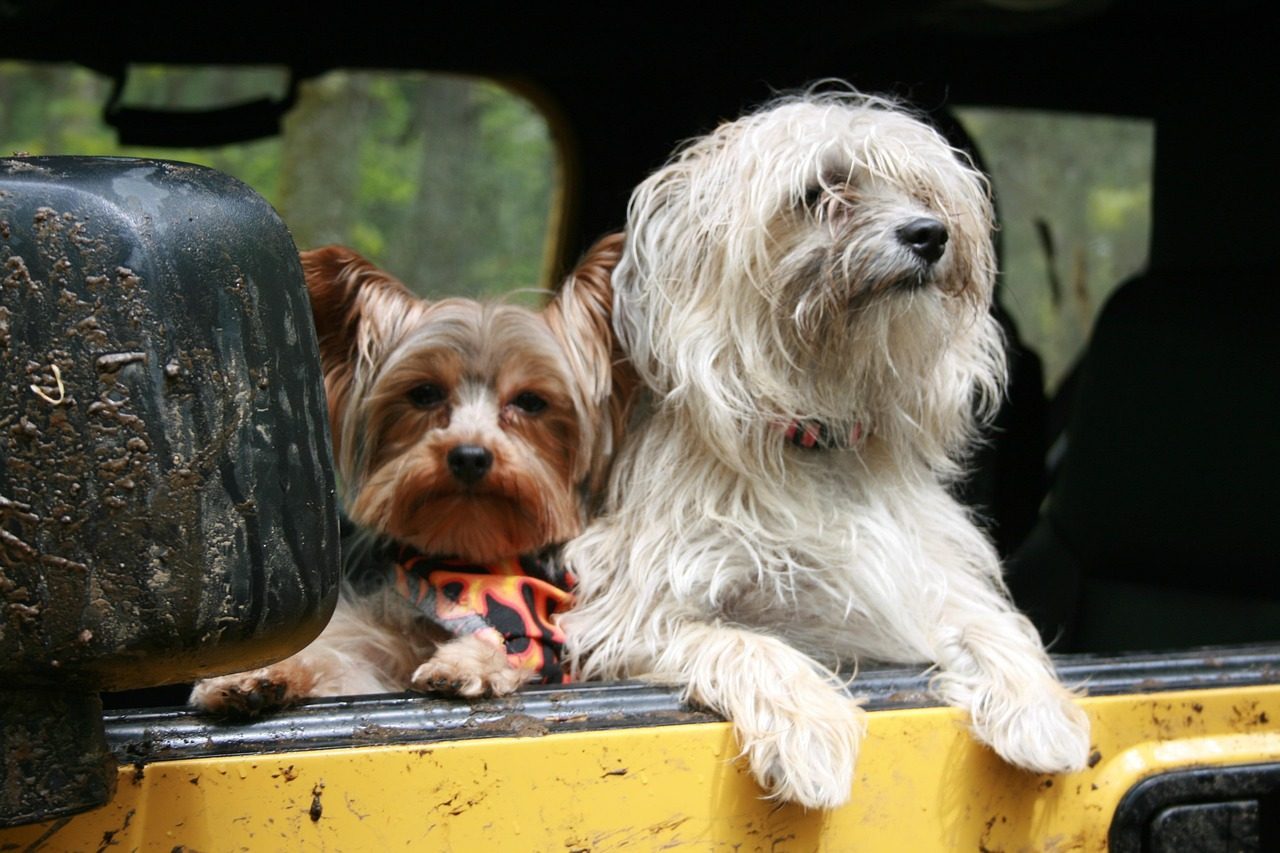
Road trips with your dog offer some of life’s most rewarding adventures, but success depends entirely on thoughtful preparation and prioritizing safety above convenience. From investing in crash-tested restraints to researching pet-friendly stops along your route, every detail matters when your beloved companion is along for the ride. The extra effort you put into planning creates a foundation for stress-free travel where both you and your dog can focus on making memories rather than managing emergencies.
Remember that every dog is different – what works perfectly for your neighbor’s golden retriever might be completely wrong for your anxious rescue or energetic terrier. Take time to understand your dog’s specific needs, practice with shorter trips, and always err on the side of caution when it comes to their safety and comfort. What’s your most important consideration when planning a road trip with your furry friend? Tell us in the comments.

- Zoology Says the Reason Cats Stare at Walls Has Three Competing Scientific Explanations – and None of Them Has Been Ruled Out - July 13, 2026
- Animal Psychology Says Pigeons Recognize Hundreds of Individual Images Without Confusing Them - July 13, 2026
- 15 Things Your Dog Understood About You Long Before You Understood It Yourself - July 13, 2026