
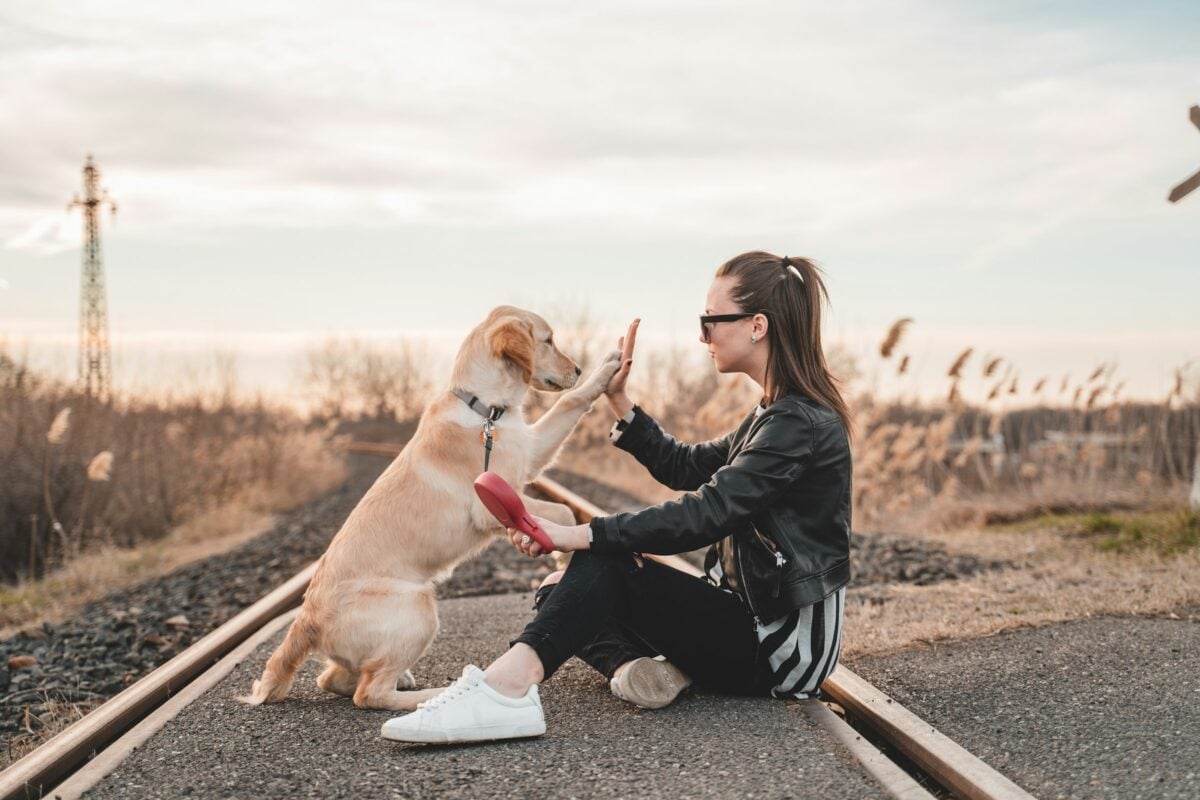
You think your dog is just waiting for the leash, the treat bag, or the sound of the fridge opening. Cute, loyal, a little dumb about squirrels. That’s the story most people tell themselves.
Here’s the uncomfortable part: your dog has probably been reading your stress, your relationships, and your worst habits like an open book for months, maybe years, before you admitted any of it to yourself. Stick around, because by the time you hit #1, you may never look at your dog’s “random” behavior the same way again.
#1 – Your Hidden Daily Stress Levels

Long before you say the words “I’m overwhelmed” out loud, your dog has already clocked the tension sitting in your shoulders and the shallow, quickened way you’re breathing. They notice it in the pauses before you speak and the way you move through the house differently. Some dogs get clingy during these stretches. Others quietly disappear to another room, almost like they’re giving you space to fall apart in peace.
Trainers and behaviorists have long pointed to scent and micro-expression changes as part of how dogs stay so tuned in to human stress, since a dog’s nose and instinct for body language are built for exactly this kind of pattern-reading. Most owners don’t clock any of it until they look back and realize the dog started acting strange days before the bad week actually hit. By then, the dog already knew.
#2 – When You’re Secretly Avoiding Someone
You haven’t admitted the relationship has gone sour. You’re still answering the calls, still showing up to dinners, still telling yourself it’s fine. Your dog isn’t buying it. They hear the tiny hesitation in your voice before you pick up the phone, and they feel the way your body stiffens the second a certain name pops up on the screen.
Some dogs respond by barking more during those visits. Others physically wedge themselves between you and the door, almost like they’re running interference on your behalf. It’s easy to write this off as coincidence the first time. It’s much harder to ignore once the pattern repeats itself every single time that one person comes around, weeks before you finally admit the relationship needs boundaries.
#3 – Your True Feelings About Family Members
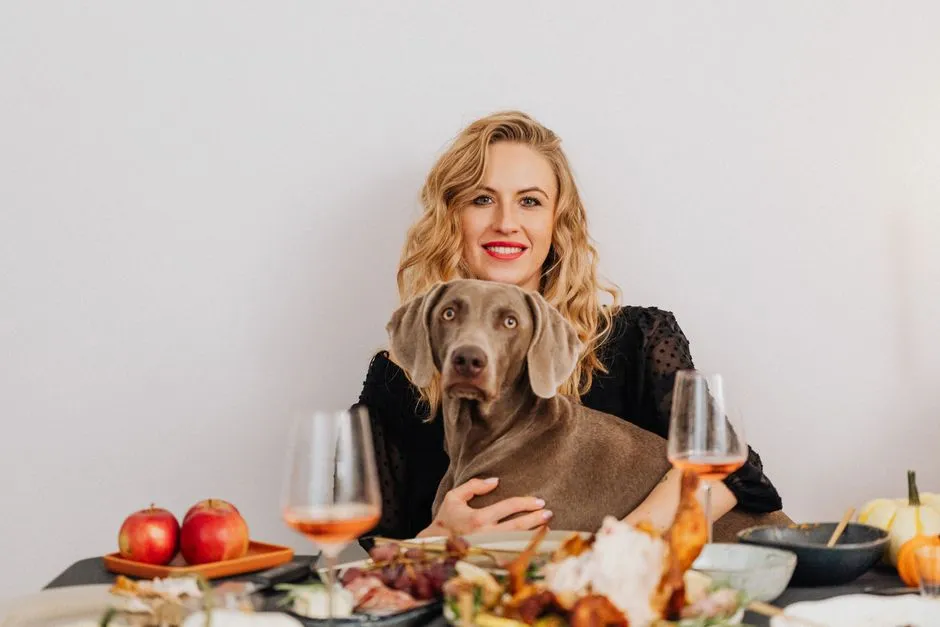
Say what you want at Thanksgiving dinner about how much you “love spending time with everyone.” Your dog knows better. They’ve been quietly filing away your post-visit mood for years, and they know exactly which relatives leave you lighter and which ones leave you drained and short-tempered for the rest of the night.
That’s why some dogs greet certain family members like long-lost best friends while staying stiff and distant with others, no matter how nice that person tries to be. It’s not random. It’s built from your scent, your posture, and the way your energy shifts every single time that person walks in. The dog’s “favorites list” often tells a more honest story than anything you’d say out loud at the dinner table.
#4 – The Onset of Minor Health Changes
Before the first sniffle, before the scratchy throat, before you even feel “off,” your dog may already be treating you like you’re fragile. Some refuse to go on their normal walk. Others plant themselves against your leg and won’t budge, days before you actually get sick.
This isn’t magic, it’s biology. Dogs have a sense of smell built to detect subtle chemical shifts in the human body, and illness changes your scent before it changes how you feel. Most owners chalk this up to coincidence right up until the diagnosis lands and they realize the dog had been acting strange for almost a week beforehand.
Fast Facts
- Dogs have up to 300 million olfactory receptors in their noses, versus only about 6 million for us.
- The part of a dog’s brain devoted to interpreting smell is roughly 40 times larger than the equivalent region in the human brain.
- Trained diabetic alert dogs can flag dangerous blood sugar swings before an owner feels any symptoms.
- Seizure alert dogs have learned to warn owners minutes before an episode begins.
#5 – Your Unspoken Relationship Doubts
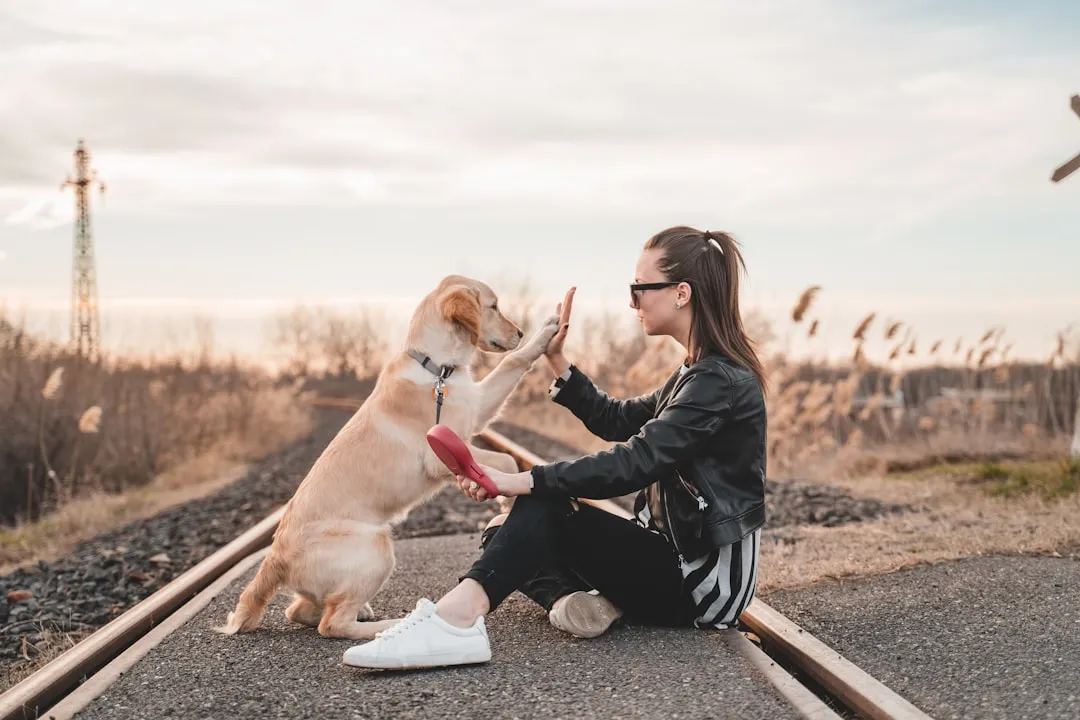
Your dog hears the cooling in your voice when you talk about your partner long before you’re ready to admit anything is wrong. They notice how long you linger on old photos, or how flat your tone gets during certain conversations. None of this is subtle to them, even when you think you’re hiding it perfectly.
Some dogs respond by showering one person with affection while quietly pulling away from the other. It can feel almost cruel, watching your dog seemingly “take sides” in a relationship you haven’t even acknowledged is struggling. But that shift in behavior is rarely random. It’s usually just the dog reflecting back doubts you’ve been carrying for longer than you realized.
#6 – Your Secret Snacking Habits
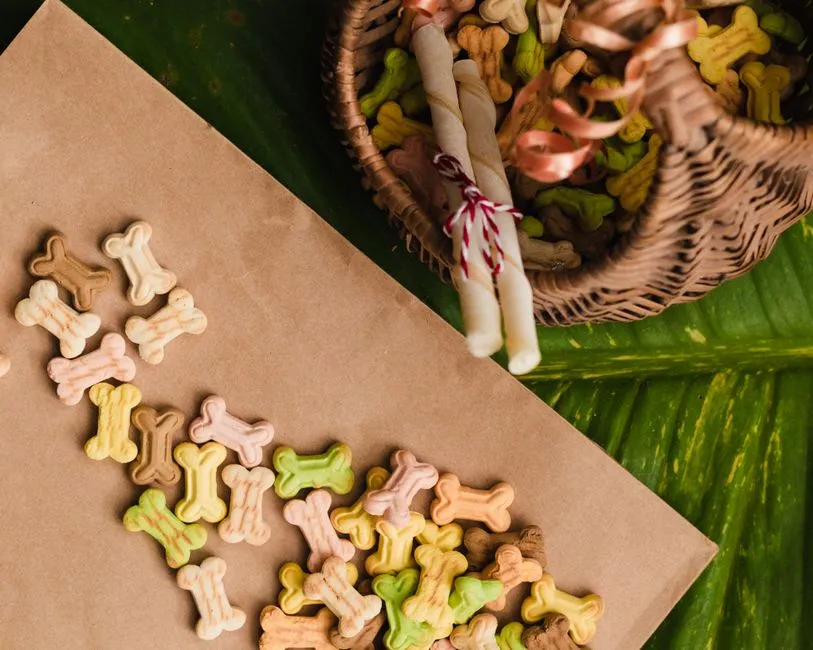
You think you’re sneaking that midnight snack quietly. Your dog knows exactly where the guilt lives in your body language, and they’ve mapped every hiding spot you’ve ever used. The hovering by the pantry door isn’t about the food itself. It’s about watching you flinch.
Most people don’t admit the habit until the dog has “exposed” it multiple times, sitting expectantly in front of a drawer or cabinet you swore no one knew about. It’s a small, almost funny reminder that dogs aren’t only tracking their own meals. They’re tracking yours too, and they’ve clearly been paying closer attention than you’d like.
#7 – Your Work Burnout Timeline

Some dogs seem to know a brutal week is coming before you’ve even opened your calendar. They start claiming your favorite chair earlier in the day. They match your exhausted energy before you’ve said a single word about how hard work has been.
This kind of prediction usually comes from learned patterns, tying your leaving and returning times, your tone, and your posture to what typically follows. Owners in consistent routines often report their dog “knowing” a rough stretch is coming before they’ve consciously clocked it themselves. It’s eerily accurate, and more than a little humbling.
#8 – Which Friends You Actually Trust
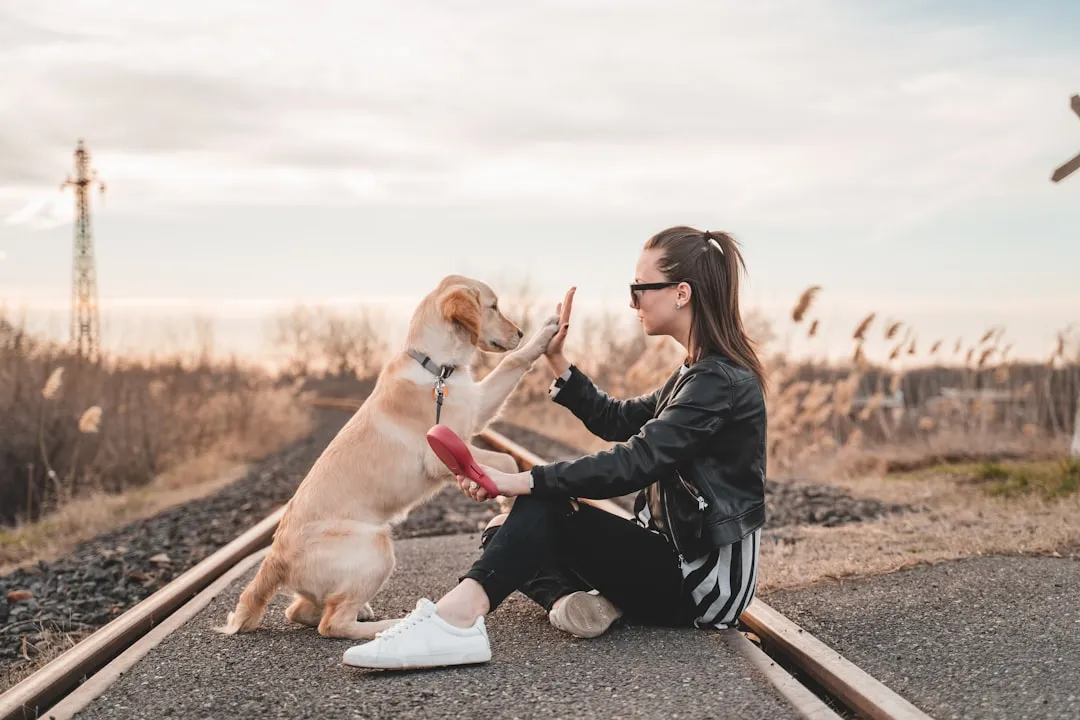
Watch your dog’s greeting style closely next time friends come over. The ones who make you relax without realizing it usually get warm, easy welcomes. The ones who quietly drain you, even if you’d never admit it, tend to get a stiffer, more guarded reaction.
This isn’t your dog being moody. It’s your dog picking up on your own micro-reactions, repeated visit after visit, long before you’ve consciously sorted your friend group into “energizing” and “exhausting.” Plenty of owners have only realized who they should be spending less time with after noticing their dog’s consistent cold shoulder toward the same person, every single time.
Quick Compare
- Trusted friend: loose wagging, relaxed ears, immediate approach at the door
- Draining acquaintance: stiff posture, held-back greeting, quick retreat to another room
- The tell: the same reaction shows up visit after visit, no matter how the person behaves
#9 – Your Sleep Quality Patterns

Your dog often senses a rough night coming before you do. Maybe it’s the tension in your evening routine, or the way you move differently getting ready for bed. Whatever the trigger, some dogs settle into more protective positions earlier than usual on nights that turn out to be restless.
Others seem to wake you at oddly specific times, almost tied to your own sleep cycles. It’s easy to assume dogs simply follow their own internal clock, but owners who’ve actually compared their sleep tracking data to their dog’s nighttime behavior often find the two line up far more than coincidence would explain.
#10 – Your Opinions on Neighbors
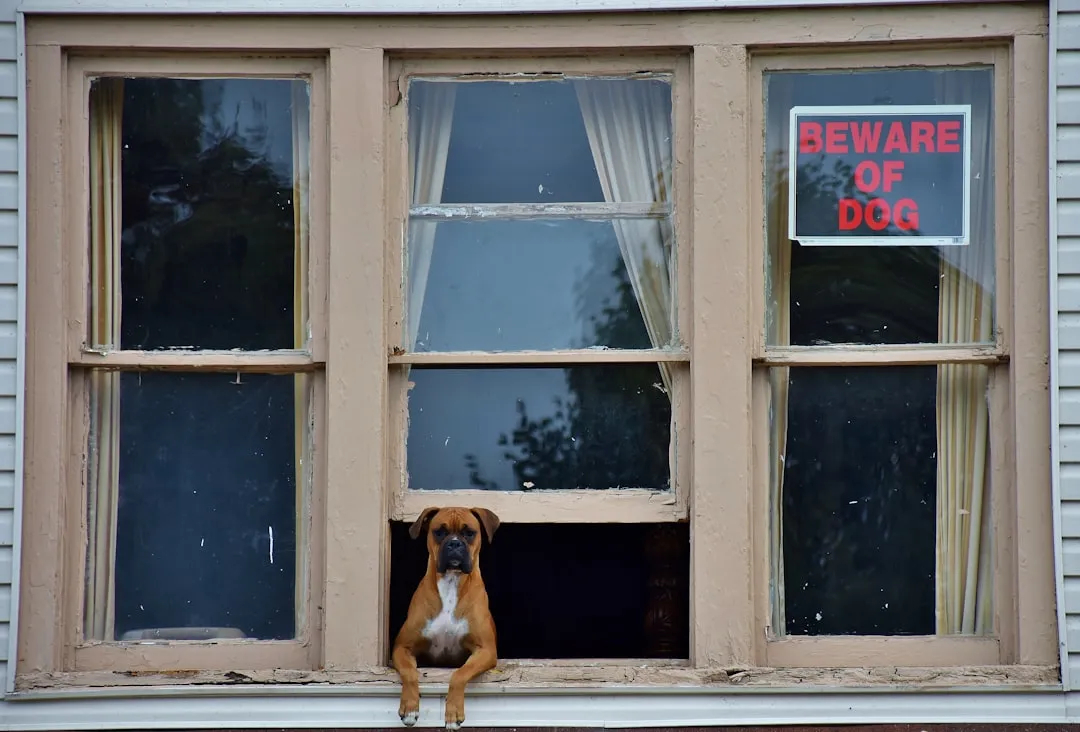
You’ve never said a word out loud about that one neighbor who annoys you. Your dog still knows. They pick up on the shift in your tone and posture during walks, or the way you glance away instead of waving back at a certain house.
That’s often why some dogs bark selectively at specific yards or avoid certain houses entirely, even when nothing obvious has happened there. Owners tend to laugh it off at first, until the pattern becomes impossible to ignore and forces an honest look at feelings they never actually said out loud.
#11 – The Real Source of Your Anxiety
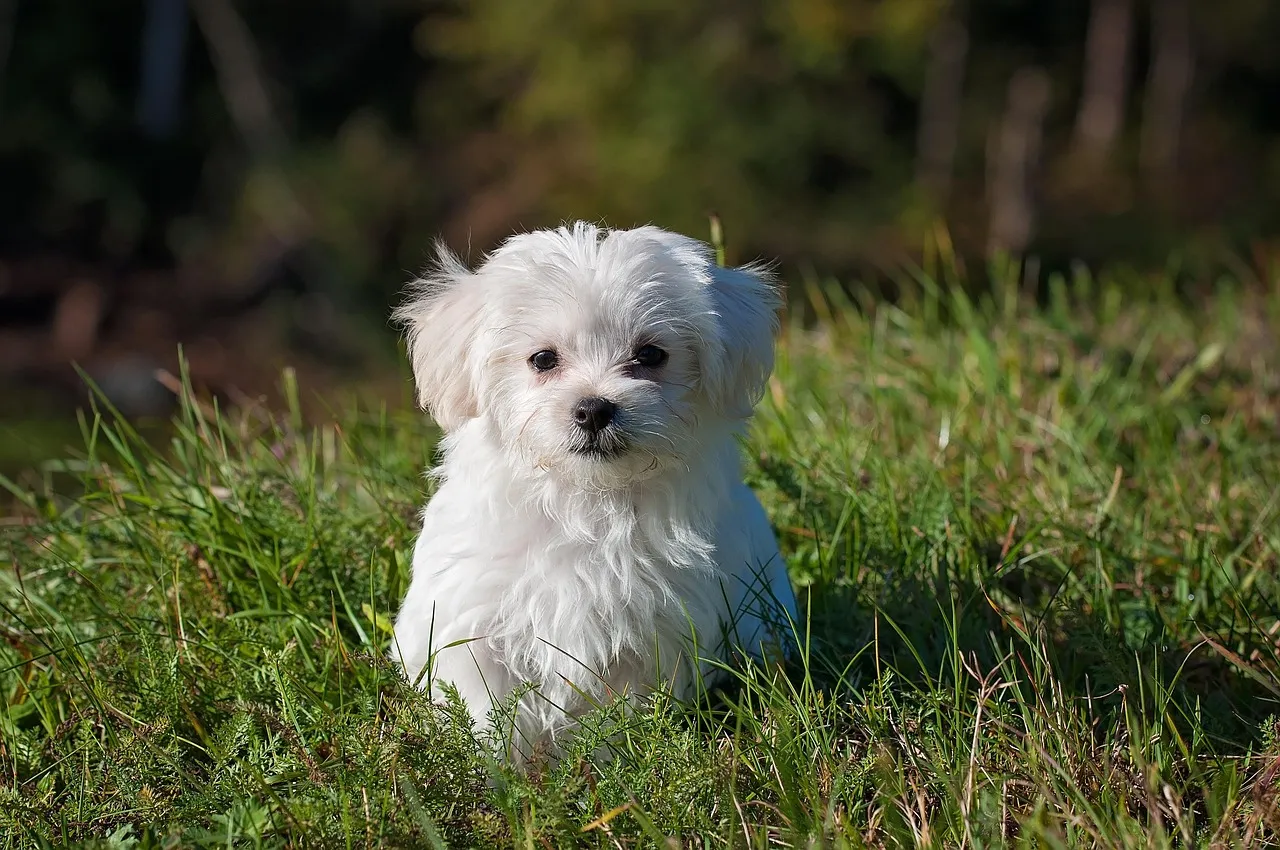
Not all anxiety looks the same to your dog. Over time, they start connecting specific scent and posture shifts to specific causes, learning the difference between the tension of a stressful email and the tension of a tight budget month.
That’s part of why dogs often respond differently depending on the root cause, offering one kind of comfort for work stress and another for financial worry. Many owners only figure out what’s really been eating at them after noticing how differently their dog tries to soothe them each time. Sometimes the dog understands the trigger before the person is ready to name it.
At a Glance
- Work stress often triggers closer physical contact, like leaning against you or resting a head on your lap
- Financial worry may prompt more clingy, follow-you-room-to-room behavior
- Relationship tension sometimes brings out protective positioning between you and other people
- Once a dog links a behavior to a specific stress, the response tends to repeat consistently
#12 – Your Hidden Generosity Levels
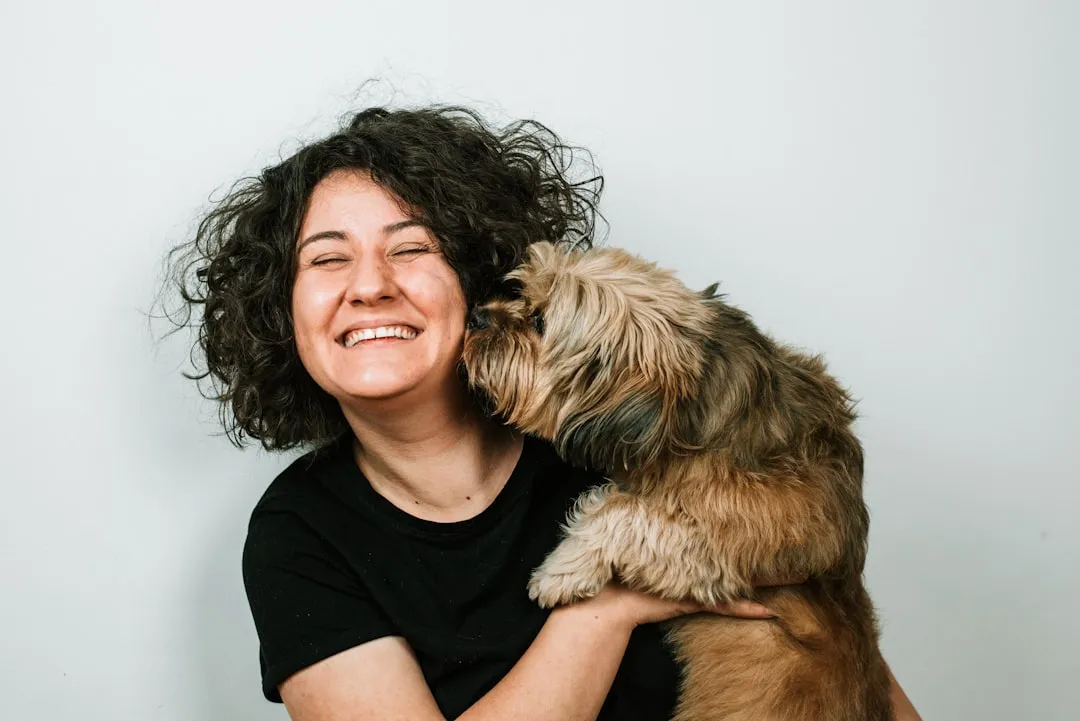
Dogs notice more than just who gets fed first. They notice when you consistently give more of your time, energy, or food to everyone else while quietly shortchanging yourself.
Some dogs respond by nudging you, literally, toward taking care of yourself first, whether that’s pawing at you during a stressful moment or refusing to eat until you’ve settled down. It flips the usual narrative of dogs as purely self-interested. Often, they’re the ones gently correcting your priorities before you’ve even noticed the imbalance yourself.
#13 – Your True Loyalty Thresholds
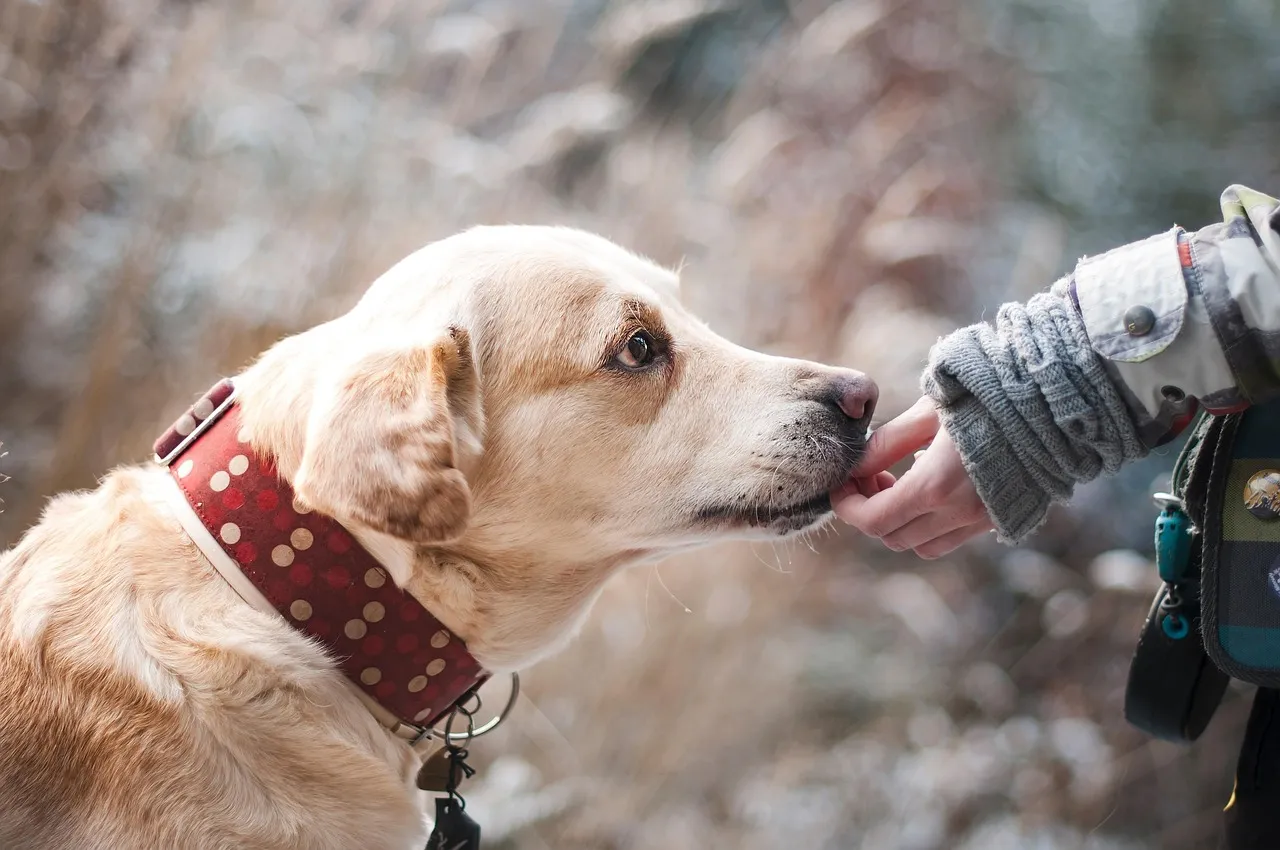
Watch how your dog reacts during small family conflicts or tense decisions, and you’ll often see a preview of who you’d actually stand behind in a real crisis. Dogs are quietly reading your consistent choices under pressure, long before those choices ever get tested for real.
Friends and family sometimes notice the dog’s alignment with someone’s true loyalties before that person has said a single word about it. It can be an uncomfortable realization, especially when the dog’s read turns out to be more accurate than the person’s own self-image.
Dogs are not our whole life, but they make our lives whole.
Roger Caras
#14 – Your Unacknowledged Regrets
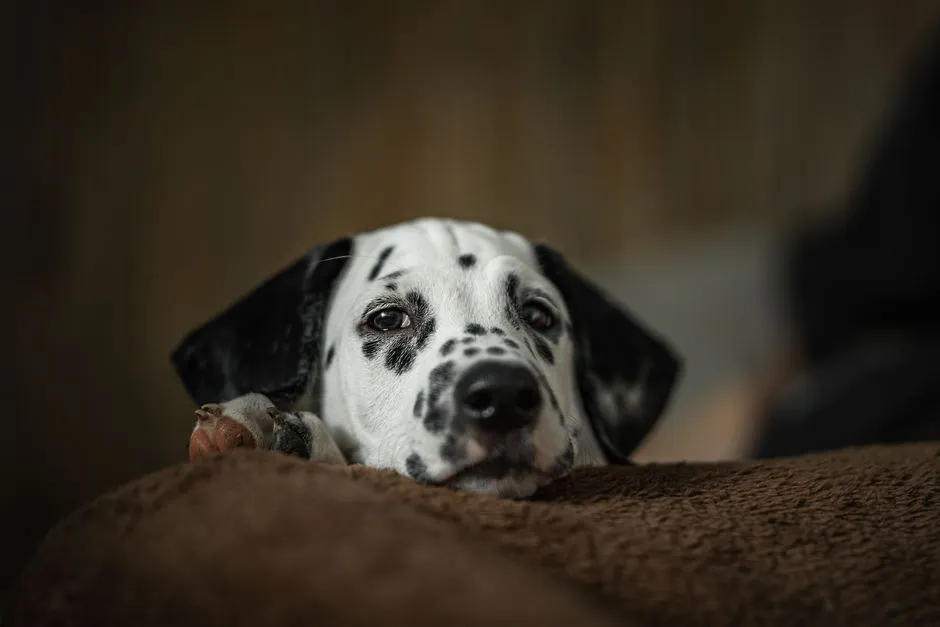
There’s a particular quiet that settles over a person thinking about an old regret, a change in the eyes, a softness in the voice that most people never notice in themselves. Dogs notice it constantly, and they often respond with unprompted comfort, a head resting on your knee at exactly the wrong-right moment.
This connection builds slowly, tied to repeated exposure to your reflective, quieter moments over months or years. Owners typically only realize what their dog has been picking up on after several of these comfort cycles happen back-to-back, always during the same kind of low mood. It challenges the idea that dogs live purely in the present. In some ways, they seem to remember your pain better than you do.
#15 – Your Core Character Flaws
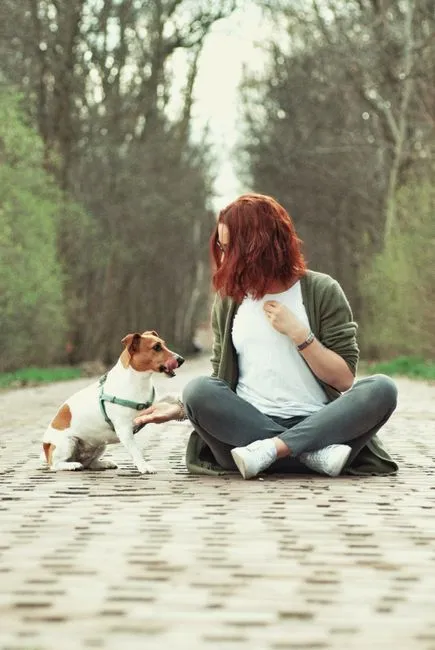
This is the one that stings the most. Your dog has quietly gathered years of evidence about the gap between who you say you are and how you actually act, whether that’s claiming patience while snapping at small things, or promising presence while constantly checking your phone.
They don’t judge it the way people do. They simply adjust their expectations around it, learning exactly when to give you space and when to push closer. For a lot of owners, this is the flaw that hits hardest to confront, precisely because the dog never needed you to admit it out loud. The honesty is uncomfortable, but it’s also strangely clarifying.
Worth Knowing
- Dogs build behavior expectations from repeated patterns, not moral judgment
- A dog adjusting to your contradictions is usually a sign of trust, not indifference
- Consistency, even flawed consistency, is often what a dog responds to most
The Bottom Line
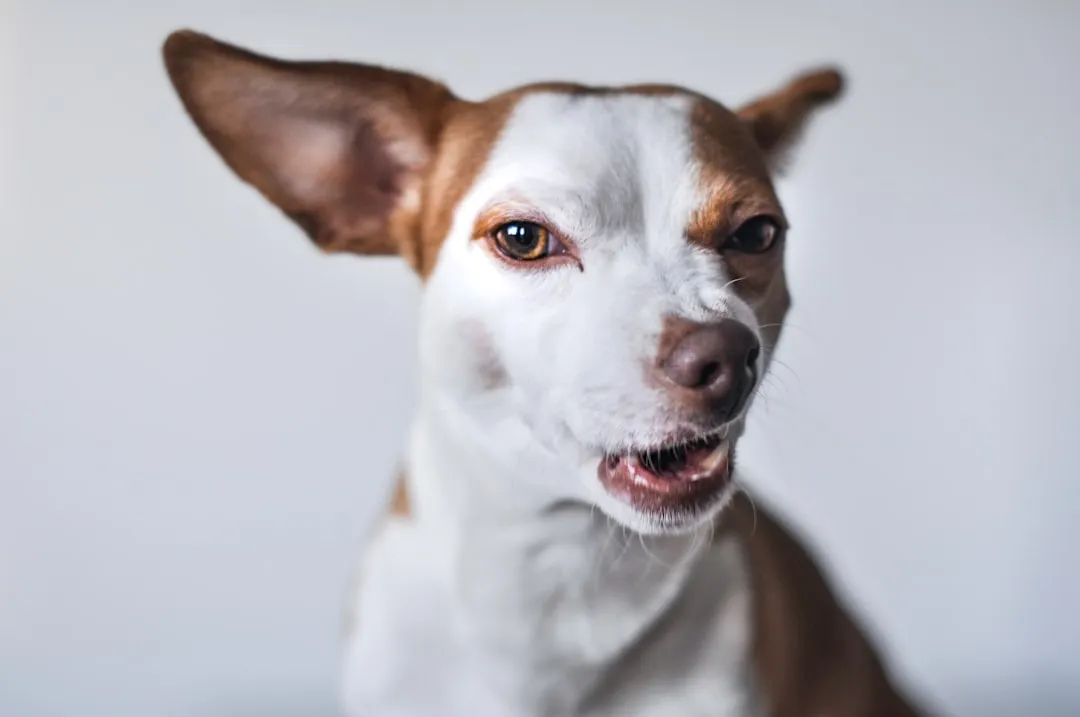
Add it all up, and the picture is hard to shake: your dog has been quietly mapping your stress, your relationships, your health, and your contradictions for years, using senses and instincts most humans never think to develop. The behaviors we brush off as random, the clinginess, the sudden distance, the selective greetings, were rarely random at all.
If anything, this flips the usual script. We like to think we’re the ones watching over our dogs. In plenty of quiet, unnoticed ways, it’s been the other way around the whole time. Which one of these hit closest to home for you? Tell us in the comments.

- Animal Psychology Says Pigeons Recognize Hundreds of Individual Images Without Confusing Them - July 13, 2026
- 15 Things Your Dog Understood About You Long Before You Understood It Yourself - July 13, 2026
- The 10 Most Difficult Dog Breeds to Manage Long-Term (And 5 Easiest to Live With) - July 13, 2026