
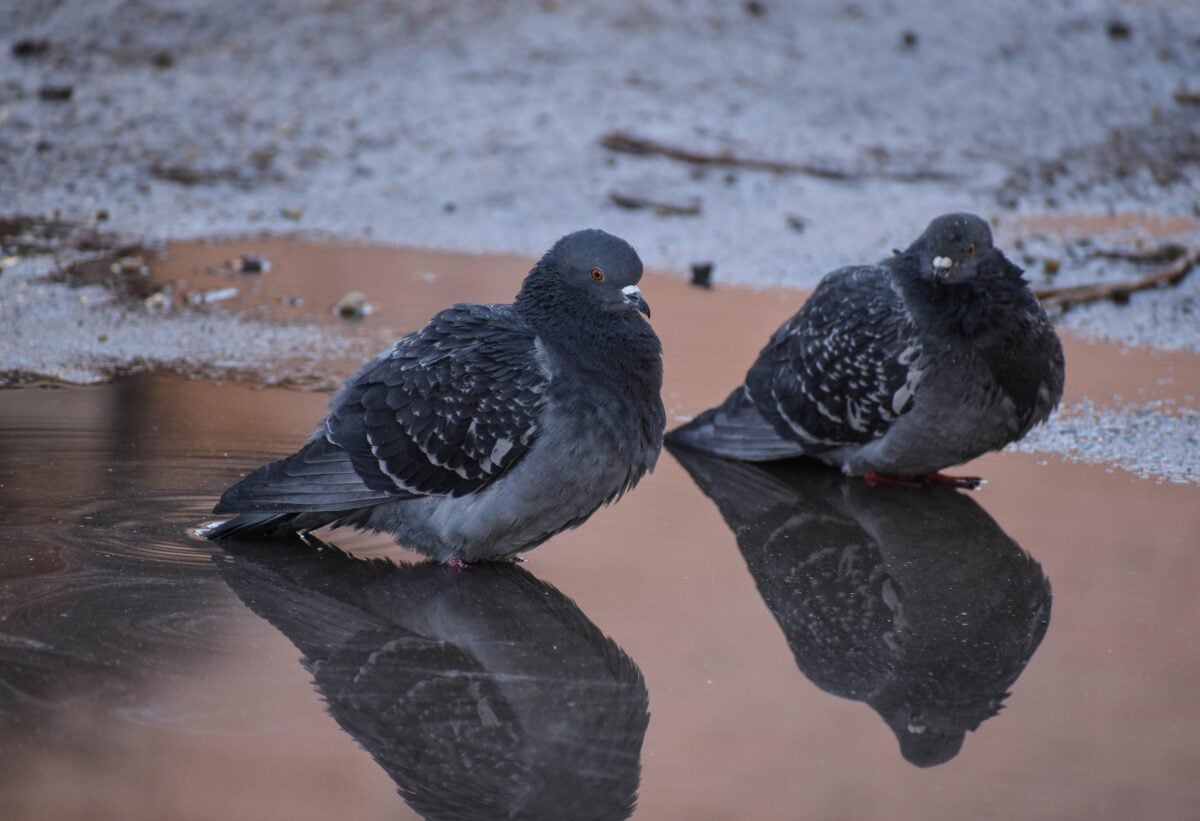
Walk through any city square and you’ll probably ignore the pigeons pecking at crumbs near your feet. Most people write them off as background noise, a species so common it barely registers as wildlife anymore. Yet tucked inside decades of quiet laboratory work is a finding that upends that assumption entirely, one that has nothing to do with homing instincts or flight patterns and everything to do with what happens inside a bird’s brain when it looks at a picture.
The experiment that first raised eyebrows in the 1980s
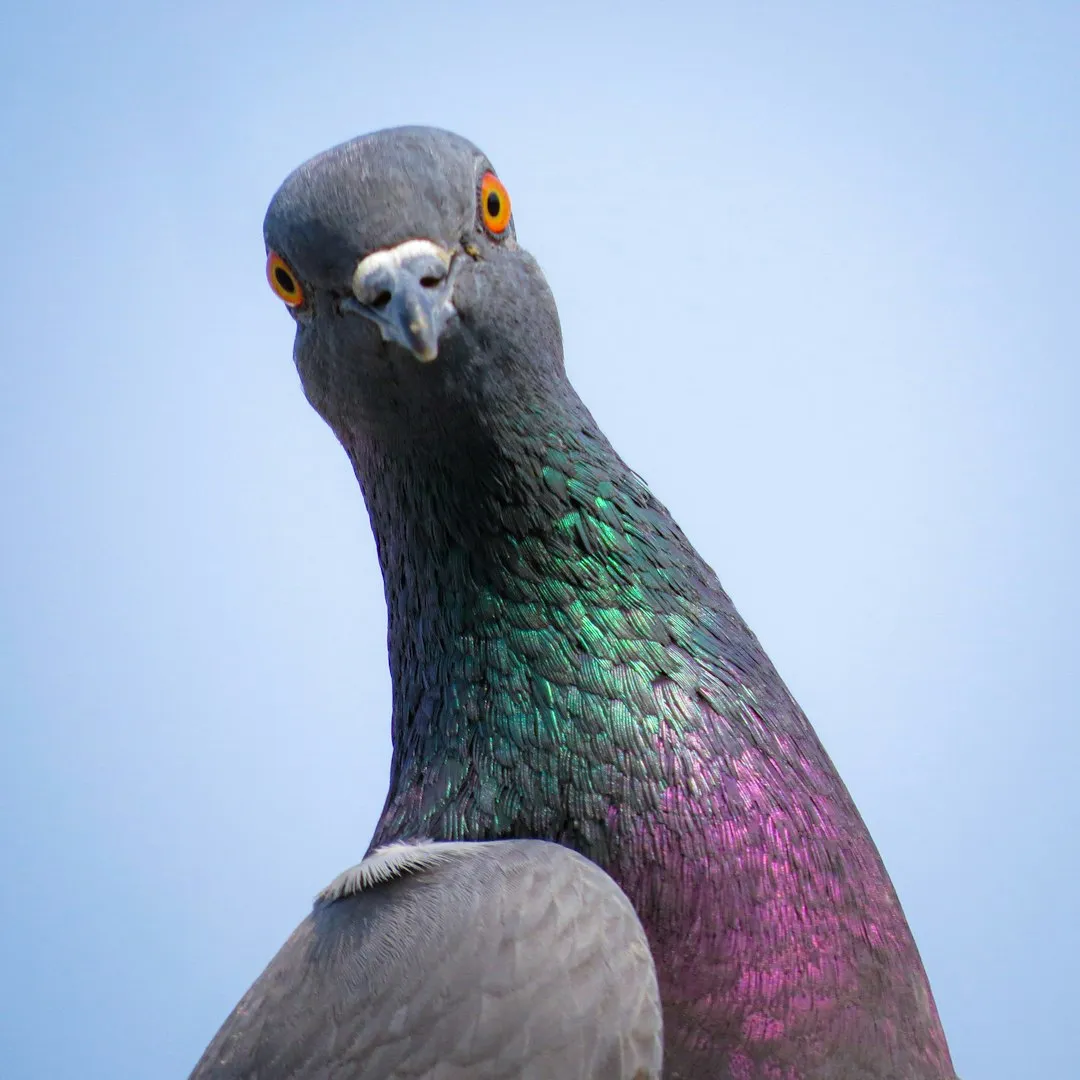
Long before anyone talked seriously about pigeon cognition, a pair of researchers named Vaughan and Greene ran a deceptively simple test. They showed pigeons pairs of random shapes and photographic slides, rewarding correct responses to build a lasting association between each image and an action. Four experiments examined visual memory capacity in 13 White Carneaux pigeons, and in the first, subjects learned to discriminate between 80 pairs of random shapes.
What made the results remarkable wasn’t just the number of images, it was how long the birds held onto them. Memory for 40 of those pairs was only slightly poorer following 490 days without exposure, and in a later experiment, 80 pairs of photographic slides were learned with 629 days without exposure failing to significantly disrupt memory. By the third experiment, the birds were sorting through up to 160 pairs of slides, meaning 320 different pictures, and researchers still weren’t sure they’d found the ceiling of what the animals could handle.
Pushing the numbers into the thousands
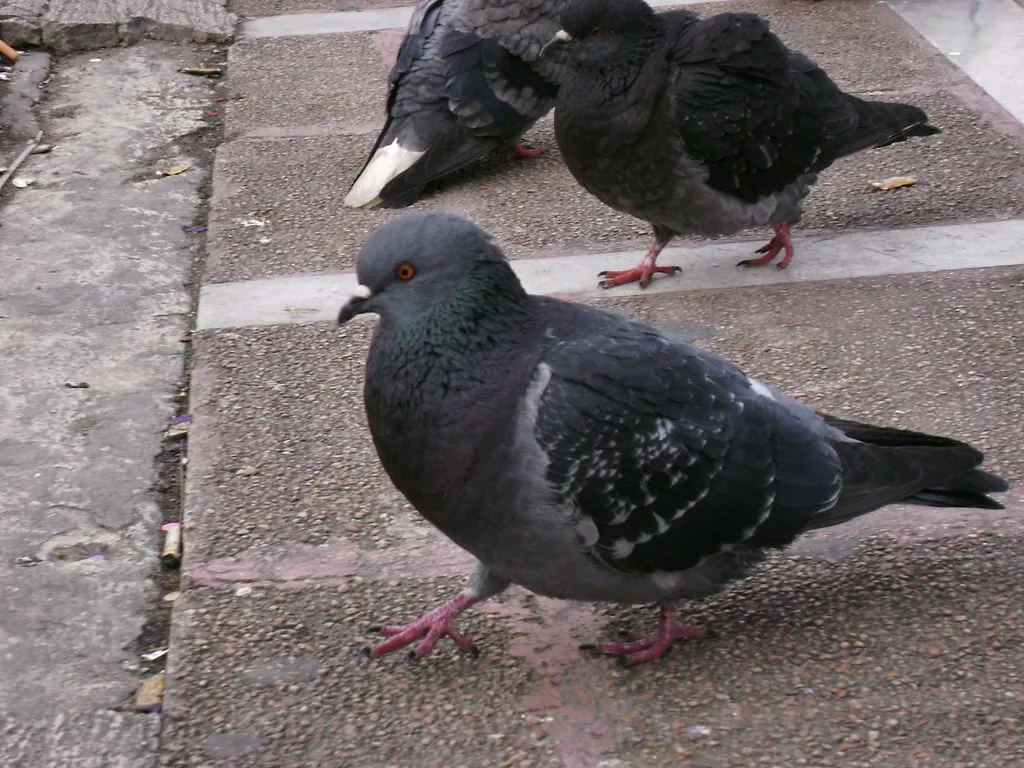
Two decades later, a Tufts University team led by Robert Cook decided to see just how far pigeon memory could stretch. Rather than stopping at a fixed set, they kept adding new pictures in batches, forcing the birds to memorize an ever growing library of images tied to specific left or right responses. Over 700 sessions, the pigeons were tested with an increasingly larger pool of pictorial stimuli in a two-alternative discrimination task, with each picture randomly assigned to either a right or a left choice response, forcing the pigeons to memorize each picture and its associated response.
The final numbers were striking for a brain the size of a grape. At the end of testing, one pigeon was performing at 73% accuracy with a memory set of over 1,800 pictures, and the second was at 76% accuracy with a memory set of over 1,600 pictures. When the team adjusted for random guessing, they estimated that the birds had access, on average, to approximately 830 memorized picture-response associations, retained for months at a time. That figure represented something genuinely new in animal research. It represented the first empirically established limit on long-term memory use for any vertebrate species.
Comparing pigeons to primates raised the bar even higher
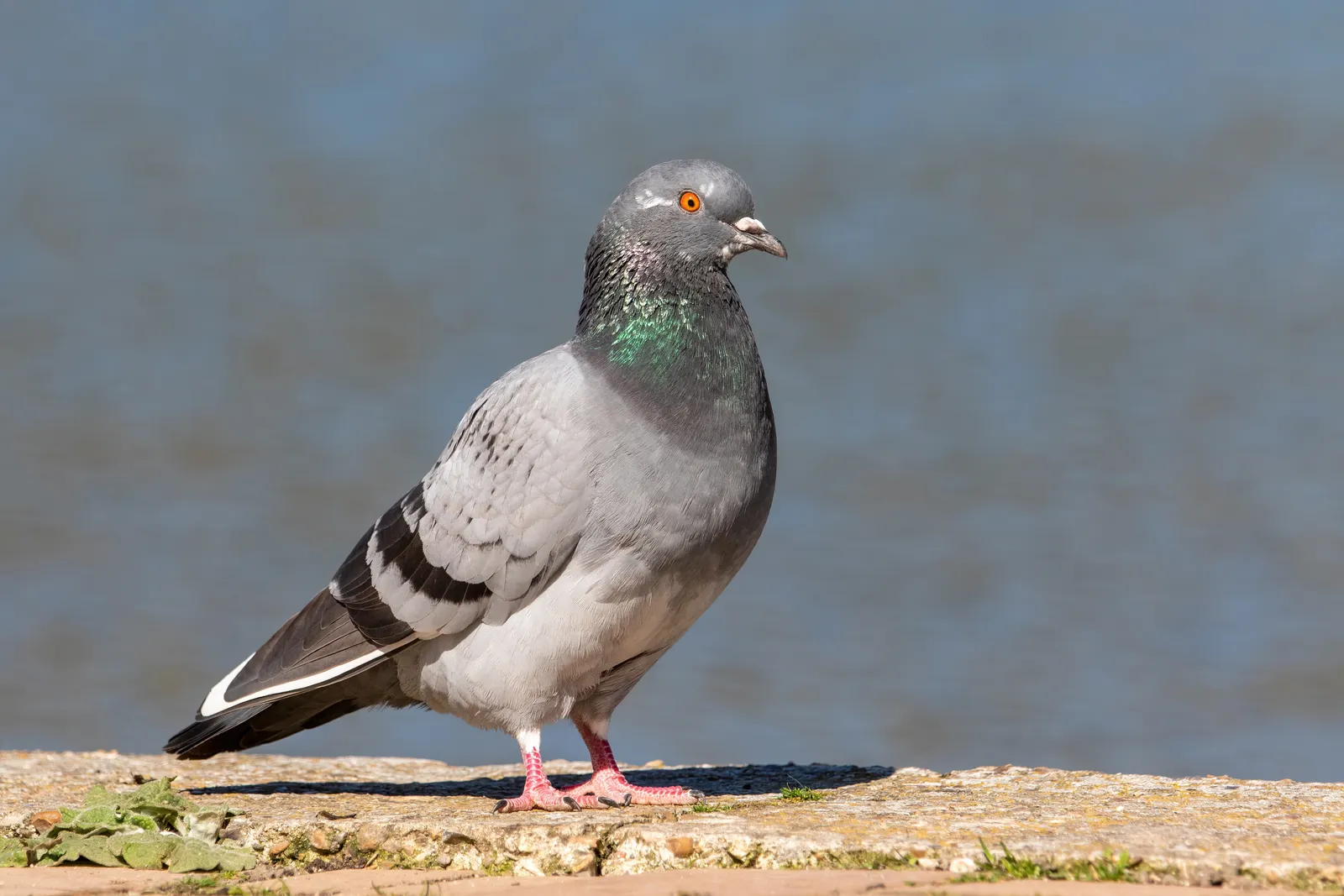
If the Tufts numbers sounded impressive, a follow-up study comparing pigeons directly against baboons pushed the estimates into territory nobody expected from a bird. Using a similar picture association task, researchers tracked how many images each species could retain without a meaningful drop in accuracy. Their estimates indicated the animals memorized a minimum of 3,500 to 5,000 items in the task and could have even retained thousands more with continued testing.
To put that scale in perspective, the researchers noted just how long it would take to simply look at every image once. At a rate of one picture per second, it would take at least an hour to view their entire memory set from start to finish. The study also found that forgetting wasn’t the issue people might assume. Analyses of performance as a function of item lag revealed that both species’ memories for specific items could last over several months and tens of thousands of intervening trials.
An earlier German study showed the same pattern with abstract patterns
Around 1990, researchers in Germany ran a parallel line of work using patterns instead of photographs, and the results held up just as well. Pigeons were trained to memorize 725 random black-and-white visual patterns that shared no obvious features linking one to another. The patterns did not share any systematic characteristics, so the pigeons had to memorize them one by one.
The task itself was genuinely difficult, not a simple yes or no discrimination. The animals needed to identify the 100 positive patterns from the 625 negative patterns to obtain food rewards. Researchers who reviewed the study later put it plainly, noting this is a memory task so complex that most humans would have trouble with it, yet the pigeons managed it without apparent strain.
How pigeons actually pull this off
Knowing that pigeons can store hundreds or thousands of images is one thing, understanding how their brains do it is another puzzle entirely. Researchers eventually turned to the raw visual information inside each picture, filtering out different bands of detail to see which ones the birds actually relied on. The experiment examined the contribution of spatial frequency information to picture memorization by pigeons, using a series of grayscale pictures notch-filtered to eliminate different portions of the spatial frequency spectrum of memorized pictures.
What emerged was a picture of a very detail oriented memory system. The results indicated that the higher spatial frequencies in the pictures were most important to accurate recognition, suggesting that the detection of fine detail at the high range of pigeon visual acuity was a critical component to their memorized representations. Rather than storing a rough impression of each image, the birds appear to lock onto specific fine grained textures and edges. Although the pigeons may be perfectly capable of processing low spatial frequency information, they do not naturally do so when presented with high spatial frequency information, instead preferentially attending to the local features present in each image.
The surprising overlap with reading and language
One of the more unexpected extensions of this research took pigeon memory into territory usually reserved for literacy studies. A team from New Zealand and Germany wanted to know whether the same picture memorization skill could extend to something as abstract as written words. The research team showed that humans are not the only species with orthographic abilities, training pigeons to discriminate words from meaningless combinations of letters.
The scale of the discrimination task was substantial. Using food rewards, pigeons learned between 26 and 58 words and were able to discriminate them from 7,832 meaningless four-letter combinations. Even more telling, the birds didn’t just memorize a fixed answer key. The birds were able to discriminate completely new words they had never seen during training from meaningless letter combinations. That result suggested something closer to a genuine internal category for “wordness” rather than rote memorization, which researchers described as evidence that the pigeons had a representation of what a word is in their brains.
Turning pigeon memory into a practical scientific tool
Perhaps the most concrete demonstration of just how reliable pigeon image recognition can be came from an unexpected corner of medicine. Researchers wondered whether pigeons could be trained to sort through medical images the way a human technician does when validating new imaging equipment. Levenson and colleagues demonstrated in a 2015 paper that rock dove pigeons, which share many visual system properties with humans, can serve as promising surrogate observers of medical images, a capability not previously documented.
The motivation behind the project was practical rather than novelty for its own sake. When new imaging technologies are created, they need to be validated by the naked eye, which requires a painstaking process of sifting through hundreds of images. Using birds trained through repetition to flag specific visual patterns offered a way to speed up that bottleneck without asking human specialists to spend hours on repetitive screening work, a use case that only makes sense once you accept that a pigeon’s picture memory is genuinely dependable at scale.
Final thoughts
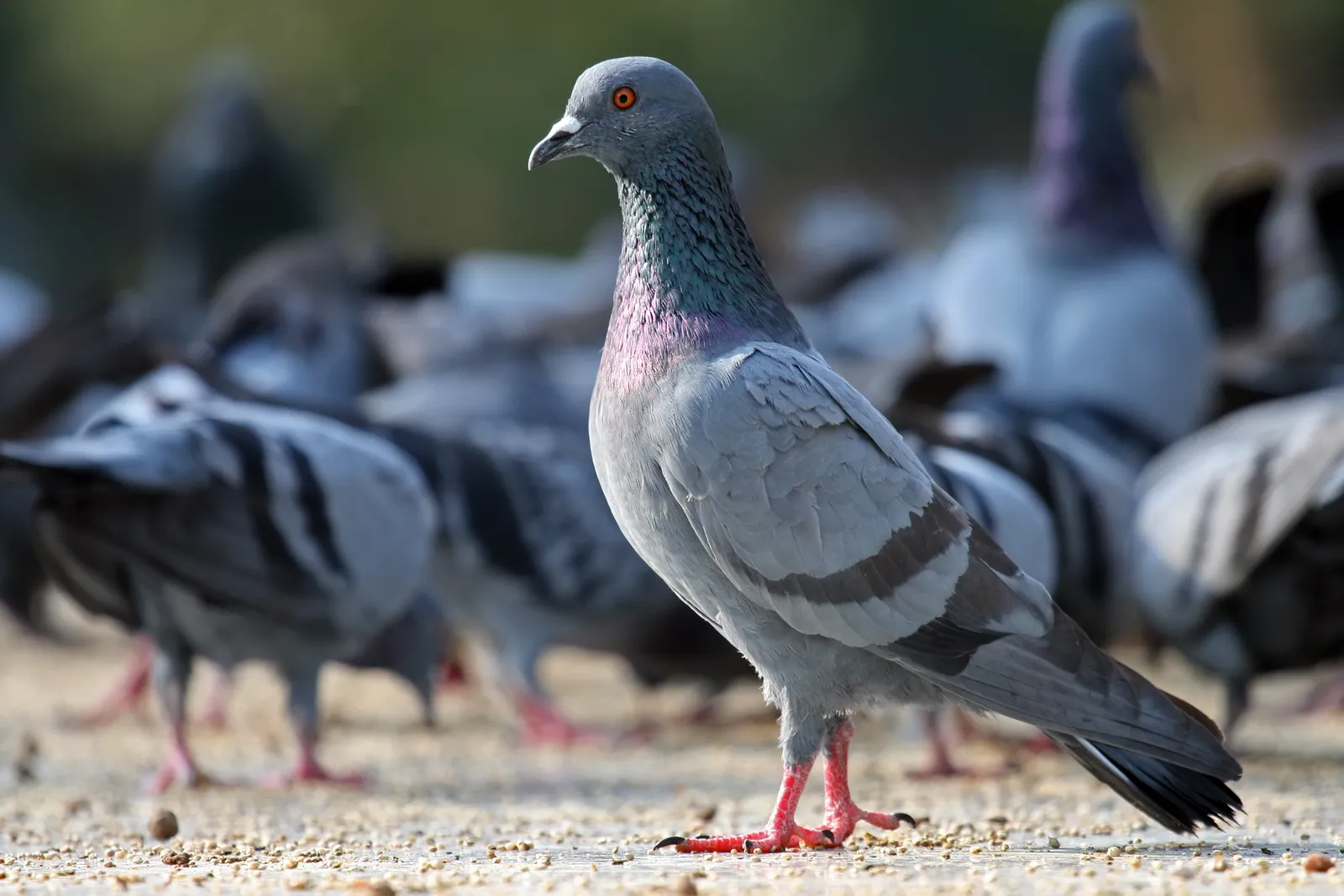
It’s easy to dismiss pigeons as urban clutter, birds that exist somewhere between pest and background scenery. The research tells a very different story, one where a brain smaller than a thumb can hold onto thousands of distinct images for months without mixing them up. That’s not a cute trivia fact, it’s a real challenge to the assumption that big brains are required for big memory.
What strikes me most isn’t just the raw numbers, impressive as they are. It’s that this capacity sat undocumented for so long simply because nobody thought to look closely at an animal most of us actively avoid. If pigeons can do this, it raises a fair question about how many other overlooked species carry cognitive abilities we’ve simply never bothered to test.

- 12 Amazing Things Only Dog Owners Truly Understand - July 13, 2026
- 10 Unique Ways Animals Display Grief and Mourning for Their Loved Ones - July 13, 2026
- 27 Hardy Plants That Turn a Barren Yard Into a Pollinator Paradise - July 13, 2026