
Most people glance out the window at a crowded feeder and think, “How cute.” What they don’t realize is that what they’re actually seeing might be a warning. Certain birds don’t show up in your yard by accident – they show up because something in the atmosphere has shifted, something your weather app hasn’t caught yet. Long-term observers and researchers tracking barometric pressure sensitivity and infrasound detection have confirmed that these patterns aren’t folklore. They’re real, they’re repeatable, and in several documented cases, they’ve outperformed official forecasts by hours or even days.
Some of these birds are backyard regulars you’ve probably ignored a hundred times. Others are rare enough that spotting one should stop you cold. But knowing which species to watch for – and what their behavior actually means – is the difference between a casual observation and a genuinely useful heads-up. The last few on this list get stranger and more impressive the further you read.
#12 – Downy Woodpeckers Signal Incoming Pressure Drops
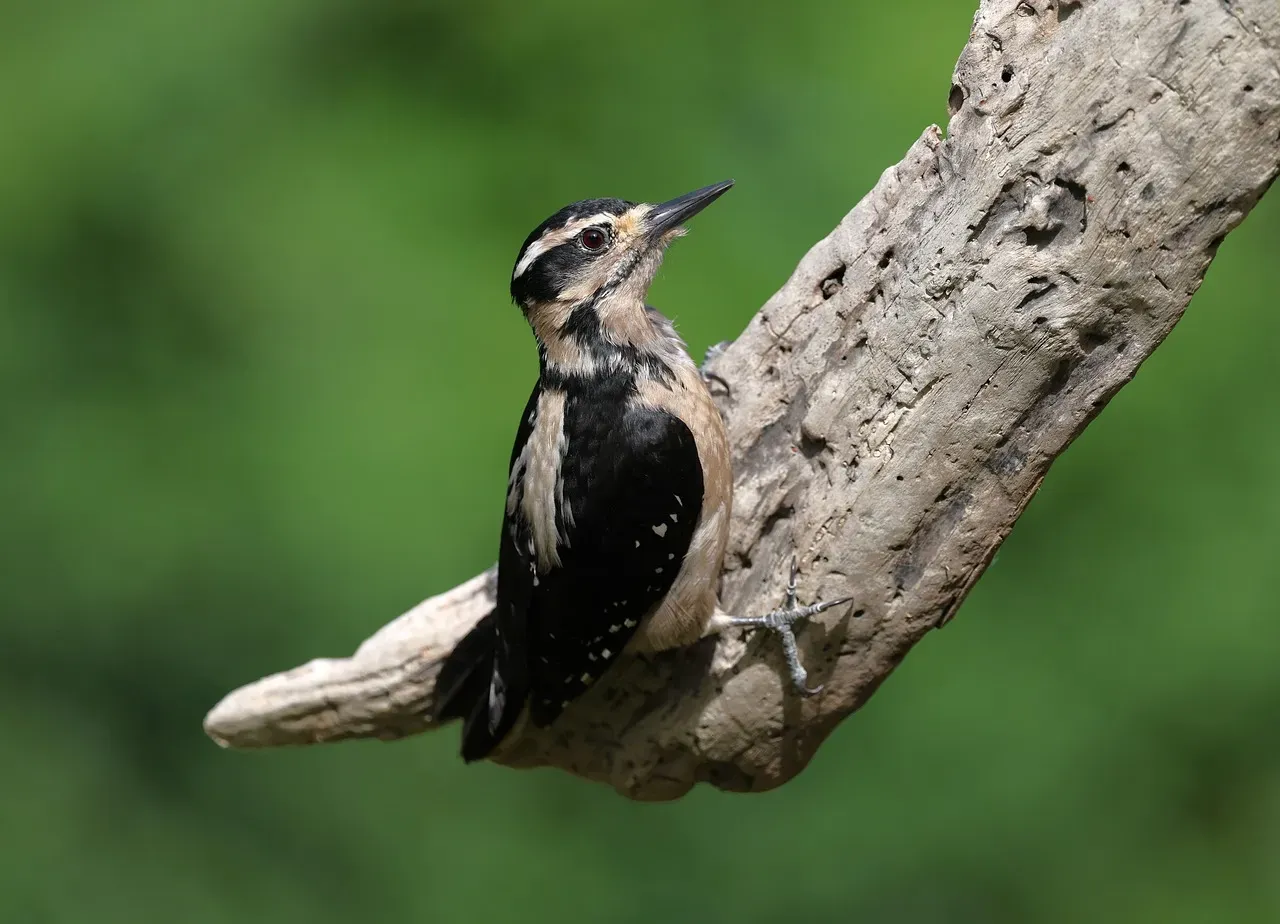
Downy woodpeckers are common enough that most people tune them out. That’s a mistake. These small birds ramp up their drumming and feeder activity dramatically when barometric pressure begins to fall – the kind of fast, steep drop that precedes heavy snow or high-wind events. They’re not just hungry. They’re loading up before conditions make foraging impossible.
What makes the downy woodpecker worth watching is the consistency. Homeowners who track feeder traffic across multiple winters report the same pattern repeating: a sudden spike in downy visits 12 to 24 hours before a significant storm arrives. That’s not coincidence – that’s a bird reading the atmosphere more accurately than most people read the sky.
Fast Facts
- Downy woodpeckers are the smallest woodpecker species in North America, measuring just 5.5 to 6.7 inches long.
- Their feeder surge is most pronounced before storms with rapid pressure drops of 0.10 inches of mercury or more.
- They cache food in bark crevices – pre-storm visits often involve carrying seeds away, not just eating on-site.
- Both sexes increase activity, but males are usually first to the feeder as conditions begin to shift.
#11 – Dark-Eyed Juncos Flood Yards Ahead of Major Snow Events
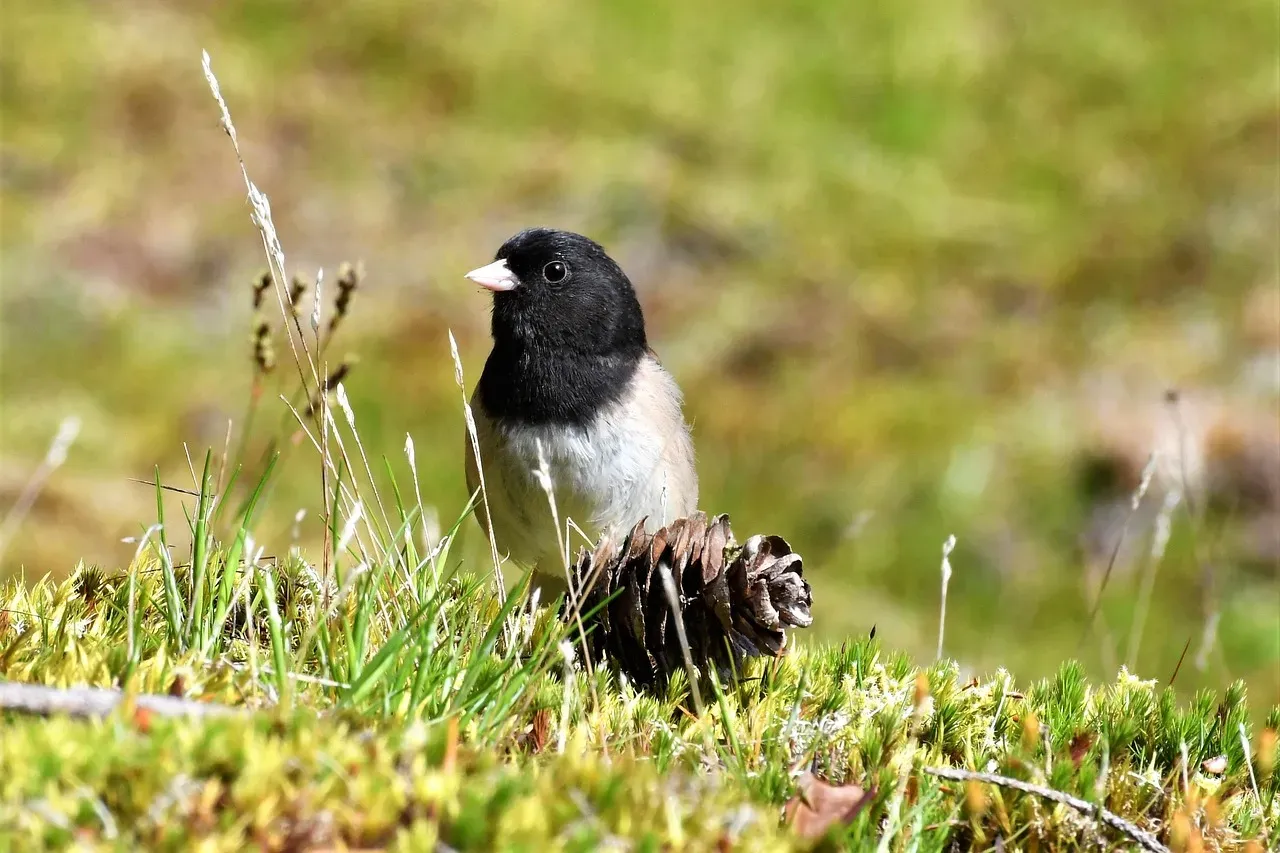
Dark-eyed juncos normally prefer the edges – brushy cover, quiet fields, the margins of things. When they suddenly appear at your feeders in large, restless numbers, something has changed. These birds have specialized ear structures sensitive to pressure shifts, and they respond by abandoning open ground and pushing into sheltered yards to stock up on calories before the world goes white.
The detail that stands out is that juncos have been observed flooding yards precisely when official forecasts are underestimating what’s coming. When the model says two inches and the juncos say otherwise, experienced backyard watchers have learned to trust the birds. They show up in waves, they’re urgent, and they don’t stick around once the storm is over – they vanish back into the wild as if the alarm has been cancelled.
#10 – House Finches Gather Frantically Before High Winds
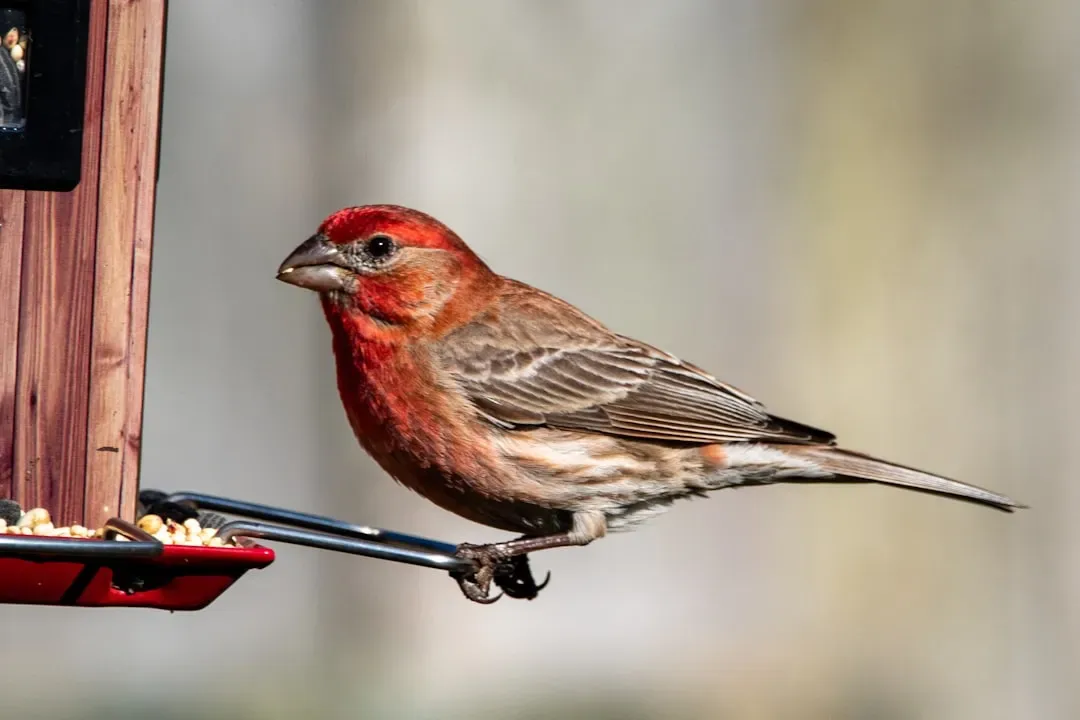
House finches are social birds that normally spread across yards in loose, casual flocks. But before strong wind events or fast-moving thunderstorms, something shifts. Their scattered groups consolidate into tight, almost frantic clusters at feeders. They strip seeds faster than usual, and their behavior carries an edge of urgency that’s hard to miss once you’ve seen it once.
This happens because house finches are sensitive to humidity spikes and pressure changes that make flight genuinely dangerous. Multiple reports link these pre-storm gatherings to events that later produced damaging gusts – often arriving well before official warnings went out. Once the wind hits and flying becomes risky, the logic is obvious. What’s striking is how far ahead of the weather they seem to know.
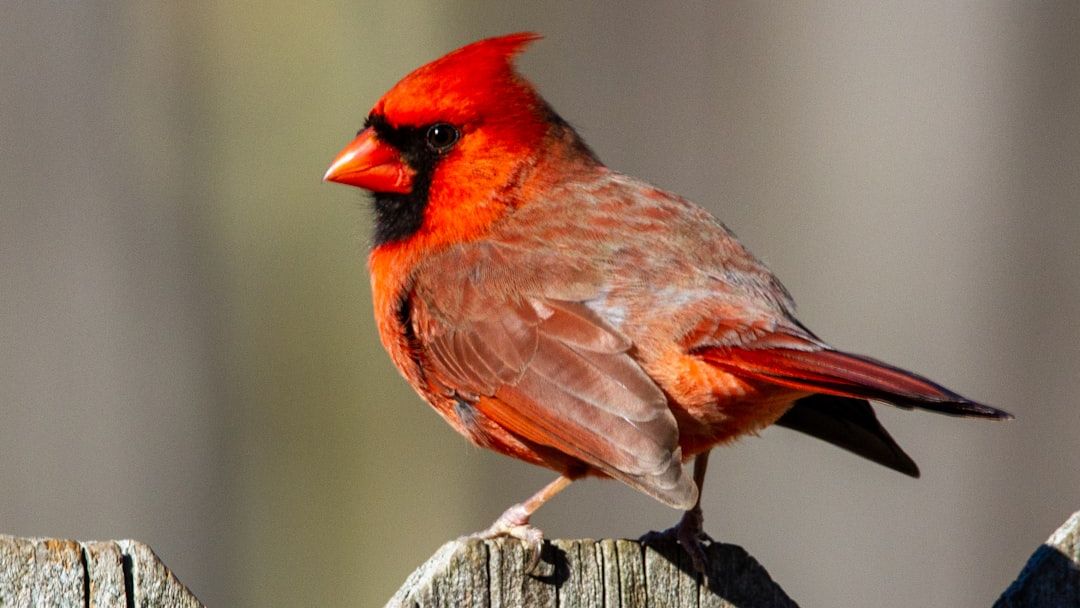
#9 – Northern Cardinals Appear at Dawn Before Severe Weather
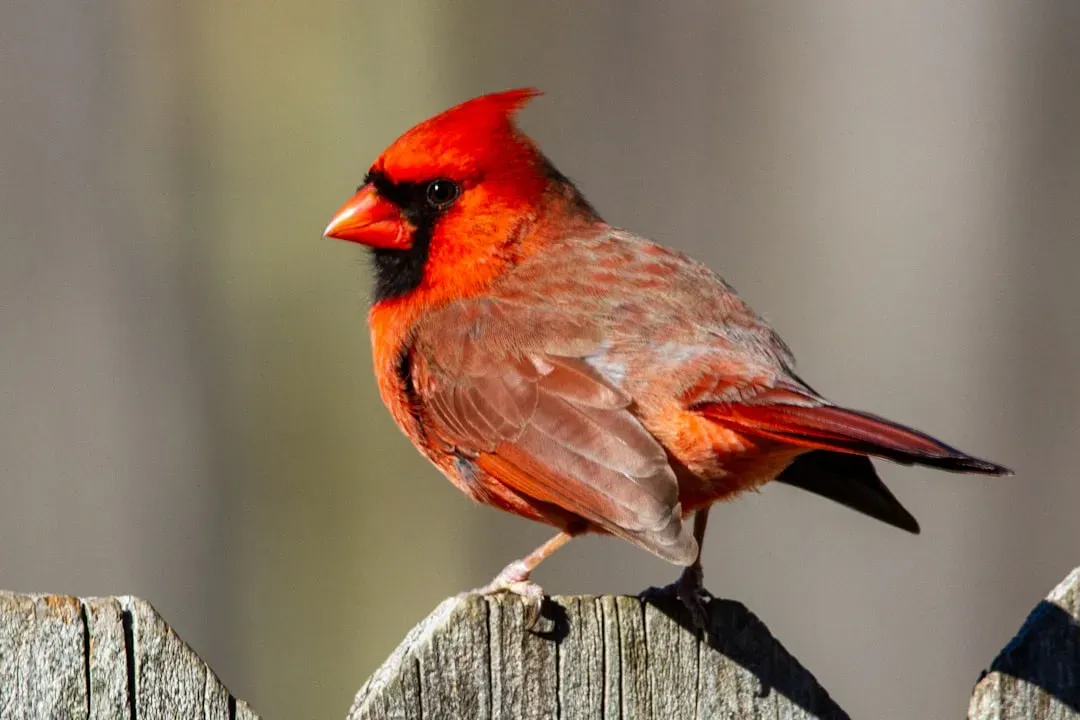
Northern cardinals are creatures of routine. They show up at predictable times, in predictable numbers, and they don’t usually make a scene. That’s exactly why it matters when they break that pattern. When a dangerous system is approaching, cardinals become hyper-visible at first light – louder, more active, dominating the feeder in a way that feels almost theatrical. They’re building energy reserves before conditions deteriorate.
This visibility spike holds across storm types, from spring squalls to fall gales, and it’s been noted repeatedly in the hours before events that caught even experienced forecasters off guard. A male cardinal hammering seeds in the dark at 6 a.m. while calling loudly isn’t being dramatic. He’s telling you something. The question is whether you’re paying attention.
At a Glance
- Cardinals are non-migratory and year-round residents, making behavioral changes easy to notice against their usual routine.
- The pre-storm dawn surge is most reliable ahead of fast-moving cold fronts and squall lines.
- Males tend to dominate feeders and call aggressively; females follow closely, both fueling up simultaneously.
- Unusually early arrival before sunrise – sometimes 20 to 30 minutes before first light – is one of the clearest tells.
#8 – Black-Capped Chickadees Stockpile Seeds Hours Before Storms
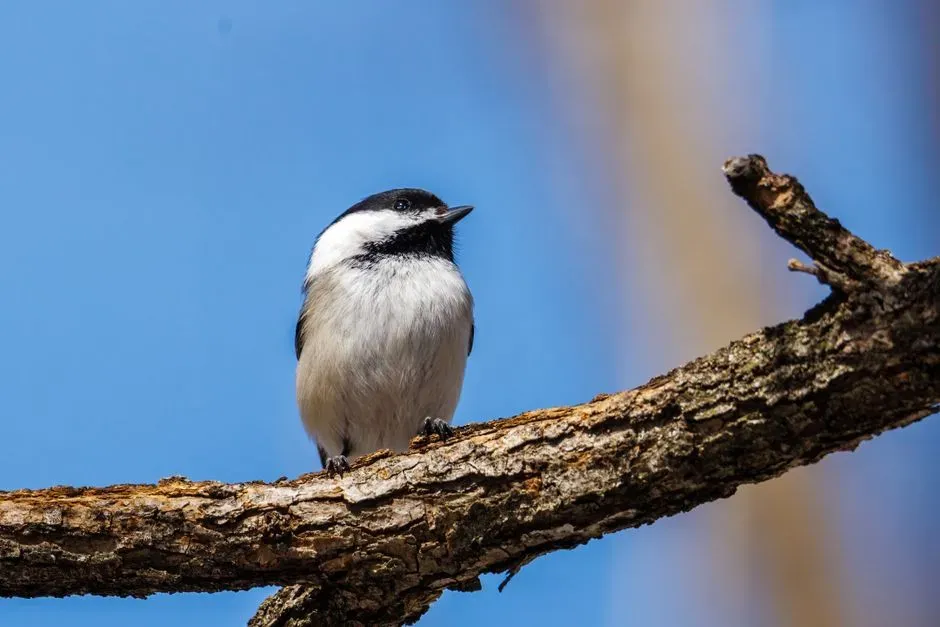
Black-capped chickadees are tiny, burn through energy at a staggering rate, and cannot afford to go without food for long. When a storm is coming, they know it – and they respond by hitting feeders with an intensity that’s almost frantic. Their acrobatic visits become rapid, relentless, and non-stop. They’re not playing. They’re caching food against the hours ahead when leaving cover won’t be an option.
Studies on barometric sensitivity in small songbirds support what backyard observers have noted for years: chickadees react early, and they react hard. What’s particularly revealing is their behavior after the storm. Chickadees are often the first birds back at feeders once the worst has passed – suggesting they anticipated both the arrival and the duration, not just the first signs of trouble.
#7 – Blue Jays Call Loudly and Congregate Before Tornado Risks
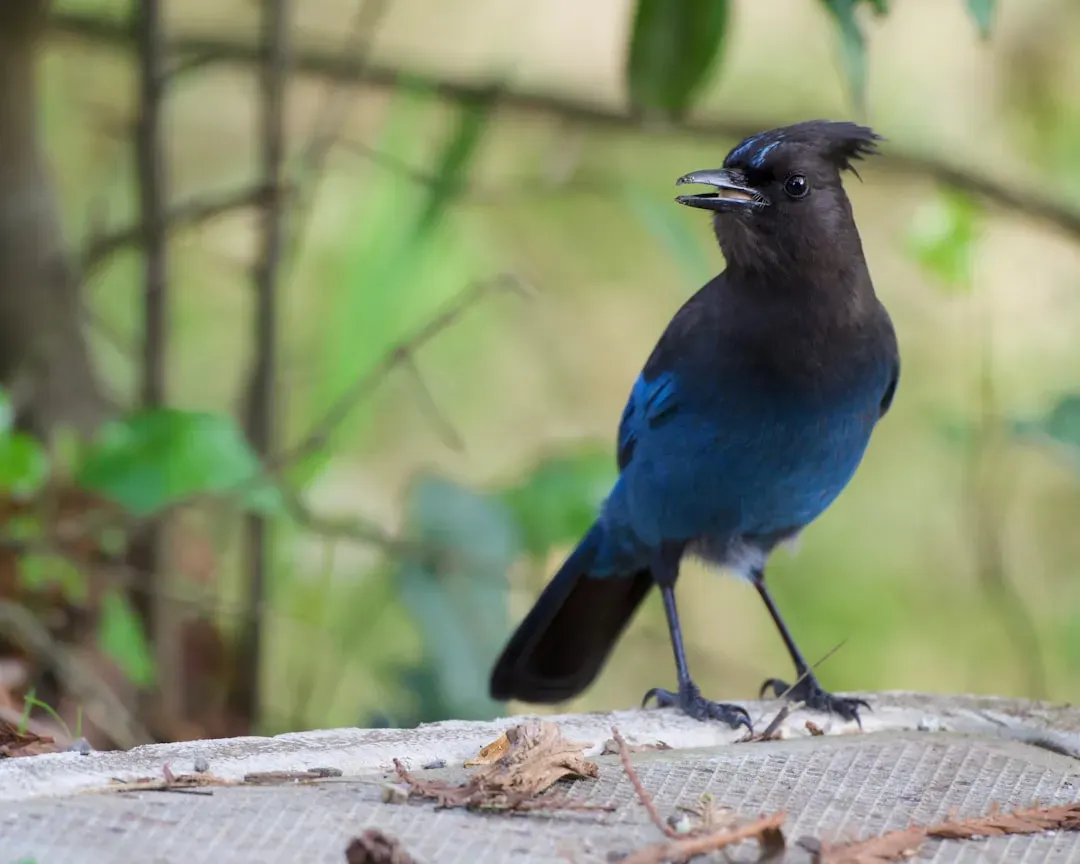
Blue jays are already loud, so it takes a trained ear to notice when their alarm calls shift into something different – more persistent, more directional, more like a neighborhood-wide announcement that nobody asked for. Before supercell conditions build, jays turn unusually vocal and begin gathering in groups, their raucous calls echoing well before radar has anything useful to show.
This behavior connects to their sensitivity to infrasound – low-frequency pressure waves generated by developing storm systems that travel far beyond what the human ear can detect. Jays have been observed abandoning territory and repositioning days ahead of major tornado outbreaks. They’re not reacting to what’s already there. They’re responding to something building hundreds of miles away.
“Birds are the most sensitive barometers in nature. They respond to changes in atmospheric pressure that our instruments sometimes take hours to confirm.”
Pete Dunne, naturalist and author, Cape May Bird Observatory
#6 – American Crows Roost in Unexpected Numbers Ahead of Fronts
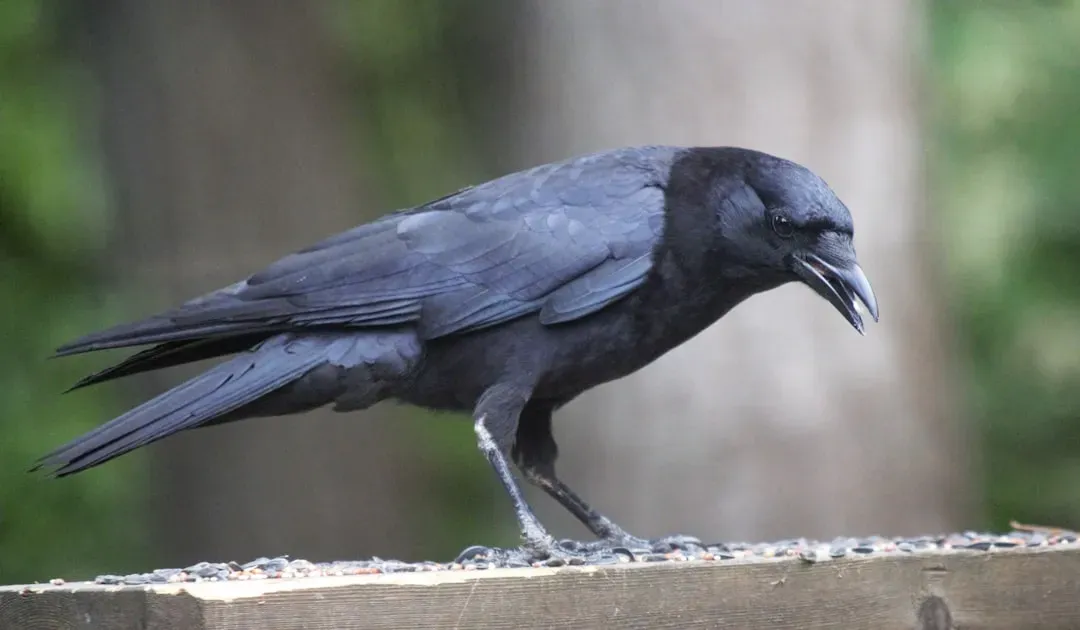
American crows are normally spread thin – scattered across territories, independent, rarely crowding into a single location without reason. When they suddenly pack into specific yard trees in large, noisy numbers, it’s worth paying attention. They’re seeking safety in collective warmth and numbers before high winds make their usual exposed roosts dangerous.
The shift tracks with the same pressure changes that make human joints ache before a storm – an atmospheric signal both crows and people feel, though crows apparently act on it faster. Folklore across multiple cultures has noted crow congregations before major weather events. Modern tracking confirms what generations of rural observers already suspected: the crows showing up in your oak tree aren’t lost. They’re smarter than your barometer.
Worth Knowing
- Crows are among the most cognitively advanced birds on earth, with problem-solving abilities comparable to great apes.
- Pre-storm roost gatherings can number in the hundreds – far beyond a crow’s typical daily social group of 5 to 15 birds.
- They tend to choose dense evergreens or multi-branched hardwoods that offer wind protection – a deliberate shelter choice, not random perching.
- Unusual daytime roosting (crows gathering to roost before dusk) is one of the strongest indicators that conditions are shifting fast.
#5 – Yellow-Billed Cuckoos Earn Their “Rain Crow” Nickname
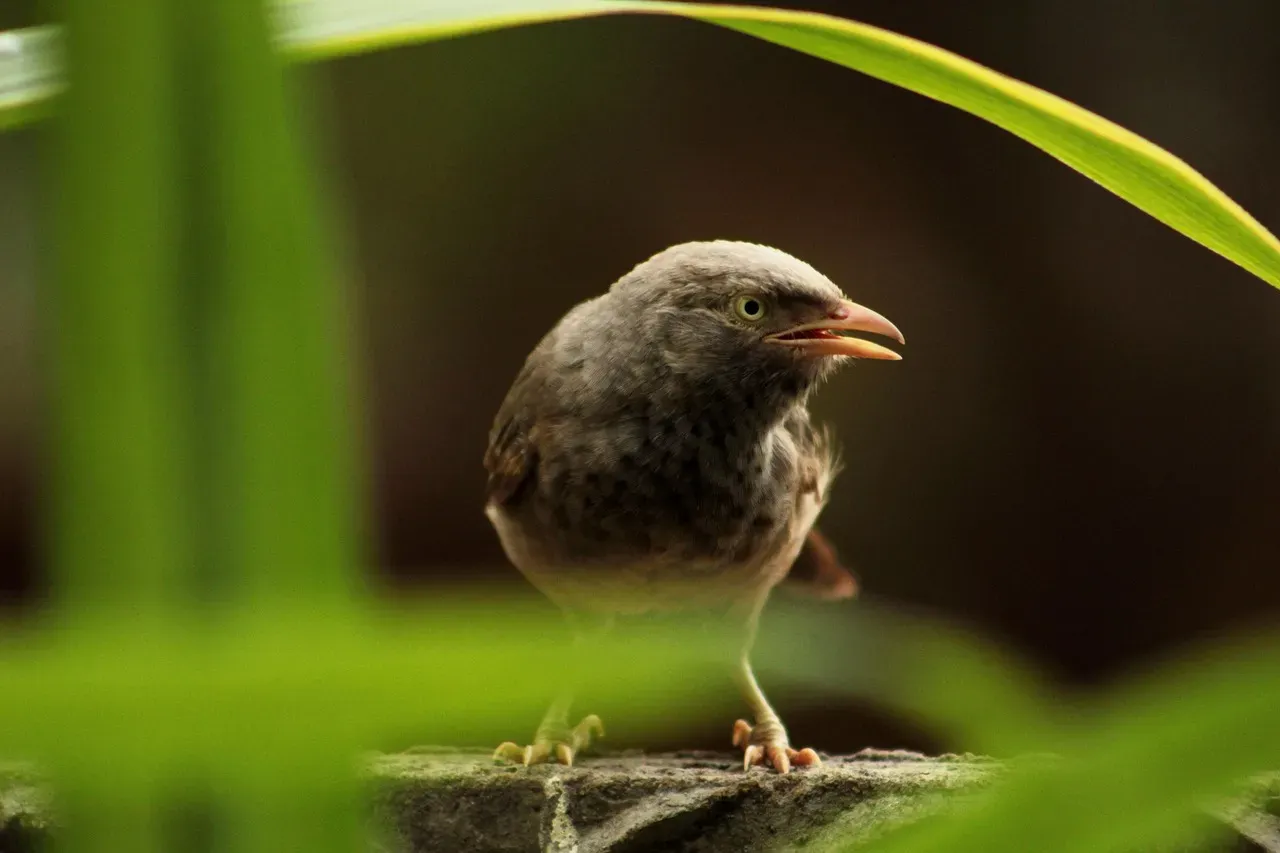
The yellow-billed cuckoo has been called the rain crow for so long that the nickname predates modern meteorology by generations. People in eastern and central North America learned early that when this secretive, rarely-seen bird suddenly called from the edge of the yard, rain was coming. Not someday. Soon. The bird’s movements and intensifying calls track incoming moisture with a reliability that turned observation into tradition.
Recent documentation backs the old wisdom. Yellow-billed cuckoos appear in yards and increase their calling in the hours before official rain totals begin to spike dramatically. They’re not reacting to the rain – they’re ahead of it. For a bird that most people go years without seeing clearly, their sudden visibility before a downpour is almost impossible to dismiss as coincidence once you’ve watched it happen.
#4 – Barn Swallows Fly Low and Cluster Near Homes Before Downpours
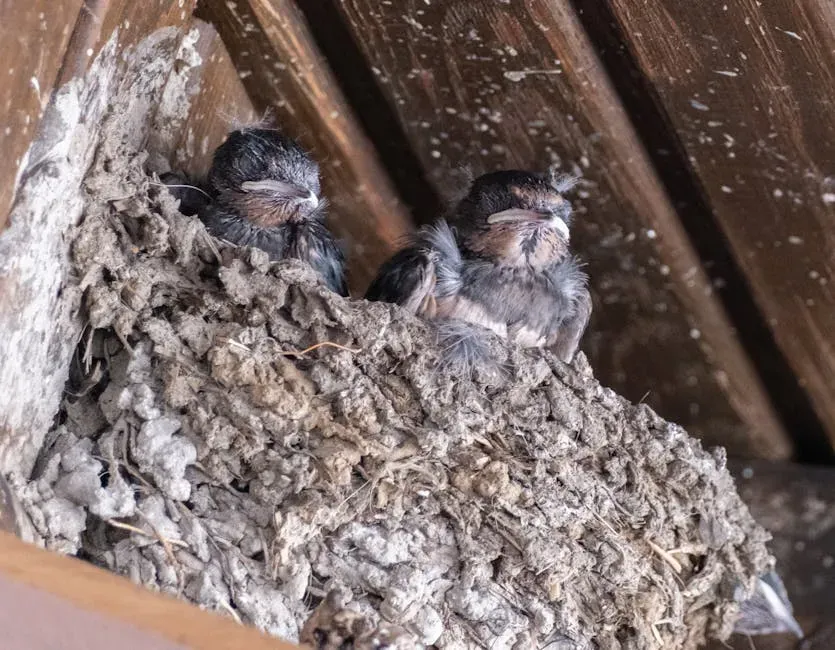
Barn swallows are built for open sky. Their entire lifestyle is aerial – eating, drinking, and living aloft. So when they abandon that high-altitude freedom and begin flying low, tight circles near houses, eaves, and structures, something in the atmosphere has pushed them down. Falling pressure forces insects closer to the ground, and the swallows follow. The physics are simple. The timing is eerie.
As one ecologist put it, “low pressure, insects down low, so swallows down low” – a real-time barometric readout written in flight. This behavioral shift has been observed consistently across continents, and it holds up even before storms that later produce flash flooding. The birds stay close and low until the threat passes, then climb again as if nothing happened. Watching a barn swallow skim your porch railing when it should be fifty feet up is one of the clearest weather signals nature offers – and most people watch it happen without ever knowing what it means.
Quick Compare
- Normal conditions: Barn swallows hunt 20–50 ft above fields and open water, using rising thermals and insect swarms.
- Pre-storm conditions: Flight drops to just inches above the ground or water surface as insects descend with falling pressure.
- What it means: The lower and tighter the swallow’s flight path around your home, the steeper the pressure drop – and the more serious the incoming weather.
#3 – White Ibises Vanish Then Reappear as “Hurricane Birds”
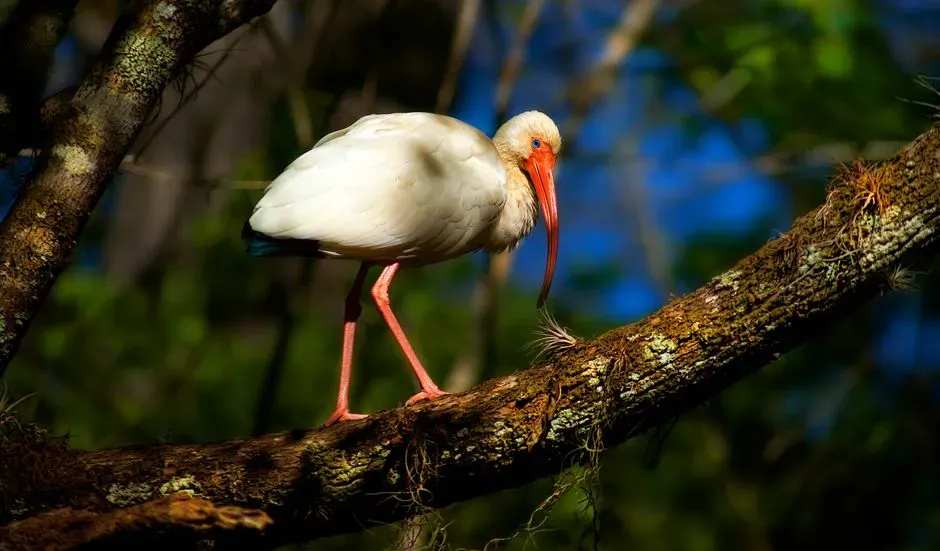
Along the Gulf Coast and in Florida, residents have a name for the white ibis: the hurricane bird. It’s earned. Before major tropical systems approach, ibises disappear from coastal yards and neighborhoods with an abruptness that feels wrong – like a neighborhood going silent before something happens. Their absence, according to longtime residents, is sometimes the first real sign that what’s coming is serious.
Then, after landfall, they return – often before conditions have fully cleared, and before most people would consider going outside. The white ibis is considered the last bird to leave before a hurricane hits and the first to return once the storm has passed – a pattern consistent enough that it inspired the University of Miami to adopt the ibis as its mascot in 1926. When the hurricane birds leave, coastal Florida pays attention. That instinct has proven out more than once.
#2 – Golden-Winged Warblers Evacuate Breeding Areas Days Early
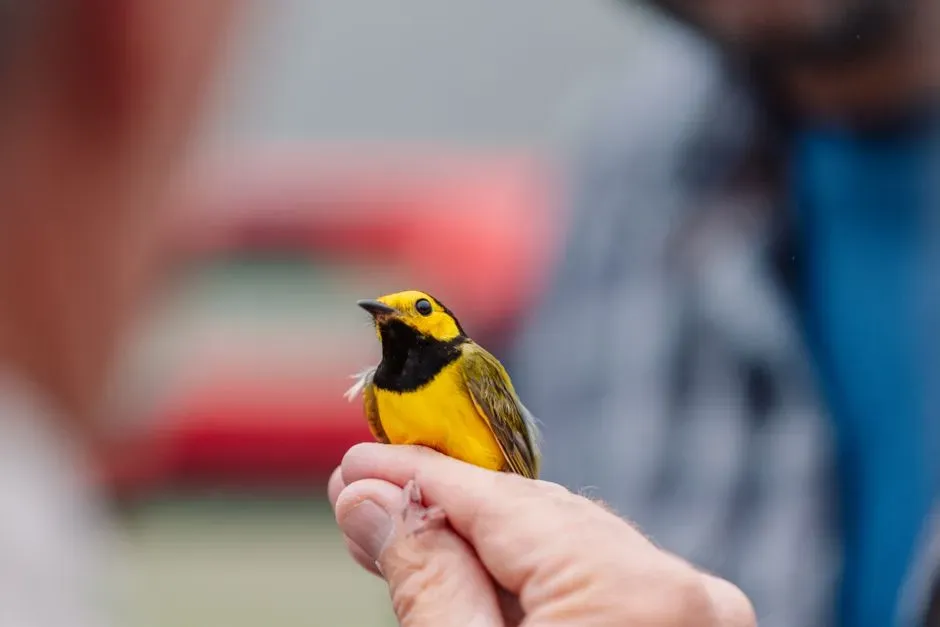
In 2014, researchers tracking golden-winged warblers in the Cumberland Mountains noticed something astonishing. The birds abandoned their breeding territories one to two days before a massive tornado outbreak – an outbreak that ultimately produced 84 tornadoes across the southeastern United States. The birds had not yet experienced any severe weather. They simply left, flying hundreds of miles south before the first storm cell formed.
The mechanism appears to be infrasound sensitivity – the ability to detect low-frequency sound waves generated by distant, developing supercells before they’re visible on radar or confirmed by atmospheric instruments. Published in the journal Current Biology, the UC Berkeley-led study found the warblers had evacuated when the storm was still 250 to 550 miles away and local weather conditions were completely normal. Golden-winged warblers don’t just react to weather. In the right conditions, they predict it at a scale and lead time that no human technology matched in that event. That’s not a fluke. That’s biology doing something we’re still trying to fully understand.
Why It Stands Out
- The 2014 tornado outbreak killed at least 35 people and produced 84 confirmed tornadoes across the U.S. Southeast.
- The warblers departed their breeding grounds more than 24 hours before any local signs of dangerous weather appeared.
- Three tracked birds traveled more than 900 miles round-trip to avoid the storm system – then returned after it passed.
- Infrasound from tornadic storms is known to travel more than 1,000 km from the storm’s origin – well within a warbler’s detection range.
- Golden-winged warblers weigh roughly a third of an ounce – less than four dimes – making this one of the most remarkable feats in avian biology.
#1 – Veeries Shorten Breeding Seasons Months Before Intense Hurricane Years
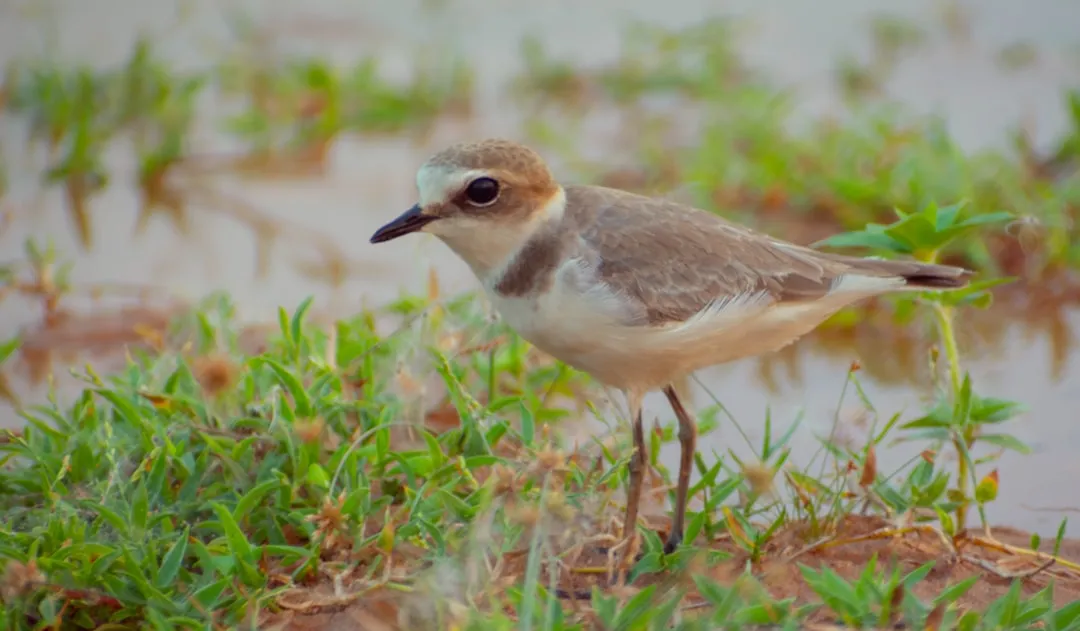
Everything else on this list works in hours or days. Veeries operate in months. These unassuming thrushes adjust their entire breeding timeline based on what the coming Atlantic hurricane season will look like – wrapping up nesting earlier in years when activity will be dangerous, lingering longer in quiet years. A study published in the journal Scientific Reports showed that for nearly two decades, their behavioral calendar tracked actual hurricane intensity more accurately than leading meteorological models in multiple seasons. That’s not a small claim. It held up repeatedly.
How a thrush detects signals about ocean temperatures and atmospheric conditions months in advance is a question researchers are still working through. Delaware State University professor Christopher Heckscher, who tracked the birds for nearly 20 years, suspects the veery is detecting something in the atmosphere that meteorologists aren’t yet looking at – and has already figured it out by mid-May at the latest. Most people are still planning beach vacations when the veeries are already acting on information we won’t have for months. Of all the birds on this list, this one should genuinely give you pause – because it means some animals are reading the planet on a timescale we haven’t caught up to yet.
Birds don’t show up in your yard at random. They show up when the world they’re wired to read is sending them a signal – pressure falling, infrasound rising, moisture building, or something slower and stranger shifting in the climate around them. The birds most people ignore are often the ones carrying the most urgent information. Start watching which species appears, when, and in what numbers. You may not need to check the forecast as often as you think.

- If You Are Getting Your First Dog, These 17 Regrets Are the Ones Owners Name Most - August 1, 2026
- 14 Dog Breeds That Suit a Quiet Retired Household and 7 That Really Do Not - August 1, 2026
- 19 Plants Seasoned Gardeners Wish They Had Never Wasted a Single Growing Season Without Once Trying - August 1, 2026