
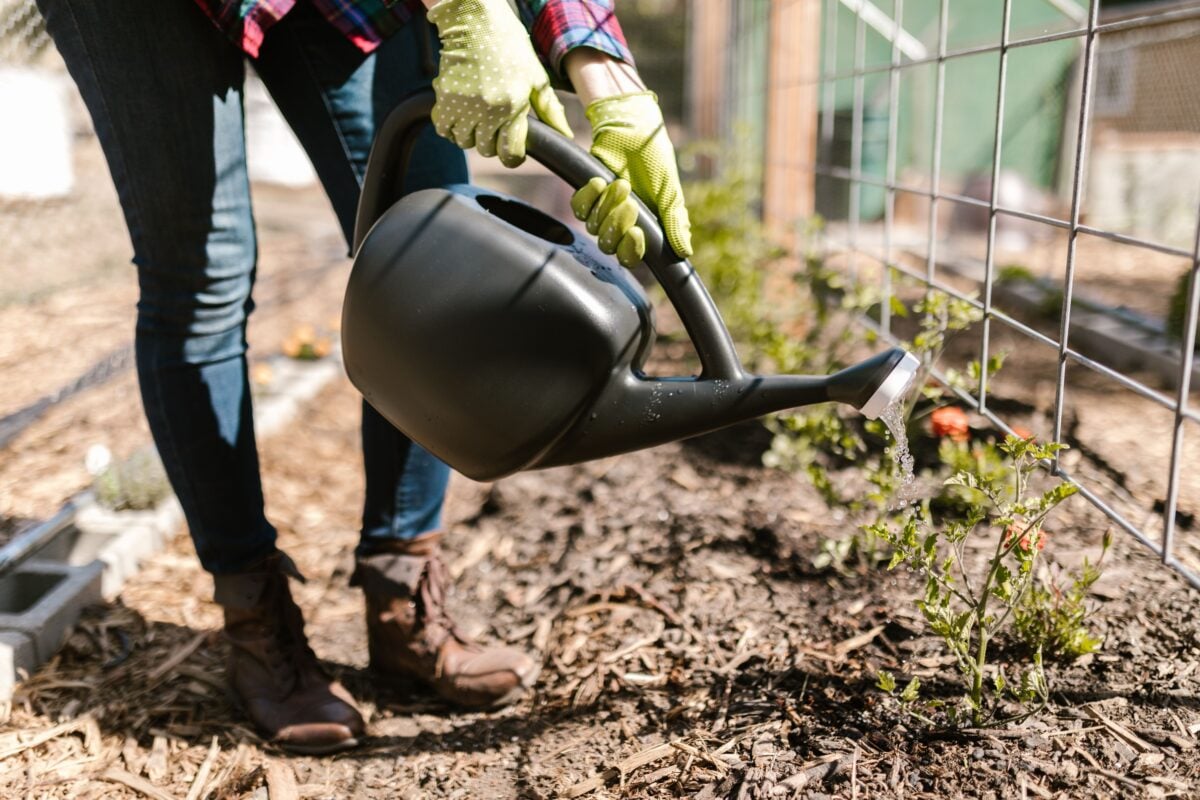
Every new gardener spends hours agonizing over which tomato variety to buy or what color flowers will look best by the mailbox. Meanwhile, the people who’ve actually kept a garden alive for ten, twenty, thirty years are nursing a completely different list in their heads – one nobody warned them about.
These aren’t the cute “oops, I over-watered” mistakes gardening blogs love to joke about. They’re expensive, backbreaking, hope-crushing errors that quietly convince good people they “just don’t have a green thumb.” The wild part? Almost every regret on this list was 100% avoidable – if only someone had said something sooner. Here’s what veteran growers actually admit to, once the cameras are off.
#16 – Ignoring Sunlight and Planting “Where It Looks Cute”
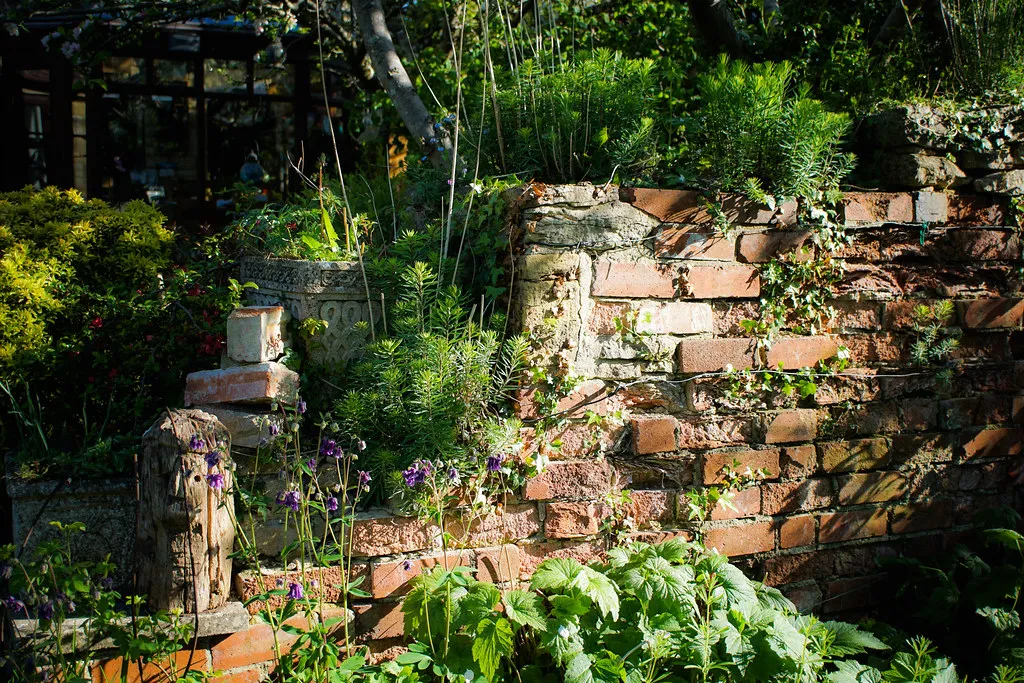
Most people plant where the bed “fits” their yard, not where the sun actually hits. Veteran gardeners will tell you their first big regret was building a gorgeous bed in the shadiest corner of the yard, then wondering why nothing produced.
Seed packets saying “full sun” mean 6-8+ hours of direct light, not “sort of bright.” A fence, a shed, or even a neighbor’s tree can quietly steal those hours. The result? Leggy tomatoes, tiny flowers, weak herbs, and a lot of wasted money on soil and compost that never pays you back.
Fast Facts
- Full sun: 6-8+ hours of direct light daily
- Partial sun/shade: roughly 3-6 hours
- Full shade: under 3 hours – rarely enough for fruiting vegetables
- Morning light is gentler on leafy greens than harsh afternoon sun
Before you put one shovel in the ground, do a one-day “sun audit.”
- Check where the sun actually is at 9 a.m., noon, 3 p.m., and 6 p.m.
- Mark the truly sunny spots with flags or stakes.
You can always make a sunny bed pretty later with edging and decor. You can’t talk a shade-starved tomato into producing fruit.
#15 – Starting Way Too Big (Because TikTok Made It Look Easy)
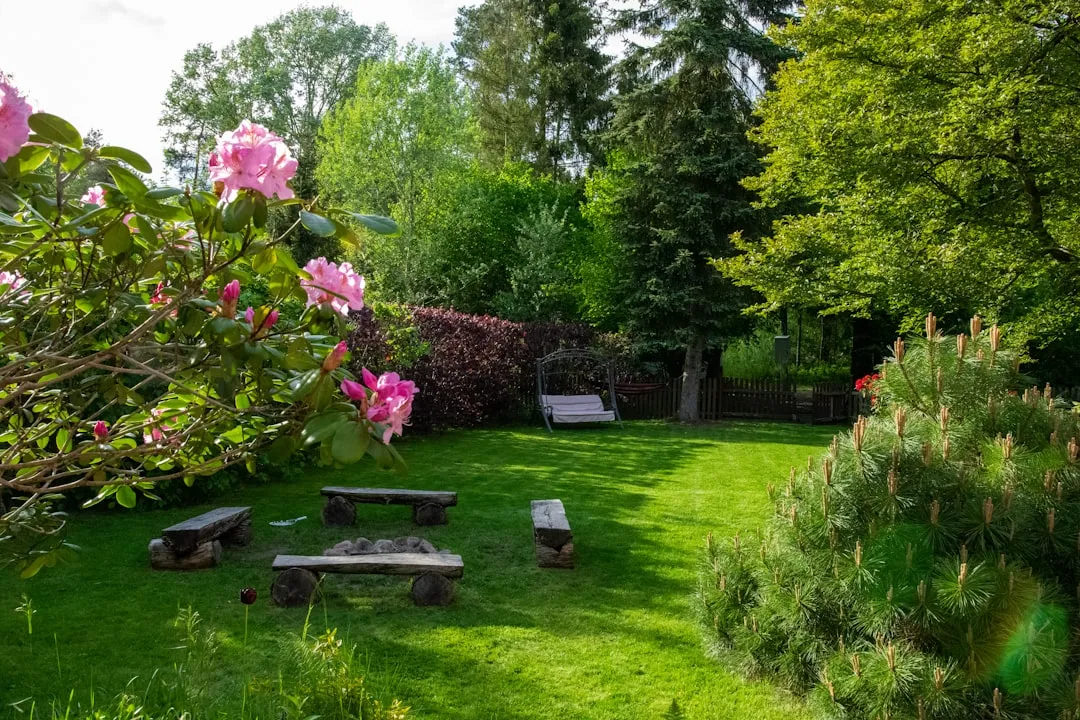
New gardeners secretly believe “more space equals more harvest,” and it’s one of the fastest paths to burnout. Veterans almost all say the same thing.
“I wish I’d started with one or two small beds instead of trying to farm my whole yard.” A massive first-year garden means more weeding, more watering, more pest problems, and triple the cost in lumber, soil, and plants. That’s fun for about three weeks – then life gets busy, weeds win, and your giant dream bed becomes an overgrown guilt patch you avoid looking at.
Experienced growers now recommend a brutal rule: start with less than you think you want.
- One or two 4×8 beds (or even a cluster of big containers) is plenty for year one.
- Learn how you handle heat waves, vacations, and pests before scaling up.
You can always add beds next year. You can’t easily un-quit after a season that burned you out.
#14 – Skipping a Soil Test and “Fixing” Problems Blind
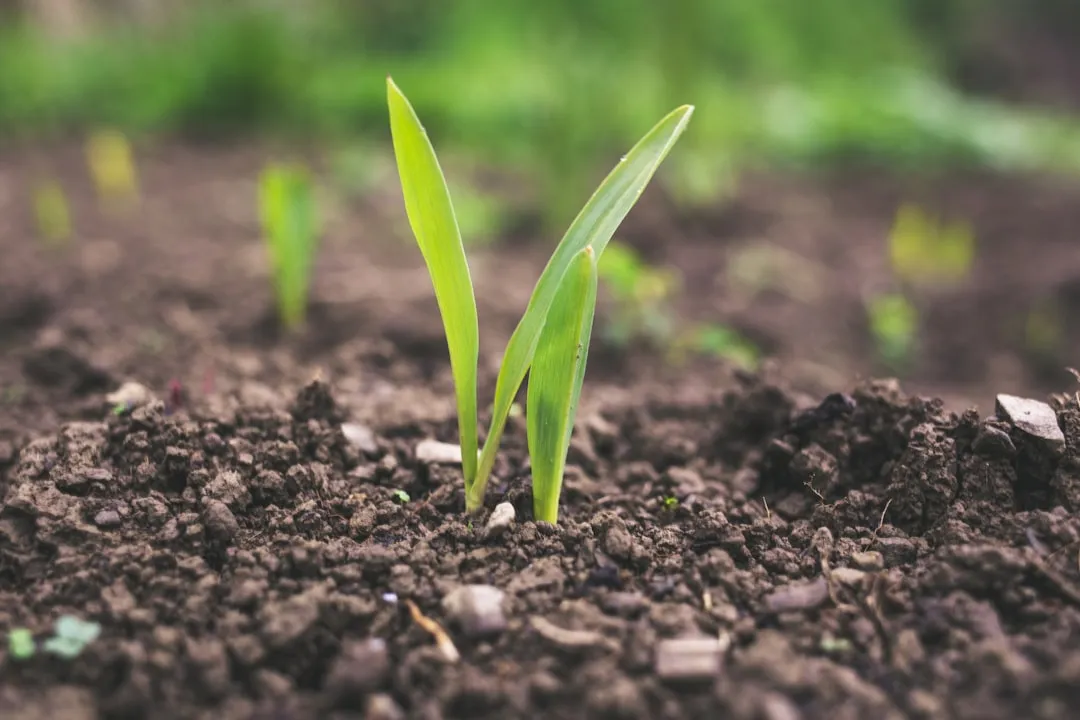
Most people dump compost and fertilizer in their beds and hope for the best. Long-time gardeners admit this as a top regret: spending years chasing yellow leaves and weak growth without ever checking what’s actually going on underground.
Soil pH and nutrient levels decide almost everything, from tomato yields to whether your blueberries even live. Too acidic, too alkaline, too much phosphorus from years of random fertilizer – and suddenly plants can’t take up what they need, no matter how much you feed them.
A basic soil test from your local extension service or a reputable kit costs less than a bag of fertilizer and tells you:
- pH (which controls nutrient availability)
- Excesses or deficiencies in key nutrients
Veterans wish they’d tested once at the start and again every few years, instead of guessing forever.
#13 – Planting What Looks Pretty Instead of What You Actually Eat
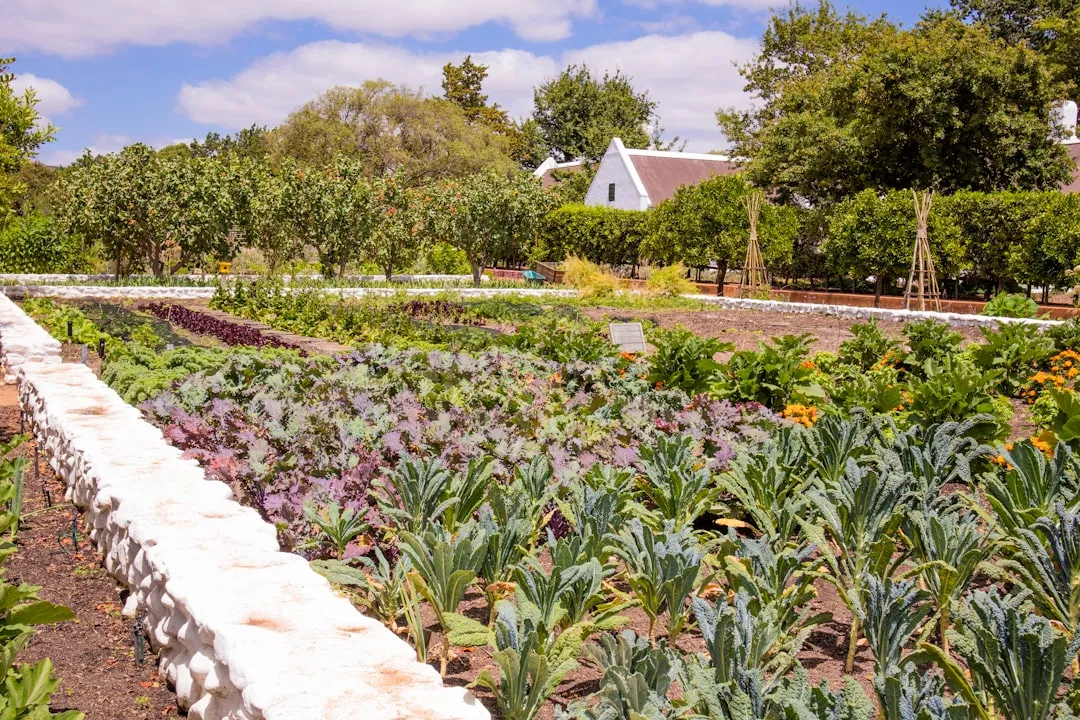
Seed catalogs and garden centers are designed to make you impulsive. Almost every experienced vegetable grower confesses they once filled beds with crops they barely eat.
Rows of radishes for a person who doesn’t like radishes. Eight zucchini plants for a two-person household. It feels productive… until you’re forcing bags of unwanted veg on neighbors or tossing slimy cucumbers into the trash. Nothing kills garden joy faster than watching your own labor end up in the compost bin.
Veterans now make planting decisions in the kitchen, not the aisle.
- Write down what your household actually buys weekly (tomatoes, lettuce, herbs, peppers).
- Rank them by “we’d be thrilled to have more of this.” Then, and only then, pick varieties.
Flowers and “fun experiments” are great – just not as the backbone of your first garden.
#12 – Ignoring Spacing and Turning Beds Into a Jungle
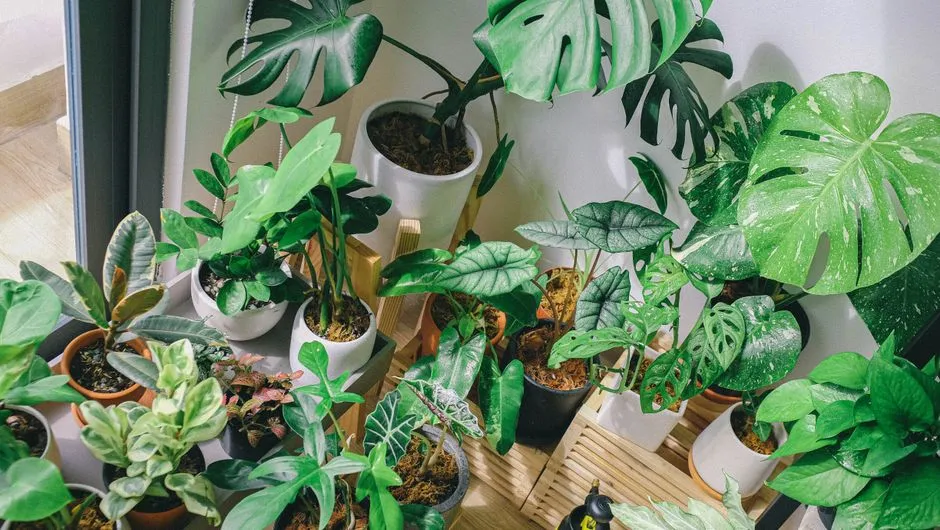
New gardeners think “if I cram more plants in, I’ll get more food.” The opposite usually happens. Veterans are blunt: overcrowding is why beginner gardens turn into disease-ridden, bug-infested messes.
When plants are too close, air can’t circulate, leaves stay wet, and mildew, blight, and aphids move in. Roots fight for water and nutrients, so everything stays small. Worse, it’s almost impossible to weed once stems and vines tangle together, so you start avoiding the bed altogether.
Those “ridiculous” spacing guides on seed packets? They’re based on decades of hard-earned experience.
- Follow them, or at least ignore them only by a small margin, not half.
- Remember that small seedlings become huge adults – especially squash, tomatoes, and brassicas.
It can feel wasteful leaving bare soil between plants, but that breathing room is what gives you big, healthy yields.
#11 – Underestimating How Much Water a Garden Really Needs
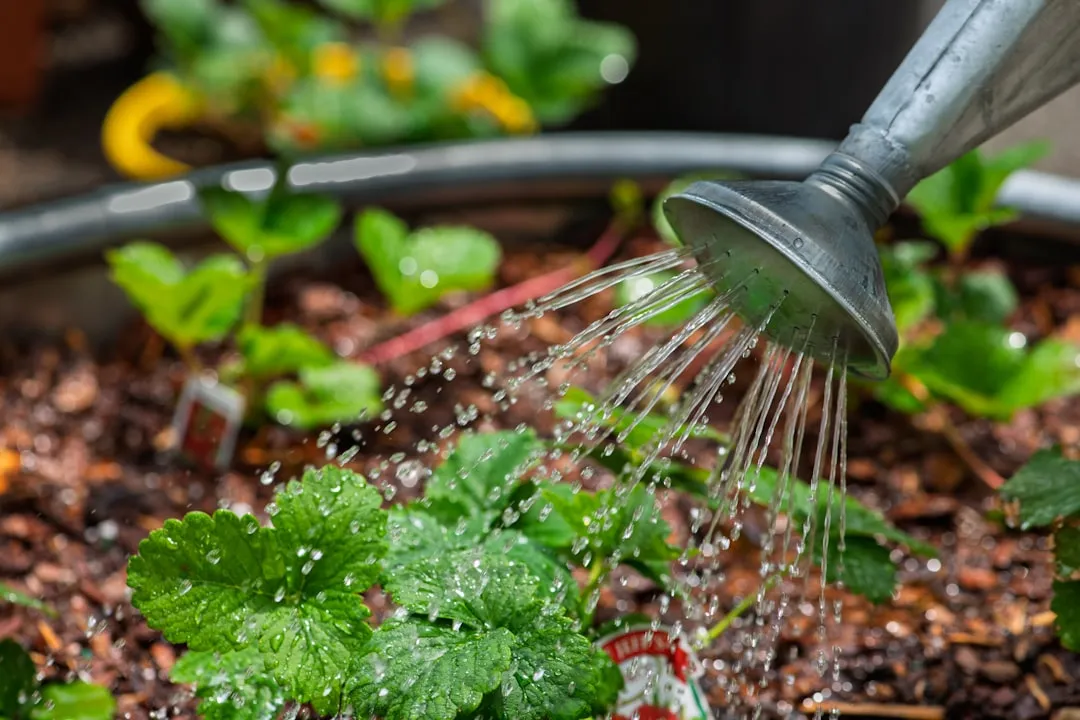
Most people think a quick sprinkle every evening is “watering the garden.” Veterans cringe at this. Shallow, frequent watering trains roots to stay near the surface, making plants weak and drought-sensitive.
When a heat wave hits, those shallow roots dry out fast and you lose whole rows overnight. On the flip side, some new gardeners drown plants, constantly keeping soil soggy and causing root rot – especially in poorly drained beds or containers without enough holes.
Quick Compare
- Shallow watering: daily habit, surface roots, plants wilt fast in heat, more disease risk from wet leaves
- Deep watering: 1-2 times weekly, deep roots, better drought resilience, fewer watering chores overall
Long-time growers almost always wish they’d set up a watering system earlier.
- Deep watering (1-2 inches once or twice a week) is far better than daily misting.
- Simple drip lines or soaker hoses, hooked to a timer, save time and plants.
Many will tell you their biggest regret isn’t buying pricey heirloom seeds – it’s not investing in consistent irrigation from day one.
#10 – Forgetting to Mulch and Letting Weeds Destroy Everything
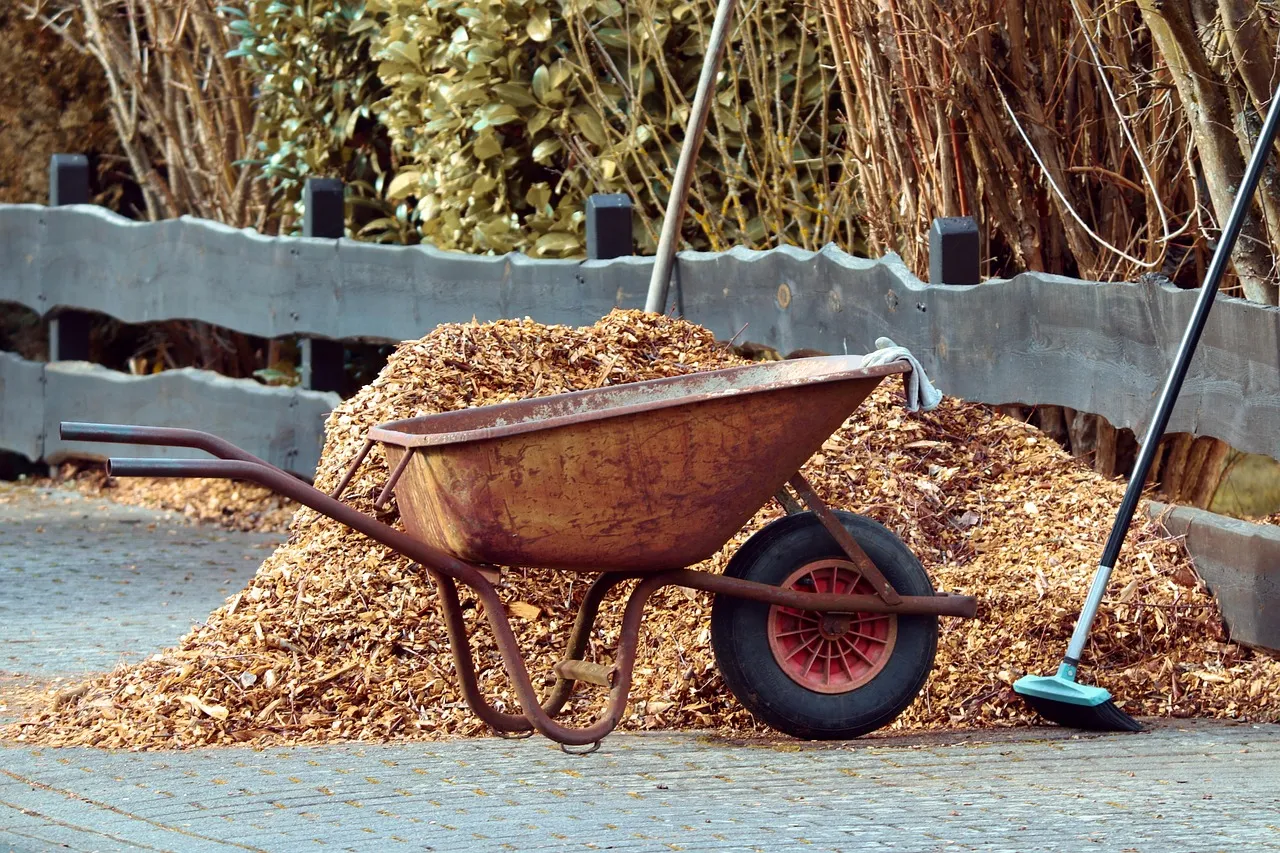
Bare soil looks “clean” for about 48 hours. Then reality hits. Veteran gardeners almost unanimously say they regret underestimating weeds.
One summer of letting weeds go to seed can haunt your beds for a decade. Without mulch, sun hits soil directly, weed seeds germinate like crazy, moisture evaporates fast, and your weekends vanish into yanking invaders that keep coming back stronger.
A simple 2-4 inch layer of organic mulch changes everything:
- Wood chips, straw (not hay), chopped leaves, or even dried grass clippings block light and stabilize moisture.
- Beds stay cooler, plants stress less, and soil life thrives underneath.
Many experienced growers now mulch aggressively the same day they plant. They’ll argue this single habit is the line between a fun garden and a chore you secretly dread.
#9 – Treating Pests and Disease as an Afterthought
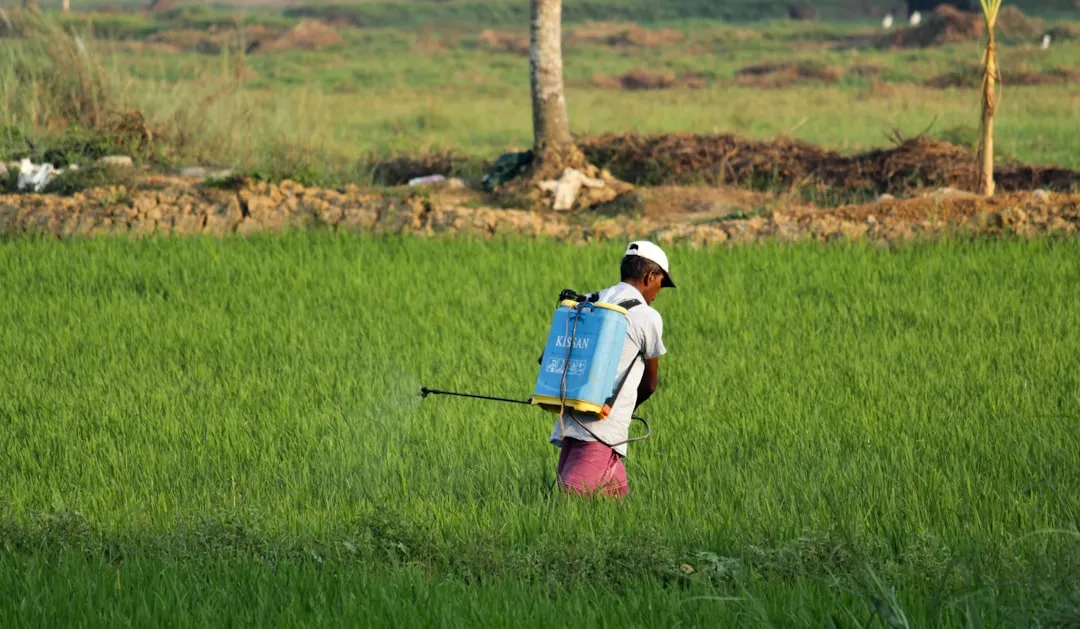
Most new gardeners wait until they see chewed leaves or dead plants before thinking about pests. Veterans call this a “heartbreak error.” First-time growers proudly post a tomato photo one week, then watch the same plant collapse from blight or hornworms the next.
By the time a problem is obvious, it’s often too late. Many wish they’d known that prevention – variety choice, spacing, cleanliness – is more powerful than any spray you can buy after the damage is done.
Long-time gardeners now build pest and disease thinking into every decision.
- They choose resistant varieties and rotate crops yearly.
- They inspect leaves regularly, especially the undersides, and remove issues early.
Plenty also admit they regret reaching for harsh chemicals too quickly, only to kill off the beneficial insects doing them favors. Integrated Pest Management – barriers, timing, predators, selective treatments – would’ve saved them money and their soil.
#8 – Not Building Paths or Access, Then Hating Every Chore
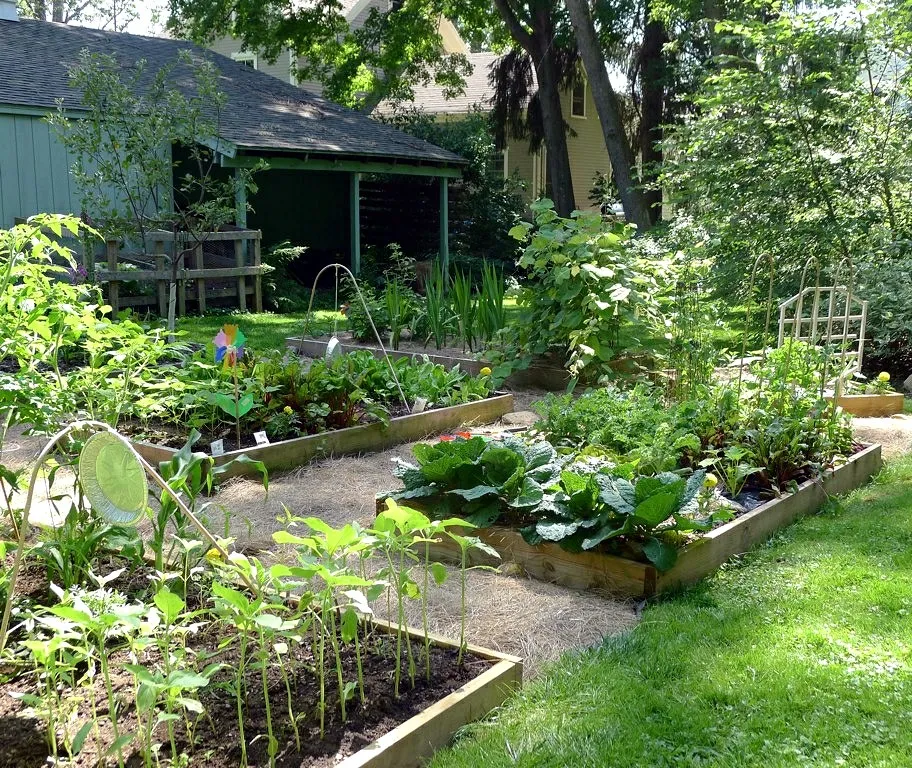
On paper, a giant solid planting area looks efficient. In reality, it’s a nightmare. Veterans remember climbing into beds, stepping on soil, compacting it, and snapping branches trying to harvest the back row.
If you can’t comfortably reach every plant without stretching or stepping into the bed, you will resent that layout. It also makes consistent weeding and pruning much less likely, which invites pests and disease to move in permanently.
Experienced gardeners now design with their future, tired selves in mind.
- Narrow beds (no wider than 4 feet) and clear paths save your back.
- Wood chips or gravel in walkways prevent mud and reduce weeds.
Plenty openly admit they wish they’d given up a little planting space for actual human access. That so-called “wasted” path area is what keeps them gardening five, ten, twenty years later.
#7 – Ignoring Vertical Space and Letting Vines Take Over
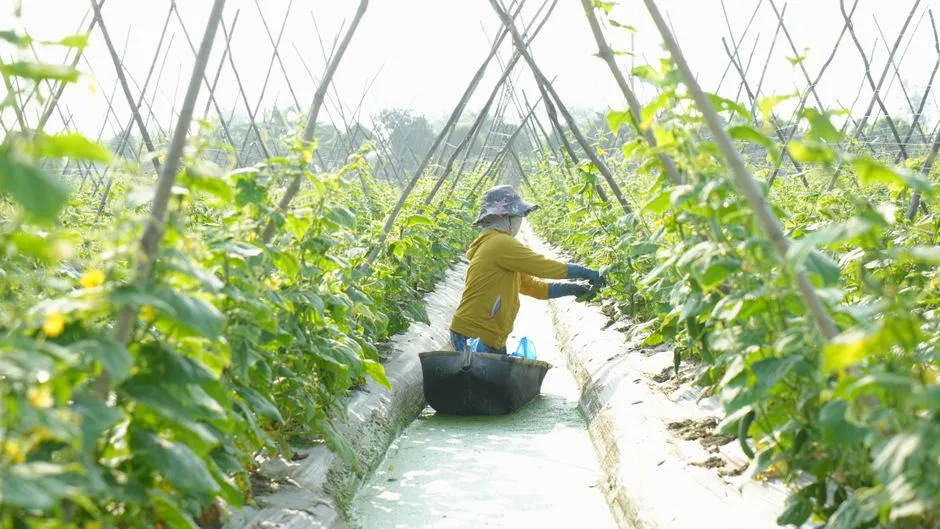
Most beginners plant vining crops like bush plants – and regret it all season. Veteran growers laugh (and wince) at their early photos of cucumbers sprawling across half a bed or pumpkins suffocating peppers.
Vining crops will take every inch you give them – and then some. When they sprawl, they block light, invite mildew on crowded leaves, and turn harvest into a frustrating treasure hunt through tangled foliage.
Why It Stands Out
- Frees up ground space for other crops instead of one sprawling vine
- Improves airflow around leaves, cutting down on mildew and rot
- Makes harvesting faster since fruit hangs in plain sight
- Works well for cucumbers, pole beans, peas, and even small melons
Experienced gardeners now treat vertical space like free real estate.
- Trellises, cages, cattle panels, and simple stakes lift plants off the ground.
- You fit more food in the same square footage and improve airflow and fruit quality.
Ask a long-time gardener, and many will say one of their biggest layout regrets is not trellising harder, earlier, with sturdier materials. Flimsy support systems that collapse mid-season are a close second.
#6 – Buying Every Gadget Instead of Investing in the Right Tools
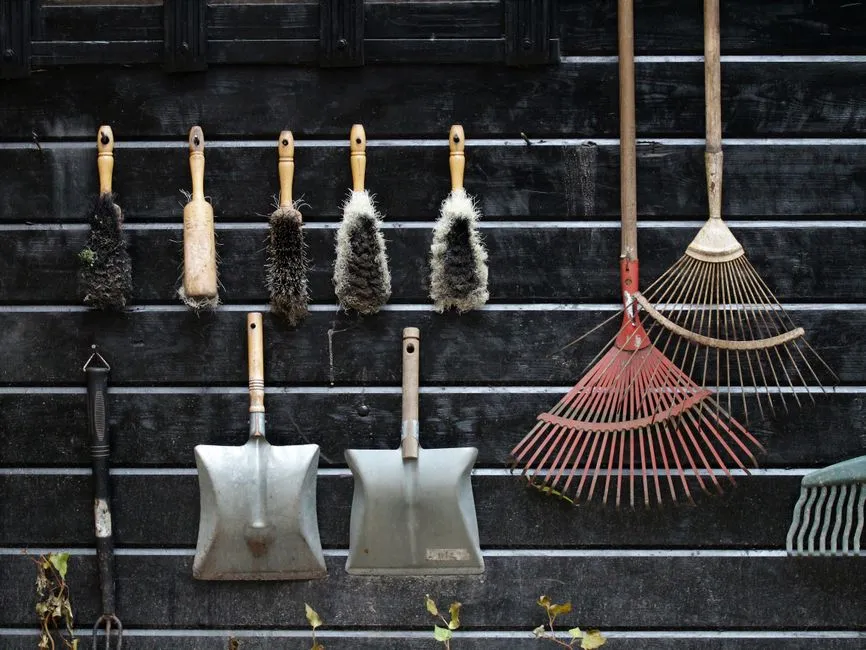
New gardeners are easy targets for marketing – and many veterans got burned. Ask around and you’ll hear the same confession: drawers full of “miracle” fertilizers, fancy planters, gimmicky pruning tools, and gadgets that got used exactly once.
Meanwhile, they cheaped out on the things that actually matter: a solid hose, a sharp pair of pruners, a sturdy wheelbarrow, quality soil. They spent more money overall and still fought daily frustration with tools that broke or bent.
Over time, serious growers whittle their kit down to a reliable core.
- One good digging shovel, one hand trowel, one sturdy rake, one pair of bypass pruners.
- A hose that doesn’t kink and a nozzle or timer that doesn’t crack mid-summer.
Veterans often say they wish they’d skipped the cute seed-starter contraptions and put that cash into infrastructure they’d still be using ten years later.
#5 – Planting Without Any Kind of Plan or Notes
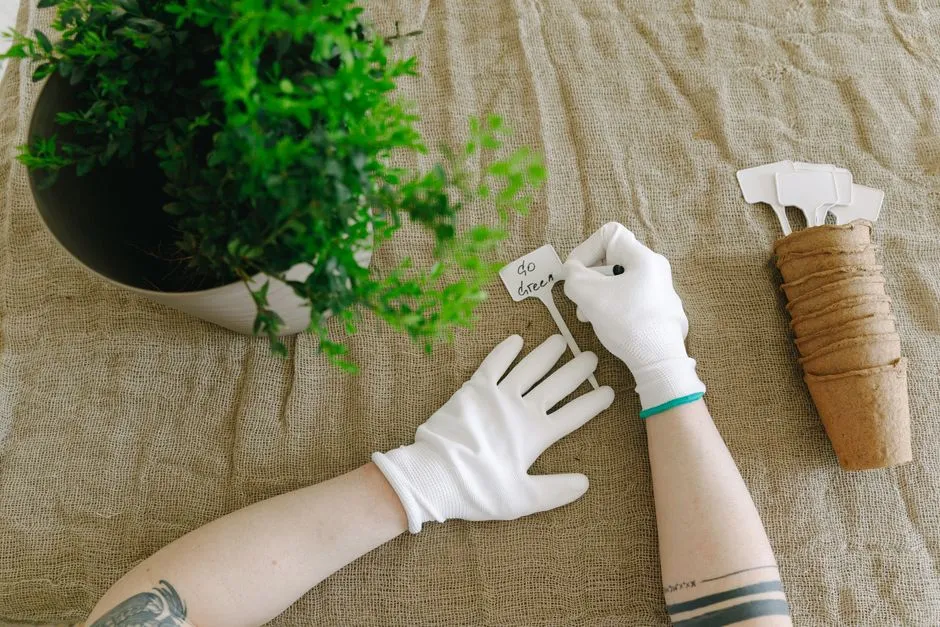
Most beginners “wing it,” assuming they’ll remember what’s planted where. Veterans are ruthless about this one: not labeling and not keeping notes wastes entire seasons of hard-won knowledge.
You forget which tomato variety actually tasted good. You don’t remember where you planted brassicas last year, so pests and disease cycle right back. You swear you’ll recall which bed had soil problems – then next spring comes and everything’s a blur.
Long-time gardeners now treat basic record-keeping as a secret weapon.
- Simple plant labels (even cut-up plastic or wooden sticks) with variety and date.
- A notebook or phone app where they jot what worked, what failed, and when.
It doesn’t need to be pretty; it just has to exist. Many seasoned growers call this their biggest “invisible regret” – losing years of trial-and-error wisdom simply because they never wrote anything down.
#4 – Starting From Seed Indoors Without Realizing the Commitment
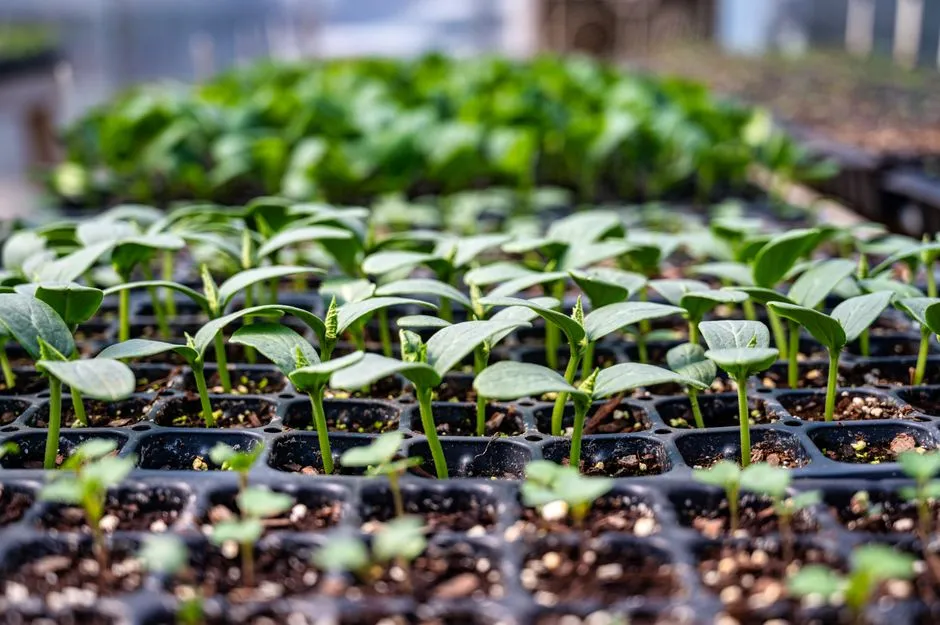
Seed-starting looks cheap and fun. The hidden cost is time and attention. Veteran gardeners often cringe remembering their first indoor seed attempts: leggy seedlings on a windowsill, moldy trays, and weak plants that never caught up.
Without strong lights, proper timing, and daily care, many seedlings fail – or go out too early and die in a cold snap. New gardeners think they’re saving money; instead they waste weeks and still end up buying transplants anyway.
Most experienced growers now say: start simple.
- Buy sturdy starts for fussy crops (tomatoes, peppers, eggplant) your first years.
- Direct sow easy things like beans, peas, radishes, and many flowers outdoors.
Once you know your climate and schedule, level up to lights and shelves. Many veterans wish someone had told them that “easy seed starting” online tutorials often leave out the hardest part: consistency.
#3 – Refusing to Remove Weak or Extra Plants (Because It Feels Mean)
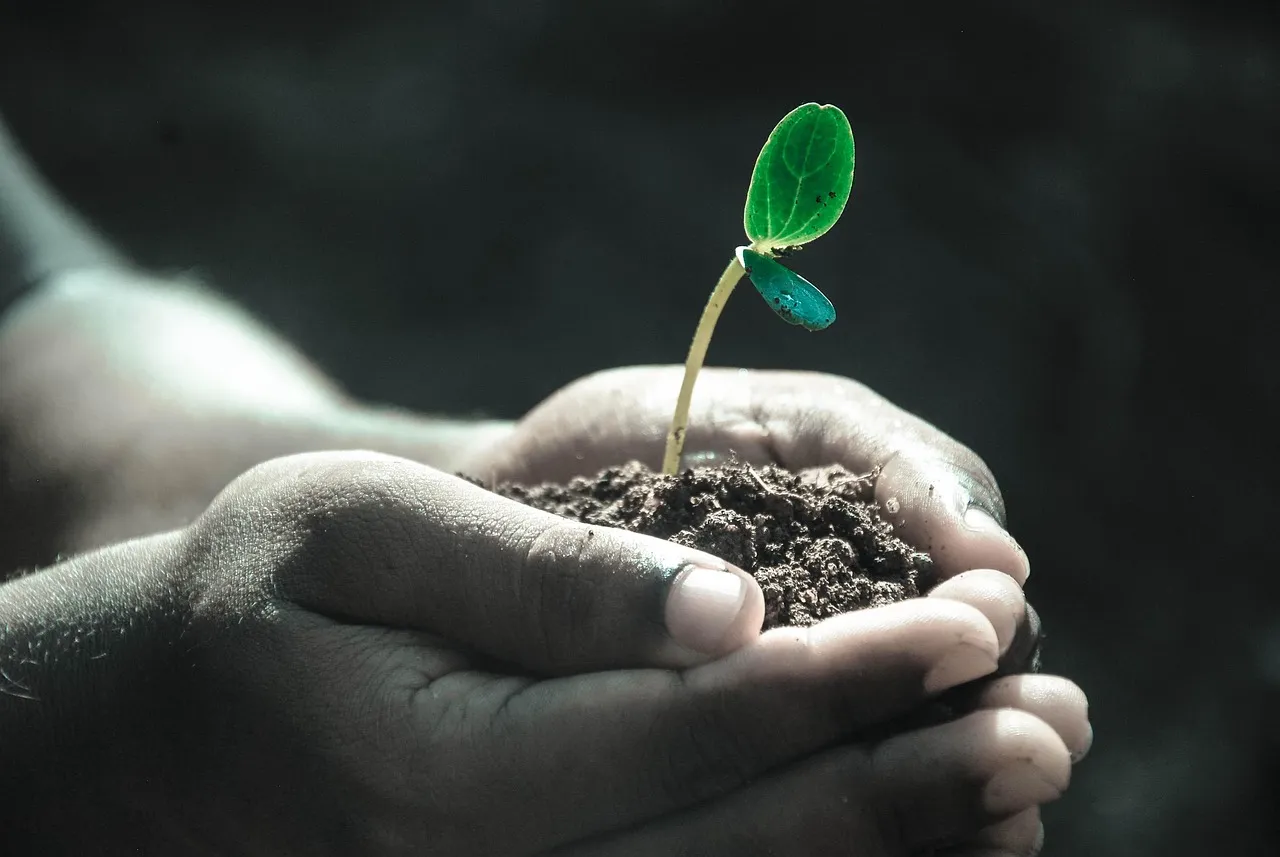
Thinning seedlings and culling sick plants feels cruel to beginners. Veterans admit they used to keep every seedling alive at all costs. That emotional attachment leads to crowded, stressed plants and more disease.
One weak, diseased plant left “because I feel bad pulling it” can become a pest and pathogen nursery that wipes out half your bed. Likewise, not thinning carrots or beets because “they all sprouted!” usually means you get none worth eating in the end.
Experienced gardeners now think like editors, not rescuers.
- They thin aggressively to recommended spacing, even if it means pulling perfect-looking babies.
- They remove and trash (not compost) anything that looks truly sick or infested.
Many will tell you their first real harvest jumped dramatically the year they got ruthless about thinning and culling.
#2 – Ignoring Harvest Windows and Letting Food Go to Waste
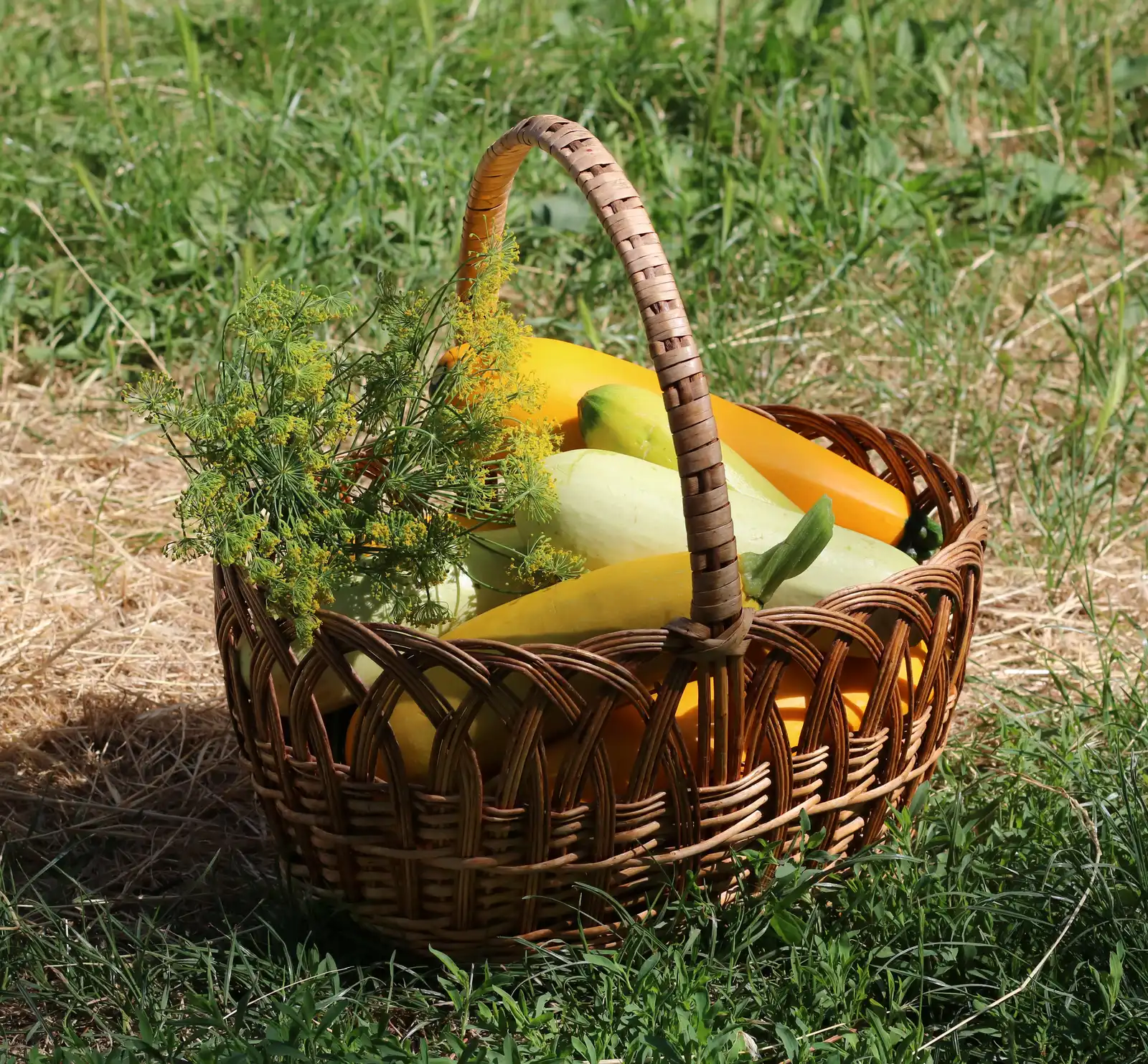
New gardeners picture baskets of produce, not the daily discipline it requires. Veterans call wasted harvests one of their most depressing regrets.
Zucchini the size of baseball bats, bitter bolted lettuce, tough beans left too long – these are all timing mistakes, not “bad varieties.” Go away for a long weekend during peak season and you can miss entire flushes of perfect produce that turn woody or rot on the vine before you even see them.
Worth Knowing
- Zucchini tastes best picked young, around 6-8 inches long
- Green beans should snap crisply – a bendy pod means you waited too long
- Lettuce turns bitter fast once it starts to bolt in summer heat
- Tomatoes with a slight color break will finish ripening safely indoors
Long-time growers now build harvesting into their normal life rhythm.
- A quick daily or every-other-day walk-through during peak season is non-negotiable.
- They learn variety-specific cues: glossy skin, slight color change, a “snap” feel in beans.
Some even plant smaller, staggered successions just so harvests stay manageable. You’ll hear many say they wish they’d realized earlier that gardening doesn’t end at planting – it peaks at picking.
#1 – Treating Gardening as a One-Summer Project Instead of a Long Game
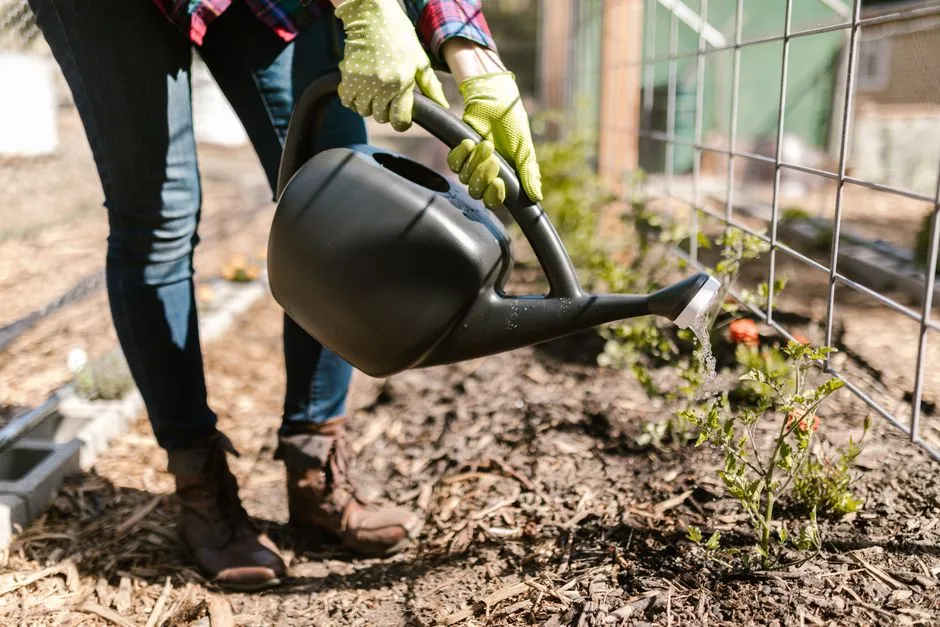
Here’s the regret almost no influencer talks about: mindset. Veteran gardeners overwhelmingly say their biggest mistake wasn’t a plant or a product – it was expecting perfection in year one.
They thought a “failed” season meant they weren’t cut out for gardening, instead of realizing that every experienced grower has killed more plants than a beginner has ever grown. Some even quit for years because of one bad pest season, a hailstorm, or a move.
To plant a garden is to believe in tomorrow.
Audrey Hepburn
Over time, long-time growers reframe everything as data, not disaster.
- A bed that flops teaches you about your microclimate, soil, or timing.
- A surprise success shows what your yard secretly loves to grow.
The people with the lush, effortless gardens you envy? They’ve just been at it longer – and they kept going when it was messy. Many regret not starting sooner or sticking with it through those ugly first attempts. That shift alone changes everything.
The Bottom Line
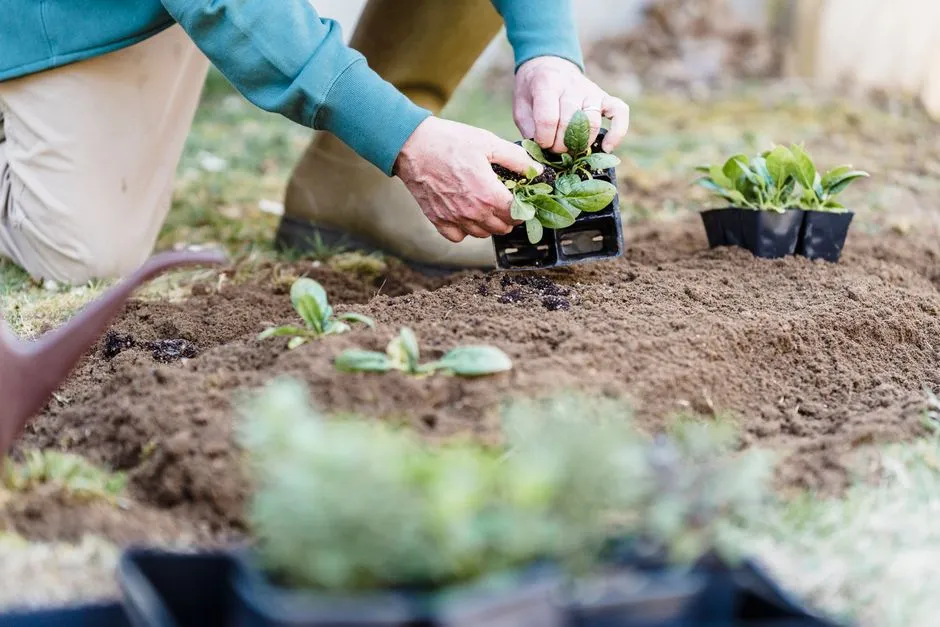
Strip away the Instagram filters and veteran gardeners don’t regret skipping rarer seeds or fancier planters. They regret the quiet, structural choices: ignoring sun and soil, starting too big, skipping mulch and water planning, and treating gardening like a summer fling instead of a long relationship.
The most shocking truth here is that nearly all of these regrets are preventable if you design for your real life instead of your fantasy life, and accept up front that failure is simply part of the deal.
If you’re just starting out, which of these 16 landmines do you see yourself stepping on – and which one are you absolutely refusing to repeat? Did we miss a regret you’ve already lived through? Drop it in the comments and let other new growers learn from your scars.

- If You Are Starting a Garden, These 16 Regrets Are the Ones Veteran Growers Name First - August 1, 2026
- The 17 Things Your Dying Cat Wants From You in Its Final Weeks That Vets Wish Owners Knew - August 1, 2026
- 18 Ways Your Senior Cat Tells You Its Time Is Close That Vets Say Almost Nobody Catches - August 1, 2026