
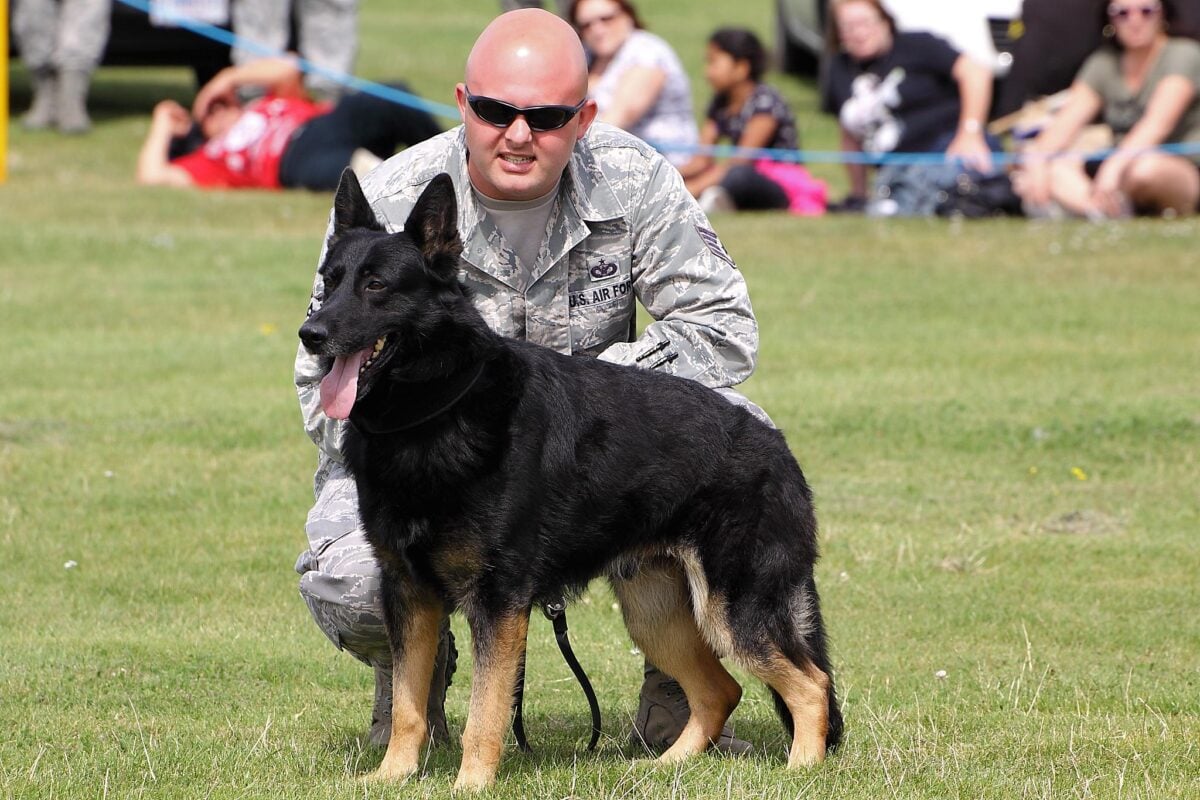
Most people assume any dog will be happy with a big yard and a loving retired owner. That assumption is exactly why so many sweet, well-meaning retirees end up exhausted, guilty, and standing in a shelter parking lot six months later, rehoming a dog they swear they loved. The wrong breed doesn’t ruin your life on day one – it does it quietly, one 5 a.m. bark, one shredded couch cushion, one blown knee from a lunging leash at a time.
Some dogs really were built for exactly this chapter of life: slow mornings, short walks, and a warm lap. Others were bred for jobs that never stop – herding, hunting, guarding, running – and no amount of love replaces that missing outlet. Here’s the real breakdown of which breeds settle into a quiet retirement like they were made for it, and which ones will turn your golden years into an unpaid second career.
#21 – Greyhound: The 40-mph Couch Potato That Actually Fits Your Sofa
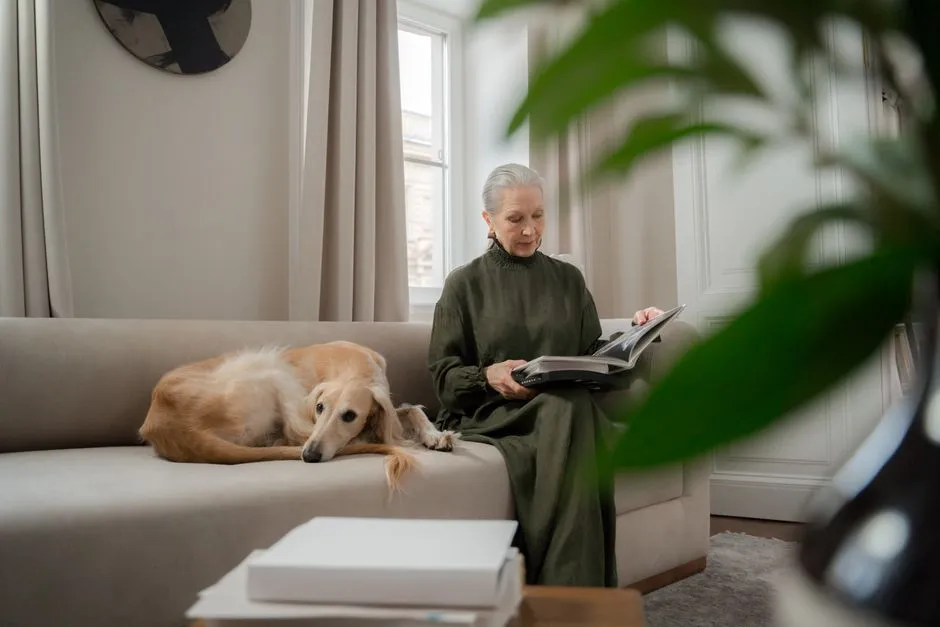
It sounds backwards, but retired racing greyhounds are often lazier than the average family Labrador. They’re built to sprint in short, explosive bursts, not run for hours, so one quick walk or a few minutes of zoomies is genuinely enough for them.
After that, they fold themselves onto the nearest soft surface and stay there. Their calm, quiet, polite-on-leash nature makes them an easy fit for retirees who want company without chaos, and short coats mean less shedding and almost no doggy smell.
Fast Facts
- Top speed: up to 45 mph, but only in short sprints of a few hundred yards
- Most racing greyhounds retire between 2 and 5 years old, leaving plenty of healthy years ahead
- Average sleep time: 16 to 18 hours a day
- Short, single-layer coat means minimal shedding and little doggy odor
The catch is thin skin and almost no body fat – greyhounds get cold fast and genuinely need a jacket in winter. Give one a warm bed and a couple of short strolls, and you’ve got one of the most surprisingly easygoing dogs on this entire list.
#20 – Cavalier King Charles Spaniel: Sweet, Soft, and Sofa-Ready
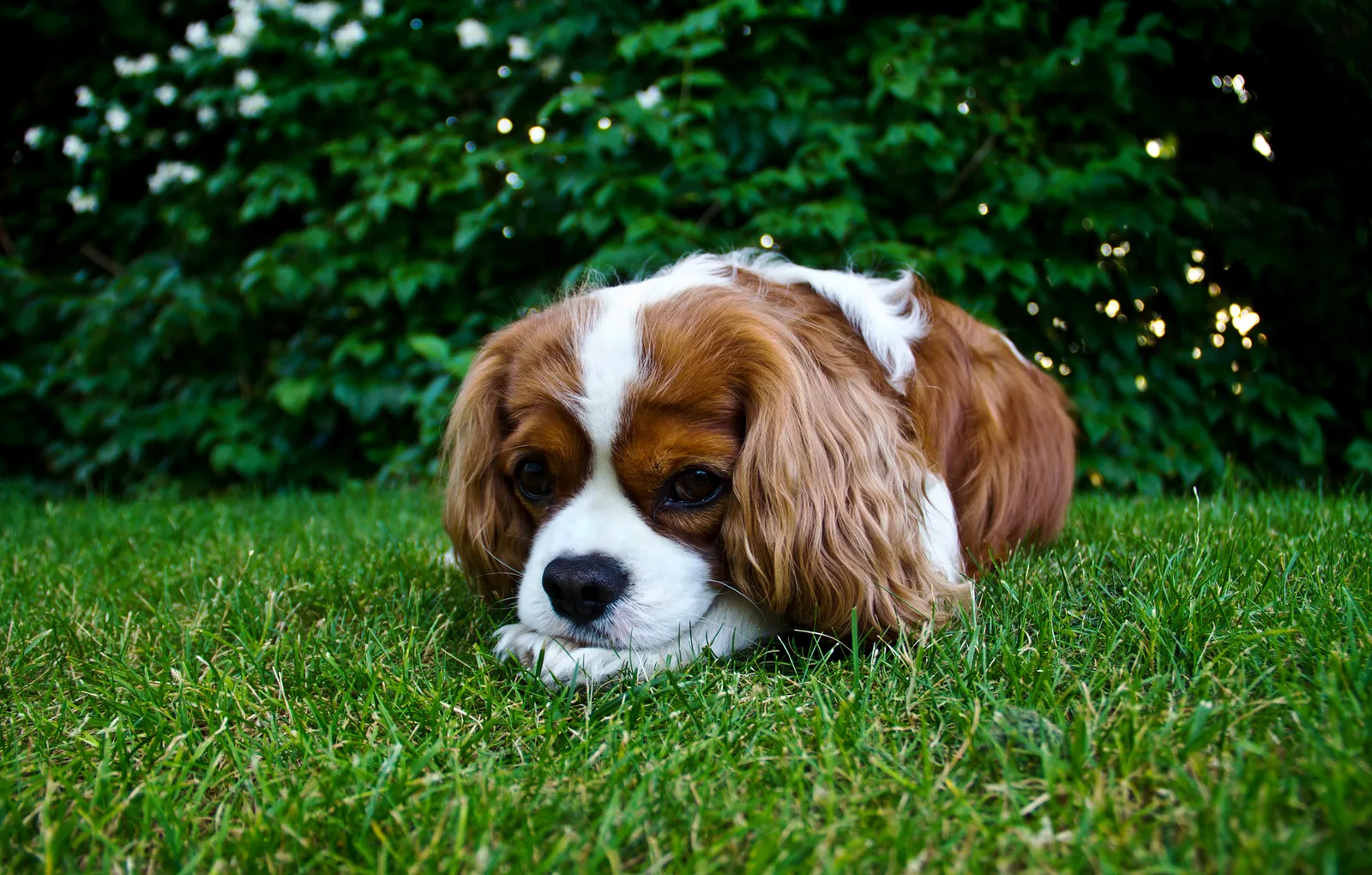
Cavaliers were bred for one job: sitting in the laps of nobility. Centuries later, that’s still basically their entire personality. Moderate walks and maximum physical closeness are all most Cavaliers ask for, which makes them a natural match for retirees who are home most of the day.
Their gentle nature usually plays well with visiting grandkids too – affectionate without being pushy, as long as they’re socialized early.
The warning label is health, not temperament. Cavaliers carry a well-documented risk of serious heart disease, so budget-conscious retirees need to think hard about future vet bills and stick to breeders or rescues that actually health-test. Grooming is manageable – regular brushing and the odd trim. Accept the medical side of the bargain, and a Cavalier can be one of the most rewarding companions on this list.
#19 – Bichon Frise: Allergy-Friendly, Apartment-Ready, People-Obsessed
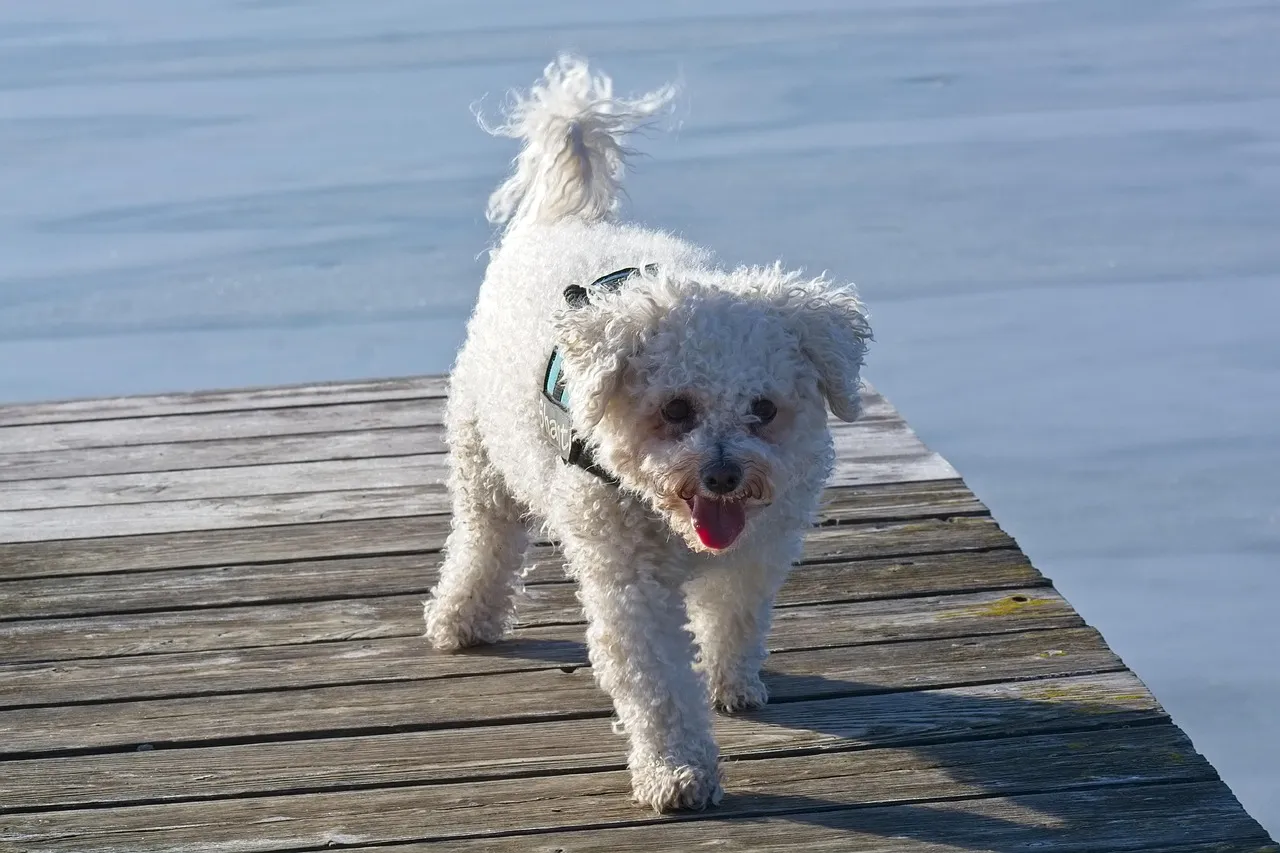
If shedding fur on your retirement furniture sounds like a dealbreaker, the Bichon is worth a serious look. They’re social, adaptable, and – once trained – not big barkers, which makes them a good fit for condos and senior communities.
Most are perfectly content with a couple of short walks and some indoor play time.
The real cost shows up at the grooming salon. Bichon coats mat painfully fast without regular professional grooming and daily brushing at home – that part is non-negotiable. Some retirees love the standing appointment as part of their weekly rhythm; others find the bills a genuine hassle. They also crave company, so this breed suits people who are home a lot, not frequent travelers.
#18 – Shih Tzu: Built for Palaces, Perfect for Recliners
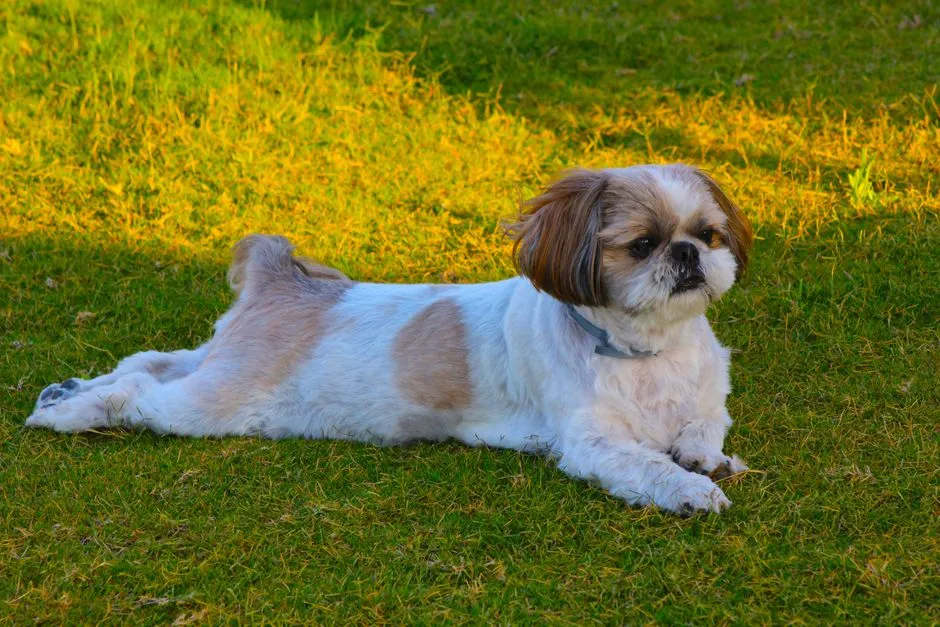
Shih Tzus were bred as indoor companions for Chinese royalty, not hunters or herders, and it still shows in every nap they take. Short strolls and long stretches in climate-controlled comfort are basically their ideal day.
They’re not typically big barkers if managed well, and their small size makes them manageable even for owners with limited strength. Don’t mistake that for a maintenance-free breed, though.
A traditional long coat is real daily labor, which is why most retirees opt for a shorter “puppy cut.” They can also get stubborn about house training if treated like a stuffed animal instead of an actual dog – early, gentle structure fixes that fast. For retirees who enjoy a bit of brushing, cuddling, and sass in a tiny package, Shih Tzus fit indoor retirement life beautifully.
#17 – Maltese: Tiny Body, Surprisingly Big Fit for Quiet Homes
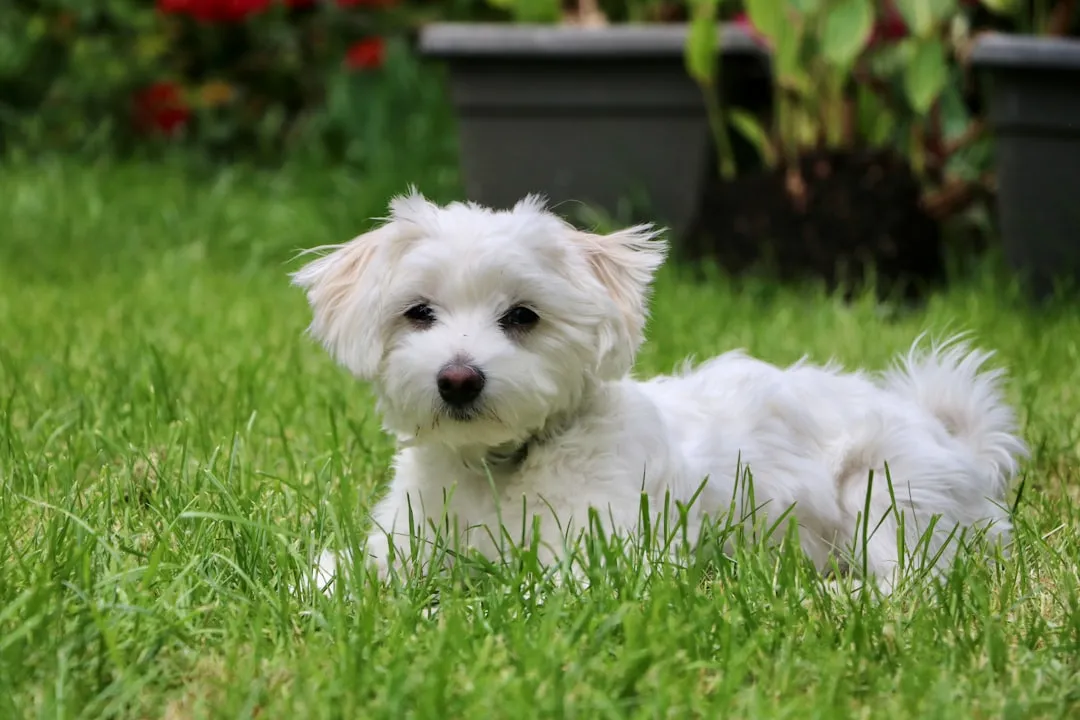
Like the Bichon and Shih Tzu, the Maltese was bred purely for companionship, and modest exercise plus lots of lap time is genuinely all most of them need. Their small size makes lifting and bathing easier for owners with joint issues, though you still need to handle them gently.
The coat is again the catch – a full show coat is a daily project, while a short pet trim is realistic for almost everyone.
The bigger surprise is the bark. Maltese can turn into tiny, shrill alarm systems if every hallway noise gets a reaction, and plenty of older owners accidentally train that behavior in by comforting the dog every time it sounds off. Reward quiet, ignore the noise, and set boundaries early – do that, and the Maltese fits a calm, mostly-indoor retirement beautifully.
#16 – Pug: Clownish, Affectionate, and Best for Climate-Controlled Retirements

A well-bred Pug can be a wonderful match for a quiet household – people-focused, moderately active, and perfectly happy with a short walk followed by an epic nap. Their expressive faces tend to win over grandkids instantly.
But there’s a hard physical truth underneath the charm: breathing.
Pugs are brachycephalic, meaning flat-faced, and that anatomy brings a real risk of respiratory trouble, heat intolerance, and eye problems. They do best for retirees in cooler climates or homes with reliable air conditioning, not anyone dreaming of long summer hikes. Weight management isn’t optional either – an overweight Pug isn’t just chunky, it’s a medical risk. Manage the health side, and a Pug will live to be glued to you.
#15 – French Bulldog: Trendy, Quiet… and a Medical Gamble
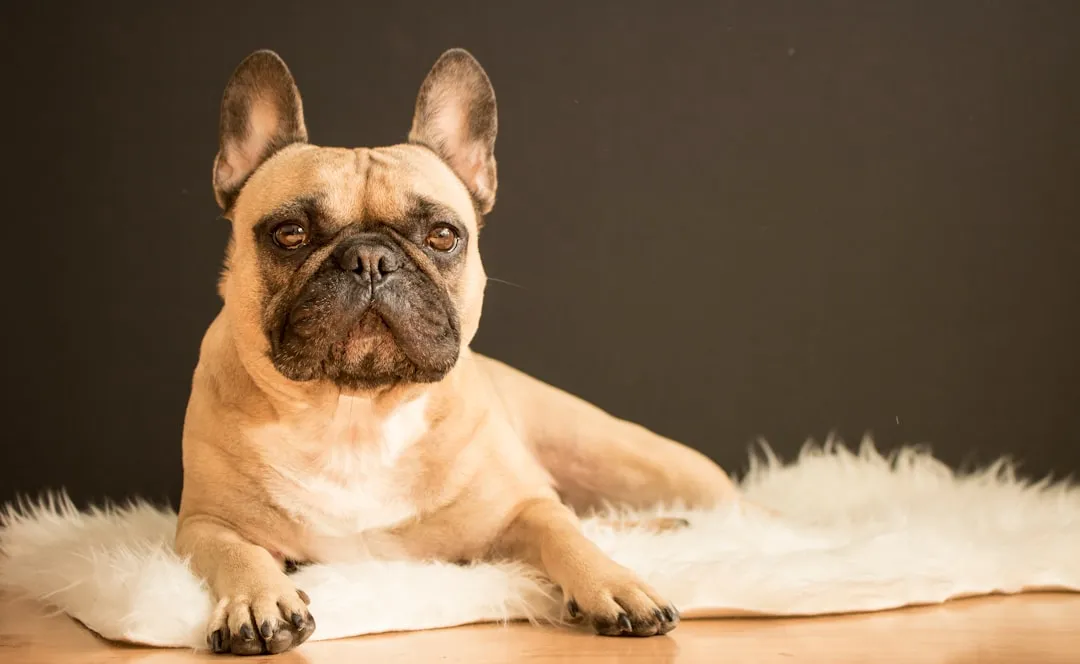
On paper, the French Bulldog looks like the perfect retirement dog: small, relatively quiet, and deeply attached to its person. Most are happy with short walks, indoor play, and hours spent simply being near you.
They also tend to handle apartment and condo living well without needing miles of daily hiking.
The trouble is what’s come with the breed’s explosive popularity. High rates of breathing problems, spinal issues, skin conditions, and reproductive complications are now widely reported, and vet bills can get enormous fast. Ethical breeders improving health do exist, but they’re not cheap. If you’re drawn to a Frenchie, talk to your vet first and be honest about whether your finances can handle a medically complex dog.
#14 – Chihuahua (Moderate, Well-Bred Lines): Pocket-Sized but Not a Toy
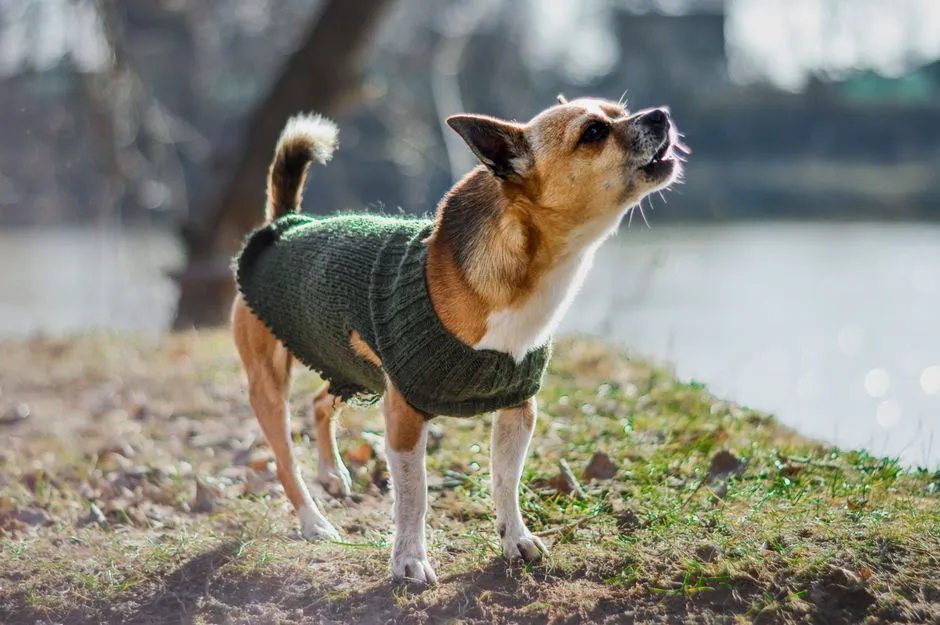
Chihuahuas have a reputation for being snappy and yappy, but that’s mostly a training problem, not a breed guarantee. Many well-bred Chihuahuas are low-exercise, deeply bonded companions who suit a quiet, stay-at-home lifestyle perfectly.
The flip side is fragility – small dogs can be seriously hurt by a fall from a chair or an accidental step, and they get cold easily, often needing a sweater in cooler weather.
Unchecked barking can also become a real issue, especially in apartment buildings where every hallway sound turns into an “intruder alert.” Retirees who commit to gentle, early training usually end up with a fiercely loyal, surprisingly cuddly little dog that’s genuinely easy to keep exercised.
#13 – Pekingese: The “Lion Dog” That Mostly Guards the Couch
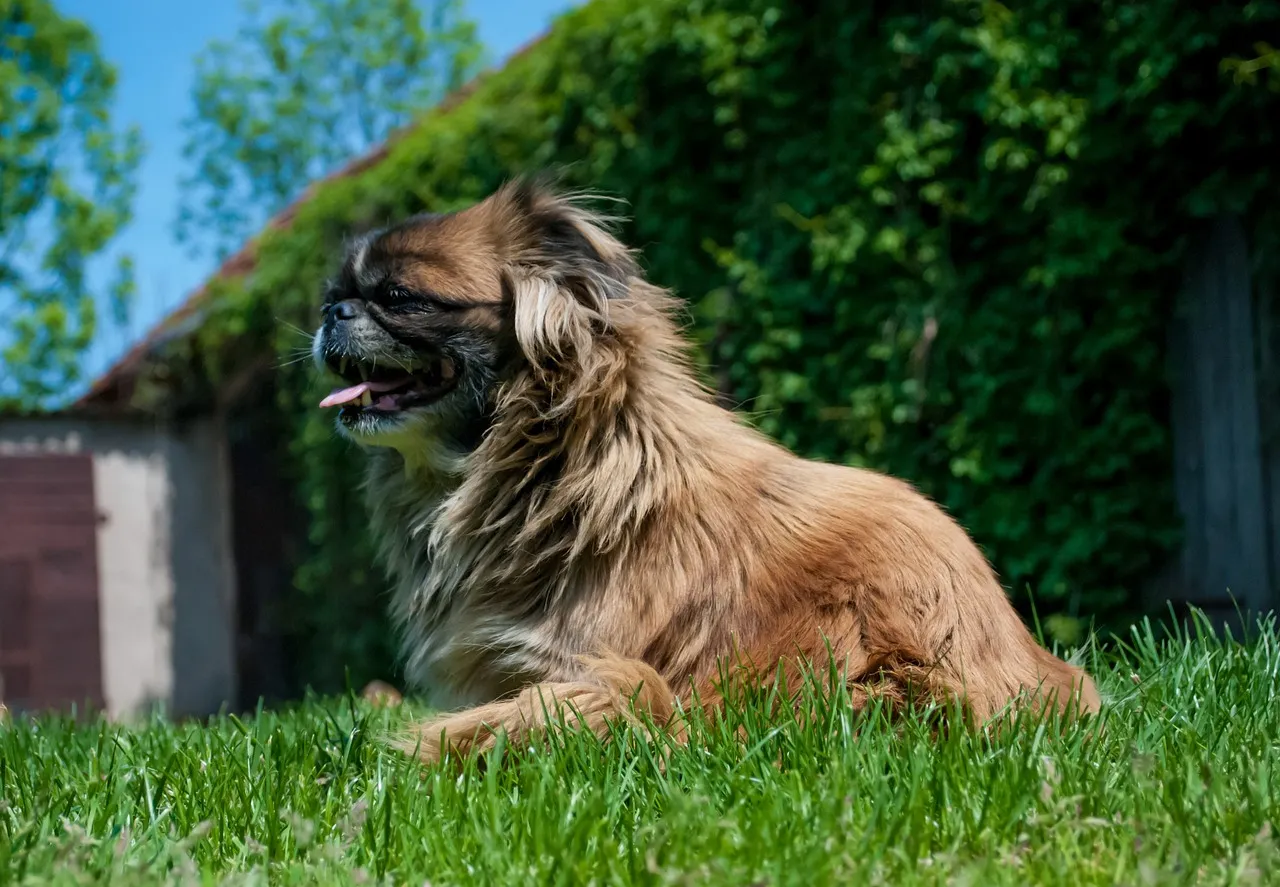
Pekingese were bred as palace dogs, never meant to herd or retrieve, and that history is obvious in how they live today – brief outdoor time followed by long indoor lounging. They’re often deeply loyal and can act like tiny, dignified guardians, without demanding high-octane exercise.
That makes them a solid fit for a retiree who likes a dog with a little attitude.
The trade-offs: a long, dense coat that needs regular grooming, a flat face prone to breathing trouble, and a stubborn streak that turns training into a negotiation rather than a command. This isn’t the breed for someone who wants an off-leash hiking partner. But in a calm, carpeted, air-conditioned home, the Pekingese slides into retired life remarkably well.
#12 – Lhasa Apso: Calm House Guardian, Not a Jogging Partner
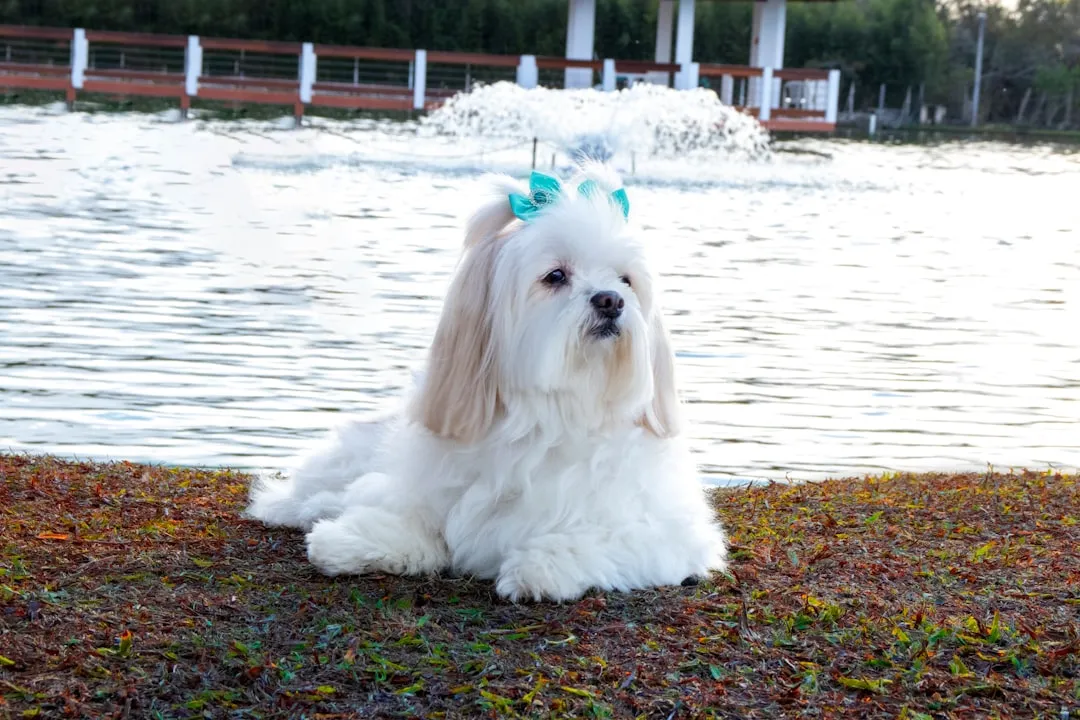
Bred as indoor watchdogs in Tibetan monasteries, Lhasa Apsos are often content with moderate walks but stay highly tuned in to household sounds and routines. They bond strongly to their family, which plenty of retirees appreciate as a built-in sense of security without needing a big, powerful dog.
They aren’t hyper or chaos-driven if properly exercised – but they are thinkers.
Without training games, puzzle toys, or at least varied walks, they can turn barky and stubborn out of sheer boredom. Their coat is a grooming project if kept long, though a pet trim cuts the workload significantly. For a retiree who wants a compact dog with personality and a built-in alert system – but not an athlete – the Lhasa can be a genuinely solid match.
#11 – Senior Mixed-Breed Rescues: The Overlooked Sweet Spot
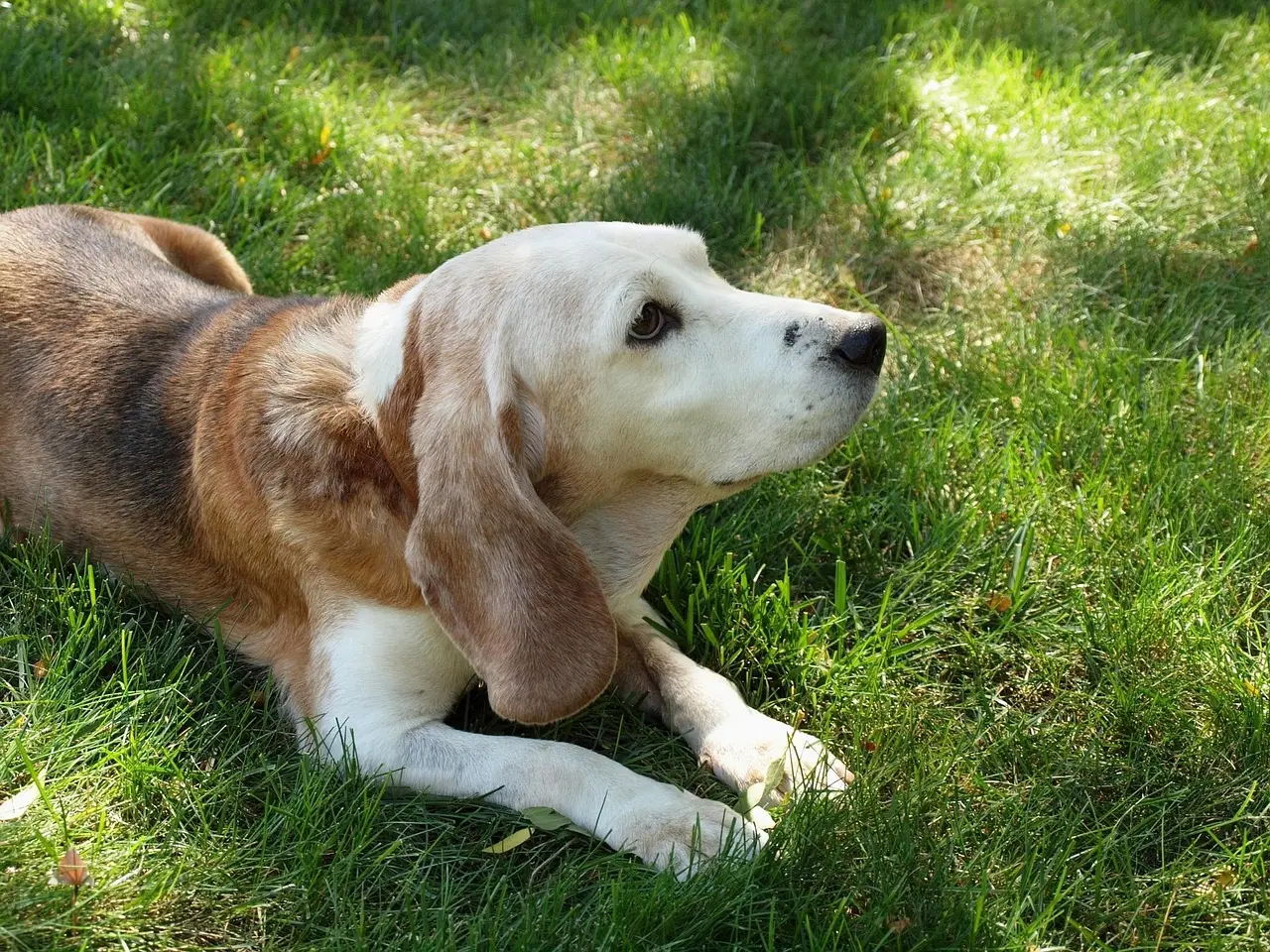
An already-adult or senior mixed-breed dog is often a better bet for a retired household than any purebred puppy, full stop. Their energy level, temperament, and health situation are already visible, so you’re not gambling on what a cute 10-week-old fluffball is going to grow into.
Many senior rescues are perfectly happy with short walks, a soft bed, and a predictable routine – exactly what most retirees can offer without even trying.
Quick Compare
- Puppy: unknown adult size, temperament, and energy level, plus months of house-training and socialization ahead
- Senior rescue: temperament, health history, and daily habits are already visible before you commit
- Puppy: a high-energy phase that can last a year or more before things settle down
- Senior rescue: often calm from day one, with many dogs already house-trained and leash-trained
Shelters often hand over real behavioral notes: good with cats, ignores other dogs on walks, house-trained and couch-obsessed. That’s information you simply don’t get with a puppy. The hard part is emotional – adopting a senior means accepting a shorter time together. But plenty of retirees say the depth of gratitude and quiet connection they get from an older rescue is unlike anything they’ve felt with a younger dog.
#10 – Border Collie: Brilliant… and Often a Disaster in Quiet Homes
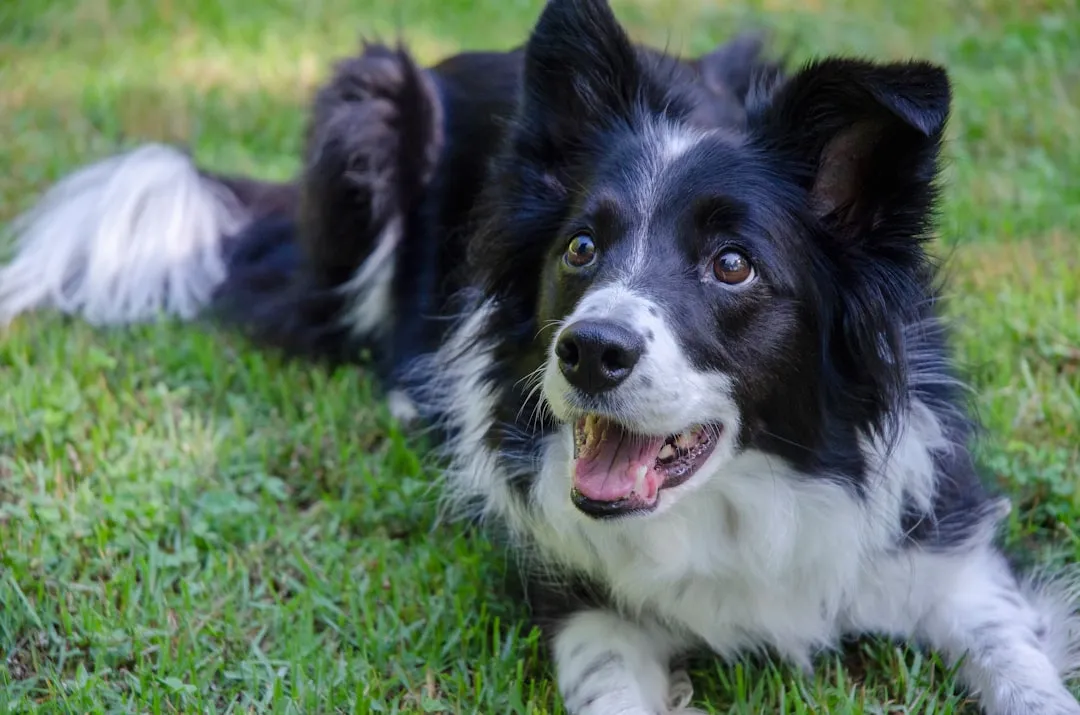
Here’s where the “cute dog at the park” fantasy falls apart. A Border Collie is basically farm equipment wrapped in fur – behaviorists routinely call it one of the most intense, work-driven breeds ever created, needing hours of real mental and physical engagement every single day.
A quiet retired household offering two short walks and a fenced yard isn’t relaxing for a Border Collie. For many of them, it’s slow psychological torture.
At a Glance
- Daily exercise needed: at least 1 to 2 hours of vigorous physical activity
- Mental stimulation: puzzle feeders, training drills, or herding and agility work are essentially mandatory
- Widely ranked among the most intelligent dog breeds by canine behaviorists
- Originally bred to work all day herding sheep across open fields, not lounge in a yard
Without real work – agility, herding trials, advanced obedience, scent work – these dogs invent their own jobs: herding grandchildren, chasing shadows, nipping ankles, staring obsessively at anything that moves. That’s not a “bad dog,” that’s an unmet genetic need screaming for an outlet. Unless dog sports are already part of your retirement plan, this is one of the least suitable breeds on this entire list for a low-key life.
#9 – Australian Shepherd: “Velcro” Herding Dog, Not a Porch Ornament
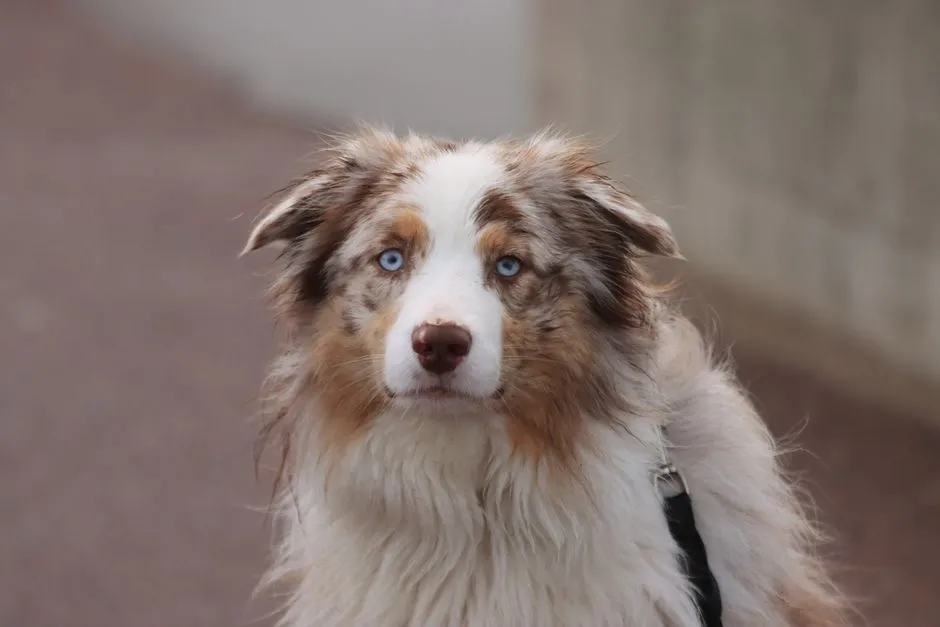
Aussies are wildly popular with retirees, but popularity has never equaled suitability. A properly bred Australian Shepherd is a high-drive herding dog that needs structure, training, and purposeful activity, not casual strolls around the block.
They bond intensely and often shadow their owner from room to room – charming, until the dog starts herding visitors or barking at everything that moves.
A bored Aussie will outthink and outmaneuver almost any casual owner, and meeting their needs usually means daily training, serious play, and often actual dog sports. Lower-drive lines exist, but betting your retirement on “maybe mine will be the chill one” is a real gamble. Owners with a strictly quiet routine usually find Aussies overwhelming rather than enriching.
#8 – Siberian Husky: Escape Artist, Endurance Athlete, Noise Complaint Generator
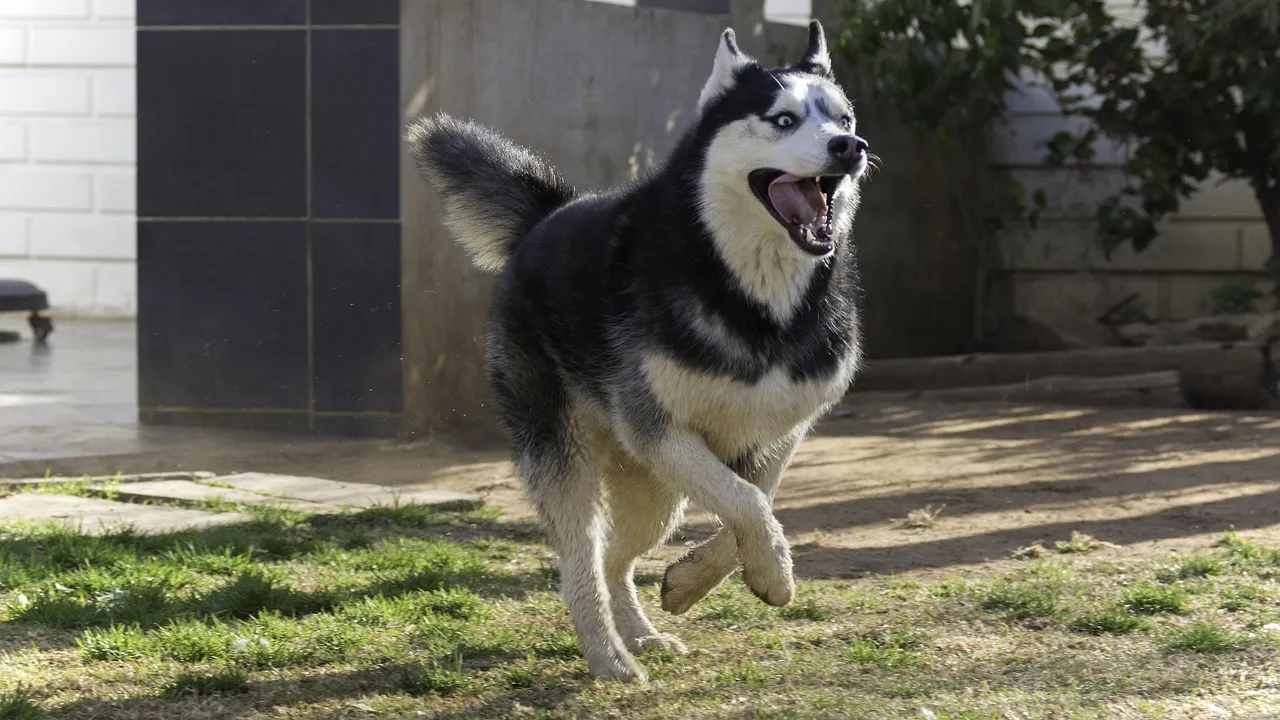
Huskies look like storybook companions, but in a quiet retired household they’re a mismatch on almost every level. Bred as sled dogs, they’re endurance athletes with a deep drive to run and explore – two 20-minute walks a day won’t even scratch the surface of what they need.
Many are also expert escape artists: jumpers, diggers, door-dashers, which gets genuinely risky for slower-moving or less steady owners.
They’re famously vocal too – that “talking” might be adorable on social media, but in a quiet townhouse complex it turns into neighbor complaints fast. Their independent streak makes recall unreliable, and heavy shedding means real, ongoing cleanup. A Husky is beautiful to look at and built for a completely different life than most retirees are trying to enjoy.
#7 – Belgian Malinois: The Extreme Athlete No One Should “Try” in Retirement
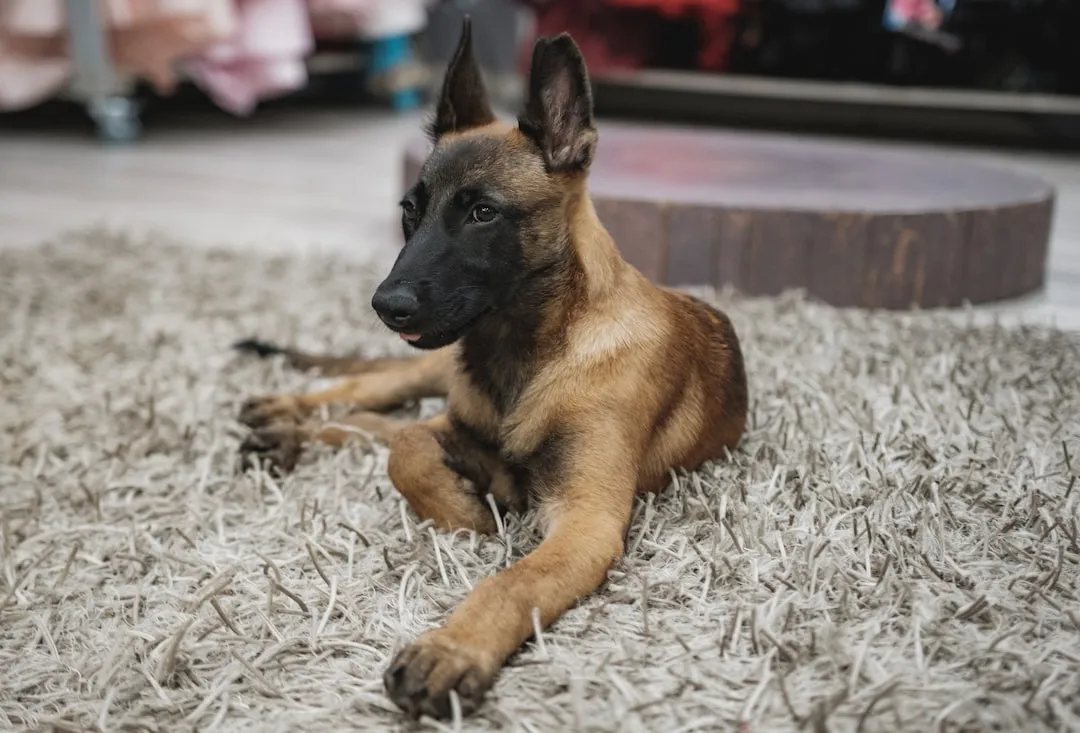
The Malinois has gone trendy thanks to police shows and military movies, but the truth is blunt: this is one of the least appropriate breeds for a quiet retired household, full stop. They’re bred for relentless drive and nonstop work, and in the wrong hands, that intensity turns into a serious problem fast.
Many working-line Malinois need several hours of structured activity daily – advanced training, tracking, real working tasks – and without that outlet, they’re prone to destructive behavior, anxiety, and even aggression.
Worth Knowing
- A preferred breed for many military and police K9 units worldwide, prized for extreme drive and focus
- Breeders and trainers generally steer this dog away from first-time or low-activity owners
- High prey drive can create real conflicts with joggers, cyclists, cats, or small dogs in the home
- Rising pop-culture popularity has pushed more Malinois into shelters as owners underestimate their needs
Physically, they’re strong and fast enough to be genuinely dangerous for anyone with balance or joint concerns. Responsible breeders and trainers routinely steer this breed away from novice or low-activity owners for good reason. If you’re retired and craving calm companionship, a Malinois is close to the exact opposite of what you want.
#6 – Jack Russell Terrier (and Similar High-Drive Terriers): Small Dog, Huge Engine
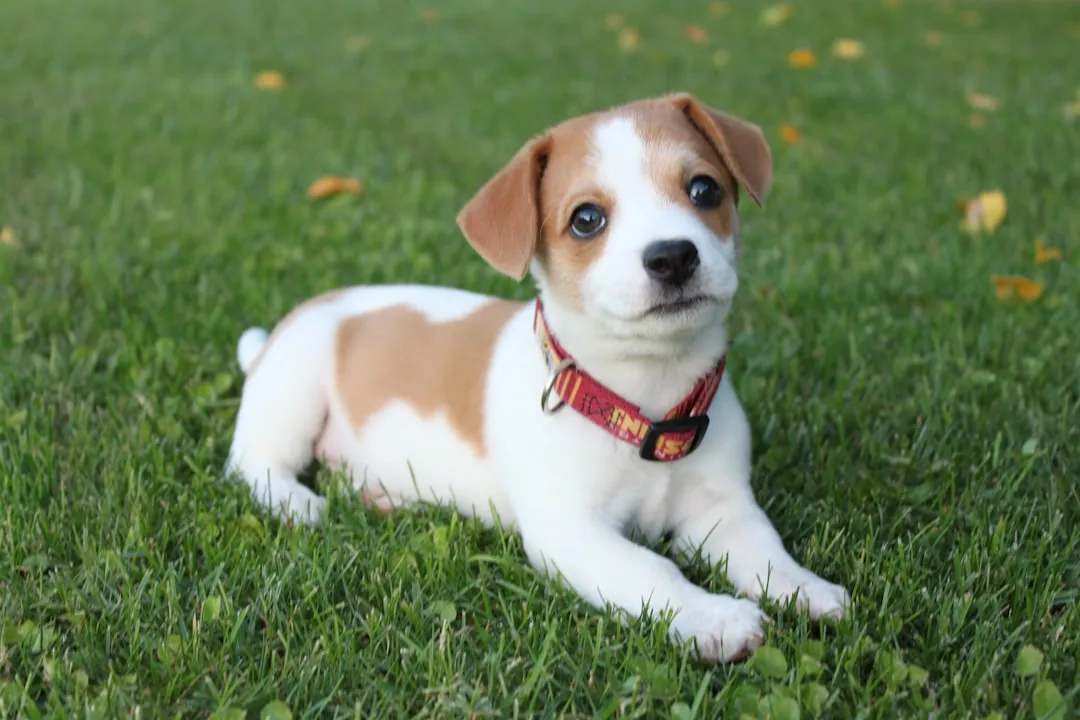
Plenty of retirees assume small dog automatically means low maintenance. Jack Russells and their high-drive cousins prove that wrong fast. These little dogs were bred to hunt, dig, chase, and stay in motion for hours – not sit quietly in a recliner.
They’re also clever, stubborn, and easily bored.
Without serious outlets like flyball, earthdog trials, or genuinely long hikes, they turn to self-employment: digging up the yard, shredding furniture, barking at every leaf that moves. Their strength belies their size too – on a leash, one sighting of a squirrel can yank an unsteady person clean off balance. If you want a dog that’s actually easy and small, a sedate toy breed or senior rescue is a far more realistic choice.
#5 – Weimaraner: Sensitive Sprinter, Not a Stay-at-Home Companion
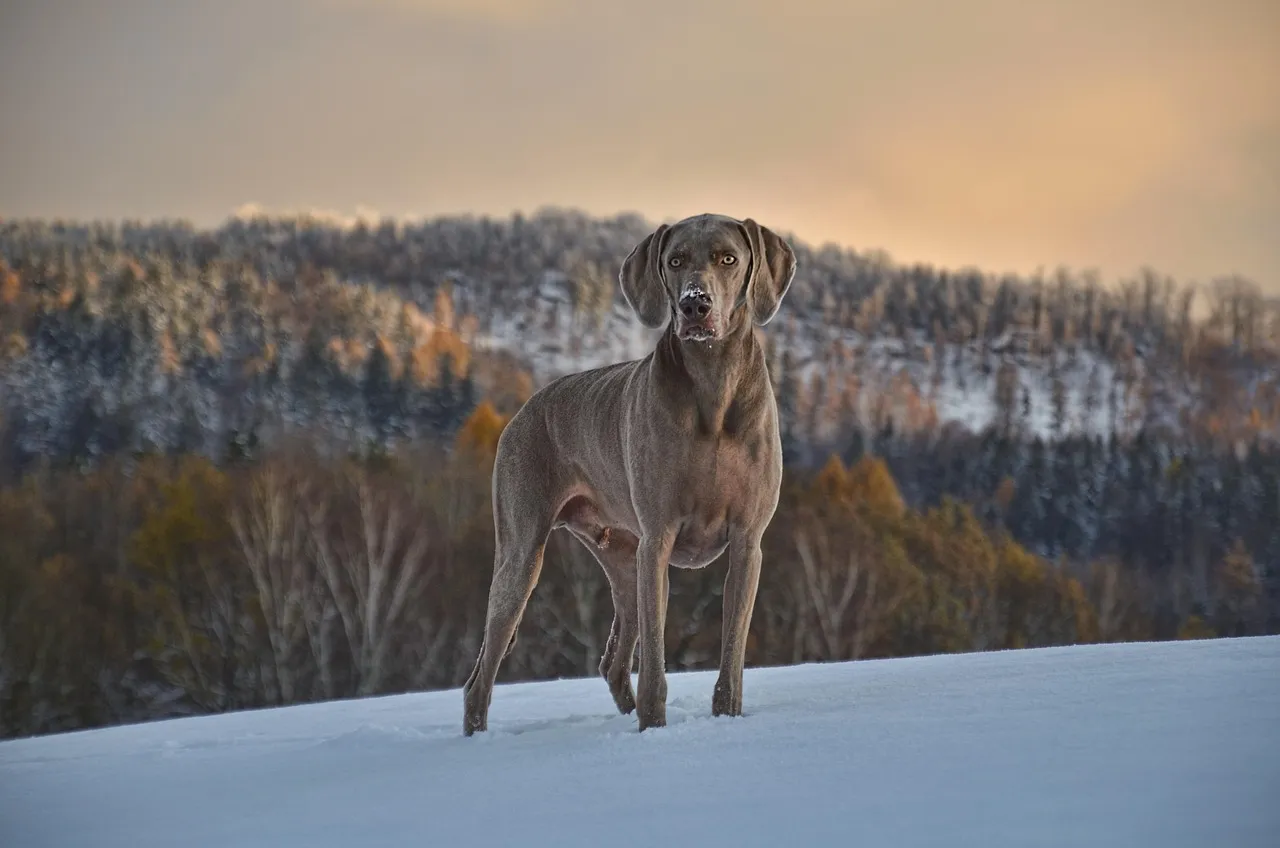
Weimaraners were bred to work closely with hunters in the field, and that history produces a demanding combination: serious exercise needs paired with intense emotional attachment. It sounds sweet in theory, but in a calm, stay-home environment it can be genuinely devastating for the dog.
Without vigorous daily exercise and structured training, many Weimaraners develop separation anxiety, destructive chewing, and frantic, anxious behavior.
Their size and strength add another risk layer for retirees with mobility concerns – a lunging Weimaraner on leash is a real fall hazard. This isn’t a “garden and gentle walks” dog; it’s a trail-running, hard-working handler’s dog, and in a quiet household that can’t keep that pace, everyone ends up frustrated, the dog included.
#4 – German Shorthaired Pointer: Perpetual Motion Bird Dog
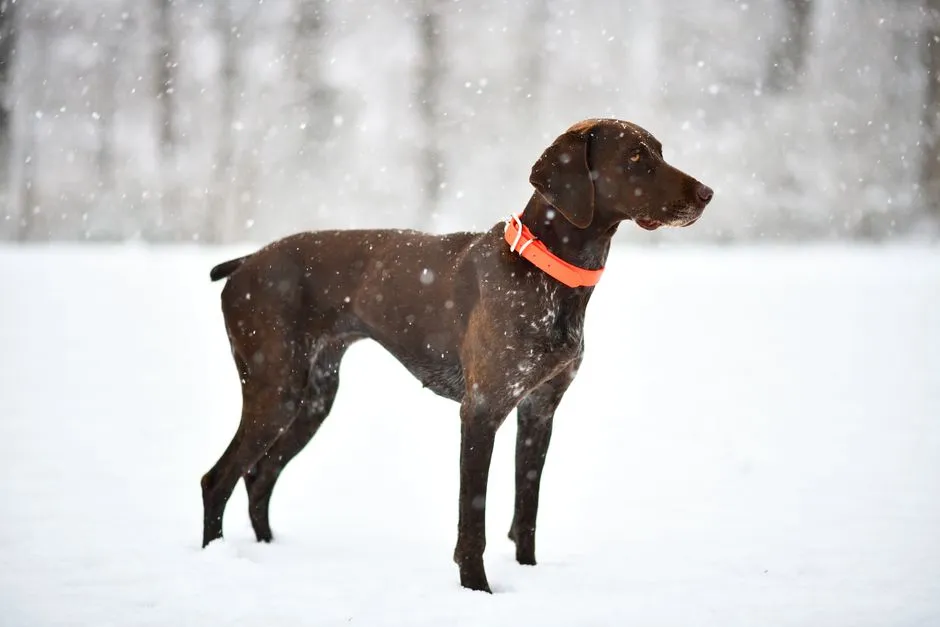
Hunters and runners love German Shorthaired Pointers for good reason – they’re built for stamina, speed, and nonstop partnership in the field. In a typical retired household with modest activity levels, that same trait flips fast from asset to liability.
A bored GSP becomes a master of counter-surfing, fence-pacing, and turning the backyard into a personal racetrack.
They’re also tall, strong, and often exuberant enough to be a real challenge for anyone with balance issues. Calmer individual lines exist, but choosing a GSP for a mostly sedentary retirement is a lot like buying a race car for grocery runs: expensive, over-powered, and constantly underused.
#3 – Dalmatian: High-Drive, Noise-Sensitive, and Notoriously Underestimated
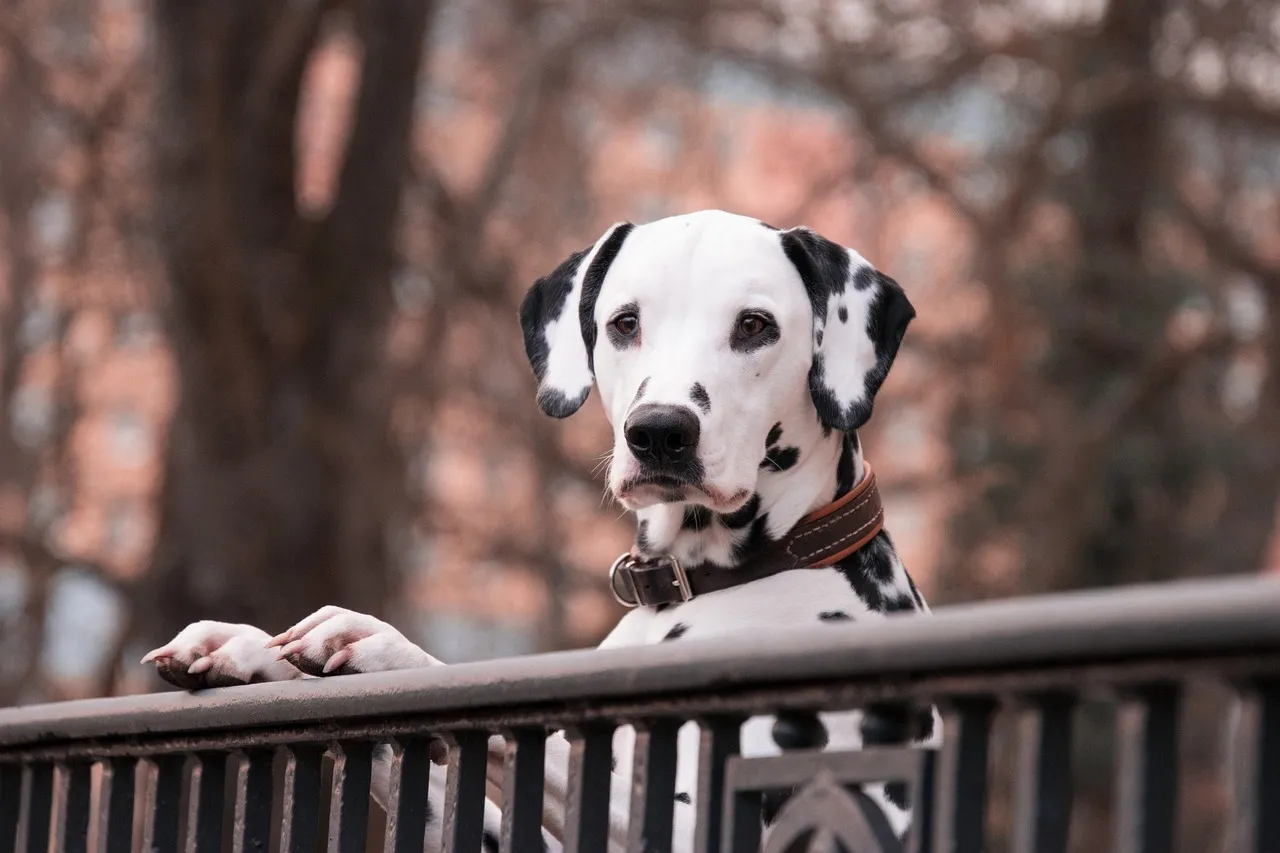
Movies made Dalmatians famous, but the real dog is far from an “easy family pet.” Historically bred as carriage dogs, many Dalmatians today are high-energy, strong, and prone to both physical and mental restlessness without a serious amount of daily exercise.
There’s also a significant breed predisposition to deafness, which adds training complexity that not every retired owner is prepared to navigate.
Their exercise needs go well past a quick stroll – think long, brisk walks or real cardio, daily. Skip that, and chewing, pacing, and hyperactivity show up fast. They also shed surprisingly heavily for a short-coated breed. Experienced, active owners can thrive with them, but a quiet, low-movement retired household is often the worst possible match.
#2 – Working-Line German Shepherd: Incredible Partner, Overwhelming Pet
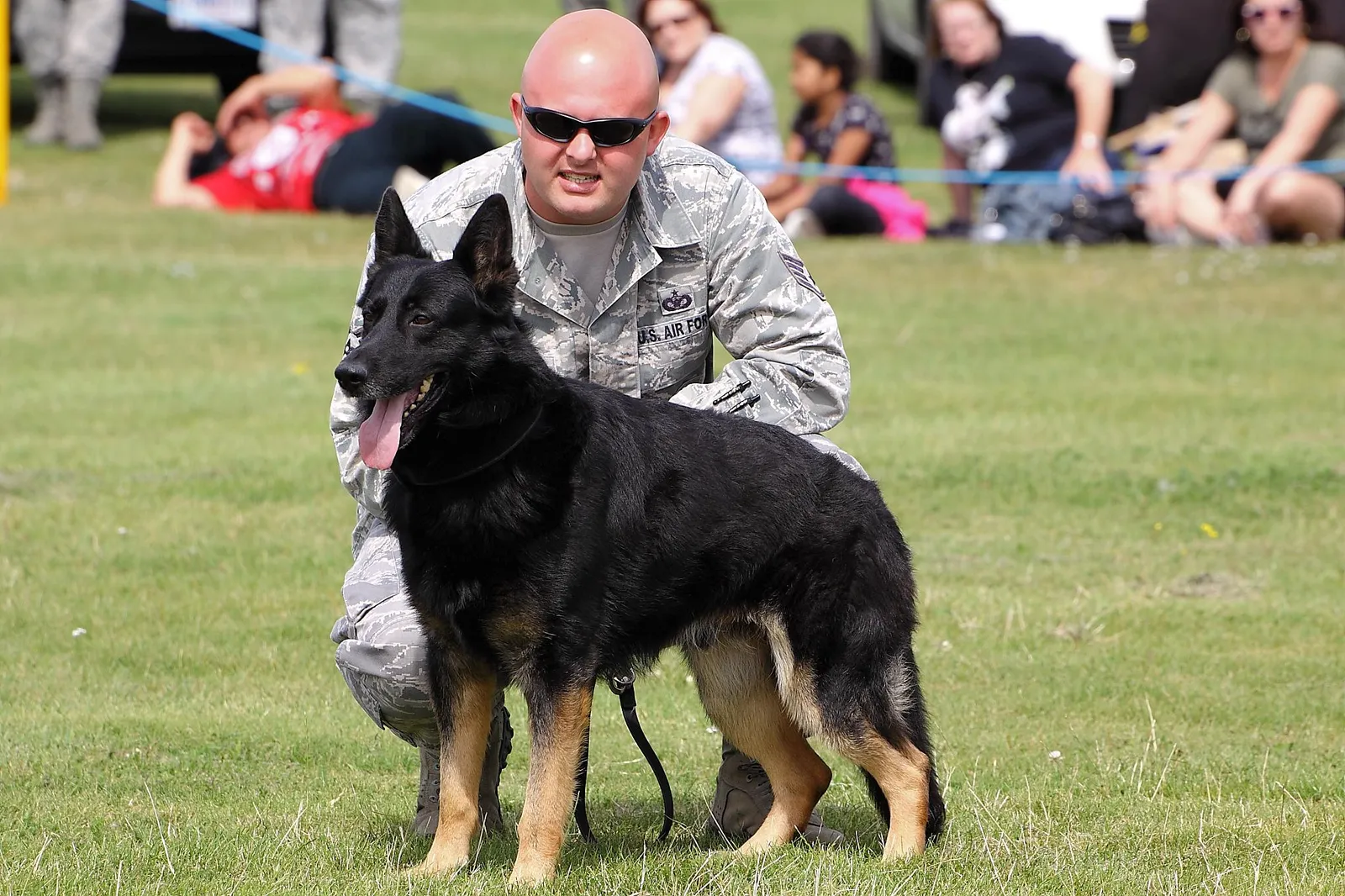
German Shepherds vary wildly, and the distinction most pet buyers ignore is show-line versus working-line. Working-line GSDs, often from police, sport, or protection backgrounds, are bred for intensity and serious work, not sofa duty, and they need advanced training and near-daily mental and physical stimulation.
In a quiet retired household, that need can turn unmanageable fast.
These dogs are strong enough to physically pull down an adult, alert enough to react to every sound, and sharp enough to turn small training mistakes into big behavior problems. Hip and spine issues can also mean heavy vet care and physical support later in life. A carefully selected, lower-drive GSD from stable, health-tested lines can sometimes suit a retired home, but that’s a deliberate, guided choice, not something to gamble on from a random breeder.
#1 – High-Drive Doodles (and Designer Mixes): Cute Marketing, Mismatched Genetics

This one will ruffle feathers, but it needs saying: for many quiet retired households, the most problematic choice on the market today is a random “doodle” or trendy designer mix sold as a low-shedding, easy family dog. Cross a high-drive working breed – Poodle, Aussie, Border Collie, Husky – with another high-energy or guarding breed, skip careful temperament selection, and you often get the worst of both worlds: intense energy, anxiety, and no real “off switch.”
Plenty of doodles are overbred and undersocialized, then marketed almost entirely on looks and the myth of being fully hypoallergenic.
In reality, grooming demands are enormous, behavior can be genuinely unpredictable, and energy levels are often flatly incompatible with a slow, quiet life. Some doodles are fantastic, stable pets, usually from excellent breeders who prioritize health and temperament over trend. But the average pet-store or backyard-bred doodle is a serious gamble, especially for retirees on a fixed income. In many cases, a well-chosen purebred or a senior mixed-breed rescue is simply the safer, calmer bet.
The Bottom Line
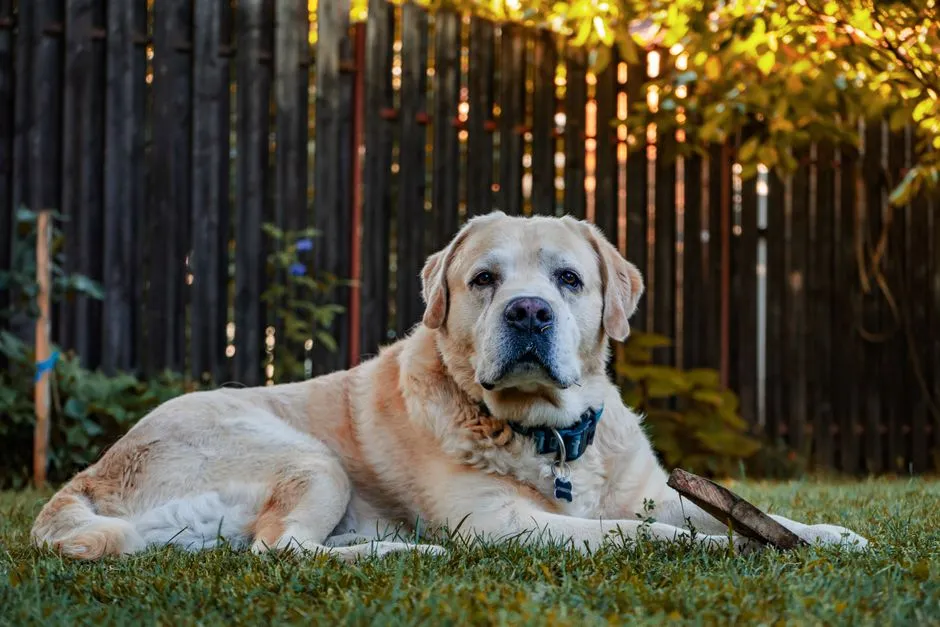
The hardest truth in dog ownership is that love doesn’t override genetics. Some breeds and lines are hard-wired for work, intensity, and constant motion; others are genuinely content with soft routines and short walks. For a quiet retired household, choosing a dog bred for companionship instead of nonstop labor almost always means fewer problems, fewer emergency vet bills, and a lot less guilt.
Senior rescues, classic lapdog breeds, and calmer individuals from thoughtful breeding programs tend to fit slower, more predictable lives best. On the flip side, trendy high-drive dogs – Border Collies, working-line Shepherds, Malinois, Huskies, and plenty of doodles – often need more than even the most well-meaning retiree can sustainably give.
That mismatch isn’t a moral failing. It’s a planning failure, and it’s completely avoidable. The real kindness – to yourself and to the dog – is matching your actual energy, budget, and health to what that breed was actually built for, not what it looks like in a commercial.
So, which breed on this list do you think people get most wrong – and which one would you fight us on?

- 14 Dog Breeds That Suit a Quiet Retired Household and 7 That Really Do Not - August 1, 2026
- 19 Plants Seasoned Gardeners Wish They Had Never Wasted a Single Growing Season Without Once Trying - August 1, 2026
- If You Are Starting a Garden, These 16 Regrets Are the Ones Veteran Growers Name First - August 1, 2026