
Most people can name the bald eagle as America’s national symbol, but ask someone about their own state bird and you’ll often get a blank stare. Honestly, it’s a bit of a shame. Tucked inside the official designations of all fifty states are some of the most extraordinary, colorful, and downright bizarre birds you’ll ever come across. Some of them carry legends. Others carry survival stories that read more like miracles.
Of the 50 states, a total of 32 do not have a unique state bird, meaning they share their feathered symbol with at least one other state. That’s exactly why the birds that ARE unique deserve a closer look. Get ready, because some of these will genuinely surprise you. Let’s dive in.
1. The Willow Ptarmigan (Alaska) – A Master of Disguise
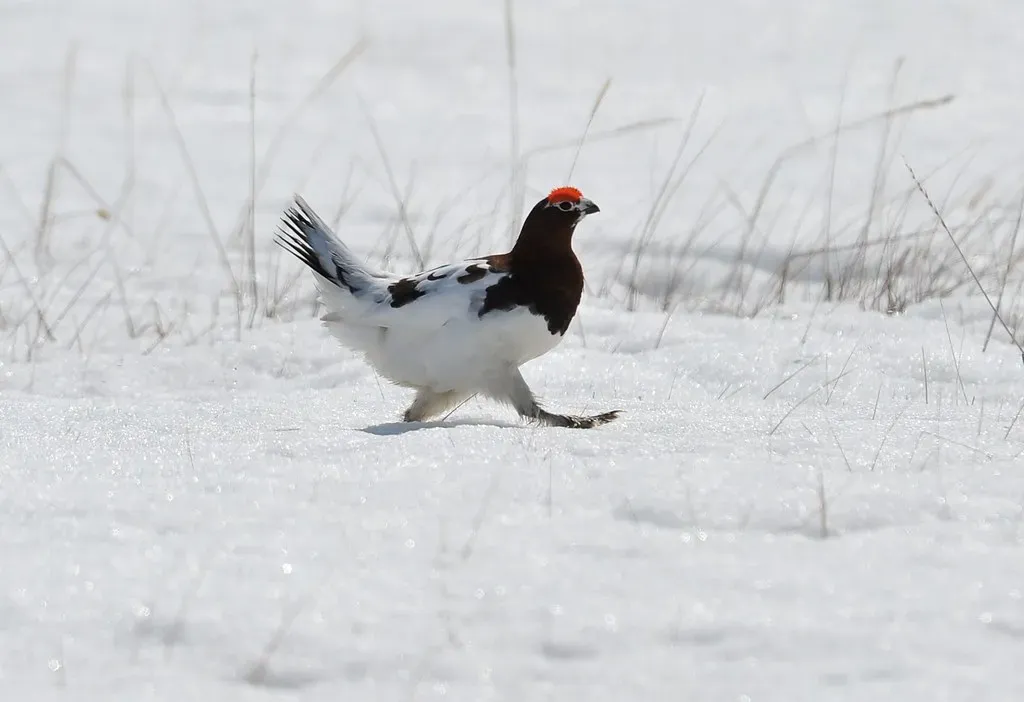
Here’s something most people don’t know: Alaska’s state bird is essentially a shape-shifter. These birds stay in Alaska year-round, and their pure white winter plumage is perfect camouflage during long, harsh winters. Think about that for a second. While most sensible creatures flee the Alaskan cold, the Willow Ptarmigan stays put and simply becomes invisible.
The Willow Ptarmigan uses the art of camouflage to outwit their predators. Their feathers can be white, brownish-gold, or grayish, depending on the season. It’s like wearing a different coat for every season, except each coat is designed to fool a predator.
The sheer toughness of this bird is something I find deeply admirable. Alaska gets snow nine months of the year, and this little bird doesn’t migrate or hibernate. It thrives. That’s the kind of resilience most humans can only dream about on a cold Monday morning.
2. The Nēnē (Hawaii) – Back From the Brink of Extinction
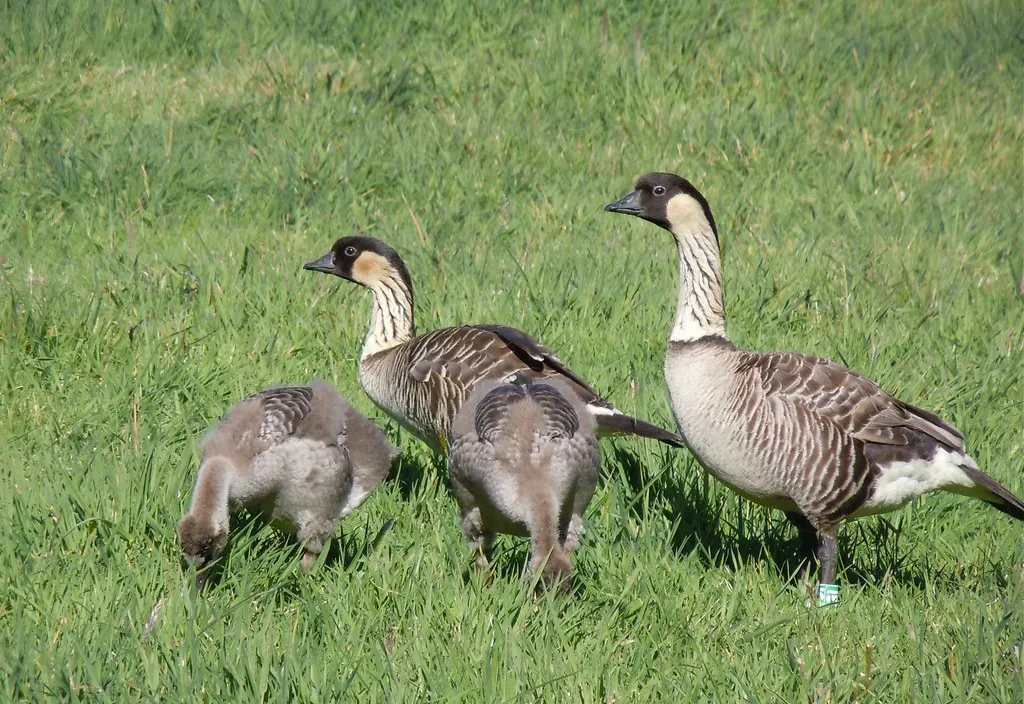
Few state bird stories are as jaw-dropping as Hawaii’s. The nene population stood at 3,862 birds in 2022, making it the world’s rarest goose. It is believed that it was once common, with approximately 25,000 Hawaiian geese living in Hawaiʻi when Captain James Cook arrived in 1778. Hunting and introduced predators, such as small Indian mongooses, pigs, and feral cats, reduced the population to 30 birds by 1952.
Thirty birds. The whole species nearly vanished. Decades of careful conservation work brought this bird back from the brink of extinction. It is, without question, one of the greatest wildlife comeback stories in American history.
What makes the Nēnē even more fascinating is how it evolved. Having evolved to become less aquatic and more independent of wetlands, their webbed feet have given way to something of a half-webbed claw-like foot with longer toes that makes it more useful for gripping than for swimming. The adapted feet and upright posture make it easier for the Hawaii state bird to walk along the rough lava surfaces.
The nene became Hawaii’s state bird two years before Hawaii became an official state. That tells you just how central this bird is to the Hawaiian identity.
3. The Cactus Wren (Arizona) – The Desert’s Unlikely Architect
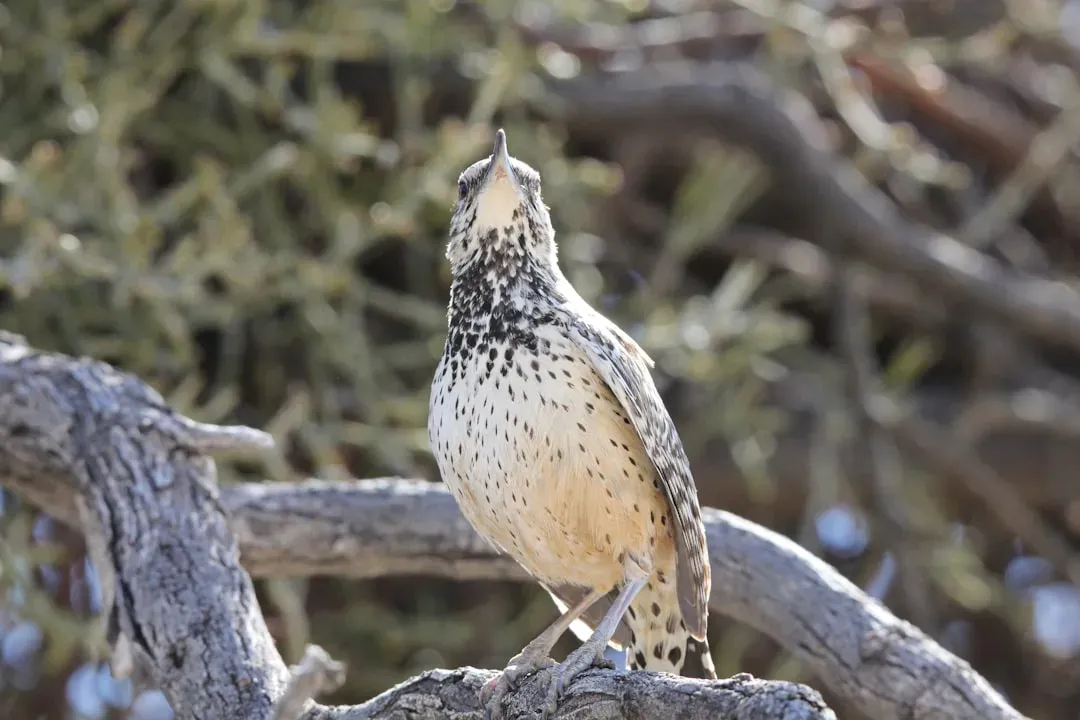
Let’s be real: when you picture Arizona, you picture vast sandy desert, towering saguaro cacti, and blazing heat. The Cactus Wren fits that picture perfectly. The cactus wren is the largest wren in North America. That alone sets it apart from the rest of its small, chirpy wren cousins.
Cactus Wren is known for its loud call and the fact that they build their homes on cactus and use the spikes as their natural protection. Imagine choosing to live inside a cactus. That’s not desperation. That’s genius-level home security.
Arizona may have chosen this unique creature as the state bird in 1931 because it is well adapted to a desert climate. The bird, native to the Southwest, thrives in dry conditions, the perfect embodiment of what makes Arizona’s arid desert landscape so breathtaking. No bird better wears the badge of desert survival quite like this bold and spiny-nesting wonder.
4. The Scissor-Tailed Flycatcher (Oklahoma) – Nature’s Living Kite
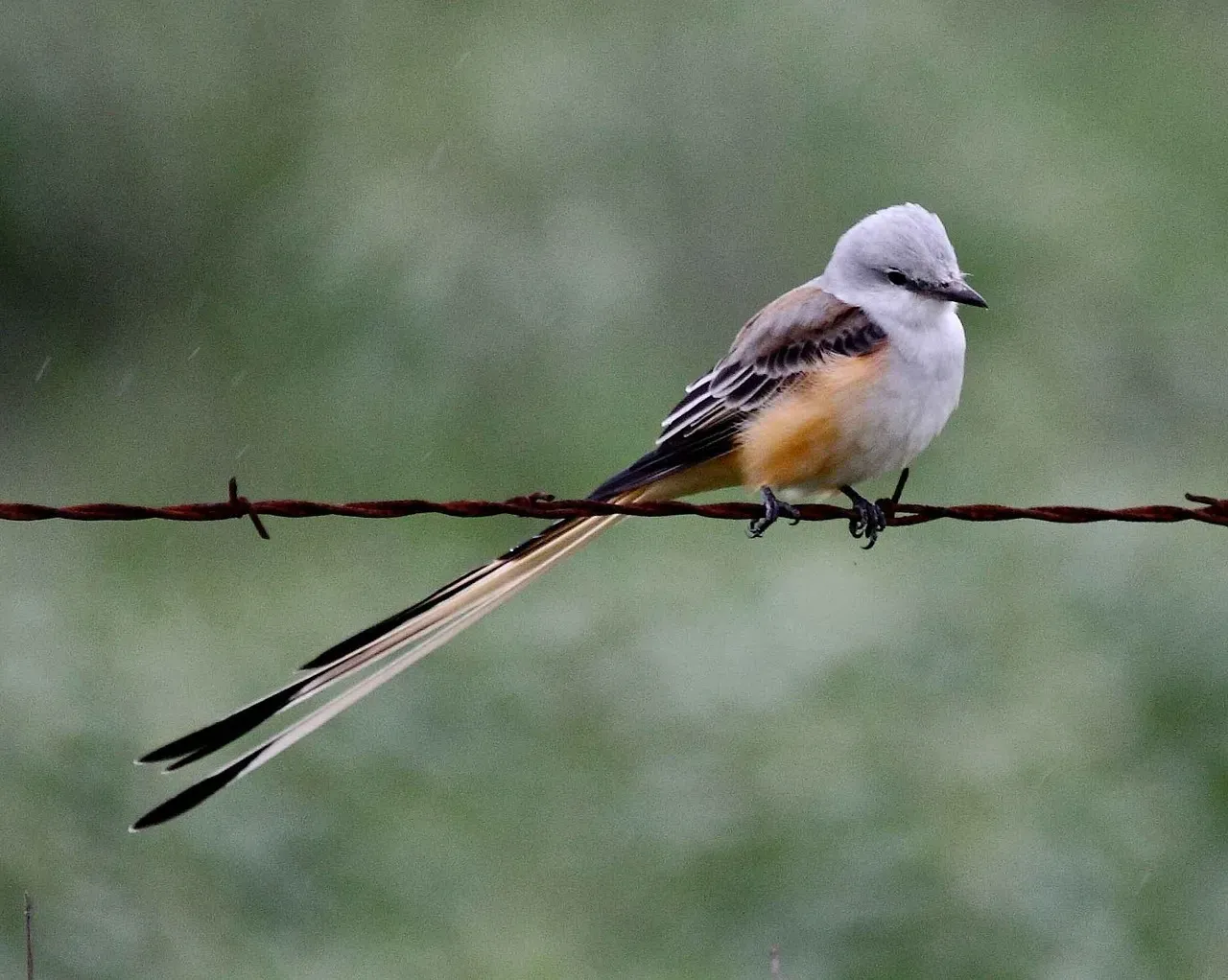
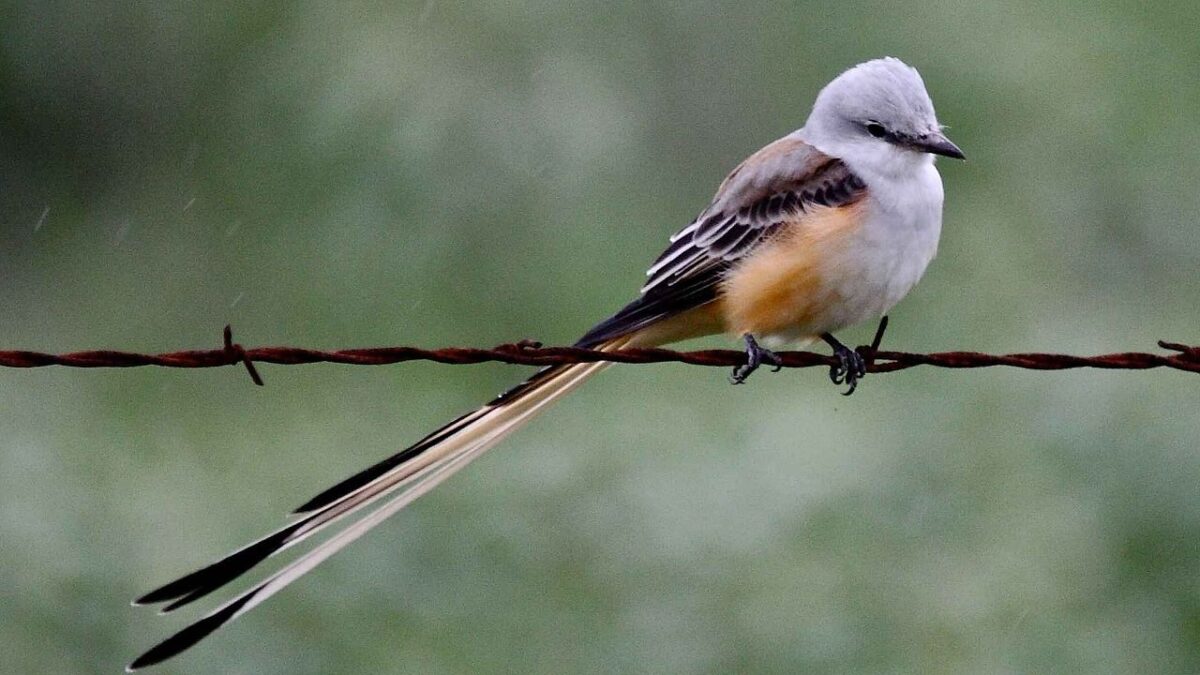
If you’ve never seen this bird in flight, do yourself a favor and look it up immediately. A long split tail gives Oklahoma’s state bird a very distinct silhouette. Its salmon-colored shoulders and underwings stand out in flight. It looks like something a child might have invented – impractically beautiful, wonderfully dramatic.
Like the closely related kingbirds, this species is often observed on open perches, ready to fly out to snag any insects in midflight. While the core breeding range is in the south-central United States, individual scissor-tailed flycatchers have been known to show up in other locations around the country. This bird is a wanderer at heart, occasionally turning up far from its usual territory, much to the delight of birdwatchers everywhere.
I think the Scissor-Tailed Flycatcher might be the most visually striking state bird in the entire country. That tail is simply extraordinary. It moves through the air like a kite made of feathers, a creature that seems too extravagant to be real.
5. The Lark Bunting (Colorado) – The Bird That Reinvents Itself
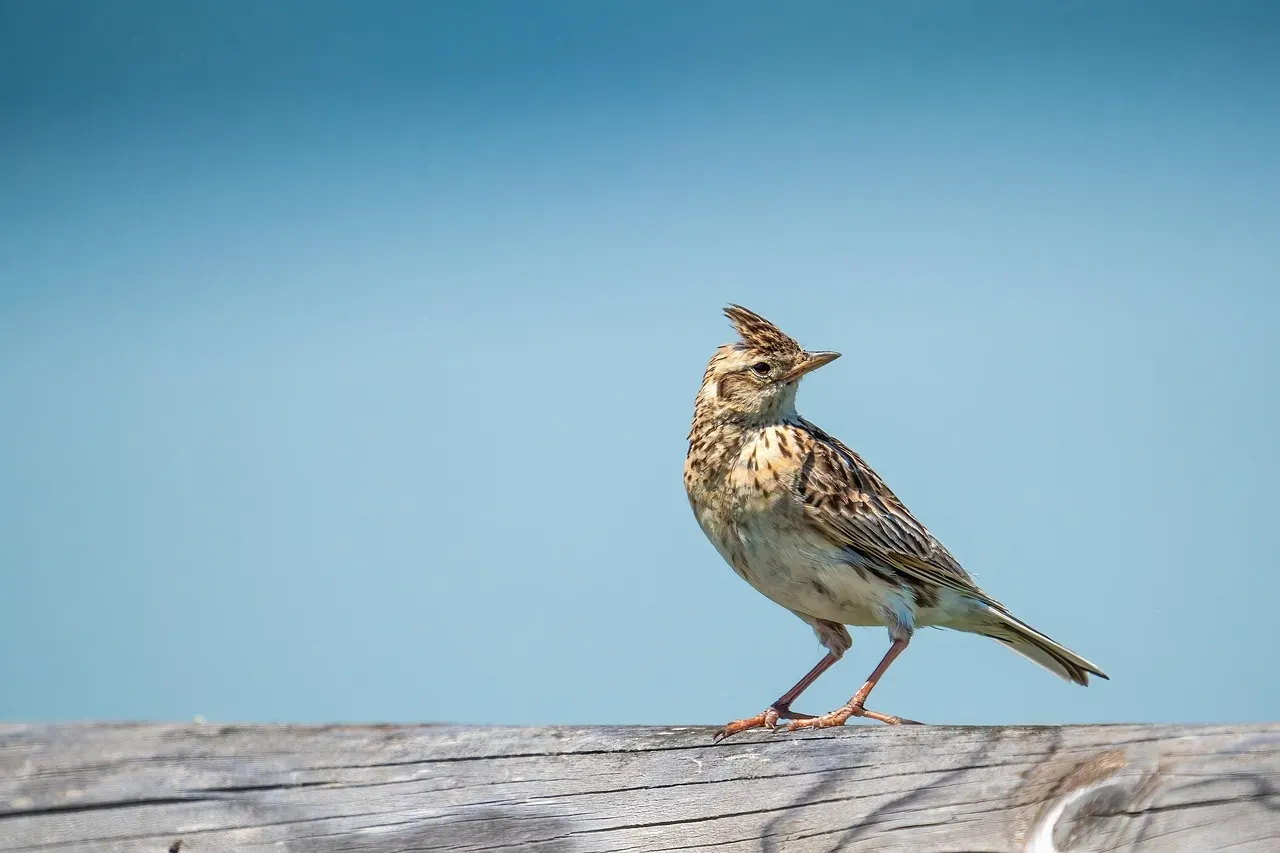
Lark buntings are the only birds in the sparrow family where males change into dramatically different breeding colors in spring and summer but are much more camouflaged in winter. This is a bird that goes from bold and black-and-white in the warmer months to soft and subtle during the cold. It’s almost as if it dresses up for its social season and then quietly blends in for the rest of the year.
The birds are survivors since they can survive summer without water; they simply rely on getting moisture from insects that they feed on. That kind of resourcefulness is astonishing. No water? No problem. Just eat something wetter.
Colorado’s wide-open grasslands are home to this small, feisty bird that punches well above its weight in terms of personality. It’s hard not to respect a creature that has basically figured out how to be both glamorous and invisible, depending on the season.
6. The Brown Pelican (Louisiana) – The Comeback Kid of the Gulf
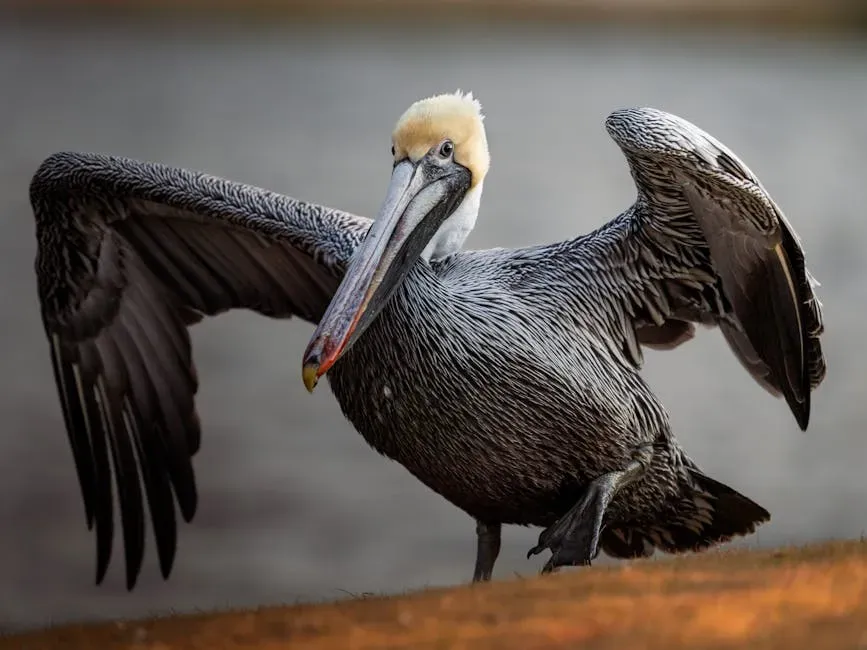
In 1966 the brown pelican became the state bird of Louisiana. The people of Louisiana love this unique bird so much, the state is nicknamed “The Pelican State” and it is pictured as a symbol on their state flag. You don’t get on a state flag by being ordinary. This bird earned its place.
Louisiana’s state bird is the brown pelican. The species was formerly endangered due to the effects of the pesticide DDT, but it has since recovered. The DDT crisis nearly wiped out the entire Louisiana population, creating what many called an ecological catastrophe. Its recovery is nothing short of remarkable.
These birds are quite large, with an impressive wingspan of over 6 feet. As a result, they use their enormous wings to glide elegantly through the sky. Watching a pelican glide just above the ocean surface is one of those moments in nature that feels almost cinematic. Graceful doesn’t even begin to cover it.
7. The California Gull (Utah) – The Hero Bird With a Wild Backstory
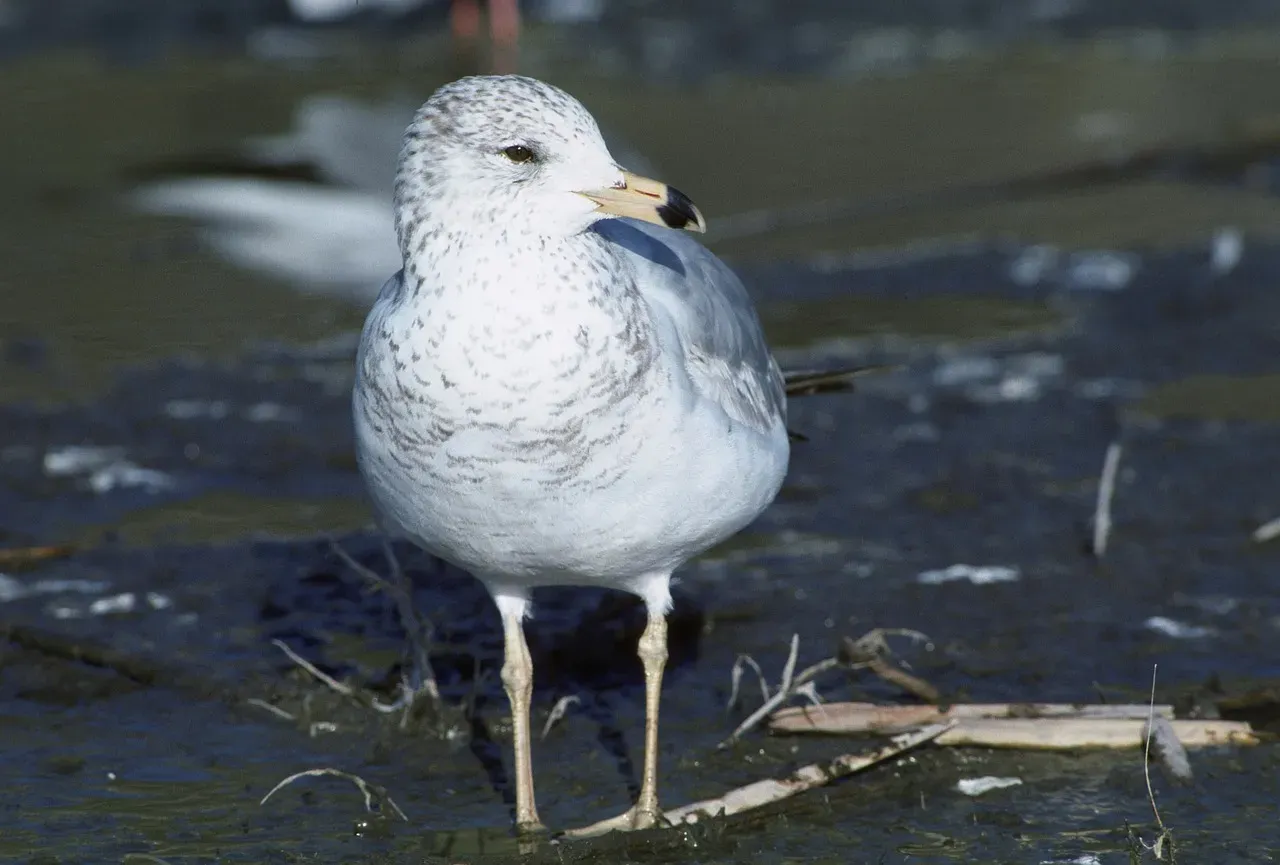
This one genuinely stopped me in my tracks when I first read about it. Despite its name, the California gull is actually the state bird of Utah. Chosen in 1955, these sea gulls were honored as a state symbol because they ate tons of destructive crickets in 1848 and saved the people from losing all their crops.
Utah selected this bird to commemorate how this species saved early Mormon communities from an infestation of crickets. In 1848 crickets were destroying all of the crops in the fields, threatening to leave the Mormons with nothing to eat. A seagull saved an entire community from starvation. That is not a small thing. That is the stuff of legends.
It’s hard to say for sure whether a bird consciously acts heroically, but you can forgive the settlers of Utah for feeling a deep, almost spiritual gratitude toward these birds. The California Gull saved early Utah pioneers by eating crickets that decimated their crops. So, as a way to appreciate the birds, Utahans made this bird their state symbol. Gratitude, set in law. That’s beautiful.
8. The Common Loon (Minnesota) – The Haunting Voice of the Wilderness
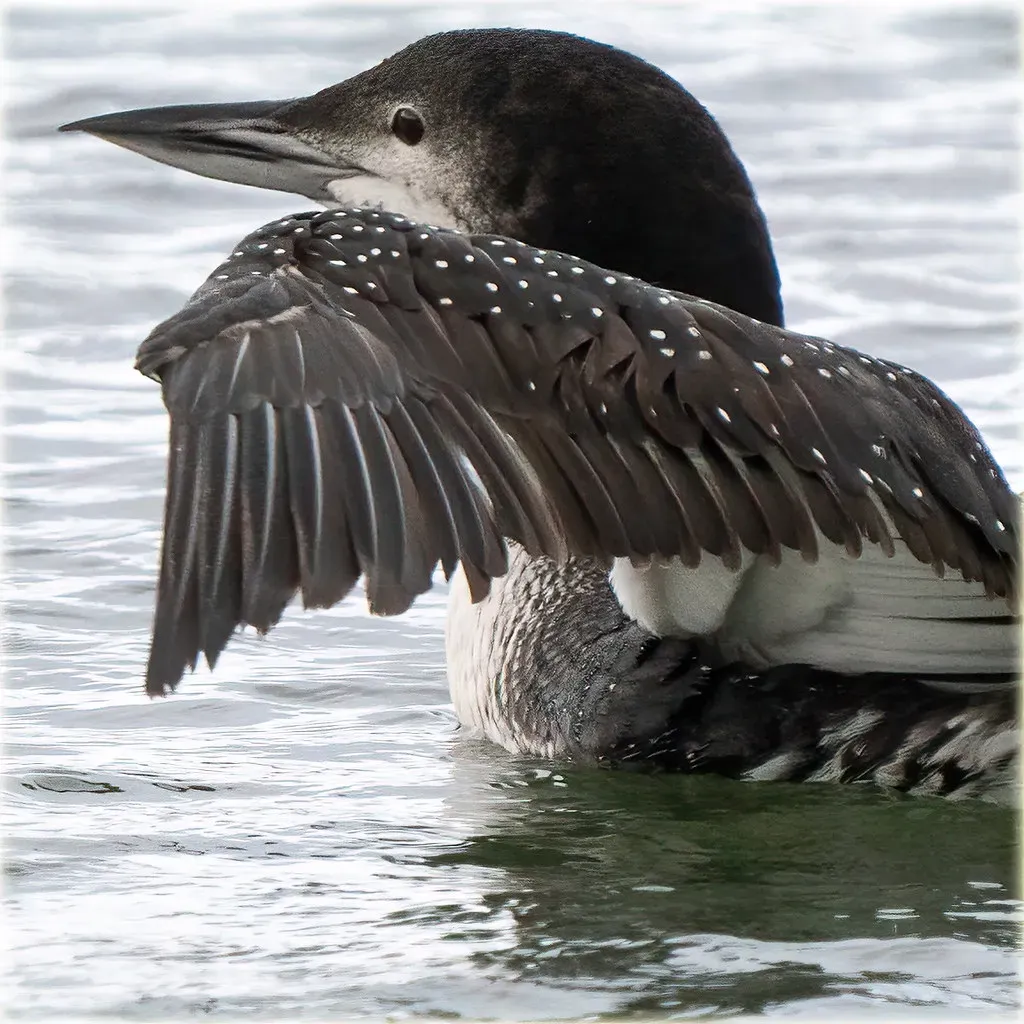
If you’ve ever spent a night by a quiet northern lake and heard a sound that seemed to come from another world entirely, it was probably a Common Loon. Minnesota’s state bird, the Common Loon, is a symbol of the state’s pristine lakes and wilderness areas. With its haunting, yodel-like call and striking black and white plumage, it embodies the spirit of the Land of 10,000 Lakes.
More common loons nest in Minnesota than in any other state except Alaska. The common loon is also the official provincial bird of Ontario, Canada. Minnesota didn’t choose a bird of convenience. It chose a bird of atmosphere, one that defines the feeling of its wilderness more than any photograph ever could.
The loon’s call is one of those sounds that gets under your skin. It echoes off the water in the dark and sounds, honestly, like the wilderness itself is singing. Not many state birds carry that kind of emotional weight.
9. The Brown Thrasher (Georgia) – The Neck-Twisting Songbird
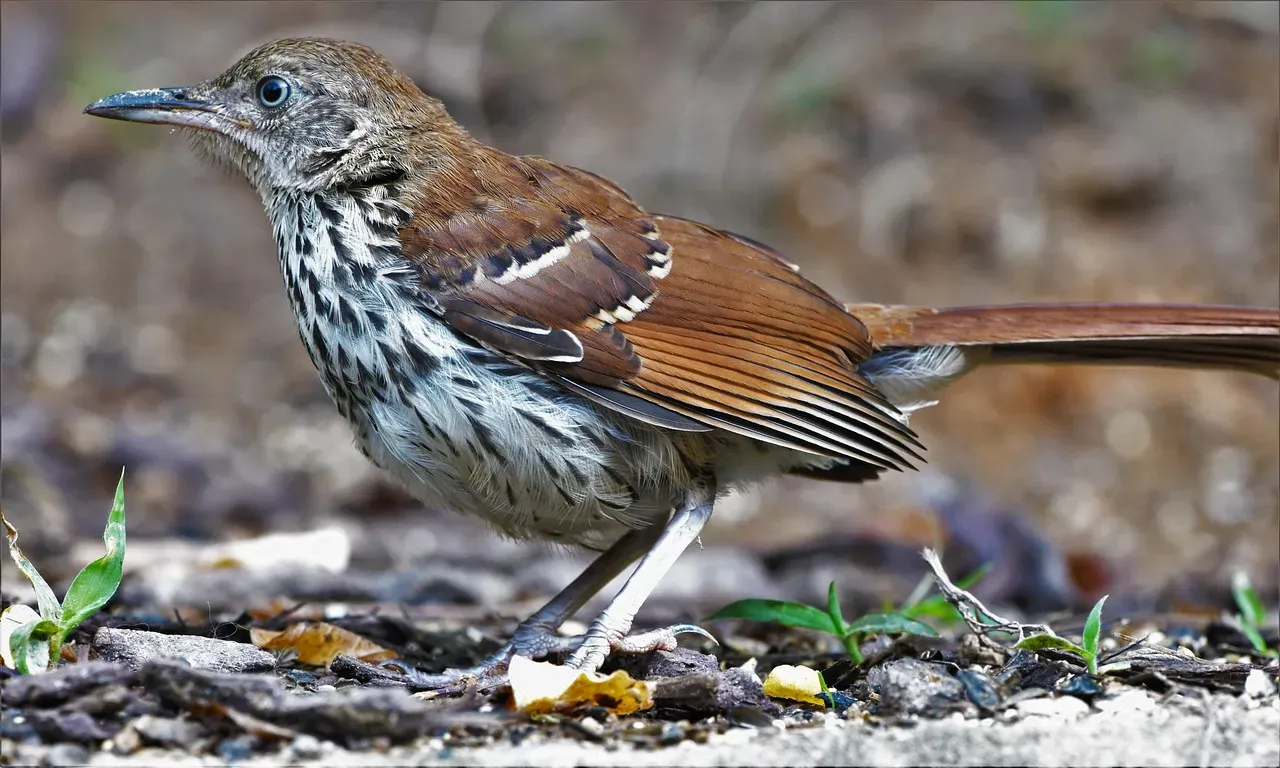
Georgia’s state bird is not the most famous, but it is one of the most quietly extraordinary. The Brown Thrasher is extremely flexible due to the fact that it has more vertebrae in its neck than a giraffe. It can preen its feathers on the back of its neck, and even under its throat. More neck vertebrae than a giraffe. Let that sink in for a moment.
It is a funny bird that mimics other bird species. The Brown Thrasher is known to have one of the largest song repertoires of any North American bird, with some researchers estimating it can produce over a thousand different song types. That’s not a songbird. That’s a walking jukebox with a very flexible neck.
Honestly, this might be the most underrated state bird on this entire list. It doesn’t get the attention of a cardinal or a pelican, but it absolutely deserves a standing ovation for both its vocal range and its anatomical peculiarities.
10. The Hermit Thrush (Vermont) – America’s Nightingale
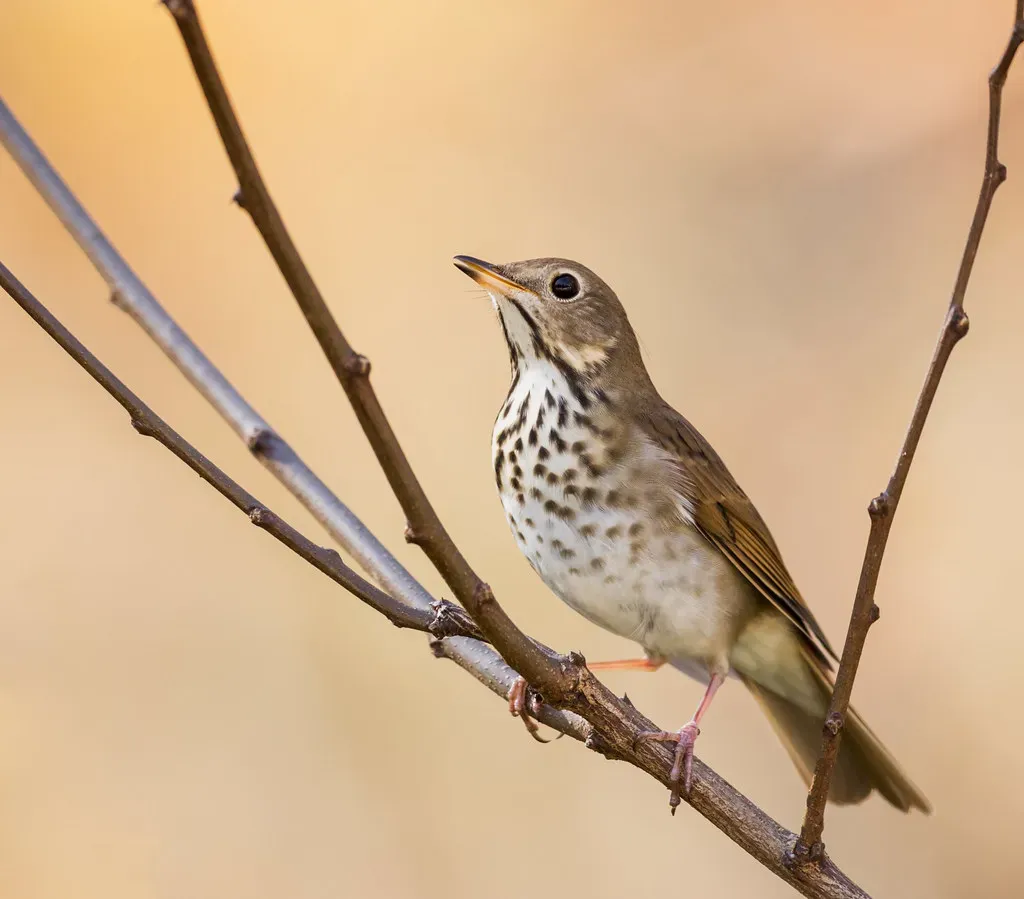
Vermont chose its state bird in 1941, and the choice was inspired. The hermit thrush became Vermont’s state bird in 1941. It has been nicknamed the American nightingale because it has what many call the most beautiful song of any American bird.
The Hermit Thrush is a very shy, somewhat nondescript little bird. The Hermit Thrush was chosen by the state of Vermont because of its exquisite flute-like song, a trait which also resulted in it being dubbed America’s “Nightingale”. On first glance, this bird won’t blow you away with dramatic colors. It’s small, brown, and unassuming. Then it starts to sing.
There’s something deeply poetic about Vermont, a quiet and modest state in many ways, choosing a bird that is similarly modest in appearance but breathtaking in song. Sometimes the most extraordinary things hide in plain sight. The Hermit Thrush is proof of exactly that.
11. The Baltimore Oriole (Maryland) – Named After a Lord
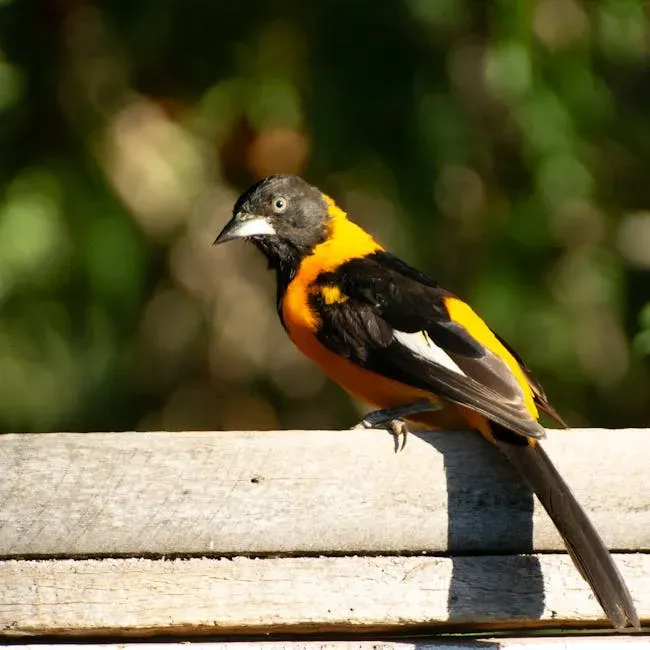
Here’s a piece of history most people miss entirely. The Baltimore Oriole was named for Lord Baltimore, the founder of Maryland, because the bird, like the Lord, wore orange and black colors. This is one of the very few birds in the world named after a real historical person, and it happened by accident, simply because the colors matched.
While not exclusively native to the city of Baltimore, the Baltimore oriole became the state’s official bird in 1947. Baltimore orioles create unique nests that look like little hanging baskets. Those nests, woven from plant fibers and suspended from tree branches like tiny hammocks, are genuine architectural marvels for a creature that builds with its beak.
The vivid orange and black plumage of the male Baltimore Oriole is something you genuinely don’t forget once you’ve seen it. It’s the kind of bird that makes even non-birdwatchers stop walking and stare. Maryland made a great call here, both historically and aesthetically.
12. The Greater Roadrunner (New Mexico) – The Real-Life Cartoon Star
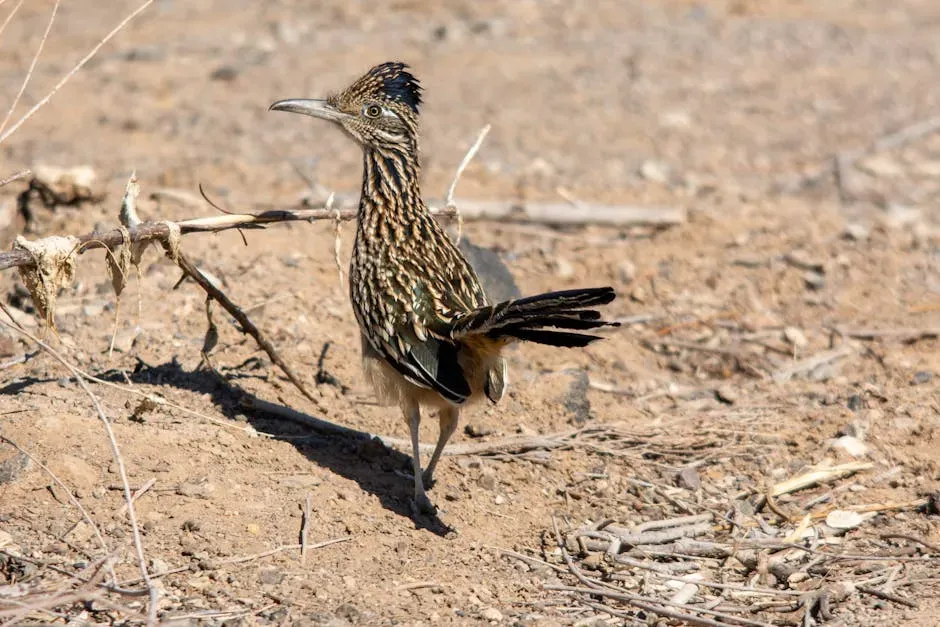
This bird is the real-life inspiration behind The Roadrunner of the Looney Tunes universe. Yes. The cartoon is based on a real bird. A bird that is, if anything, even more bizarre and entertaining than its animated counterpart.
The Greater Roadrunner, with its distinctive appearance and quirky behavior, is a fitting representative of New Mexico’s desert landscapes and rich biodiversity. Its ability to thrive in arid environments reflects the resilience of the Land of Enchantment. The Roadrunner doesn’t just survive the desert. It sprints through it, hunts rattlesnakes, and does so with an almost theatrical flair.
The greater roadrunner is among the nineteen bird species that represent only one state each. No other state has claimed it, which makes it one of the most unique official designations in the country. Fast, fearless, and utterly unforgettable, the Greater Roadrunner is easily one of the most entertaining state birds on the entire list.
A Final Word: America’s Feathered Wonders Deserve More Attention
Here’s the thing about state birds: they are so much more than official designations printed on a government website. They are windows into the landscapes, histories, and personalities of the places they represent. A ptarmigan turning white in the Alaskan snow. A goose walking volcanic lava fields in Hawaii. A flycatcher trailing its improbable tail over Oklahoma plains. These are remarkable creatures.
All 50 states have designated state birds, feathered ambassadors that represent each state. Some birds were chosen for their unique abilities, such as the bold personality and exceptional mimicry of the northern mockingbird. Others were chosen for their beauty, their resilience, or even their heroism, like the gull that saved a community’s harvest.
Each one of these birds tells a story that most of us have never bothered to hear. Maybe it’s time we started listening a little more closely. Which of these twelve surprised you the most? Share your thoughts in the comments below.

- 14 Signs a Dog Near the Rainbow Bridge Is at Peace With Its Person - July 21, 2026
- 15 Ways a Shelter Animal Tells You It Was Always Meant to Be Yours - July 21, 2026
- 14 Ways a Dog Shows You Are the Center of Its Whole World - July 21, 2026