


Did you ever look into an animal’s eyes and feel a shiver of recognition—a sense that they might be feeling something just like you? For generations, people believed emotions belonged only to humans. But as science has peered deeper into the animal kingdom, the walls have come tumbling down. From teary-eyed elephants to playful dolphins, these creatures have shattered old beliefs and sparked a revolution in how we think about feelings. Prepare to be surprised, moved, and maybe even a little challenged as we count down 14 remarkable species that have transformed our view of emotions forever.
14. Rhesus Macaques

Rhesus macaques have long fascinated scientists with their expressive faces and intricate social lives. These monkeys are famous for their ability to feel jealousy, envy, and even guilt, as shown in groundbreaking experiments. Researchers have watched macaques comfort one another after conflicts, a behavior once thought to be uniquely human. Their emotional reactions to loss and social exclusion are startlingly similar to our own. When separated from a close companion, macaques may show signs of grief and distress, huddling alone or refusing food. Their capacity for emotional contagion—catching the feelings of those around them—first hinted at the deep roots of empathy in primate evolution. All of this makes rhesus macaques a window into the emotional lives of our closest relatives.
13. African Elephants

Few animals tug at the heartstrings like African elephants. Their legendary memory is matched only by their emotional depth. Herds have been observed gathering silently around the bones of their dead, gently touching the remains with their trunks in what appears to be a ritual of mourning. Mothers have been known to grieve for weeks when a calf dies, even refusing to leave the body. Elephants also comfort each other by entwining trunks, and they celebrate births with trumpeting and playful gestures. Their capacity for joy, sorrow, and empathy has forced scientists to rethink the boundaries of animal emotion, proving that the heart of an elephant is as vast as its size.
12. Bottlenose Dolphins

If you’ve ever watched dolphins leap and spin through the waves, you’ve likely sensed their exuberance. Bottlenose dolphins have become icons of animal joy and intelligence, but their emotional lives go even deeper. They form life-long friendships, grieve for lost companions, and even “sing” to their newborn calves in unique ways. Dolphins can appear visibly distraught when members of their pod are injured or captured. They also show contagious laughter, with one dolphin’s playful mood spreading instantly through the group. These behaviors have challenged the old idea that only primates feel complex emotions.
11. Domestic Dogs

It’s almost impossible to picture a world where dogs aren’t considered emotional creatures. Their wagging tails, soulful eyes, and comforting presence have made them humanity’s best friends for thousands of years. Research has shown that dogs can read human emotions, react to our sadness, and even mirror our feelings. They experience jealousy when their owners give attention to other pets. Dogs have been seen grieving for lost loved ones, refusing food, and searching for missing friends. Their loyalty and empathy have helped prove that emotions cross the species barrier in ways we’re only beginning to understand.
10. Western Scrub-Jays

Birds may not be the first animals you think of when it comes to feelings, but western scrub-jays have shaken up that perception. These clever birds hold funerals for their dead, gathering around a fallen companion and calling loudly for minutes on end. Scientists believe this response shows not only awareness of death but also social bonds and a form of mourning. Scrub-jays also cache food and remember where others hide their treasures, hinting at emotional intelligence and even the capacity for empathy. Their reactions to loss are a stark reminder that emotions can be found in the most unexpected places.
9. Chimpanzees
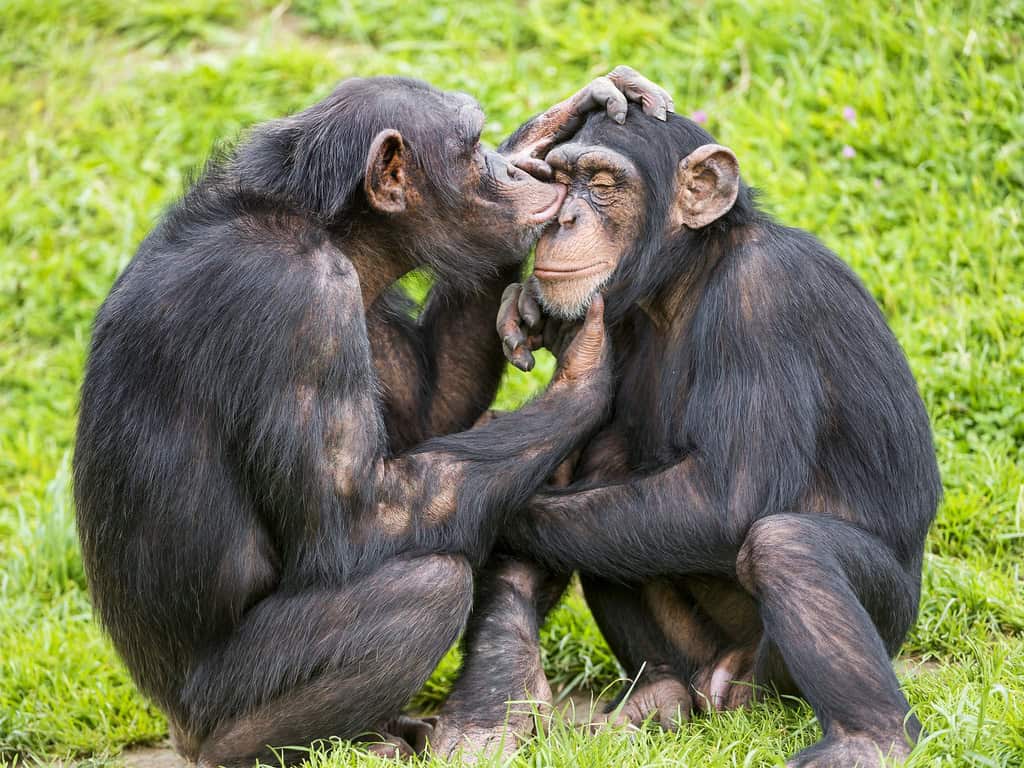
Chimpanzees, our closest living relatives, have been at the center of emotional research for decades. They comfort each other with hugs and kisses after fights, and mothers have been known to carry and mourn their dead infants for days. Chimps express happiness, fear, anger, and even embarrassment. They laugh when tickled and show frustration when things don’t go their way. Their social complexity and emotional awareness have helped scientists trace the evolutionary roots of our own feelings. In many ways, studying chimpanzees is like looking into an emotional mirror.
8. Asian Elephants

Asian elephants, like their African cousins, have stunned researchers with their emotional intelligence. They respond to the distress calls of others, rushing to help calves in trouble and assisting injured herd members. Families have been seen gathering to help a struggling elephant stand, using their bodies and trunks in a coordinated effort. Asian elephants also display remarkable memory, recognizing individuals after years apart. Their ability to experience joy, grief, and even anticipation has broadened our understanding of animal emotions beyond mammals with familiar faces.
7. Crows

Crows are some of the most intelligent birds on the planet, and their emotional lives are just as complex. They form tight family bonds, work together to solve problems, and even hold “funerals” for their dead. When a crow dies, others gather around, caw loudly, and sometimes avoid the location for days. Crows also remember human faces—both friendly and unfriendly—for years, and they teach their young who to trust. Their ability to feel and act on emotions like fear, affection, and grief has made them a favorite subject for scientists and animal lovers alike.
6. Octopuses

It might sound shocking, but octopuses have recently been thrust into the spotlight as surprisingly emotional beings. With their alien appearance, it’s easy to underestimate them, but octopuses can express excitement, fear, and even curiosity. Some have been seen playing with toys, changing colors when they’re stressed or content, and forming bonds with their keepers in aquariums. When threatened, they’ll sometimes display dramatic color changes or squirt ink in what looks like an emotional outburst. Their unique nervous system and problem-solving abilities suggest a kind of emotional intelligence that may be unlike any other on Earth.
5. Horses
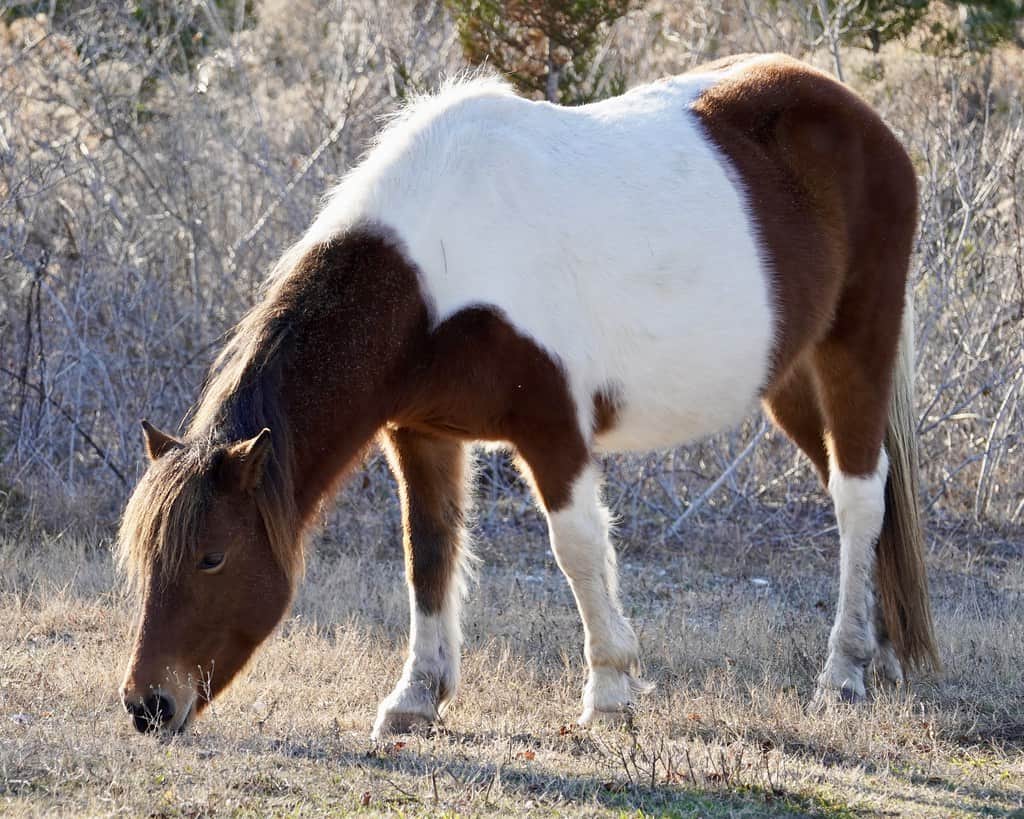
Horses have long been cherished for their sensitivity and expressive personalities. They pick up on human feelings, becoming calm around relaxed people and anxious around those who are nervous. Horses can form deep attachments to each other and to their human caretakers, sometimes refusing to eat or becoming withdrawn when separated from loved ones. They show joy through playful running and sadness with drooping heads and quiet demeanor. The emotional bond between a rider and horse can be so strong that it’s been described as almost telepathic. Horses have helped bridge the understanding between human and animal emotions, especially in therapy and healing.
4. Bonobos
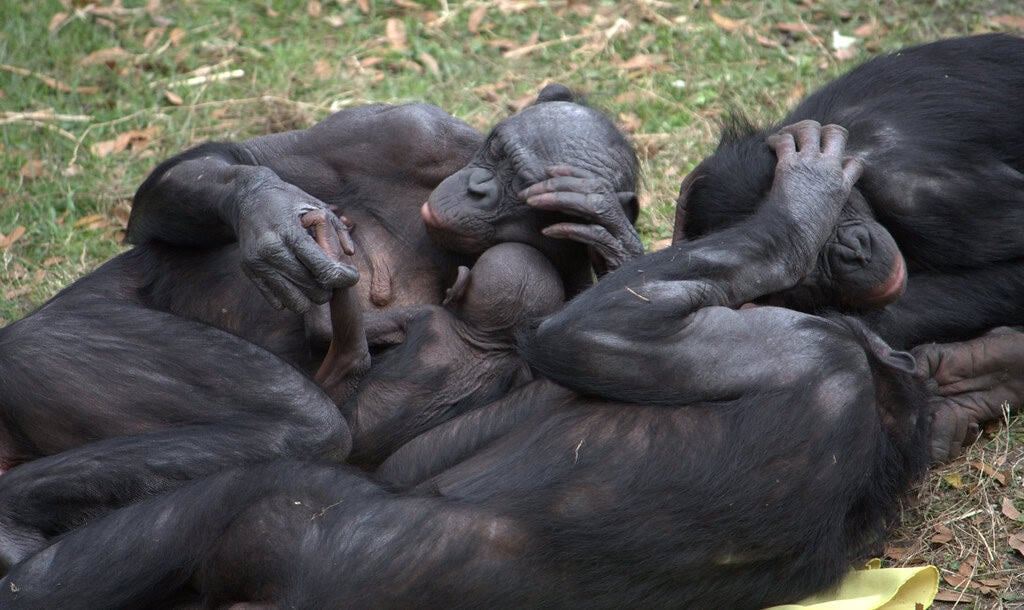
Bonobos, sometimes called the “gentle apes,” are known for their loving, peaceful nature. They use touch—hugging, kissing, and even holding hands—to maintain social harmony and comfort those in distress. Bonobos laugh, play, and show clear signs of joy, but they also experience anxiety, fear, and grief. When a bonobo loses a friend, others gather to console them, sometimes refusing to leave their side. Their emotional openness and strong social bonds have provided powerful evidence that empathy and compassion are not just human traits.
3. Gray Wolves

The haunting howl of a gray wolf is more than just a call to the pack—it’s a cry full of emotion. Wolves live in tight-knit families and experience intense feelings of loyalty and affection. When a pack member dies, wolves have been observed searching and calling for them, sometimes for days. They greet each other with wagging tails, nuzzles, and joyful body language. Wolves also show jealousy and rivalry, but their ability to work together and comfort each other in hard times is a testament to the depth of their emotional world.
2. New Caledonian Crows
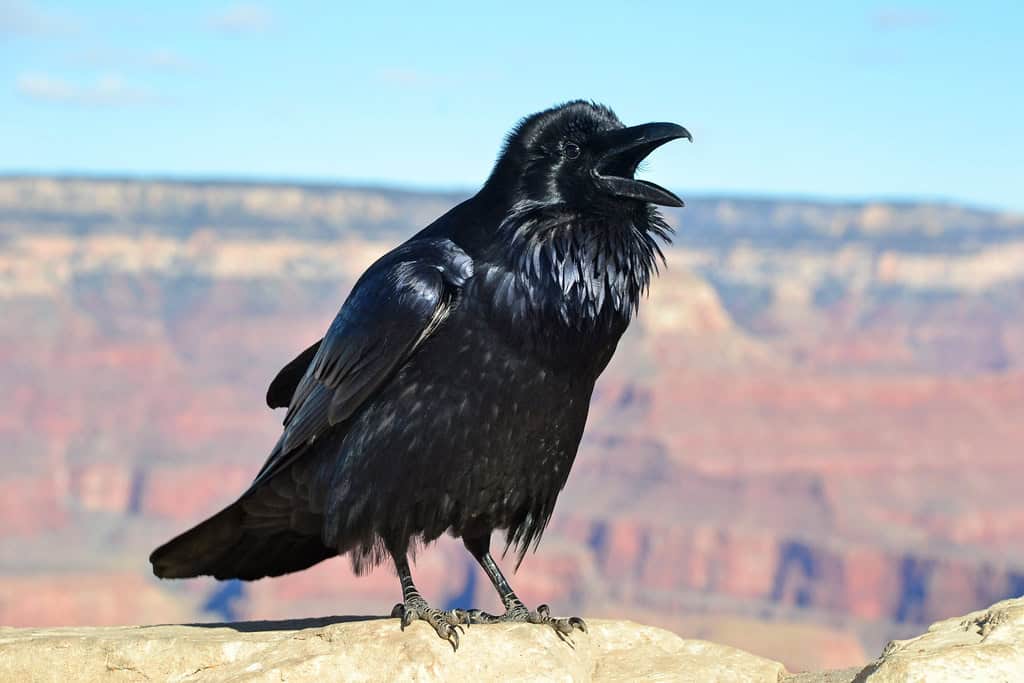
Renowned for their problem-solving skills, New Caledonian crows have also surprised scientists with their emotional intelligence. They use tools, recognize themselves in mirrors, and show frustration when faced with tough challenges. These crows also form strong bonds with partners and display grief when one dies. Their playful antics and clever solutions reveal a mind that feels as well as thinks. Their discoveries have forced experts to recognize that emotions aren’t limited to mammals—birds can be just as emotionally sophisticated.
1. Orcas
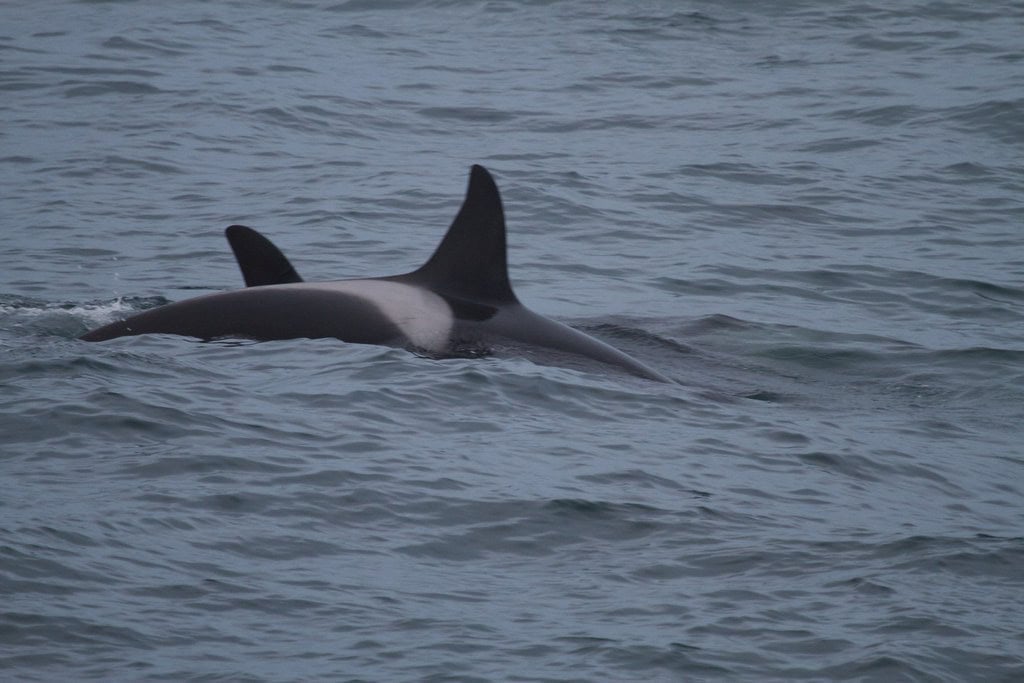
Orcas, or killer whales, have completely changed what we thought we knew about animal emotions. These magnificent beings live in close family groups, sometimes for life, and mourn the loss of relatives in deeply moving ways. In one famous case, a mother orca carried her dead calf for weeks, refusing to let go. Orcas play, hunt, and communicate in elaborate ways, and their emotional connections rival those of any other animal on Earth. The more we learn about orcas, the clearer it becomes that their inner lives are rich, complex, and worthy of wonder.
Conclusion

The 14 species above have opened our eyes to an incredible truth: emotions are not just a human experience. From birds that mourn to octopuses that play, the animal kingdom is alive with feeling. Each species challenges us to look beyond our own perspective and ask deeper questions about the minds and hearts of our fellow creatures. Did you ever imagine animals could feel this much?

As a little kid, I fell in love with nature, wildlife, and animals. Living in the USA, South Africa, Italy, China and Germany gave me the opportunity to discover the world's Wildlife. My favorite animals are Mountain Gorillas, Siberian Tigers, and Great White Sharks.
I'm a certified PADI Open Water Diver, went to Everest Base Camp and Trekked Gorillas in Uganda. I hold a Master of Science in Economics and Finance.
Please send any feedback to feedback@animalsaroundtheglobe.com
- 13 Cat Breeds That Get Along with Dogs - July 20, 2026
- The 12 Largest Dog Breeds That Still Love to Cuddle - July 20, 2026
- 12 Pet Habits That Secretly Mean They Love You - July 20, 2026