
Cats have lived alongside humans for thousands of years, yet we still manage to get them spectacularly wrong. They’ve been worshipped, feared, misunderstood, and turned into internet celebrities, all while quietly going about the business of being cats. The strange thing isn’t that myths about them exist. It’s that so many of them have survived well into 2026, stubbornly circulating in living rooms, online forums, and even some veterinary waiting rooms.
These beliefs are neither trivial nor inconsequential. They shape how we treat cats and our relationship with them, which in turn affects their health and wellbeing. Some of what we think we know about cats is harmless folklore. Other assumptions can quietly delay care, create behavioral problems, or simply leave a very misunderstood animal worse off. Here’s what animal experts actually say.
#1: Cats Are Aloof and Don’t Need Affection
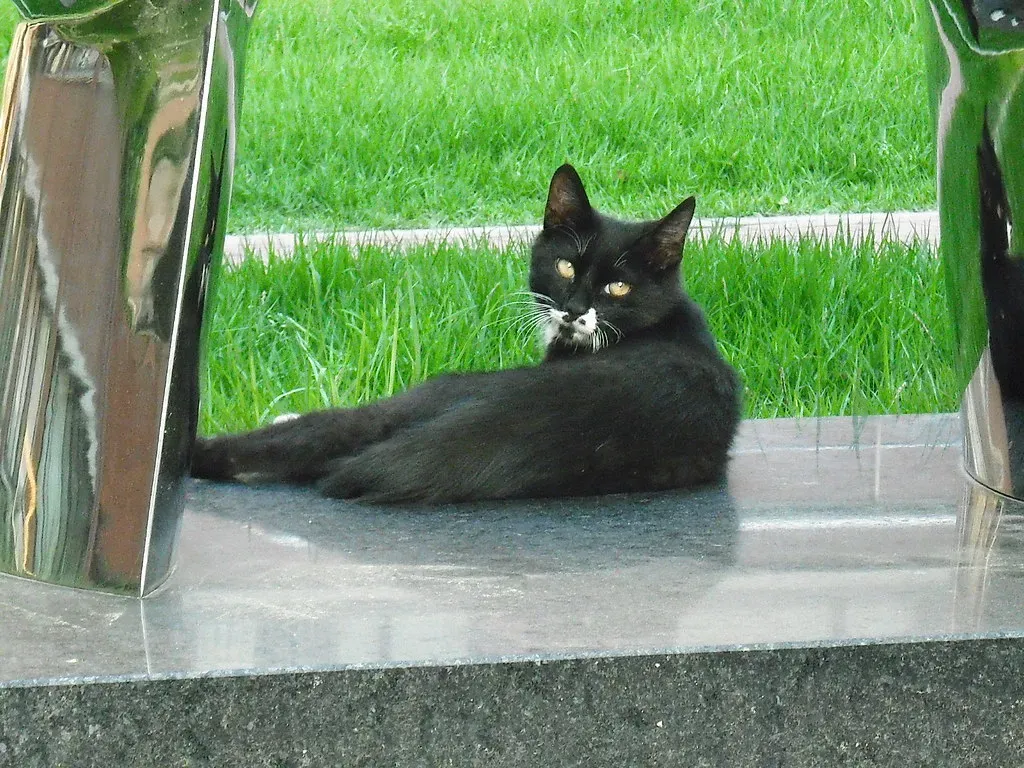
This is probably the most persistent myth in feline culture, and it does real damage. Cats are facultative social animals, as they demonstrate complex social behaviors, such as affiliative behaviors, especially in environments that favor interaction, such as shelters, multicat houses, and free-ranging cat colonies. Behavioral studies have shown that cats can form emotional bonds with their guardians and seek their company at specific times.
Cats are likely viewed as aloof because they are often compared to dogs, which are undeniably more social. Viewing cats as asocial can harm them, as their caretakers are less likely to provide affection, exercise, hair brushing, toys, and veterinary care. A cat that seems disinterested isn’t necessarily cold. It’s often simply operating on its own terms, which is very different from not caring at all.
#2: Purring Always Means a Happy Cat
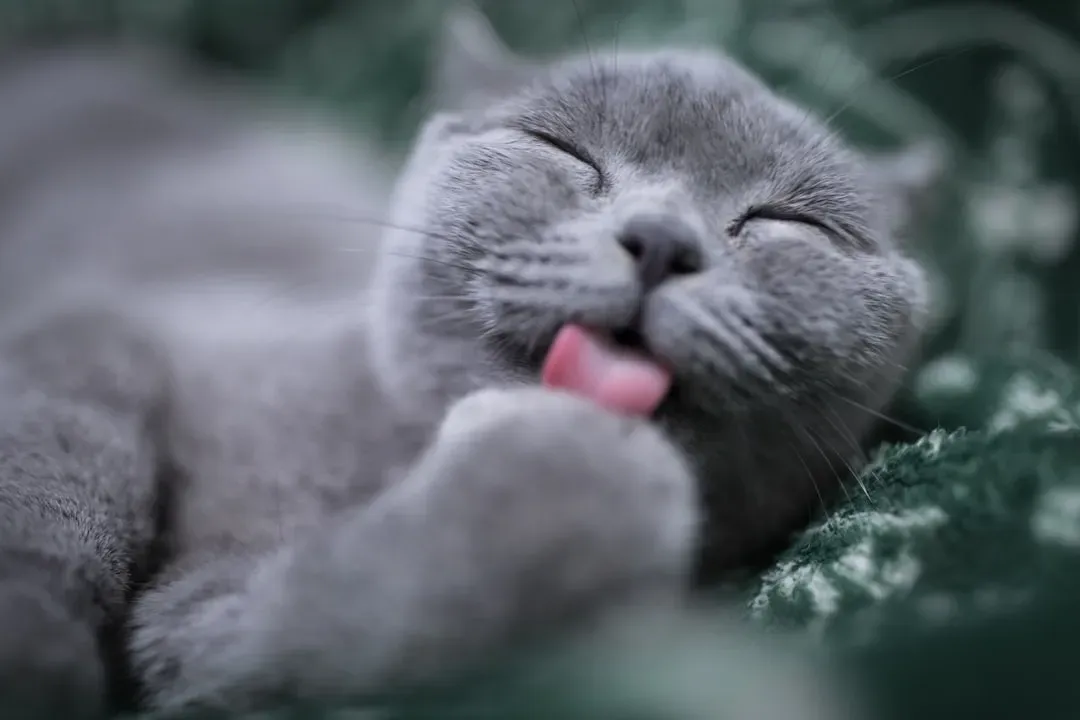
The sound of a purring cat is one of the most comforting things in the world, which makes it even more important to understand what it actually means. One of the most persistent myths about cats is that purring automatically means a cat is content. While cats certainly purr when they’re relaxed and happy, they may also purr when they are in pain, frightened, stressed, sick, or trying to comfort themselves. Veterinary professionals frequently hear seriously ill cats purring during examinations or hospitalization.
Purring is a form of communication and self-soothing, not simply a sign of happiness. Context matters when interpreting feline behavior. Cats have also been known to purr as a way to ask for food, or as a way to help themselves fall asleep. Basically, you can’t assume that a purring cat is a happy cat. You’ll have to pay attention to the other ways cats communicate, like body language, to understand what’s going on.
#3: Cats Always Land on Their Feet
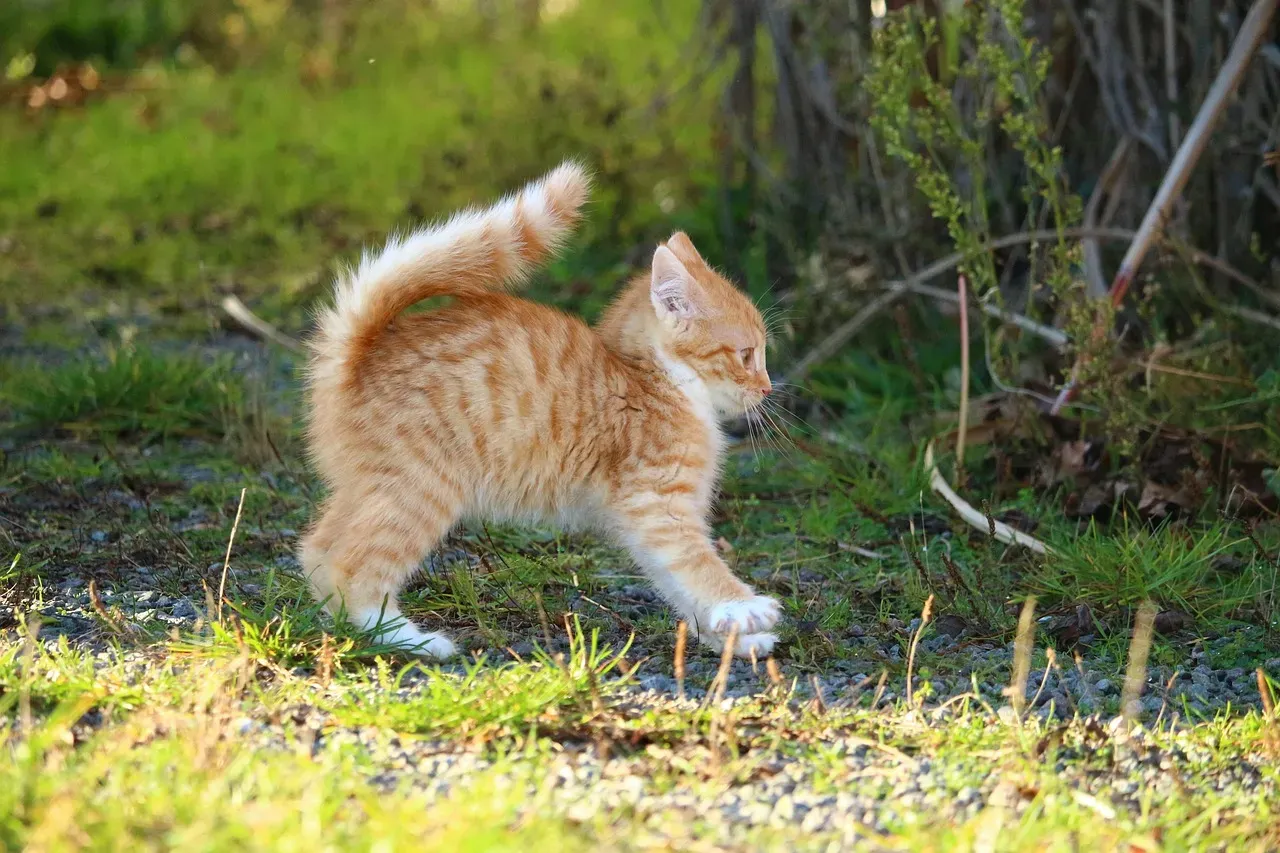
This one sounds true enough to feel safe, which is exactly what makes it risky. Cats do possess an extraordinary “righting reflex,” allowing them to twist mid-air and orient themselves feet-first during a fall. The problem is that this reflex isn’t foolproof. Cats are very agile creatures, but the truth is they can really hurt themselves if they fall the wrong way. As the Animal Medical Center notes, veterinarians use the term “high-rise syndrome” to describe cat injuries sustained from falls, including sprains, bone fractures, and even respiratory issues.
Contrary to popular belief, cats are more apt to be injured from low heights than high because they don’t have time to turn or twist their bodies into the necessary position for a safe landing. To keep yours safe, ensure that your window screens are intact and free of holes, and make your shelves and tabletops unappealing platforms for people-watching. A fall from three feet can injure a cat just as seriously as one from a greater height.
#4: Cats Are Nocturnal

Many cat owners swear their cats are nocturnal based purely on those 3 a.m. zoomies. The reality is more interesting. Cats are not nocturnal. We probably think they are because we are most aware of our cats when they are running over our faces at 3 o’clock in the morning. Cats are actually crepuscular, which means they are most awake at dusk and dawn. This is because in nature, their natural prey is awake at dusk and dawn.
Cats are crepuscular and their eyes do have advantages over ours. They have a reflector called the tapetum lucidum that gives them an edge to see better in dim light. Additionally, cats have a high proportion of rods in their eyes, which allows them to see in about one-sixth the amount of light that we can. Still, they can’t see in complete darkness. That midnight chaos isn’t proof of nocturnal instincts. It’s just a matter of timing.
#5: Cats Can’t Be Trained
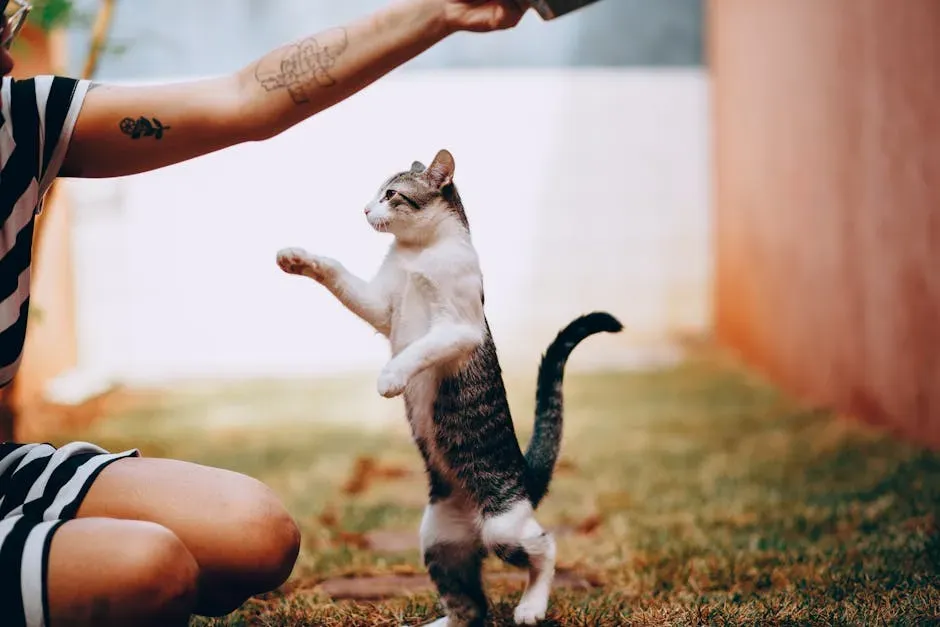
The belief that cats are simply too independent to learn commands has given a lot of people a convenient excuse to never try. Many people assume cats are untrainable, thinking they’re too independent or stubborn to learn commands like dogs. Yet animal behaviorists and countless cat owners have proven otherwise. Clicker training, reward-based systems, and patience can teach cats to sit, fetch, use harnesses, and even walk on a leash. In fact, training is a great way to strengthen your bond and improve your cat’s mental stimulation.
Certified dog and cat behaviorist Russell Hartstein confirms that cats are just as trainable as dogs. Most people do not train their cats because they don’t know how or have heard the myth that cats don’t listen or learn. Cats love training and learning just like dogs. The key difference is simply adjusting your approach to fit what motivates them, which is often food, play, or both.
#6: Milk Is a Natural Treat for Cats
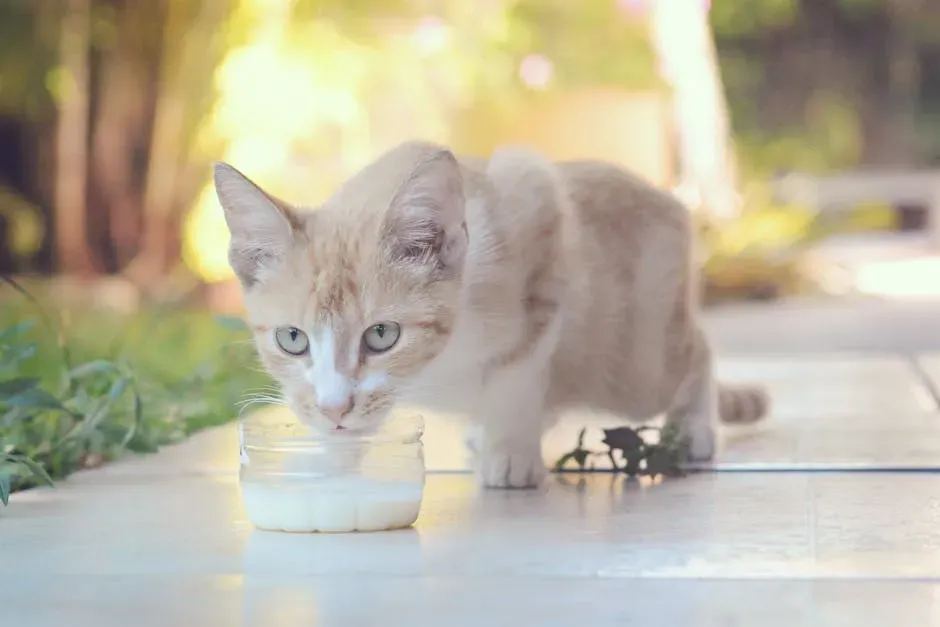
The image of a contented cat lapping up a saucer of milk is one of the oldest clichés in the book. It’s also one of the more misleading ones. It’s an iconic image: a cat lapping from a bowl of milk. It’s also a terrible idea. The majority of cats are lactose intolerant, as a PhD candidate in feline behavior at the University of Adelaide explained. Most adult cats simply cannot properly digest dairy.
All mammals are born with the ability to digest their mother’s milk because their bodies contain the enzyme lactase, which breaks down the lactose protein. Once a kitten is weaned, however, her gut stops producing this enzyme. Feeding your cat milk can cause an upset stomach, vomiting and diarrhea. That friendly little saucer is doing considerably more harm than the greeting card version suggests.
#7: Indoor Cats Don’t Need Vet Visits
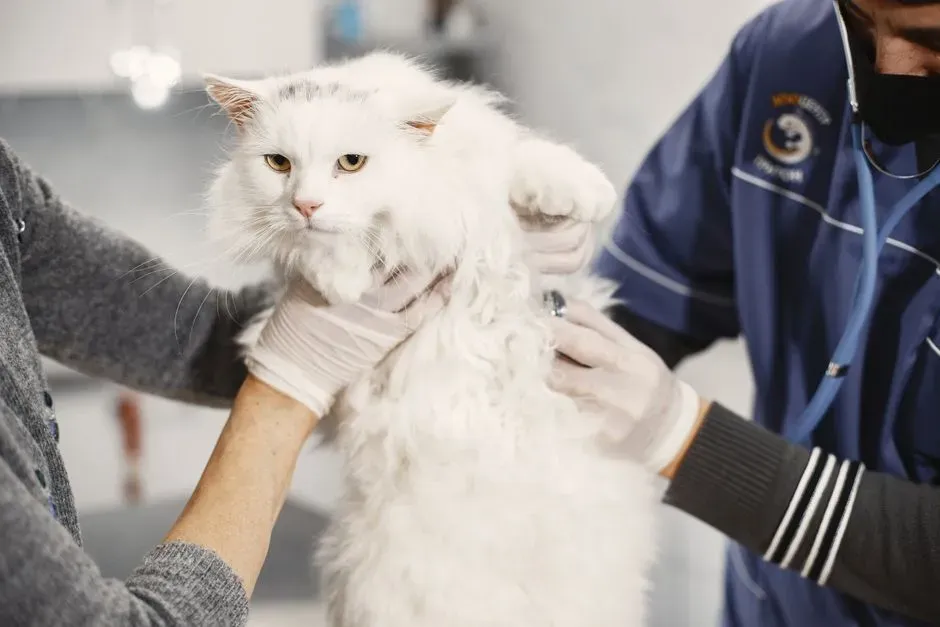
It’s a logic that seems reasonable on the surface. If a cat never goes outside, what could possibly go wrong? Quite a lot, as it turns out. People often assume that indoor cats are automatically healthy because they are protected from outdoor dangers. Unfortunately, that’s simply not true. Indoor cats can still develop all common cat illnesses, such as kidney disease, hyperthyroidism, dental disease, gastrointestinal disease, arthritis, and cancer.
While many cat owners don’t take their cats to the vet every year like they should, that doesn’t mean they don’t need those visits. Cats need just as many vet visits as dogs, and because cats are so adept at hiding their illnesses, they might be sick and you don’t even realize it. Regular veterinary care is incredibly important to your cat’s overall health. Many medical problems can be prevented or treated successfully with early intervention. Annual visits also give your veterinarian a chance to get to know your cat so they can monitor for changes over time.
#8: Cats Are Low-Maintenance Pets
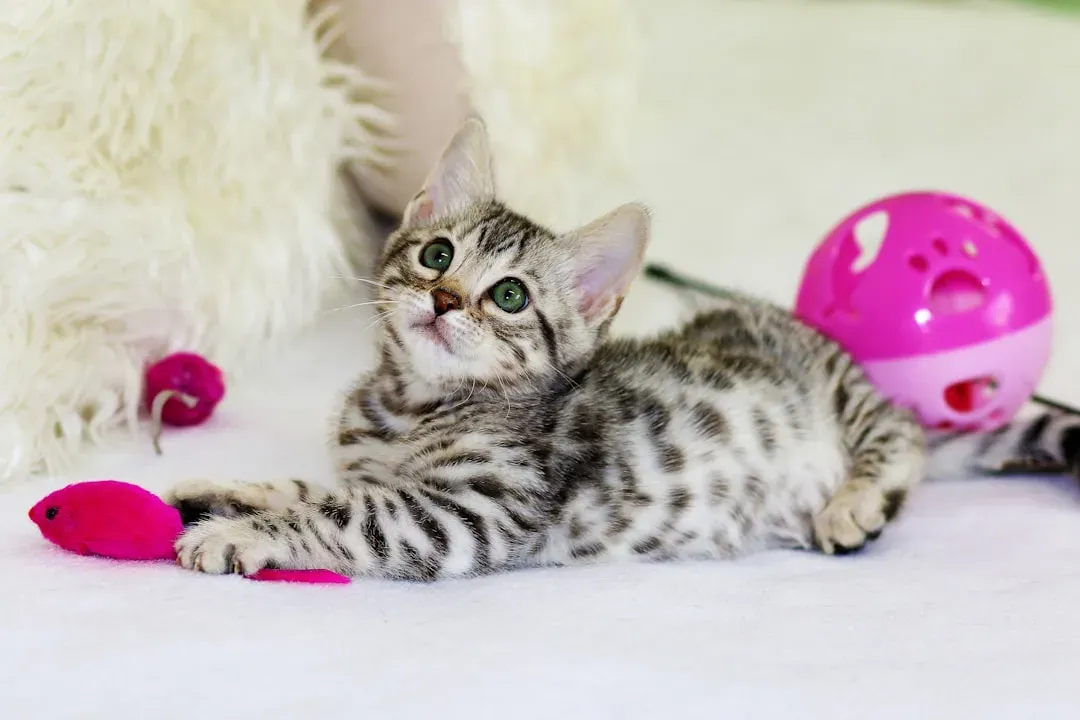
Cats are often sold to busy people as the easy alternative to dogs. The idea being that they take care of themselves, ask for little, and are perfectly happy to be mostly ignored. This framing, while convenient, sells cats short in a meaningful way. Cats are often portrayed as independent, easy-care pets. While cats may require less direct supervision than dogs, they are not low maintenance emotionally, behaviorally, or medically. They need mental stimulation, environmental enrichment, opportunities to express their natural behavior, a safe, predictable environment, and social interaction on their own terms.
Many feline behavior problems stem from boredom, stress, or unmet environmental needs rather than the cat being “difficult.” A stressed cat is communicating something important, not acting out. Cats are not low-maintenance pets. Cats that are housed exclusively indoors need a lot of enrichment in order to stay happy and healthy. Sunny windows, interactive cat toys, quality food, and clean litter boxes will all keep your cat happy.
#9: Cats Don’t Experience Separation Anxiety
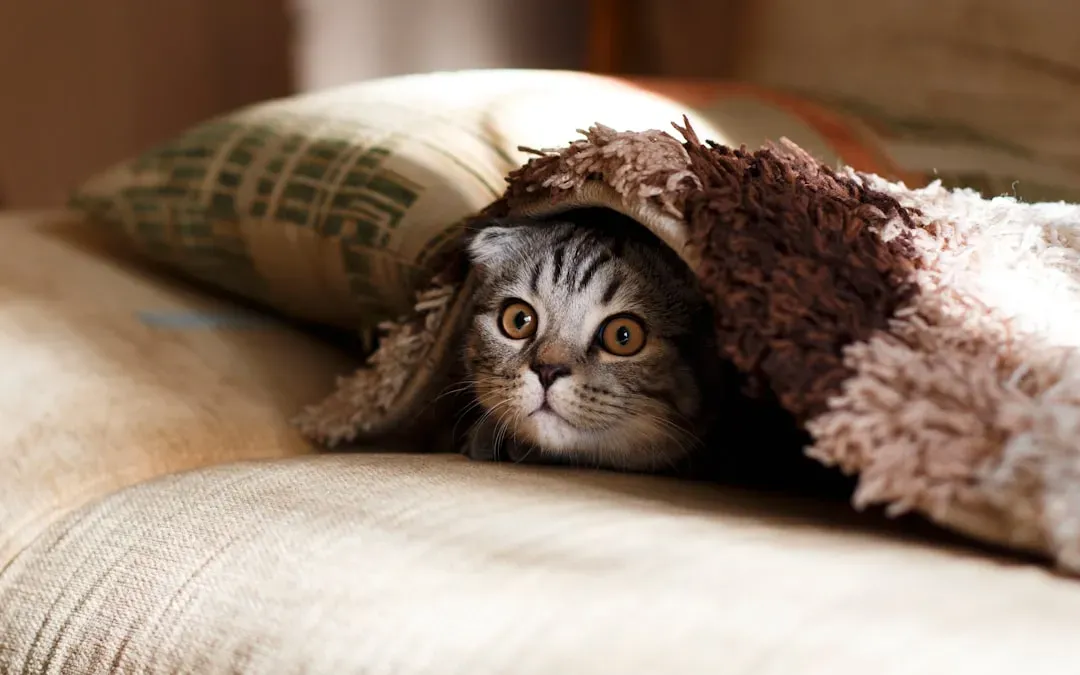
There’s a widely held assumption that cats are so self-sufficient they genuinely don’t care whether you’re home or away. Leave them water, some food, and they’re fine for days. That assumption deserves a serious second look. Many people misjudge cats as loners and think that if you set them up with an automatic feeder and enough water, you can leave them home alone for a few days. Cat behavior expert Jackson Galaxy says cats can get separation anxiety just like dogs. They crave attention and love having their family around, even though they may not show it in the most obvious way.
Stray colonies often form tight-knit groups, and indoor cats thrive on human interaction, playtime, and even bonding with other pets. Many cat owners notice behavioral issues like scratching, excessive meowing, or withdrawal when their cats feel lonely. It’s not about being anti-social. Cats simply express affection differently than dogs. Absence doesn’t make the feline heart grow fonder. It just grows anxious.
#10: White Cats with Blue Eyes Are Always Deaf
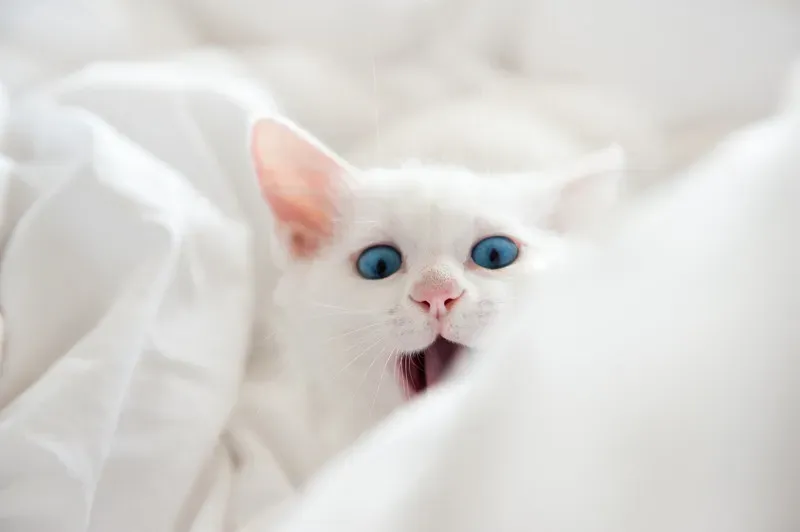
This one gets repeated so often that it sounds like established science. It’s partly true, which is exactly how it became a full-blown myth. Among the most common feline myths is the assumption all white cats with bright blue eyes must have impaired hearing. In truth, only white cats possessing two copies of the W gene that suppresses coat pigmentation sometimes suffer deafness.
Only white cats possessing two copies of the W gene that suppresses coat pigmentation sometimes suffer deafness. Having one W copy paired with a gene for non-blue eye color poses no deafness threat. Before assuming your white cat can’t hear you calling, verify their eye color and lineage first. Genetics here are far more nuanced than a simple color association, and treating a hearing cat as if it were deaf can lead to genuinely unnecessary changes in how you communicate with it.
#11: Cats Don’t Need to Be Vaccinated if They Stay Indoors
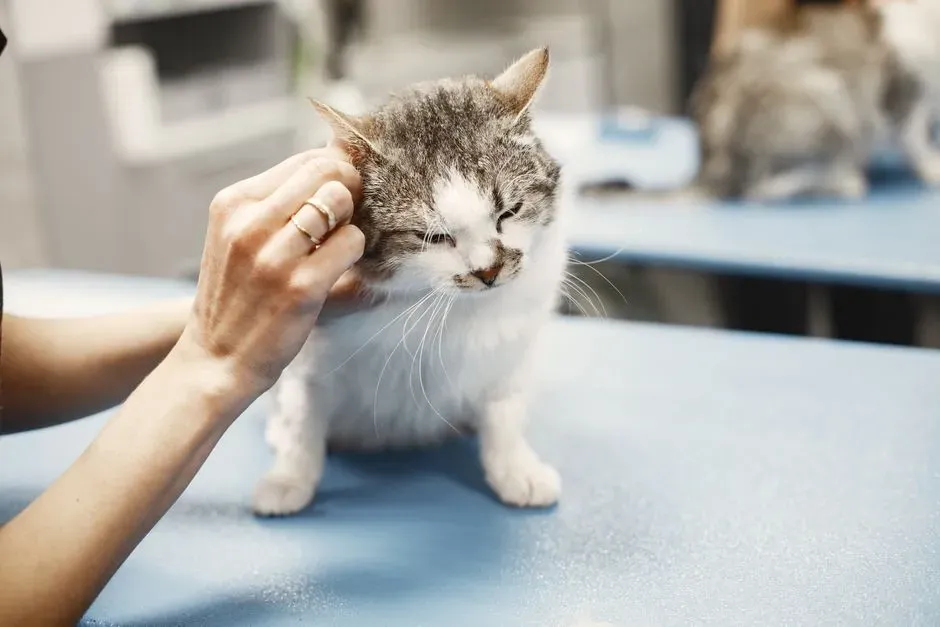
This myth is common enough that even some pet owners who are otherwise quite attentive fall into it. The reasoning feels watertight until you look at the actual routes of exposure. Indoor cats need to be vaccinated as often as cats that go outside. The same is true for deworming, external parasite control, and regular preventive healthcare visits to the veterinarian. Regarding vaccinations, cats at higher risk include those who board, travel, or live in shelters.
While a cat may not be free-range, owners may fail to take into consideration potential contact with other animals on the balcony, rooftop patio, walks on a harness, in a catio enclosure, visits to an apartment neighbor down the hall, boarding, traveling, holidays with family, and visits to the veterinary clinic. Exposure doesn’t require living outdoors. It simply requires existing in a world shared with other animals and people.
#12: Cats Are Emotionally Simple Creatures
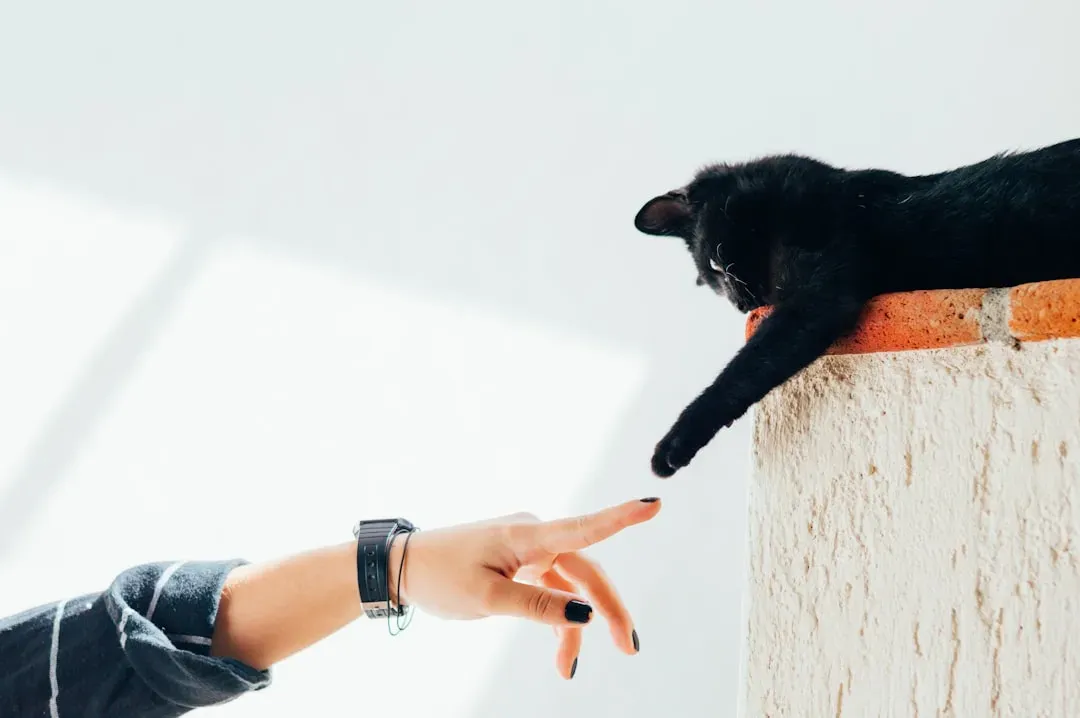
Perhaps no myth does more long-term damage than this one. The idea that cats are emotionally uncomplicated, that they don’t truly bond, don’t deeply feel, and don’t need us to read them carefully, sits at the root of a great deal of feline neglect. Correctly recognizing feline emotional states is essential to addressing behavioral challenges, but pet owners regularly struggle to do so. Research shows that only about 13% of people can identify cat emotions above chance when viewing facial images, even among cat owners. What’s concerning is not just that people are wrong, but how they’re wrong. They tend to overestimate positive emotion, which can result in overlooking signs of discomfort, fear, or pain, delaying intervention.
To assess whether cats actually enjoy human interaction, animal behaviorist Dr. Monique Udell described a preference study conducted in her laboratory. When given a choice among food, toys, scent, and social interaction, more than half of cats preferred engagement with a familiar human over any other option, including their preferred food. That’s not the profile of an emotionally indifferent animal. That’s a creature that genuinely values connection, just on its own schedule and in its own language.
The Cost of Getting Cats Wrong
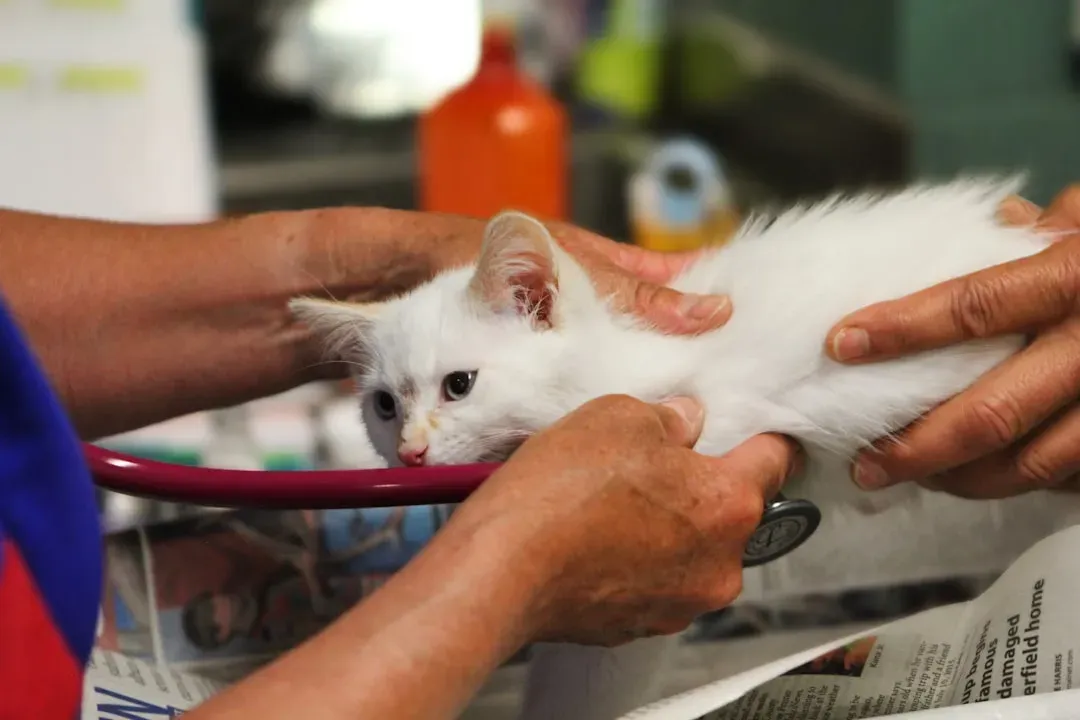
Myths about cats aren’t just interesting folklore. They have real consequences. Despite advances in feline medicine and an ever-increasing understanding of feline behavior, many outdated beliefs about cats still persist. Some of these feline health myths may seem silly or harmless, but others can delay veterinary care, damage the human-animal bond, and negatively affect a cat’s quality of life.
Our knowledge and beliefs as humans impact cat behavior. The way we think about cats influences how we interact with them, and that can directly affect their trust, their stress levels, and their health. Every myth we carry about cats quietly shapes the care they receive, the attention they get, and the quality of life they experience.
In the end, the case for getting cats right isn’t complicated. These are animals that have chosen, in their own curious way, to share our homes. Their quiet nature often causes people to underestimate both their physical and emotional needs. The more we learn about feline medicine and behavior, the clearer it becomes that cats thrive when we respect their instincts, recognize early signs of illness, and provide appropriate medical and emotional care. We owe them at least that much. Replacing the myths with facts isn’t just good science. It’s the most honest thing we can do for the animals we claim to love.
