
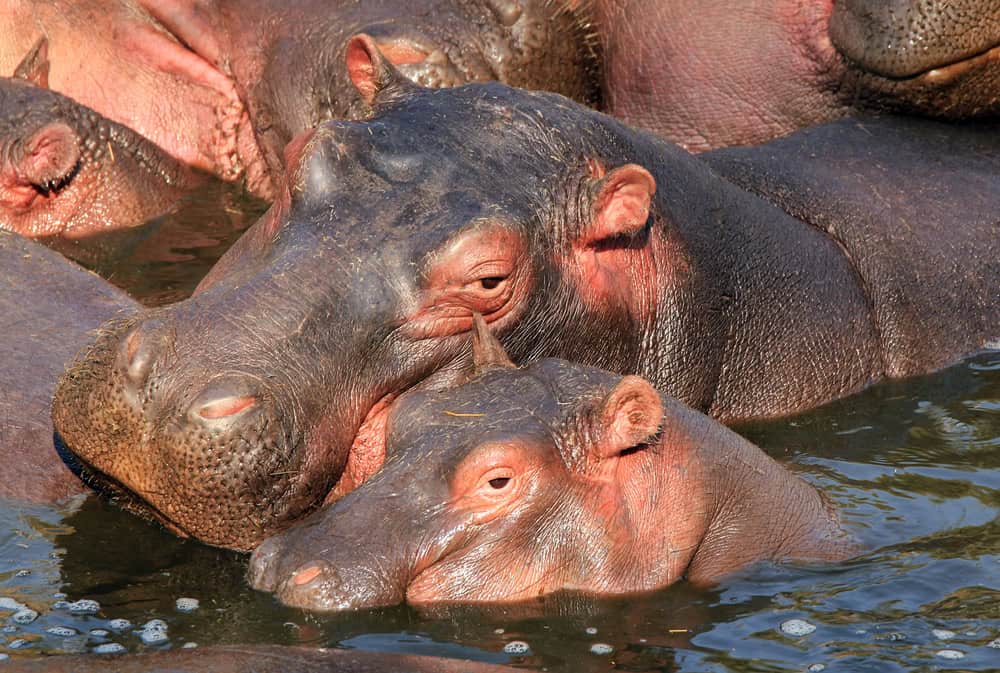
In the vast theater of nature, every baby animal embarks on a remarkable journey of discovery and adaptation. From the moment they enter the world—whether hatching from an egg, emerging from a pouch, or being born live—young creatures begin an intensive educational process that will determine their survival. This learning isn’t conducted in classrooms with textbooks but through observation, imitation, play, and sometimes harsh experiences. The curriculum covers hunting techniques, predator avoidance, social dynamics, territory navigation, and countless other skills essential for thriving in environments that show little forgiveness for ignorance. This article explores the fascinating processes through which baby animals acquire the complex knowledge and behaviors needed to master the unwritten rules of the wild.
The Critical Imprinting Period
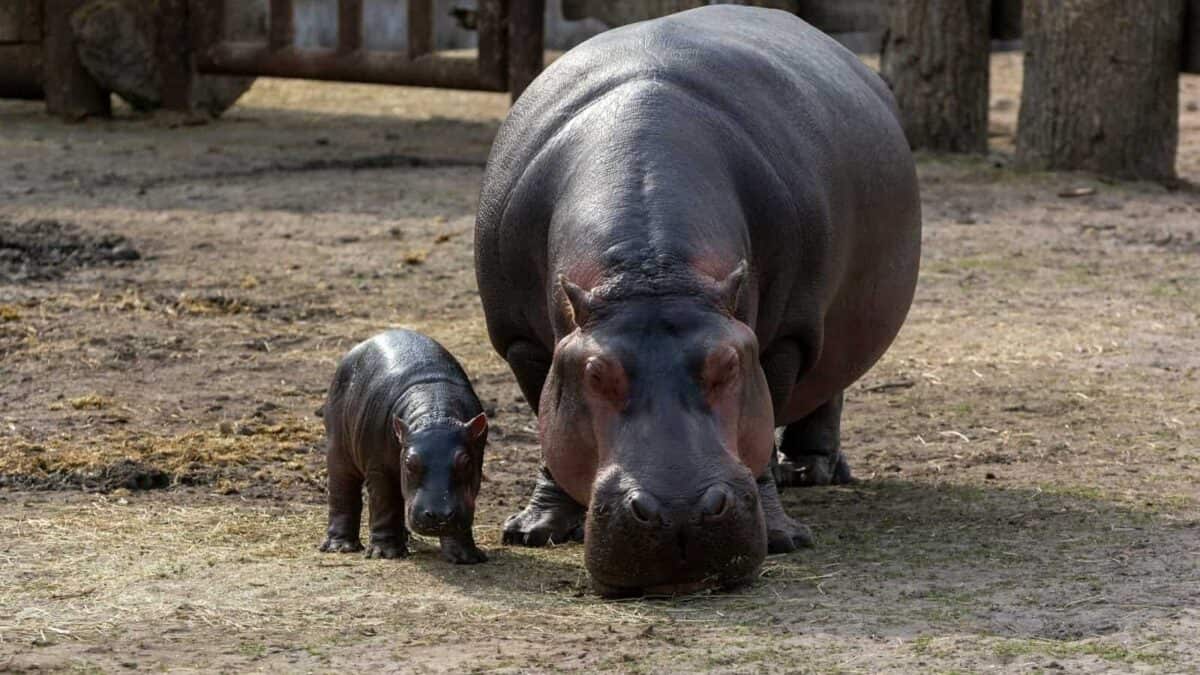
For many species, learning begins during a specific developmental window known as the imprinting period. This phenomenon, first documented by ethologist Konrad Lorenz, occurs when newborns form rapid, strong attachments to the first moving objects they encounter—typically their mothers. During this neurologically sensitive period, which may last from a few hours to several days depending on the species, babies develop recognition of their parents, their species, and potential mates. Goslings and ducklings famously imprint within 24 hours of hatching, following whatever moving object they first see (usually their mother) and adopting its characteristics as the template for their species identity. This process is so powerful that Lorenz himself became the “mother” to several geese who followed him devotedly after he was present at their hatching. Beyond parental recognition, imprinting serves as the foundation for future social behaviors, feeding habits, and even habitat preferences—essentially programming the baseline software for survival.
Learning Through Observation
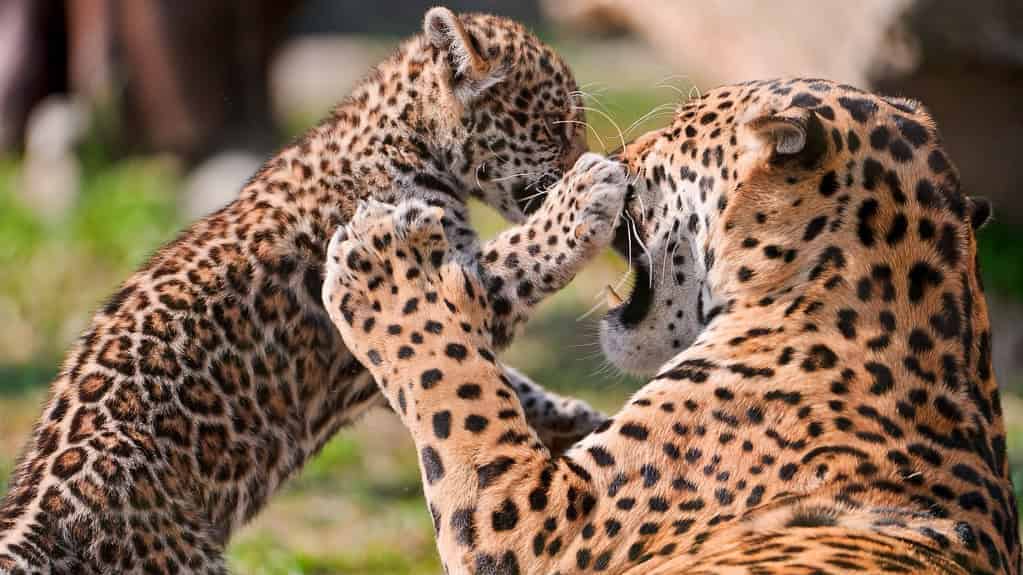
Observational learning represents one of the most efficient methods for young animals to acquire survival skills. Young predators like lion cubs and wolf pups spend countless hours watching their parents and other pack members hunt, stalk, and kill prey. A study published in Animal Behaviour found that cheetah cubs who spend more time observing their mothers’ hunting techniques have significantly higher hunting success rates as adults. Similarly, young primates observe troop members for skills ranging from food selection to tool use. Among Japanese macaques, researchers documented how potato-washing behavior—initially discovered by one innovative female who washed sand off sweet potatoes in seawater—spread through generations as youngsters observed and replicated this technique. This ability to learn through watching, rather than through trial and error alone, allows baby animals to acquire complex skills more rapidly and with less risk, essentially benefiting from the collective knowledge and experience of their social group.
The Role of Play in Skill Development
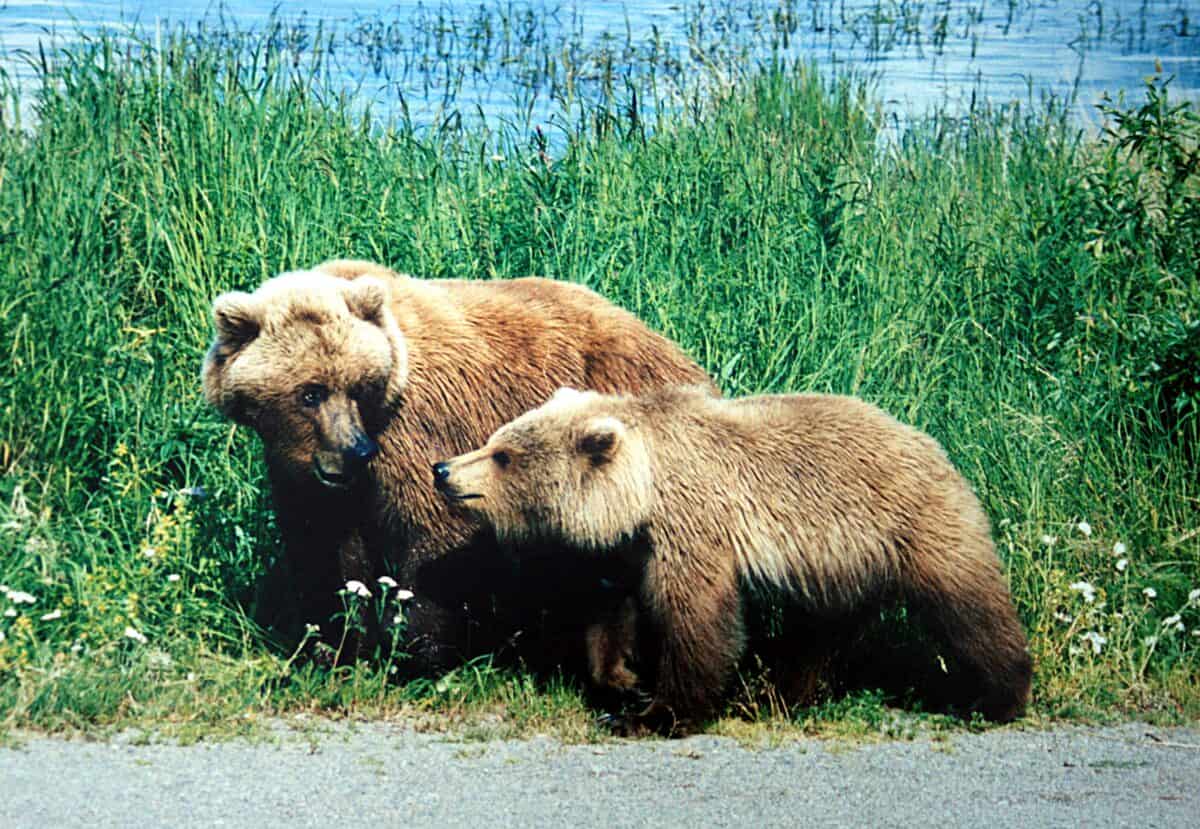
What appears to human observers as frivolous frolicking among baby animals actually serves as crucial practice for adult skills. Play behaviors typically mimic serious adult activities but in a safe, low-consequence environment. When lion cubs wrestle, they’re developing the muscle coordination and tactical awareness they’ll need for hunting and territorial defense. Young ravens engage in aerial acrobatics, perfecting the maneuverability that will help them escape predators and compete for resources. Research conducted at the University of Tennessee revealed that bear cubs who engaged in more play fighting showed better hunting capabilities and social integration as adults. Play also helps develop risk assessment—young animals learn to gauge their own abilities and limitations through rough-and-tumble interactions with siblings and peers. Additionally, play strengthens social bonds and establishes hierarchies that will govern adult relationships within the group. This seemingly carefree behavior thus represents a sophisticated evolutionary adaptation that transforms dangerous learning curves into enjoyable skill-building sessions.
Maternal Teaching Strategies

Mothers across many species employ deliberate teaching strategies to educate their offspring about survival essentials. Cheetah mothers progressively introduce hunting skills through a methodical curriculum: they first bring dead prey to cubs, then injured prey that can’t escape, and finally release live prey with limited mobility, gradually increasing the challenge as the cubs develop competence. A landmark study in Science documented how meerkats teach their pups to handle dangerous prey like scorpions—adults first bring dead scorpions, then disabled ones with stingers removed, and finally intact but weakened specimens, carefully monitoring the pups’ developing skills. Marine mammals like killer whales and dolphins demonstrate culturally transmitted hunting techniques; orca mothers in Argentina intentionally strand themselves on beaches to catch seals and then carefully help their calves practice this dangerous technique in controlled conditions. African elephants guide calves to hidden water sources during droughts, teaching them to read subtle landscape cues that indicate subsurface water. These examples illustrate that many animal mothers are not merely passive models but active educators who assess their offspring’s abilities and adjust teaching methods accordingly—a level of pedagogical sophistication once thought unique to humans.
Trial, Error, and Natural Consequences
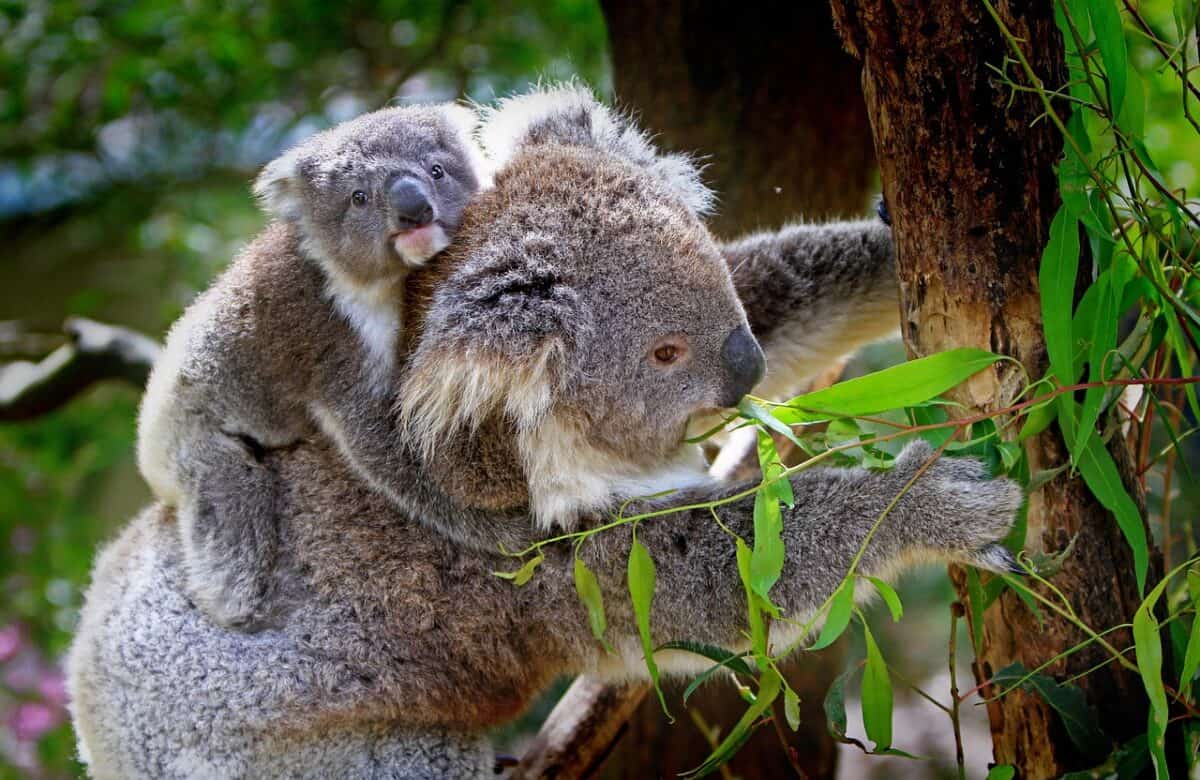
Despite supportive learning environments, many baby animals ultimately learn through trial and error—with natural consequences serving as powerful teachers. Young birds attempting their first flights often fail multiple times, adjusting wing positions and launch techniques with each attempt until they achieve mastery. Leopard cubs learning to hunt experience numerous failed stalks before developing the perfect balance of patience and explosive speed. These learning experiences, while sometimes resulting in temporary hunger or minor injuries, create neural connections that refine skills through what neuroscientists call experience-dependent plasticity. Research from the University of California found that young ground squirrels who experienced non-lethal encounters with rattlesnakes developed more sophisticated anti-predator behaviors than naive individuals. The wild doesn’t provide gentle corrections—a misstep might mean hunger or injury—but this high-stakes learning environment ensures that animals who survive their youth emerge with highly refined survival skills. Natural selection has thus produced learning systems that maximize knowledge acquisition while minimizing fatal mistakes during the vulnerable learning period.
Genetic Programming vs. Learned Behaviors
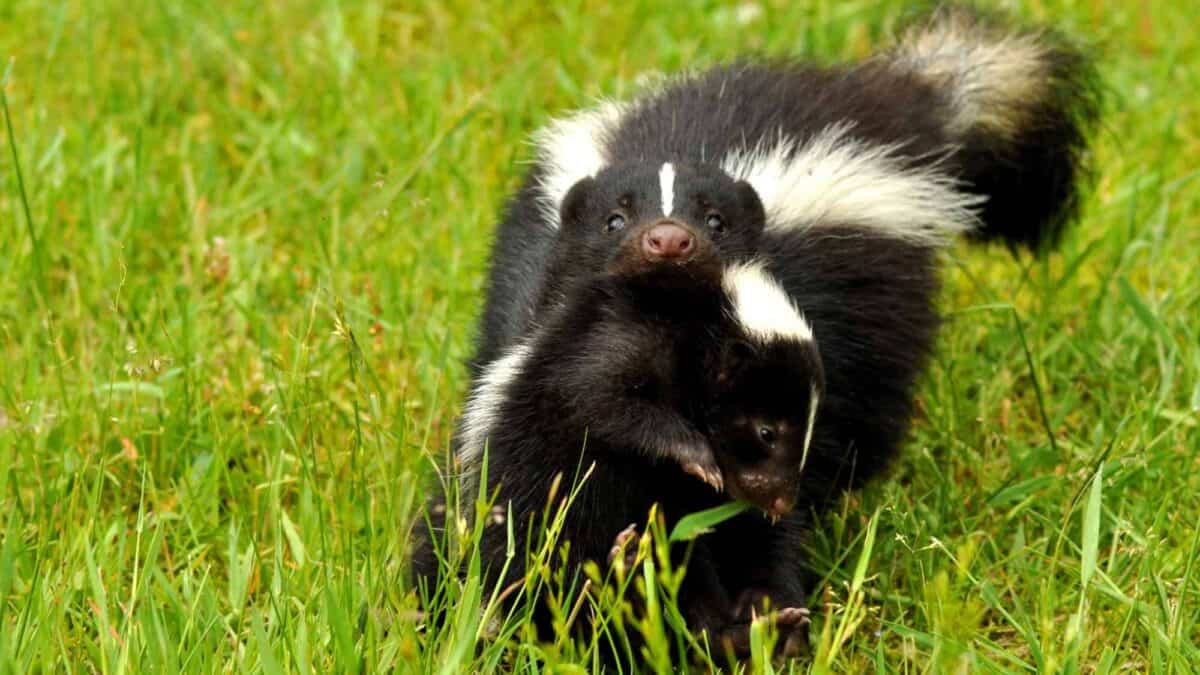
The interplay between instinct and learning represents one of the most fascinating aspects of animal development. Some behaviors emerge fully formed without any need for practice or observation—sea turtles hatch on beaches and immediately head toward the ocean guided by innate programming that responds to light reflected off water. Similarly, many insects perform complex behaviors like web-building or migration with no parental guidance. However, most complex vertebrates rely on a sophisticated blend of innate tendencies and learned refinements. Wolf pups are born with the instinctive drive to chase moving objects, but they must learn which prey is worth pursuing, how to coordinate with pack members, and when hunting conditions are favorable. A groundbreaking study in the journal Nature established that even highly instinctual behaviors can be modified through learning—barn owls, born with precise sound-localization abilities, can adapt their auditory processing when fitted with distorting devices, demonstrating neural plasticity within supposedly “hardwired” systems. This blend of genetic programming and experiential learning allows animals to benefit from both evolutionary wisdom (encoded in DNA) and real-time environmental adaptations, creating a remarkably efficient system for navigating complex, changing environments.
Cultural Transmission and Regional Variations

In many social species, baby animals learn not just universal survival skills but culturally specific behaviors passed down through generations. This cultural transmission creates distinct regional variations even within the same species. Killer whale pods around the world have developed specialized hunting techniques unique to their home waters—some hunt seals using the beach-stranding technique, while others specialize in herding herring or hunting sharks. Young orcas learn these pod-specific methods through years of observation and guided practice. Orangutan infants in Sumatra learn to use sticks to extract nutritious seeds from Neesia fruits—a technique unknown to orangutans in Borneo where the fruit doesn’t exist. A long-term study by the Max Planck Institute documented 39 distinct cultural behaviors among chimpanzee communities across Africa, from termite fishing techniques to courtship rituals, all transmitted through social learning rather than genetic inheritance. These cultural variations represent accumulated group wisdom about local environments and resources, passed down through teaching and observation. Baby animals thus inherit not just genetic adaptations but a rich cultural heritage that equips them with regionally optimized survival strategies—a form of non-genetic inheritance that accelerates adaptation to specific ecological niches.
Predator Recognition and Avoidance

Learning to identify and evade predators represents perhaps the most critical educational challenge for young animals. Many species are born with innate fear responses to certain stimuli—shadow patterns that might indicate aerial predators or certain scents—but specific predator recognition often requires learning. A fascinating series of experiments with vervet monkeys demonstrated that infants gradually learn to discriminate between different alarm calls that signal specific threats (snakes, eagles, or leopards), initially responding inappropriately but refining their responses through observation of adults. Similarly, juvenile meerkats learn to distinguish between harmless and dangerous birds passing overhead by attending to the reactions of experienced group members. Some prey species employ remarkable teaching methods—mother moose deliberately expose their calves to harmless dogs while demonstrating defensive behaviors, essentially providing safe predator recognition training. Research published in Current Biology revealed that some prey species can even learn predator recognition from witnessing the fear responses of completely different species, suggesting sophisticated cross-species information transfer. The consequences of failing these lessons are severe, creating intense selection pressure for rapid and accurate learning of predator identification, appropriate escape behaviors, and environmental awareness—skills that must be mastered quickly despite the limited opportunities for direct experience.
Social Rules and Hierarchy Navigation

For animals living in social groups, learning the complex rules governing group interactions proves essential for successful integration. Young primates, canids, and elephants must learn intricate social hierarchies, alliance formation, and appropriate submission signals to avoid costly conflicts. Juvenile chimpanzees spend years observing power dynamics within their troops, learning when to defer, when to form coalitions, and how to reconcile after conflicts. Wolf pups learn pack structure through play that becomes increasingly serious as they mature, with adults providing immediate feedback through growls, body posture, or gentle discipline when boundaries are crossed. A longitudinal study of spotted hyenas by Michigan State University revealed that cubs born to high-ranking mothers are permitted greater social liberties during development, accelerating their acquisition of social confidence while lower-ranking cubs learn more cautious interaction styles. These social lessons extend beyond hierarchical navigation to include cooperation protocols, resource sharing norms, and communication signals specific to each species and sometimes each group. Mastering these unwritten social rules determines whether a young animal will integrate successfully into its community or face rejection—with potentially fatal consequences in species where group living provides essential protection and hunting advantages.
Seasonal Knowledge and Migration

Many species must teach their young about seasonal patterns, resource availability cycles, and in some cases, complex migration routes spanning thousands of miles. Young caribou calves follow their mothers along ancient migration corridors stretching up to 3,000 miles annually, learning river crossings, predator hotspots, and seasonal feeding grounds through direct experience. Similarly, juvenile whooping cranes learn migration routes from experienced adults or, in conservation reintroduction programs, from ultralight aircraft that serve as surrogate guides. Marine species like humpback whales undertake some of the longest migrations on Earth, with calves accompanying their mothers on journeys exceeding 5,000 miles from tropical breeding grounds to polar feeding areas. Research using satellite tracking has revealed that young sea turtles employ both genetic programming and learning to navigate ocean basins, following innate directional preferences that are refined through experience with currents and feeding grounds. Seasonal knowledge extends beyond migration to include timing of breeding, hibernation preparation, and food caching behaviors. A study in Proceedings of the Royal Society B demonstrated that juvenile Clark’s nutcrackers observe parental seed-caching behaviors in autumn, learning both the techniques and timing essential for winter survival. This temporal knowledge represents a sophisticated cognitive map of not just space but time—allowing animals to anticipate environmental changes and adjust behaviors accordingly.
Foraging and Food Selection Skills
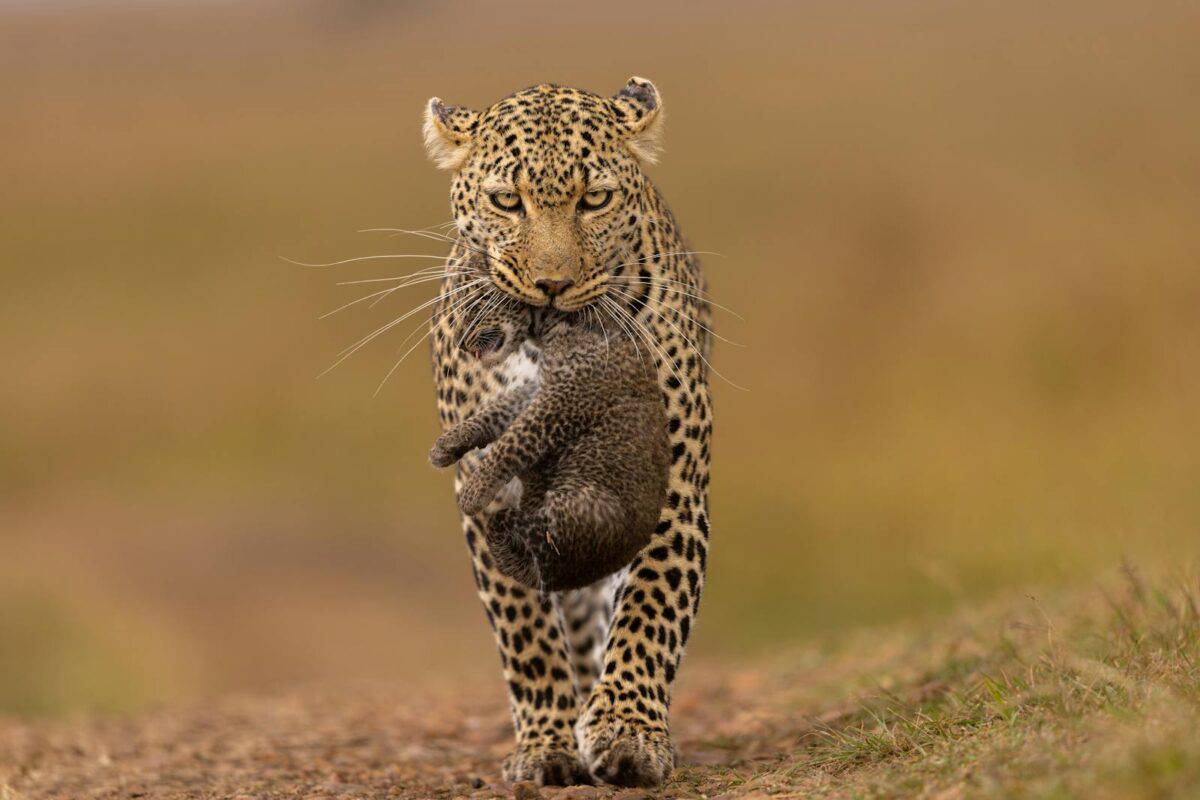
Knowing what to eat, where to find it, and how to process it constitutes another critical learning domain for young animals. Baby herbivores must learn to distinguish between nutritious plants and toxic look-alikes—a particularly challenging task given that many plants contain subtle defensive toxins. Research with young primates shows they learn safe food selection by observing what experienced individuals eat and, importantly, what they avoid. Capuchin monkey infants watch adults process foods requiring special handling, such as fruits with irritating hairs or hard shells, gradually mastering these techniques through observation and practice. Young carnivores face different challenges, learning not just hunting techniques but prey selection—which species offer the best return on energy invested and which pose excessive risks. A study of mountain lion kittens using video collars documented how mothers gradually increase the kittens’ participation in hunts, from observation to assisted killing to independent hunting under supervision. Omnivorous species like bears have perhaps the most complex dietary learning, with cubs following mothers for up to three years while acquiring knowledge about seasonal food sources ranging from berry patches to fish runs to insect colonies. This dietary knowledge must be exceptionally precise, as mistakes can result in starvation, poisoning, or unnecessary energy expenditure—making food-related learning among the most carefully transmitted forms of knowledge in the animal kingdom.
Environmental Mapping and Navigation

Young animals must develop sophisticated mental maps of their environments, learning the locations of resources, shelter, danger zones, and territorial boundaries. Elephant calves follow matriarchs who possess decades of accumulated knowledge about water sources, including underground springs detectable only through subtle ground vibrations or vegetation indicators. Research using GPS collars has shown that young wolves gradually expand their mental maps during exploratory trips with experienced pack members, building comprehensive spatial knowledge of territories spanning hundreds of square miles. Primates develop detailed three-dimensional maps of their arboreal environments, learning which branches can support their weight and which trees offer seasonal fruits. Perhaps most impressively, migratory birds like Arctic terns must develop global navigation abilities, learning to use celestial cues, magnetic fields, and geographical landmarks to navigate across hemispheres. A study published in Science revealed that young seabirds on their first migration initially follow somewhat inefficient routes, but progressively optimize their paths in subsequent years, indicating ongoing refinement of navigational knowledge. For many species, this spatial learning represents not just memorization but conceptual understanding—animals don’t simply remember specific paths but develop generalized knowledge about landscape features, allowing them to navigate novel situations and find alternative routes when needed. This cognitive mapping ability, combined with sensory adaptations for detecting resources at a distance, allows animals to move efficiently through complex environments while minimizing exposure to dangers.
The Wild Classroom: Conclusions

The education of baby animals represents one of nature’s most remarkable achievements—a sophisticated blend of innate programming, observational learning, guided practice, and trial-and-error that transforms vulnerable newborns into competent survivors. This natural curriculum differs across species according to their ecological niches and cognitive capacities, yet consistently demonstrates remarkable efficiency in transmitting essential knowledge while balancing safety with necessary experience. The learning processes we observe in wild animals challenge simplistic distinctions between instinct and intelligence, revealing that even seemingly “simple” creatures employ complex educational strategies that optimize survival outcomes. As human observers, we gain not only appreciation for the cognitive capabilities of our fellow Earth-dwellers but also insights into learning principles that shaped our own evolutionary history—principles that continue to influence human development despite our increasingly artificial environments. The wild classroom reminds us that education is not a human invention but a fundamental process woven into the fabric of life itself—a process that has been refined through countless generations to ensure that each new cohort of animals masters the ancient, unwritten rules of survival.

- The Secret Language of Dolphins Decoded by Researchers - July 20, 2026
- 7 Animals That Can Survive Extreme Environments You Couldn’t - July 20, 2026
- The Longest Snake Ever Found in the U.S. - July 20, 2026