
There’s a common assumption among dog owners: a pretty coat means a manageable one. Walk into any grooming salon and you’ll quickly discover that assumption has limits. The breeds people fall for at first glance, the silky ones, the fluffy ones, the ones with that signature “show dog” look, are often the exact ones that leave professional groomers quietly sighing when they check the appointment book.
Most people don’t realize that certain breeds, especially high-maintenance and fluffy breeds, are significantly more challenging to care for. The gap between what an owner imagines grooming involves and what a groomer actually deals with can be staggering. Matting refers to dense tangles, knots, and clumps that form in a dog’s fur. Restricting airflow and trapping moisture, mats can cause irritation, sores, and even hematomas. What follows is a frank, breed-by-breed look at twelve dogs whose grooming reality is far removed from the glossy images owners first fall in love with.
#1. Afghan Hound
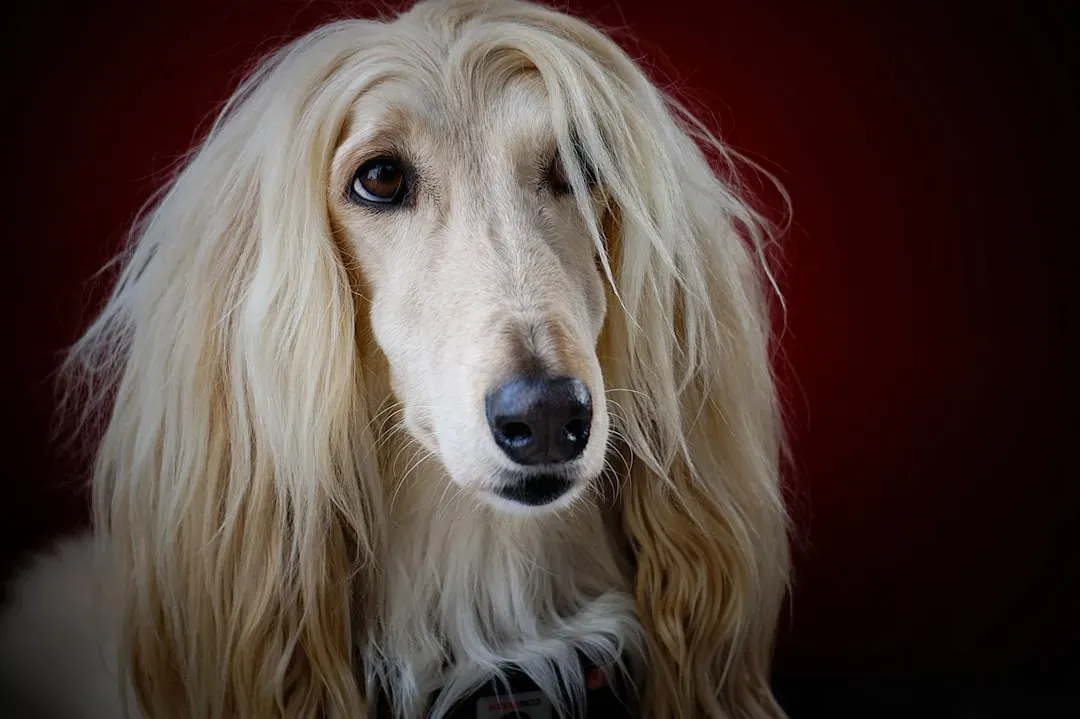
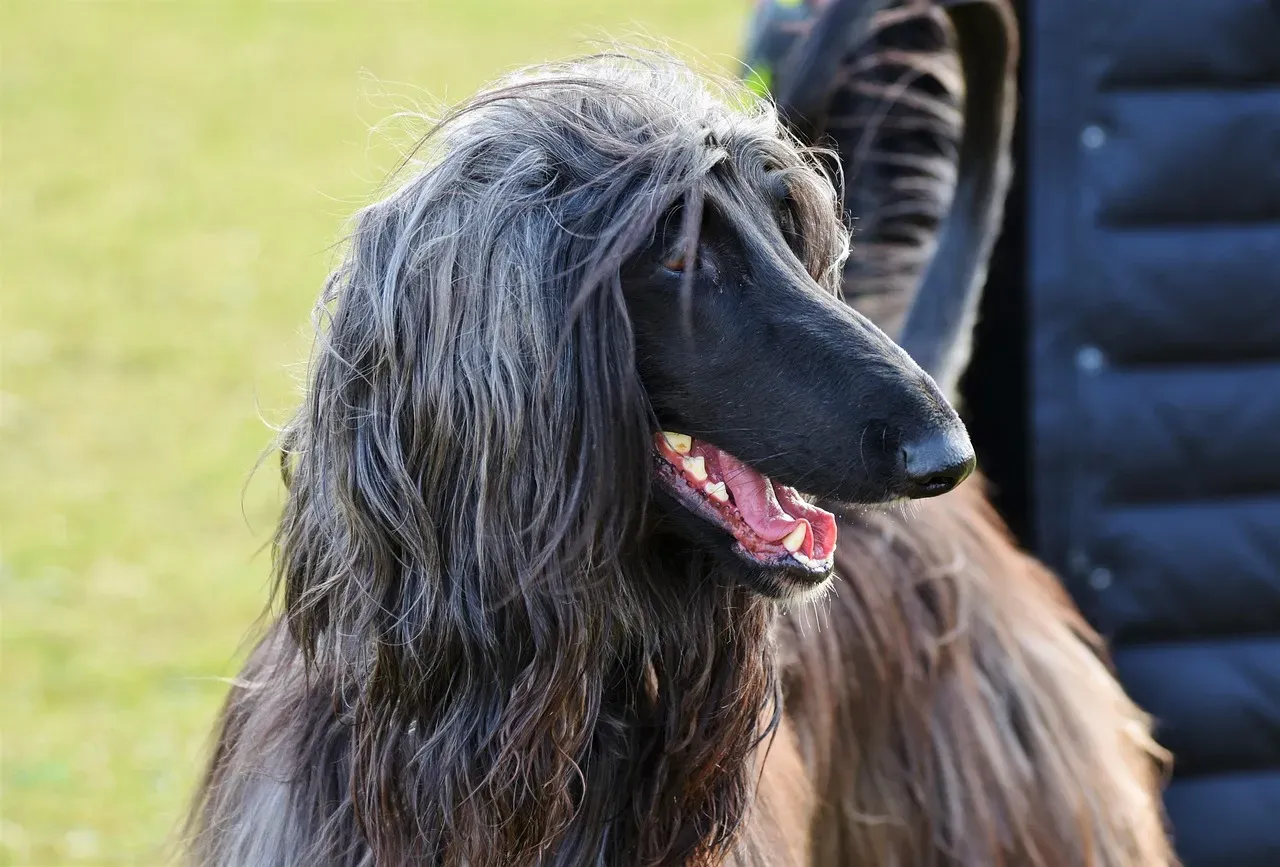
Few breeds command attention quite like the Afghan Hound. That long, flowing, silken coat is genuinely stunning, and it’s exactly what draws owners to the breed. Known for their beauty and luscious, flowing locks, Afghan Hounds are a breed that demands meticulous care. The problem is that beauty has a serious price tag attached to it, one measured in hours rather than dollars.
Afghan Hounds need to have their long hair brushed for several hours a week to keep them free of tangles and matted clumps. Afghan Hounds have long, flowing silky coats that require consistent grooming attention. They tangle and mat easily, and their coat can hold onto dirt. For an Afghan in full coat, baths are needed roughly every one to two weeks, and the drying process alone can stretch well beyond an hour. Groomers who’ve worked with the breed often say the time investment alone is enough to make many owners underestimate just how demanding this dog truly is.
#2. Poodle (All Sizes)
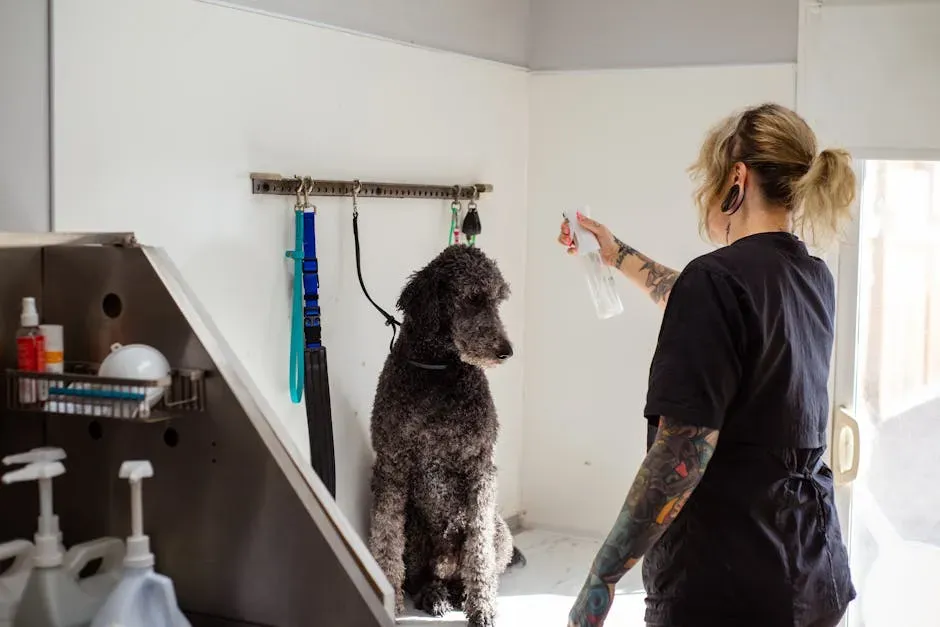
Poodles are the epitome of grooming challenges, thanks to their dense, curly coats. Their hair requires regular brushing to avoid matting and professional grooming every four to six weeks. Many owners assume poodles are simply clipped and sent on their way. In practice, the sessions are long, technically demanding, and leave little room for error.
Poodles often sport intricate styles, such as the Continental or English Saddle clip, which demand precision and expertise. Groomers must be familiar with breed standards or customer preferences, adding complexity to the grooming process. All kinds of poodles require maintenance, including toy and miniature varieties. Poodles need to be brushed daily to keep the coat from matting, and most owners will take their dog to a professional groomer every four to six weeks to be bathed and groomed. The skill level required to do a poodle correctly is genuinely high, and groomers with experience will tell you that badly groomed poodles are among the most common sights in their chairs.
#3. Komondor
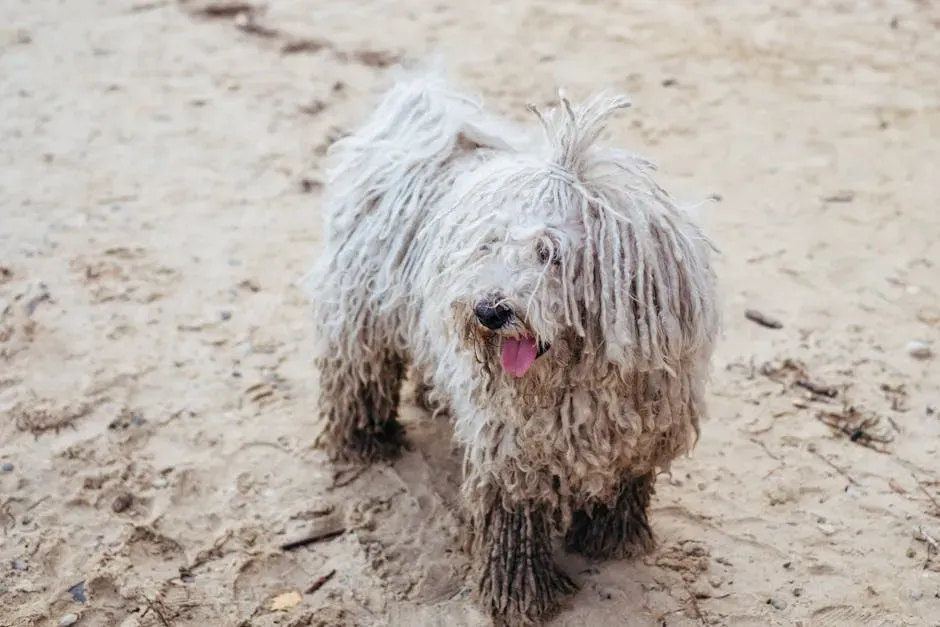
The Komondor is one of the most visually distinctive dogs on the planet, with its heavy white cords often drawing comparisons to a living mop or a dog in dreadlocks. What owners rarely appreciate is that those cords require an entirely different kind of grooming, one that has nothing to do with brushing. You don’t groom Komondors in the traditional sense, as you don’t need a brush. You need plenty of time and patience.
The cords must be split by hand to maintain their natural look and prevent skin problems. Regular bathing is essential, though drying can take up to three whole days. Yes, three days. One of the biggest misconceptions is that Komondor coats are low-maintenance because they are not brushed. In reality, they require a different kind of dedication. Regular brushing is replaced with frequent cord separation to prevent large mats that can trap moisture and dirt. Most professional groomers freely admit that a fully corded Komondor is one of the most time-intensive dogs they’ll ever handle.
#4. Old English Sheepdog
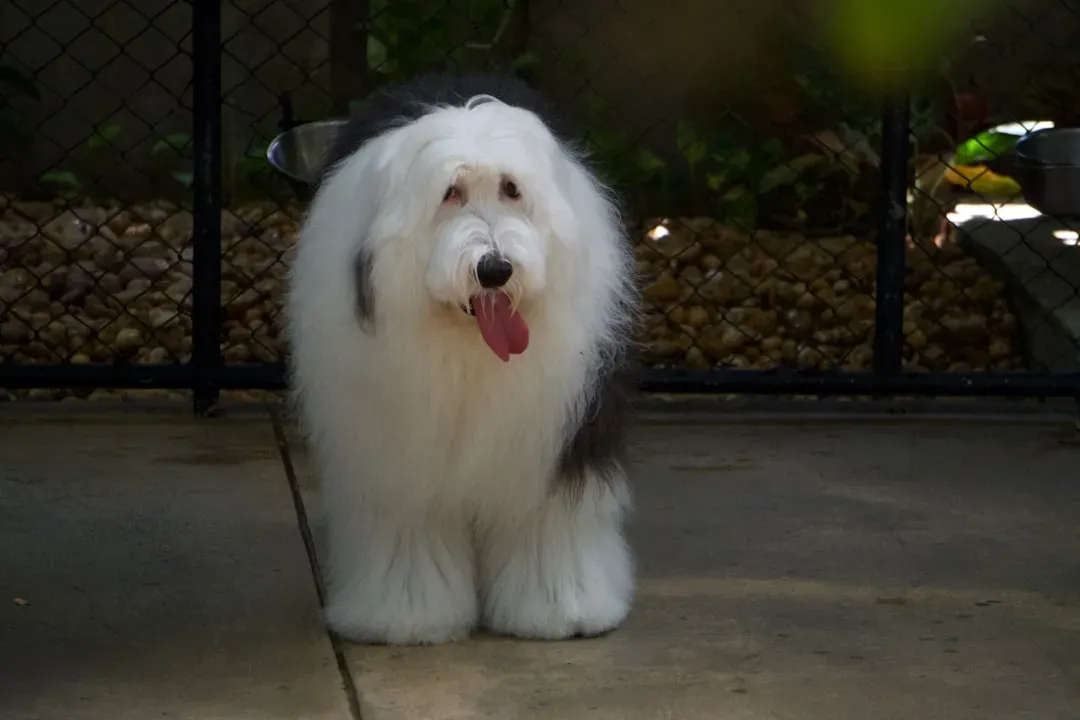
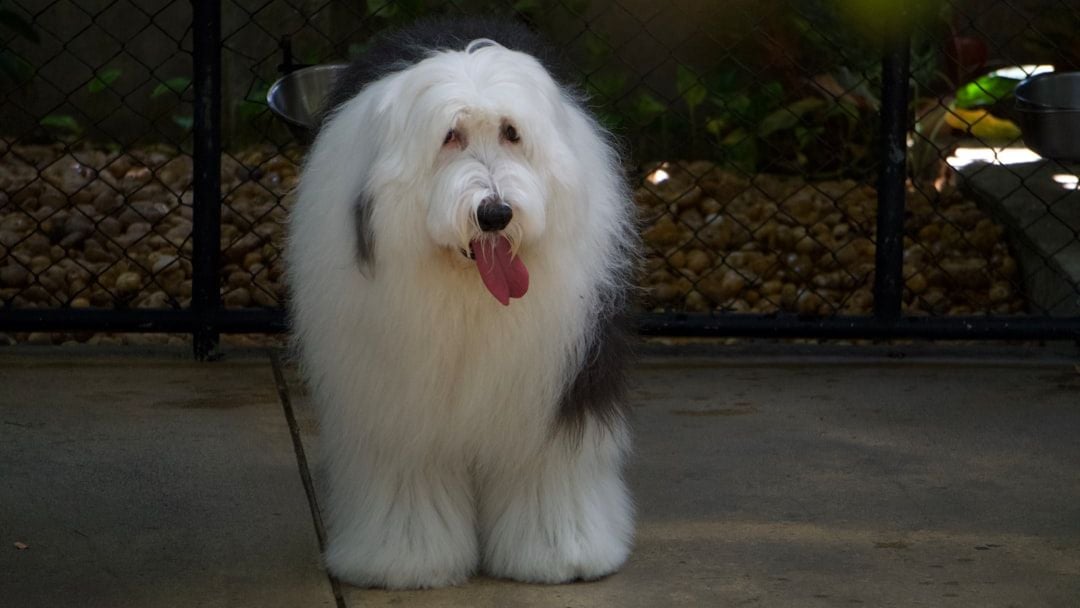
The Old English Sheepdog has one of the most beloved silhouettes in the canine world: shaggy, big, and thoroughly charming. Owners often adore the look without fully appreciating what it takes to sustain it. Known for their abundant, shaggy double coats, Old English Sheepdogs are prone to matting and require extensive upkeep. Groomers and pet owners must ensure thorough brushing to avoid painful tangles and skin irritation.
Old English Sheepdogs have a double coat that requires extensive grooming down to the skin over its entire body at least once a week. Daily brushing and regular trips to a professional groomer are required, according to the American Canine Association. Groomers who work with this breed regularly note that owners routinely arrive with dogs in far worse condition than they realize. To keep a Sheepdog’s coat from bunching up, regular brushing is required. If the brushing doesn’t penetrate down to the dense undercoat, matting and skin problems will arise.
#5. Bichon Frisé
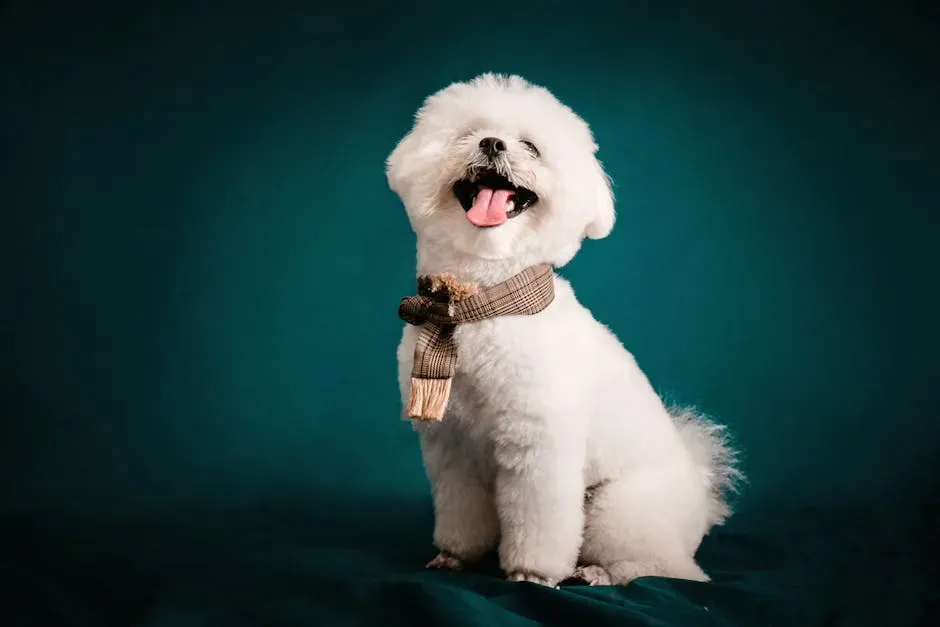
The Bichon Frisé looks like a small, cheerful cloud, and owners are drawn to its powder-puff appearance and sunny temperament. Bichon Frisés have hair rather than fur, which means it grows continuously and needs regular trimming to maintain that signature powder-puff look. The distinction between hair and fur isn’t just semantics; it means a lifetime commitment to regular professional grooming.
Mats occur most frequently behind the ears, armpits, and at the junction of the body and legs. Dead hairs will quickly form mats and, if left unattended, will turn into a felt-like patterned mat. This will require one of two drastic measures to remove: either shave the dog to the skin to get underneath the mats or break up and remove the mats one at a time, which can be a very painful process. Bichon breeds demand plenty of detail and attention from groomers, especially to achieve the bell-shaped look they’re famed for. The Bichon Frise Club of America recommends a full professional groom every four weeks, a schedule that surprises many first-time owners.
#6. Puli
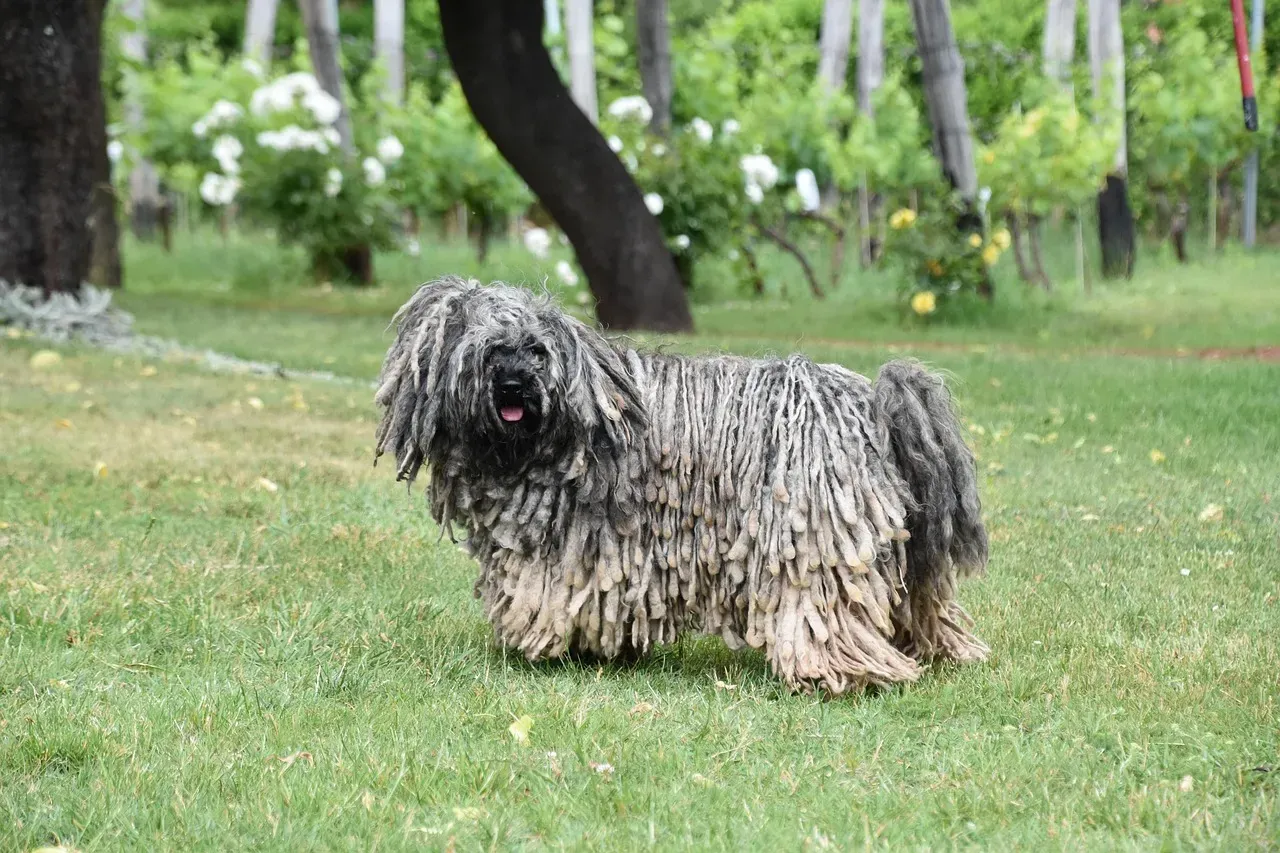
The Puli is a compact, energetic Hungarian herding dog with a coat that naturally forms into tight, springy cords. It’s a striking look, but it comes with grooming requirements that genuinely confuse owners who’ve never dealt with a corded breed before. Pulis are tough to work with because of their signature corded coat that resembles dreadlocks. While utterly striking, this coat is a grooming challenge. Those cords can easily become matted if not separated and cleaned individually. It’s time-consuming and requires a great deal of patience.
When rinsing a Puli after a bath, it is necessary to make sure all shampoo has been rinsed away from each dreadlock. Shampoo residue may cause skin irritation. Generally, a Puli coat takes several hours to dry with a blow dryer, or a few days on its own. If this breed is not dried correctly, it can leave mildew as well as a stench within their cords, the American Canine Association warns. It’s one of those breeds where the grooming process genuinely never becomes quick or simple, regardless of how experienced the groomer is.
#7. Shih Tzu
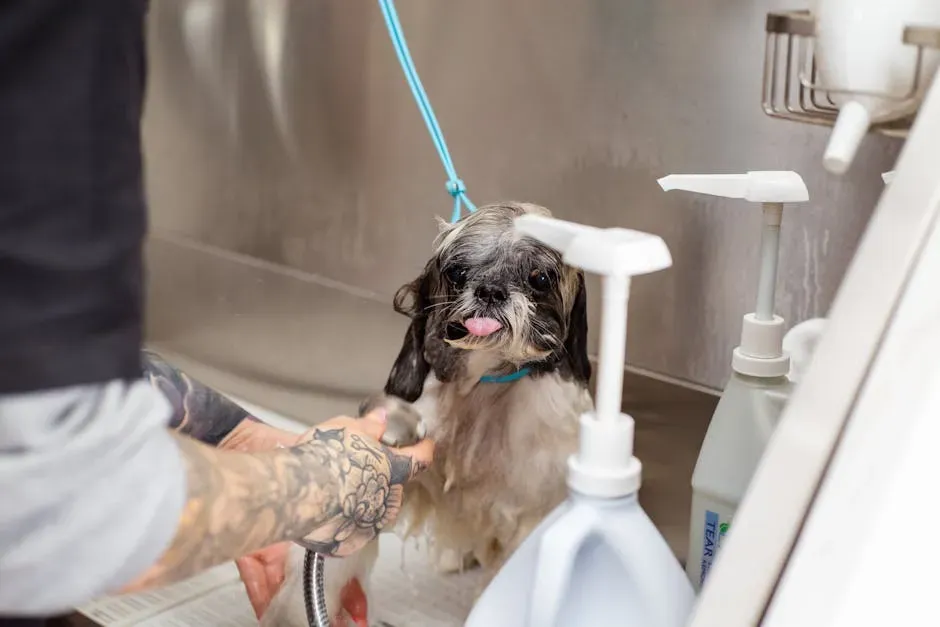
The Shih Tzu is one of the most popular small breeds in the world, and its flowing coat is a big part of that appeal. The Shih Tzu’s luxurious, flowing coat is one of the breed’s most enchanting features, evoking elegance and charm. However, behind this beauty lies a demanding grooming routine that requires dedication and expertise. Maintaining a Shih Tzu’s coat involves addressing its high-maintenance needs and overcoming specific challenges.
Shih Tzus have a dense double coat that grows continuously, much like human hair. Not only does the Shih Tzu require daily brushing, but they also need daily attention paid to cleaning the ears and wiping the eyes. Keeping this dog’s coat trimmed would lower the thorough brushing needed. Many owners opt for shorter “puppy cuts” to reduce the workload, but even trimmed Shih Tzus require frequent professional maintenance. The face, in particular, takes a practiced hand to get right.
#8. Cocker Spaniel
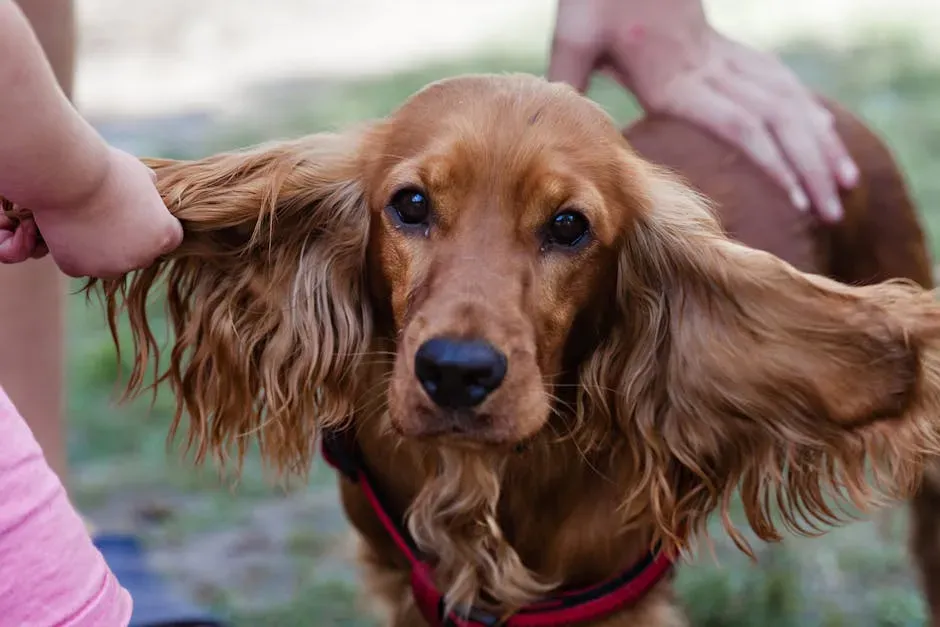
Cocker Spaniels carry an air of classic elegance, with their expressive eyes and long, feathered ears. Cocker Spaniels are beloved for their affectionate nature and striking appearance, especially their silky, feathered coats and long, floppy ears. However, maintaining their beauty requires a significant grooming effort. Grooming a Cocker Spaniel presents unique challenges that demand skill, time, and the right techniques.
Depending on the owner’s individual taste, the Cocker Spaniel may be trimmed short or retain its long, full coat. Either way, this breed requires daily brushing and regular baths to maintain a healthy coat. The ears are a particular concern, as their length and density make them prone to matting and infection if not kept properly clean and dry. Groomers point out that ear health in Cockers is closely linked to grooming regularity, making it a health issue as much as an aesthetic one.
#9. Maltese
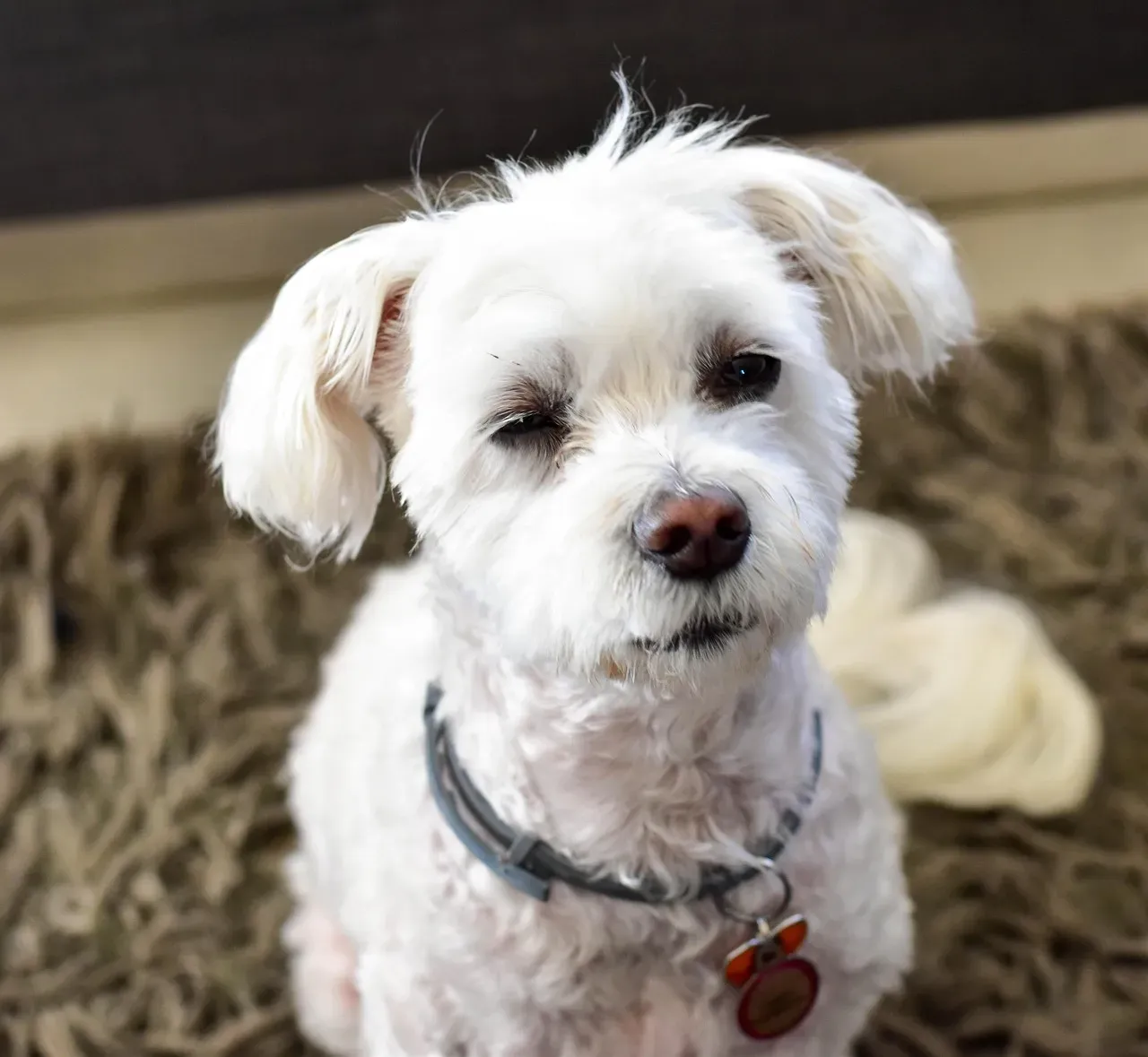
The Maltese has one of the most eye-catching coats in dogdom: long, white, and silky to the touch. It looks effortless. It very much isn’t. Maltese dogs have long, white coats that need to be gently brushed every day, on top of regular baths and coat conditioning. Combing down to the skin helps prevent tangles and mats.
The Maltese has a beautiful long, silky coat that requires regular grooming to prevent tangles and matting. They should be brushed every day if they have a long show coat, or every two days with moderate hairstyles. This makes them a high-maintenance breed to groom from home, as it can be very challenging to keep on top of their needs. White coats also show staining around the eyes and mouth far more prominently, requiring additional attention. Groomers frequently note that Maltese owners underestimate just how daily the commitment actually is.
#10. Schnauzer
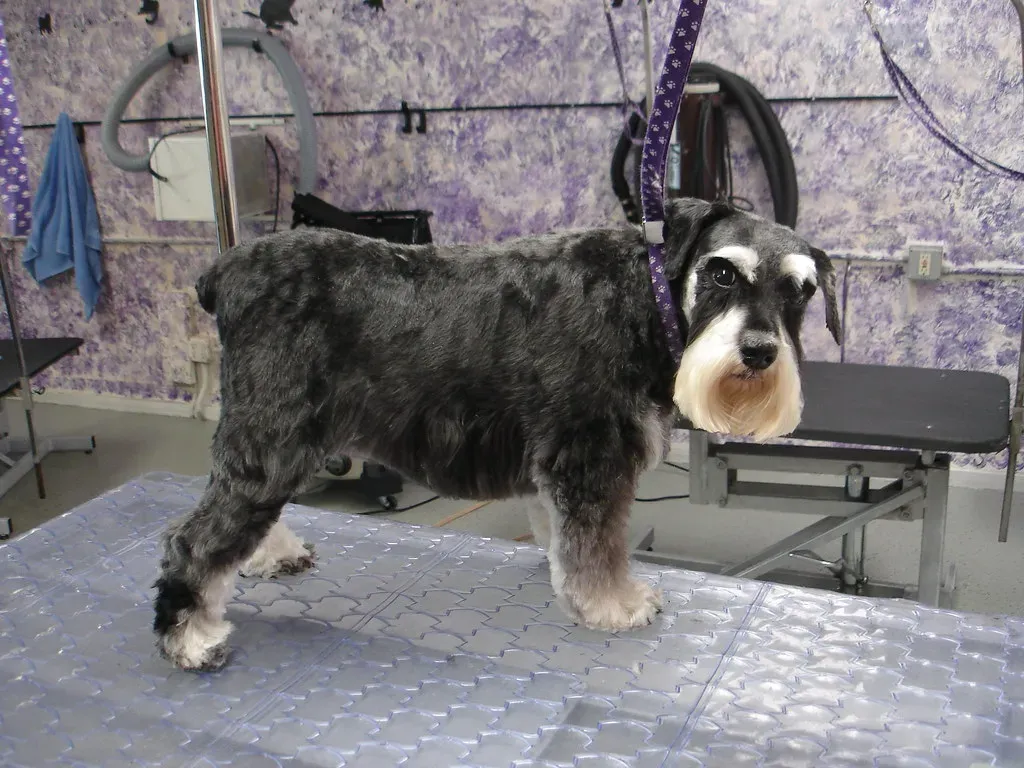
The Schnauzer, in all three of its size variations, has a distinctive look: wiry double coat, proud beard, and expressive eyebrows that give the breed a permanently philosophical expression. Owners often think the look is low-effort. Groomers know better. Schnauzers are tough to work with due to the amount of precision required in keeping their thick coats trim and tidy.
Daily brushing and weekly baths are required for these dogs. Pay particular attention to the beard, which is prone to getting food stuck in it. These terriers should visit the groomers once every couple of months. The hand-stripping technique traditionally used on Schnauzers is a specialized skill that takes real practice to master, and many groomers charge premium rates for it. Owners who skip regular appointments often arrive with dogs whose coats have become difficult to manage in very short time.
#11. Siberian Husky
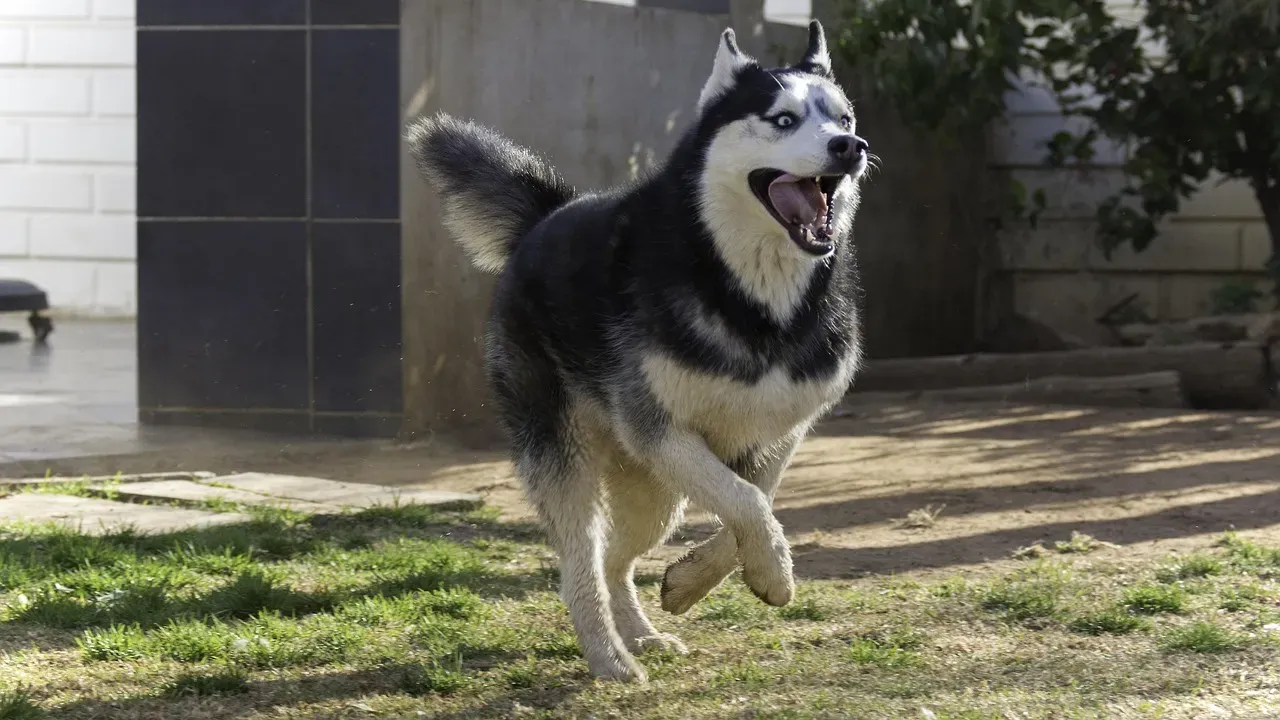
The Siberian Husky has a cinematic quality to its appearance, and its thick double coat is a significant part of that visual drama. What many owners don’t anticipate is just how labor-intensive that coat becomes, especially during shedding season. Siberian Huskies are renowned for their striking appearance, athletic build, and thick, luxurious double coat. While their coat is shorter compared to some long-haired breeds, it presents unique grooming challenges that require attention, skill, and persistence. Maintaining a Husky’s coat involves managing its density, texture, and natural shedding cycles.
Twice a year, Huskies undergo a dramatic shedding phase known as “blowing coat,” during which they lose their undercoat in large quantities. Groomers and owners must avoid shaving their coat, as this can interfere with its natural temperature-regulating properties. Instead, proper grooming to remove excess undercoat helps them stay cool. The volume of fur that comes off during a Husky blow-out genuinely has to be seen to be believed, and groomers often spend considerably more time on these dogs than the appointment slot suggests.
#12. Lhasa Apso
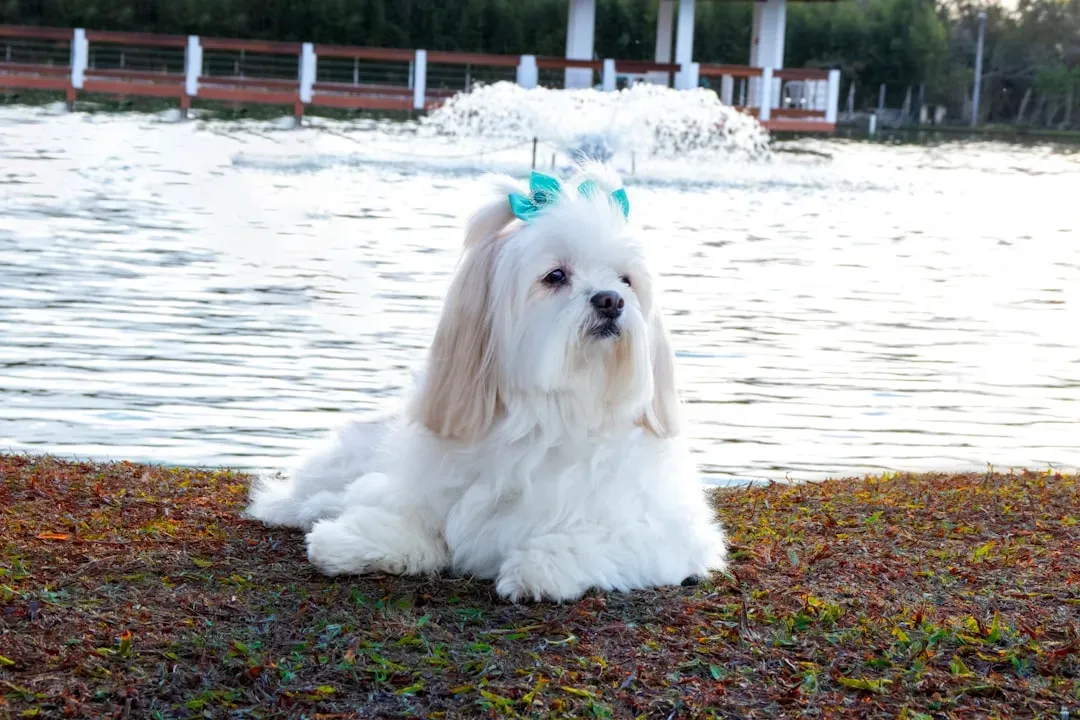
The Lhasa Apso is an ancient breed with a coat designed by nature for the harsh climate of the Tibetan plateau. Owners are drawn to that long, flowing look and the breed’s dignified, watchful temperament. The coat, however, is far more demanding than it appears at first glance. Lhasa Apso dogs need to be brushed and bathed in between visiting the groomer. Those with long hair will need to be brushed regularly using specific tools and techniques, and this breed needs to be bathed at least every two weeks.
This breed requires regular shampooing to minimize tangling and must be groomed professionally every six weeks. The texture of the Lhasa’s coat means that tangles develop quickly if brushing isn’t thorough, and surface-level grooming without reaching the undercoat is a recipe for hidden matting. Groomers often find that owners brush the top layer beautifully while the coat underneath is a different story entirely.
What Groomers Wish Owners Would Understand
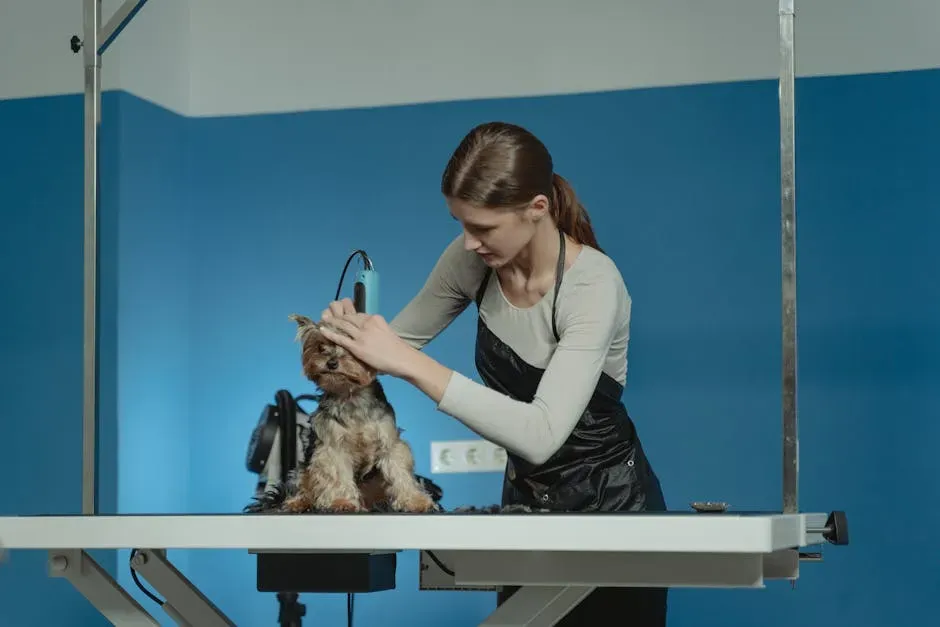
There’s a pattern running through all twelve of these breeds. Matting restricts airflow and traps moisture, causing irritation, sores, and hematomas. Grooming isn’t merely cosmetic. It’s a direct component of the dog’s physical health. Matting can lead to skin issues such as irritation, hot spots, and even infections due to trapped moisture and reduced air circulation. Regular grooming helps avoid this, while it also aids in distributing natural oils, promoting a healthy and shiny coat.
Professionals often spot parasites like fleas or ticks that may have gone unnoticed at home. Removing these can protect your dog’s health. There’s also the matter of temperament. Negative past experiences and anxious temperaments can exacerbate a dog’s fears of grooming. An anxious dog is more likely to make sudden movements or try to run away, which can lead to injuries. The breeds that are hardest to groom aren’t always the ones with the most demanding coats. Sometimes, it’s personality that tips the balance.
Conclusion
If there’s one honest takeaway from speaking to groomers about these breeds, it’s that the gap between expectation and reality is widest precisely with the dogs that look most glamorous. The Afghan Hound’s cascade of silk, the Komondor’s dramatic cords, the Bichon Frisé’s perfect white puff: all of them carry a maintenance commitment that owners routinely underestimate until they’re already months into ownership. That’s not a criticism of the owners. It’s a failure of how these breeds are marketed and discussed.
The right dog for any household isn’t just about temperament or energy level. Coat type and grooming requirements should sit at the very top of the decision-making list, not as a footnote. Groomers see the consequences when they don’t. Choosing a breed honestly and preparing for its real grooming demands isn’t just practical. It’s genuinely an act of kindness toward the dog.

- 12 Architectural Wonders From The Ancient World That Inspire Us Today - July 18, 2026
- 6 Beautiful Ancient Cities That Time Forgot (But Shouldn’t) - July 18, 2026
- 6 Common Animal Behaviors That Are Often Misunderstood by Humans - July 18, 2026