
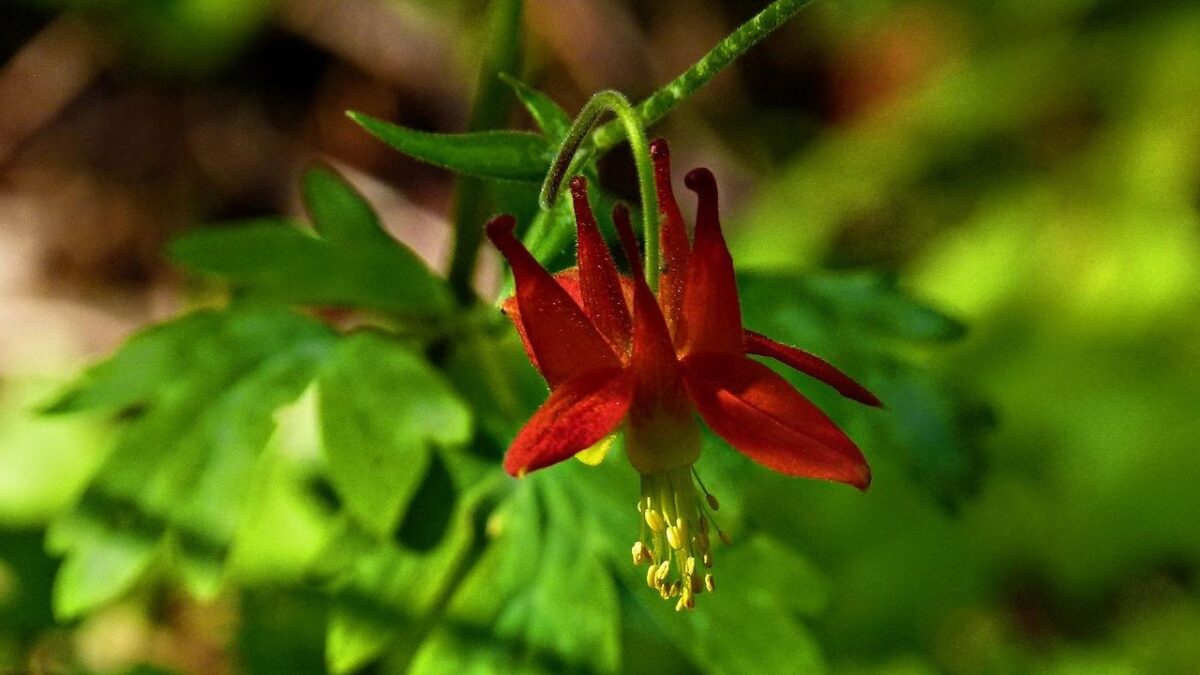
Think of the most breathtaking flower you’ve ever seen. Maybe it was glowing orange across a hillside or tucked into a rocky crevice somewhere you’d least expect it. Here’s the thing: across America, certain regions have developed wildflowers so unique, so perfectly adapted to their surroundings, that you won’t find them growing anywhere else on the planet. We’re talking about plants that evolved over millions of years in isolation, shaped by wildly different climates, soils, and pollinators.
Some of these flowers cling to existence in the harshest deserts, while others thrive in misty coastal forests. What makes them truly remarkable isn’t just their beauty, though. It’s their resilience, their stories of survival, and the intricate relationships they’ve formed with local wildlife. Let’s explore seven regions where nature’s creativity went into overdrive.
California: A Biodiversity Hotspot Like No Other
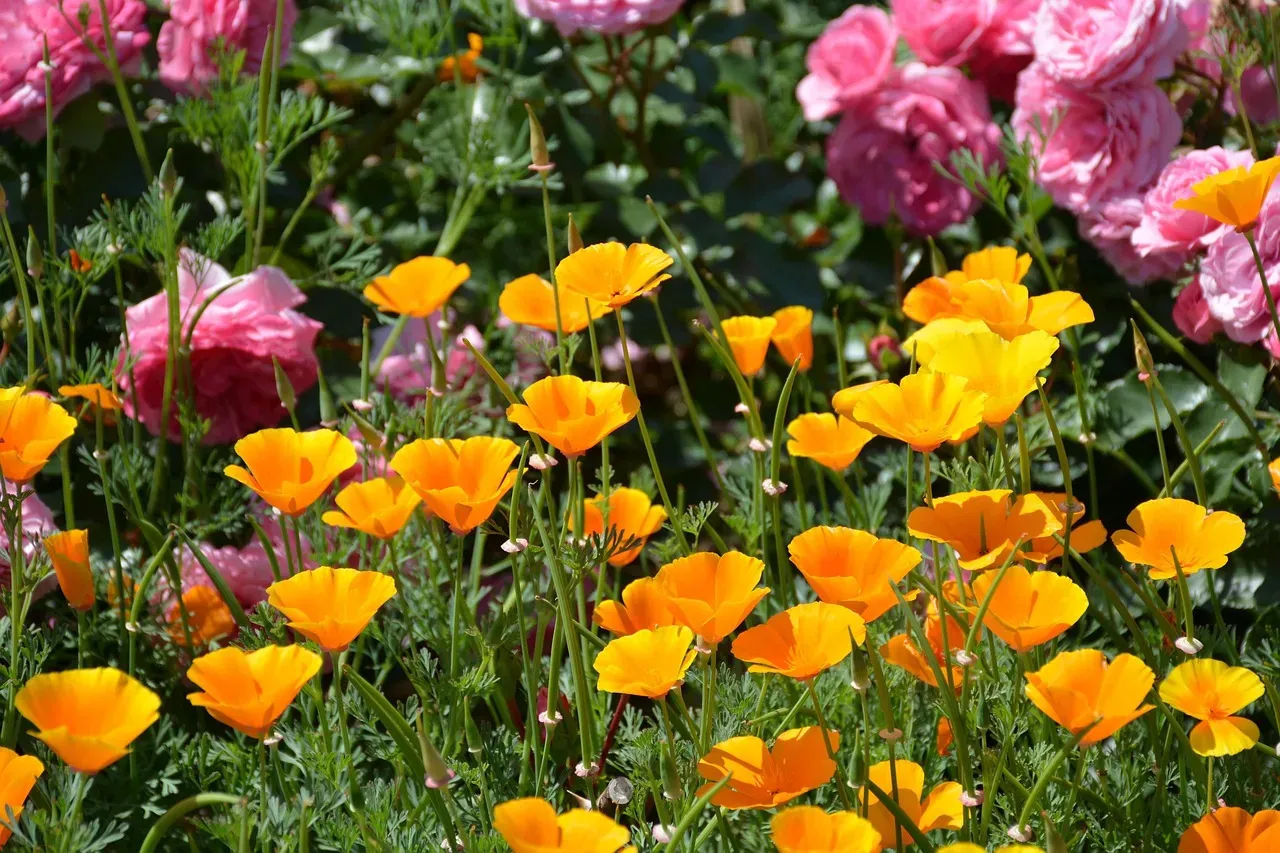
California is regarded as a world hotspot of biodiversity, with estimates suggesting the state is home to thousands of native species and over a thousand endemic species. The sheer variety of habitats here, from coastal cliffs to inland valleys, has allowed an astonishing range of flowers to evolve. California has tremendous native plant diversity, which includes a dazzling variety of annual spring blooms.
The California poppy prefers poor, sandy well-drained soil and full sun, and it is easy to grow and seeds itself. This golden flower is the state’s official emblem, painting entire hillsides with color each spring. Sometimes conditions are just right for an epic abundance of flowers, a phenomenon called a superbloom, when the growth is so colorful and vast that it has been seen from space, a rare event anywhere in the world.
Hawaii: Evolution in Isolation
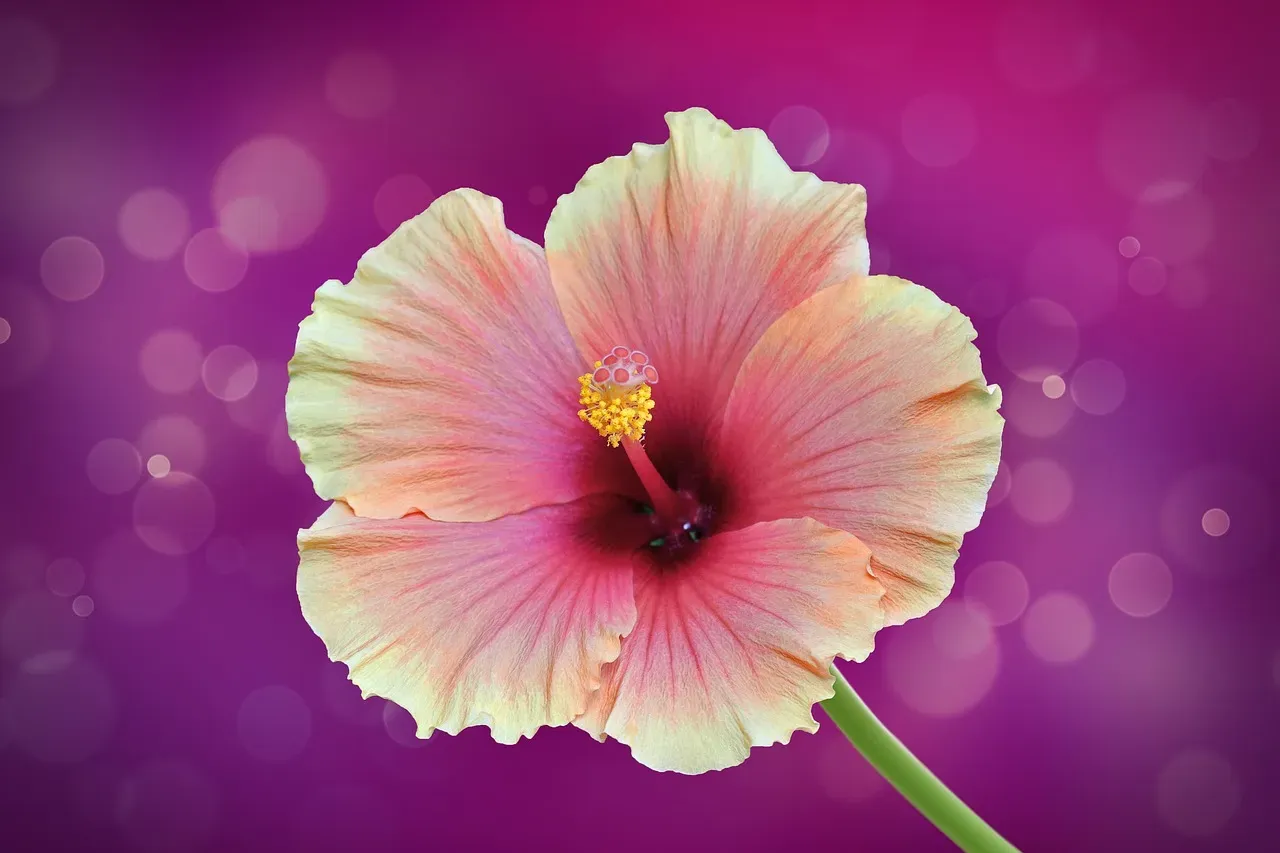
Today it is estimated that there are approximately 1,400 vascular plant taxa native to Hawaii, and nearly 90 percent of these are found nowhere else in the world. This mind-boggling level of endemism stems from the islands’ extreme isolation in the Pacific Ocean. Because of its isolation in the middle of the Pacific Ocean, Hawaii has an unusually high proportion, 89 percent, of endemic native plant species.
Hawaii’s Kokio flower was first discovered in the 1860s and it was thought to be extinct by the late 1950s, and in 1970, a sole tree was found, but it died in a fire in 1978, though one of its living branches was grafted onto a related tree, resulting in today’s 23 trees situated on several islands. Endemic lobelioids, mints, hibiscus, silverswords, and scores of other specialized endemic flowers exhibit exclusive one-to-one pollination relationships with their equally specialized co-evolved partners.
The Desert Southwest: Survival Against All Odds
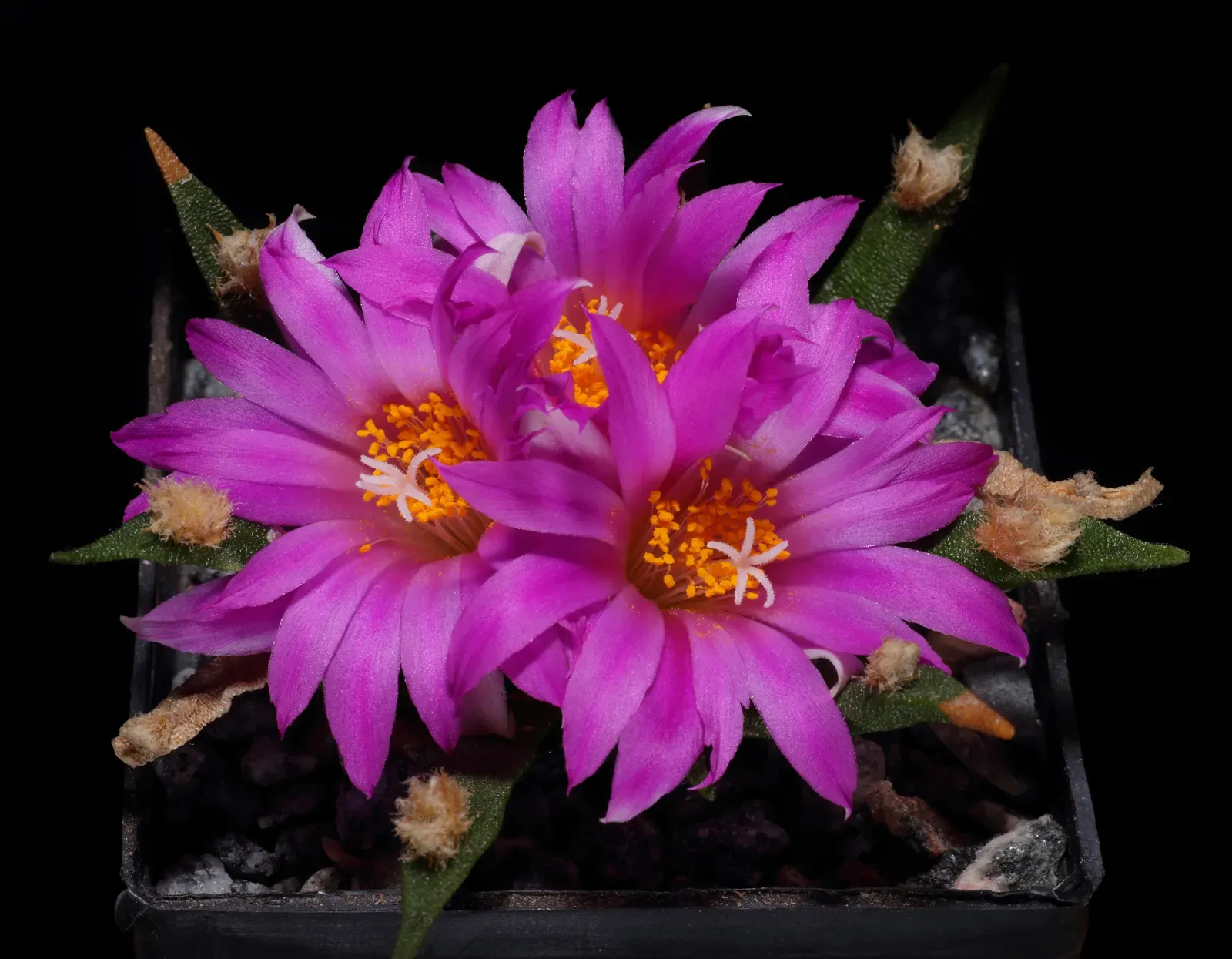
The Southwest deserts of Arizona, New Mexico, and parts of Texas and California contain some of the most extreme environments imaginable. The southwestern United States contains some of the most extreme and diverse habitats known, and it is home to some of the most diverse flora and fauna representatives in the world. Plants here had to develop extraordinary adaptations to handle scorching heat, freezing nights, and months without rain.
The desert sunflower grows in the desert dunes of southern Arizona and southern California, thrives in sand, needs little water, and blooms with a reddish-purple core surrounded by yellow petals between September and May. The living rock cactus is the only Ariocarpus species found in the United States, growing in the southwest region of Texas, particularly in Big Bend National Park, and instead of growing skyward, it grows flat against the ground with its grey-brown stems forming a rose shape. These flowers aren’t just surviving. They’re thriving in conditions that would destroy most other plants.
The Pacific Northwest: Where Moisture Meets Majesty
The Pacific Northwest region hosts a diverse array of native plants adapted to its varied climate and topography, playing an integral role in local ecosystems, with towering evergreen trees like Douglas Fir, Western Red Cedar, and Sitka Spruce whose dense canopies create a microclimate for understory plants. This region receives tremendous rainfall, creating a lush environment where delicate wildflowers flourish beneath ancient forests.
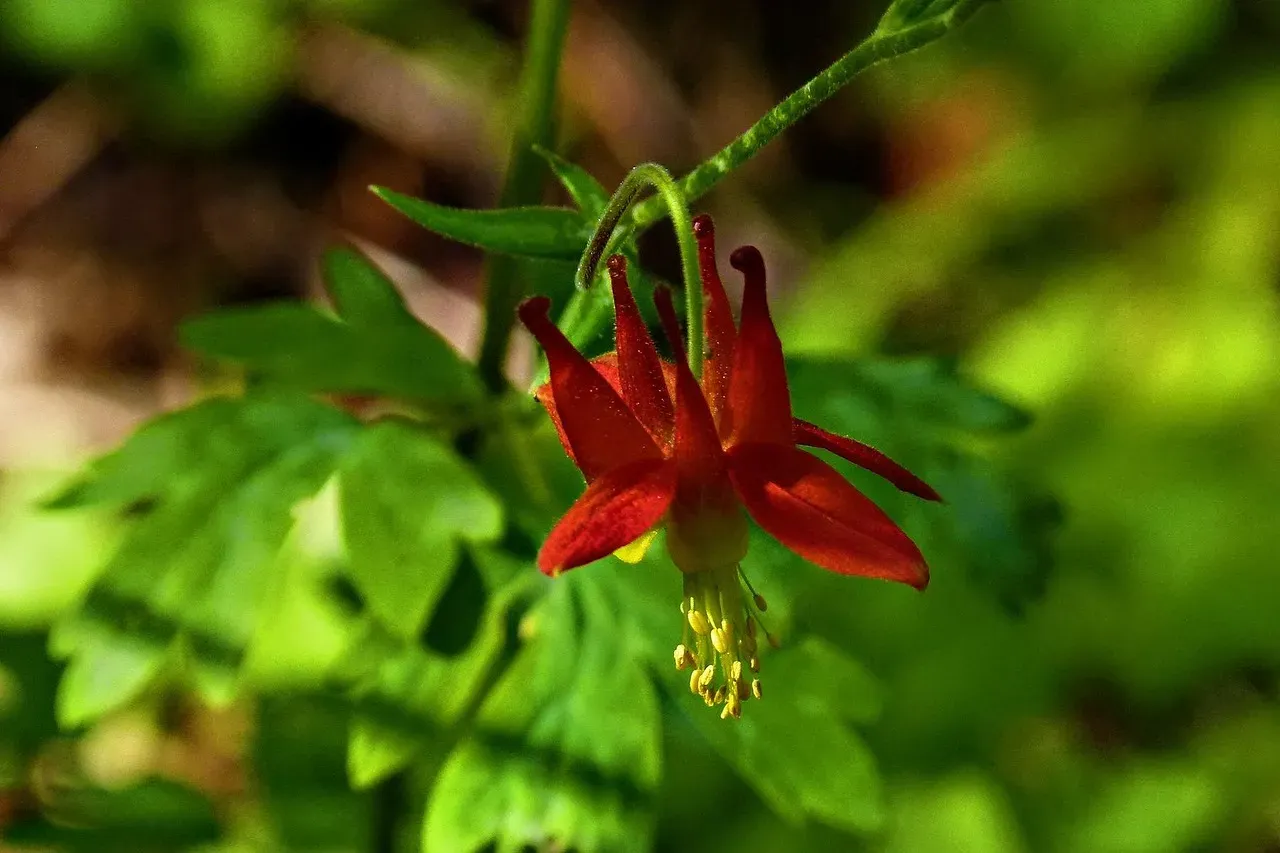
The Red Columbine has bright red with yellow flowers, is a perennial that grows in shaded and moist meadows and forests, blooms throughout spring and summer and grows up to 48 inches tall, and attracts butterflies and hummingbirds. In open, sunny meadows, wildflowers such as Camas and Lupines showcase a burst of colors from spring to early summer, and these blooms attract pollinators, contributing to the biodiversity of the region.
The Appalachian Mountains: Ancient Forests, Ancient Blooms
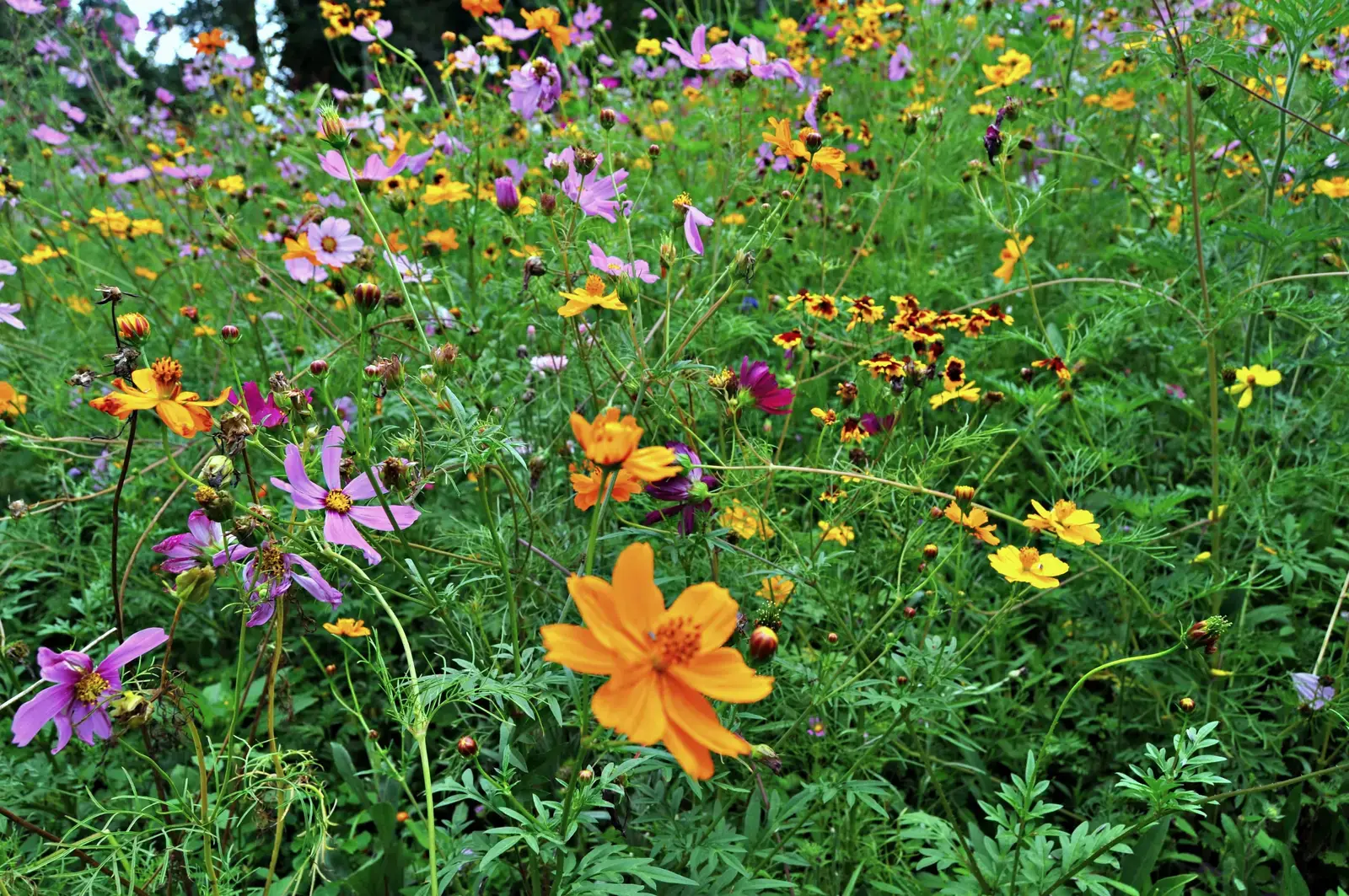
The Appalachian region harbors some of North America’s oldest mountains and most diverse temperate forests. Here, in the understory of deciduous woodlands, wildflowers have carved out their niche over millennia. Spring ephemeral wildflowers emerge before the tree canopy fully leafs out, taking advantage of the brief window of sunlight reaching the forest floor.
Eastern columbine is an absolutely breathtaking plant, and en masse, when the sun’s rays are low in the sky, the pendulous red blossoms take on an ethereal quality that is absolutely captivating, with hummingbirds as frequent visitors. These mountains support a remarkable concentration of native species precisely because the varied elevations create countless microclimates. The same mountain can host wildflowers adapted to dry, rocky ridgetops and moisture-loving species along stream banks.
Florida: Tropical Treasures and Coastal Rarities
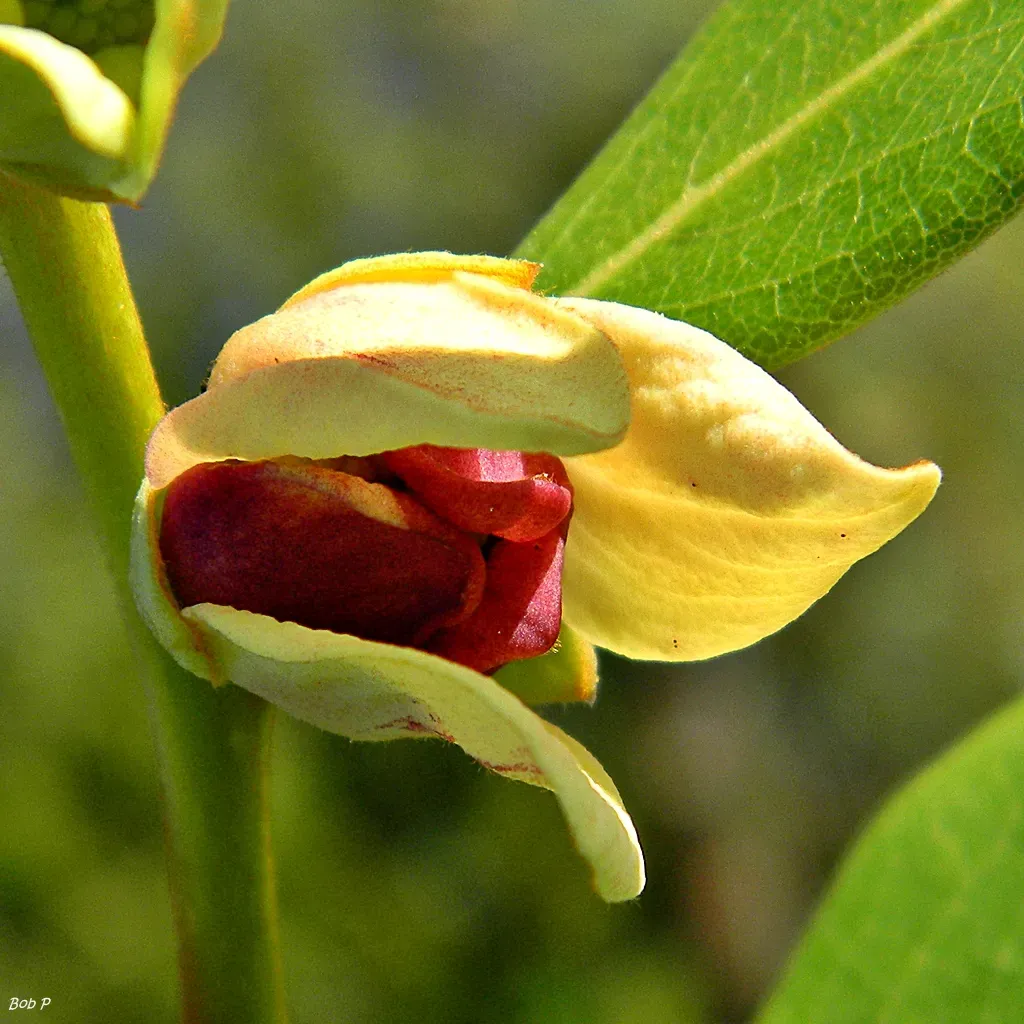
Florida occupies a unique position as the only truly tropical region in the continental United States. The four-petal pawpaw, a relative of the tropical papaya, is only found in Martin and Palm Beach counties on the southeastern coast of Florida, and the aromatic shrub can grow to 3 meters in height. The state’s combination of limestone substrate, year-round warmth, and seasonal flooding has created habitats found nowhere else.
Many of Florida’s native flowers cling to specialized niches like coastal dunes, pine flatwoods, and the unique ecosystem of the Everglades. These plants face mounting pressure from development and invasive species, making their survival increasingly precarious. Still, Florida’s native flora demonstrates remarkable adaptability, with species that can tolerate both drought and inundation.
Alaska and the Tundra: Beauty in Extreme Cold
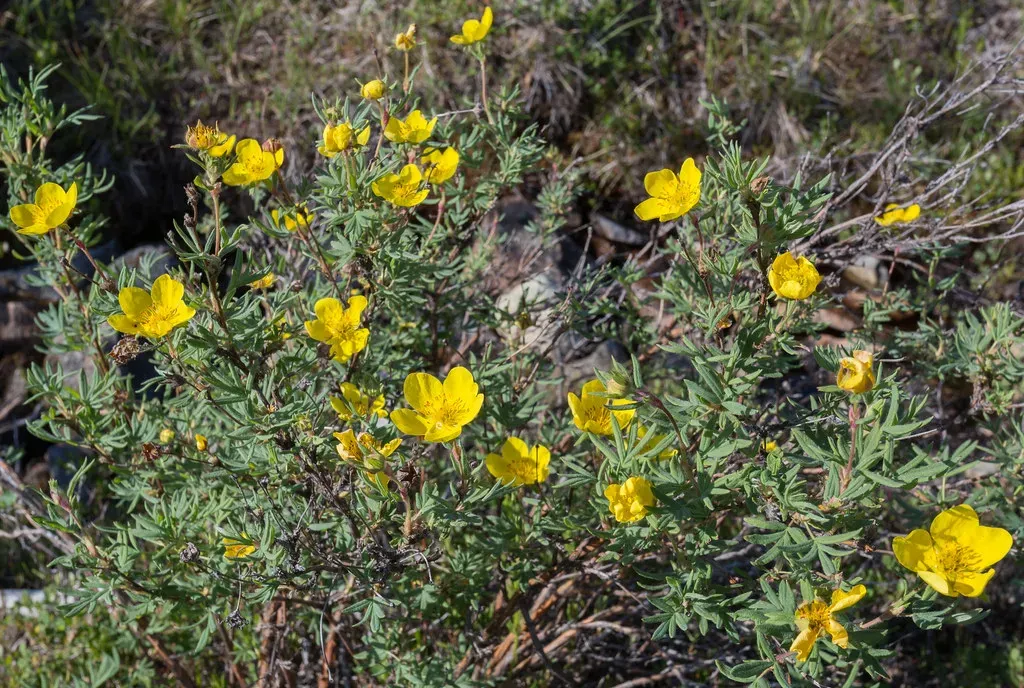
You might not think of Alaska when considering wildflowers, but the state harbors unique alpine and tundra species found nowhere else in the lower states. These plants have mastered survival in conditions where the growing season lasts mere weeks and permafrost lies just beneath the surface. Arctic wildflowers often grow close to the ground, protected from brutal winds, and many burst into bloom almost simultaneously once temperatures rise.
The United States has vast arctic areas in Alaska, and alpine summits are present on many western mountains. Tundra wildflowers display vibrant colors that seem impossibly bright against rocky, sparse landscapes. Their brief but intense flowering period attracts pollinators like bumblebees that have also adapted to the cold. These flowers remind us that life finds a way, even in Earth’s most challenging environments.
Conclusion
From Hawaii’s isolated evolutionary laboratories to the unforgiving deserts of the Southwest, America’s regional flowers tell stories millions of years in the making. Each bloom represents countless generations of adaptation, each petal a testament to survival. The United States possesses one of the most diverse temperate floras in the world, comparable only to that of China.
These flowers need our attention now more than ever. Climate change, habitat loss, and invasive species threaten many endemic plants with extinction. Visiting these regions and supporting conservation efforts helps ensure future generations can still witness a California superbloom or stumble upon a rare Hawaiian flower clinging to a volcanic slope. What’s your favorite native wildflower? Have you explored any of these incredible regions?

- Why Veterinarians Say If Your Cat Sleeps With Their Back to You, It's the Highest Form of Trust in Feline Behavior - July 20, 2026
- The Zodiac Signs That Owls Avoid Completely (And What Folklore Says It Means About Your Energy) - July 20, 2026
- How Nepal’s Mountain Region Just Cannot Do Without The Indomitable Yak - July 20, 2026