
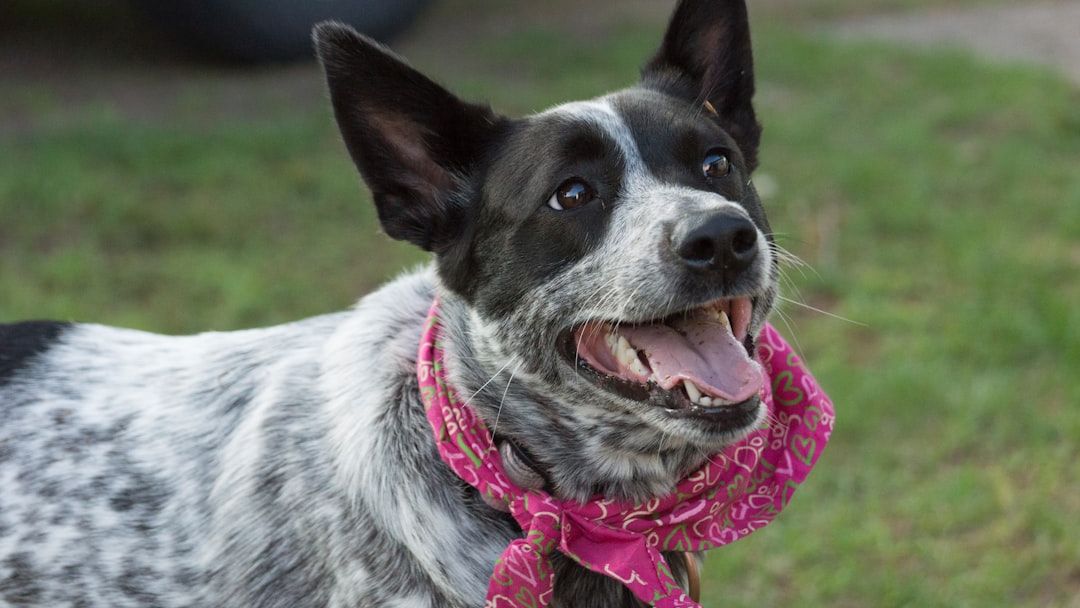
1. Akita – The Dog Who Waits Forever
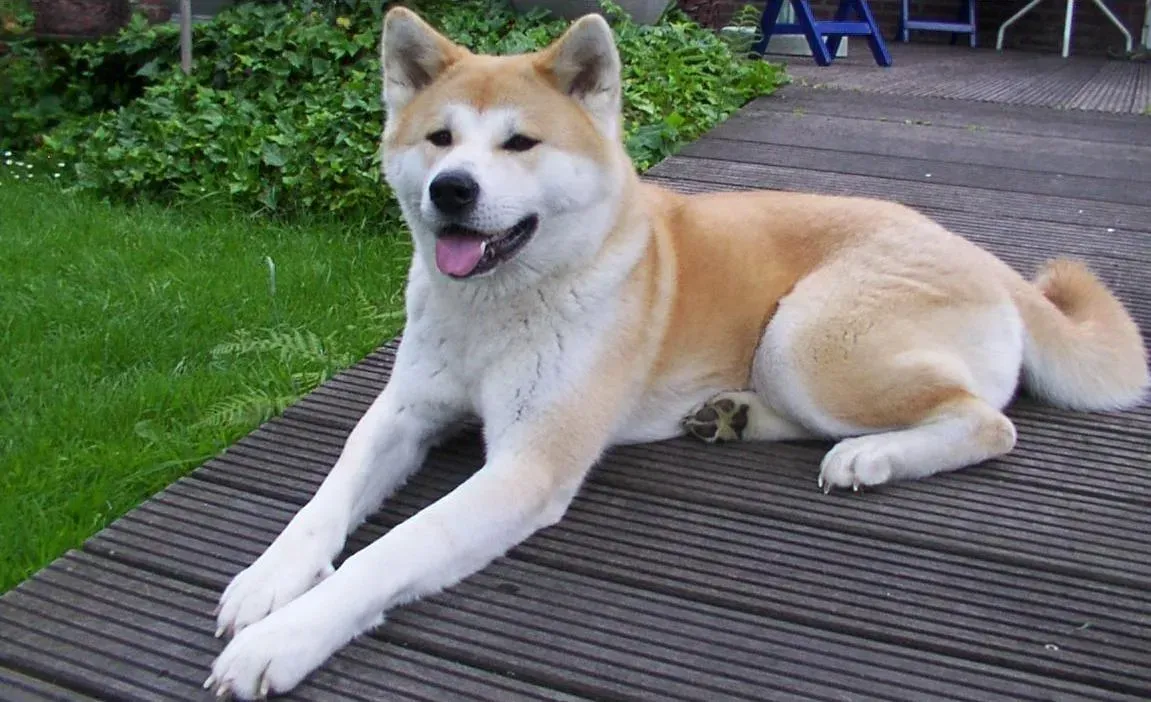
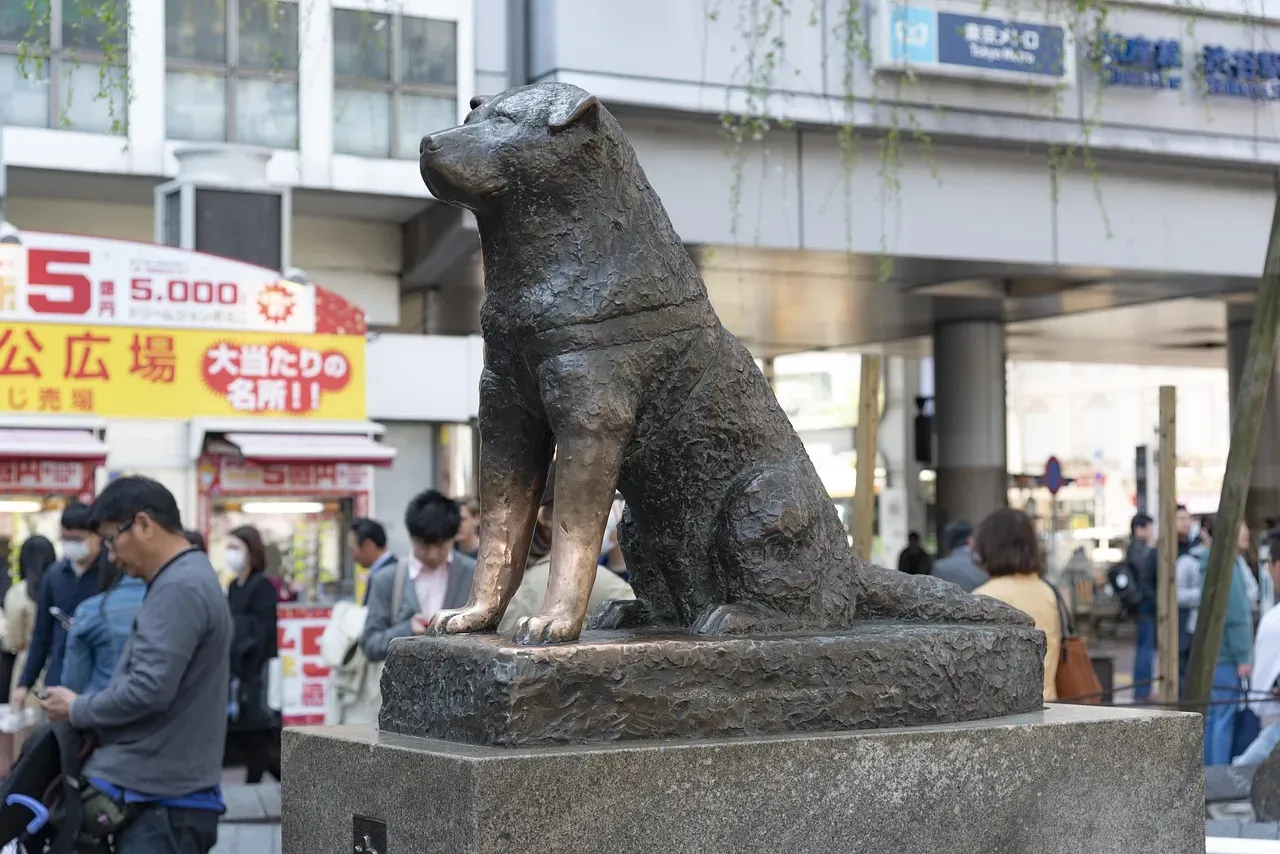
No breed carries a more haunting legacy of grief than the Akita. Akitas are dignified, strong-willed dogs originally bred in Japan for guarding nobility and hunting big game. Their loyalty is legendary, with stories like Hachiko – an Akita who waited every day for his deceased owner for years – cementing their reputation. Hachiko continued appearing at Shibuya Station in Tokyo for nearly a decade after his owner’s death in 1925, a story so well-documented it became a national symbol of devotion.
Known for their loyalty and quiet strength, Akitas establish powerful attachments to one special person. Bred in Japan for protection and hunting, their devotion is unwavering once trust is earned. These dignified dogs are not outwardly affectionate with strangers but form a sacred, intense bond with the person they choose. When that person is gone, an Akita doesn’t simply grieve – it shuts down. Refusal to eat, withdrawal from all interaction, and a quiet collapse of the will to live have been observed in Akitas after owner loss, making them arguably the most famous grieving breed in human history.
2. German Shepherd – The Loyal Guardian Without a Purpose
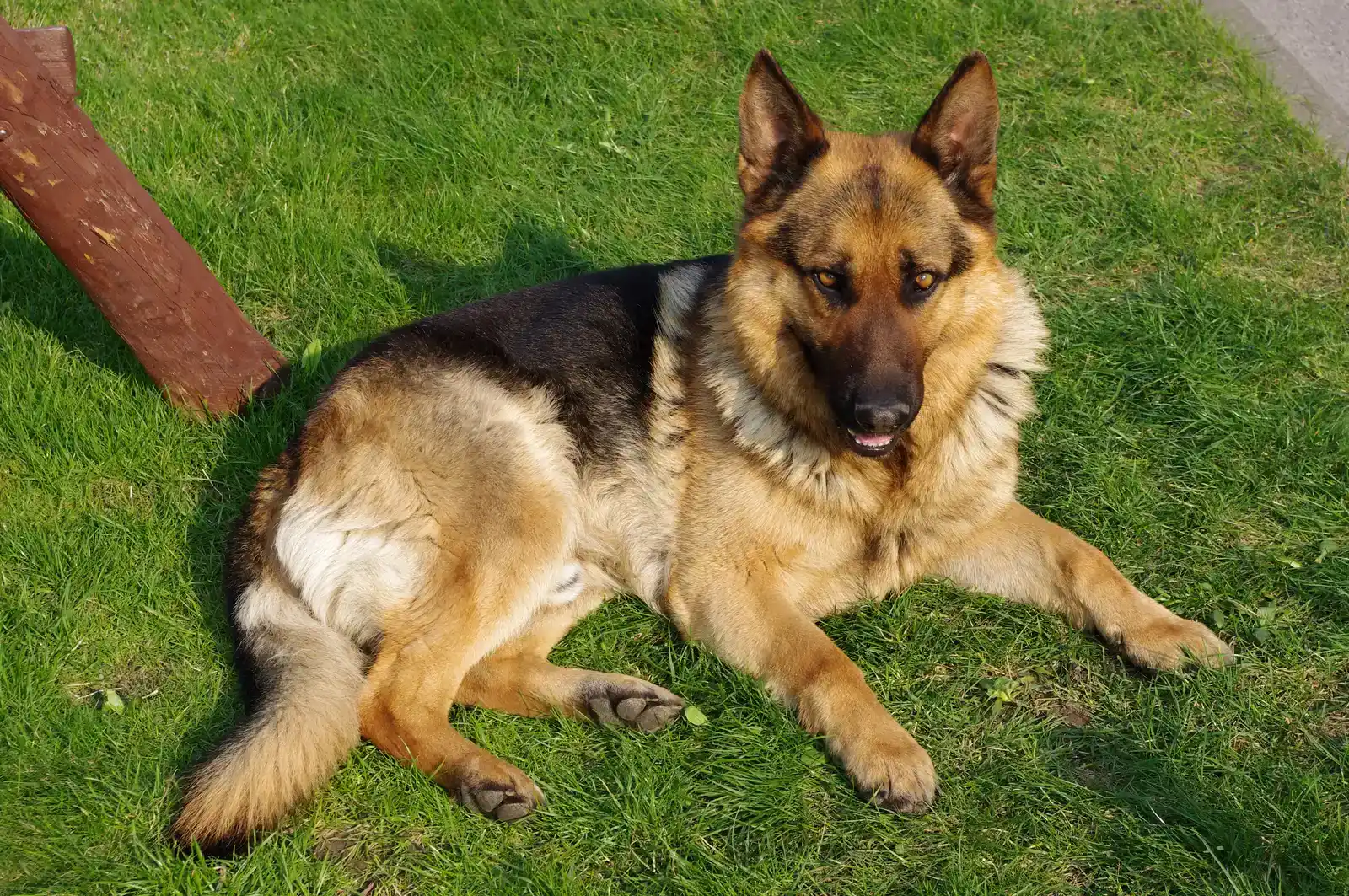
German Shepherds combine intelligence, trainability, and intense loyalty in a single package. While capable of working with multiple handlers, individual German Shepherds in family settings typically bond most strongly with one person. They are working dogs at heart, and that work is often inseparable from the person they serve. Their entire sense of identity is built around partnership.
German Shepherds are naturally loyal, strongly attached to, and fiercely protective of their one person. They love to please their owners. They are slightly aloof compared to some other breeds, but they will definitely be happiest when in your presence. They can become distressed and destructive if left alone for too long. The story of Danny, a German Shepherd service dog, illustrates this perfectly. In June 2014, Constable Dave Ross, a Canadian police dog handler, lost his life in the line of duty. His service dog Danny stood alongside him during his time on the force. Throughout Ross’ funeral, the loyal canine whimpered next to his owner’s casket.
3. Border Collie – The Breed That Guarded a Body Through Winter
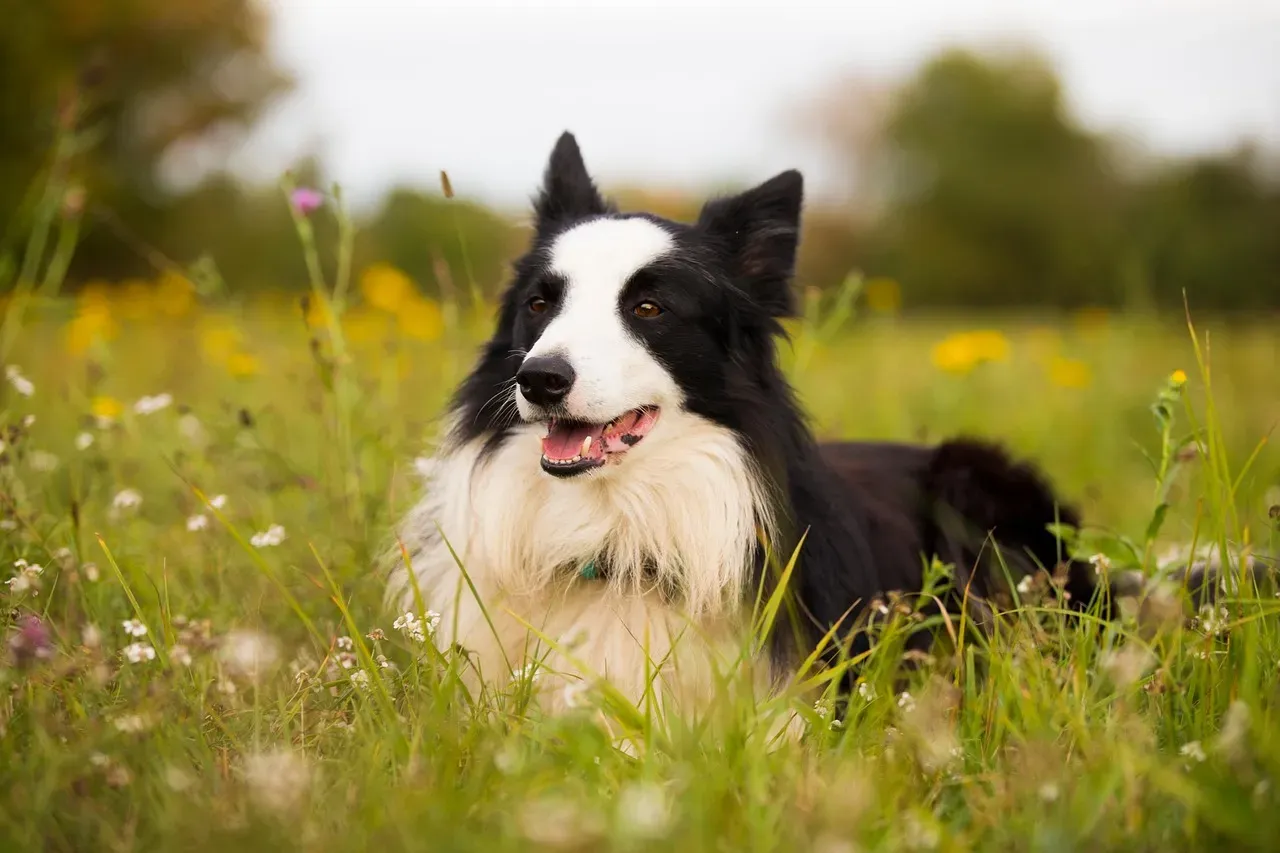
Border Collies are highly intelligent as well as dedicated to their families and their jobs. They show their dedication through obedience and attentiveness and an intense drive to work. These dogs tend to form close attachments to one person or family and bond very closely with them. That relentless drive, turned inward toward grief, can be devastating to witness.
Ruswarp, a 14-year-old Border Collie, lived this tragedy in 1990. Ruswarp spent his days hiking the mountainside of Wales with his human dad, Graham Nuttall. In January of 1990, neighbors noticed that Graham hadn’t returned from one of his hikes. Eleven weeks later, another hiker found Nuttall’s body near a mountain stream. Ruswarp had stood guard over his human’s body through the winter chill. Poor Ruswarp didn’t survive long after and died shortly following the funeral of his human. That story speaks volumes about what a Border Collie’s bond truly means.
4. Chihuahua – Small Body, Catastrophic Grief
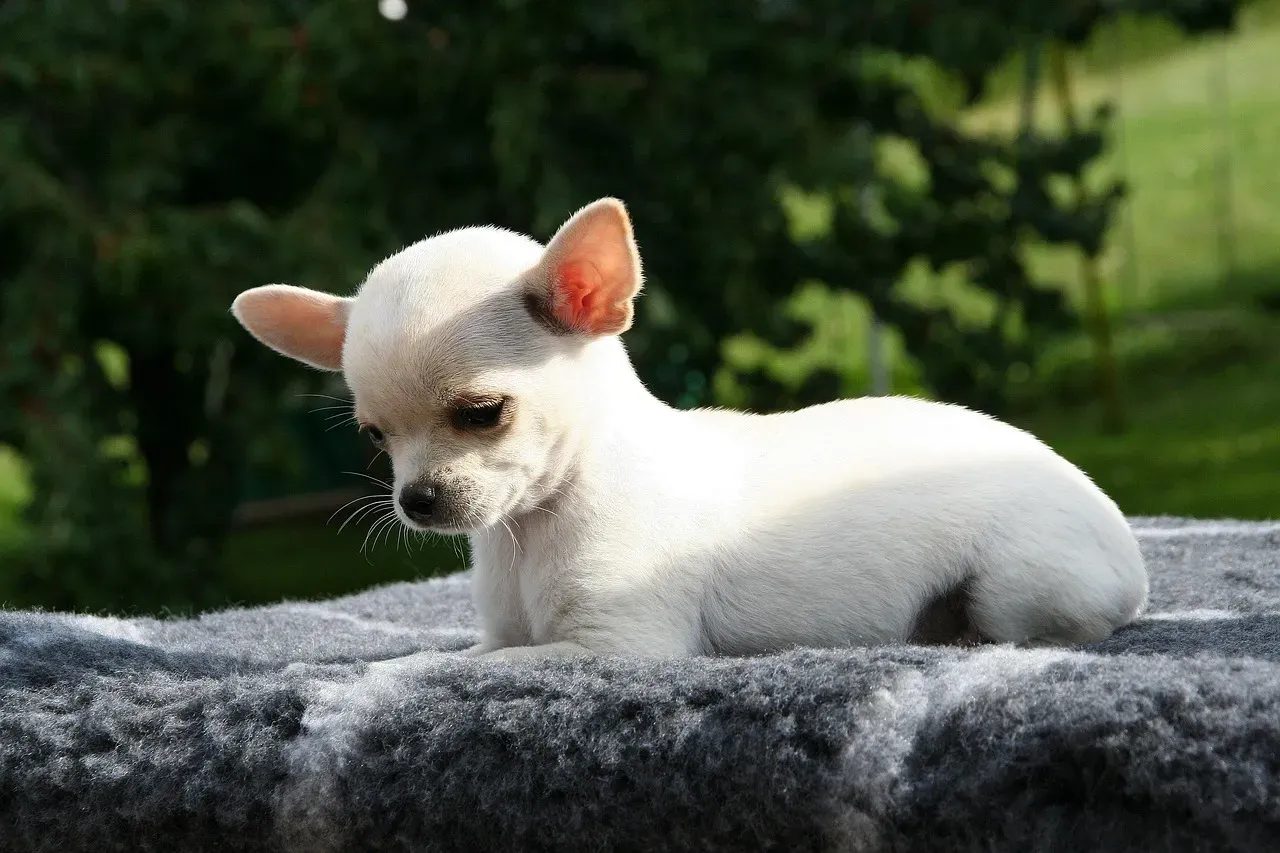
Few breeds are as misunderstood in their emotional depth as the Chihuahua. Their reputation as feisty, dramatic little dogs masks something far more fragile: a capacity for singular attachment that few other breeds can rival. Chihuahuas are small in size but have a huge capacity for devotion to a single person. Known for their lively and bold personality, they often become very attached to one individual, showing a preference for their company over others.
Chihuahuas tend to bond with one person and treat all other people like outsiders. Despite their small size, Chihuahuas are fiercely loyal and protective. They are alert and always eager to defend their favorite person. When that person dies, the Chihuahua’s world doesn’t just narrow – it disappears entirely. Their small frames are particularly vulnerable to the physical toll of prolonged grief, including sustained food refusal and the rapid weight loss that can follow.
5. Doberman Pinscher – The Velcro Dog Who Can’t Let Go
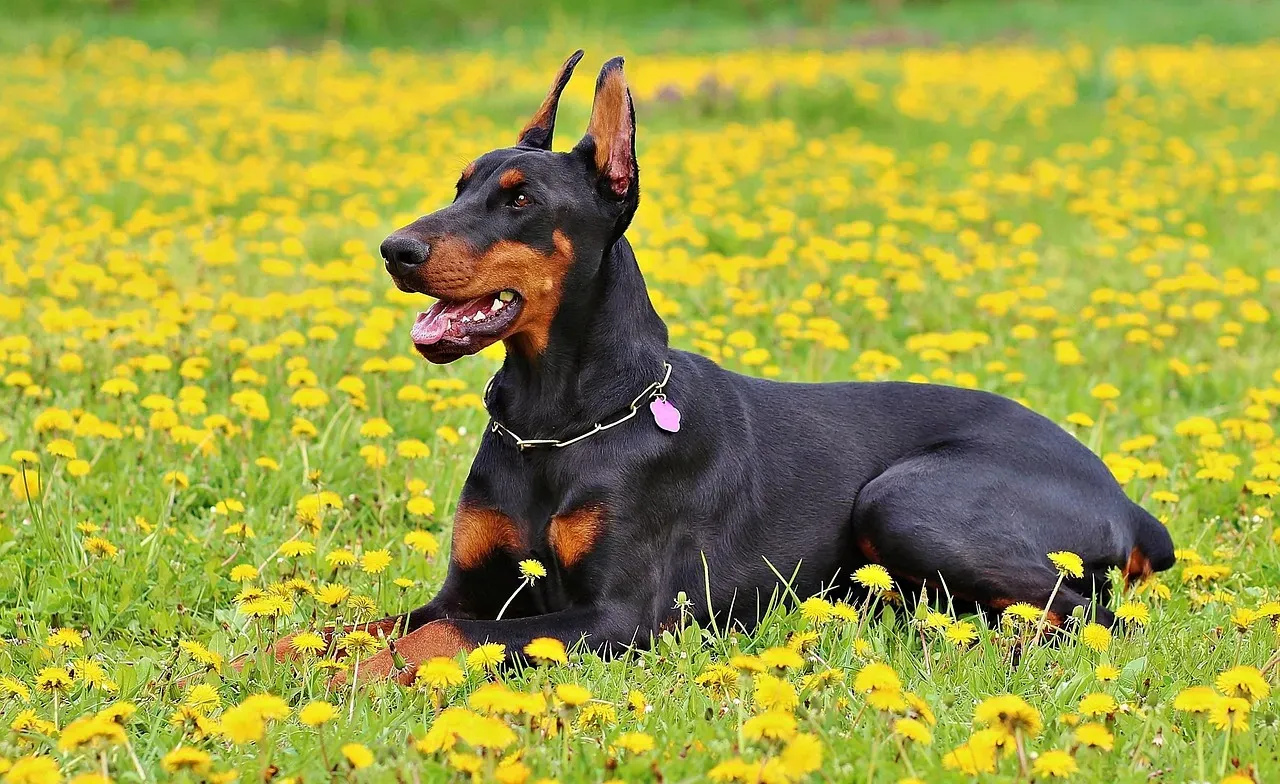
Doberman Pinschers were specifically developed to be personal protection dogs, and this heritage manifests in their tendency toward singular attachment. These elegant, powerful dogs form deep emotional connections with their primary caretaker while maintaining polite distance from others. Trainers describe Dobermans as velcro dogs with their chosen person, following them constantly and displaying sensitivity to their emotional states.
Dobermans are famous velcro dogs for a reason. When bonded, they check in constantly, leaning into their person’s legs as if to anchor both of them. They’re sensitive, fast learners, and more emotionally tuned than their intimidating silhouette suggests. This extreme emotional attunement is precisely what makes loss so catastrophic for them. A Doberman that has tracked their owner’s mood, followed their footsteps, and built an identity around constant proximity has almost no emotional framework for an absence that never ends.
6. Vizsla – The Breed That Literally Cannot Be Alone
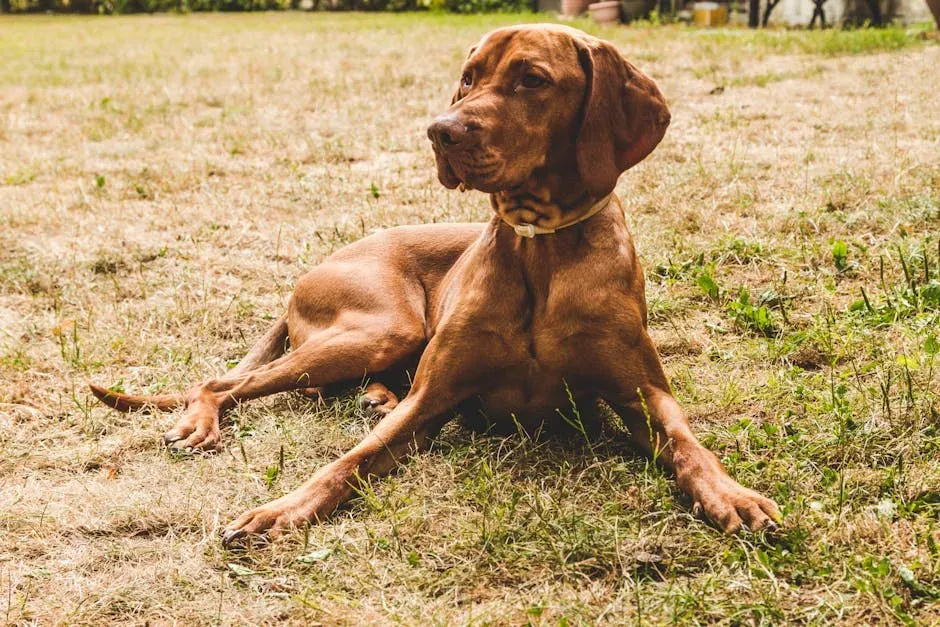
Nicknamed “Velcro dogs,” Vizslas crave consistent closeness to their person. Their constant presence, whether companioning work, rest, or play, makes them one of the most devoted breeds for single-person bonding. This isn’t casual affection. It’s a physiological need for closeness that is woven into the breed’s character at the deepest level.
If you want a velcro dog, the Vizsla wrote the manual. They’re athletic cuddle magnets who prefer all-day, every-day togetherness. They need movement and mental challenge, but they also need your presence. If you’re home a lot and happy to include your dog in errands and hikes, a Vizsla will reward you with a bond that feels like a shared heartbeat. Sever that heartbeat through loss, and the Vizsla can fall into a prolonged depression that affects eating, sleeping, and basic engagement with life in ways that genuinely threaten their health.
7. Dachshund – Stubborn in Life, Inconsolable in Loss
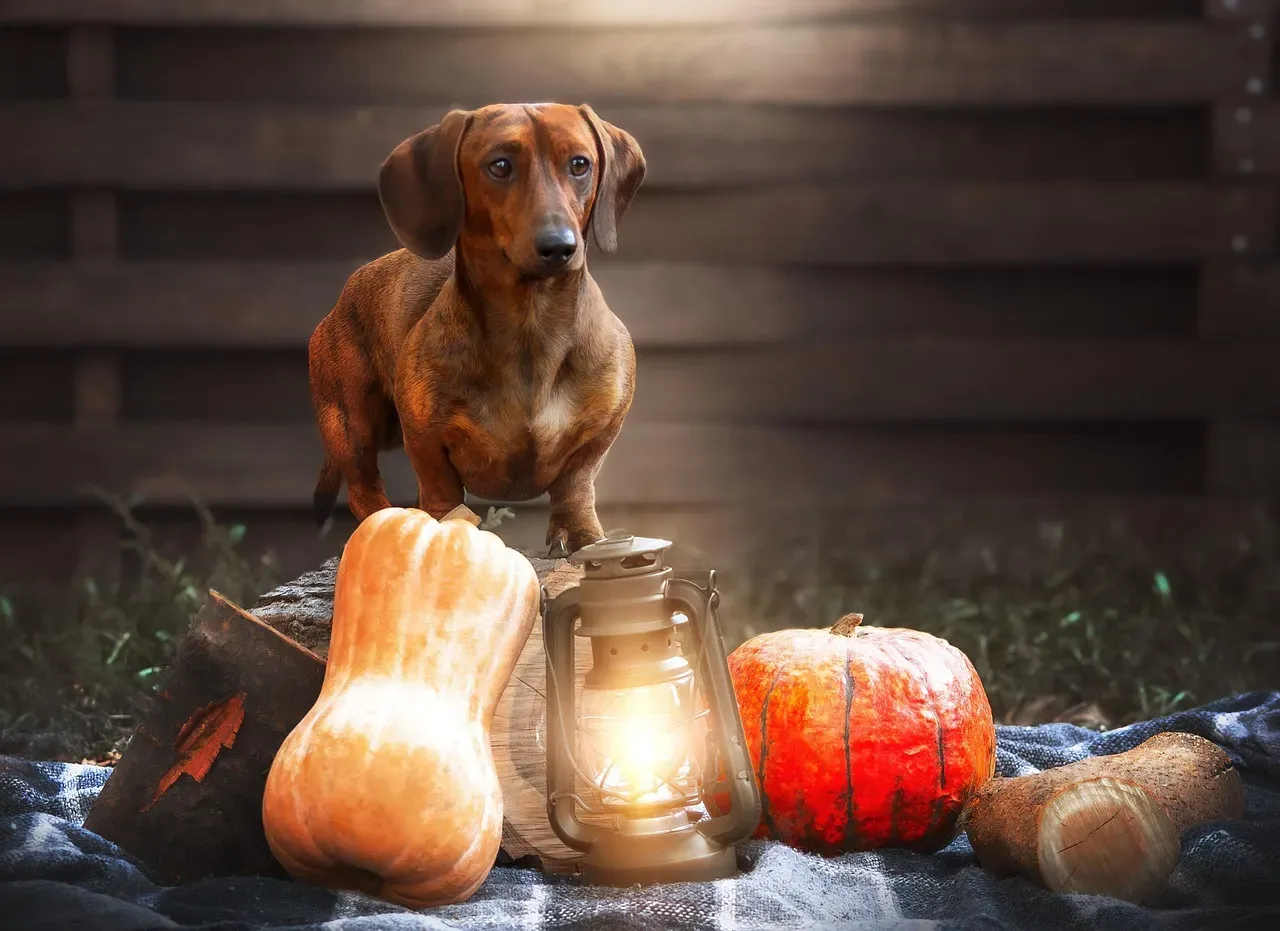
Dachshunds were bred for hunting, which contributes to their brave and tenacious temperament. Their devotion to their chosen person can be seen in their desire to always be close by, often following them from room to room. That tenacity, so charming in daily life, becomes something far more painful when directed at a grief that has no resolution.
Dachshunds’ long bodies and playful personalities hide a fiercely loyal heart. They are often cautious with strangers but affectionate and attentive toward their chosen human. They enjoy companionship, play, and even cuddles on the couch. Though small, they have bold personalities and can act protective when sensing danger. That protectiveness doesn’t switch off when their person is gone. Instead, it turns into a prolonged search behavior – returning to favorite spots, sniffing clothing, waiting by doors – that can persist for months and slowly drain a Dachshund’s will to engage with anything else.
8. Shetland Sheepdog – The Sensitive Breed That Feels Everything
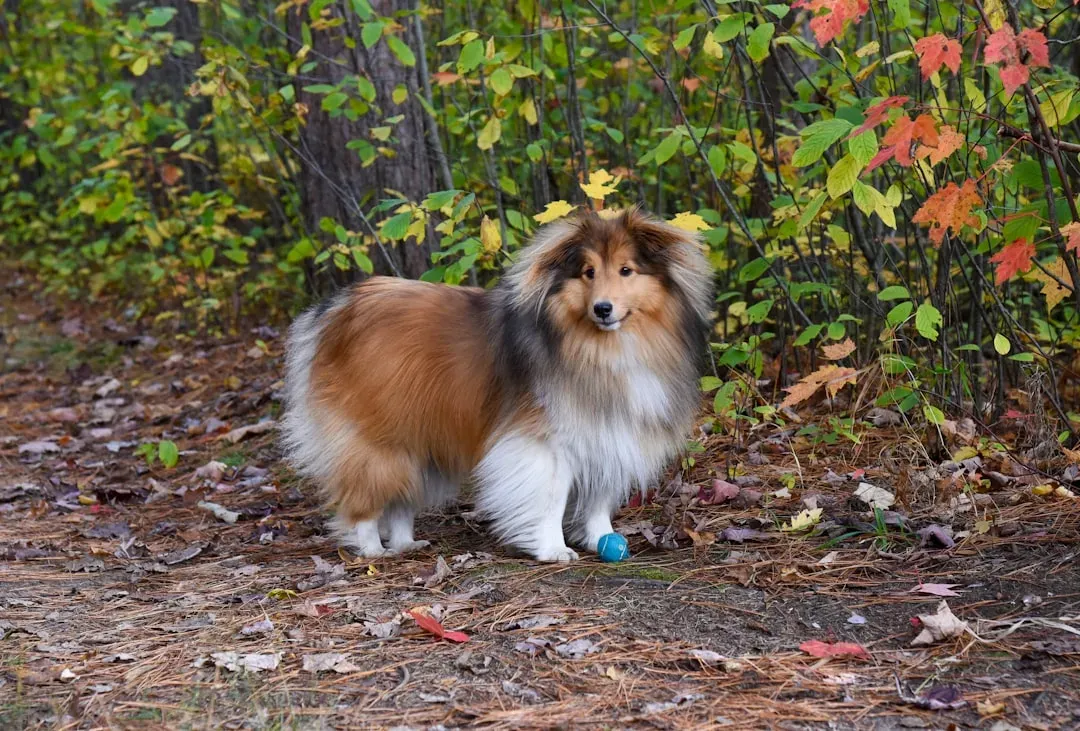
Shelties are sweet, sensitive, and astonishingly people-aware. They often choose a favorite, but they’re loyal to the whole household. Their emotional sensitivity, which makes them remarkable companions and intuitive therapy dogs, is also the very quality that leaves them so exposed when they experience loss. They don’t just notice a change in mood – they absorb it completely.
Dogs are deeply aware of our routines and emotions. What we label as grief in dogs may sometimes be a response to the changes in the household that follow a death. Humans are upset and emotional, routines change, and those changes can be upsetting for the remaining dog and may look like grief. For a Sheltie, the combination of genuine emotional loss and the cascading disruption of familiar household routines can be genuinely overwhelming. Their sensitive nervous systems process it all at once, and recovery can be painfully slow without deliberate human support.
9. Australian Cattle Dog – Loyal to the Point of Obsession
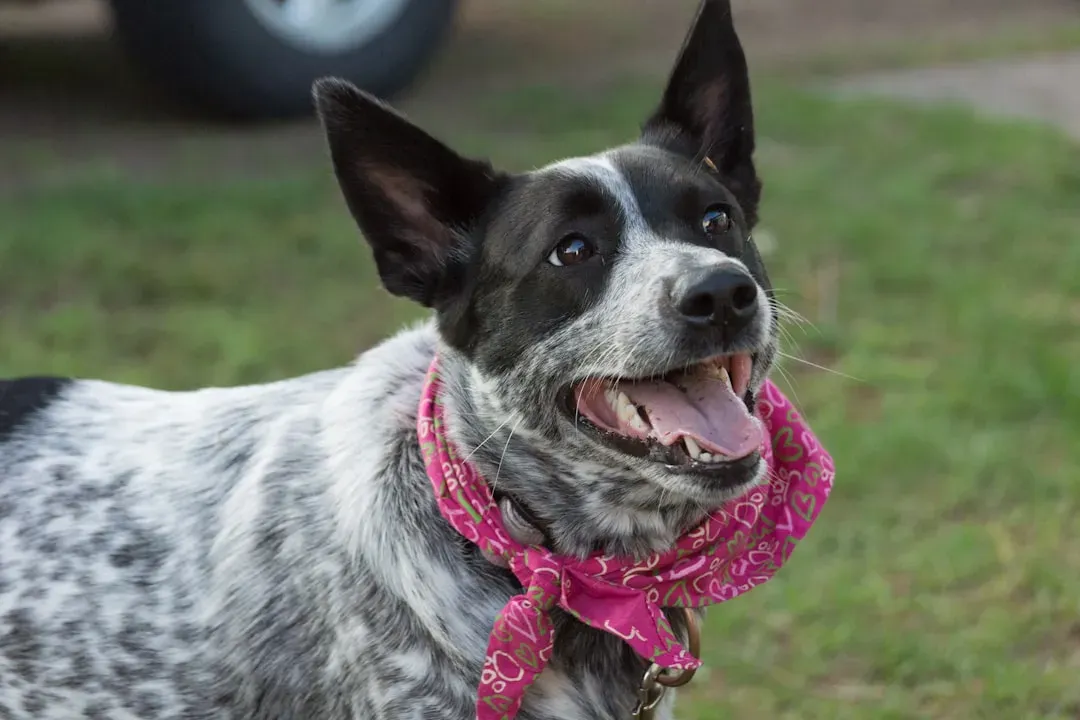
The Australian Cattle Dog is a herding breed known for their strong bonding with one person. To their chosen person, they are the world. They bond strongly and will object intensely to being separated. With fierce devotion to their owners, ACDs are loyal to death. That phrase, loyal to death, is not mere poetic license with this breed. It describes something behaviorally real.
Australian Cattle Dogs were bred for herding cattle, working closely alongside their handlers. As pets, these intelligent and fearless dogs are very loyal. Their work ethic and their love are inseparable. They have historically been bred to stay close, to respond to one handler, and to never stray from their post. Losing an owner doesn’t just create sadness – it creates a cattle dog without a job, without a person, and without a reason to carry on. That psychological collapse can manifest physically in a matter of weeks.
10. Chow Chow – Reserved Until It Matters Most
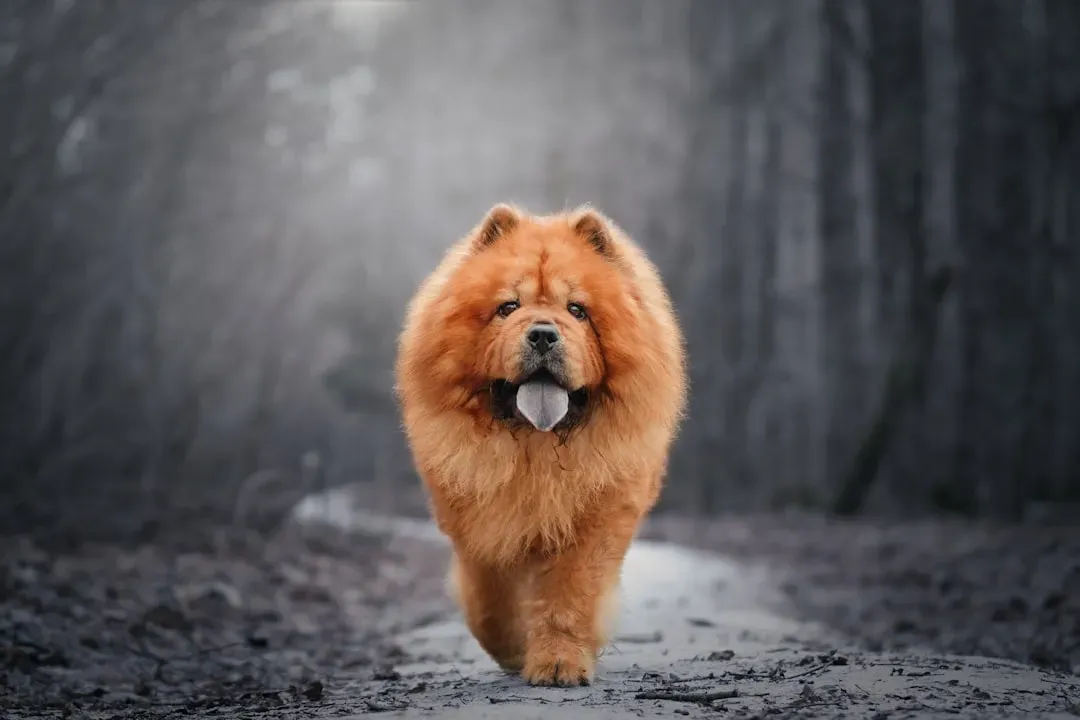
Hailing from ancient China, the devoted Chow Chow carries the regal dignity of a lion. Despite their snuggly form, Chows are somewhat aloof and stubborn – and need training for it. On the plus side, they are known to be clean, quiet, and very loyal to loved ones. The Chow’s aloofness is often mistaken for indifference, but that’s not quite right. They simply don’t love easily or widely.
These intelligent dogs have a distinct appearance and temperament. They are more independent than cuddly, and tend to choose one person in the family with whom they are especially close. That selectivity is everything. A Chow Chow who has chosen one person has invested virtually all of their emotional capacity in that single relationship. The bond between a dog and its owner is often profound, characterized by unwavering loyalty, unconditional love, and a shared daily routine. When that bond is broken by the death of the owner, the dog experiences a significant upheaval. For the Chow Chow, that upheaval can be especially severe precisely because their emotional world was so deliberately small.
11. Greyhound – The Gentle Soul Who Stops Running
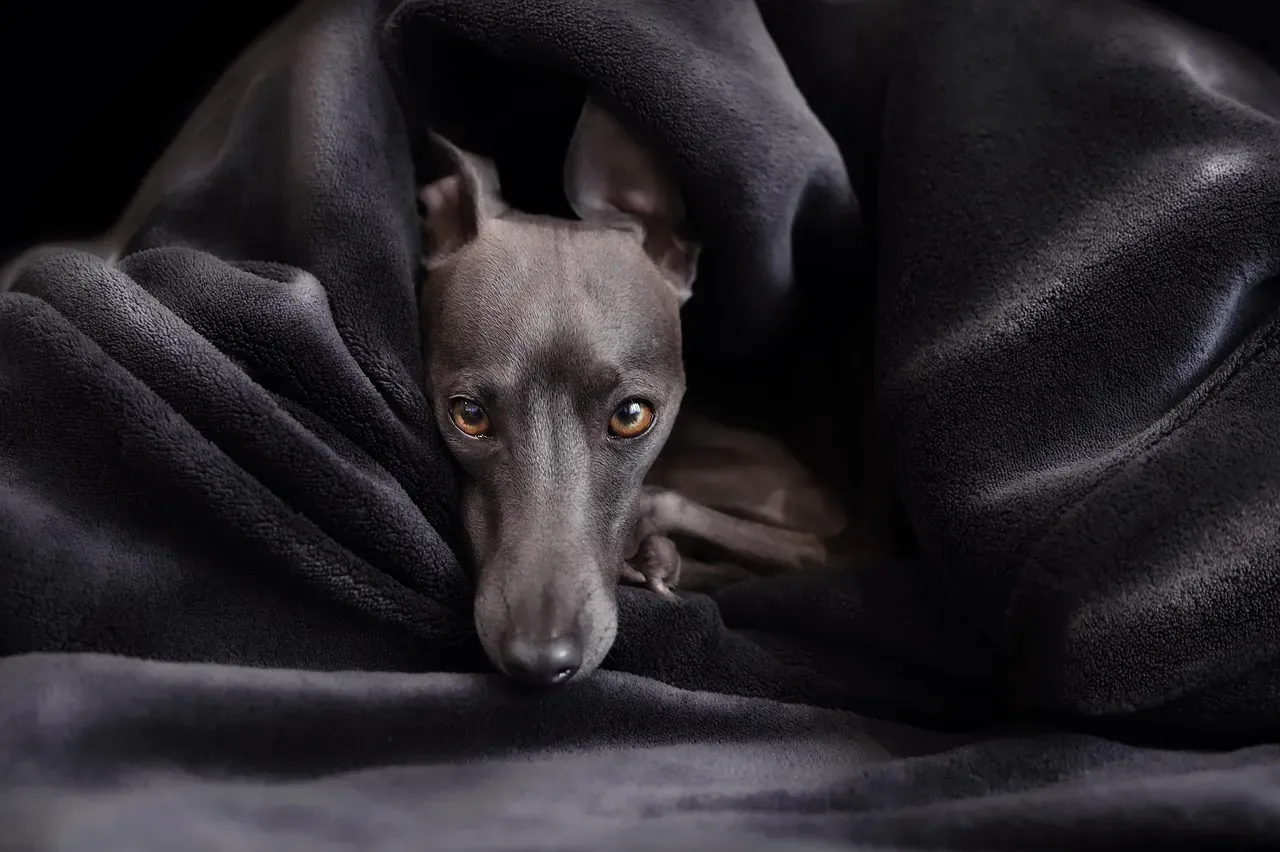
Greyhounds, despite their racing background, are known for being gentle and affectionate with their owners. What surprises most people is how deeply a Greyhound – a breed associated with speed, athleticism, and competition – can sink into quiet devotion for a single person. They spend most of their lives doing very little, pressed warmly against the person they’ve chosen, and that stillness becomes its own form of fierce attachment.
Greyhounds, originally bred for racing and hunting in ancient civilizations, are surprisingly devoted to a single person. Though generally gentle and friendly, they can be selective about whom they trust most. Greyhounds enjoy quiet companionship, often choosing to spend long hours resting near their favorite human. That quiet dependence means a grieving Greyhound often shows very few dramatic outward signs – no howling, no destructive behavior. Instead, they simply stop engaging, stop eating, and lie where their person used to be. That silence can be far more dangerous than visible distress.
12. Skye Terrier – The Breed That Watched Over a Grave for 14 Years
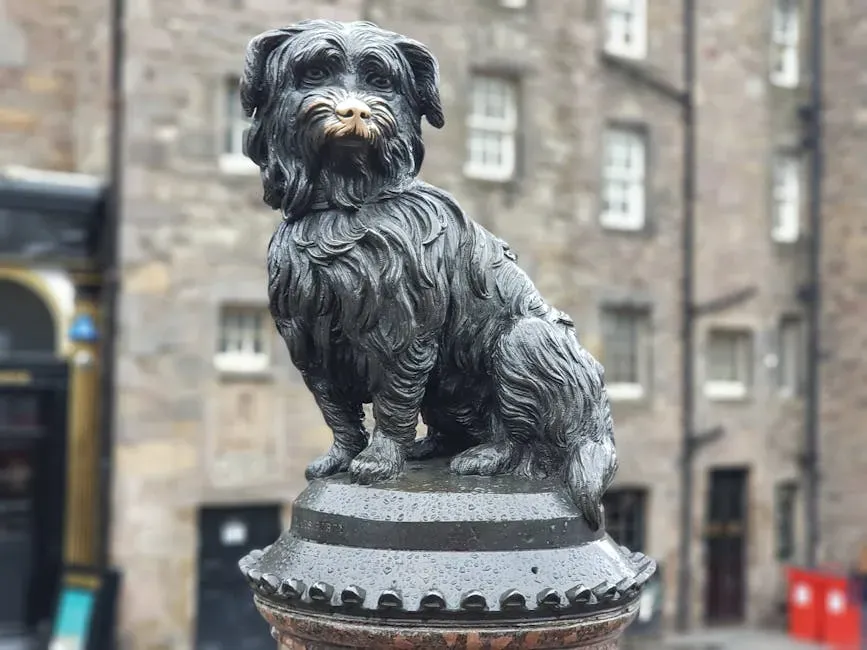
Perhaps no single story in the history of human-canine bonds captures canine grief more powerfully than Greyfriars Bobby. The most famous dog-grieving story of all time is that of Greyfriars Bobby, a Skye Terrier owned by Mr. John Gray of Edinburgh, Scotland. Mr. Gray passed away in 1858 and was buried in Greyfriars Churchyard. Bobby was one of the conspicuous mourners. As time went by he never forgot his deceased master. Every day for the next 14 years until his own death in 1872, Bobby spent each night lying on his master’s grave. In honor of Bobby’s devotion, a statue and water fountain was erected to his memory in 1873.
The Skye Terrier is a tenacious, quietly devoted breed with a nature built for singular partnership. Their small, unassuming frame hides a determination that borders on obsessive when it comes to the person they love. The emotional pain dogs feel on their owner’s death is an extension of, and an extreme, protracted version of separation anxiety. Bobby’s story isn’t an anomaly for this breed – it’s a portrait of what the Skye Terrier is capable of when loyalty is given everything and taken away in an instant.
The Science Behind a Broken Heart
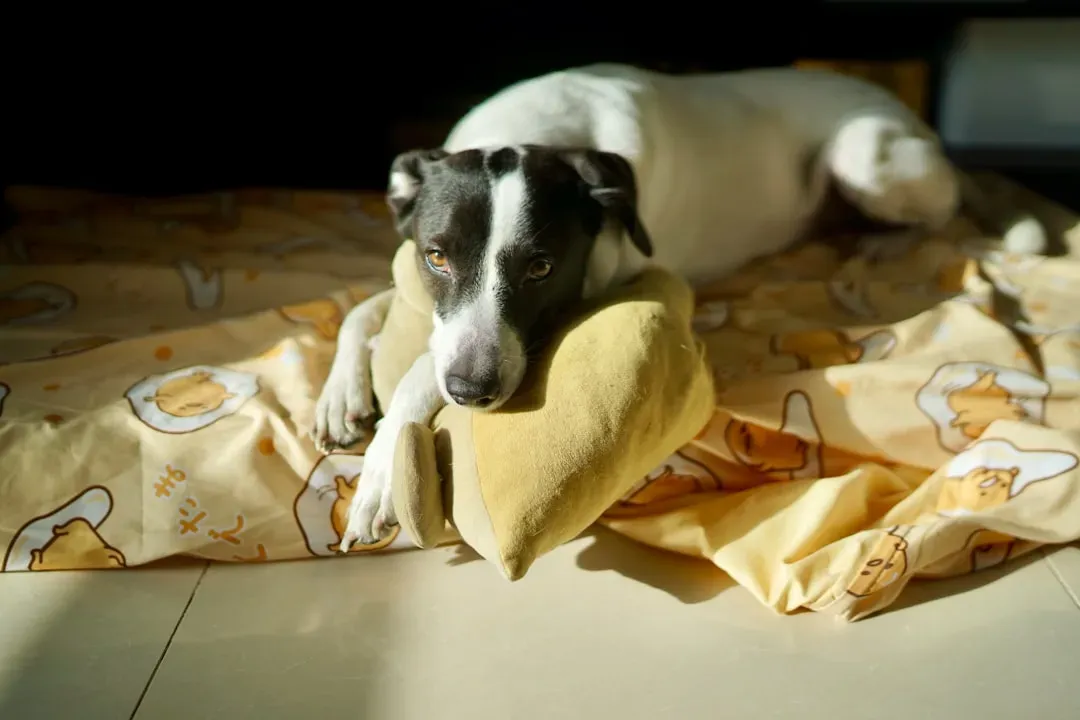
While we can’t definitively know what a dog is thinking or feeling, research suggests that they are capable of experiencing a range of emotions, including sadness and loss. Studies have shown that dogs exhibit stress responses, such as increased cortisol levels, when separated from their owners. The presence of a strong bond, built on shared experiences and mutual affection, likely contributes to the depth of their grief.
Many grieving dogs lose interest in food. They may eat less or refuse to eat altogether, especially if their mealtime routine was closely tied to their owner. The absence of the person who fed them can make food seem unimportant, and in severe cases, this can lead to weight loss and serious health concerns. This physical deterioration, when combined with prolonged psychological distress, creates a feedback loop that is genuinely difficult to interrupt. Dogs that have the hyper-attachment syndrome of separation anxiety are likely to be hard hit following their owners’ demise.
What You Can Do – and Why It Matters
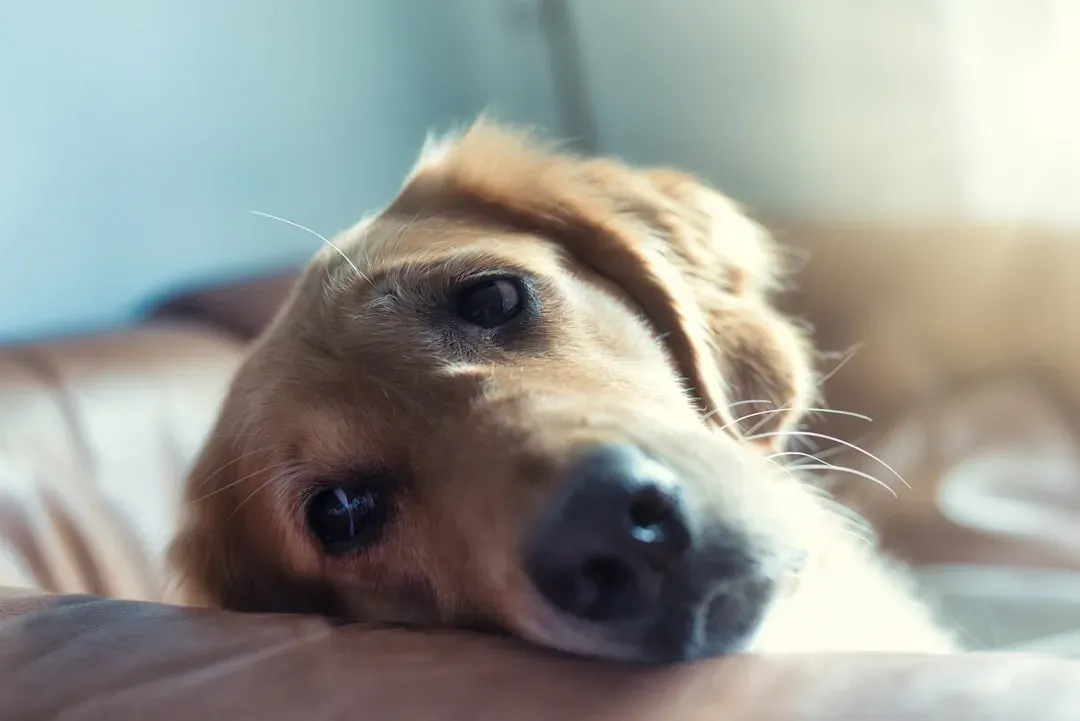
How long a dog grieves varies, but with time, most will recover emotionally. At the first sign of decline in physical or emotional health, consult a veterinarian to make sure the symptoms of grief aren’t masking symptoms of another illness. This distinction matters enormously. A dog that appears to be grieving may also be experiencing pain, illness, or a neurological condition that grief symptoms can disguise.
Where possible, allow time to heal the wounds and supply appropriate supportive care. Make sure the dog continues to eat and drink, even if this means assisted feeding of favorite foods. Provide company during the daytime and at night. Have the dog sleep in the bedroom with their caretakers and remaining human family. The message from behavioral experts is consistent: routine, presence, and patience are the most powerful interventions available. Just like humans, dogs benefit from a supportive environment when grieving. Maintaining social interaction with other family members and pets can provide comfort and distraction.
A Final Reflection
There is something both beautiful and sorrowful about a dog whose love is so complete that losing its source becomes a kind of fatal wound. The breeds on this list don’t love lightly or broadly. They love one person, fully, with everything they have. There’s no conclusive evidence to suggest that certain breeds grieve more intensely than others in every case. Individual personality and the strength of the bond are more significant factors than breed alone. Still, certain breeds carry a documented history and temperament that places them at far greater risk when that bond is severed by death.
The stories of Hachiko, Greyfriars Bobby, Ruswarp, and countless unnamed dogs who quietly faded after losing their person are not cautionary tales about loving dogs too much. They are, in my view, an extraordinary reminder of what it looks like when love is unconditional and without condition for return. These animals didn’t ask for anything except to be near the one who mattered. If you share your life with one of these breeds, you already know: the love they give is not something you simply own. It’s something you hold in trust. And they deserve to be held in return – especially when they are most at risk of losing themselves in grief.

- 14 Signs the Backyard Birds That Left Your Yard Are Quietly Coming Back - July 21, 2026
- 12 Cat Breeds Vets Refuse To Recommend to First Time Owners - July 21, 2026
- 6 US States With the Most Alligators - July 21, 2026