

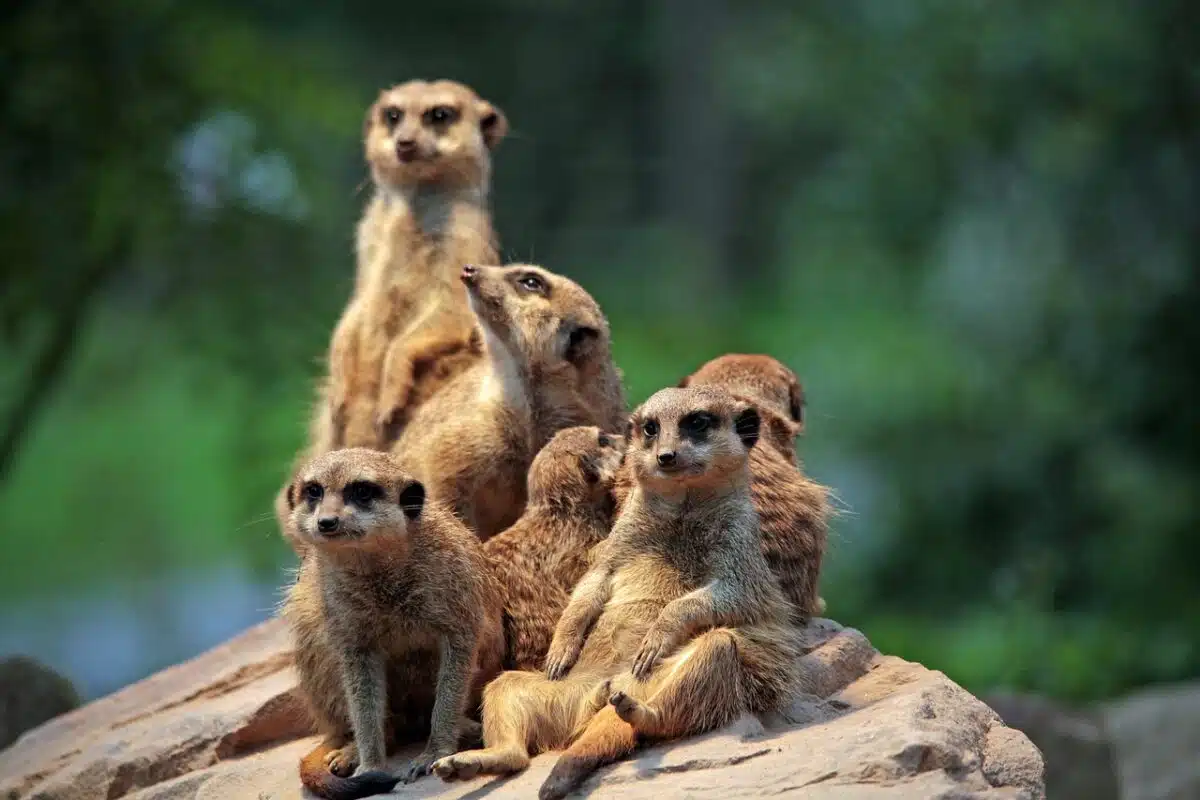
In the harsh landscapes of southern Africa, a remarkable system of communal vigilance has evolved among one of the region’s most charismatic mammals. Meerkats, those small, upright sentinels of the Kalahari, have developed an intricate social system where individuals take turns standing guard to protect their colonies from predators. This cooperative sentinel behavior represents one of nature’s most sophisticated defense mechanisms, ensuring the survival of the group through shared responsibility and sacrifice. As we explore the fascinating world of meerkat sentries, we’ll discover how these small creatures have mastered the art of collective security through a complex system of rotational guard duty that rivals human military strategies in its effectiveness and precision.
The Meerkat Society: A Cooperative Framework

Meerkats (Suricata suricatta) are highly social mammals belonging to the mongoose family. They live in colonies known as “mobs” or “gangs” that typically consist of 10-30 individuals, though larger groups of up to 50 have been documented. The foundation of meerkat society is cooperation, with members working together in virtually every aspect of life, from foraging and babysitting to territorial defense and predator detection.
This cooperative social structure creates the perfect environment for the evolution of their sentinel system, as individuals regularly sacrifice personal foraging time to benefit the group’s collective security. Within each mob, there exists a clear dominance hierarchy with an alpha pair that handles most of the breeding, while subordinate members assist with raising young and defending the territory.
The Dangers of Desert Life
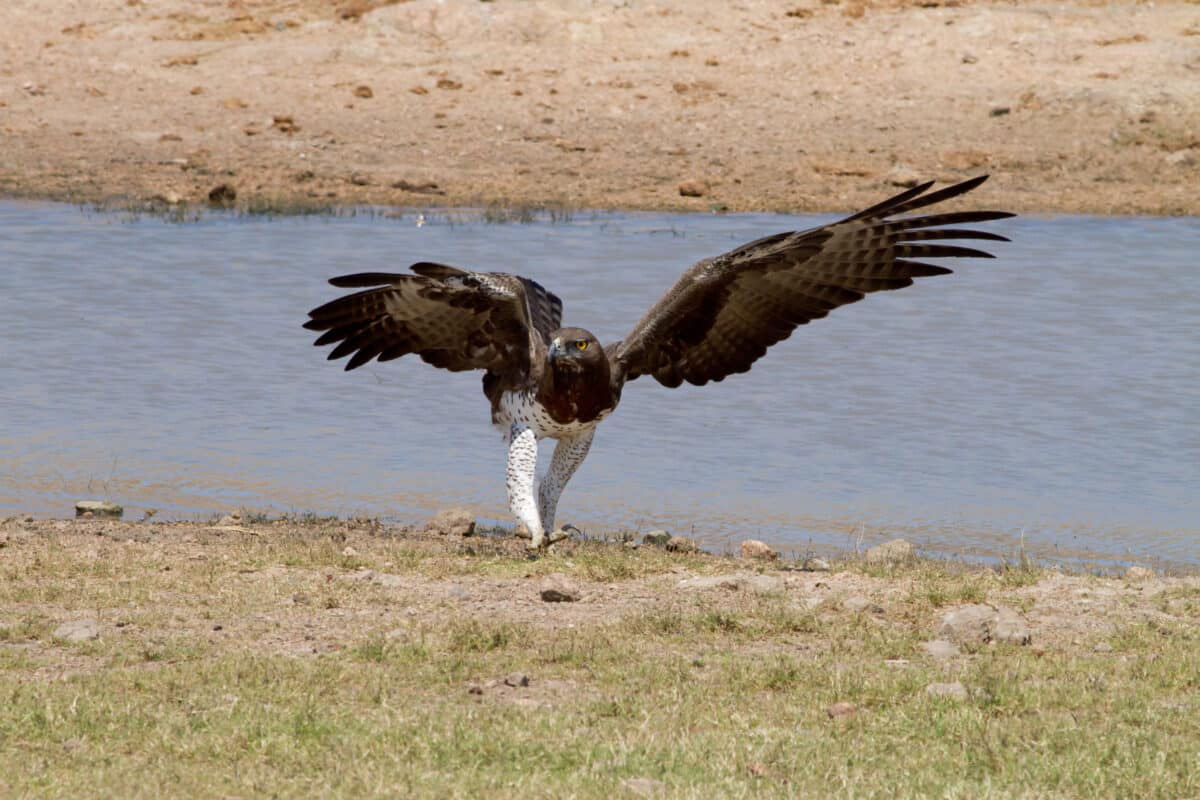
The harsh environment of the Kalahari Desert and other arid regions of southern Africa presents numerous threats to meerkats. These small mammals, weighing just 1.5-2 pounds (0.7-0.9 kg), face predation from aerial hunters like martial eagles and goshawks, as well as terrestrial predators including jackals, caracals, and cape cobras. Without their elaborate sentinel system, meerkats would be extraordinarily vulnerable while foraging.
When digging for insects, scorpions, and small vertebrates in the sandy soil, meerkats must focus their attention downward, creating dangerous blind spots that predators could exploit. The sentry system evolved specifically to address this vulnerability, allowing colony members to feed efficiently while maintaining constant vigilance against approaching threats.
The Sentinel Post: A Position of Responsibility

When a meerkat assumes sentry duty, it adopts a distinctive posture that has become emblematic of the species. The sentinel typically finds an elevated position—a termite mound, rock, or small tree—and stands bipedally on its hind legs, creating a higher vantage point for spotting distant predators. With back straight and head constantly scanning the horizon, the sentry maintains this vigilant posture for its entire shift, which typically lasts between 20 minutes and one hour.
Research has shown that sentries rotate approximately every 25 minutes on average, though this duration can vary based on factors like temperature, predator activity, and the individual meerkat’s condition. The sentinel’s forepaws remain free to shade its eyes from the harsh desert sun or to gesture in certain alarm situations.
The Communication System: A Complex Alarm Language
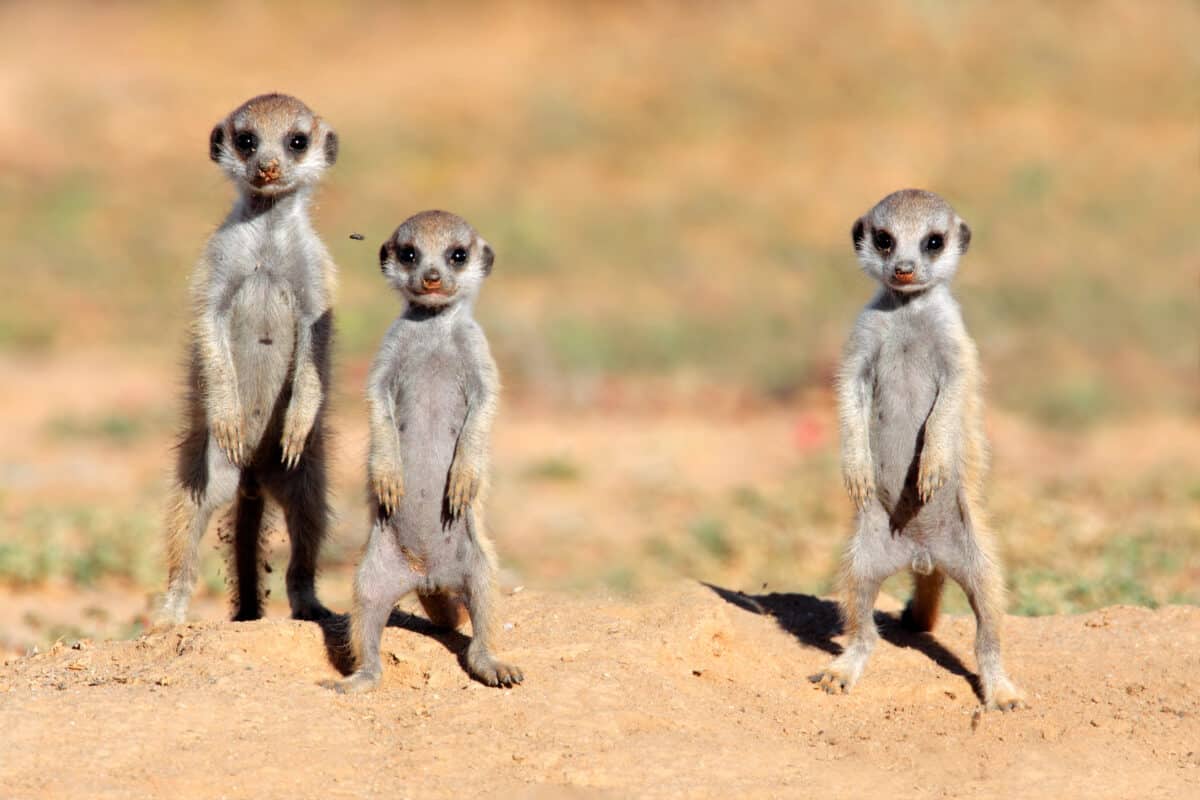
Meerkat sentries have developed a sophisticated vocal communication system that conveys specific information about potential threats. Rather than using a single alarm call, sentries employ a range of distinct vocalizations that communicate the type of predator (aerial or terrestrial), its distance, and the urgency of the threat.
Researchers have identified at least 30 different calls in the meerkat vocabulary, with many dedicated to predator alerts. For example, a short, sharp bark indicates an aerial predator, prompting colony members to look up and dash to the nearest burrow, while a different call signals a ground predator, causing meerkats to stand tall and locate the threat before deciding whether to flee. This nuanced communication system allows the colony to respond appropriately to different threat levels, optimizing their survival chances while minimizing unnecessary disruptions to foraging.
The Rotation System: Taking Turns for Collective Safety
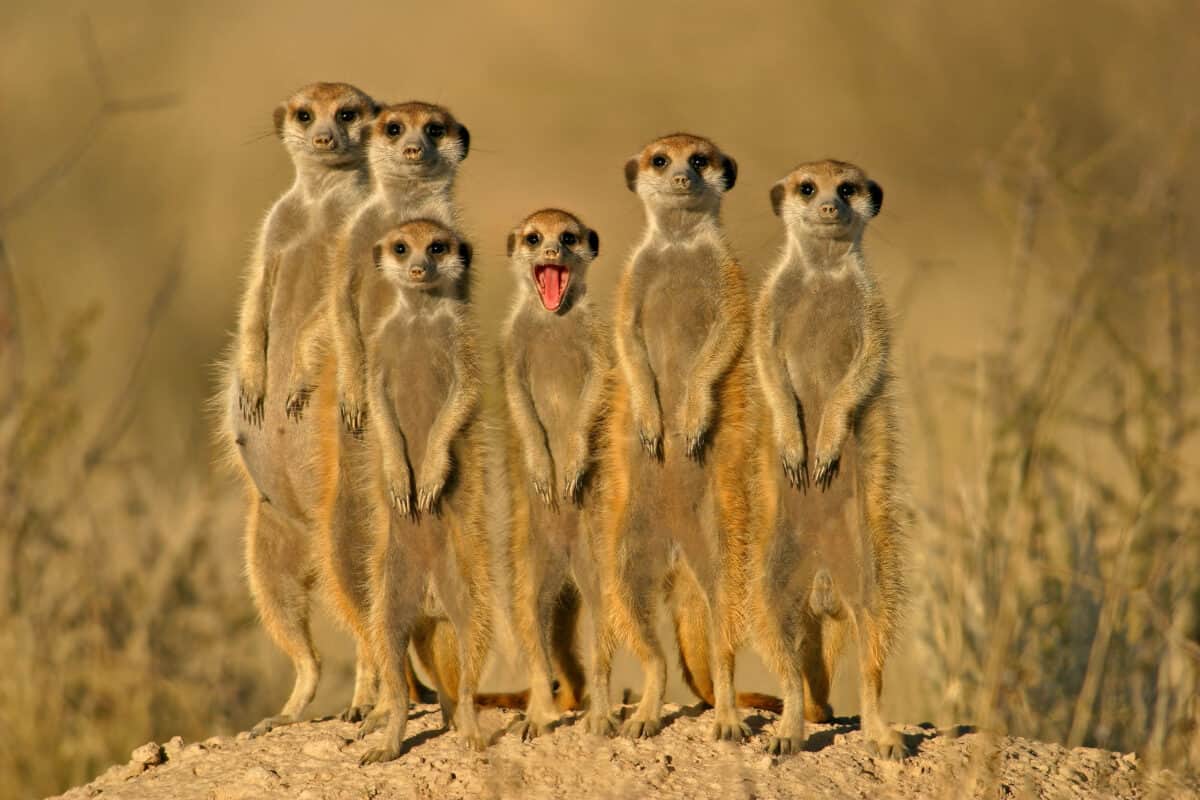
The meerkat sentinel system operates as a voluntary rotation, with individuals spontaneously assuming guard duty throughout the day. Contrary to early assumptions, research has revealed that no formal “schedule” exists, nor do dominant animals force subordinates into sentry roles. Instead, the system functions through a combination of individual decision-making and response to colony needs. Typically, a well-fed meerkat will voluntarily assume sentry duty, allowing hungrier group members to forage efficiently.
When the current sentinel requires nourishment, it will descend from its post, and another colony member will usually take its place within minutes. This self-regulating system ensures that sentinel duties are shared among capable adults in the colony, with individuals typically performing multiple sentry shifts throughout the day. Studies have shown that on average, meerkats spend about 12-15% of their active time serving as sentinels.
Nutritional Requirements for Sentry Duty
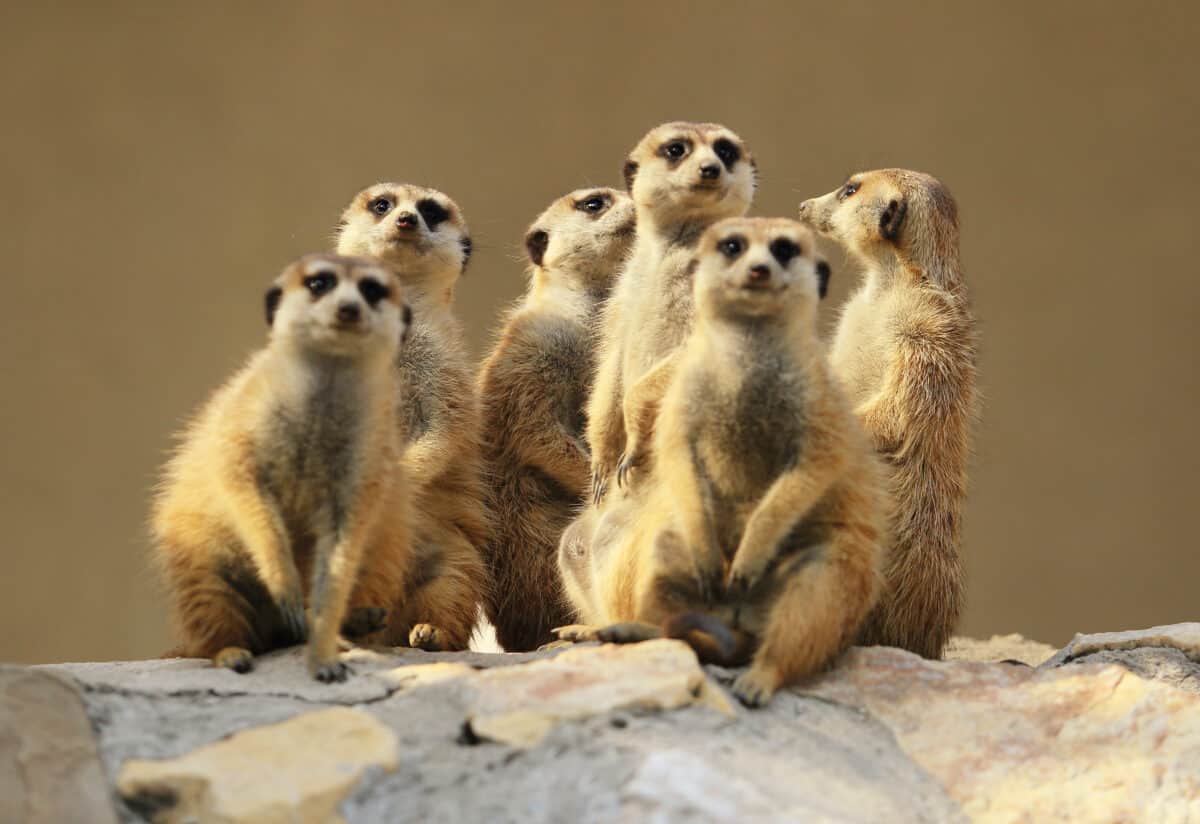
The relationship between nutrition and sentinel behavior in meerkats illustrates the sophisticated nature of their cooperative system. Research conducted by Cambridge University zoologists has demonstrated that meerkats are more likely to assume sentinel duty when they have satisfied their immediate nutritional needs. Through experimental feeding of specific colony members, scientists observed that supplementally fed meerkats were approximately three times more likely to take sentinel positions than unfed controls.
This finding supports the theory that sentinel behavior represents a state-dependent activity that individuals perform when they can afford the energetic costs of temporarily forgoing foraging. The nutritional threshold required for sentinel duty also explains why sentries rotate regularly—as the standing guard’s hunger increases, another better-fed individual takes over, maintaining continuous protection while allowing all members to meet their nutritional requirements.
The Development of Sentinel Skills in Young Meerkats

Young meerkats aren’t born knowing how to serve as effective sentries; this complex behavior develops gradually through observation and practice. Juvenile meerkats begin showing interest in sentinel behavior around three months of age, often briefly standing on their hind legs and mimicking adult postures. However, they rarely perform actual sentry duty until they reach approximately six months of age, and they don’t become fully reliable sentinels until sexual maturity at around one year.
During this developmental period, young meerkats observe adult sentinels and practice both the vigilance behaviors and the alarm vocalizations. Research has shown that young meerkats exposed to frequent adult sentinel behavior develop their own sentry skills faster than those with fewer role models. This apprenticeship period ensures that the critical knowledge of threat recognition and appropriate response is transferred between generations, maintaining the colony’s collective security system.
Gender and Dominance in Sentinel Behavior
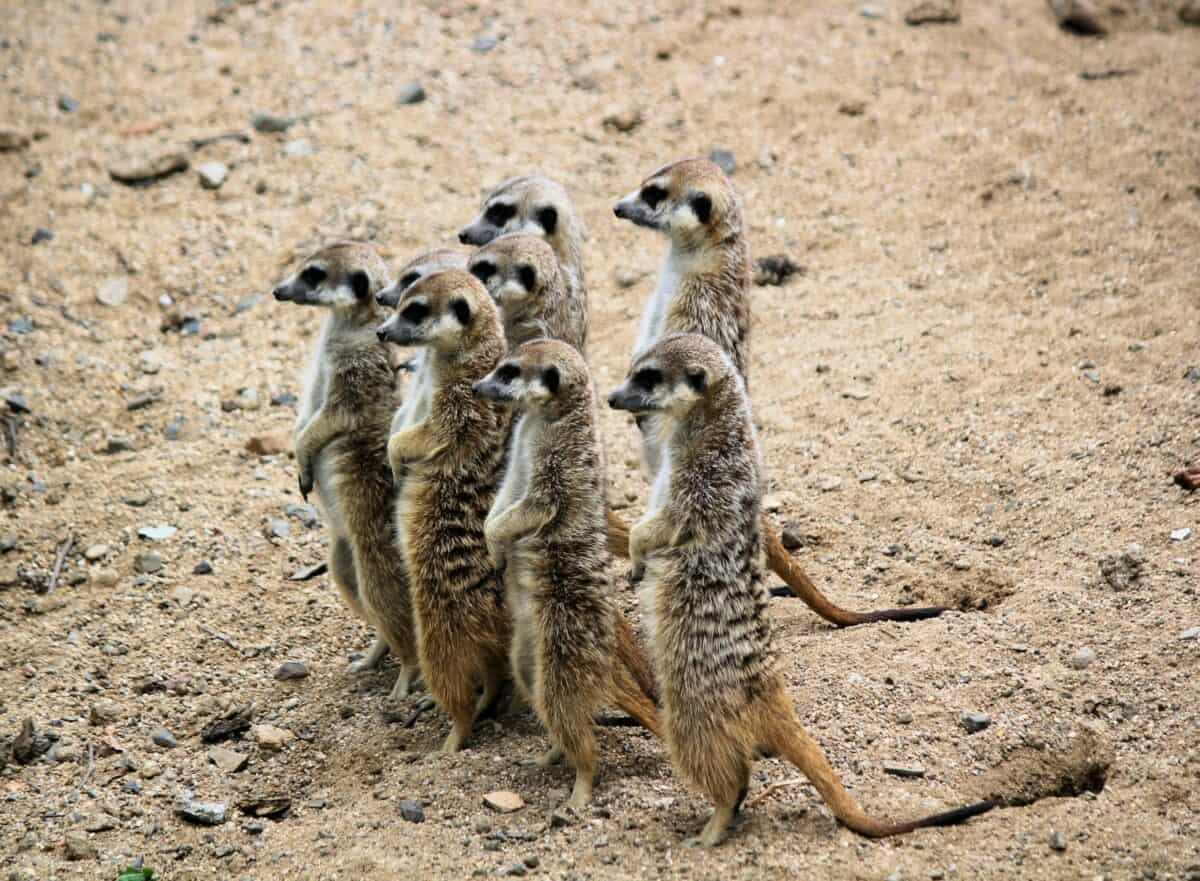
Studies of meerkat sentinel behavior have revealed interesting patterns related to sex and social status within the colony. While both males and females perform sentry duty, research indicates that adult males typically spend more time as sentinels than females of equivalent rank. This gender difference may reflect the division of reproductive labor within meerkat society, where females invest more energy in pregnancy, lactation, and pup care.
Regarding dominance, the alpha male often performs sentinel duty more frequently than subordinate males, which contradicts the early hypothesis that dominant animals might force sentinel duty onto lower-ranking individuals. Instead, the alpha male’s increased sentinel activity likely reflects his greater investment in the colony (which contains his offspring) and possibly his better nutritional state due to preferential access to food resources. This pattern demonstrates how the sentinel system integrates with the broader social structure of meerkat society.
Environmental Factors Affecting Sentinel Behavior
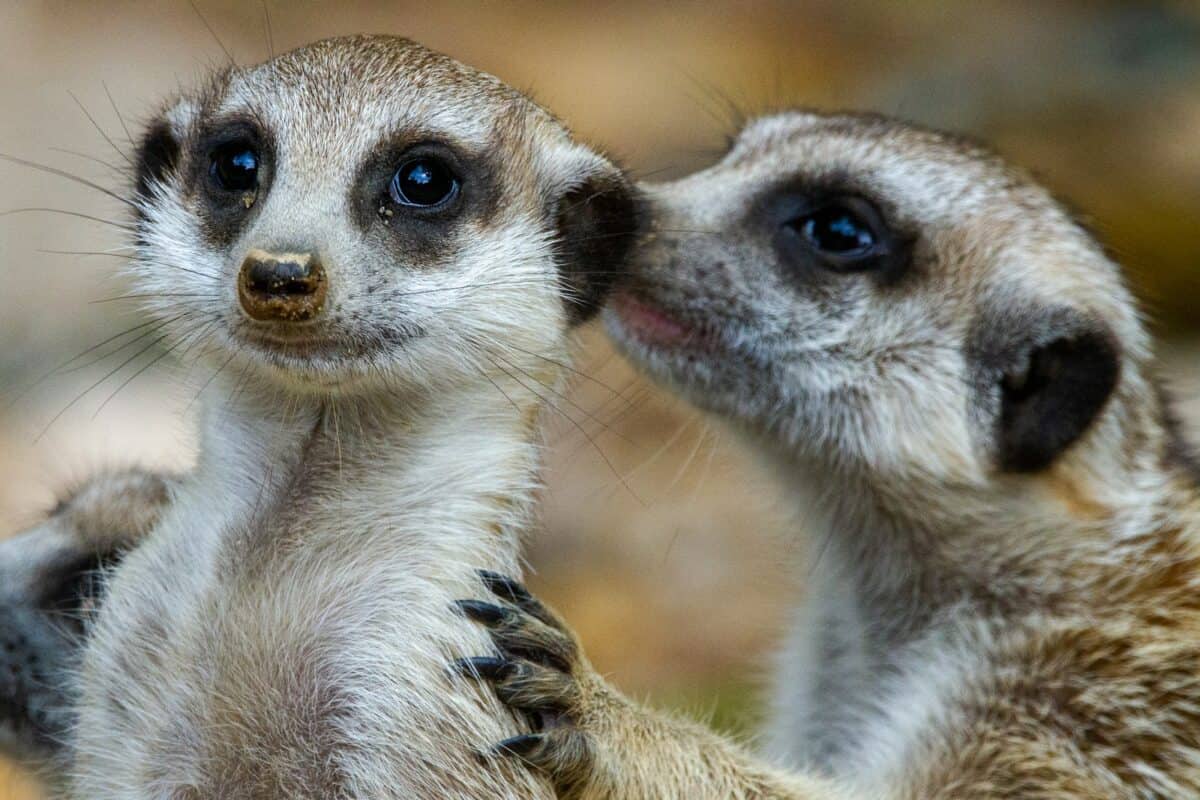
The frequency and duration of meerkat sentinel shifts fluctuate in response to environmental conditions. During periods of high predator activity, colonies typically maintain continuous sentinel coverage, with smooth transitions between guards ensuring no gaps in surveillance. Weather conditions also significantly impact sentinel behavior; during extreme heat, sentinel shifts tend to be shorter to prevent overheating in the exposed standing position.
Similarly, in cold or windy conditions, meerkats reduce time spent as sentinels due to increased energy expenditure. Food availability represents another crucial factor—during times of resource scarcity, less time is dedicated to sentinel behavior as individuals prioritize foraging. Researchers have documented seasonal variations in sentinel activity, with coverage typically highest during the breeding season when vulnerable pups increase the colony’s need for vigilance. This flexibility in response to changing conditions highlights the sophisticated nature of the meerkats’ cooperative defense strategy.
The Benefits of Sentinel Service

The meerkat sentinel system provides clear survival advantages to the entire colony, but questions remain about individual motivation for this apparently altruistic behavior. Current research suggests that sentinel duty offers direct benefits to the guard in addition to helping kin. First, sentries gain preferential access to information about approaching predators, potentially giving them a head start in fleeing to safety. Second, elevated positions may actually be safer than ground-level foraging in some circumstances, particularly against certain terrestrial predators. Third, sentinel service may function as a form of social prestige, potentially increasing an individual’s status within the group. Finally, by facilitating efficient foraging for the entire colony, sentries indirectly benefit from the increased resource acquisition of the group as a whole. These multiple benefits help explain why meerkats voluntarily perform sentinel duty without coercion, creating a stable cooperative system that enhances group survival.
Research Methods for Studying Meerkat Sentinels

Scientists have employed various innovative techniques to study meerkat sentinel behavior in the wild. The most comprehensive research comes from the Kalahari Meerkat Project, a long-term study that has monitored habituated meerkat colonies in South Africa since 1993. Researchers individually mark meerkats with dye patterns and microchips, allowing them to track specific animals throughout their lives. Observational studies record which individuals perform sentinel duty, for how long, and under what conditions.
To investigate nutritional effects, scientists conduct controlled feeding experiments, providing supplemental food to certain individuals and measuring subsequent sentinel behavior. Audio recording equipment captures and analyzes the complex alarm calls, while video documentation helps quantify postures and vigilance behaviors. Some studies have even employed experimental presentations of predator models or playbacks of alarm calls to measure response accuracy. These diverse research approaches have collectively built our detailed understanding of this remarkable cooperative behavior.
Comparisons with Other Cooperative Species

While meerkats have one of the most studied sentinel systems, they are not the only species to evolve cooperative vigilance behaviors. Comparative research reveals similarities and differences with other social mammals and birds. Dwarf mongooses, close relatives of meerkats, employ a similar rotational sentinel system, though with less complex alarm communications. Prairie dogs maintain colony vigilance with multiple sentinels simultaneously calling warnings about predators.
Among birds, Florida scrub-jays, acorn woodpeckers, and Arabian babblers all demonstrate sentinel behaviors, with individuals taking elevated positions to watch for threats while group members forage. The independent evolution of sentinel systems across diverse taxa suggests that this cooperative strategy represents an optimal solution to the challenge of maintaining vigilance while foraging efficiently. However, the meerkat system stands out for its complexity, with its nuanced alarm calls and well-coordinated rotation pattern demonstrating one of the most sophisticated cooperative defense mechanisms in the animal kingdom.
Conclusion: The Evolutionary Marvel of Meerkat Sentinels
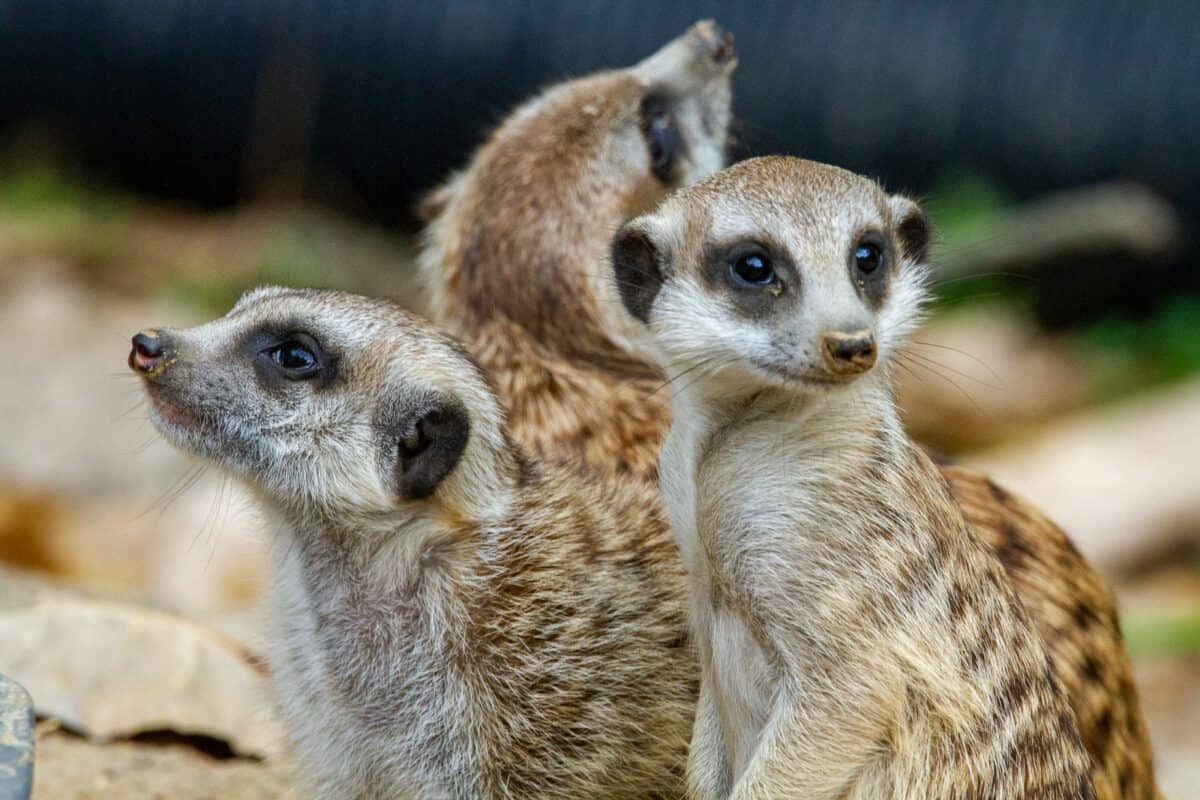
The meerkat sentinel system represents one of nature’s most elegant solutions to the challenge of surviving in a predator-rich environment while meeting nutritional needs. Through their rotational guard duty, sophisticated alarm communications, and voluntary sharing of surveillance responsibilities, meerkats have created a cooperative security system that allows their colonies to thrive in harsh conditions.
This remarkable behavior demonstrates how natural selection can favor cooperation when the benefits to the group translate to enhanced survival for individuals. As scientists continue studying these charismatic desert dwellers, we gain not only insights into meerkat society but also broader understanding of how cooperation evolves in social species. The meerkat sentinel, standing vigilant on its desert watchtower, serves as a powerful reminder of how shared responsibility and collective action can create survival advantages that no individual could achieve alone.

From exploring the marine wonders in the Azores and witnessing the vast savannas of Kenya, to delving deep into the rich biodiversity of South Africa and traversing iconic landscapes in Australia and the US like Yellowstone, Chris's experiences are vast.
With a penchant for diving alongside sharks, the ocean holds a special place in his heart.
Through his academic insights, he champions wildlife conservation, striving with 'Animals Around The Globe' to cultivate a profound connection between humans and animals, enhancing our mutual appreciation.
Connect with him at Feedback@animalsaroundtheglobe.com.
- Why Spiders Don’t Get Stuck in Their Own Webs - July 20, 2026
- What Scientists Found in a 10,000-Year-Old Beehive - July 20, 2026
- This Spider Builds Fake Decoys of Itself - July 20, 2026