
Worried about unexpected vet bills?
Pet insurance can cover thousands in unexpected vet costs. Get a free quote from Lemonade in under 2 minutes.
Get My Free Quote →Sponsored · Opens Lemonade.com
There’s something special about watching a dog grow old gracefully. The gray around the muzzle, the slower walk, and the wisdom in their eyes tell a story of years well lived. Not everyone gets to experience those golden years with their canine companion though. Some breeds are simply built for longevity, blessed with genetics that keep them sprinting through their senior years while other dogs are already slowing down.
Honestly, longevity isn’t just about adding years to their life. It’s about adding life to their years. These breeds seem to have won the genetic lottery, staying active, healthy, and full of personality when many others would be dealing with chronic issues or declining health. Let’s dive into the breeds that are known for their remarkable ability to age like fine wine.
Australian Cattle Dog
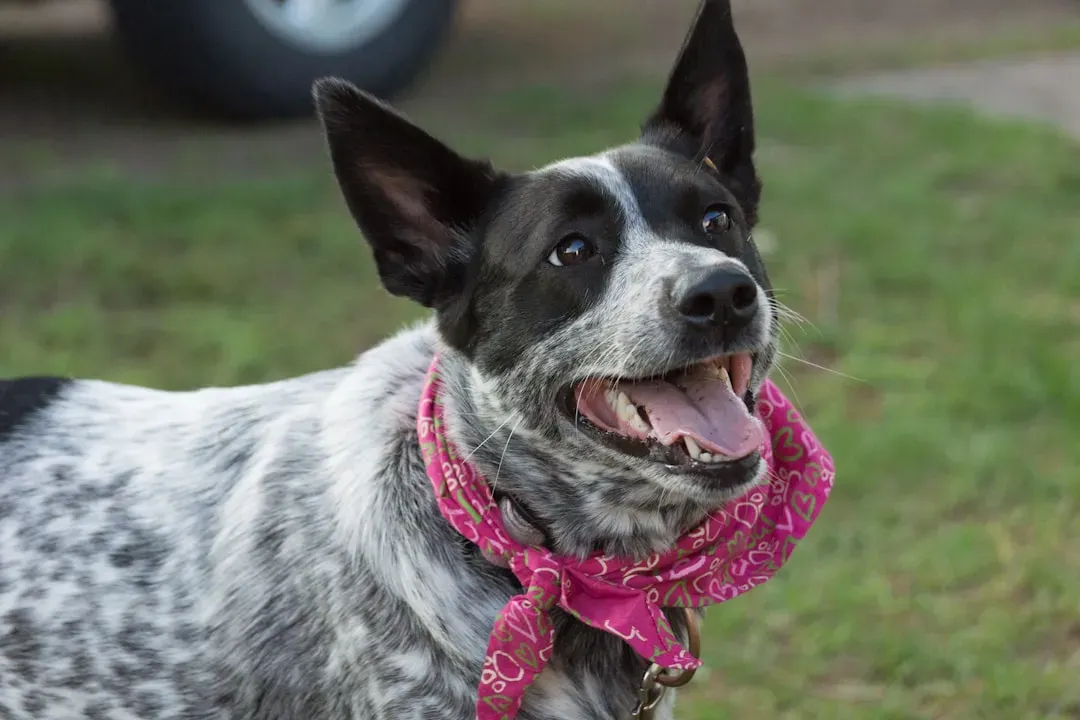
An Australian Cattle Dog named Bluey holds the world record for the oldest dog, living to 29 years. That’s not just a fluke. The average lifespan of an Australian Cattle Dog is typically between 12 to 15 years, and this breed is known for its robust health and vitality.
These dogs were bred for the harsh Australian outback, herding cattle across vast distances under brutal conditions. That kind of work demands durability, and it shows. Australian Cattle Dogs are renowned not only for their intelligence and working ability but also for their exceptional health, with a life expectancy of 12 to 16 years.
Their genetic pool is relatively diverse compared to some other breeds, which helps reduce inherited diseases. The energetic nature and work ethic of the Australian Cattle Dog contributes to its overall health and longevity, with regular exercise and engagement providing essential physical and mental stimulation. These aren’t couch potato dogs, which might be exactly why they live so long.
The breed does have some potential health concerns like hip dysplasia and progressive retinal atrophy, but these occur at lower rates than in many other breeds. Their active lifestyle and need for mental challenges keep them young at heart.
Beagle
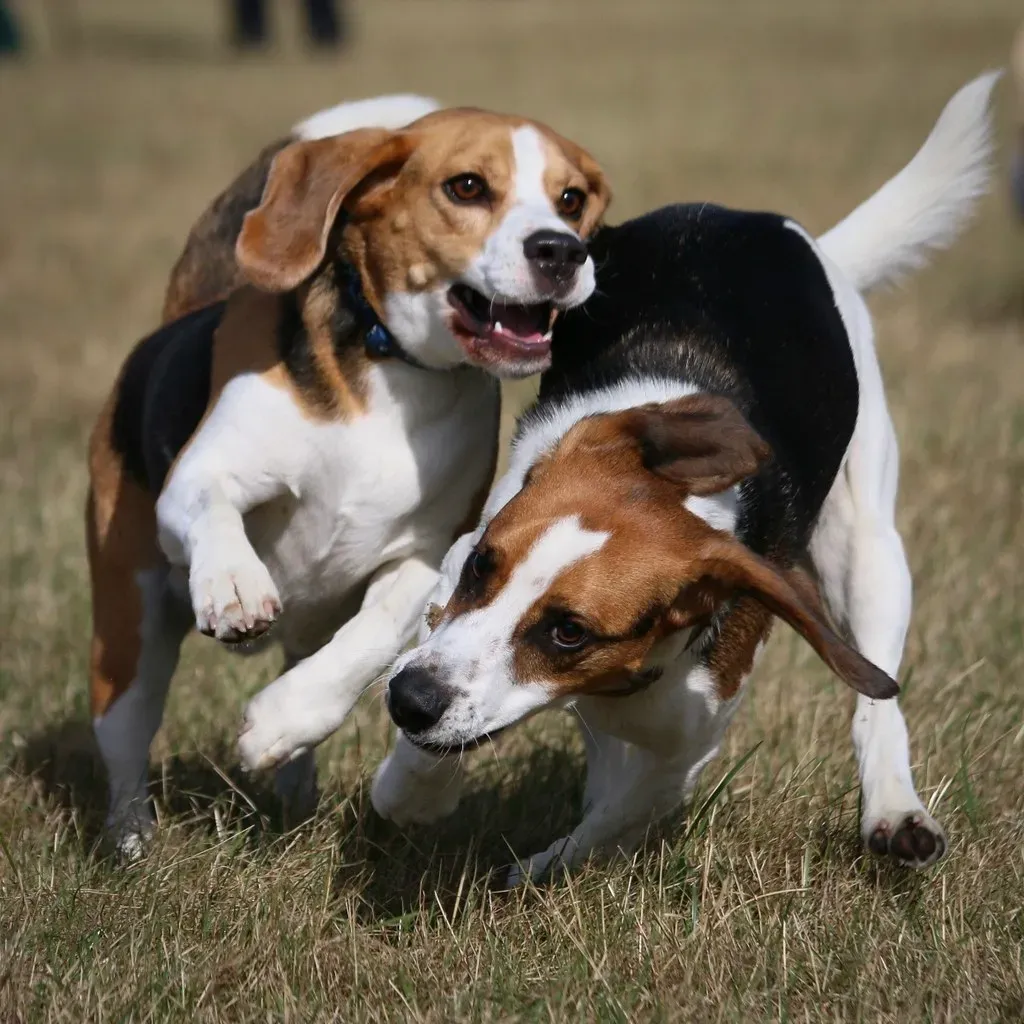
Beagles are not only known for their keen sense of smell and friendly disposition but also for their general healthiness, typically living between 10 to 15 years. Their compact size and sturdy build give them an advantage when it comes to longevity.
These hounds were bred for endurance, designed to track game for hours without tiring. That stamina translates into overall vitality that lasts well into their senior years. With a typical lifespan of 12 to 15 years, these dogs are considered to have a relatively long life expectancy for canines.
Perhaps one of the most popular breeds of all time, the Beagle is also among the longest-living breeds at an average age expectancy of 12-15 years. Their friendly, curious nature keeps them engaged with life, which might contribute to their longevity. They’re less prone to genetic diseases than many other breeds, though they do require regular exercise to prevent obesity.
Beagles are generally easy to care for, which makes maintaining their health straightforward. Keep them at a healthy weight, give them plenty of opportunities to use that incredible nose, and they’ll likely be your companion for a good long time.
Chihuahua
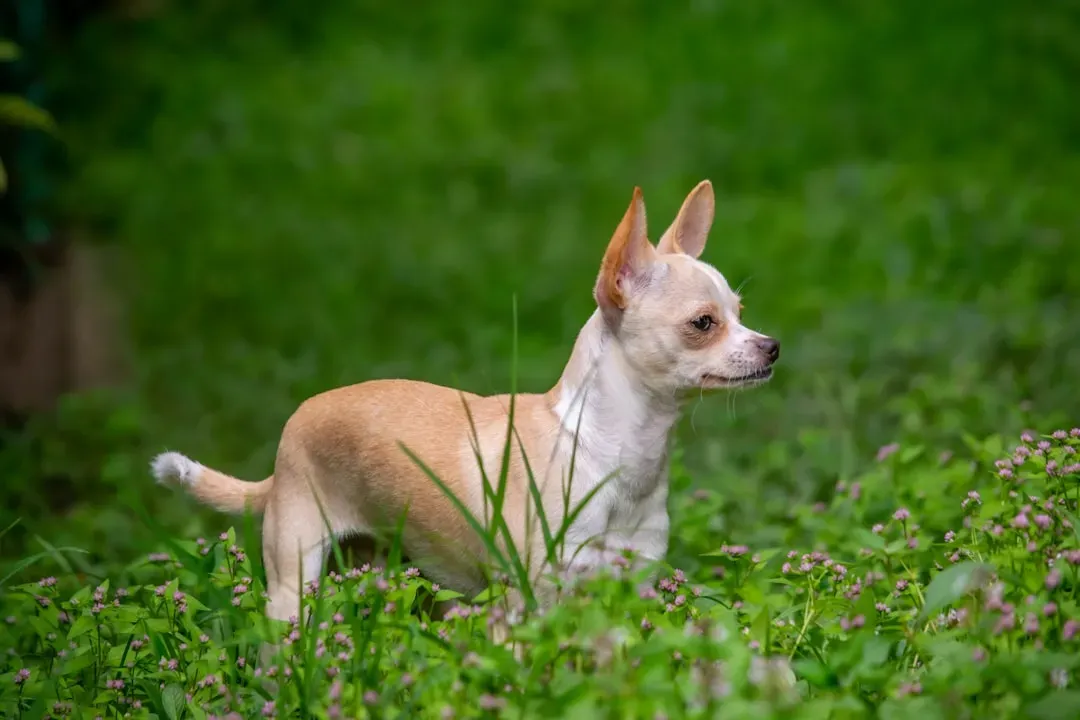
Size matters when it comes to canine longevity, and nobody proves that better than the Chihuahua. The Chihuahua holds the record for one of the longest-living dog breeds, with an average lifespan of 14 to 17 years, and some even reaching their early 20s.
The breed is tiny but hardy and is one of the healthiest dog breeds. Their small size means less strain on their joints and organs over the years. Think about it like this: a tiny engine doesn’t have to work as hard as a massive one to keep things running.
It’s that diminutive stature that helps to contribute to the average lifespan of the breed at roughly 18 years. These little dogs have massive personalities packed into pint-sized bodies, and they maintain that feisty spirit well into their senior years. They don’t require extensive exercise, which means they’re not wearing down their bodies with excessive physical stress.
That said, they can be prone to dental issues and patellar luxation as they age. Regular vet checkups and proper dental care can keep most of these issues at bay.
Shiba Inu
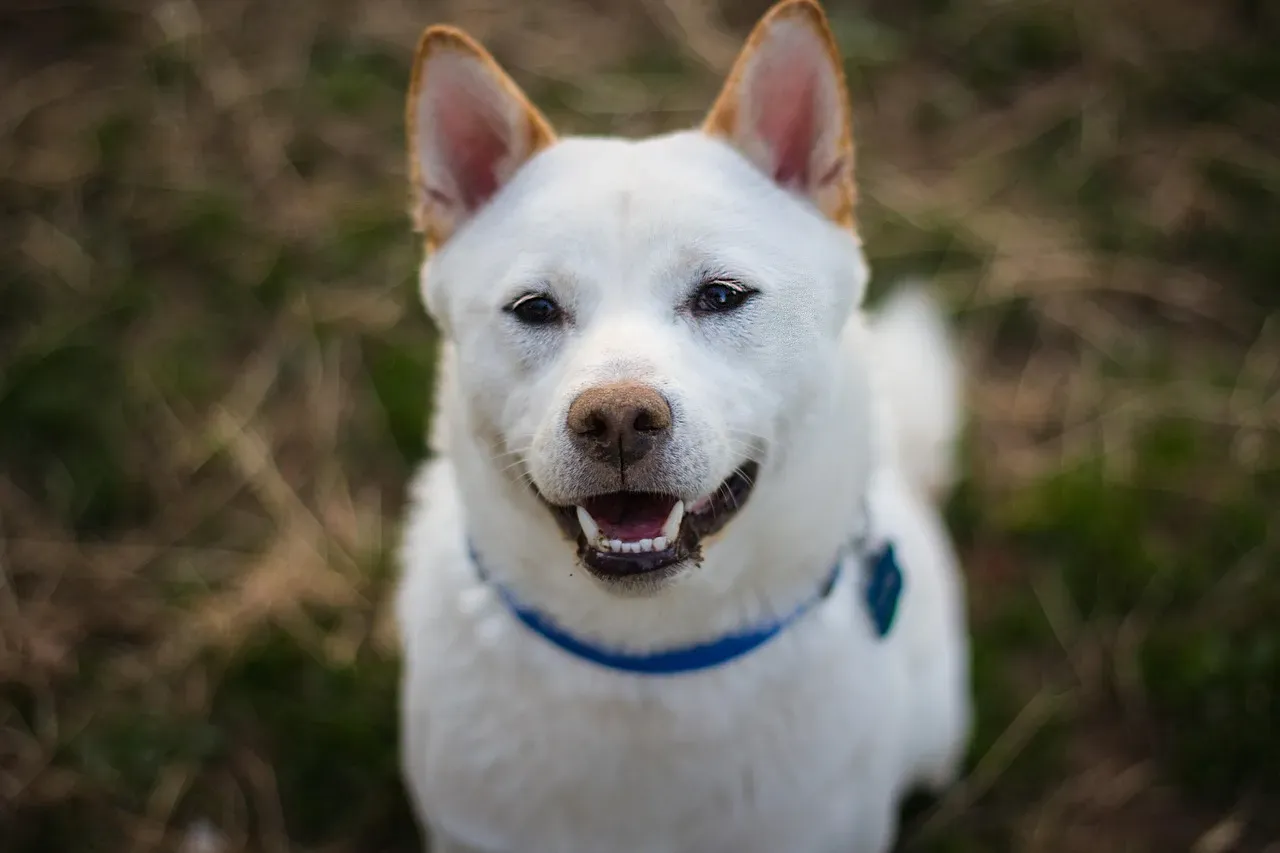
Shiba Inu, a hunting breed from Japan, has an average lifespan of 13-16 years. These ancient dogs have been around since roughly 300 B.C., and natural selection over thousands of years has weeded out many genetic weaknesses.
They are a relatively healthy breed, but Shibas can often suffer from skin allergies, ear allergies, and dental disease. Compared to many breeds, that’s a pretty short list of potential problems. The Shiba Inu is a generally healthy breed with an average lifespan of 12-13 years.
These fox-like dogs are fastidiously clean and independent, often grooming themselves like cats. That self-sufficient nature might contribute to their overall health. They’re naturally alert and active, maintaining their energy levels well into old age.
The breed’s primary health concerns are manageable with proper care. They’re not prone to the joint issues that plague many larger breeds, and their moderate size gives them the best of both worlds when it comes to longevity.
Poodle (All Sizes)

Toy Poodles are the smallest of the three Poodle sizes and have the longest lifespan, though small, Toy Poodles have a big personality and an even bigger brain. All three sizes of Poodles (Toy, Miniature, and Standard) are known for their health and longevity.
Poodles enjoy a good, long life because they are also one of the healthiest dog breeds, meaning they have lower genetic disease risks than others. Their intelligence might actually play a role in their longevity. Smart dogs tend to engage more with their environment, which keeps them mentally sharp and physically active.
There are four sizes of this breed, each one with an average lifespan of around 12-15 years. The smaller varieties tend to live even longer, with Toy Poodles frequently reaching 18 years or more. They’re easy to train, adaptable, and maintain their playful nature throughout their lives.
These dogs do require regular grooming, but that’s a small price to pay for a breed that experiences relatively few serious health issues. Their athletic ability and enthusiasm for learning new tricks keeps them young at heart.
Dachshund

Dachshunds, Toy Poodles, and Jack Russell Terriers are known for their strong genetics and overall health. Those low-slung bodies might look comical, but they house remarkably durable dogs.
Despite their elongated spines, which can sometimes lead to back issues, Dachshunds are generally healthy and long-lived. Their small size gives them an advantage in longevity, and their spirited personalities keep them engaged with life well into their senior years.
These little hunters were bred to chase badgers into their dens, which required both courage and stamina. That toughness translates into dogs that can handle the challenges of aging better than many breeds. They maintain their feisty, determined nature throughout their lives.
Keeping them at a healthy weight is crucial to prevent back problems, but with proper care, Dachshunds frequently live well into their mid-teens. Their devotion to their families keeps their tails wagging year after year.
Australian Shepherd
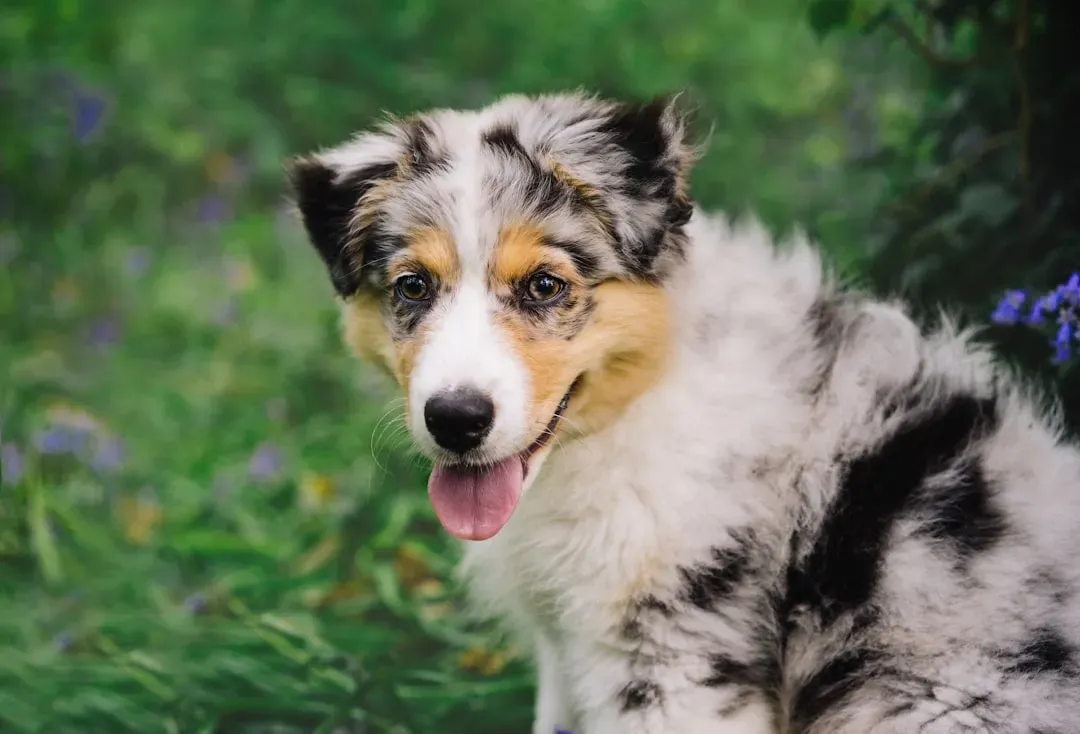
Australian Shepherds, another medium-size dog, can live just as long as many toy breeds. That’s impressive for a dog of their size and energy level. Healthy and fit, the Australian Shepherd has few genetic health issues.
These herding dogs were developed on American ranches, despite their misleading name. They needed to be tough, smart, and resilient to handle the demands of ranch work. That breeding has resulted in dogs with exceptional longevity for their size.
Their high energy levels and need for mental stimulation keep them physically fit and mentally sharp throughout their lives. An active Australian Shepherd is a healthy Australian Shepherd, and their work ethic means they’re rarely content to just lie around and age.
The breed does require significant exercise and mental challenges, but that’s exactly what keeps them thriving into old age. They’re proof that staying active and engaged is the fountain of youth for dogs.
Border Collie
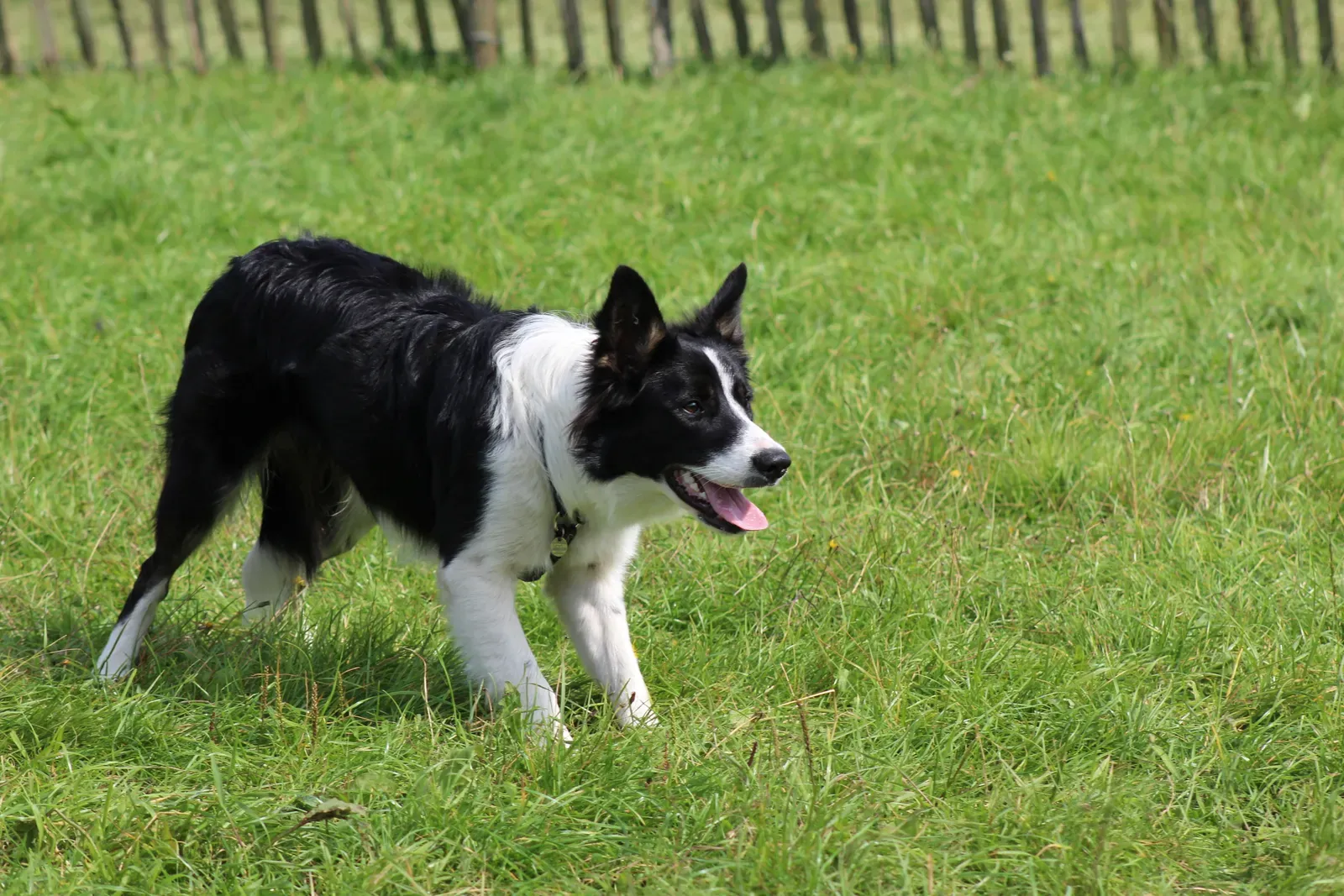
The need to move keeps Border Collies young at heart, well into old age, with an average lifespan of 12 years, staying busy herding livestock and winning first place at dog shows with their agility. These workaholic dogs simply don’t know how to slow down.
Widely considered the most intelligent dog breed, Border Collies maintain their sharp minds and athletic abilities well into their senior years. Their intense drive and focus on tasks keep them mentally engaged, which seems to translate into longevity.
They do have some genetic health concerns, but overall, they’re a remarkably healthy breed. Their medium size gives them an advantage over larger breeds, and their athletic lifestyle keeps them in peak physical condition throughout most of their lives.
These dogs need jobs to do, whether that’s actual herding work or dog sports like agility and flyball. That constant physical and mental stimulation is probably one reason they age so gracefully. A bored Border Collie might age faster, but a working one seems to stay forever young.
Miniature Schnauzer
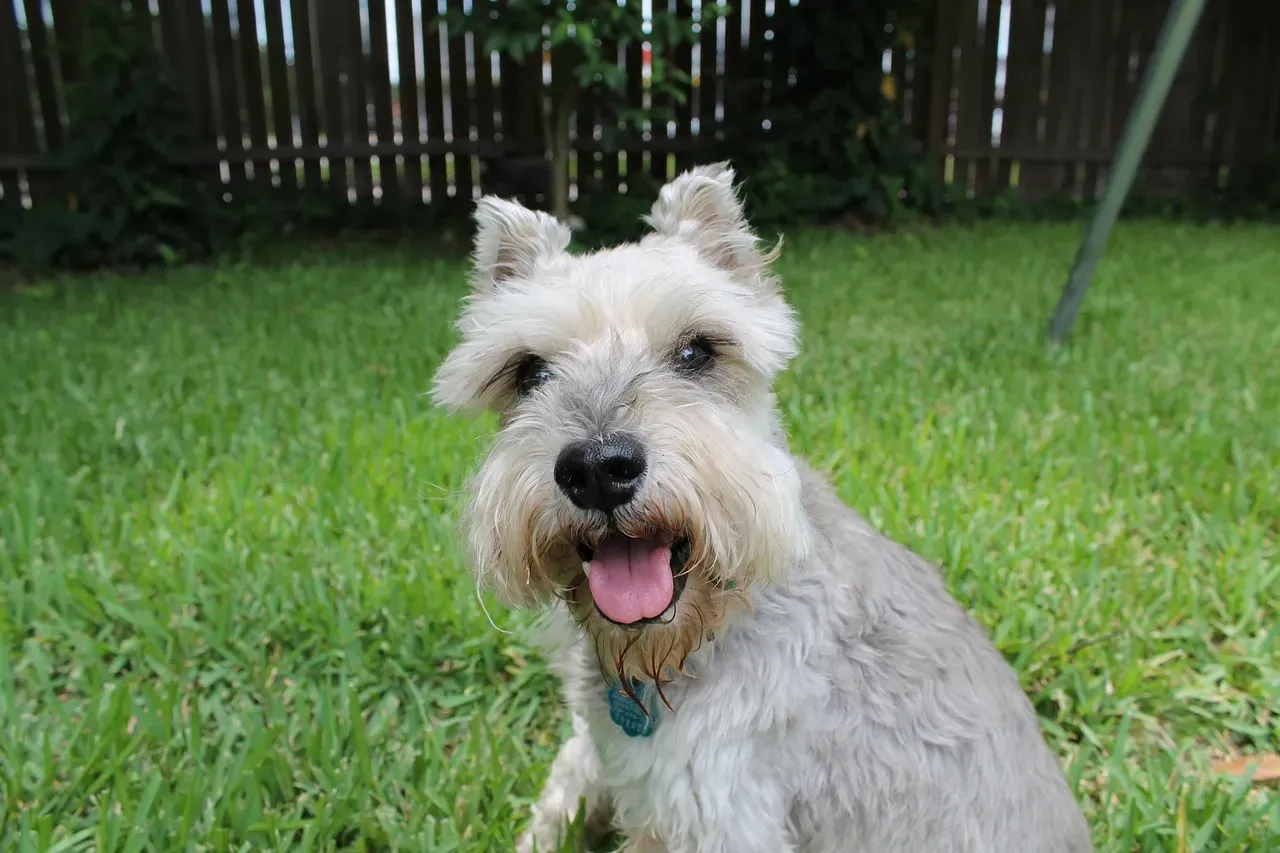
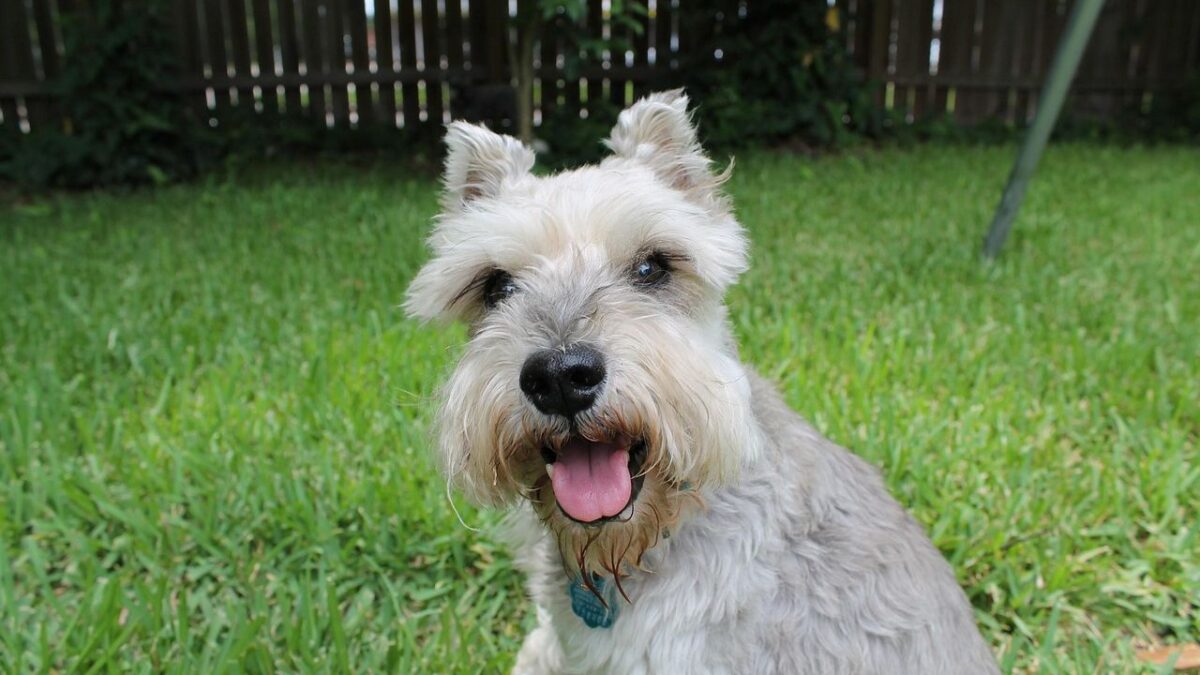
Minis are the smallest cousins of the Standard Schnauzer and Giant Schnauzer, and they’re the dog that lives the longest of the three, making great family pets. Their wiry coats and distinctive beards give them character that lasts a lifetime.
These small dogs need help maintaining a healthy weight to avoid obesity and diabetes, but with proper care, they’re remarkably hardy. Their size works in their favor when it comes to longevity, and their spirited temperament keeps them engaged with life.
Miniature Schnauzers are alert, friendly, and adaptable to various living situations. They maintain their playful nature well into their senior years, which is always a good sign of overall health and vitality.
The breed can develop some skin conditions and pancreatitis, but these issues are generally manageable with proper veterinary care. Their robust constitution and medium energy levels make them easier to keep healthy than some higher-maintenance breeds.
Havanese

The only dog breed native to Cuba, the Havanese has a long lifespan of 14–16 years, and this affectionate small breed loves his pet parents. These charming little dogs seem to thrive on companionship.
Their adaptability is legendary. They can handle different climates, living situations, and family dynamics with ease. That kind of flexibility might contribute to their longevity by reducing stress.
Havanese maintain their playful, affectionate nature throughout their lives. They’re not prone to many of the serious genetic conditions that plague other breeds, though they can experience the usual small-dog issues like dental disease and patellar luxation.
What really sets them apart is their stable temperament and love of being with their people. That strong bond and constant companionship might actually contribute to their health and longevity. Happy dogs tend to be healthy dogs, after all.
Papillon

Papillons are more than a pretty face – these small dogs are energetic and eager to please the humans they love, which makes them a joy to train. Those butterfly-like ears aren’t just adorable; they’re on a dog built to last.
With a lifespan of up to 15 years, the Papillon may be prone to some dental problems and patellar luxation. That’s a manageable list of potential issues for a breed that otherwise tends to be quite healthy.
These tiny dogs have the energy of breeds twice their size. They excel at dog sports and maintain their athleticism well into their senior years. Their intelligence and trainability keep them mentally sharp throughout their lives.
Papillons are adaptable and resilient, handling changes in routine and environment better than many toy breeds. That mental flexibility might contribute to their overall health and longevity.
Basenji
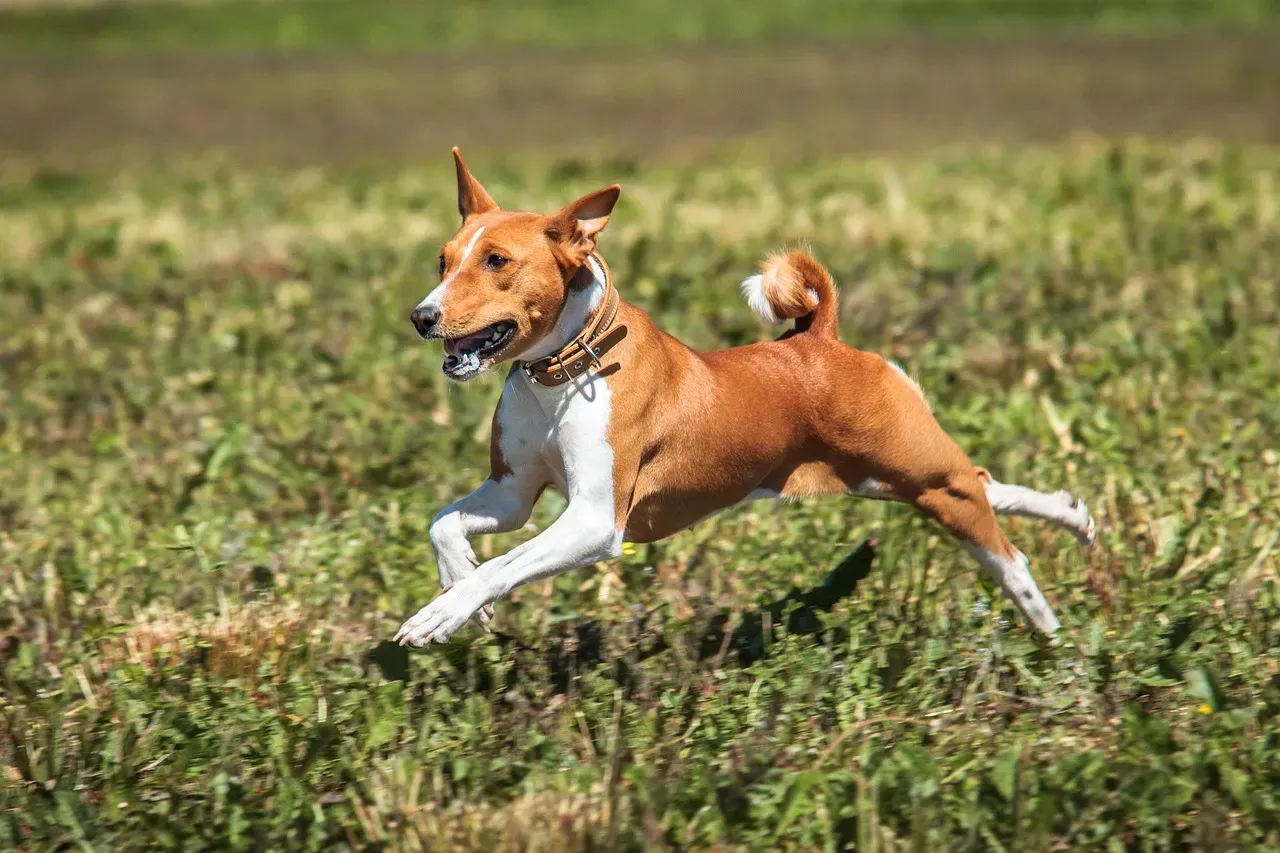
The Basenji, often referred to as the “barkless dog,” is known for its unique vocalizations and minimal health issues, with a lifespan of 13 to 14 years. These ancient African dogs have been around for thousands of years.
Their catlike grooming habits keep them remarkably clean and free of the doggy odor that plagues some breeds. That fastidiousness might extend to their overall health. Health problems are rare but can include Fanconi syndrome, a kidney disorder, though responsible breeding practices have significantly reduced its occurrence.
Basenjis are athletic and independent, maintaining their energy and curiosity well into old age. Their moderate size gives them an advantage over larger breeds when it comes to joint health and longevity.
These dogs require mental and physical stimulation to stay happy, and that active lifestyle likely contributes to their health. They’re proof that ancient breeds that have survived for millennia often have excellent genetic foundations.
Conclusion
The breeds on this list share some common traits: most are small to medium-sized, they tend to stay active and engaged with life, and they’ve benefited from either diverse genetics or centuries of natural selection that weeded out serious health problems. Size isn’t everything though. Some medium breeds like the Australian Cattle Dog and Border Collie prove that longevity is also about purpose, activity, and genetic diversity.
What really stands out is that these dogs don’t just live long lives; they live quality lives. They maintain their personalities, their energy, and their joy well into their senior years. That’s what we all want for our furry friends, right? Not just more years, but more good years.
Choosing a breed known for longevity is a smart start, but remember that proper care, nutrition, exercise, and regular veterinary checkups play huge roles in how long any dog lives. These breeds might have a genetic head start, but they still need devoted owners who will help them reach their full potential. What surprised you most about these remarkably hardy breeds?
Worried about unexpected vet bills?
Pet insurance can cover thousands in unexpected vet costs. Get a free quote from Lemonade in under 2 minutes.
Get My Free Quote →Sponsored · Opens Lemonade.com
