

Most dog owners have done it. A slice of fruit here, a corner of toast there, maybe a sneaky bite of something from the dinner table. It feels harmless, even loving. The problem is that dozens of perfectly ordinary foods sitting in your kitchen right now are genuinely dangerous to your dog, some capable of causing organ failure or death with surprisingly small amounts.
Dogs account for the vast majority of animal poisoning cases, and many of those emergencies start with everyday foods found at home. The gap between what’s safe for humans and what’s safe for dogs is far wider than most people expect. Here are twelve everyday foods that veterinarians consistently flag as serious threats to canine health.
#1. Chocolate

Methylxanthines, naturally occurring compounds found in chocolate and coffee products, pose serious risks to dogs. These substances, primarily theobromine and caffeine, affect dogs more severely than humans because dogs metabolize them much more slowly. The result is a buildup of toxins that can overwhelm the nervous system and the heart.
The darkness of chocolate directly correlates with its danger level. Cocoa powder ranks as the most toxic, followed by baking chocolate, dark chocolate, and milk chocolate. When ingested by pets, methylxanthines can cause vomiting and diarrhea, panting, excessive thirst and urination, hyperactivity, abnormal heart rhythm, tremors, seizures, and even death. Chocolate is also one of the most common causes of holiday pet poisoning, so the festive season deserves extra vigilance.
#2. Grapes and Raisins

Eating grapes, raisins, Zante currants, or sultanas can cause acute kidney injury in dogs. The exact amount of fruit that causes toxicity is unknown, and some dogs may become sicker than others. That unpredictability is exactly what makes this food so dangerous. You simply cannot know in advance how your dog will respond.
Published case reports show renal failure from as few as four or five grapes. Some dogs survived nearly two pounds of raisins, while another died from just a handful. Every ingestion is an emergency because you don’t know which way it will go. Hidden sources include trail mix, raisin bread, oatmeal cookies, granola bars, fruitcake, and grape juice. Always check ingredient labels before sharing baked goods or snacks with your dog.
#3. Onions and Garlic
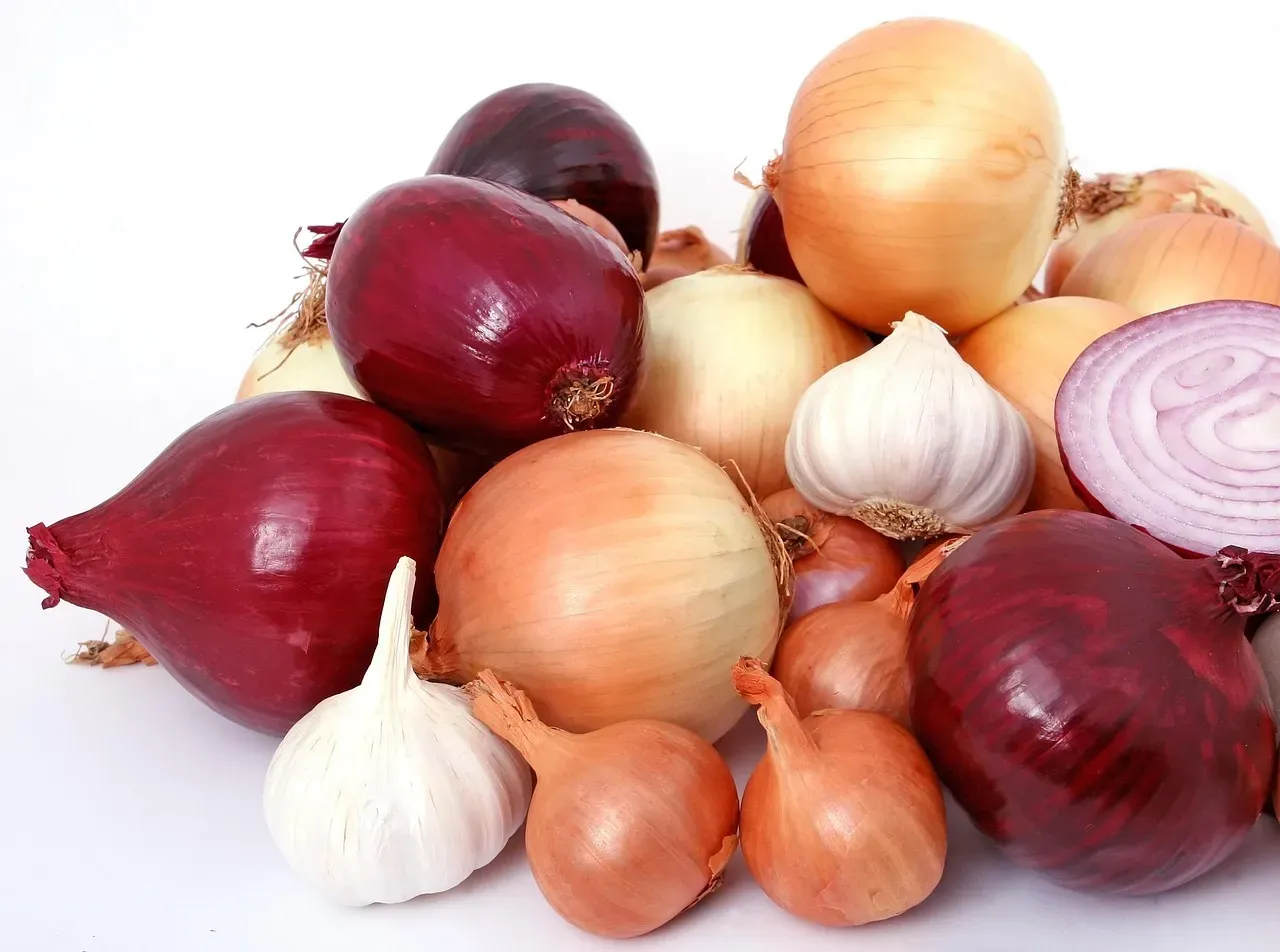
Members of the allium family, including onions, garlic, chives, and leeks, rank among the most dangerous foods for dogs. Garlic proves significantly more toxic than onions, making it especially hazardous. The danger lies in sulfur-containing oxidants that damage red blood cells, and these compounds remain active through chopping, cooking, or chewing.
Symptoms don’t always show up right away. Vomiting, diarrhea, and abdominal pain may appear within the first day, but signs of anemia can take several days to develop. As red blood cells break down, dogs may become weak, breathe rapidly, or show signs of jaundice. Their urine may turn reddish or brown, a warning sign of hemoglobin in the urine. Onion and garlic powders are found in many prepared foods, so make sure to read labels before serving store-bought food to your pet.
#4. Xylitol

Xylitol is used as a sweetener in many products including gum, candy, baked goods, and toothpaste. Xylitol can cause low blood sugar and potentially liver damage depending on the amount ingested. Initial signs of toxicosis include vomiting, lethargy, and loss of coordination, which can progress to seizures.
Xylitol triggers a massive insulin release, causing a rapid, dangerous crash in blood sugar, sometimes from a dose as tiny as 0.03 grams per kilogram of body weight. Xylitol can also damage the liver, sometimes leading to acute liver failure. Liver damage can occur within 12 to 24 hours, which can also cause secondary issues with abnormal bleeding. Checking labels on peanut butter, vitamins, and sugar-free snacks is especially important, as xylitol hides in products you’d never suspect.
#5. Macadamia Nuts

Dogs are the only species in which illness after eating macadamia nuts has been reported. Within 12 hours of ingestion, dogs may vomit and become weak, depressed, and uncoordinated. Tremors and a fever may also be seen. The exact compound responsible still hasn’t been identified by researchers.
The substance in macadamia nuts that affects dogs is not yet known, but the effects are well documented. Dogs who eat these nuts may develop a range of symptoms, and those symptoms often appear within 12 hours and may last up to 48 hours. Most dogs recover with supportive veterinary care. Macadamia nuts are commonly found in cookies, chocolates, and mixed nut products, so it’s worth being mindful of what’s within reach.
#6. Raw Yeast Dough

Raw bread dough made with yeast poses hazards including a bloated stomach, metabolic abnormalities, and central nervous system depression. Although all species can be affected, dogs are most commonly involved because of their tendency to eat anything. The warm, moist environment of the stomach serves as an efficient incubator for yeast to replicate, which expands the dough mass. The distended stomach reduces blood flow to the stomach wall and can result in breathing difficulties. The products of yeast fermentation include ethanol, which is absorbed into the bloodstream and results in poisoning and metabolic abnormalities.
Besides causing pain, rising dough could cause a condition called bloat, where the dog’s stomach twists, sealing off both ends. If untreated, bloat can be fatal. Dogs with extreme poisoning cases can go into a coma or have seizures. Many home bakers don’t realize the threat, leaving dough to rise on the counter well within a curious dog’s reach.
#7. Caffeine

Caffeine in coffee, tea, and other caffeinated beverages can be toxic to dogs, leading to restlessness, rapid breathing, heart palpitations, and muscle tremors. In severe cases, caffeine can even be fatal. Dogs have no need for caffeine, and their systems are simply not equipped to handle it.
Your dog’s heart may race if it accidentally ingests coffee grounds or consumes any drink high in caffeine. This can lead to seizures, tremors, arrhythmia, and difficulty breathing. Tea bags, energy drinks, soda, and even caffeine-laced snacks can all pose a risk. Dogs are naturally curious, and a few stray coffee grounds or an unattended cup can quickly turn into an emergency.
#8. Avocado
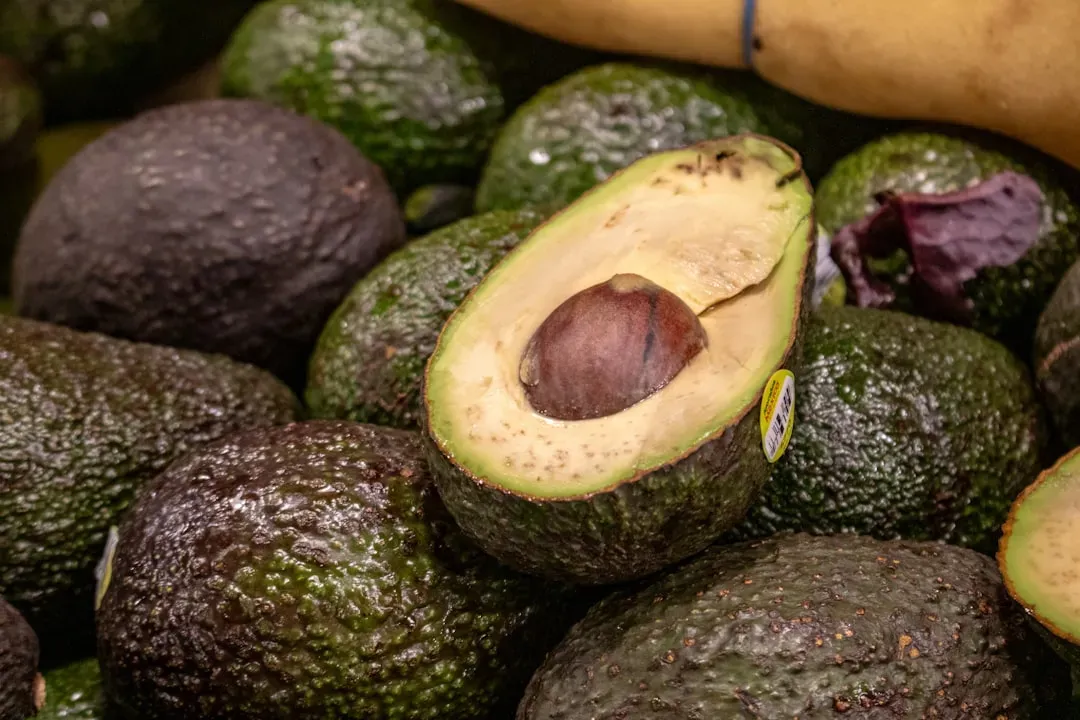
Avocados are great for humans but problematic for dogs. They contain persin, a fungicidal toxin not harmful to humans that causes vomiting and diarrhea in dogs. The flesh is the least concentrated source of persin, but the skin, leaves, and pit all contain higher levels of the compound.
Avocados contain a substance called persin, which may cause vomiting and diarrhea in dogs. The flesh is the least concentrated source, but the leaves, bark, and pit also contain it. Beyond the toxin itself, the large avocado pit presents a separate and serious choking hazard. Given how common avocado has become in everyday cooking and snacks, it’s worth keeping guacamole and avocado toast firmly out of paw’s reach.
#9. Alcohol

Alcohol is rapidly absorbed into the bloodstream and affects pets quickly. Ingestion of alcohol can cause dangerous drops in blood sugar, blood pressure, and body temperature. Intoxicated animals can experience seizures and respiratory failure. Dogs are far more sensitive to ethanol than humans, meaning even a small amount can trigger a serious reaction.
Desserts containing alcohol or yeast-containing dough are often the unknown culprits. Tiramisu, rum cake, certain holiday chocolates, and even alcoholic beverages left unattended at parties all pose a real threat. Even small amounts of alcohol can be dangerous, as dogs are far more sensitive to ethanol than humans. Never assume that “just a sip” is harmless.
#10. Dairy Products
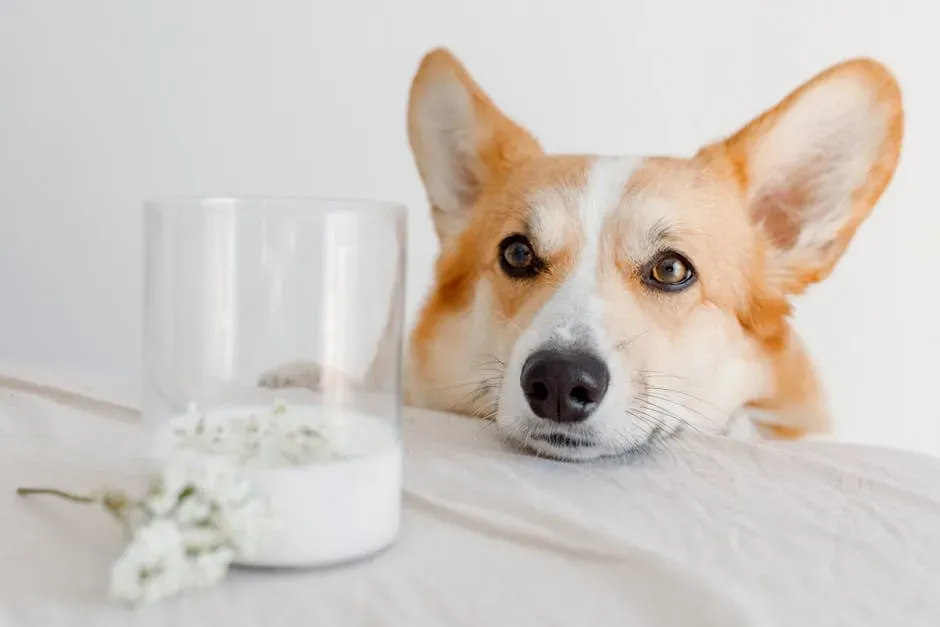
Because pets do not possess significant amounts of lactase, the enzyme that breaks down lactose in milk, milk and other dairy-based products can cause diarrhea or other digestive upset. This isn’t just a mild inconvenience. Repeated exposure can cause chronic digestive distress that many owners mistake for other health issues.
Many dogs are lactose intolerant because they don’t have significant amounts of lactase, the enzyme that breaks down lactose in milk. Consuming milk and dairy can cause gastrointestinal upset, leading to diarrhea, vomiting, gas, bloating, or other digestive problems. Dairy can also trigger food allergies, which can be exhibited in constant itching. That shared scoop of ice cream on a hot day might feel like a treat for both of you, but for many dogs it’s the start of a very uncomfortable night.
#11. Raw Meat and Raw Eggs
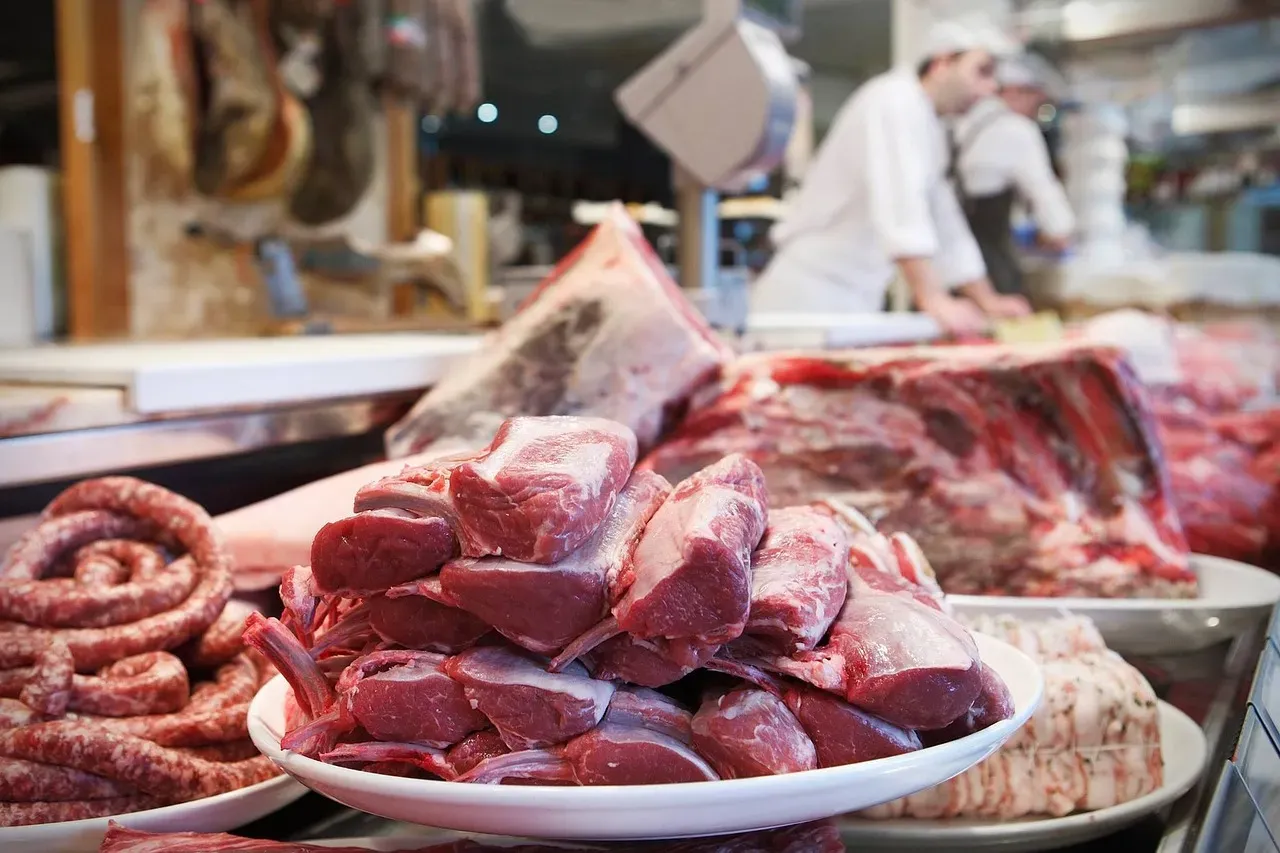
Raw meat and raw eggs can contain bacteria such as Salmonella and E. coli that can be harmful to pets and humans alike. Raw eggs contain an enzyme that can interfere with absorption of certain vitamins, leading to skin and coat problems. The raw feeding trend has grown in popularity, but the risks are real and often underestimated.
Some fish such as salmon, trout, shad, or sturgeon can also carry a parasite that causes salmon poisoning disease. It’s treatable, but help should be sought right away. The first signs are vomiting, fever, and enlarged lymph nodes. Fully cooking the fish kills the parasite. Raw egg whites contain a substance that may interfere with the absorption of biotin, a B vitamin that supports healthy skin and coat, while cooked eggs are generally safe and nutritious for dogs.
#12. Nutmeg
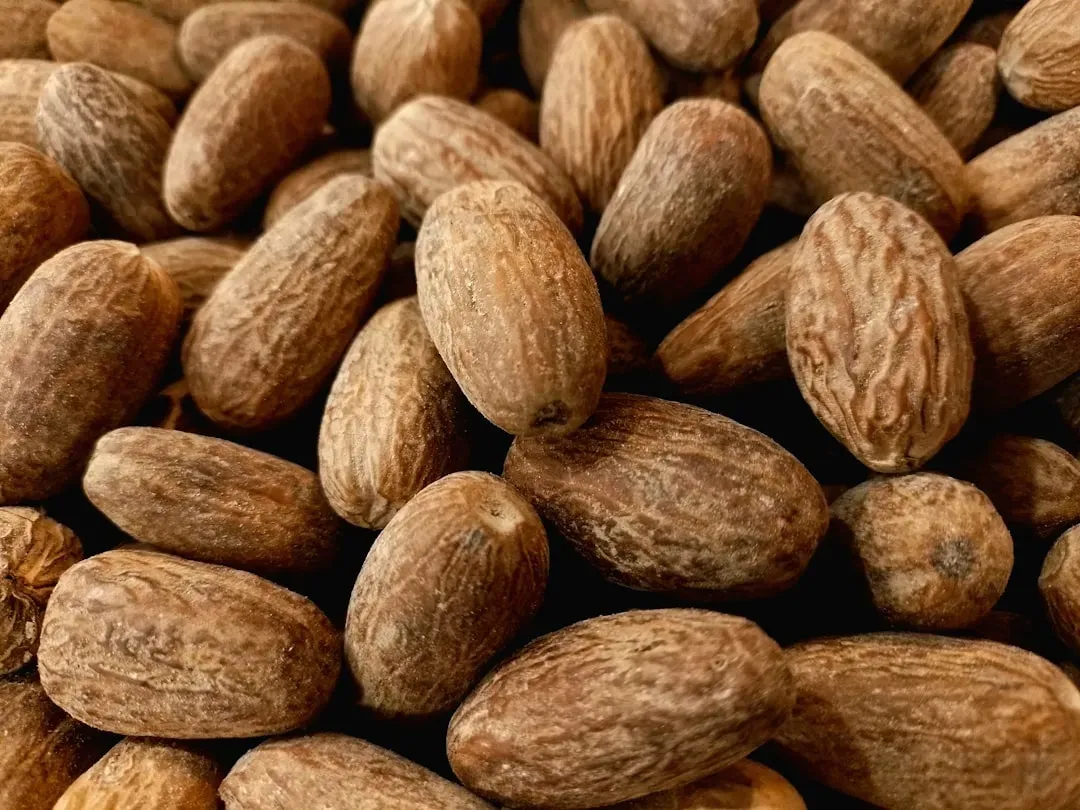
Nutmeg contains myristicin, a compound that can cause hallucinations, increased heart rate, disorientation, and even seizures in dogs. Even a small amount can cause a reaction. This is one of those dangers that quietly hides in holiday baked goods, pumpkin pies, and spiced treats that dogs can easily access.
Nutmeg poisoning in dogs can occur with as little as one teaspoon of ground nutmeg or two to three whole nutmeg seeds. Even if a dog doesn’t eat a toxic dose, stomach upset will likely occur. Signs can take several hours to appear and may last up to 48 hours. Nutmeg is especially common in holiday baking, so it’s worth being extra careful during festive periods. A spice rack left open or a dropped cookie can become a veterinary emergency faster than you’d think.
What to Do If Your Dog Eats Something Toxic

Watch what your dog eats, and if you’re not sure and see signs of poisoning, get to a veterinarian immediately or call a poison control center. Even veterinarians call these centers for advice because time truly is of the essence in a poison case. The ASPCA Animal Poison Control Center can be reached at (888) 426-4435.
The potentially dangerous items on this list can vary in how toxic they are. Some may be only mildly toxic while others may cause severe illness or even death. The degree of toxicity often depends on several factors, including the type and size of the animal and the amount consumed. Speed matters enormously. Pets consuming toxic items may experience symptoms within one to two hours of ingestion. Treatment success depends largely on quick action. For recent ingestions within two to four hours, veterinarians typically induce vomiting.
The simplest safeguard is to treat your dog’s diet the same way you’d treat a child’s. Keep the pantry closed, check ingredients, and resist those eyes during dinner. A dog’s loyalty is unconditional. Protecting them from the kitchen’s quiet hazards is one of the most practical ways to return the favour.
